
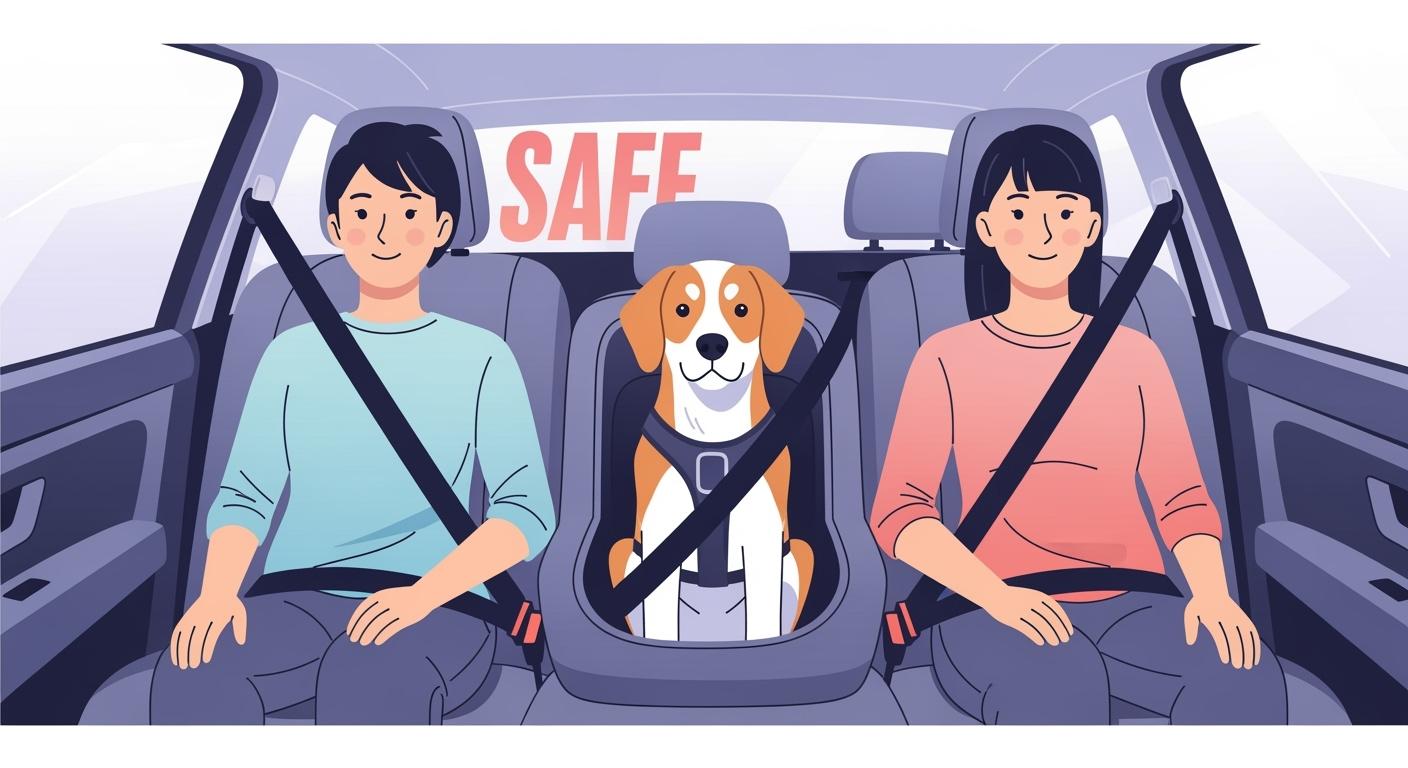
Yes, you can use a car seat for dogs without crowding passengers or sacrificing safety. You need to plan your layout and check how the seat fits in your car. Measure both passenger and pet space before you buy anything. Try the setup to see if your dog feels calm and safe. Proper installation and restraint help improve pet safety. Always make sure seat belts and tethers are easy to reach.
Tip: If your pet seems anxious or uncomfortable, stop and check with your vet before continuing the trip.
Key Takeaways
Measure your car’s back seat and your dog’s size before buying a car seat. This ensures a proper fit and prevents crowding.
Choose a dog car seat that allows easy access to seat belts for passengers. This keeps everyone safe and comfortable during travel.
Always secure your dog with a harness attached to the car seat tether. Avoid using a collar to prevent injury.
Test the car seat setup with a short ride. Check for stability and comfort for both your dog and passengers.
Plan for regular breaks during long trips. This helps keep your dog calm and reduces the risk of accidents.
Can a Car Seat for Dogs Share Space Safely
Space Sharing Effects: Leg Room, Belt Access, Entry, Dog Posture
When you plan to use a car seat for dogs, you need to think about how it affects everyone in the car. The shared space cue means passengers can sit with normal posture and use seat belts without the dog seat blocking buckles or forcing unsafe belt routing. You should check the following:
Leg Room: Measure the seat width and depth. For example, a seat with a footprint of 18 in (46 cm) wide and 16 in (41 cm) deep may fit one passenger and a small dog. If the seat is too wide, passengers lose leg room and comfort.
Belt Access: Make sure seat belt buckles remain reachable after you install the dog seat. You should test this before every trip.
Entry: Confirm the dog can enter the car without climbing over passengers. Door clearance matters, especially for older pets.
Dog Posture: Your dog needs space to sit, lie down, and turn. If the seat is too small, your dog may feel anxious or unsafe.
Tip: Always check the car seat protector and car dog seat protector for proper fit. These protectors help keep the seat clean and prevent slipping, but they should not block seat belt access.
Secure Install vs Secure Restraint
You need to understand the difference between a secure install and secure restraint. A secure install means the dog seat stays stable and does not slide, tip, or rotate during gentle pushes and turns. You can check stability by pushing the seat gently from different angles. If it moves, adjust the base grip or side walls.
A secure restraint means your dog remains safely tethered to a harness. Never attach the tether to a collar. The tether should be short enough to prevent climbing but long enough for your dog to sit and lie down comfortably. Route the tether away from passenger seat belts to avoid tangles.
Step | Pass Sign | What to Change |
|---|---|---|
1. Place seat | No slide or tip | Adjust base grip or use anti-slip mat |
2. Buckle access | Buckles reachable | Move seat or choose smaller footprint |
3. Harness use | Tether to harness | Never use collar-only attachment |
4. Tether routing | Away from belt paths | Reroute tether or shorten length |
5. Test ride | No crowding, no distress | Re-check fit and comfort |
Safety Tip: Proper installation and restraint improve safety but do not guarantee results. If your pet shows distress, stop and consult your vet before continuing travel.
When Not to Share Space on a Trip
Sometimes, sharing space is not the best choice. You should avoid sharing space in these situations:
Large dogs over 40 lb (18 kg) may need a full seat or the cargo area.
Crowded vehicles with three or more passengers leave little room for a dog car seat.
Long trips can make dogs and passengers uncomfortable if space is tight.
If seat belt buckles are blocked or unsafe belt routing is required, do not share space.
If your dog cannot sit, lie, or turn comfortably, choose a larger seat or different layout.
Dog car seats work best when you match the seat size to your dog and the number of passengers. The best dog car seats offer stability, restraint, and comfort for both pets and people. Always use a car seat protector to keep the seat clean and safe.
Note: Pet safety depends on proper planning and setup. Test the layout before every trip and adjust as needed.
Choosing a Dog Car Seat for Shared Space
Booster vs Hammock Styles for Shared Seating
You need to choose a car seat for dogs that fits your travel needs and keeps both your pet and passengers comfortable. Booster seats lift your dog up, giving a better view and helping smaller dogs feel secure. These seats usually have a compact footprint, such as 18 in (46 cm) wide and 16 in (41 cm) deep, which helps prevent crowding. Hammock styles stretch across the back seat, creating a barrier and a larger area for your dog to lie down or turn. Hammocks work well for medium or large dogs, but they can block seat belt buckles and limit passenger space.
Booster seats help small dogs sit upright and stay calm.
Hammock covers protect the seat and allow dogs to lie down, but may reduce leg room for passengers.
Foldable extenders can add space for dogs who like to stretch out, but you must check buckle access and stability.
Tip: Always check if the car seat protector or car dog seat protector blocks seat belt buckles. You want to keep buckles reachable for safety.
Rigid Frame vs Soft Structure: Footprint Impact
You must consider the structure of the dog car seat. Rigid frame seats use hard-bottom bases that resist sagging and keep the seat stable. These seats maintain predictable footing for your dog, even when your pet shifts or jumps. Soft structure seats use flexible materials and rely on tension to hold shape. These seats can dip in the center, especially on wide bench seats, which may pull dogs inward and cause discomfort.
Rigid frames distribute weight across the bench and reduce dips.
Soft structures may sag over time, especially with frequent use or heavier dogs.
Reinforced anchor points help keep both styles secure when dogs move around.
Safety Tip: Choose a seat with a stable base grip and strong anchor points. This helps prevent sliding and tipping during turns.
Base Grip and Side Walls for Stability
You want a dog car seat that stays in place during travel. Look for seats with anti-slip base grips and sturdy side walls. These features keep the seat from sliding or rotating when your dog moves or when you turn the car. Side walls also help your dog feel secure and prevent climbing out. If you have two medium dogs who swap sides often, a stable platform reduces the chain reaction of adjustments and helps both dogs settle faster. For large dogs who launch into the seat, a bouncy platform can cause bracing and stress, so stability matters.
Anti-slip grips keep the seat steady.
High side walls add security and comfort.
Stable platforms help dogs relax and prevent motion stress.
Note: Test the seat by pushing gently from different angles. If it slides or tips, adjust the grip or choose a different style.
Product Style Comparison Table: Space, Stability, Watch-Outs
You can use the table below to compare different dog car seat styles. This helps you choose the best dog car seats for your needs.
Product Style | Passenger Space Impact | Stability Focus | Watch-Outs |
|---|---|---|---|
Booster Seat | Low footprint, fits 1 passenger and small dog | Hard-bottom base, anti-slip grip | May block buckle if too wide |
Hammock Cover | Covers full bench, reduces leg room | Tension anchors, reinforced sides | Buckle access may be limited |
Foldable Extender | Adds width, fits medium dog | Needs strong anchor points | Center dip can pull dogs inward |
Soft Structure Seat | Flexible, fits various layouts | Relies on tension, may sag | Sagging with heavy dogs |
Tip: Always measure the seat width and depth before buying. For example, a seat with a footprint of 18 in (46 cm) wide and 16 in (41 cm) deep works for small dogs and one passenger. For larger dogs, look for wider seats and check if the car seat protector keeps the seat clean without blocking buckles.
You need to match the seat style to your dog’s size, posture needs, and the number of passengers. Dog car seats with stable bases and secure anchor points help keep your pet safe and comfortable during travel.
Measuring Passenger and Dog Space
Back Seat Layouts: Single, Split, Center
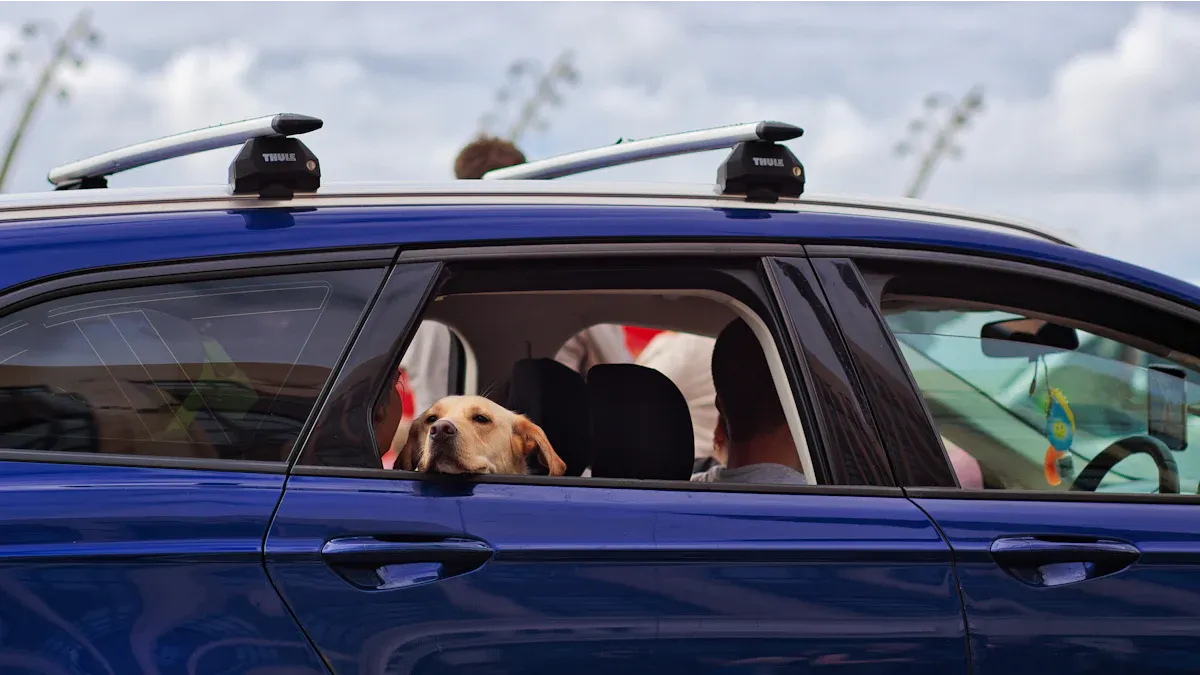
You need to check your back seat layout before you install a car seat for dogs. Some cars have a single bench seat, while others have split seats or a center armrest. Measure the usable seat width and depth. For example, a single seat might offer 48 in (122 cm) wide and 18 in (46 cm) deep. Split seats may give less space, so you must adjust your plan. Always check if the seat belt buckles remain reachable after you place the dog seat.
Dog Posture Needs: Sit, Lie, Turn
Your dog needs enough space to sit, lie down, and turn around. Measure your dog in their natural lying position. Add a few inches or centimeters for comfort. If your pet cannot stretch or relax, they may feel anxious during travel. Choose dog car seats that match your dog’s posture needs and allow them to move safely.
Footprint Sizing to Prevent Crowding
To prevent crowding, measure both your dog and the car’s usable seat area. Use dual units for accuracy. Here are some guidelines:
Measure your dog’s length and width when lying down.
Measure the seat width and depth where the dog seat will rest.
Select a seat with non-slip backing and anchors for stability.
Allow extra space for your dog to stretch and relax.
Re-check the fit if your dog grows or you change vehicles.
Measurement Table: What, How, Why
What to Measure | How to Measure | Why It Matters |
|---|---|---|
Seat width | Measure sitting area in in/cm | Prevents crowding |
Seat depth | Measure from back to front in in/cm | Ensures comfort |
Buckle access | Check reach after install | Keeps belts usable |
Door clearance | Open door, check entry path | Eases entry for dog |
Dog posture space | Measure dog lying, add extra in/cm | Supports calm travel |
Parameter and Value Table: Embedded
Parameter | Target Range or Option | Why It Matters |
|---|---|---|
Passenger space | Normal posture, belt access | Determines share feasibility |
Footprint | Measured width and depth | Prevents crowding |
Buckle access | Reachable after install | Avoids belt interference |
Stability check | No slide, no tip | Prevents motion stress |
Harness use | Harness for tethering | Reduces neck risk |
Tether routing | Away from belt paths | Reduces tangles |
Dog posture space | Sit, lie, turn | Comfort and calm |
Test ride | Short ride then re-check | Catches sliding and crowding |
Safety Tip: Always use a harness for tethering, not a collar. Keep the tether short enough to prevent climbing, but long enough for comfort. Make sure the car seat protector and car dog seat protector do not block seat belt buckles.
Scenario A: One Passenger and One Dog in the Back Seat
Place the dog seat on one side of the back seat. Leave enough space for the passenger to sit with normal posture and use the seat belt. Choose a seat with a footprint of about 18 in (46 cm) wide and 16 in (41 cm) deep for a small dog. Route the tether away from the passenger’s belt path. Test the setup with a short ride. If you notice sliding or crowding, adjust the seat or try a different layout.
Note: Proper installation and restraint improve safety but do not guarantee results. If your dog shows distress, stop and consult your vet.
Dog Car Seat Installation and Tether Setup
Belt Path Routing and Buckle Access
You want to keep seat belts and buckles easy to reach when you install a car seat for dogs. Look for covers with pass-through openings so you can see and use the buckles. Make sure you do not bunch up fabric around latch points. This helps you buckle up quickly and keeps the restraint system working. If you use the middle seat for a passenger, check that the buckle stays accessible. This is important during school runs or carpooling.
Keep buckles visible and easy to reach.
Use covers with pass-through openings.
Avoid bunching fabric near latch points.
Check middle seat buckle for passenger use.
Tip: Always test buckle access before every trip. If you cannot reach a buckle, adjust the seat or protector.
Tether Length and Attachment Points
You must attach the tether to a harness, never to a collar. The tether should be short enough to stop your dog from climbing or jumping, but long enough for your dog to sit, lie, and turn. Route the tether away from passenger seat belts. This prevents tangles and keeps belts clear for people. If your pet feels cramped, try a longer tether, but check that it does not let your dog move too far.
Safety Tip: Proper installation and restraint improve stability and comfort but do not guarantee outcomes. If your dog shows distress, stop and consult a vet.
Anti-Slip and Stability Checks
After you install dog car seats, check for stability. Use these simple tests to make sure the seat does not slide or tip.
Check Type | Description |
|---|---|
Press Test | Press down in the center where your dog stands. If it dips easily, the floor relies on tension. |
Edge Check | Press near the left and right edges. If the sides droop, dogs may drift toward the footwell. |
Reposition Check | Tug the platform left and right. If it slides and recenters, it shows instability. |
If you notice sliding or tipping, adjust the base grip or use a car seat protector with anti-slip backing. A waterproof car dog seat protector helps keep the seat clean and stable.
Installation Steps Table: Step, Pass Sign, Change
Follow these steps for secure installation and safe restraint. Check each step before you start your trip.
Step | Pass Sign | What to Change |
|---|---|---|
1. Place seat | No slide or tip | Adjust base grip or use anti-slip mat |
2. Buckle access | Buckles reachable | Move seat or choose smaller footprint |
3. Harness use | Tether to harness | Never use collar-only attachment |
4. Tether routing | Away from belt paths | Reroute tether or shorten length |
5. Test ride | No crowding, no distress | Re-check fit and comfort |
Note: Always use a harness for tethering. Make sure the car seat protector and waterproof car dog seat protector do not block seat belt buckles. If your dog shows distress, stop and consult a vet.
Shared Space Seating Plans for Dogs and Passengers
One Passenger Plus Dog: Layouts and Pitfalls
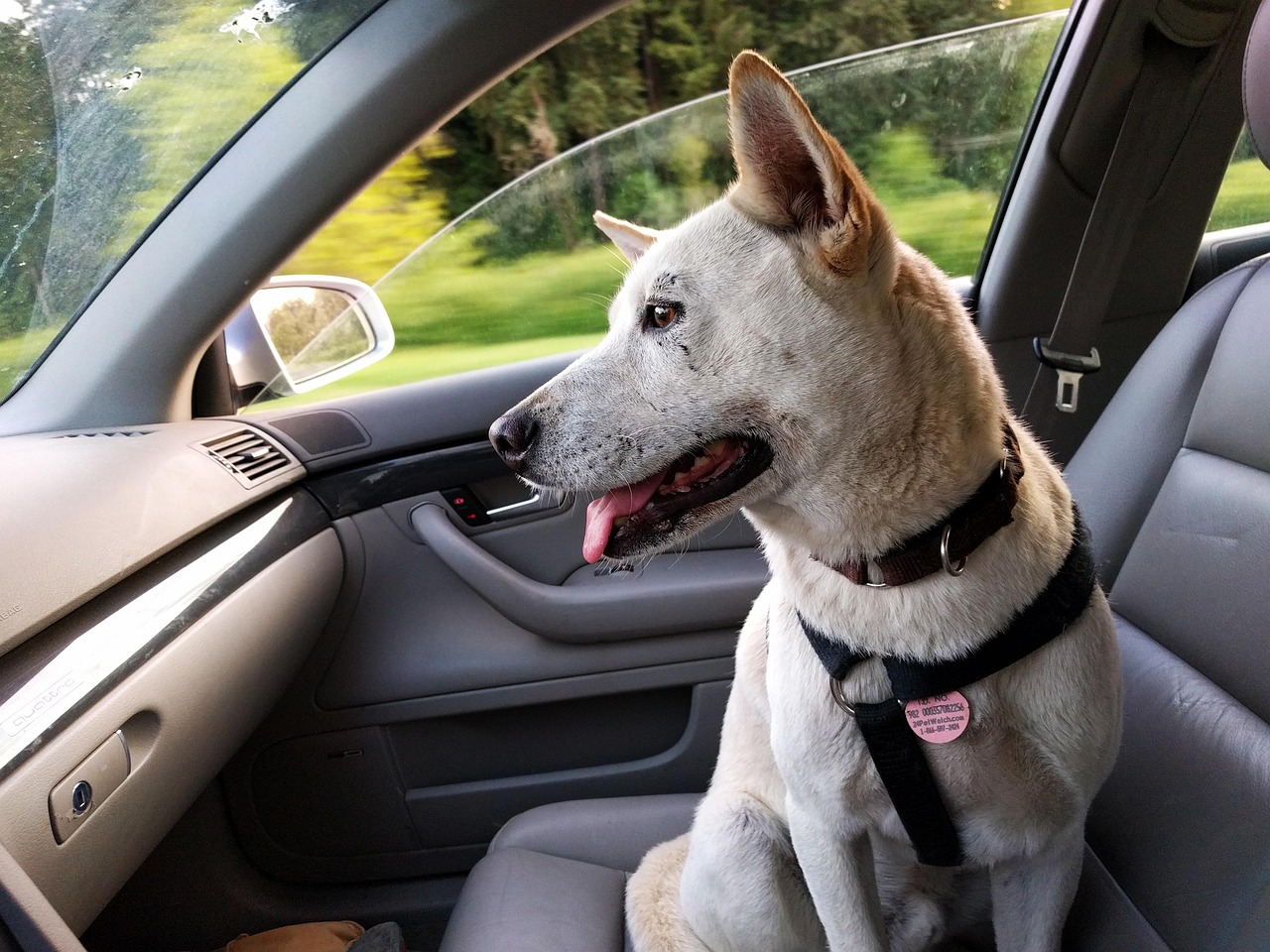
You can set up your back seat for one passenger and a dog by placing the dog seat on one side. A booster seat with a footprint of 18 in (46 cm) wide and 16 in (41 cm) deep works well for small dogs. The passenger sits with normal posture and uses the seat belt. You must check that the seat belt buckle remains reachable. If you use a hammock cover, make sure it does not block the buckle or force the passenger to sit awkwardly. Always route the tether away from the passenger’s belt path. If the dog seat slides or tips, adjust the anti-slip grip or try a waterproof protector with better backing.
Two Passengers Plus Dog: Avoiding Crowding
When two passengers and a dog share the back seat, space becomes tight. Place the dog seat in the center or use a foldable extender to give your dog enough room to sit or lie down. For example, a foldable extender with a footprint of 20 in (51 cm) wide helps medium dogs relax. Passengers should sit with normal posture and have clear access to seat belts. If you notice crowding or the dog seat moves during turns, check the install path, footprint, and anti-slip features. Shorten the tether if the dog climbs too far. If the seat blocks buckles, reposition it or select a smaller dog car seat.
Kids or Bags: What Changes
Adding kids or bags changes your seating plan. Kids need easy access to seat belts and enough leg room. Bags can block entry or crowd the dog. Place bags in the trunk or under the seat to keep space clear. If you use a center console seat for your dog, check that kids can buckle up without reaching over the dog. Always test the setup before your trip. If the dog seems anxious or crowded, adjust the layout or move the dog seat to a different spot.
Layout Table: Setup, Seating, Checks
Step | Trip Setup | Passenger Seating | Dog Seating | What to Check |
|---|---|---|---|---|
1 | Place seat | Normal posture | Sit or lie | Buckle access, anti-slip grip |
2 | Add bags | Clear leg room | No crowding | Entry path, seat movement |
3 | Kids added | Belt access | Calm dog | Tether routing, comfort |
4 | Install check | Stable seat | Relaxed dog | No slide, no tip |
5 | Short trip test | Re-check fit | Watch dog | Adjust layout if needed |
Safety Tip: Proper installation and restraint improve safety but do not guarantee results. If your dog shows distress, stop and consult a vet. Tethers and seat belts must remain accessible and unobstructed.
Fixing Common Dog Car Seat Problems
Sliding or Rotating During Turns
You may notice your dog sliding into the footwell when you turn or brake. Hammock covers can sag in the center, especially on wide benches, causing your dog to sit in an awkward position. Edges sometimes collapse, making it hard for your dog to keep footing near the gap. Strap fatigue can happen if you have more than one dog, which stresses the anchors. If you use leather seats, covers may bunch up and shift, making the surface slippery for your dog. Over time, covers can fail and need sudden replacement.
Dogs slide into the footwell during sharp turns or stops.
Hammock dips in the center, causing awkward posture.
Edges collapse, leading to loss of footing.
Straps wear out under heavy weight.
Covers bunch up on leather, making surfaces slippery.
Safety Tip: Always check the seat for stability before each trip. If you see sliding or tipping, adjust the base grip or use a cover with non-slip backing.
Dog Climbing Out or Tether Tangles
If your dog tries to climb out, the tether may be too long or attached incorrectly. Tethers that cross passenger belt paths can tangle easily. You should always attach the tether to a harness, not a collar. Keep the tether short enough to prevent climbing, but long enough for your dog to sit, lie, and turn. If you notice tangles, reroute the tether away from seat belt paths.
Note: If your pet shows distress or tries to escape, stop the trip and consult a vet.
Passenger Crowding or Blocked Belt Access
Crowding happens when the dog seat footprint is too wide or deep. Blocked seat belt buckles make it hard for passengers to buckle up safely. Always measure the seat width and depth in in/cm before installing. Make sure buckles stay reachable after you place the dog seat. If you notice crowding or blocked access, move the seat or choose a smaller footprint.
Safety Tip: Seat belts and tethers must remain accessible and unobstructed. Proper installation and restraint improve safety but do not guarantee results.
Troubleshooting Table: Problem, Cause, Quick Fix, Next Step
Problem | Likely Cause | Quick Fix | Next Step |
|---|---|---|---|
Dog slides during turns | Unstable base, hammock sag | Use anti-slip mat, adjust anchors | Test ride, re-check stability |
Dog climbs out | Tether too long, harness not used | Shorten tether, use harness | Watch posture, adjust length |
Tether tangles | Poor routing, crosses belt paths | Reroute tether away from belts | Check after each trip |
Crowding for passengers | Seat too wide/deep | Move seat, select smaller footprint | Measure seat area in in/cm |
Blocked belt access | Cover or seat blocks buckles | Reposition seat, use pass-through covers | Test buckle reach before trip |
Cover slips on leather | No grip, oversized cover | Use non-slip backing, fit cover properly | Replace if slipping continues |
Tip: Always test the setup with a short ride. If you notice any problem, adjust the seat, tether, or cover before starting a longer trip.
Dog Car Seats: Retail and Wholesale Notes
Listing Copy: Footprint, Install, Tether Rules
When you read a listing for a pet car seat, focus on the footprint. The footprint shows the width and depth the seat covers on your vehicle seat, such as 18 in (46 cm) wide and 16 in (41 cm) deep. You should check installation steps and tether rules. Look for clear instructions about harness use and tether length. The listing should mention if the seat allows seat belt access and if it supports waterproof dog seat protection for protecting car interiors.
Safety Tip: Always use a harness for tethering. Never attach the tether to a collar. Check that seat belts and tethers remain accessible after installation.
Spec Checklist: Size, Straps, Anchors, Washable, Anti-Slip
You need to review the specifications before you buy. Use this checklist to compare options:
Size: Check the stated width and depth in in/cm.
Straps: Look for adjustable straps for secure fit.
Anchors: Confirm anchor points for stability.
Washable: Choose seats or covers that you can wash easily.
Anti-Slip: Select products with anti-slip backing for durability and coverage.
Heavy-duty seat cover: Consider this for extra pet seat protection and vehicle interior protection.
Feature | What to Look For |
|---|---|
Size | Stated in in/cm |
Straps | Adjustable, secure |
Anchors | Multiple, reinforced |
Washable | Machine or hand washable |
Anti-Slip | Non-slip backing |
Coverage | Full seat coverage |
Support Script: Measure, Choose, Install, Test Ride, Re-Check
You can follow these steps to get the best results:
Measure your seat and your dog’s posture space in in/cm.
Choose a dog car booster seat or dog seat cover that matches your needs.
Install the seat, checking anchor points and anti-slip features.
Test ride with your dog for a short trip.
Re-check fit, stability, and comfort after the ride.
Note: Proper installation and restraint improve safety but do not guarantee results. If your dog shows distress, stop and consult a vet. Always keep tethers and seat belts unobstructed.
OEM/ODM Explainer
You may see OEM or ODM in product descriptions. OEM means the product is made to another brand’s specifications. ODM means the supplier designs and makes the product, often for multiple brands.
You can create a safe and comfortable trip for both dogs and passengers by following these steps:
Measure your car and dog space before you buy a seat.
Choose a dog car seat that fits your needs and supports safety testing.
Install the seat and tether to a harness, not a collar.
Test the setup with a short ride and check for comfort.
Plan stops every 2-3 hours to prevent accident risks and keep your dog calm.
Safety tip: Proper installation and restraint improve safety, but do not guarantee results. Always watch for signs of distress and adjust your setup as needed.
FAQ
How do you know if a dog car seat fits your car?
Measure your seat width and depth in in/cm. Compare these to the product’s stated footprint. Check if seat belt buckles remain reachable after installation. Always test the setup with a short ride to confirm comfort and stability.
Can you use a dog car seat with two passengers in the back?
Yes, you can if the seat footprint is small enough, such as 18 in (46 cm) wide. Place the dog seat in the center or on one side. Make sure both passengers can sit with normal posture and use seat belts.
What is the safest way to tether your dog in a car seat?
Always attach the tether to a properly fitted harness, not a collar. Keep the tether short enough to prevent climbing but long enough for your dog to sit and lie down. Route the tether away from passenger seat belts.
What should you do if your dog seems anxious in the car seat?
Stop the trip if your dog shows distress. Check the seat fit, tether length, and comfort. Try a short ride again. If anxiety continues, consult your vet before traveling further.






