
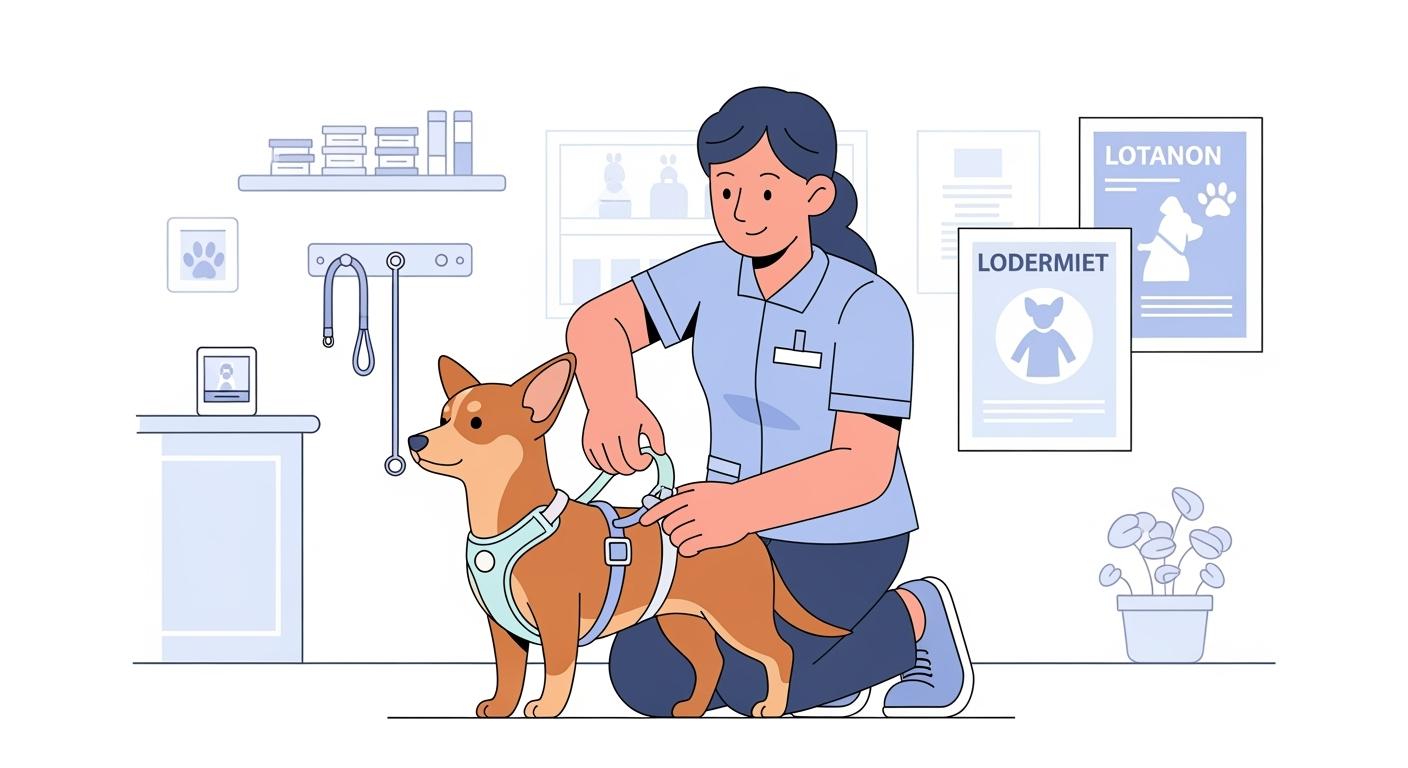
Small dog harness fit mistakes can cause dogs to slip out. This can also lead to exchanges and returns. Many small dogs move a lot and have different body shapes. This makes it easy for a harness to move during walks. If the harness does not fit well, a dog might back out or twist. The dog could escape before you see it happen. Staff should check if the harness fits right, especially at places where dogs can escape. You can use the two-finger rule to make sure the harness is snug but not too tight. A quick fit check takes about 30 seconds. It helps you find safety problems and makes sure the harness has important safety features. By checking every small dog harness like this, you help dog owners trust you. You also show you believe in the harness’s safety during walks. This reminds everyone that dog safety is very important.
Quick fit checks can stop slip-outs and keep all dogs safe.
Key Takeaways
Use the two-finger rule to check harness fit. This ensures the harness is snug but not too tight, promoting comfort and safety.
Measure the neck base and chest girth accurately. Proper measurements help prevent escapes and ensure a secure fit for each dog.
Check for common escape points like the neck and chest areas. A snug fit at these points reduces the risk of dogs slipping out during walks.
Adjust harness straps in a specific order for the best fit. Start with the neck strap, then the chest strap, ensuring both are secure.
Regularly check the harness fit before each walk. This helps catch any adjustments needed and keeps dogs safe and comfortable.
What Is a Good Fit for a Small Dog Harness
Key Measurement Points for Harness Fit
You want every dog harness to fit well and keep the dog secure. Start by measuring the neck base, not the throat. Next, measure the chest girth just behind the front legs. This spot is the widest part of the chest and is the most important for a secure fit. Always check that the harness straps sit behind the elbows and do not cut into the armpit. Accurate chest measurement helps you find the best custom fit for each dog. The harness should allow a little room at both the chest and neck base, so the dog can move and breathe easily.
Measurement Type | Description |
|---|---|
Girth Measurement | Measure around the widest part of the chest, just behind the front legs. This is the most critical measurement for harness fit. |
The Two-Finger Rule for Best Fit
You can use the two-finger rule to check if the dog harness fits right. Slide two fingers under each strap. The harness should feel snug but not tight. If you cannot fit two fingers, the harness is too tight. If you can fit more than two fingers, the harness is too loose. This rule helps you balance comfort and security for every dog. Always check the chest strap and neck base for this rule. Make sure the vest does not shift or twist when the dog moves.
Comfort vs Security in Dog Harnesses
A good dog harness gives both comfort and security. You want the vest to feel soft and padded, so it does not cause underarm rub. The harness should have adjustability, so you can change the fit as needed. Look for a Y-shape design that spreads pressure evenly and lets the dog move naturally. Adjustable straps help you get the best fit for each dog. The vest should not restrict movement or cause chafing.
Adjustable for an ideal fit: You can tailor the harness for many dog sizes, which helps with comfort and security.
Exceptional comfort: Padding and ergonomic design reduce pressure points and make walks better for the dog.
Natural control without restriction: The Y-shape lets the dog move freely while staying secure.
Tip: Never promise that a dog harness is escape-proof. Always check the fit and watch for signs of adjustment drift over time.
For B2B readers: OEM means Original Equipment Manufacturer, and ODM means Original Design Manufacturer. OEM makes products based on your design, while ODM creates and designs products for you to sell under your brand.
Common Escape Points in Small Dog Harnesses
Small dogs often surprise you with how quickly they can escape from a harness. Some dogs act like escape artists, slipping out before you notice. You need to know where these escape points are so you can check them every time.
Neck Opening and Chest Area Risks
The neck opening is a common place where a dog can slip out. If the harness sits too high on the throat or too loose at the neck base, a dog can back up and escape. Always check that the harness fits snugly at the neck base, not the throat. The chest area also matters. If the harness does not sit flat against the chest, a dog can twist and wiggle free. You should watch for gaps or loose spots around the chest. These gaps give a dog room to escape, especially if the dog pulls backward.
Tip: Always use the two-finger rule at the neck base and chest. This helps you spot a loose fit before a dog can escape.
Girth Strap Position Problems
The girth strap should sit just behind the front legs. If the strap moves forward into the armpit or sits too far back, the harness can shift. When the harness shifts, a dog can twist or back out. You need to check that the girth strap stays in place during movement. If the strap is too loose, the dog can escape by stepping out. If the strap is too tight, it can cause discomfort and make the dog resist wearing the harness. Always adjust the girth strap so it sits flat and does not slide.
Checklist for Girth Strap Fit:
Strap sits behind the front legs, not in the armpit
Strap does not slide forward or backward
Two fingers fit under the strap without forcing
Underarm Rub and Chafing
Underarm rub happens when the harness straps touch the skin near the elbows or armpits. This can cause chafing, redness, or even sores. If a dog feels pain, it may try to escape the harness by twisting or backing out. You should check for signs of underarm rub every time you fit a harness. Look for red marks or hair loss near the elbows. If you see these signs, adjust the harness or try a different style. Comfort helps keep a dog safe and less likely to escape.
Note: Underarm rub is a warning sign. If you see it, fix the fit or choose a harness with more padding.
Adjustment Drift Over Time
Adjustment drift means the harness straps loosen over time. This can happen from movement, vibration, or hardware slipping. When the straps loosen, a dog can escape more easily. You need to check the harness fit every time you put it on a dog. Do not trust that yesterday’s fit is still safe today. Always check the neck base and girth strap for adjustment drift. Tighten the straps if you notice any slack.
What to Watch For:
Straps that look loose or uneven
Buckles or sliders that move during walks
Dogs that seem able to back out or twist free
Remember: Slip-out means a dog backs up and the harness opening or loose straps let the dog step out. Adjustment drift increases this risk.
Knowing these escape points helps you keep every dog safe. You protect the dog, reduce returns, and build trust with customers. Always check these spots before sending a dog home in a new harness.
30-Second Fit Routine for Staff
A quick fit check can make a big difference in dog safety and customer trust. You can use this guide to help every team member check a dog harness in about 30 seconds. This routine works for all small dog harness types, including step-in harness and dog walking harness designs. You will guide the customer and the dog through each step, making sure the harness fits well and gives the right control.
Placing the Harness Correctly
Start by guiding the dog into the harness. For a step-in harness, place the dog’s front paws in the openings. For other styles, slip the harness over the head and guide it down to the neck base. Make sure the harness sits flat against the chest and does not twist. The chest strap should rest just behind the front legs. This position helps you avoid underarm rub and gives better control during walks.
Tip: Always check that the harness sits at the neck base, not the throat. This guide helps you avoid pressure on sensitive areas.
Adjusting Straps in Order
You need to adjust the straps in a set order for the best fit and control. Follow this guide every time:
Measure the dog’s chest girth and neck base before you start.
Place the harness on the dog, making sure it sits flat and straight.
Adjust the neck strap first. Use the two-finger rule: you should slide two fingers under the strap without forcing.
Adjust the chest or girth strap next. Again, use the two-finger rule. The strap should sit behind the front legs and not cut into the armpit.
Check all buckles and sliders. Make sure they are secure and do not move easily.
Guide the dog to stand and move. Watch for any shifting or twisting of the harness.
This order helps you get a secure fit and keeps the dog comfortable. You will guide the customer through each step, showing them how to check the harness at home. Remind them to check the fit often, especially for growing dogs or after long walks.
Movement Check for Escape Risk
After you adjust the harness, guide the dog to walk and turn. Watch for signs that the harness might slip out of place. Look for gaps at the neck base or chest. Make sure the chest strap stays behind the front legs during movement. If the harness shifts forward or the dog can back out, adjust the straps again or guide the customer to try a different style.
Note: Always use the two-finger rule at each strap. This guide helps you spot loose fits before they become a safety risk.
If you see underarm rub, chafing, or the harness does not stay in place, guide the customer to a different dog harness or step-in harness. Some dogs need a different design for better control and comfort. Your guide helps reduce returns and keeps every dog safe.
Step | What to Check | Why It Matters |
|---|---|---|
Placing | Harness sits flat, chest strap behind front legs | Prevents underarm rub |
Adjusting | Two-finger rule at neck and chest straps | Ensures comfort and security |
Movement Check | No shifting, no gaps, no backing out | Reduces escape and slip-out |
Always guide the customer to check the harness fit before every walk. This routine builds trust and keeps dogs safe.
What to Say When Selling the Best Dog Harnesses
Claim-Safe Language for Staff
When you talk to customers about the best dog harnesses, use clear and honest language. Never promise that a harness is escape-proof or that there will be zero returns. Instead, explain that the best dog harnesses help reduce the risk of slip-outs when you use the right fit and check the harness before every walk. You can say, “This harness is designed for comfort and control, but always check the fit before each use.” Remind customers that every dog moves differently, so regular checks keep their dog safe.
Tip: If you feel unsure about the safety or fit for a specific dog, suggest that the customer consult a professional for extra guidance.
Explaining Fit for Small Breeds
Small dogs often have unique body shapes. You should show customers how to use the two-finger rule to check the fit of the harness. Point out that the chest strap should sit just behind the front legs, not in the armpit. Let them know that the best dog harnesses for small breeds offer adjustability and comfort. You can say, “This harness is best for small dogs because it allows for a snug fit without causing underarm rub.” Always encourage customers to check for adjustment drift after walks.
Fit Check Step | What to Look For |
|---|---|
Two-finger rule | Straps feel snug but not tight |
Strap position | Chest strap sits behind front legs |
Movement test | Harness stays in place as dog moves |
When to Recommend a Different Harness
Sometimes, a harness may not be the best overall choice for a particular dog. If you notice the harness does not fit well or the dog shows signs of discomfort, recommend trying a different style. You can say, “For your dog’s shape, another harness might be the best overall option.” Always focus on safety and comfort. If a customer has ongoing concerns, advise them to consult a professional for the best advice.
Note: Your honest guidance helps customers find the best dog harnesses and builds trust in your store.
Staff Training and Consistency for Dog Harness Fit
Sales Floor Script for Staff
You want every customer to feel confident about choosing a harness for their dog. Use this script when you help a shopper:
“Let’s check the harness fit together. The chest strap should sit just behind your dog’s front legs. You should be able to slide two fingers under each strap. This helps your dog stay comfortable and safe. Every dog moves differently, so check the harness before every walk. If you have questions about sizing or comfort, I can help you find the best option.”
You can use this script during training for new staff. It sets clear expectations for sizing and safety. You show customers how to check the harness and explain why fit matters for every dog.
Returns Triage: Size vs Product Issue
When a customer returns a dog harness, you need to find out why. Use this checklist to sort returns:
Sizing misunderstanding (wrong size chosen for the dog)
Fit adjustment error (straps not set correctly)
Comfort or rub complaint (dog shows redness or chafing)
Suspected hardware or quality issue (buckle, slider, or stitching problem)
You can use this list during training. It helps you spot patterns in sizing or harness fit problems. You can also share these findings with your team.
Logging Returns for Product Improvement
You should log every dog harness return with details. Write down the sizing issue, fit adjustment, or comfort problem. If you see many returns for the same harness, share this with your product team. You help improve harness design and sizing guides. You also support better training for staff. Good records lead to safer harnesses for every dog.
Tip: Regular training helps you spot sizing and fit issues early. You keep dogs safe and reduce returns.
Buyer Notes for the Best Dog Harnesses
When you select a dog harness for small dogs, you want to make sure it fits well, feels comfortable, and keeps every dog safe. A good harness should help prevent slip-outs and reduce the risk of discomfort. You can use these notes to guide your choices and improve your retail or catalog listings.
Adjustment Range and Size Labels
You need clear size labels and a wide adjustment range for every harness. Always check that the harness label shows the neck base and chest girth measurement points. This helps you match the harness to the dog’s body. Look for harnesses with stable straps that do not loosen easily. Ask suppliers about hardware strength and if they test for breakage. Confirm that the harness fits using the two-finger rule for comfort. Make sure the material resists rust and corrosion, especially on metal parts.
What Buyers Should Request From Suppliers:
Clear size labeling and measurement points on every harness
Wide adjustment range and stable straps
Strong hardware tested for breakage
Edge finish and comfort construction to prevent underarm rub
Quality control checks at receiving for retail teams
Comfort Construction for Small Dogs
Small dogs need a harness that feels soft and does not cause chafing. You should look for features that add comfort and security. Padding, adjustability, and breathable materials help keep the dog happy during walks.
Feature | Description |
|---|---|
Padded straps | Neoprene padding prevents chafing and underarm rub. |
Adjustable fit | Lets you get a snug, secure fit for every dog. |
Breathable materials | Keeps the dog cool and comfortable on long walks. |
Extra-cushioned padding on the inside adds even more comfort for small dogs.
QC Checks at Receiving
You want to catch any harness issues before they reach the sales floor. Use a checklist to inspect each dog harness when it arrives.
Check that the harness latches and releases smoothly.
Test the buckle and adjuster for strength and cycling.
Inspect webbing for early wear or fraying.
Look for rust or corrosion on metal parts.
Confirm labels include all safety warnings.
Use a sizing chart to check for proper fit and adjust for rubbing.
Tip: Show staff how to clip the leash before leaving the car and teach them to check the harness fit before every walk.
A strong quality control process helps you deliver the best dog harnesses to your customers and keeps every dog safe.
Quick Reference Table: Fit Issues and Solutions
When you help a customer choose a dog harness, you want to spot fit problems quickly. Many shoppers ask why their dog slips out or seems uncomfortable. You can use this table to match common symptoms with the right solution. This helps you answer questions and guide buyers to the best dog harness for their needs.
Fit Issue | What You See | How to Fix It |
|---|---|---|
Dog backs out of harness | Dog escapes when pulling backward | Check chest girth fit, use two-finger rule, adjust straps |
Harness rubs under arms | Redness or hair loss near elbows/armpits | Move chest strap behind front legs, try padded harness |
Harness shifts or twists | Harness moves during walks | Re-check strap adjustment, confirm harness sits flat |
Dog coughs or gags | Dog coughs when leash is tight | Use harness at neck base, avoid throat pressure |
Dog resists wearing harness | Dog freezes or tries to remove harness | Introduce harness slowly, check for comfort and fit |
Tip: Always check the harness fit before every walk. This keeps your dog safe and comfortable.
Failure Mode Table
Buyer Symptom | Likely Root Cause | Fit Check or Product Detail to Address It |
|---|---|---|
Dog slips out during walk | Loose chest or neck strap | Use two-finger rule, adjust straps, check girth |
Red marks under front legs | Strap too far forward or too tight | Move strap back, choose padded harness |
Dog pulls and coughs | Pressure on throat | Fit harness at neck base, avoid back-clip only |
Harness loosens over time | Adjustment drift | Re-check fit, use stable hardware |
Staff Talking Points Table
Staff Talking Point | What It Means | What Not to Promise |
|---|---|---|
“Check the fit with two fingers under each strap.” | Ensures harness is snug but not tight | Never say escape-proof |
“The chest strap should sit behind the front legs.” | Prevents rubbing and shifting | Do not promise zero returns |
“Re-check fit after walks and as your dog grows.” | Fit can change with movement and time | Avoid guaranteed safety claims |
You can use these tables to train staff, answer customer questions, and guide buyers. A well-fitted dog harness keeps every dog secure and happy.
Staff Talking Points Table: What to Say and Avoid
When you help a customer choose a dog harness, clear language matters. You want to build trust and keep every dog safe. Use simple words and focus on what you can check. Show the customer how to use the harness. Let them see how the harness fits on their dog. Remind them to check the harness before every walk.
Tip: Always use the two-finger rule to check the harness fit. This helps you spot problems before a dog slips out.
Here is a table to guide your conversations:
What to Say | Why It Helps | What to Avoid Saying |
|---|---|---|
“Check the fit with two fingers under each strap.” | Shows how to test for comfort and security | “This harness is escape-proof.” |
“The chest strap should sit behind the front legs.” | Prevents rubbing and shifting | “You will never have a return.” |
“Re-check the harness after walks and as your dog grows.” | Reminds about adjustment drift and growth | “This harness is guaranteed safe.” |
“Let’s try the harness on your dog together.” | Builds trust and helps with sizing | “One size fits all dogs.” |
“If you have questions, ask for help anytime.” | Encourages safety and support | “You do not need to check the fit.” |
You can use these talking points during staff training. Practice these phrases with your team. Make sure everyone knows how to explain the harness fit. This helps you give the same message to every customer.
For retail operations and catalog teams, keep your product listings clear. Use the same fit language in every listing. Show where the harness sits on the dog. List the measurement points for the dog harness. Remind buyers to use the two-finger rule and check the harness often.
Note: Never promise that a dog harness will prevent all escapes. Always focus on best practices and safety checks.
If you follow these talking points, you help every dog owner feel confident. You also reduce returns and keep more dogs safe.
FAQ for Retailers and Catalog Teams
Dog Slips Out When Backing Up
You may see a dog slip out of a harness when it pulls backward. This happens most often if the dog harness sits too loose at the neck base or chest girth. Always check that the harness fits snugly using the two-finger rule. The chest strap should rest just behind the front legs. If you notice a dog can back out, adjust the straps or try a different dog harness style. Remind customers to check the fit before every walk.
Tip: A secure fit reduces the risk of slip-out, but no harness can prevent every escape. Always focus on best practices.
Choosing Between Sizes
When you help a customer pick a dog harness, measure the neck base and chest girth. If a dog falls between two sizes, choose the size that allows for a snug fit without being tight. The harness should let you slide two fingers under each strap. If the harness is too big, the dog may slip out. If it is too small, the dog may feel discomfort or rub. Always show customers how to adjust the harness for their dog’s shape.
Step | What to Do |
|---|---|
Measure | Neck base and chest girth |
Try on | Place harness and check strap position |
Adjust | Use two-finger rule for snug fit |
Honest Use of “No-Pull” Language
You may see “no-pull” on many dog harness packages. Always explain that a dog harness can help guide a dog, but it does not stop pulling by itself. Use claim-safe language. Tell customers that a harness with a front clip can help redirect a dog during walks. Never promise that a harness will stop all pulling or prevent escapes. If a customer needs more control, suggest training or consulting a professional.
Note: Honest advice builds trust and helps customers choose the right dog harness for their needs.
You help every dog stay safe when you use the 30-second fit check for each harness. This routine lets you spot problems before a dog can slip out of a dog harness. Always check the harness at escape points and remind your team to follow the checklist. When you train staff to fit every dog harness the same way, you build trust with every dog owner. Keep learning and share feedback to improve harness fit for every dog.
FAQ
How do you know if a small dog harness fits right?
You should check the neck base and chest girth. Slide two fingers under each strap. The harness should feel snug but not tight. Make sure the chest strap sits behind the front legs. Watch for shifting or rubbing when the dog moves.
What should you do if a dog keeps slipping out of the harness?
Check the fit at the neck base and chest girth. Adjust the straps using the two-finger rule. Make sure the harness sits flat and does not twist. If the dog still escapes, try a different harness style for better control.
How often should you check the harness fit?
You should check the harness fit before every walk. Straps can loosen over time. Look for adjustment drift and signs of rubbing. Regular checks help keep every dog safe and comfortable.
What is the best way to explain harness fit to customers?
Show customers how to use the two-finger rule. Point out where the chest strap should sit. Let them see how the harness fits on their dog. Remind them to check the fit often, especially as the dog grows or changes weight.
What should buyers look for when choosing harnesses for small dogs?
Buyers should look for clear size labels, wide adjustment ranges, and strong hardware. Check for padded straps and breathable materials. Make sure the harness allows for a snug fit using the two-finger rule. Always review quality control at receiving.






