

Unclear messages about a dog treat pouch can cause returns. It can also cause complaints and waste staff time. You need to use clear and honest words when you talk about how a treat pouch helps with reward-based dog training. When you help customers pick the right pouch for treats or food, you make their experience better. This also stops confusion at the register.
Clear POS talking points help you give fast and correct answers about treat pouch features.
Customers feel happier when you show how a pouch keeps food and treats ready for training or walks.
A smooth checkout, with good information, makes shoppers want to come back.
Always use simple words that say the pouch is for carrying food and treats. Do not say the pouch will change a dog’s behavior. Honest and clear messages protect your store and help build trust.
Key Takeaways
Speak clearly and honestly about dog treat pouches. This helps people understand and stops returns.
Show how the pouch makes food rewards easy to reach. This helps training go better.
Tell customers a treat pouch holds treats. It does not fix behavior problems.
Remind people to clean the pouch often. This keeps food safe and stops bad smells.
Give simple tips for picking pouch features. Look for secure closures and comfy ways to wear it.
Why Dog Treat Pouch Messaging Matters
Clear and accurate messaging about a dog treat pouch helps you reduce returns and support issues. When you use the right words, you help customers understand what the pouch does and how it fits into reward-based dog training. You set the right expectations and avoid confusion at checkout. This approach keeps your team focused on service, not on fixing misunderstandings.
Common Checkout Misunderstandings
You may notice that customers sometimes think a treat pouch will solve all their dog training problems. Some believe the pouch itself will change a dog’s behavior. Others expect the pouch to keep food fresh for days or to work with any type of treat. These misunderstandings can lead to disappointment and returns.
Tip: Always explain that a treat pouch is a tool for carrying food rewards and treats. It helps you deliver a reward at the right time during training, but it does not train the dog by itself.
You can also face questions about food safety and cleanliness. Customers want to know if the pouch keeps food safe for their dog. Past issues in the pet industry show why this matters. For example:
The FDA has warned about safety and sanitary problems in dog treats.
Inspections found flies on raw products and animal feces near food processing areas.
Dirty equipment and poor pest control led to contamination risks.
When you talk about food storage, focus on the pouch’s cleanability and design. Let customers know how to keep the pouch clean and safe for food rewards.
Risky Claims to Avoid
You should avoid making promises about training outcomes. Do not say the pouch will stop pulling or fix behavior. Instead, highlight how the treat pouch supports fast access to food and treats during training. Use language like “helps keep food rewards ready” or “supports reward timing.” This keeps your messaging honest and safe for retail.
A clear message builds trust. Customers know what to expect from their dog treat pouch. You help them use the pouch as a tool for better training sessions, not as a magic fix.
Dog Treat Pouch Definition for Staff
What a Treat Pouch Is and Is Not
You need a clear definition when you talk to customers about a dog treat pouch. Staff should memorize this line:
“A dog treat pouch is a sturdy fabric pouch that holds dog treats or food rewards, attaches to your belt or waist, and helps you deliver treats quickly during dog training.”
A treat pouch is not a training method. It does not change a dog’s behavior by itself. You use it as a tool to carry food and treats. The pouch gives you hands-free convenience and lets you reach food fast. You should not promise that the pouch will keep food fresh for days or solve training problems. Always remind shoppers that the pouch supports reward timing and easy access, but the training results depend on how you use food rewards and treats.
Use Cases in Dog Training and Retail
You see treat pouches in many training and retail settings. Trainers use them to keep food rewards ready for positive reinforcement. Pet store teams show shoppers how a pouch makes it easy to give a treat at the right moment. Here are the most common use cases:
Positive reinforcement training with food rewards
Obedience training sessions where you need quick access to treats
Agility training that requires fast treat delivery
Potty training for puppies using food as a reward
Loose-leash walking practice with treats for good behavior
Off-leash hiking and recall practice with food rewards
You can use a treat pouch for everyday walks, training classes, or store demos. The pouch helps you keep food and treats close, so you reward your dog at the right time. Always keep safety in mind. Never leave the pouch with your dog unattended. Remind customers that the pouch is for carrying food and treats, not for storing food long-term.
Shelf Tag Talking Points for Treat Pouch
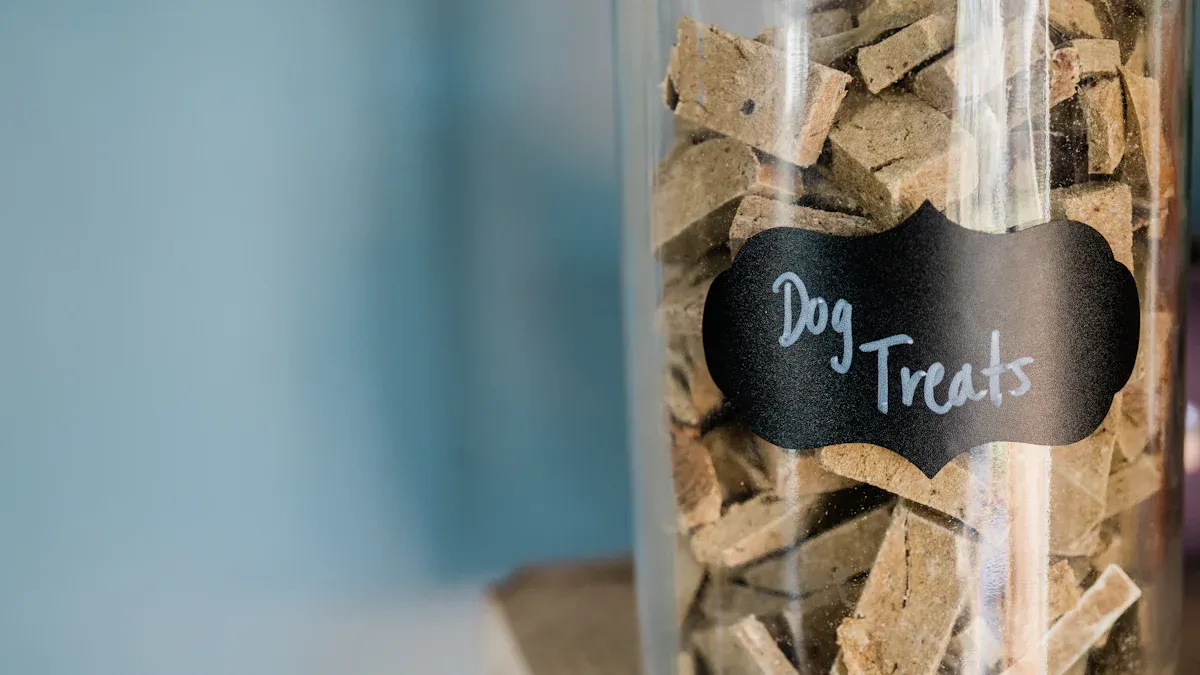
When you make shelf tags for a dog treat pouch, you want shoppers to see why it is useful right away. Use short and clear lines that show the main features and benefits. This helps trainers, pet store workers, and buyers pick the best pouch fast. Below are the main talking points for each important benefit.
Access and Timing Benefits
You need to give food rewards at the right time during training. A treat pouch lets you grab treats quickly, so you do not miss a chance to reward your dog. When you reach for a treat, it should be ready and easy to get. This helps your dog pay attention and stay interested.
You can get food rewards fast with one hand during training.
The pouch keeps treats neat and close by.
It helps you give rewards on time for better focus.
You can watch your dog instead of searching for food.
Tip: If you can get treats fast, you can reward your dog at the best time. This is very important for good training.
Closure and Spill Control
You want a treat pouch that keeps food safe and stops spills. The right closure is important. Zippers, drawstrings, and spring lids all help close the pouch after you take a treat. Some pouches have a silicone slit that stays shut unless you open it, so food does not fall out even if you bend over.
A strong closure keeps food and treats from spilling.
The pouch opens easily for quick treat delivery.
You can pick drawstring, zipper, or spring closures for safety.
Food stays inside, even when you move or bend down.
Note: A good closure stops messes and keeps your food rewards fresh while you train.
Cleanability and Odor Control
You want a pouch that is simple to clean and does not smell bad. Look for materials like food-grade silicone or antimicrobial fabric. These materials do not stain or smell, so you can use many types of treats. A wide opening makes it easy to wipe out crumbs and keep the pouch clean for next time.
Feature | Description |
|---|---|
Material | Tear-resistant, non-toxic, BPA-free, food-grade silicone |
Cleaning | Easy-to-clean, stink-proof, antimicrobial material |
Design | Wide-mouth opening for efficient treat delivery |
The lining wipes clean fast and easy.
The pouch uses materials that block stains and smells.
The wide opening makes it easy to reach in and clean.
Food stays safe and fresh for your dog.
Reminder: Always clean your treat pouch after you use it. This keeps food safe and stops bad smells.
These shelf tag talking points help you show the best parts of a dog treat pouch. Use them to help shoppers and your team make good, safe choices.
Staff Q&A on Dog Training Accessories
Comfort and Wear Options
You want a dog treat pouch that feels comfortable during training sessions. Many trainers ask, “What features make a good treat pouch?” The best tool for success offers adjustable straps, belt clips, or waistbands. These options let you wear the pouch in a way that fits your body and keeps food rewards close. A stable pouch reduces bounce and lets you move freely. You can focus on your dog and positive behavior, not on adjusting your gear.
Tip: Try different wear options to find what feels best for you. A secure fit helps you deliver a reward quickly and keeps your hands free for obedience training.
Treat Size and Handling
Choosing the right dog treats makes a big difference in training. You may wonder how treat size affects your pouch. A pouch that holds enough food for multiple sessions saves time and keeps your motivation high. If you use high-value treats, pick a pouch with enough space for larger pieces. Small, soft treats work well because your dog can eat them fast and stay focused on the next cue. Using food as a high-value food reward helps reinforce obedience and positive behavior.
Use small treats for quick eating.
Fill your pouch with enough food for the whole session.
Choose high-value treats to keep your dog’s attention.
Safety and Supervision
Safety matters when using any dog training accessory. Always supervise your dog when you use food rewards or treat toys. Never leave the treat pouch or food where your dog can reach it without you. Using food in training builds motivation, but you must keep food safe and fresh. Clean your pouch after every use to prevent odors and keep food safe for your dog.
Safety Tip | Why It Matters |
|---|---|
Supervise food rewards | Prevents overeating or choking |
Clean pouch after use | Keeps food safe and fresh |
Store pouch out of reach | Stops unwanted behavior |
You help your dog learn best when you use the right treat pouch, choose the right food, and follow safety steps. These habits support positive behavior and make every training session more effective.
Objection Handling for Treat Pouch Sales
Messiness and Bounce Concerns
Many customers worry about mess or bounce when using a dog treat pouch. You may hear questions like, “Will this pouch spill food?” or “Does it bounce when I move?” You can address these concerns with clear facts.
Most treat pouches use secure closures to keep food inside. Drawstrings, zippers, or spring lids help prevent spills.
Linings often wipe clean, so you can remove crumbs or leftover food quickly.
Adjustable straps or belt clips help you wear the pouch in a stable position. This reduces bounce during dog training or walks.
Tip: Show customers how to close the pouch and adjust the strap for a snug fit. Let them know that using dry or semi-moist dog treats can help keep the pouch cleaner.
Training Outcome Questions
Some shoppers ask if a treat pouch will solve training problems or change a dog’s behavior. You should answer honestly and focus on how the pouch supports your training routine.
Question | Safe Response |
|---|---|
Will this pouch stop my dog from pulling? | The pouch helps you keep food rewards ready for training. Results depend on your training approach and consistency. |
Will my dog behave better with this pouch? | The treat pouch lets you deliver a reward at the right time. Training success comes from how you use food and treats. |
You can explain that a treat pouch is a tool for carrying food and treats. It supports fast reward timing, but it does not guarantee specific results. Always remind customers to use the pouch as part of a positive training plan with food rewards.
Note: Never leave the pouch or food unattended with your dog. Clean the pouch after each use to keep food safe and fresh.
Listing and Packaging Copy Blocks
Product Description Template
You want a clear and honest product description for your dog treat pouch. Use this template to help customers understand the main benefits and features at a glance.
Essential Element | Description |
|---|---|
Product freshness | Keeps food and treats safe from spoilage during training and walks. |
Branding opportunities | Shows your brand and highlights unique features for your store or training program. |
Print quality | Uses high-quality printing to make your product stand out on the shelf. |
Product viewing windows | Lets customers see the food inside, building trust and appeal. |
Cost concerns | Balances attractive design with affordability for your business needs. |
Tip: Use this table as a guide when you create your own listing or packaging copy for your treat pouch.
Feature Bullet Points
Help your customers see the value of your treat pouch with clear feature bullets. These points make it easy to compare options and choose the right pouch for food rewards and dog treats.
Feature | Description |
|---|---|
Secure closure | Keeps food and treats inside, using strong magnets or zippers for spill control. |
Easy to wash | Cleans up fast after food use, either by hand or in the washing machine. |
Sturdy clip or belt | Holds the pouch steady on your waist during dog training or walks. |
Spacious interior | Holds enough food for long sessions and allows quick access to treats. |
Extra pockets for storage | Stores keys, waste bags, or other small items you need during training. |
Care and Cleaning Copy
Keep your treat pouch clean and safe for every training session. Follow these simple steps to maintain hygiene and product life:
Wash out your pouch after each use with mild soap and water.
Dry the pouch completely before storing or refilling with food.
Machine washing is safe for most pouches, but always check the label.
Regular cleaning helps prevent food buildup and keeps your dog’s treats fresh.
Store your pouch in a dry place away from direct sunlight and food spills.
Note: Clean your pouch after every session to keep food safe for your dog and to avoid odors.
Claim Guardrails for Retail Compliance
Training Support Language
When you talk about a dog treat pouch, use simple and safe words. Always say the pouch is a tool for carrying food and treats. You can tell customers it helps you give rewards fast during training. Do not say the pouch will fix your dog’s behavior or promise results. Instead, explain that the pouch makes it easier to give a treat at the right time. This keeps your words honest and protects your store.
Tip: Say things like “supports positive training routines” or “helps you deliver food rewards quickly.” These phrases show how the pouch helps without making big promises.
Food-Safe Documentation
If you want to say your pouch is food-safe, you need proof. Stores in the US and EU ask for papers before you use words like “food-safe” or “food contact.” Makers must give things like certificates or science papers. These show the pouch is safe for food and will not hurt your dog.
You also have to follow label rules. Your package should have:
Ingredient lists and nutrition facts for any treats inside
Feeding directions and who made the treats
Clear rules for storing and handling food
The pouch must use safe materials for food and be strong to stop spills or keep food safe. Always keep food in a clean pouch and follow care steps. If you do not have proof, just talk about the material and how easy it is to clean, but do not say “food-safe.”
Note: Only say “food-safe” if you have the right papers. This keeps your customers safe and your store following the rules.
Customization and Private Label Options
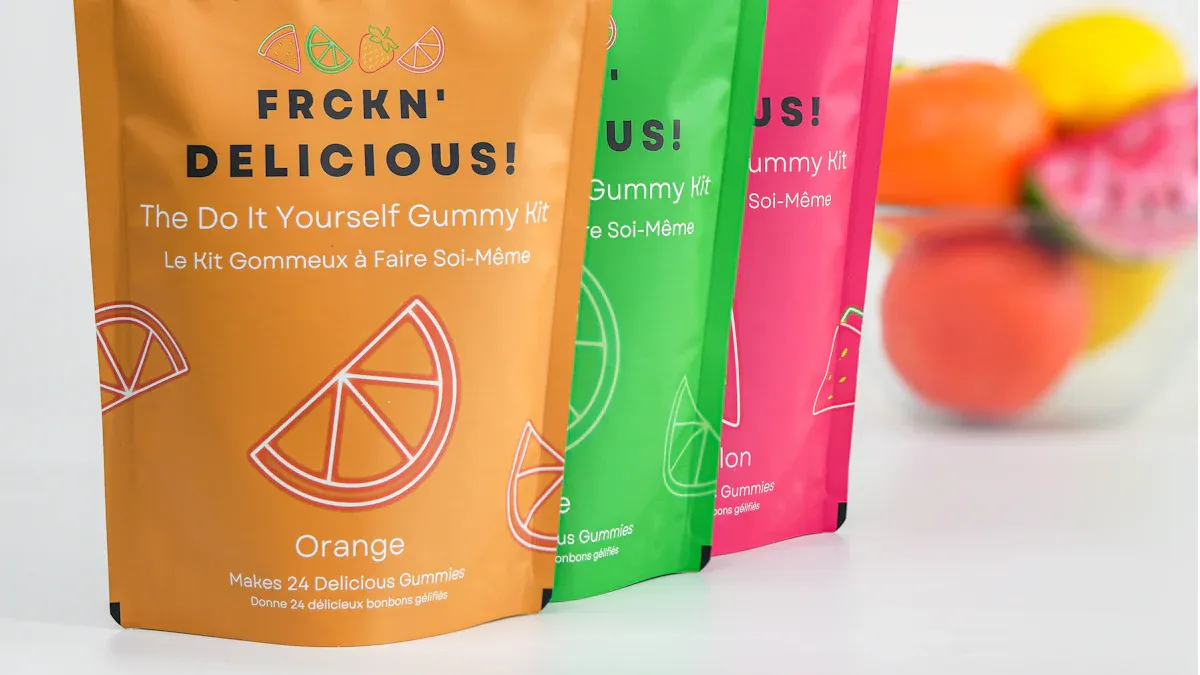
You can make your dog treat pouch stand out by choosing private label or custom features. Retailers and training schools often want their own branding or special touches. When you work with a supplier, you may hear the terms OEM and ODM. OEM means you put your brand on a product the supplier already makes. ODM means you help design a new product from the start. Both options let you offer a treat pouch that matches your store or training program.
Customizable Features
You have many ways to customize a treat pouch for your business. You can pick the packaging style, add special features, or use your own logo. Here is a table that shows the most requested options:
Customization Options | Description |
|---|---|
Packaging Formats | Stand Up Pouch, Lay Flat Pouch, Rollstock |
Features | Add zippers, tear notches, windows, and custom finishes |
You can also use silkscreen imprinting to add your logo or message. This method helps your brand stand out on every dog treat pouch. Many retailers choose custom colors or finishes to match their store’s look. You can select extra pockets for keys or waste bags, or choose a special closure for easy access to food rewards.
Silkscreen imprinting for branding
Custom colors and finishes
Extra pockets or special closures
Tip: Custom features help your treat pouch fit your training style and make your brand easy to spot.
Standard Features for Consistency
Some features should stay the same for every pouch. These standard parts keep the pouch safe and easy to use. You want a sturdy closure to keep food inside and prevent spills. The lining should wipe clean to keep food safe for your dog. A stable clip or strap helps you wear the pouch without bounce. These features support safe handling of food and treats during training.
Secure closure for food safety
Easy-to-clean lining for hygiene
Stable clip or strap for comfort
You can offer a treat pouch that matches your brand and meets your needs. Customization lets you serve trainers, pet stores, and dog owners with a product that supports food rewards and safe training. Always keep standard features for safety and quality.
Supplier RFQ and Scorecard for Treat Pouch
RFQ Checklist
When you request a quote from a supplier for a dog treat pouch, you want to make sure you get safe, high-quality products for your customers. Use this checklist to guide your review. You can copy and paste it for your team or share it with your supplier.
Check the packaging for any damage or tampering.
Examine the label for the brand name, product name, and any claims or certifications.
Make sure the label lists all ingredients and nutritional information if dog treats are included.
Look for expiration or best before dates to confirm freshness.
Inspect the food for mold, discoloration, or odd texture.
Check for foreign objects or contaminants in the food.
Smell the food to ensure it is fresh and appetizing.
Confirm the color matches the expected appearance.
Verify the size or shape of the food is right for the intended dog.
Assess the texture to ensure it is not too dry, sticky, or clumpy.
Look for excessive dust or powder in the packaging.
Review any instructions or feeding guidelines on the packaging.
Note any specific claims or benefits, such as added vitamins.
Check the overall condition of the packaging for tears or leaks.
Ensure all seals or closures are intact.
Confirm the size and weight match what is stated on the packaging.
Make sure the product suits the dietary needs of the dog, including allergies.
Research the reputation of the brand or manufacturer.
Look for extra features, such as added minerals or vitamins.
Compare the price and value to similar products.
Tip: Always keep a record of your checklist results for each shipment. This helps you track quality and spot trends over time.
Supplier Scorecard
You need a simple way to rate your suppliers for treat pouch orders. Use this scorecard to help you decide which supplier gives you the best value and service for your training and retail needs.
Criteria | Description |
|---|---|
On-time delivery | Does the supplier deliver dog treat pouch orders on schedule? |
Quality | Do the products meet your standards for food rewards and treat use? |
Cost | Does the supplier stay within your budget for food and accessories? |
Customer service | Is the supplier responsive and helpful with your questions? |
Level of Service Quality | Does the supplier meet your service-level agreements? |
Cost Control | Does the supplier suggest ways to save on food or treat pouch costs? |
Ease of Business | Are the supplier’s processes simple and efficient? |
Regulatory Compliance | Does the supplier follow all food safety and labeling rules? |
Innovation | Does the supplier offer new ideas for dog training accessories? |
Note: Review your supplier scorecard after each order. This helps you build strong partnerships and keep your dog treat pouch supply safe and reliable.
POS Talking Points Table
When you talk to customers about a dog treat pouch at the point of sale, you want to give clear, honest answers. Use this table to help you respond to common questions and situations. Each talking point helps you explain the value of the pouch while keeping your message safe and practical.
Situation | What to Say | Proof or Detail to Mention |
|---|---|---|
Customer asks what the pouch is for | “This pouch holds food and treats so you can reward your dog quickly during training.” | “It attaches to your belt or waist for hands-free access to food rewards.” |
Shopper worries about food spilling | “The secure closure keeps food inside, even when you move or bend down.” | “You can choose from zipper, drawstring, or spring closures for extra spill control.” |
Customer asks about cleaning | “You can wipe the pouch clean or wash it after each use to keep food safe for your dog.” | “The lining resists stains and odors, so you can use many types of treats and food rewards.” |
Shopper wants to know about food safety | “The pouch uses materials that are easy to clean and help keep food fresh during sessions.” | “If you need food-safe certification, we can provide documentation from the supplier.” |
Customer asks if the pouch will train the dog | “The pouch helps you deliver food rewards at the right time, but training results depend on your routine.” | “It supports positive training by making treats easy to reach, but you guide your dog’s learning.” |
Shopper asks about comfort and fit | “You can wear the pouch with a belt clip or adjustable strap for comfort during training.” | “A stable fit reduces bounce and keeps food close for fast treat delivery.” |
Customer wants to see the pouch in use | “You can watch a video or see photos of dogs using the pouch for food rewards.” | “Many trainers and pet owners use this pouch for quick, easy treat access during training and walks.” |
Shopper asks about treat size | “The pouch holds small or medium treats for fast eating and easy reward timing.” | “A wide opening lets you reach in for food quickly, so your dog stays focused on you.” |
Tip: Share customer reviews or testimonials to build trust. You can also mention that many trainers and pet owners choose this pouch for its practical design and easy food access.
Note: Always remind customers to clean the pouch after each use and never leave food or the pouch with the dog unattended.
Objection Handling Table
When you talk to customers about a dog treat pouch, you may hear many questions or concerns. You want to answer with facts and keep your message safe. Use this table to help you respond to common objections about food, treat, or training accessory sales. Each safe response keeps the focus on the real benefits, such as food rewards, easy treat access, and clean handling. Avoid making promises about dog behavior or guaranteed results.
Objection | Safe Response | What Not to Say |
|---|---|---|
It costs too much. | This pouch helps you deliver food rewards quickly and keeps food and treats secure during training. | This pouch will fix your dog’s behavior. |
I can get a cheaper pouch elsewhere. | Our pouch uses quality materials for food safety and easy cleaning, which supports safe treat use. | Cheaper pouches do not work or are unsafe. |
Will this stop my dog from pulling? | The pouch lets you keep food and treats ready for reward timing. Training results depend on your routine. | Yes, this will stop pulling. |
Is it hard to clean after using dog treats? | The lining wipes clean, so you can remove food and treat crumbs easily after each session. | You never need to clean it. |
Will food spill if I move around? | The secure closure keeps food inside, even when you bend or move during training. | It never spills, no matter what. |
Can I leave the pouch with my dog? | Always keep the pouch with you and store food out of your dog’s reach for safety. | Yes, it is fine to leave it with your dog. |
Does it hold enough food for long sessions? | The pouch holds enough food and treats for most training sessions and quick rewards. | It holds food for every situation or all-day use. |
Will it fit all treat sizes? | The wide opening fits most treat sizes used for training and food rewards. | It fits every treat or food, no matter the size. |
Tip: Always focus on how the treat pouch supports safe, fast food delivery and easy cleaning. Remind customers to use the pouch as a tool for reward-based training with dog treats and food rewards.
Claims Guardrail Table
When you talk about a dog treat pouch, use words that are safe and honest. Some phrases can confuse people or even cause legal problems. You want customers to know what the pouch does for food, treats, and training. Do not make risky claims that promise results or say the pouch will change a dog’s behavior. Use the table below to help your team. The table lists risky phrases, explains why they are not safe, and gives better ways to talk about food rewards, treats, and training.
Risky Phrase | Why It Is Risky | Safer Replacement Phrase |
|---|---|---|
“Will stop your dog from pulling” | Promises a training outcome you cannot guarantee | “Supports reward timing for leash training” |
“Fixes behavior problems” | Implies the pouch changes dog behavior by itself | “Helps you deliver food rewards during training sessions” |
“Keeps food fresh for days” | Overstates food storage ability; may mislead about food safety | “Keeps food and treats handy for training and walks” |
“Works with any treat or food” | Not all treats or food fit or work well in every pouch | “Fits most small treats and food rewards” |
“Food-safe” (without documentation) | Needs proof for food contact claims in retail | “Easy-to-clean lining for safe food handling” |
“Never spills food” | Absolute claim; spills can happen with misuse | “Secure closure helps prevent food spills” |
“No cleaning needed” | Misleads about hygiene; cleaning is always needed for food safety | “Wipes clean after each use for safe food storage” |
“Will make your dog behave” | Promises a result; ignores the role of training and food rewards | “Supports positive training with quick treat access” |
Tip: Always talk about how the treat pouch helps with food rewards. Use clear and honest words about food, treats, and dog training.
You can use this table when you train staff or make shelf tags and packaging. Safe words protect your store and help customers trust you. You show you care about food safety, training, and what dogs and owners really need.
Spec and Documentation Checklist Table
When you get a shipment of dog treat pouch products, you must check each item for safety and quality. This checklist helps you make sure every pouch is good for food rewards, dog treats, and training. You can use this table to help your team when you inspect new items.
Requirement | What to Ask the Supplier For | How to Verify at Receiving |
|---|---|---|
Food contact material info | Material safety data or food-safe certificates | Check for certificates and clear labeling |
Closure function | Sample photos or closure specs | Open and close pouch to test secure seal |
Lining cleanability | Cleaning instructions and lining material details | Wipe lining with damp cloth; check for residue |
Odor control | Material description and odor test results | Smell inside pouch for strong or odd odors |
Stitching and seams | Quality assurance report or sample images | Inspect seams for loose threads or gaps |
Strap or clip strength | Test results or product specs | Pull gently on strap or clip to check attachment |
Packaging integrity | Packaging sample or description | Look for tears, holes, or broken seals |
Labeling and documentation | Copies of all labels and instructions | Confirm all labels match product and food info |
Treat size compatibility | Opening size specs or treat size guidelines | Place sample treat inside to check fit |
Food storage duration | Recommended storage time for food in pouch | Review instructions for food storage guidance |
Tip: Always write down your checks. This helps you see if there are problems and track quality over time.
By using this checklist, you help your store and customers stay safe. You make sure every dog treat pouch works for food, treats, and training. You also keep dogs safe by checking if the pouch is easy to clean and has strong closures. Do not skip these steps when you get new stock.
Copy/Paste Macro Block for Staff
Shelf Tag Copy
Quick access to food and treats for training and walks
Secure closure keeps food inside, even when you move
Wipes clean for safe, fresh food every session
Fits most treat sizes for easy reward delivery
Tip: Always clean your pouch after use to keep food safe for your dog.
Counter Script
“Are you looking for an easy way to carry food rewards during training or walks? This dog treat pouch attaches to your belt or waist. You can reach in fast for a treat and keep your hands free. The secure closure helps keep food and treats inside, and the lining wipes clean after each use. Many trainers and pet owners use this pouch to make food rewards simple and safe.”
Trainer Class Intro Script
“Today, you will use a treat pouch to hold your dog treats and food rewards. The pouch lets you deliver a reward at the right moment in training. You can wear it on your waist or belt for comfort. Always use small treats so your dog can eat quickly and stay focused. Remember to clean your pouch after every session to keep food safe and fresh.”
Disclaimer Paragraph
This treat pouch is a tool to help you carry food and treats for your dog during training. It does not guarantee changes in your dog’s behavior. Always supervise your dog when using food rewards. Clean the pouch after each use. Store food in a safe place and never leave the pouch with your dog unattended.
You help customers choose the right dog treat pouch when you use clear talking points about food, treat access, and cleaning. Honest answers about food safety and treat storage build trust. You support better training by showing how a treat pouch keeps food and dog treats ready for every reward. Use these scripts and templates with your team. You will see fewer returns and more satisfied dog owners who value safe, practical food solutions.
FAQ
How do you clean a dog treat pouch?
You can wipe the inside with a damp cloth or wash it with mild soap and water. Always dry the pouch before refilling it with treats. Regular cleaning helps keep food safe and fresh.
Can you use any type of treat in the pouch?
You can use most small, dry, or semi-moist treats. Large or crumbly treats may not fit well or could make cleaning harder. Always check the pouch opening and lining before adding new treats.
Is the pouch safe for food storage?
You can store treats in the pouch during training or walks. For long-term storage, use a sealed container. If you need food-safe assurance, ask for supplier documentation before making claims.
Will the pouch fit all waist sizes?
Most pouches have adjustable straps or belt clips. You can adjust the fit for comfort and stability. Always check the product details for sizing information before purchase.
Should you leave the pouch with your dog?
You should never leave the pouch or treats with your dog unattended. Store the pouch out of reach when not in use. This helps prevent unwanted chewing or overeating.






