Car Tethers for Dogs: Safety and Installation Guide for Pet Retailers

Car Tethers for Dogs: Safety and Installation Guide for Pet Retailers

You help make car rides safer for every dog and family. Car tethers for dogs help lower the risks from loose pets in the vehicle. Used with a good harness, they can reduce the chance of serious injury for both pets and people.

A loose pet in a car is a risk for everyone inside. This includes pets, drivers, and passengers.

A car tether helps slow your dog’s movement in a crash or hard stop so it is less likely to be thrown forward.

Dog Weight

Speed (mph)

Force Exerted (lbs)

10 lbs

50

500

80 lbs

30

2400

Most dog owners take their pets in the car, but only a few use the right dog restraint systems. You need to teach customers why dog seat belts and harnesses matter, and give a simple buying guide for car tethers. Crash-tested tethers provide extra evidence about how a product performs under stress and help support your safety message.

Key Takeaways

Car tethers help lower the risk of injury for dogs and people in sudden stops or crashes, but no restraint can remove all danger. – Teach customers why crash-tested harnesses and tethers, used together, can help control a dog’s movement in a collision. – Always check that harnesses and tethers fit and are in good condition before every trip. This helps them work as the maker intended. – Encourage customers to learn about local laws on dog transport and distracted driving so they understand their legal duties. – Use in-store demos to show how to fit harnesses and connect tethers. Hands-on practice helps customers feel confident and use the products correctly.

Why Car Tethers for Dogs Matter

Dog Car Safety Risks

When you drive with a dog and no car tether, there are real dangers. Dog car safety is not just about making your pet comfortable. It is about stopping serious injuries. If a dog is not restrained, it can fly forward if you stop fast. This can hurt both the dog and people in the car. Even small dogs can hurt someone if they are thrown in a crash. Big dogs can hit with a lot of force during an accident.

  • If dogs are not secured, they might jump into the front seat or block your view.

  • More than half of dog owners say they take their hands off the wheel to handle their pets.

  • Dogs might paw at you, sit on your lap, or move between seats. This makes accidents more likely.

  • In a crash, a dog could hit the windshield or get hurt by airbags.

Note: Surveys from the pet and auto safety field show that many drivers say their dog has distracted them while driving, and a large share admit they have taken their eyes off the road or driven less safely because of their pets.

Dog car safety risks affect everyone in the car. Pets that are not restrained can be thrown around and hurt themselves or others. Airbags are made for people, not dogs, and can hurt pets if they go off.

Benefits of Car Tether Use

A car tether makes car rides safer for everyone. It keeps your dog in place and stops distractions. This helps lower the chance of crashes and injuries.

Evidence Type

Description

Injury Statistics

In some surveys, around one in three dog owners say their pets distract them while driving.

Crash Force Impact

In a crash or hard stop, an unrestrained dog can be thrown with a force many times its body weight, which can cause serious injury to both pets and people.

Restraint Effectiveness

Independent crash tests with dog-shaped dummies show that well-fitted harness and tether systems can reduce forward movement, which may help lower the risk of head and chest impact.

  • Car tethers keep dogs in one spot and help stop distractions.

  • The right restraint stops dogs from slipping or falling into the passenger area.

  • A strong harness and tether together give the best safety in the car.

You are important in teaching customers about dog car safety. By offering well-designed, tested tethers and explaining how to use them, you help lower the risk of injury for pets and people. Dog car safety is very important, but no product can replace careful driving and close supervision. Every trip should begin with a secure, correctly fitted tether.

Safety and Legal Responsibilities

Injury Prevention for Pets and People with Car Tethers and Dog Car Safety Restraints

You help stop injuries by teaching dog car safety. Car tethers and dog car safety restraints protect pets and people. Pets without restraints can get hurt in sudden stops or crashes. A 60-pound dog going 35 mph can hit as hard as 2,700 pounds. Airbags in the front seat can also hurt pets. You lower these dangers when you suggest using restraints and dog seat belts.

  • Pets without restraints can fly forward in a crash. This can hurt them and people in the car.

  • A 10-pound dog in a 50 mph crash can hit with 500 pounds of force.

  • An 80-pound dog in a 30 mph crash can hit with 2,400 pounds of force.

  • Most veterinarians say restraining pets is very important for safety.

  • Pets can get hurt even at slow speeds if they jump from moving cars.

You help customers pick the best dog car safety restraints and dog seat belt for their pets. This advice helps stop injuries and keeps everyone safe.

Legal Requirements for Dog Car Safety Restraints and Dog Seat Belt Use

Dog car safety rules are different in every country, state, or territory. Some areas have specific laws about dogs in cars, while others use general distracted-driving or animal-welfare laws. Common rules include not driving with a dog on your lap and not letting pets move freely in the driver’s area. In some regions, harnesses, tethers, or carriers are recommended or required. Breaking these rules can lead to fines or other penalties.

State/Territory

Legal Requirement

Penalty/Notes

New South Wales

Illegal to drive with a dog on your lap

Up to $500+ fine

Queensland

Dog must not stick out of the car

Up to $400+ fine

Victoria

Dog must be properly tethered

Over $3,000 maximum penalty

Western Australia

Must stop harm to dogs

Up to $5,000 fine, possible jail

Hawaii

No animal in driver’s area or on lap

$50–$100 fine

Rhode Island

Pets must be restrained or controlled

Up to $200 fine

New Jersey

Pets must use a carrier or seat belt

$250–$1,000 fine

Bar chart showing fines for unrestrained dogs in vehicles across Australian states and territories

You should know the dog car safety laws in your own region and keep them up to date. This helps you give accurate advice and avoid legal problems. Laws can change, and the examples in any table or guide are not complete, so always check with local authorities or legal advisors if you are unsure.

This guide shares general information only and does not provide legal advice.

Retailer Best Practices for Dog Car Safety Restraints and Dog Seat Belt Installation

You can show others how to keep dogs safe in cars. Teach your staff to talk about dog car safety restraints and dog seat belt use. Show customers how to put car tethers and restraints on the right way. Use easy-to-see displays and give written steps. Tell customers to check the fit and change restraints for their dog’s size. Remind them that putting restraints on the right way keeps pets safe.

Tip: Show how to use dog car safety restraints and dog seat belts in your store. This helps customers trust you and feel sure about using these products.

You help keep pets safe, stop injuries, and follow the law by sharing the best dog car safety restraints and dog seat belt choices.

Types of Car Tethers and Dog Car Seats

Types of Car Tethers and Dog Car Seats

Crash-Tested Harnesses for Dog Car Safety

You should prefer harnesses that have been through clear, documented crash tests. Many independent labs use test sleds at around 30 mph and adapt methods from child-car-seat standards to check how a harness performs with a dog-shaped dummy. The goal is to limit how far the dog dummy moves forward and to keep the harness and hardware intact. When you review test reports, look for how the harness controlled movement for different dog sizes and whether all key parts stayed attached during the test.

Criteria

Description

Testing Facility

Independent test lab or recognized safety organization (not just the factory itself).

Standard Adaptation

Uses methods based on FMVSS No. 213 child restraint tests or similar human safety standards, clearly marked as adapted for dogs.

Excursion Limits

Targets limited forward movement of the dog dummy (for example, keeping the head within a set distance from the seatback).

Structural Integrity

No complete breakage of buckles, carabiners, webbing, or stitching during the crash test.

Seat Belt and LATCH Tethers for Dog Car Safety Installation

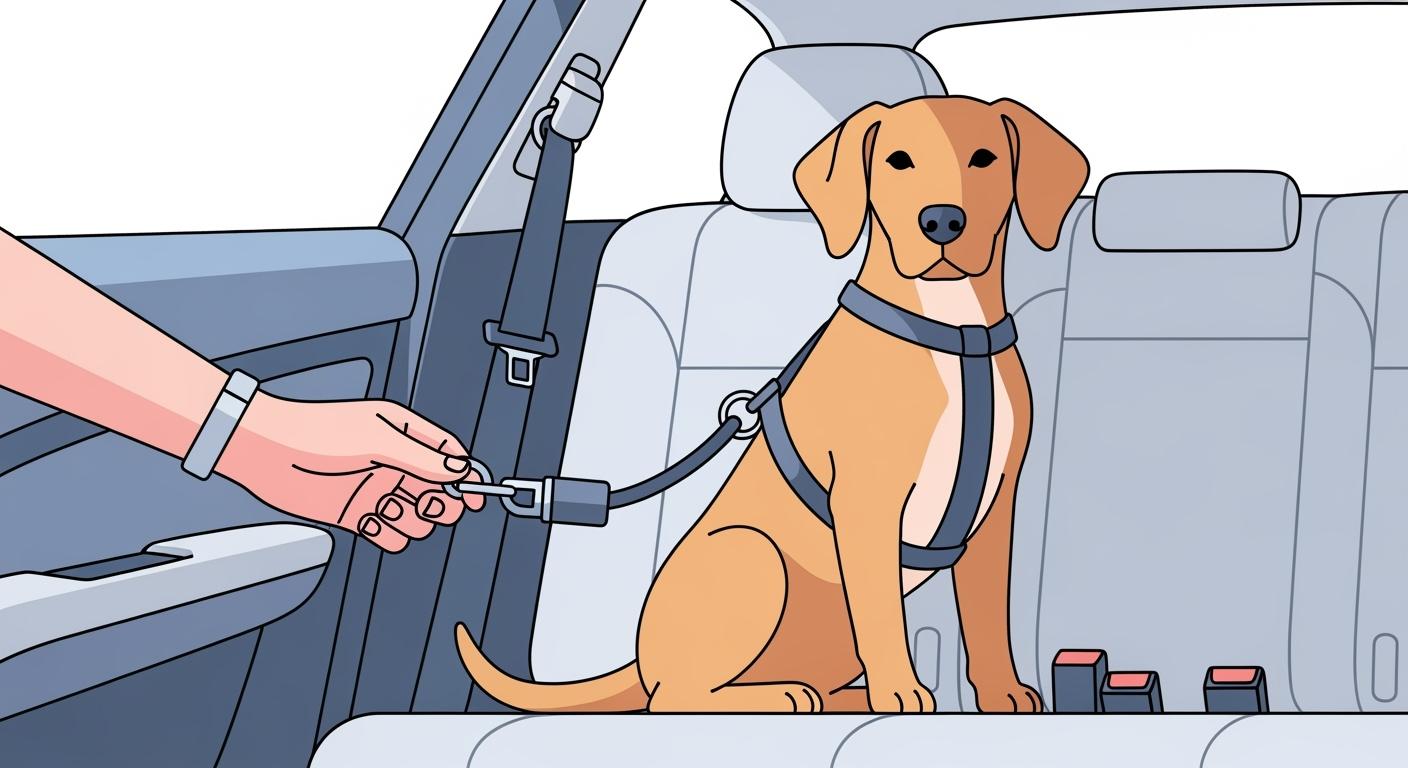
You can use a car tether to connect the harness to the car’s seat belt or LATCH anchor. The tether acts like a seatbelt for your dog. Always use a crash-tested harness with the tether. Groups like the Center for Pet Safety say this is the safest way. The tether itself is not crash-tested, so the harness must be strong. This setup keeps the dog in place and stops them from moving too much if you stop fast.

Dog Car Seats with Tether Systems for Enhanced Safety

Dog car seats with built-in tethers give extra safety. These seats use strong tethers that hook to the car’s anchor points. This makes the seat more secure than seats with weak tethers. The seat holds the dog in place and protects everyone in the car. There are many types of dog car seats. Some are booster seats, some are regular seats, and some are closed seats.

Type of Dog Car Seat

Description

Standard Dog Car Seats

Placed on the car seat, providing a secure area for small to medium-sized dogs.

Dog Car Seat Boosters

Elevate pets to look out the window, reducing anxiety and enhancing travel experience.

Dog Seatbelts (Tethers)

Attach to the car’s seatbelt system or harness, ensuring the dog’s safety during travel.

  • Strong tethers help keep dogs safe.

  • Good seats connect tightly to the car.

  • These seats are made to protect dogs and people.

Key Features for Retailers: Dog Car Safety Restraints and Installation Checklist

Pick dog car seats and harnesses with these features:

Feature

Description

Size and Weight

Match the seat to the dog’s measurements.

Durable Materials

Choose seats that last longer and clean easily.

Easy Installation

Make sure customers can install the seat quickly.

Safety Features

Use a dog seatbelt with the car seat for better safety.

Variety of Options

Stock booster, enclosed, and carrier seats for different needs.

  • LATCH system helps the seat stay tight.

  • Seatbelt anchors stop the seat from sliding.

  • Anti-slip bottoms and strong anchors keep the seat in place.

  1. Soft padding makes the seat comfy.

  2. Harnesses should attach securely.

  3. Adjustable parts fit different dog sizes.

You help customers choose the best car seat for dogs by focusing on these harnesses, tethers, and restraints. This makes sure you offer safe and reliable choices for every car ride.

Car Tether Installation Steps

Car Tether Installation Steps

Preparing the Harness and Tether for Dog Car Safety

You need to start with the right equipment for dog car safety. Always choose crash-tested harnesses instead of collars. Collars can cause injury during sudden stops or crashes. You should follow these instructions to prepare the harness and tether before installation:

  1. Place the dog seat belt or car seat in the desired position. Decide if you will use the vehicle’s seat belt or lower anchors for installation.

  2. Locate the tether strap on the back of the car seat or harness. Lengthen the strap to allow slack for easier handling.

  3. Find the tether anchor in your car. Make sure the tether routes correctly and does not twist.

  4. Clip the tether hook onto the anchor. Use special techniques for awkward positions if needed.

  5. Tighten the main installation so the seat or harness does not move more than one inch at the belt path.

  6. Pull the tether adjuster to remove slack. The tether should lie flat, and the seat should not lean forward.

Tip: Always check the harnesses and tethers for wear and tear before each use. Replace any damaged parts to maintain safety.

Attaching to Seat Belt or LATCH Anchors: Dog Car Safety Installation Instructions

You have several options for connecting the dog seat belt or tether to your car. Each method offers different levels of safety and ease of installation. The table below shows the most common methods and their descriptions:

Method

Description

Seatbelt Buckle

Connects the harness directly to the car’s seatbelt system for easy installation and stability.

LATCH Hook

Provides a strong connection to the LATCH anchors, ensuring stability during travel.

Headrest Strap

Attaches around the headrest, offering flexibility and comfort for the dog.

You should follow the manufacturer’s instructions for each method. Make sure the tether is secure and does not allow the dog to move too much. The dog seat belt must lock into place and stay tight during travel.

Securing the Dog Safely with Car Tether and Dog Seat Belt Systems

You must secure your dog using the car tether and dog seat belt system. These instructions help you keep your dog safe and comfortable:

  • Attach the restraint to the seat or seat-belt clip so you can secure the dog quickly and correctly.
  • Use crates and carriers that fasten securely to the vehicle, following the maker’s directions.
  • Whenever possible, choose crates and harnesses that have been crash-tested or strength-tested by independent labs and are the right size for the dog.

Crash-tested crates and harnesses are often one of the safest options for restraining dogs in the car when they are sized and installed correctly.

You should check the fit of the harnesses and tethers. The dog seat belt should allow your dog to sit or lie down but not slide off the seat. The tether must keep your dog in one spot and prevent distractions. You need to follow all instructions for installation steps to ensure safety.

Demonstration Tips for Customers: Dog Car Safety Installation Instructions

You can help customers understand dog car safety by showing clear instructions for installation. Use these steps to demonstrate the process:

  1. Start with a secure harness. Never use a collar for restraint systems.

  2. Click the tether into your car’s latch anchor until it locks in place.

  3. Clip the latch to the back D-ring of your dog’s harness.

  4. Adjust the length so your dog can sit or lie down comfortably without sliding off the seat.

Note: Demonstrate the ease of installation by using a display seat and harness in your store. Let customers practice the installation steps with guidance.

You should encourage customers to read all instructions and check the fit of the dog seat belt and tether before every trip. This helps maintain safety and builds trust in your products. You play a key role in educating pet owners about dog car safety and proper installation.

Choosing and Recommending Car Tethers for Dogs

Crash-Test Certification and Safety Standards

When you choose a car tether for your store, ask brands to share clear safety information, not just marketing terms. Some independent groups, such as the Center for Pet Safety (CPS), run voluntary crash-test programs for pet restraints. A CPS certification mark means that a specific product has passed that group’s test protocol, under their conditions. Certification is helpful, but it is not a government approval and it does not guarantee safety in every crash. Always ask to see the test reports so you understand what was tested and how.

  • Look for trusted independent test programs or clear, written test reports from third-party labs.
  • Check what crash-test method was used and which dog sizes were tested.
  • Confirm that the harness, tether, and hardware stayed attached during the test.
  • Be careful with products that make big safety claims but cannot show any test data.

Note: Independent safety testing helps you avoid products that might fail in a crash. You keep pets and customers safer by choosing tethers with transparent test data instead of relying only on packaging claims.

Material Quality and Durability in Dog Car Tether Safety

Good materials are important for dog car seats and tethers. Weak materials can break in a crash. Pick tethers made from strong webbing such as ballistic nylon or heavy-duty polyester. These materials resist tearing and stretch less under load. Metal parts like carabiners and buckles usually last longer than light plastic hardware. Strap width matters as well: very narrow straps can cut into the dog or fail quickly, while very wide straps may not work well with standard buckles. Many crash-tested designs use medium-width webbing that balances comfort and strength.

  • Avoid very cheap harnesses that use thin, stretchy webbing or weak stitching.
  • Use high-quality metal hardware for clips and buckles where possible.
  • Reinforced webbing, such as ballistic-style nylon, resists tearing better than light strap material.
  • Multi-point attachment systems that spread force across the chest and shoulders protect the dog better than a single point on the neck.
  • New materials and designs can improve safety, but only when they are backed by strength or crash testing.

Always check whether the tether has been through strength or static-load tests, and ask to see the results. These tests help show that the product can handle crash forces, although they cannot cover every real-world crash. Good harness and tether designs spread force over the dog’s chest, shoulders, and body to help lower injury risk.

Fit for Different Dog Sizes: Dog Car Seats and Tether Safety Checklist

You need to match the dog car seat and tether to the dog’s size and shape. A good fit keeps the dog safe and comfy. If the harness or tether is too loose, the dog can slip out. If it is too tight, it can hurt the dog. Adjustable tethers help fit many dog sizes. Measure the dog’s chest and neck before picking a product.

  • Use adjustable tethers for puppies or many dogs.

  • Check the maker’s size and weight rules.

  • Make sure the harness lets the dog sit or lie down without falling.

  • Try the fit in the store if you can.

Tip: Remind customers to check the fit of the harness and tether before every trip. This easy step makes every car ride safer.

Matching Products to Customer Needs: Car Tether and Dog Car Seat Selection Guide

You can help customers pick the right car tether or dog car seat by asking about their car, their dog, and how they travel. Some tethers work better in certain cars. Some help dogs that get nervous or excited in the car. Use the table below to match features to what customers need:

Feature

Details

Carabiner Weight Support

Holds up to 725 lbs

Material

Made from nylon, like regular seat belts

Adjustable Length

Grows from 15” to 22”, fits many dog types

Compatibility

Clips to many harnesses, best with Comfort Harness; not for all cars

Behavior Adaptation

Stops nervous or excited dogs from jumping into the front seat

Ask customers about their car and seat type. Some tethers do not fit every car. Ask about the dog’s size and how they act in the car. For example, a dog that moves a lot may need a short tether. A calm dog may do well with a longer, adjustable tether.

  • Suggest crash-tested dog car seats for small dogs.

  • Recommend adjustable tethers for families with more than one dog.

  • Pick tethers with strong carabiners for big or active dogs.

  • Remind customers to follow all steps for safe installation.

Callout: You help customers keep their pets safe by guiding them to the right dog car seats and tethers. Your help can make every car ride safer.

Educating Customers and Maintaining Standards

Staff Training for Dog Car Safety and Car Tether Installation

You must teach your staff about dog car safety. Staff should know how to put in a car tether. They need to explain the safety steps to customers. Hold training often so everyone learns well. Let staff practice with real harnesses and tethers. Staff should answer questions about dog safety and travel. They need to check if a harness fits right. Staff should spot old or damaged parts. Good training helps build trust and keeps customers safe.

In-Store Displays and Information for Dog Car Safety Products

You can use your store to show car tethers and safety products. Put popular items near the front door. Group dog treats and harnesses together. Set up displays where customers can touch and try things. Use clear signs to show why each product is good. Change displays for each season to keep things fun.

  • Make store sections easy to find.

  • Use displays that make people curious.

  • Put bright pictures in windows to get attention.

  • Add signs that teach customers.

Tip: Let customers try displays to learn how car tethers work and why dog safety is important.

Addressing Common Customer Questions About Dog Car Safety

You will get lots of questions about dog car safety and tethers. Train your staff to answer with simple facts. Customers may ask:

  • How do I put in a car tether?

  • What harness size is right for my dog?

  • Is this product crash-tested?

  • How do I know my dog is safe in the car?

  • Can I use a collar instead of a harness?

Give clear, honest answers. Explain why crash-tested harnesses and tethers can give extra assurance, and show customers how to check the fit and adjust the tether. Remind them that no restraint can make a crash risk-free, so they should drive carefully and ask for help if they are not sure.

Monitoring Product Quality for Dog Car Safety and Car Tether Systems

You must check every dog car safety product you sell. Look at harnesses, tethers, and seats for damage or wear. Take out any product that does not pass your safety check. Keep notes about what customers say about tethers. Add new safety-tested products to your store. Checking often helps you keep high standards and protect dogs and families.

Note: Regular checks show you care about dog car safety and help customers trust you.

You are very important for dog car safety. In a crash, even a 10-pound dog can hit with a force much greater than its body weight, which can cause serious injury without a restraint. Well-designed, crash-tested harnesses use smart designs to help manage that force and reduce the risk for dogs and people in the car.

  • Prioritize products with clear strength or crash-test data for your safety section.
  • Teach staff how to put on and fit harnesses so they can coach customers with real, practical tips.
  • Link dog car safety to travel, outdoor gear, and harness sales so advice stays consistent across categories.

Safety rules work best when people like you put them into practice. Create simple, written steps for how you choose, display, and explain dog car safety products, and keep improving those steps with new test data and customer feedback.

FAQ

What is the safest way to install a car tether for dog car safety?

You should use a crash-tested harness with the car’s seat belt or LATCH anchors. Always check the tether for damage before each trip. Make sure the dog cannot move off the seat during travel.

How do I choose the right size car tether for my dog?

Measure your dog’s chest and neck. Use the manufacturer’s sizing chart. The harness should fit snugly but not tightly. Adjustable tethers help you fit many dog sizes and keep each dog secure.

Can I use a collar instead of a harness with a car tether for dog car safety?

No, you should never use a collar with a car tether. Collars can cause injury during sudden stops. Always use a crash-tested harness to protect your dog in the car.

How often should I check my dog car tether and harness for safety?

Check the car tether and harness before every trip. Look for fraying, broken buckles, or loose stitching. Replace any damaged parts right away. This keeps your dog safe during travel.

What should I tell customers about the dog car safety checklist?

Remind customers to use a crash-tested harness, check the fit, and secure the dog before every drive. Show them how to install the tether. A simple checklist helps keep every dog safe on the road.

Get A Free Quote Now !

Table of Contents

Blog

Canine Pulling Harness How to Spot Wear Before a Hard Pull Turns Risky

Spot wear on your canine pulling harness by checking stitching and hardware before each hard pull to ensure durability and keep your dog safe.

Puppy Collars Custom: How to Check Tightness and Prevent Slipping Safely

Puppy collars custom should fit snugly with two fingers under the collar. Use the slip test to prevent loss and keep your puppy safe and comfortable.

Dog Running Leash: How to Select Hands-free or Standard Based on Real Pulling Patterns

Choose the right dog running leash by matching hands-free or standard setups to your dog's pulling and walking style for safety and control.

Dog Carry Bike Risk Checklist: Body Language Warnings and When to Stop Immediately

Spot stress or danger in your dog during dog carry bike rides. Learn body language warnings and when to stop for your dog's safety on hikes or rainy walks.

Which Waterproof Dog Bed Stays Dry on Wet Ground?

A waterproof dog bed with sealed seams, strong base, and high hydrostatic head value keeps your dog dry on wet ground during outdoor use.

Dog Leashes: How to Spot Wear Before a Leash Fails on a Walk

Check dog leashes for fraying, weak stitching, and hardware issues before walks. Spot stress points early to prevent leash failure and keep your dog safe.
Scroll to Top

If You Have Any Questions, Please Do Not Hesitate To Contatct With Us.

Get A Free Quote Now !

Welsh corgi wearing a dog harness on a walk outdoors