
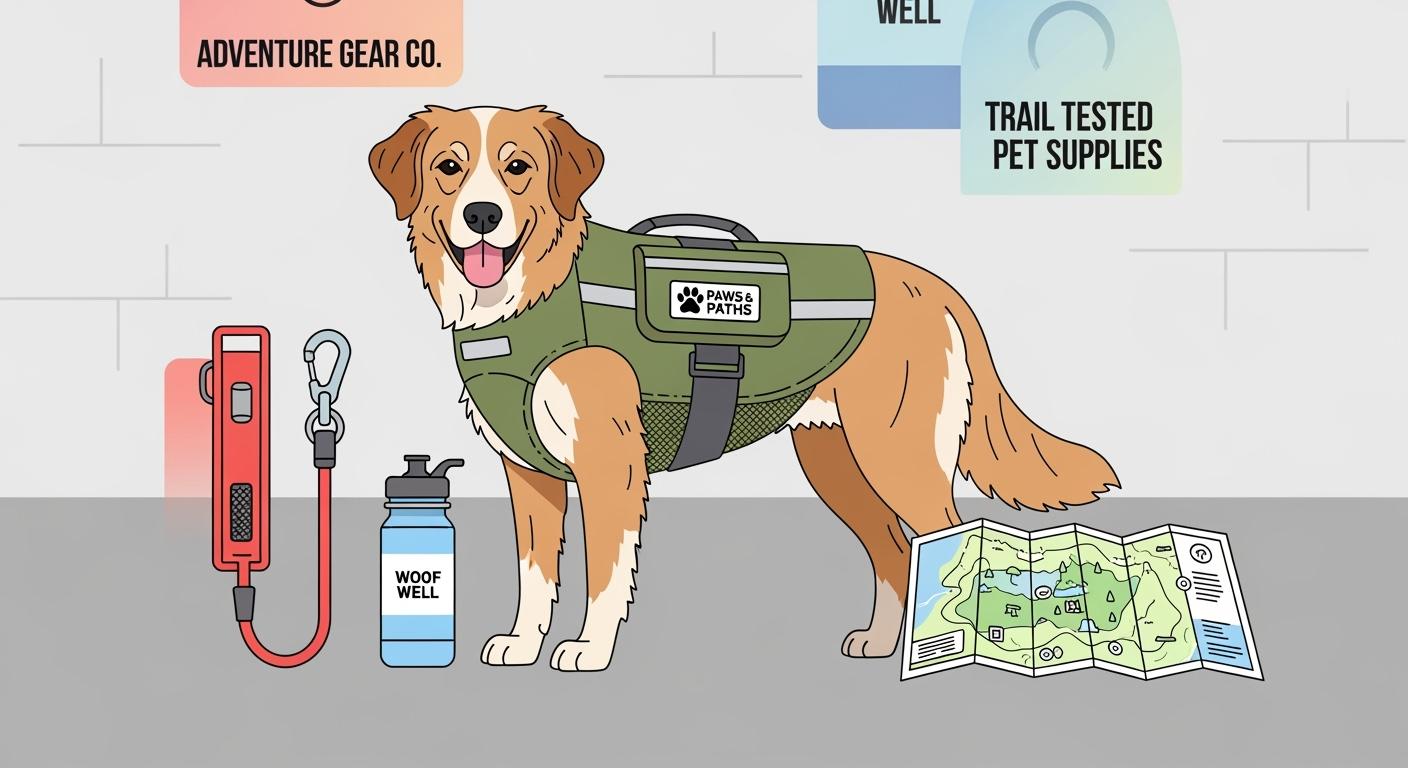
Outdoor pet brands need good dog vests for protection, comfort, and style. A well-designed dog vest keeps pets safe on trails, near water, and in busy urban spaces. At the same time, it helps your brand reduce returns, improve reviews, and stand out in a crowded market. This guide is for outdoor pet brands, retailers, and buyers who need to choose, source, and explain dog vests for their customers.
Key Takeaways
- Dog vests help keep pets safe and comfortable in outdoor conditions. Reflective, cooling, flotation, weatherproof, tactical, and calming vests each solve different problems for your customers.
- Choosing the right mix of vest types for your line can reduce complaints and returns. Clear use cases (trail running, water sports, summer heat, night walks) make it easier for customers to pick the right product.
- Cooling vests and breathable fabrics help prevent overheating, especially for brachycephalic breeds and active dogs. This supports pet safety and builds trust in your brand during hot seasons.
- Flotation dog vests support water safety, but they do not replace supervision. Your packaging and marketing should remind owners to watch dogs around water at all times.
- Comfortable fits, soft linings, and ergonomic designs reduce rubbing and pressure points. Good fit standards and clear size charts help your brand avoid “does not fit” returns.
- Working with reliable factories on ODM/OEM projects lets you add brand details, patches, and special features without losing quality. Long-term partnerships improve lead times and consistency.
- Following safety and chemical rules (such as CPSIA limits and EU REACH restrictions) protects your brand and retail partners. Always keep updated test reports and certificates on file.
Dog Vest Types for Outdoor Brands
Reflective Dog Vest
Night Safety
Dogs need to be safe at night. Reflective dog vests help with this. These vests have bright colors and shiny strips. They make dogs easy to see when it is dark. Drivers, cyclists, and people can spot dogs from far away. This lowers the chance of accidents. Owners should use reflective gear for walks at dusk or night. High-visibility materials work best when it is dark. Remind buyers that reflective vests do not replace watching their dogs. Owners must keep an eye on their pets near roads.
Material Durability
Strong materials are important for reflective dog vests. The fabric should not tear easily. It must handle outdoor use. Many brands pick waterproof and windproof materials. These protect dogs from rain and wind. Breathable fabrics help dogs stay cool on long walks. Look for vests with strong stitching and tight closures. These features make the vest last longer. They also keep dogs safe. Check that the reflective strips are strong. Weak materials can break and put dogs in danger. Always ask suppliers for samples. Test the vest outside before buying.
Cooling Dog Vest
Cooling Methods
Dogs can get too hot in summer. Cooling dog vests help lower their body temperature. Some vests use water to cool dogs down. You soak the vest before putting it on. Other vests use cooling gel or smart fabrics. These react to heat. Studies show evaporative cooling vests can lower a dog’s temperature by about 0.62 °C. This helps stop heat stroke and keeps dogs comfy. Pick vests with simple cooling features. Check how long the cooling lasts. Remind buyers that cooling vests work best with breaks and water.
Target Breeds
Some dogs need more cooling than others. Bulldogs, pugs, and French bulldogs overheat faster. Small dogs and thick-coated dogs also need cooling vests. Match the vest size and cooling type to the dog’s breed. Some vests fit all dogs. Others are made for special needs. Give clear sizing charts and instructions. Remind buyers that cooling vests do not replace shade or water. Owners should watch for signs of heat stress.
Flotation Dog Vest
Buoyancy Features
Flotation dog vests support dogs in the water and make them easier to see and grab. They should have secure buckles, strong grab handles, and bright or reflective colors. Foam or other float materials need to be well-balanced so dogs can move and breathe comfortably.
Water Safety and Quality Checks
There are few pet-specific safety standards for dog life jackets, so brands need to create their own test plans based on general product and water-safety rules. Work with testing labs to check buoyancy, seam strength, handle strength, and material durability in wet conditions. Make sure labels and instructions clearly tell customers that no vest replaces supervision. Owners must always watch dogs near water, even when they wear a flotation vest.
Tip: Use the table below to match vest styles to activities and breeds.
Dog Vest Style | Best For Breeds/Activities |
|---|---|
High-Visibility/Safety | All breeds, night walks, city outings |
Cooling Vests | Bulldogs, pugs, chihuahuas, French bulldogs |
Life Vests | Water-loving breeds, swimming, boating |
Weatherproof Dog Vest
Waterproof Materials
You need to choose weatherproof dog vests that protect dogs from rain, snow, and wind. The best vests use advanced materials that keep water out and hold in warmth. For example, the Furness™ vest uses 250 grams of insulation to trap heat and block cold air. Its soft shell stretches in four directions, so dogs can move easily. The vest also breathes well, which helps prevent overheating. Many brands use recycled polyester for insulation. Neoprene is another popular material. It keeps dogs warm on cold days and comes in different thicknesses for more or less insulation.
Tip: Always check if the vest is both waterproof and breathable. This helps dogs stay dry and comfortable during long outdoor trips.
Here is a quick look at common materials and their benefits:
Material | Benefits |
|---|---|
Neoprene | Keeps dogs warm; different thicknesses for insulation |
Polyester | Lightweight, dries fast, often made from recycled sources |
Soft Shell | Stretches for movement, blocks wind and water |
Mobility Design
A good weatherproof vest should not limit a dog’s movement. Look for vests with a low-profile design and flexible fabrics. Four-way stretch materials let dogs run, jump, and play without feeling tight. Adjustable straps help you get a snug fit. This stops the vest from slipping or twisting. Many brands add extra panels around the shoulders and chest. These panels give more freedom for active dogs. You should test the vest on different breeds to make sure it fits well and does not rub or pinch.
Tactical Dog Vest
Load Distribution
Tactical dog vests work best for service dogs, search and rescue, and outdoor adventures. These vests use strong materials like reinforced nylon or polyester. They spread weight evenly across the dog’s body. This helps dogs carry gear without hurting their back or shoulders. Padding in key spots keeps dogs comfortable during long tasks. You can attach water bottles, first-aid kits, or other tools using MOLLE systems. This makes the vest useful for many jobs.
Here are some main benefits of tactical vests:
Unmatched strength and durability for tough conditions
Customization options for carrying gear
Control handles and leash points for better management
Comfort for long outdoor activities
Identification Features
You can add patches, badges, or reflective strips to tactical vests. These features help others know if a dog is working or in training. Clear identification keeps dogs safe in busy places. Some vests have hook-and-loop panels for easy patch changes. You should pick vests with strong attachment points. This helps patches stay in place during rough use.
Benefit | Description |
|---|---|
Customization | MOLLE systems for gear attachment |
Control | Handles and leash points for safety |
Utility | Useful for law enforcement, military, or rescue operations |
Calming Dog Vest
Pressure Comfort
Calming dog vests use gentle pressure or special cuts to help some dogs feel more secure during storms, fireworks, or travel. They are often made from soft, stretchy fabrics that wrap around the chest and shoulders.
Evidence and Positioning
Some studies and owner reports suggest that calming vests can reduce visible signs of stress in certain dogs. Other dogs may not respond at all. These vests should support, not replace, behavior training or veterinary care. When you describe calming vests in your catalog or packaging, avoid promising guaranteed results. Use careful wording such as “may help reduce anxiety for some dogs” and encourage customers to consult a trainer or vet for serious behavior or health issues.
Evidence Type | Findings |
|---|---|
Pressure Vests | Anxiety scores drop with repeated use during storms |
Heart Rate | Dogs show lower heart rates when wearing the vest |
Owner Reports | Many owners see less anxiety, but results can vary |
Responsible Use
You should use calming vests as part of a bigger plan to help anxious dogs. Do not leave the vest on all day. Watch for signs of discomfort or skin problems. Always follow the maker’s instructions. Calming vests work best with training and other calming methods. Remind buyers that not all dogs respond the same way. You may need to try different sizes or brands to find the best fit.
Benefits for Outdoor Pet Brands
Safety & Risk Management
Activity Risks
Keeping dogs safe outside is important. The right dog vest helps stop accidents and keeps dogs from getting too hot or lost. Some vests have 3M reflective material and LED lights. These make dogs easy to see at night or when it is dark. Adjustable straps help the vest fit well and not fall off. Strong vests do not rip easily. These things keep dogs safe and help owners worry less.
Benefits for Outdoor Pet Brands
You can use the table below to link dog vest features to clear business results.
| Factor | Description for Your Brand |
|---|---|
| Product Innovation | Special vests for different dog breeds and activities (for example, trail packs, flotation vests, cooling vests) help you launch niche SKUs and defend higher price points. |
| Enhanced User Experience | Smart design features such as quick-release buckles, reflective trims, and breathable mesh make dogs more comfortable and safer outdoors, which improves reviews and repeat purchases. |
| Customization | Custom colors, patches, and branding details let key accounts carry exclusive versions of your vests, making your line harder to copy and strengthening retailer partnerships. |
| Sustainability | Using recycled fabrics or trims attracts eco-conscious buyers and supports your brand story. Clearly marked sustainable options help buyers build greener product assortments. |
Brand Reputation
Selling safe and strong vests helps people trust your brand. Service dog harnesses and bright vests help others know a dog is working. A vest that fits well shows you care about safety and quality. Customers notice these things and tell others good things. Fewer problems mean your brand gets a better name.
Service dog harnesses help people understand working dogs.
Good-fitting vests show dogs are busy and stop distractions.
Bright colors and patches help people see and know the dog.
Customer Comfort
Outdoor Enjoyment
Dogs and owners want to have fun outside. Vests with soft, airy fabric and stretchy parts let dogs move easily. Owners feel better when their dogs are safe and happy. Some vests have GPS or health trackers for extra safety. These features make people like your brand more and want to buy again.
Returns Reduction
Vests that fit right help stop returns. Giving clear size charts and tips helps buyers pick the best vest. Fewer returns mean you lose less money and get fewer complaints. You save time and keep more customers happy.
Factor | Description |
|---|---|
Product Innovation | Special vests for different dog breeds |
Enhanced User Experience | Smart features that keep dogs safe |
Customization | Vests made for different dogs and activities |
Sustainability | Recycled materials for buyers who care about the planet |
Brand Differentiation
Storytelling
You can tell your brand’s story with special vests and bundles. Use cool features or earth-friendly materials. Share how your vests help dogs stay safe and comfy outside. People like brands that care about pets and nature.
Customization
Letting buyers pick colors, patches, or features makes your brand stand out. Custom vests help people feel loyal to your brand. You show you know what different dogs and owners need.
Tip: Bundling vests with matching leashes or collars gives extra value and helps people remember your brand.
Fit, Sizing, and Comfort
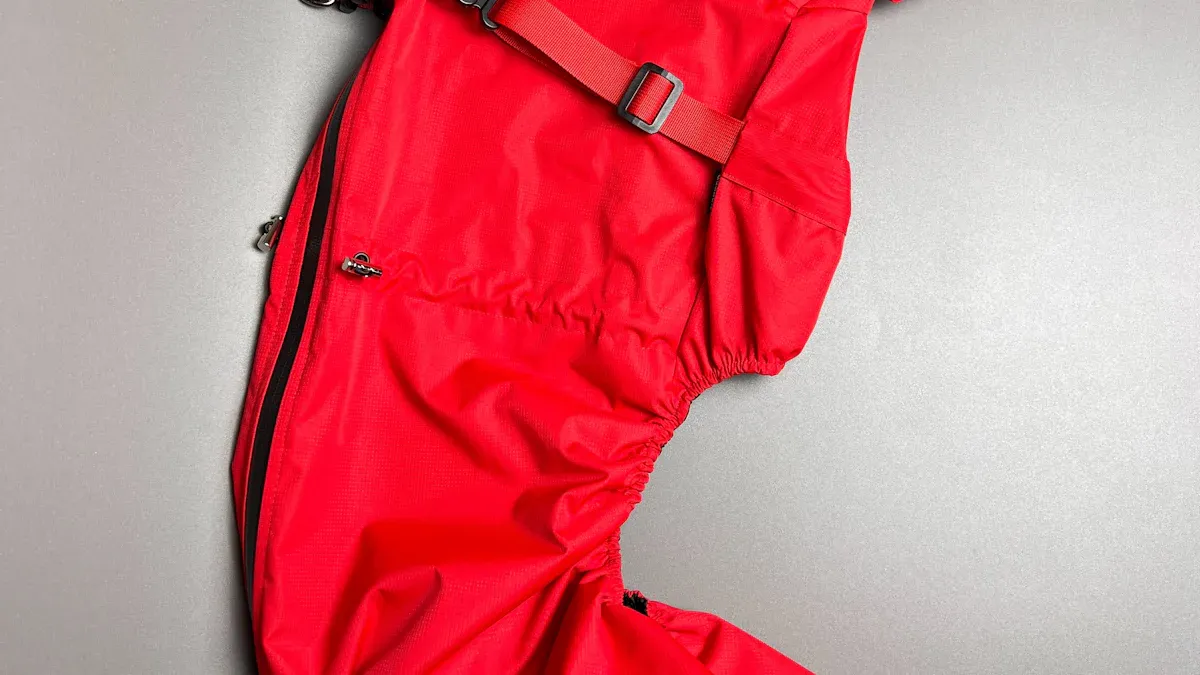
Measuring Dog Vest Fit
Train your staff and B2B customers to measure each dog before choosing a vest. Leading outdoor brands such as Ruffwear and Wilderdog suggest simple steps like:
- Wrap a measuring tape around the widest part of the dog’s chest (girth) behind the front legs.
- Measure the neck or shoulder area if the vest has a neck opening.
- Consider back length for full-coverage or insulated vests.
Use these measurements to match each dog to the correct size in your brand’s size chart. Clear measuring instructions on hangtags, packaging, and product pages reduce “does not fit” returns.
Adjustability
Vests with adjustable straps help you get a snug fit. Look for vests with more than one adjustment spot. This lets you change the fit for different dogs. Adjustable vests stop rubbing and slipping when your dog moves. Try the vest on your dog and check for tight or loose spots.
Sizing Standards
International Charts
Sizing charts are different for each brand and country. There is no worldwide rule for dog vest sizes. This makes it hard to pick the right one, especially for special breeds. Most brands use girth as the main size. But words like “small” or “large” can mean different things.
Vest Size | Girth (Chest Circumference) | Common Breeds / Weight |
|---|---|---|
XX-Small | 10 – 14 inches | Very small dogs or puppies, <5 lbs |
X-Small | 14 – 18 inches | Chihuahuas, toy breeds |
Medium | 22 – 28 inches | Beagles, Cocker Spaniels |
Large | 28 – 34 inches | Labradors, Boxers |
Note: No standard sizing means people get confused and return vests more often. Always check the brand’s chart and measure your dog.
Customer Communication
Clear instructions help buyers pick the right size. Give step-by-step guides and pictures for measuring. Many brands use photos or videos to show how to measure. Add breed names and weight ranges to your charts. This helps buyers feel sure and return less.
Use easy words and simple steps.
Point out common mistakes, like measuring while sitting or not checking fur.
Offer help for sizing questions.
Comfort Design
Material Choices
The material changes how comfy and strong the vest is. Outdoor vests often use ultralight ROBIC nylon or Kevlar. These are 40% lighter than regular pack materials. Waterproof zippers and seams keep water out. Padding keeps dogs warm in cold and cool in heat. Military-grade tests make sure the vest lasts outside.
Feature | Description |
|---|---|
Ultralight ROBIC® nylon/Kevlar® | 40% lighter, strong for outdoor use |
Waterproof zippers/seams | Protects from rain and snow |
Climate-adaptive padding | Warmth in cold, ventilation in heat |
Military-grade durability | Withstands harsh outdoor environments |
Ergonomics
A good design keeps your dog comfy. The best vests put most weight over the shoulders. They keep the lower back free. A “hug fit” helps the vest stay in place. Special harnesses let dogs move easily. Floating points move with your dog. Anti-sway parts stop the vest from bouncing. These things help stop rubbing and keep dogs safe outside.
🐾 Pick a dog vest with a secure, adjustable fit and good design. Your dog will be comfy and safe every time you go out.
Sourcing Dog Vest Suppliers
Domestic vs. International
Pros & Cons
You have to pick between domestic and international suppliers. Each choice has good and bad sides. Domestic suppliers ship faster and talk is easier. You can visit their factories and check the products yourself. But their prices are higher. You might not get many choices for materials or custom options.
International suppliers, like those in China, have lower prices. They offer many types of products. Many factories know how to make outdoor pet gear. The problems are longer shipping times and bigger minimum orders. Language can be hard to understand. You might wait for customs or pay extra fees.
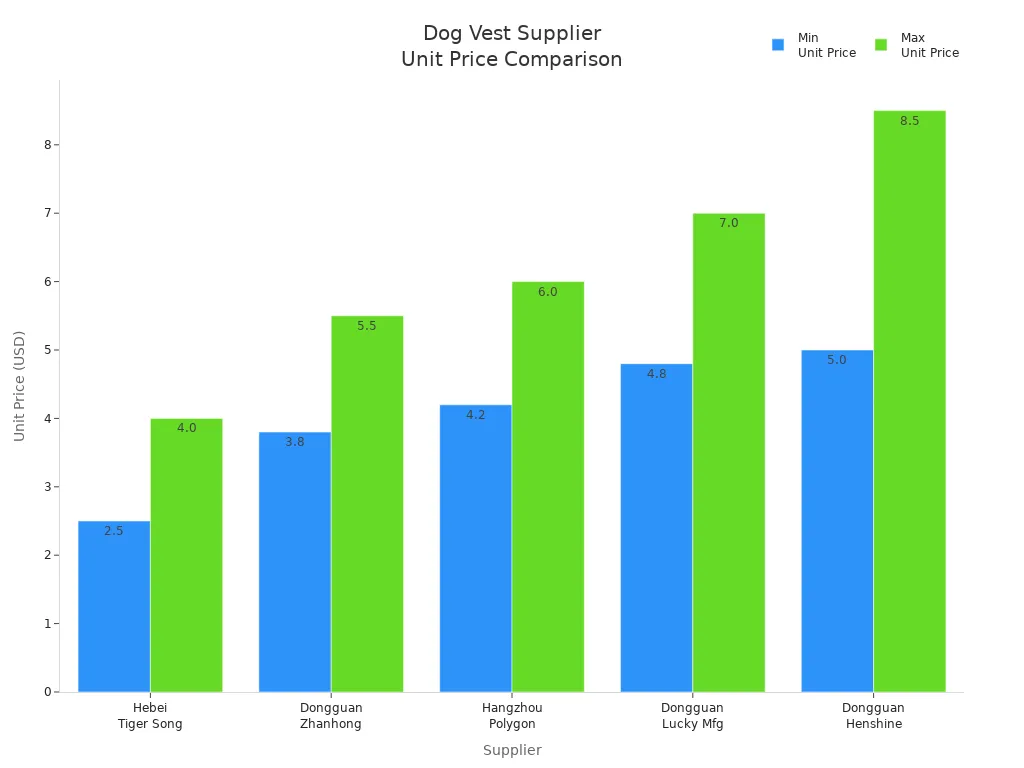
Here is a table that shows some top international suppliers and what they offer:
Supplier | Estimated Unit Price Range (USD) | MOQ | Value Proposition |
|---|---|---|---|
Hebei Tiger Song E-Commerce | $2.50 – $4.00 | 500 | Budget-friendly entry point; best for startups or test markets. |
Dongguan Zhanhong Weaving String | $3.80 – $5.50 | 1,000 | Strong in fabric innovation; specializes in custom woven trims and reflective elements. |
Hangzhou Polygon Pet Products | $4.20 – $6.00 | 800 | Balances cost and quality; offers excellent customization and branding support. |
Dongguan Lucky Mfg | $4.80 – $7.00 | 1,000 | Premium build quality, high reorder rate; justifies higher cost with reliability. |
Dongguan Henshine Sport Products | $5.00 – $8.50 | 2,000 | High-end construction; ideal for branded or outdoor-performance lines. |
Tip: Order a small amount first. This lets you check quality and service before buying a lot.
Logistics
You need to plan for shipping and delivery. Domestic suppliers ship fast, sometimes in days. You do not need to fill out customs forms. Problems get fixed quickly. International suppliers take weeks to make and ship. You must handle customs and maybe pay import taxes.
To keep things running well, pick suppliers who give clear timelines. Ask about their shipping partners and insurance. If you need quick restocks, domestic suppliers are better. If you want to save money and buy a lot, international suppliers have more options.
Trade Shows & Events
Networking
Trade shows help you meet suppliers face-to-face. You can see products and ask questions. This helps you trust them more. Many brands find new partners at these events. You also meet other buyers and learn from their stories.
Some big trade shows for pet products are:
Global Pet Expo (Orlando, Florida): Over 3,400 booths for pet retailers and distributors.
The Dog Gurus Event (Denver, Colorado): Focused on pet hotel entrepreneurs with expert panels.
Pets Canada Industry Trade Shows (British Columbia, Quebec, Ontario): Connects suppliers and manufacturers in the pet industry.
Connect Canada’s Pet Trade Expo (Niagara Falls, Ontario): B2B event with seminars and vendor interactions.
Pet Industry Network Growth Summit (Virtual): Online summit for B2B service providers.
Retail Success Summit (Grand Rapids, Michigan): Conference for independent retailers.
SuperZoo (Las Vegas, Nevada): Large trade show with educational sessions for pet retailers.
Note: Bring samples or drawings of what you want. This helps suppliers know what you need.
Trend Discovery
Trade shows help you find new trends and ideas. You can see new materials and designs up close. Many suppliers show new products at these events. You get ideas for your own brand and compare options.
You also learn about changes in the market, like eco-friendly fabrics or smart features. Talking to suppliers and other brands helps you stay ahead. You can ask about minimum orders and how long it takes to get products.
Online Platforms
These B2B platforms and tools change over time. Use reviews, small test orders, and your own checks to confirm service levels, delivery times, and product quality.
B2B Marketplaces
Online B2B sites help you find and compare suppliers easily. Many outdoor pet brands use these sites to buy products fast. You can look at catalogs, read reviews, and message suppliers.
Here is a table of popular platforms and what they do best:
Platform | Key Advantages |
|---|---|
CJdropshipping | Custom packaging, private label options, US and EU warehouses for faster shipping |
Spocket | Verified US/EU suppliers, fast delivery (1–3 business days) |
AliExpress (via DSers) | Low-cost product testing, supplier comparison by reviews and shipping methods |
Zendrop | Faster fulfillment, vetted suppliers, domestic shipping in 3–5 business days |
Supplier directories | Browse verified suppliers by category, many US-based suppliers with fast shipping |
Tip: Use filters to sort suppliers by location, minimum order, and shipping speed.
Supplier Vetting
You need to check each supplier before buying a lot. Look for these things:
On-time delivery rates above 95%.
Fast replies, under 4 hours.
Reorder rates above 25%. This means buyers trust them.
Ask for samples. Test stitching, seams, pockets, and fabric breathability.
Make sure they offer help in different languages and reply quickly.
Find out if they make products themselves or just sell them.
Pick suppliers with over five years of experience and strong production.
Ask for proof they follow standards like OEKO-TEX®, ISO 9001, CPSIA, or BSCI Audit.
🐾 Always test a sample dog vest before buying a lot. This helps you check fit, comfort, and strength.
Private Label & OEM
Customization
You can use private label and OEM services to create dog vests that match your brand’s style and needs. These services let you choose special features, colors, and packaging. You decide how your dog vests look and work. Many leading outdoor pet brands use private label deals to stand out in the market.
Custom clips and hardware help you design vests for special uses. You might want quick-release buckles for hiking or strong D-rings for service dogs. Unlimited color choices let you make vests that catch the eye. You can pick bright colors for safety or earth tones for outdoor adventures. Custom printed packaging helps your brand look professional and unique. Buyers notice packaging first, so it helps you make a good impression.
Here is a table that shows how private label features help your brand:
Feature | Benefit |
|---|---|
Custom Clips and Hardware | You can tailor vest functions for hiking, service, or rescue work. |
Unlimited Colors | You create products that stand out and match your brand’s look. |
Custom Printed Packaging | You reinforce your brand identity and attract buyers with unique boxes. |
Tip: Ask your supplier for samples of clips, colors, and packaging before you order a large batch. This helps you check quality and make changes if needed.
Scalability
Private label and OEM arrangements help you grow your business. You can start with small orders and increase volume as your brand gets more buyers. Many suppliers offer flexible minimum order quantities (MOQ). This means you can test new designs or colors without a big risk.
When you work with OEM partners, you get access to their production skills and technology. You can launch new vest styles faster. You also keep your supply chain strong because OEM suppliers can handle large orders when your brand grows. You avoid delays and stock shortages.
Here are steps to scale your dog vest line with private label and OEM:
Start with a small batch to test quality and buyer interest.
Collect feedback from buyers and make changes to your design.
Increase your order size as demand grows.
Work with your supplier to add new features or colors.
Use custom packaging to build your brand’s image.
🐾 Scaling with private label and OEM lets you respond to market trends and buyer needs quickly. You keep your brand fresh and competitive.
Supplier Evaluation & Quality Control
Vetting Criteria
Reputation
You should check a supplier’s reputation before working with them. A good reputation means they send quality products on time. Read reviews from other brands or ask for references. Look for suppliers with many years in the pet industry. Reliable suppliers may have awards or certificates from trade shows. See if they have worked with well-known outdoor pet brands. This helps you avoid problems later.
Product Range
A strong supplier offers many types of dog vests. You want to see reflective, cooling, flotation, and tactical vests. Suppliers with lots of choices help you grow your product line. They can also make custom designs for your brand. Ask to see samples of their best-selling vests. This shows what they do best. A wide product range means the supplier can meet your needs as your business grows.
Samples & Prototypes
Evaluation Checklist
You should always test samples and prototypes before ordering a lot. Real-world testing gives you the best feedback. Use this checklist when you review a dog vest sample: Test the vest with real dogs and handlers outside. Check if the vest fits different breeds and sizes. Look at the stitching, seams, and closures for strength. Make sure the vest is easy to put on and take off. Try special features, like reflective strips or cooling panels. Ask for feedback from people who use the vest. See if the vest stays strong after washing and outdoor use.
Tip: Usability tests often show that one design does not fit all dogs. You may need to ask for changes to fit your target breeds.
Iteration
You should use feedback from your tests to make the vest better. If handlers or owners find problems, share these with your supplier. Good suppliers will help you make changes and send new prototypes. You may need to test several versions before you find the best design. Positive feedback on features, like color or comfort, can guide your final choices. Making changes step by step helps you create a vest that works well for your customers. This process also lowers the risk of returns and complaints.
Certifications & Compliance
Safety Standards
You must make sure your dog vests meet safety standards in your market. These rules protect dogs and owners. They also help your brand avoid legal trouble. Here is a table of important certifications and what they mean:
Certification/Standard | Description |
|---|---|
CPSIA | Sets safety rules for dog products. Limits harmful chemicals and requires durability tests. |
ASTM | Sets safety standards for dog toys and accessories. Makes sure products meet industry rules. |
California Proposition 65 | Requires warning labels for products with harmful chemicals. |
Flammable Fabrics Act | Requires dog vests to meet fire resistance rules. |
REACH | Controls chemical safety in the EU. Makes sure no harmful substances are present. |
You may also see these marks on products: CE (European Union), UKCA (United Kingdom), CPS (USA, voluntary).
Note: Always ask your supplier for proof of these certifications. This protects your brand and your customers.
Ethical Sourcing
You should choose suppliers who follow ethical sourcing practices. This means they treat workers fairly and protect the environment. Look for suppliers with audits or certificates, such as BSCI or ISO 9001. Ask how they manage waste and use resources. Many buyers now want eco-friendly products. Suppliers who use recycled materials or safe dyes can help your brand stand out. Ethical sourcing builds trust with your customers and helps your business grow.
Negotiation
Pricing
You need good negotiation skills to get better prices. Suppliers set prices by order size, material, and customization. You can use different ways to save money and get more value.
Here is a table that shows negotiation strategies and their effects:
Strategy | Why it Works | How to Use It | Impact |
|---|---|---|---|
Build Long-Term Relationships | Suppliers trust loyal buyers and give better deals. | Sign long contracts, check service, reward good work. | You get steady prices and help for your brand. |
Time Your Negotiations Strategically | Suppliers give deals in slow times or at quarter-end. | Negotiate when demand is low, act fast near deadlines. | You get discounts and avoid rushed choices. |
Always Have a BATNA | Backup suppliers keep you strong in talks. | Find other suppliers, have backup plans ready. | You avoid bad deals and keep control of prices. |
Negotiate for Value, Not Just Price | Extra services save money over time. | Ask for free samples, easy payments, or bundled shipping. | You get more benefits and a better deal. |
Involve the Right Stakeholders Early | Teamwork covers all needs and risks. | Include legal and finance teams, hold meetings early. | You get faster approvals and avoid contract mistakes. |
Use Technology to Automate and Inform | Digital tools help you track deals and compare offers. | Use contract software, automate approvals. | You save time and make smarter choices. |
Tip: Always check prices from at least three suppliers. This helps you find fair deals and avoid paying too much.
Ask for quotes that show each cost, like materials, labor, and shipping. You can talk about each part and find ways to save. If you want to buy more vests later, tell the supplier. They may lower prices for bigger or repeat orders.
Delivery Terms
Delivery terms decide how fast you get vests and what you pay for shipping. Clear deals help you avoid delays and extra costs.
Here are steps to get good delivery terms:
Ask for written times for making and shipping.
Request tracking numbers and updates for each shipment.
Negotiate for part shipments if you need vests fast.
Talk about who pays for shipping, insurance, and customs.
Set penalties for late deliveries in your contract.
Check if the supplier uses trusted shipping partners. Fast and safe delivery keeps your shelves full and customers happy. If you sell in other countries, ask about shipping and customs help.
Note: Always read delivery terms before signing any contract. Clear terms protect your business and help you plan for growth.
You can use technology to track shipments and get updates. This keeps you informed and helps you fix problems fast. Good delivery terms build trust between you and your supplier.
Managing Supplier Relationships
Having strong supplier relationships helps your outdoor pet brand grow. You should work closely with your suppliers. This helps you get the best dog vests for your customers. Good relationships make products better. They help you solve problems faster. You can also get new ideas from your suppliers.
Communication
Specifications
You need to share clear product specifications with your supplier. Give details about materials, colors, sizes, and features. Use easy charts or drawings to show what you want. This helps your supplier know your needs. It also lowers the chance of mistakes.
Tip: Write down all your requirements in one document. Share this with your supplier before they start making the vests.
Feedback
Give feedback after you get samples or orders. Tell your supplier what works well and what needs to change. Use photos or short videos to show any problems. Good feedback helps your supplier make the next batch better. Always thank your supplier for doing a good job.
Order Management
Forecasting
Plan your orders ahead of time. Tell your supplier how many vests you need each season. Use sales data to guess what you will need. This helps your supplier get materials and staff ready. You will not run out of stock when it gets busy.
Check your sales every month.
Share your forecast with your supplier.
Change your plan if sales go up or down.
Scaling
As your brand grows, you may need more vests. Talk to your supplier about your plans to grow. Ask if they can make bigger orders. Check if they have enough workers and machines. Make a plan for larger shipments. This keeps your supply chain strong.
Innovation
Co-Development
Work with your supplier to make new dog vest designs. Share ideas for new features or materials. Ask your supplier for their suggestions. They may know about new fabrics or sewing methods. Working together helps you make better products. It also helps your brand stand out.
Co-Development Step | What You Do | What Supplier Does |
|---|---|---|
Share ideas | Say what you need | Suggest improvements |
Test samples | Give feedback | Make changes |
Launch product | Sell new vest | Make more vests |
Market Trends
Keep up with market trends. Ask your supplier about new styles or eco-friendly materials. Go to trade shows or read news about the industry. Suppliers often know about trends early. Use this information to update your product line and meet customer needs.
🐾 Strong supplier relationships help you get better products, fix problems fast, and stay ahead in the market. Keep talking, planning, and working together.
You can make your outdoor pet brand strong by using clear steps. Follow the table below to help you:
Actionable Steps | Description |
|---|---|
Review Current Products | Take out old or unpopular dog vests from your products. |
Check Compliance | Make sure each vest is safe and has the right papers. |
Standardize Fitting Guides | Teach your team to use the same fitting guides for everyone. |
Request Samples | Try samples before you order a lot from new suppliers. |
Compare Supplier Offers | Look at prices, order sizes, and shipping terms closely. |
Build Supplier Relationships | Talk often for feedback about quality and safety. |
Train Staff | Show staff the product features and how to sell them. |
Picking good suppliers and keeping high standards helps you in the long run:
Your products get better and customers are happier.
People trust your brand more.
You get special products and more help from suppliers.
Begin your step-by-step sourcing now. Your brand will get stronger and your customers will keep coming back.
FAQ
How do you choose the right dog vest type for your product line?
Pick vest types that fit what your customers want. Use reflective vests for night walks. Cooling vests help dogs in hot places. Flotation vests work for swimming and water play. Check what buyers say and look at outdoor trends before you decide.
What measurements do you need for accurate dog vest sizing?
Measure the dog’s chest girth, neck size, and back length. Make sure the dog stands up straight. Use a soft tape to measure. Check your numbers twice before you order a lot or change your size chart.
How can you check a supplier’s reliability?
Look at supplier certificates and how long they have worked. Read reviews from other buyers. Ask for samples to test. Good suppliers answer fast and give clear papers. Try to get references from other brands if you can.
What quality standards should you require for dog vests?
Ask for proof that vests meet CPSIA, ASTM, and REACH rules. Request test results for fabric strength and safety. Make sure the supplier uses safe chemicals and strong materials. Ask about how they treat workers and the environment.
How do you reduce returns from sizing issues?
Give easy measuring guides and clear size charts. Suggest sizes for different breeds. Help customers with sizing questions. Test vests on many dog breeds before you sell new ones.
What is the best way to start with a new supplier?
Order a small batch first. Check the quality, how they talk, and how fast they ship. Give feedback on the samples. Only order more when you know the supplier is good.
Can you customize dog vests for your brand?
Yes, you can ask for special colors, logos, and hardware. Many suppliers let you use private label or OEM services. Always check samples before you order a lot.
How do you keep up with new trends in dog vests?
Go to trade shows and join pet industry groups. Talk to your suppliers about new ideas. Look for new materials and smart features. Check what other brands sell and listen to customer feedback.






