Dog Harness Types and Benefits: How to Choose the Right Harness for Retail Assortments

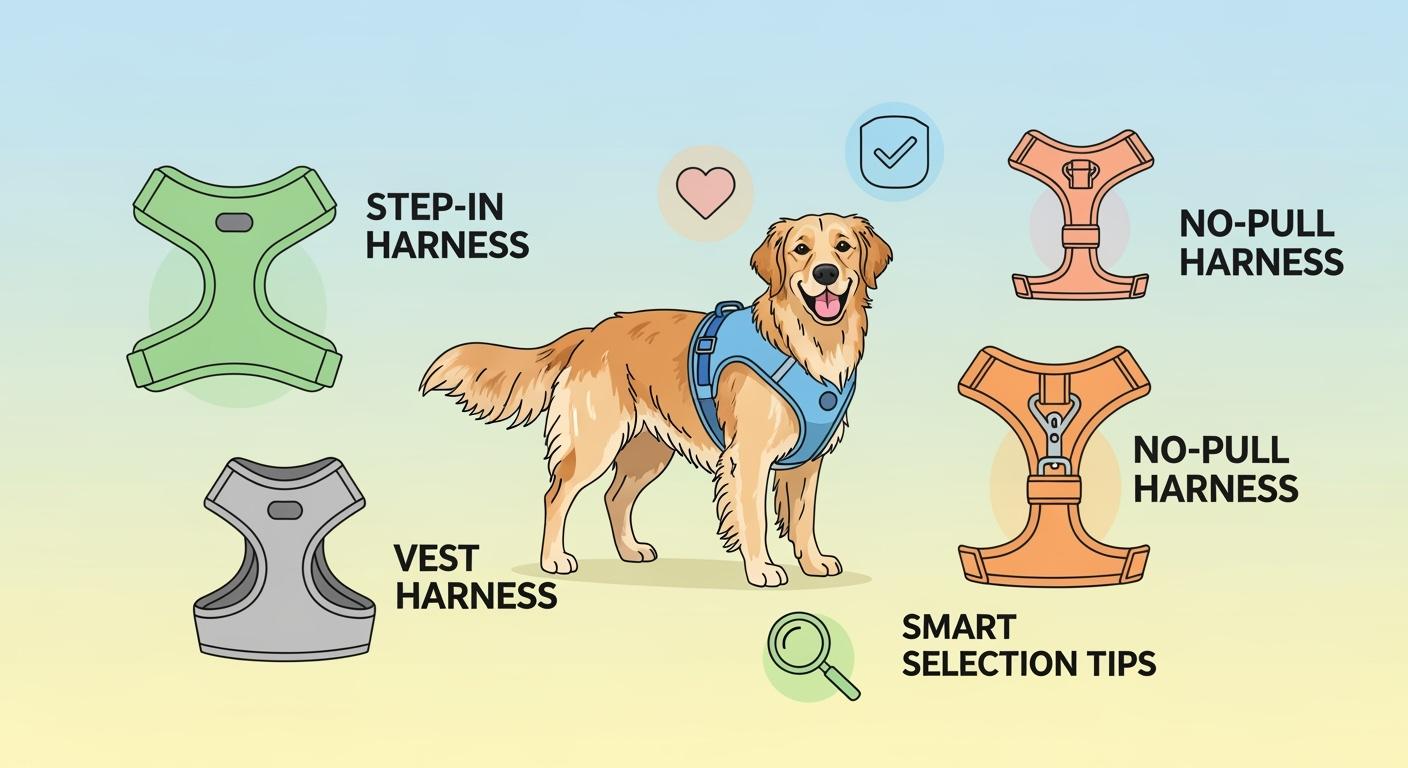
Dog Harnesses Explained: Types, Benefits, and Smart Selection Tips

This guide is for pet retailers, distributors, and brands building a dog harness assortment. Use it to match harness types to shopper needs, set clear fit expectations, and standardize spec language so sizing mistakes and returns drop. The focus is practical: what each harness type does, who it is for, and what to check before you list or stock it.

Type of Harness

Market Size (Today)

Projected Growth

No-Pull Harnesses

Several billion USD

~7% CAGR

  • Most dog harness returns happen because of sizing problems.

  • Giving measurement guides and videos helps customers trust you.

Key Takeaways

  • Stock 3 core types first: back-clip for everyday comfort, front-clip or dual-clip for guidance, and a padded vest style for sensitive dogs.
  • Standardize sizing: neck and chest girth are required, and list both in and cm.
  • Put fit rules on the page and packaging: snug, two-finger check, and where straps should sit.
  • Specify hardware and stitching: buckle strength, ring placement, and bar-tack reinforcement at load points.
  • Keep claims safe: describe pressure distribution and control, do not promise training outcomes.
  • Reduce returns with clear photos, a simple fitting guide, and consistent SKU naming by size range.

Types of Dog Harnesses

To pick the right dog harness, you need to know the main types. Each type helps different dogs and activities. Small dogs need harnesses that keep them safe and comfy. Harnesses protect small dogs better than collars. They lower the chance of hurting a dog’s neck and make walks easier.

Back-Clip Harnesses

Back-clip harnesses have a leash hook on the dog’s back. This lets dogs move freely and spreads pressure on their chest. These harnesses work well for small dogs that do not pull hard. Pugs and other short-nosed dogs like the soft fit for easy walks. Stores can suggest back-clip harnesses for simple, daily use.

Tip: Back-clip harnesses are good for dogs that pull a little and need to move easily.

Front-Clip Harnesses

Front-clip harnesses connect the leash at the chest. This helps turn the dog toward the owner if it pulls. Trainers often use front-clip harnesses for teaching leash manners. Many people say their dogs pull less and walk better with these harnesses.

Evidence Description

Conclusion

Front-clip harnesses that do not tighten are usually better than tightening harnesses and head collars.

They help stop pulling by making it a bit uncomfortable and turning the dog, so they are kind for tough dogs on leash.

  • Front-clip harnesses help stop pulling by turning the dog.

  • The leash goes in front and turns the dog to the owner.

  • Trainers like these harnesses for teaching leash skills.

  • Owners see less pulling and more control.

Dual Clip Harnesses

Dual-clip harnesses have two leash hooks, one on the back and one on the chest. This lets owners switch between training and normal walks. Stores can suggest dual-clip harnesses for people who want choices and more control. These harnesses make walks better for both dogs and owners.

No-Pull and Tightening Harnesses

No-pull harnesses use gentle pressure or tightening to stop pulling. Some tighten a little when the dog pulls, others use straps for soft pressure. Studies show dog size and weight change how much they pull with these harnesses. Small dogs might pull harder and longer with some harnesses. Stores should tell customers to pick no-pull harnesses carefully for small dogs to avoid pain or stress.

Study

Findings

Shih et al. (2020)

Dog size and weight change leash tension with harnesses.

Shih et al. (2021)

Dogs pulled harder and longer with a back harness than with a collar.

Dinwoodie, Zottola & Dodman (2021a)

Not much research on prong collars and how well they stop pulling.

Kwan & Bain (2013)

Prong collars were used in the past to correct dogs.

Martingale collar

Tightens when the dog pulls, used for safety, but may cause stress without more stress behaviors.

Note: Always help customers pick a harness that fits their dog’s size and personality. No-pull harnesses can help train dogs, but comfort and fit are very important.

Head Halter Harnesses

Head halters go around the dog’s nose and head, letting owners steer the dog. These harnesses help control strong pullers, but can be risky for small dogs. Head halters might hurt the neck or cause pain, especially in dogs that react quickly. Some dogs feel upset or act differently when wearing head halters.

  • Can hurt the neck, especially the top part.

  • May cause pain and make some dogs act aggressive.

  • Can rub the nose or hurt the eyes.

Caution: Only use head halters when needed and make sure they fit right. Watch dogs for signs of pain or changes in behavior.

Vest and Soft Harnesses

Vest and soft harnesses use mesh and padding for comfort. These harnesses are good for small and medium dogs, stopping overheating and rubbing. Their shape spreads pressure and lowers strain on the neck and joints. Stores can suggest vest harnesses for gentle, daily use for small dogs.

  • Mesh vests keep small dogs cool.

  • Padded chest and straps stop rubbing.

  • Good shapes lower neck and joint strain.

Trail and Activity Harnesses

Trail and activity harnesses are made for outdoor fun like hiking or running. They use strong materials, extra padding, and safe buckles. Stores can suggest activity harnesses for owners who like being active with their dogs. Small dogs do well with light harnesses that do not limit movement or cause pain on long trips.

Tip: Pick trail harnesses with straps you can adjust and shiny parts for safety outside.

When you know about the types of dog harnesses and how to use them, you can help customers find the best one for their dog. Good advice makes walks safer, more comfy, and happier, especially for small dogs.

Benefits of Dog Harnesses

Choosing the right dog harness brings many advantages for both dogs and your business. Understanding the benefits of dog harnesses helps you guide customers, reduce returns, and build trust. Let’s look at the main benefits and why they matter, especially for small breeds.

Safety and Injury Prevention

Dog harnesses keep dogs safer during walks. They spread force across the chest and shoulders, which lowers the risk of injury. Collars can put too much pressure on the neck, especially if a dog pulls hard. Small dogs often pull with more force compared to their body weight. This makes them more likely to get hurt with a collar.

  • Dogs pull harder with a harness than a collar, but the harness spreads the force.

  • Small dogs can pull with force equal to more than their own body weight.

  • Harnesses lower the chance of neck injuries and protect delicate areas.

Note: When you recommend harnesses, you help prevent accidents and injuries. This leads to happier customers and fewer product returns.

Better Control and Handling

A dog harness gives you more control during walks. The harness sits closer to the dog’s center of gravity, making it easier to guide and manage movement. This is important for small dogs that can slip out of collars or get tangled.

  • Harnesses make it easier to control dogs without hurting them.

  • They help prevent jumping and tangling.

  • The force spreads out, so dogs feel less stress on their neck and joints.

Your team can use this information to explain why harnesses are a safer choice for daily walks. Customers who feel more in control are less likely to return products.

Comfort for Small Breeds

Small dogs have delicate necks and need extra comfort. A comfortable dog harness uses soft materials and padding to prevent rubbing and overheating. The design lets small dogs move freely without pain.

  • Harnesses spread pressure to the chest and shoulders, not the neck.

  • Small dogs can walk and play without discomfort.

  • Harnesses help control pulling, making walks more enjoyable.

Tip: Suggest soft, padded harnesses for small breeds. This improves comfort and reduces the risk of injury.

Training and Behavioral Support

Dog harnesses help with training and behavior. They give anxious or young dogs a sense of security. Harnesses prevent slipping and help dogs feel safe as they learn to walk on a leash. For small breeds with health issues, harnesses offer extra support.

Harnesses work well for dogs that need gentle guidance. They help build confidence and make training sessions more effective. Your staff can use this benefit to help customers choose the right harness for their dog’s needs.

Reducing Neck Pressure Compared With Collars

Many harness designs shift leash load away from the throat area by distributing force across the chest and shoulders. This can be helpful for dogs that dislike collar pressure. For dogs with known medical concerns, advise shoppers to consult a veterinarian and prioritize comfortable fit and non-restrictive movement.

Choosing Dog Harnesses for Your Business

Measuring and Fit Guidelines

Getting the right harness size means measuring your dog correctly. Use a soft tape measure for the best results. Here are easy steps to measure a dog for a harness: First, measure the neck at the base where the collar sits. Make sure you can fit two fingers between the tape and the neck. Next, measure the chest at the widest spot behind the front legs. Some harnesses need you to measure the back length too. Always check your numbers with the sizing chart for each harness. People often make mistakes by measuring over thick fur or clothes. Using a hard tape or just guessing by collar size is not good. Measure on bare skin or over thin fur. Take more than one measurement to be sure.

Matching Harness Types to Dog Needs

Pick harness types based on the dog’s breed, size, and what they do. Flat-faced dogs need harnesses that do not press on the neck. Dogs that pull hard do better with front-clip harnesses. Small dogs need light harnesses to keep their throats safe. For active dogs, choose harnesses that adjust or let you use your hands freely. Harnesses help dogs that pull, have neck problems, or need extra support.

Material and Durability Factors

Choose harnesses made from strong materials like leather or nylon. Leather lasts a long time and is easy to care for. Nylon is tough and does not get ruined by water. These harnesses last longer, so you do not have to replace them often. This keeps customers happy.

Special Considerations for Small Dogs

Small dogs need harnesses that fit well and can be adjusted. Pick harnesses made from soft, airy materials to stop skin problems. Smooth edges help keep long hair from getting tangled. Good designs protect the spine and lower pressure during walks.

Assortment Planning and Customer Education

Offer harnesses that adjust and give clear sizing charts. Teach your staff how to measure dogs and help customers pick the right harness. Give tips for testing harnesses at home. Tell customers to ask questions if they are not sure.

Strategy

Description

Clear Sizing Guides

Give easy-to-read sizing charts in stores and online.

Staff Training

Show staff how to measure and fit harnesses the right way.

Adjustable Harnesses

Sell harnesses with straps that can be changed for a better fit.

Home Testing Tips

Teach customers how to check fit and comfort at home.

Encourage Questions

Ask customers to get help with sizing or fit if needed.

Tip: When your team knows how to help and you give clear guides, you get fewer returns and customers trust you more.

Fitting and Maintenance Tips

Fitting and Maintenance Tips

Proper Fitting Steps

It is important to fit a harness the right way. Let the dog smell and look at the harness first. Put the harness on the dog’s back but do not close it yet. Practice opening and closing the harness while giving treats. Praise the dog each time you do this. Use rewards to make the dog feel happy. Start walks outside with short and easy paths. These steps help customers fit harnesses well and keep small dogs calm.

Tip: Create a simple 60-second fitting guide for staff and shoppers that shows measuring points and the two-finger fit check.

Common Fit Issues

Many people have trouble fitting harnesses. You can help by watching for these mistakes:

  • Guessing size instead of measuring the chest and neck.

  • Picking style over good design, which lowers safety.

  • Not thinking about the dog’s weight or breed.

  • Forgetting to change straps after grooming or growth.

  • Not checking comfort, which can cause scratching or escapes.

Bad fits show up as strange walking, not wanting to walk, red marks, loose straps, or trying to get out. Always check that the harness is snug but not tight. You should fit two fingers between the harness and the dog’s skin.

Cleaning and Hygiene

Clean harnesses stop skin problems and bad smells. Cleaning often makes harnesses last longer and keeps customers happy. You can clean harnesses like this:

  1. Wash by hand with gentle soap, warm water, and a soft brush.

  2. If you use a washing machine, put the harness in a mesh bag and use cold water.

Check harnesses often for damage. Keep them in a cool, dry place away from sunlight.

Staff and Customer Training

Teach your staff how to fit and care for harnesses. Show them how to change straps, look for damage, and spot fit problems. Give them videos like “How to Measure and Fit a Small Dog Harness” and “Explaining Small Dog Harness Benefits.” Good training helps build trust and lowers returns.

Note: Staff who know what to do and clear guides help your store give better service and make customers happier.

Picking harnesses that fit well makes dogs safer and more comfortable. Padded harnesses stop rubbing and fit better. Adjustable straps help the harness stay snug. Reflective stitching helps keep small dogs safe at night. Lightweight materials make walks easier for small breeds. Check what harnesses you sell now. Teach your staff how to help customers pick harnesses. Help customers learn about harnesses to lower returns and keep them coming back.

Statistic

Impact

Teaching customers about products makes more people buy harnesses

38%

Teaching customers about products helps them keep using harnesses

22%

Tip: Cover the main use cases with a small, clear assortment (everyday, guidance, outdoor) and keep sizing labels consistent across listings.

FAQ

How do you know if a harness fits a small dog correctly?

Check that you can fit two fingers between the harness and the dog’s body. The harness should not rub or leave marks. Watch for signs of discomfort or slipping. Adjust straps for a snug, secure fit.

What is the best harness type for dogs that pull?

Front-clip or dual-clip harnesses help manage pulling. These harnesses give you better control and guide the dog toward you. No-pull harnesses can also help, but always check comfort and fit for each dog.

How often should you clean dog harnesses?

Clean harnesses every one to two weeks, or more often if they get dirty. Use mild soap and warm water. Regular cleaning prevents skin problems and keeps harnesses in good condition.

Can you use the same harness for different dogs?

Avoid sharing harnesses between dogs. Each dog needs a harness that fits its size and shape. Sharing can spread germs and cause poor fit, leading to discomfort or injury.

What should you do if a customer reports harness chafing?

Check the harness fit and material. Suggest a padded or softer harness. Teach the customer how to adjust straps. Offer tips for cleaning and checking for damage. Encourage customers to monitor for red marks or hair loss.

Get A Free Quote Now !

Table of Contents

Blog

Canine Pulling Harness How to Spot Wear Before a Hard Pull Turns Risky

Spot wear on your canine pulling harness by checking stitching and hardware before each hard pull to ensure durability and keep your dog safe.

Puppy Collars Custom: How to Check Tightness and Prevent Slipping Safely

Puppy collars custom should fit snugly with two fingers under the collar. Use the slip test to prevent loss and keep your puppy safe and comfortable.

Dog Running Leash: How to Select Hands-free or Standard Based on Real Pulling Patterns

Choose the right dog running leash by matching hands-free or standard setups to your dog's pulling and walking style for safety and control.

Dog Carry Bike Risk Checklist: Body Language Warnings and When to Stop Immediately

Spot stress or danger in your dog during dog carry bike rides. Learn body language warnings and when to stop for your dog's safety on hikes or rainy walks.

Which Waterproof Dog Bed Stays Dry on Wet Ground?

A waterproof dog bed with sealed seams, strong base, and high hydrostatic head value keeps your dog dry on wet ground during outdoor use.

Dog Leashes: How to Spot Wear Before a Leash Fails on a Walk

Check dog leashes for fraying, weak stitching, and hardware issues before walks. Spot stress points early to prevent leash failure and keep your dog safe.
Scroll to Top

If You Have Any Questions, Please Do Not Hesitate To Contatct With Us.

Get A Free Quote Now !

Welsh corgi wearing a dog harness on a walk outdoors