
You want a dog rucksack backpack that keeps your dog safe. It should also keep your dog comfortable on every outdoor trip. The best dog backpacks use tough, weather-resistant materials. They also have strong stitching. Many new backpacks have padded harnesses. They have straps you can adjust. They also have good airflow. You need a backpack that fits well. This stops it from moving around. It helps keep your dog steady. Experts say you should measure your dog’s chest first. Do this before you pick a backpack. More people now take their dogs on adventures. The market for dog rucksack backpacks is growing fast. People want good gear for their dogs. Dogs can carry their own things. But you must check the weight limit. This keeps your dog healthy. You get better strength, comfort, and safety with a good backpack. Make sure it fits your dog well.
This guide is part of StridePaw’s outdoor dog gear resource for B2B buyers. It is written for retailers, distributors, and brand owners who need safety-led product criteria, not just consumer tips. The recommendations bring together current veterinary guidance on dog backpack weight limits and up-to-date market data on pet travel accessories. This helps you review dog rucksack backpacks using the same standards that leading outdoor and pet brands apply when they plan assortments and talk with factories.
Key Takeaways
Pick a dog rucksack backpack that uses strong materials. Make sure it can handle bad weather. This helps keep your dog safe and comfy outside.
Measure your dog’s chest and weight first. This helps you pick the right backpack size. A good fit stops the backpack from moving and hurting your dog.
Find backpacks with straps you can adjust. Padded harnesses make hiking easier for your dog. These features help your dog feel better and get more support.
Make sure the backpack lets air flow well. Mesh panels help keep your dog cool on hot days.
Do not let your dog carry too much weight. Keep the load at 10-12% of their body weight. This keeps your dog healthy and stops them from getting hurt.
Check the backpack often for damage. Look at the zippers and buckles before each hike. This helps keep your dog safe.
Help your dog get used to the backpack slowly. Use treats and praise to make your dog feel good and confident.
Talk to your vet before using a backpack if your dog has health problems. This makes sure your dog stays safe.
Why Choose a Dog Rucksack Backpack for Hiking
What Is a Dog Rucksack Backpack
A dog rucksack backpack is a special bag for your dog. You wear it on your back to carry your dog safely. People use these backpacks for hiking and outdoor trips. They are not like regular carriers. Dog backpacks have padded straps and harnesses. These help keep your dog safe and comfortable. Many backpacks have mesh panels for airflow. This keeps your dog cool. The backpack spreads the weight across your back. This makes it easier for you to carry your dog. It also helps your dog stay steady. You can change the straps to fit your dog’s size. Most backpacks work best for small or medium dogs. Always check the weight limit before using one.
Dog rucksack backpacks have some special benefits over other carriers and packs:
Your dog can help by carrying some items.
The backpack keeps your dog busy and active.
Carrying things helps your dog get stronger and stay healthy.
Using the backpack helps your dog learn to listen better.
Your dog can help carry things you need on hikes.
Trail Scenarios for Dog Carriers
Dog rucksack backpacks are great for hiking trails. They give comfort and support to you and your dog. You can carry your dog on your back safely. These backpacks are good for long walks and rough paths. They have pockets for your things and mesh for air. Both you and your dog will like these features.
Here are some times when dog backpacks are very helpful:
You need to carry your dog over rocks or steep hills.
Your dog gets tired on long walks.
You want to keep your dog safe from hot or cold weather.
You need more room for water, snacks, or first aid.
Saddlebag styles spread the weight out. This keeps you and your dog comfy on long walks.
Dog backpacks hold more stuff than regular carriers.
These backpacks are best for hiking and outdoor trips.
Benefits for Owners and Retailers
Dog rucksack backpacks help both pet owners and stores. You can do more things with your dog. Your dog can carry some of your things. The backpack’s design keeps your dog safe and comfy. Adjustable straps and even weight help stop injuries.
Benefit Type | Description |
|---|---|
Convenience | You can bring your dog on trips and hikes. Your dog helps carry things you need. |
Safety | Good designs and straps keep your dog safe and happy. |
Sales Opportunities | Stores can sell to more people online. More people want useful dog backpacks. |
More people now take their dogs on adventures, and this is no longer a small niche. Recent industry estimates value the global pet travel accessories market at about USD 6.8 billion in 2024 and forecast that it could reach roughly USD 12 billion by 2034, which means annual growth close to 6%. At the same time, several travel surveys show that roughly three-quarters of pet owners in North America and Europe now travel with their pets at least once a year, and more than half of global travelers look for pet-friendly options when they book trips. For retailers and sourcing teams, this means dog rucksack backpacks are moving from a “nice extra” to a core part of an outdoor or travel assortment, especially when they combine safety, comfort, and strong storytelling around active families and their dogs.
When to Use Dog Packs for Hiking
Comparing Dog Rucksack Backpacks and Dog Packs
It is important to know how dog rucksack backpacks and dog packs are different. Each one has special benefits for you and your dog. Dog rucksack backpacks put most of the weight on your shoulders. This makes it easier to walk on day hikes. The backpack fits close to your body and does not move around. Your dog stays safe and feels good. Regular dog packs can put weight in the wrong places. This can make your dog feel sore and move less. The best dog packs for hiking have harnesses that bend with your dog. This lets your dog walk and run more easily. Many rucksack backpacks are safe and approved by veterinarians. The slim shape helps you and your dog get through small spaces. The backpack dries fast and does not get heavy when wet.
Feature | Dog Rucksack Backpacks | Traditional Dog Packs |
|---|---|---|
Weight Distribution | Centers 80% of weight over shoulders | Often distributes weight incorrectly |
Comfort | Low-profile ‘hug fit’ prevents shifting | Can create unnecessary strain |
Dynamic Movement | Articulated harness allows free range of motion | Limited movement due to bulk |
Safety | Veterinarian-approved design | Lacks specialized safety features |
Navigation in Tight Spaces | Slim profile for easy passage | Larger packs can get caught |
Water Resistance | Minimal absorption, quick-drying materials | Heavier when wet, longer drying time |
Terrain Adaptability | Stable load for rocky terrain | May shift and cause balance issues |
Emergency Response | Quicker movement in urgent situations | Bulky gear can slow down response |
Ideal Dogs and Use Cases
Pick dog packs for hiking by looking at your dog’s size and how they act. Small and medium dogs fit best in rucksack backpacks. Poodles like riding in these backpacks. Yorkshire Terriers also do well because they are small and do not need much exercise. Mixed breeds like Yorkipoos and Chugs can use backpacks easily. Dog rucksack backpacks give active or nervous dogs something to do. This helps them stay calm on hikes. Your dog can carry its own things. This makes your bag lighter and keeps your dog busy. You can walk at a speed that works for both of you. Dog packs for hiking are good for short trips, rocky paths, and busy trails.
Gives energetic and nervous dogs a job to do
Lets you walk at a pace that fits you
Dogs can carry their own things, so you carry less
When Not to Use a Dog Rucksack Backpack
Do not use dog rucksack backpacks in some cases. Most dogs should not use upright backpacks for long hikes. These backpacks make it hard for dogs to move and can hurt their backs. Dogs with IVDD or spine problems should not use upright or sling carriers. Badly made backpacks can hurt your dog’s back and hips. Do not use dog packs for hiking with dogs that are at risk or too heavy. Always check your dog’s health before you go hiking. Take breaks often and watch for signs of your dog getting too hot. Good airflow and a proper fit help keep your dog safe and comfortable.
Tip: Always ask your veterinarian before using a dog rucksack backpack for hiking, especially if your dog has health problems.
Safety and Sizing Guidelines for Dog Backpack Carriers
Measuring Your Dog for a Rucksack Backpack
You need to measure your dog carefully before choosing dog backpacks for hiking. A good fit keeps your dog safe and comfortable. Start by extending all straps and unbuckling body buckles. Place the backpack so the top sits close to the base of your dog’s neck. Step your dog’s front right leg through the front right loop. Wrap the chest panel and secure the buckle. Tighten the chest straps, keeping the panel centered. Next, wrap the belly panel and secure the back buckle to the left slip pocket. Thread the center belly strap through the sternum strap loop that fits your dog best. Tighten the straps around your dog’s girth. You should be able to fit four fingers between the straps and your dog’s body. Roll loose strap ends toward the buckles and secure them with Velcro tabs. This process helps you achieve a secure fit and prevents rubbing or discomfort during hiking.
Tip: Always check the fit before each trip. A snug fit helps prevent shifting and keeps your dog steady in the backpack.
Safe Weight Limits for Hiking
You must know the safe weight limits for dog backpack carriers. For most healthy pet dogs, aim to keep the total load, including the backpack itself, around 10–12% of the dog’s body weight. Heavier loads of up to 20–25% should be reserved only for exceptionally fit working dogs under professional training plans and veterinary supervision, not for everyday family pets. Puppies, seniors, and any dogs with joint, heart, or breathing issues should not carry extra weight at all. Small dogs need lighter gear, while large, muscular breeds can handle a little more—but only if they are healthy and conditioned. Always distribute the load evenly and watch your dog for signs of discomfort or fatigue. If your dog slows down or seems tired, remove some gear or take a break. Clear weight guidelines on packaging and product pages help both retailers and customers use dog backpacks safely.
Dog Size | Recommended Max Load | Notes |
|---|---|---|
Small (up to 15 lb) | 1.5 lb (10%) | Use lightweight gear only |
Medium (15–25 lb) | 2–2.5 lb (10–12%) | Check fit and balance often |
Large (over 25 lb) | Up to 5 lb (max 20–25%) | Only for healthy, muscular dogs |
Managing Time, Breaks, and Heat
You must manage hiking time, breaks, and heat to keep your dog safe. Choose hiking routes with shade to avoid direct sunlight. Carry enough water for both you and your dog. Schedule hikes during cooler hours, such as early morning or late evening. Provide cooling options like mats or damp towels, but do not use wet towels for too long. Make sure your dog has access to fresh water at all times, even on the trail. Avoid hiking during the hottest part of the day. Swimming can be a good alternative activity if the weather is hot. Take regular breaks to let your dog rest and cool down. These steps help prevent heat stress and keep your dog comfortable in dog backpacks.
Note: Always watch your dog for signs of overheating. Panting, drooling, or slowing down means your dog needs a break. Good gear and careful planning help you enjoy safe hiking trips with your dog.
Special Considerations for High-Risk Dogs
You must take extra care when considering a rucksack backpack for high-risk dogs. These dogs include seniors, dogs with medical conditions, and breeds with special health needs. Not every dog can safely use a backpack, even for short hikes. You should always think about your dog’s age, health, and breed before making a decision.
Many senior dogs have arthritis or ligament problems. These conditions make it hard for them to handle extra weight or new pressure on their joints. Some older dogs also have heart conditions. Carrying weight or being in a backpack can put stress on their heart and lungs. Dogs with breathing problems, such as some flat-faced breeds, may struggle with airflow in a carrier. You must watch for any signs of discomfort, such as heavy panting, whining, or restlessness.
Some breeds have unique body shapes or health risks. For example, long-backed breeds may have spinal issues. Small breeds with fragile bones need extra protection. Dogs with past injuries or surgeries may not tolerate the movement or pressure of a backpack. Always check with your veterinarian before using a rucksack backpack for these dogs.
You can use this checklist to help decide if your dog is at high risk:
Your dog is a senior (over 8 years old).
Your dog has arthritis, joint pain, or ligament problems.
Your dog has a heart or lung condition.
Your dog has a history of injury or surgery.
Your dog belongs to a breed with known structural issues.
Your dog shows signs of pain or discomfort during walks.
If your dog fits any of these points, you should avoid using a rucksack backpack or only use it for very short, gentle trips. Never let high-risk dogs carry any weight in a dog pack. Focus on safety, comfort, and short durations if you must use a carrier.
Medical Disclaimer:
Always consult your veterinarian before using a dog rucksack backpack for dogs with pre-existing conditions, extreme ages, or if you feel unsure about your dog’s health. This guide is for general education only and does not replace professional medical advice.
You play a key role in keeping your dog safe. Careful planning and regular health checks help prevent injuries and stress. When in doubt, choose the safest option for your dog’s well-being.
Key Features of the Best Dog Rucksack Backpack
Durable Materials and Construction
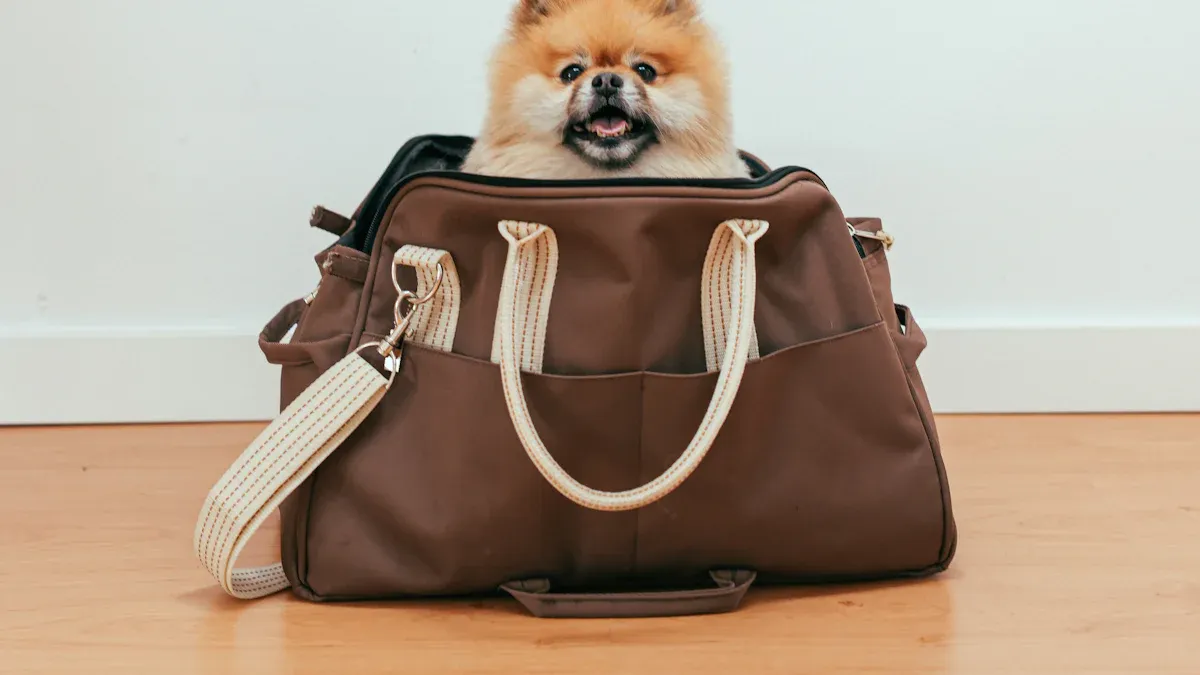
You need a dog backpack that works well outside. The best backpacks use strong materials and smart building methods. These things make the backpack last longer and keep your dog safe. Many light backpacks use ultralight ROBIC nylon. This nylon is 40% lighter than other fabrics. It makes carrying your dog easier. Kevlar construction makes the backpack even stronger. It helps the backpack last for many trips. Waterproof zippers and taped seams stop water from getting in. Your dog stays dry when it rains. Military-grade tests show the backpack can handle rough ground and lots of use. Climate-adaptive padding keeps your dog warm when it is cold. It also lets air in when it is hot. This makes your dog feel better on hikes.
Material/Method | Description |
|---|---|
Ultralight ROBIC nylon | 40% lighter than standard pack materials, enhancing portability |
Kevlar construction | Provides exceptional strength and durability for outdoor use |
Waterproof zippers | Prevents water ingress, keeping contents dry in wet conditions |
Taped seams | Enhances waterproofing and overall durability of the backpack |
Military-grade durability testing | Ensures the backpack can withstand harsh outdoor conditions |
Climate-adaptive padding | Offers warmth in cold weather and ventilation in heat, improving comfort for the dog |
Tip: Pick a dog backpack that keeps out water. Taped seams and waterproof zippers help protect your dog from rain and mud.
Ventilation and Comfort
Comfort is important for you and your dog. Good backpacks use mesh panels and special padding. Mesh panels let air move around your dog. This stops your dog from getting too hot. Padding helps your dog feel good and stops sore spots. Look for a light backpack with wide, padded straps. These straps make carrying your dog easier. Adjustable harnesses let you change the fit for your dog. This helps your dog stay safe and comfy. Many backpacks have extra vents or breathable fabric. These things help keep your dog cool and happy on hikes.
Note: Always make sure your dog backpack has enough airflow. This is extra important when the weather is warm.
Ergonomic Design for Even Weight Distribution
Ergonomic design helps you and your dog feel good on long hikes. The best backpacks put most of the weight over your dog’s shoulders. This stops your dog from getting sore and helps with posture. Dynamic movement systems let your dog move easily. This stops the backpack from bouncing and helps muscles. Smaller backpacks sit close to your dog’s spine. This helps your dog balance and lowers the chance of getting hurt. Pick a backpack with straps and harnesses you can adjust. These features help spread the weight and keep your dog steady.
Feature | Description |
|---|---|
Strategic Weight Placement | Centers 80% of weight over the dog’s shoulders, preventing strain and promoting posture |
Dynamic Movement System | Allows free range of motion and prevents pack bounce, reducing strain during activity |
Better Weight Distribution | Smaller packs sit closer to the dog’s spine, enhancing balance and reducing muscle strain |
Tip: Always check the straps and fit before you hike. Even weight helps the backpack last longer and keeps you and your dog comfortable.
Safety Features and Secure Fit
You want your dog to stay safe and comfortable during every hike. Safety features in a dog rucksack backpack help prevent accidents and keep your dog secure. You should look for backpacks with strong fastenings. Sturdy zippers, buckles, and safety clips hold your dog in place. These parts stop your dog from slipping out or moving too much. You can check each fastening before every trip. If you see any damage, you should fix it or replace the backpack.
Visibility matters when you hike early in the morning or late in the evening. Reflective strips or patches on the backpack help others see you and your dog. These features make you more visible to cyclists, hikers, and drivers. You lower the risk of accidents in low-light conditions. You can test the reflective parts by shining a flashlight on them before you leave home.
Choosing the right size for your dog is important. A backpack that fits well gives your dog comfort and support. You should measure your dog’s chest and length before buying a backpack. If the backpack is too tight, your dog may feel pain. If it is too loose, your dog may slip or shift inside. Adjustable straps help you get a snug fit. You can use the four-finger test: slide four fingers between the strap and your dog’s body. If you can do this easily, the fit is correct.
Regular checks for wear and tear help you prevent problems. You should inspect the backpack for frayed straps, broken buckles, or torn mesh. Damaged parts can lead to accidents or injuries. You can set a reminder to check the backpack before each hike. If you find any issues, you should repair them or choose a new backpack.
Here is a quick checklist for safety and secure fit:
Check all zippers, buckles, and clips for strength.
Look for reflective strips or patches.
Measure your dog’s chest and length for sizing.
Adjust straps for a snug but comfortable fit.
Inspect for wear and tear before each use.
Safety Feature | Why It Matters | How to Check |
|---|---|---|
Sturdy Fastenings | Prevents escapes and shifting | Test zippers and buckles |
Reflective Elements | Improves visibility in low light | Shine a light on patches |
Proper Sizing | Ensures comfort and support | Measure and adjust straps |
Regular Inspections | Prevents accidents from damaged gear | Look for frays and breaks |
Tip: You should always test the backpack at home before your first hike. Let your dog wear it for short periods. Watch for signs of discomfort or stress. This helps you catch problems early and keeps your dog safe.
You play a key role in your dog’s safety. Careful attention to fit and features helps you enjoy outdoor adventures with peace of mind.
Best Dog Backpack Carriers: Top Picks and Reviews
Quick Comparison Table
You want to pick the best dog backpack for hiking. The table below shows top choices for outdoor trips. It compares durability, fit, safety, and airflow. Each backpack is good for different needs. Use this table to find the right backpack for your dog and your hikes.
Model Name | Dog Size Range | Max Weight Limit | Durability Features | Ventilation Features | Safety Features | Best Use Case |
|---|---|---|---|---|---|---|
Compact Day-Hike Rucksack for Small Dogs | Small (up to 13 lb) | 10 lb | Waterproof shell, reinforced stitching | Large mesh window, dual vents | Secure harness, reflective trim | Short hikes, urban walks |
Trail-Ready Mid-Size Rucksack | Small/Medium (up to 18 lb) | 15 lb | Heavy-duty nylon, taped seams | Triple mesh panels, airflow channels | Locking zippers, padded straps | Day hikes, camping |
Deluxe Multi-Entry Carrier Backpack | Small (up to 9 lb) | 8 lb | Reinforced frame, weather-resistant fabric | Full mesh sides, adjustable vents | Safety clips, multi-point harness | Travel, camping |
Front-Facing Adventure Carrier | Small/Medium (up to 20 lb) | 15 lb | Ripstop fabric, double-layer base | Front mesh panel, side vents | Chest buckle, reflective piping | Close interaction, camping |
Tip: Always look at the weight limit and airflow before picking a dog backpack for hiking or camping. This keeps your dog safe and comfy.
Review: Compact Day-Hike Rucksack for Small Dogs
You want a light and strong dog backpack for short hikes. The Compact Day-Hike Rucksack for Small Dogs has a waterproof shell and tough stitching. It works best for dogs up to 13 pounds. Your dog gets a big mesh window and two side vents. These help your dog stay cool on hikes and camping trips. The harness keeps your dog safe and steady. Reflective trim helps others see you in low light.
Strengths:
Light design makes it easy to carry.
Waterproof shell keeps your dog dry in rain.
Big mesh window gives your dog a good view and airflow.
Harness and reflective trim help keep your dog safe.
Weaknesses:
Only fits small dogs under 13 pounds.
Not good for long hikes or rough trails.
Small space for storage.
Best Use Cases:
Short hikes on easy trails.
Walks in the city and quick camping trips.
Travel in nice weather.
You can use this backpack for quick outdoor trips. The strong build and airflow features help your dog feel good. Always check the fit and weight before you go out. This backpack is good for pet owners and stores who want a safe dog backpack for small dogs.
Review: Trail-Ready Mid-Size Rucksack
You need a tough dog backpack for longer hikes and camping. The Trail-Ready Mid-Size Rucksack fits small and medium dogs up to 18 pounds. Heavy-duty nylon and taped seams make it strong. Triple mesh panels and airflow channels keep your dog cool. Locking zippers and padded straps add safety and comfort. The harness can be adjusted to fit your dog.
Strengths:
Heavy-duty nylon stands up to lots of use.
Taped seams keep water out when it rains.
Triple mesh panels and airflow channels stop your dog from getting too hot.
Locking zippers and padded straps make it safer and more comfy.
Adjustable harness fits many dog sizes.
Weaknesses:
Heavier than smaller backpacks.
Not great for very small dogs.
Bulky shape can make tight spaces harder.
Best Use Cases:
Day hikes on medium trails.
Camping with small or medium dogs.
Outdoor trips in different weather.
You can trust this backpack to last and keep your dog safe. The airflow system helps your dog stay cool on warm days. Use this backpack for hiking and camping with dogs that need extra support. Stores can offer this backpack to people who want the best dog backpack for outdoor trips.
Note: Always measure your dog and check the harness fit before hiking or camping. This helps your dog stay comfy and safe.
Review: [Durable Model 3]
You want a dog rucksack backpack that can handle rough trips. Durable Model 3 is built strong and has good safety features. This backpack is best for small and medium dogs up to 20 pounds. You can use it for hiking, camping, or travel. The design keeps your dog safe and comfy in many places.
Durability and Safety Comparison
It helps to see how Durable Model 3 matches other top backpacks. The table below shows important durability and safety features. You can use this to pick the right backpack for your store or next trip.
Backpack Model | Durability Features | Safety Features |
|---|---|---|
Durable Model 3 | Reinforced seams, weather-resistant shell | Secure harness, reflective trim |
OneTigris Hoppy Camper 2.0 | 1000D nylon construction, tear-resistant | Lacks reflective details |
Ruffwear Approach | Not specified | Reflective accents, sturdy handles |
Mountainsmith K9 | Not specified | Reflective accents, sturdy handles |
AlphaPak Adventurer | Not specified | Bright colors, reinforced handles |
Terrain Dog Lightweight Adventure Pack | Not specified | Bright colors, reinforced handles |
Durable Model 3 has reinforced seams and a shell that keeps out rain. These features help the backpack last and protect your dog from mud. The harness holds your dog in place. Reflective trim helps others see you when it is dark.
Strengths
Reinforced seams make the backpack stronger for rough trails.
The shell keeps out rain and dirt to protect your dog.
The harness system keeps your dog safe while you walk.
Reflective trim helps cars and people see you at night.
You can adjust the straps to fit your dog’s body.
Weaknesses
This backpack is heavier than simple models, so you may get tired.
It does not have as much airflow as backpacks with mesh sides.
Small pockets mean you cannot carry much gear.
It does not work for dogs over 20 pounds or dogs with health problems.
Best Use Cases
You can use Durable Model 3 for day hikes, camping, and travel. The strong build is good for rocky trails and bad weather. The harness and reflective trim help keep your dog safe. This backpack is good for pet owners who want extra safety and for stores that need a strong product for outdoor buyers.
Tip: Always check the harness and seams before every trip. This keeps your dog safe and helps the backpack last longer.
Ventilation and Comfort
Durable Model 3 has padded straps and a soft inside for comfort. There are side vents for some airflow, but not as much as mesh backpacks. You should take breaks and watch your dog for signs of getting too hot. The adjustable fit helps stop rubbing and sore spots.
Safety and Sizing
You must measure your dog’s chest and length before using this backpack. The harness lets you adjust the fit for a snug hold. Use the four-finger test to check the straps. If you can fit four fingers between the strap and your dog, the fit is right. Check the backpack for damage before each hike.
Summary Table: Key Features of Durable Model 3
Feature | Description |
|---|---|
Durability | Reinforced seams, weather-resistant shell |
Safety | Secure harness, reflective trim |
Comfort | Padded straps, soft lining |
Ventilation | Side vents, limited mesh |
Fit | Adjustable straps, four-finger test |
Note: Do not use this backpack for high-risk dogs or dogs over the weight limit. Always follow safety rules and ask your veterinarian if you have questions about your dog’s health.
You get a strong, safe, and comfy dog rucksack backpack with Durable Model 3. This model lets you enjoy outdoor trips and keeps your dog protected. You can offer this backpack to people who need good gear for hiking and travel.
How to Choose the Right Dog Rucksack Backpack
Assessing Dog Size and Temperament
You need to start by looking at your dog’s size and temperament before choosing dog backpacks for hiking. Measure your dog’s shoulder height, back length, and weight. These numbers help you find a backpack that fits well. Dogs of the same weight can have different body shapes, so always check the measurements. Some dogs feel calm in a snug backpack, while others need a looser fit to feel secure. If your dog is active or nervous, you may want a backpack with extra padding and support. A good fit keeps your dog comfortable and safe during hiking trips.
Measure your dog’s shoulder height, back length, and weight.
Check if your dog prefers a snug or loose fit.
Remember that different breeds may need different backpack sizes, even if they weigh the same.
Matching Features to Hiking Conditions
You should match the features of dog backpacks to your hiking plans. Durable gear is important for rough trails or long hikes. Look for backpacks made from strong, weather-resistant materials. Breathable fabrics help prevent your dog from overheating, especially in warm weather. Padding and adjustable straps add comfort for both you and your dog. Safety features like reflective strips and secure fastenings keep your dog visible and safe. Some backpacks have multiple entry points and storage pockets for extra gear. Ergonomic designs help spread the weight evenly, making hiking easier for you and your dog.
Here are key features to look for:
Durable materials that resist wear and tear.
Breathable mesh panels for airflow.
Ample padding and adjustable straps for comfort.
Reflective strips for safety.
Multiple entry points and storage for convenience.
Even weight distribution to reduce strain.
Evaluating Fit and Adjustability
You must check the fit and adjustability of dog backpacks before you buy. Start by measuring your dog’s girth around the widest part of the ribcage. Put the backpack on your dog and adjust the straps for a snug fit. The backpack should not be too tight or too loose. Make sure the saddlebags sit high and even on both sides. Take your dog for a test walk with the empty backpack. Watch for any rubbing or discomfort. This step helps you see if the fit and adjustability work for your dog. A good fit keeps your dog safe and makes hiking more enjoyable.
Steps to check fit and adjustability:
Measure your dog’s ribcage for the right size.
Adjust all straps before adding any gear.
Make sure the backpack sits high and even.
Take a short walk to test comfort and fit.
Tip: Always check the backpack’s fit before every hiking trip. A well-fitted backpack helps your dog stay comfortable and safe.
Considering Return Policies and Support
When you pick a dog rucksack backpack, you should think about more than just how it fits or what features it has. Return policies and customer support are important for your decision. Good return options help you feel sure when you try something new. They also protect your money if the backpack does not work for you.
Most big stores have clear return rules for dog rucksack backpacks. You should always read these rules before you buy. Here are some things you might see:
Most items can be returned within 30 days.
Some things, like bags or collectibles, must be returned in 7 days.
If you mail something back, you get your refund after the store gets it. This can take up to 7 business days for people in the U.S.
If you return in a store, you need the same payment you used before. If you do not have a receipt or return after 30 days, you may get store credit.
These rules help you keep track of your items and lower the chance of having things you cannot sell. If you buy for a business, knowing these rules helps you explain them to your customers. You can also use this info to teach your workers and make customer service better.
Customer support is just as important as return rules. You want to buy from people who answer questions fast and give clear steps. Good support teams help you fix problems, like sizing or missing parts. They can also help you with returns if you need it.
Tip: Keep your receipts and the original box until you know the backpack works for you. This makes returning things easier and faster.
If you sell dog rucksack backpacks, you should tell your customers about return and support rules. Clear info helps people trust you and stops confusion. You can put these details on product pages, in the box, or in videos. When customers know what will happen, they feel better about buying.
A good return policy and helpful support team can make your business stand out. You show you care about your customers and your products. This means fewer returns, better reviews, and more people buying again.
You should always check return and support rules before you buy. This helps you protect your money and give a better experience to your customers or your own dog.
For B2B buyers, aligning your sizing charts, fit guidance, and return conditions with the safety standards described in this guide also makes your brand look consistent across marketplaces, retail partners, and packaging. It signals to buyers on platforms like StridePaw that you treat dog backpacks as safety equipment rather than just lifestyle accessories.
Training and Safe Use of Dog Rucksack Backpacks
Fitting Guide for Dogs and Owners
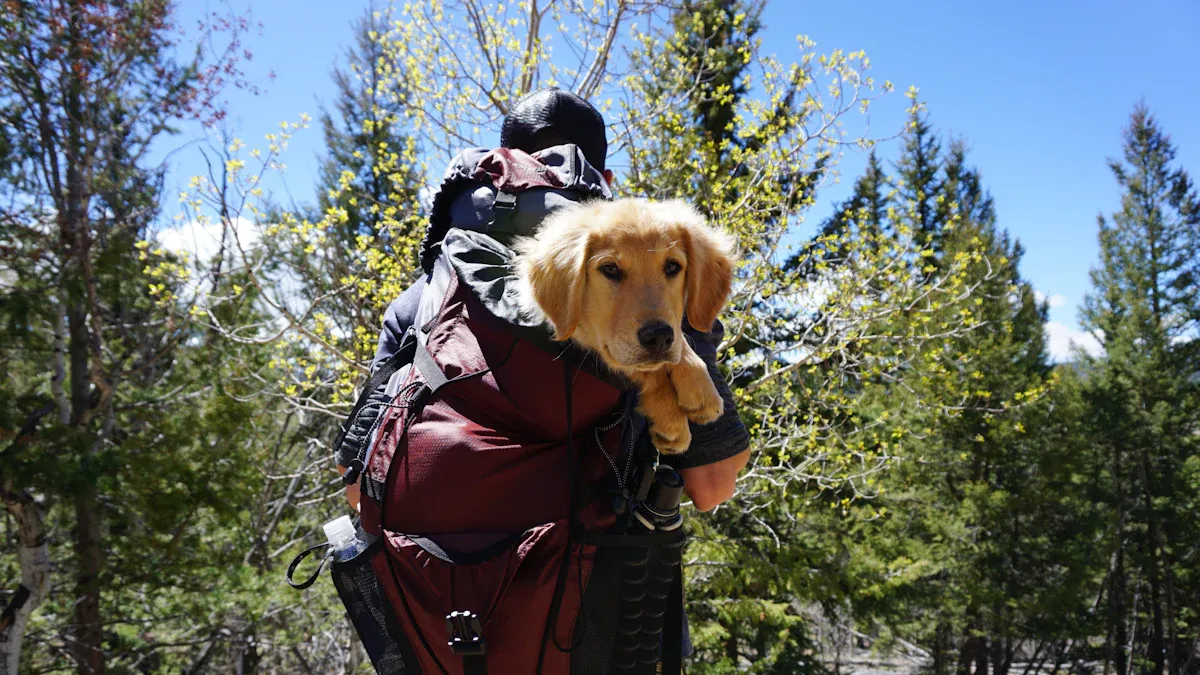
You need to make sure your dog backpacks fit both you and your dog before any hiking trip. Start by placing your dog next to or on top of the open backpack. Gently feed your dog’s front legs through the leg holes. Secure the collar enclosure so your dog feels supported. Help your dog sit or lie down, then tuck the hind legs into the backpack and zip it up. Clip and tighten the lumbar straps to support your dog’s back. Attach the carabiner safety clip to your dog’s collar or harness for extra safety. When you put the backpack on your back, use either the standard or two-person method for a secure fit. Always check that the straps are snug but not too tight. A good fit keeps your dog comfortable and prevents shifting during hiking.
Training Your Dog for Backpack Use
You should introduce dog backpacks slowly to help your dog feel safe. Place the backpack on the floor and let your dog sniff it. Give treats and praise when your dog shows interest. Practice putting your dog in the backpack for short periods at home. Gradually increase the time as your dog gets used to the gear. Walk around the house or yard with your dog in the backpack. Watch for signs of stress or discomfort. Repeat these steps until your dog feels calm and relaxed. This training helps your dog enjoy hiking and makes using dog hiking gear easier for both of you.
Tip: Always use positive reinforcement. Treats and gentle praise help your dog build trust with new gear.
Safety Checks Before and During Hikes
You must perform safety checks before every hiking trip with dog backpacks. Consult your veterinarian to confirm your dog can safely use a backpack. Check for any health conditions that could get worse with extra weight. Make sure your dog is old enough for backpack training and does not belong to a breed with structural issues. Verify your dog’s size fits the backpack’s guidelines.
Before you leave, inspect the backpack for damage. Look at the straps, zippers, and clips. Make sure all parts work well. During hiking, take frequent breaks—about 5 to 10 minutes every 30 to 45 minutes. For longer hikes, remove the backpack every 1 to 2 hours to let your dog’s muscles recover. Carry basic canine first aid supplies and know how to use them. Research the hiking area for hazards like wildlife, weather, or rough terrain. These steps help you keep your dog safe and comfortable with dog camping gear.
Note: Careful planning and regular checks help prevent injuries and make hiking with your dog enjoyable.
Cleaning and Maintenance Tips
You need to keep your dog rucksack backpack clean and in good shape. Regular cleaning helps your backpack last longer. It also keeps your dog safe and comfortable on every hike. Dirt, hair, and moisture can build up inside the backpack. These things can cause odors, mold, or even skin problems for your dog.
How Often Should You Clean the Backpack?
Clean the backpack after every outdoor trip, especially if it gets wet or muddy.
For light use, clean it at least once a month.
Always check for dirt, hair, or stains before each use.
Step-by-Step Cleaning Guide
Empty all pockets and remove loose items.
Shake out dirt, leaves, and hair.
Use a soft brush or lint roller to remove pet hair from fabric and mesh.
Spot clean stains with a damp cloth and mild soap.
For a deeper clean, hand wash the backpack in cool water with gentle detergent.
Rinse well to remove all soap.
Do not use bleach or harsh chemicals. These can damage the fabric and irritate your dog’s skin.
Tip: Always check the care label for special washing instructions. Some backpacks have removable pads or inserts that you can wash separately.
Drying and Storage
Air dry the backpack in a well-ventilated area. Hang it up or lay it flat.
Do not use a dryer or place the backpack in direct sunlight for long periods. High heat can weaken the fabric and straps.
Make sure the backpack is completely dry before storing it. This prevents mold and mildew.
Store the backpack in a cool, dry place away from direct sunlight and moisture.
Maintenance Checklist
Task | How Often | Why It Matters |
|---|---|---|
Clean after each hike | Every use | Removes dirt, prevents odor |
Inspect for damage | Before each use | Ensures safety and prevents accidents |
Check zippers and buckles | Monthly | Keeps fastenings secure |
Wash removable pads/inserts | As needed | Maintains hygiene and comfort |
Air out in fresh air | Monthly | Prevents mold and keeps backpack fresh |
Inspect for Wear and Tear
You should always check the backpack for signs of damage. Look for frayed straps, broken buckles, or torn mesh. Replace or repair damaged parts before your next hike. A well-maintained backpack keeps your dog safe and extends the life of your gear.
Note: Clean and inspect your dog rucksack backpack regularly. Good maintenance protects your investment and supports safe, enjoyable adventures for you and your dog.
B2B Buying Checklist for Dog Rucksack Backpacks
Key Selection Criteria for Retailers
When you choose dog rucksack backpacks for your store or brand, you are not just buying a cute accessory. You are selecting safety gear for families who treat their dogs as full travel partners. The pet travel accessories segment alone is already worth around USD 6.8 billion in 2024 and is forecast to grow to roughly USD 12 billion by 2034, at an annual growth rate of about 6%. Within that, pet carriers and travel backpacks are one of the fastest-growing niches, with market reports indicating that this category could roughly double in size over the next decade at yearly growth rates in the 7–9% range. This growth raises the bar for testing, documentation, and supply-chain reliability on anything you decide to stock.
Use the checklist below when you review dog rucksack backpacks for a B2B platform or wholesale order:
Product quality and testing: Choose backpacks made from abrasion-resistant fabrics, reinforced stitching, and hardware that has been pull-tested. Ask suppliers for basic test data such as strap tensile strength, colour fastness, and zipper durability, not just photos or a single sample.
Safety and compliance: Check that suppliers follow mainstream backpack weight-limit guidance (for example, keeping everyday loads around 10–12% of the dog’s body weight) and provide clear user instructions, warning labels, and sizing charts. For markets such as the US and EU, confirm that materials comply with general consumer-goods rules on chemical safety and heavy metals.
Supply chain reliability: Work with suppliers who can explain their production capacity, lead times, and quality-control process. Stable delivery makes it easier for you to keep key SKUs in stock as demand for outdoor dog gear rises.
Product diversity and fit coverage: Build an assortment that covers core sizes for small and medium dogs plus a few solutions for athletic medium-large dogs under strict weight guidelines. Clear size steps and fit instructions reduce returns and improve customer satisfaction.
Supplier support and content: Prioritise partners who can provide product photos, fit videos, and printable sizing guides that your sales team or e-commerce pages can reuse. Education around fit, weight limits, and heat management reduces returns and reinforces your positioning as a specialist in outdoor dog gear.
On a B2B platform such as StridePaw, these criteria give buyers and factories a shared checklist. They help you screen sample backpacks quickly, compare offers from different suppliers, and select models that align with both veterinary safety guidance and what modern pet parents expect from premium dog travel products.
Managing Returns and Customer Education
You can lower return rates by teaching your customers how to use dog backpacks the right way. Clear instructions help dog owners pick the correct size and use the backpack safely during hiking. You should give out easy-to-read guides with every backpack. These guides should explain how to measure a dog, how to fit the backpack, and how to check for signs of heat stress.
Set up a simple return policy that matches your store’s needs. Make sure customers know how to return a backpack if it does not fit or if their dog is not comfortable. You can also train your staff to answer common questions about dog backpacks and hiking safety. This support builds trust and helps your business grow.
Tip: Add a FAQ section to your website or product pages. This helps answer common questions about dog backpacks and hiking before customers buy.
Using Educational Videos for Training
Educational videos can help your customers learn how to use dog backpacks for hiking. You can create short, clear videos that show how to measure a dog, fit the backpack, and check for comfort. These videos should focus on safety, proper use, and how to spot signs of overheating. You can share these videos on your website or include a QR code with each backpack.
Videos make it easier for customers to understand each step. They also help reduce mistakes and returns. When you use educational videos, you give your customers the tools they need for safe and happy hiking trips with their dog.
Building a Product Line for Different Dog Sizes
You need a product line for dogs of all sizes. Most dog rucksack backpacks are made for small and medium dogs. You should pick models for dogs up to 25 pounds. This keeps dogs safe and helps prevent injuries. Offer different sizes so customers can find the best fit.
Start by sorting your products into size groups. Use a table to show your choices:
Size Category | Dog Weight Range | Recommended Backpack Features |
|---|---|---|
Small | Up to 13 lb | Lightweight, extra ventilation, snug fit |
Medium | 14–20 lb | Reinforced seams, adjustable harness |
Large* | 21–25 lb | Only for healthy, muscular dogs, max ventilation, strict weight/time limits |
*Note: Only healthy, strong dogs should use large backpacks. Always follow weight and time rules. Never let high-risk dogs carry loads.
Help customers pick the right size with easy guides. Show how to measure a dog’s chest, length, and weight. Put these guides in the box or on your website. Videos can teach staff and customers how to fit and use backpacks. Videos show each step for sizing, fitting, and checking comfort.
Do not sell backpacks for dogs over 25 pounds. Bigger dogs can get hurt or too hot more easily. Never let high-risk dogs, like seniors or sick dogs, carry loads. Always tell buyers to ask a vet before using a backpack, especially for dogs with health problems.
Medical Disclaimer:
Always ask a vet before using a dog rucksack backpack for dogs with health issues, old age, or special body shapes. This checklist is for general help and does not replace a vet’s advice.
When you make your product line, remember these tips:
Make clear size groups for small and medium dogs.
Give measurement guides and videos to staff and customers.
Do not let high-risk dogs or big breeds use load-carrying backpacks.
Talk about ventilation, weight limits, and heat safety in your product info.
Remind buyers and stores to follow safety rules and ask vets for advice.
You make your product line safer and better when you match backpack sizes to dog needs. You help customers choose wisely and lower returns. Good guides and videos help dogs and owners have better experiences.
Picking a strong dog rucksack backpack keeps your dog safe. A good fit helps your dog feel comfortable on outdoor trips. You should look for quality and the right size. Teach people how to use the backpack. This makes adventures better and lowers returns. Always read sizing guides and check backpack features. Train staff and customers before using the backpack. Careful planning helps your dog have fun on every hike.
FAQ
What size dog can use a rucksack backpack?
You should use a rucksack backpack for small or medium dogs. Most backpacks work best for dogs up to 20–25 pounds (9–11 kg). Always check the weight limit and measure your dog’s chest and length before buying.
How long can my dog stay in a backpack during a hike?
You should limit each session to 30–45 minutes. Take breaks every hour. Let your dog out to stretch and drink water. Watch for signs of stress or overheating.
Can I use a rucksack backpack for senior or high-risk dogs?
No. Senior dogs, dogs with health issues, or breeds with special needs should not use these backpacks. Always ask your veterinarian before using any carrier for high-risk dogs.
How do I clean a dog rucksack backpack?
Remove all items and shake out dirt. Use a soft brush for hair. Spot clean with mild soap and water. Air dry the backpack completely before storing. Check the care label for special instructions.
What features help prevent heat stress in dog backpacks?
Look for backpacks with mesh panels, large vents, and breathable fabrics. These features improve airflow. Always hike during cooler times and provide water often.
How do I know if the backpack fits my dog correctly?
The backpack should fit snugly but not tightly. You should fit four fingers between the straps and your dog’s body. The backpack should not shift or rub during movement.
Are dog rucksack backpacks safe for airline travel?
Most rucksack backpacks are not approved for airline cabins. Always check airline rules before traveling. Use carriers designed for air travel if needed.
Can my dog carry supplies in a rucksack backpack?
No. Rucksack backpacks are for carrying your dog, not for your dog to carry supplies. Only use dog-worn packs for healthy, strong dogs under strict weight limits.






