
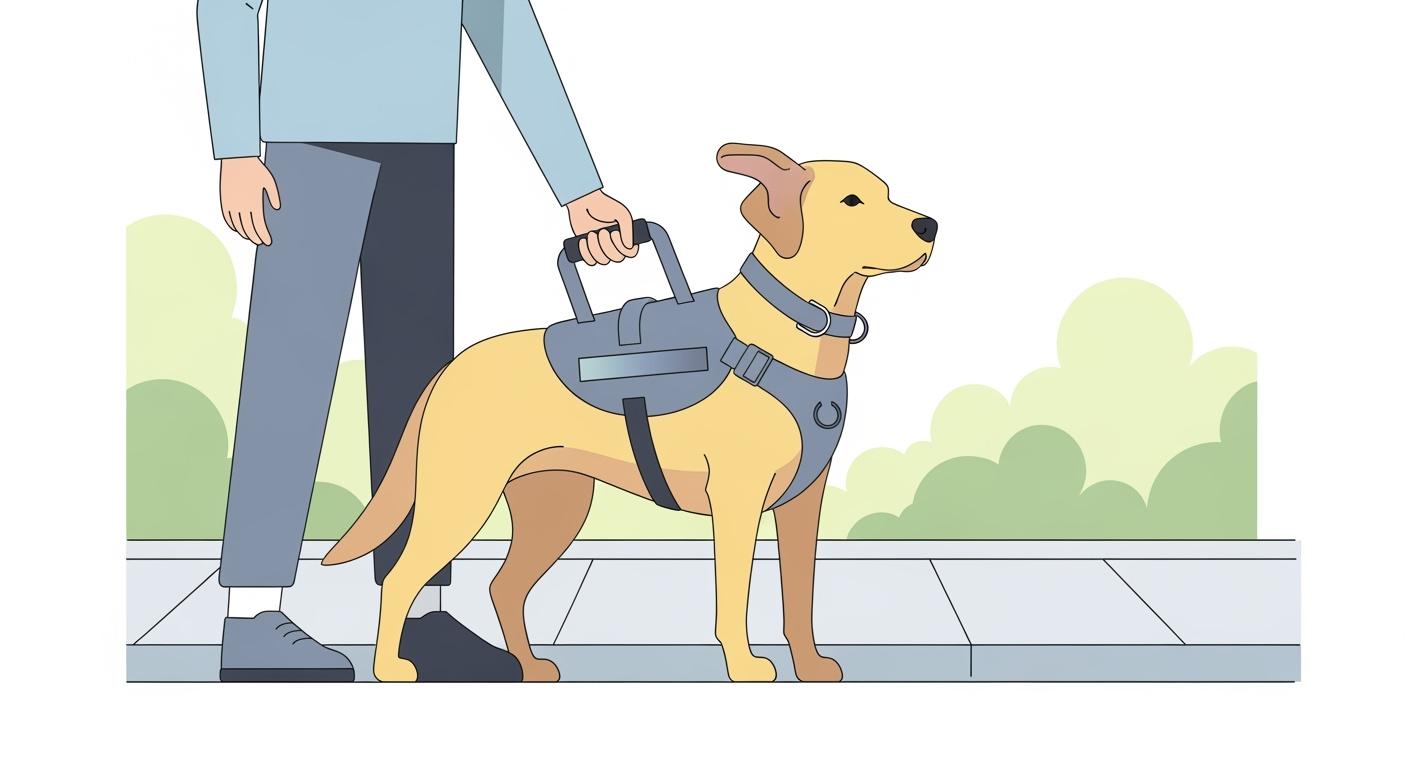
A tactical dog harness with handle can work for daily walks, but only when your dog and your route actually need what that extra structure provides. The handle is useful for short-range control at curbs, in crowds, or during awkward passing moments. The downside is that more coverage, more padding, and more hardware can also mean more heat, more bulk, and more chances for the harness to interfere with easy everyday movement if the fit is not right.
Key Takeaways
- A tactical dog harness with handle is most useful when you need brief, close control for a stronger or more impulsive dog, not just because the harness looks sturdier.
- Fit matters more than extra webbing. The harness should stay secure without pressing into the chest, rubbing behind the legs, or shortening your dog’s stride.
- For calm dogs or short routine walks, a lighter design may feel better day to day. Extra bulk only earns its place if you are actually using the added control.
When to Use a Tactical Dog Harness with Handle
Key features and intended use
A tactical dog harness with handle is built for closer body control than a simpler everyday harness. The handle matters most when you need to steady the dog briefly, shorten distance fast, or guide through a tighter moment without grabbing at straps or leaning on the leash alone.
That usually makes more sense when:
- Your dog is strong enough that quick body guidance helps at crossings or tight entrances.
- You regularly walk in crowded places where brief close handling is part of the routine.
- You want a harness that feels sturdier under repeated use than a lighter mesh design.
- Your dog hikes, scrambles, or works through rougher outdoor routes as well as normal daily walks.
What this style does not do is replace training or become a reason to lift the dog as a normal handling method. It is better treated as a close-control point than as a carrying handle. For daily walks, the real question is not whether the harness feels rugged. It is whether the added structure improves control without making ordinary movement worse.
Tip: Shoulder freedom matters more than a heavy-duty look. A handle is helpful only when the rest of the harness still lets your dog walk naturally.
Lighter dog harness with handle options
If your dog is calm, your walks are short, or your usual route is simple, a lighter harness with handle may be the better daily-walk answer. These styles usually feel cooler, easier to put on, and less noticeable on the dog’s body. The handle is still there, but the harness is not asking the dog to carry extra structure on every walk.
Lighter handle harnesses usually work better when:
- Your dog rarely needs close guidance.
- You want quicker on-off handling for routine walks.
- Your dog is more sensitive to heat, coat compression, or heavy padding.
- You care more about easy movement than rugged styling.
The smaller handle is often enough for brief control on a calm dog. If the dog does not lunge hard, jump into the leash, or need frequent body redirection, the lighter design can feel more practical every day.
Comparison Table: Tactical vs Lighter vs No-Pull Dog Harness
You might wonder which harness is best for you. The table below compares three daily-walk directions so you can judge them by actual use, not just feature lists.
| Harness Type | Use Case | Main Benefit | Main Watchout | Who Should Skip It |
|---|---|---|---|---|
| Tactical Dog Harness with Handle | Strong pullers, busier routes, repeated close handling | Better grab access and steadier short-range control | Bulk, heat, and movement issues become more obvious if the fit is off | Small, calm, heat-sensitive, or lightly active dogs |
| Lighter Everyday Harness | Routine walks, calmer dogs, shorter outings | Less weight and easier everyday comfort | Less useful when you need repeated close handling | Dogs that need steadier body control in tight spaces |
| No-Pull/Dual-Clip Harness | Training, moderate pulling, mixed daily use | More leash-position options without full tactical bulk | Can twist, shift, or feel busy if not fitted well | Dogs that need frequent handle use or heavier-duty structure |
When you pick a harness, think about your dog’s routine, body type, and where you actually walk. The best daily-walk choice is usually the one that solves the problem you have most often, not the one with the most features.
Handle Benefits: Curbs, Stairs, and Control
Using the handle for guidance and safety
The handle on a tactical dog harness with handle is most helpful in short moments, not as a full-walk way of managing the dog. Think curb pauses, stair transitions, narrow gates, crowded foot traffic, or getting the dog closer for two seconds while something passes.
Used well, the handle can help you:
- Bring the dog in quickly without hauling on the leash.
- Steady the dog during awkward footing or crowded transitions.
- Keep the dog close through a brief high-control moment, then release back to normal walking.
Used too much, though, it can become a sign that the harness or training plan is doing the wrong job. If every normal walk requires repeated grabbing, the issue may be leash skills, route choice, or wrong gear rather than “not enough handle.”
Pass/Fail Checklist for Harness Fit and Use
| Check Item | Pass Signal | Fail Signal | Fix |
|---|---|---|---|
| Secure fit | Harness stays snug without digging in | Straps pinch, gap, or slide around | Re-adjust for a secure but not crushing fit |
| Padding placement | Pressure areas stay protected without bunching | Redness, bunching, or rubbing | Reposition the harness and recheck after movement |
| Shoulder movement | Dog walks, turns, and steps forward normally | Stiff stride, short steps, reluctance to move | Loosen, refit, or change to a less restrictive design |
| Handle access | Easy to reach without twisting the harness | Handle rolls, collapses, or shifts sideways | Re-center the harness and test again while walking |
| Heat check | Dog settles into the walk without obvious heat stress | Excess panting, early slowdown, overheated feel under the harness | Use cooler hours or switch to lighter daily-walk gear |
Troubleshooting Table: Common Issues and Fixes
| Symptom | Likely Cause | Fast Check | Fix |
|---|---|---|---|
| Chafing | Friction from movement or poor placement | Check under the arms and across the chest after the walk | Refit or switch to a cleaner daily-walk shape |
| Trouble breathing | Fit too tight or pressure sitting too high | Watch for coughing, stress, or resistance to moving | Stop and reassess the fit before the next walk |
| Difficulty moving | Too much bulk or a restrictive front shape | Watch stride length and shoulder reach on a loose leash | Try a less bulky design if the problem repeats |
| Deep marks | Harness too tight or sitting in the wrong place | Inspect skin and coat after removing it | Loosen and re-align, then retest in motion |
| Handle twisted | Harness drifting off center | Grab the handle while the dog is walking, not only standing | Re-center and adjust before relying on it in crowds |
Common Mistakes and Real Consequences
Some owners do not check the harness fit before walks. That matters more with tactical styles because extra bulk can hide a bad fit at first and make the problem show up only after several minutes. A harness that looks secure can still shorten stride, build heat, or rub once the dog starts turning, stopping, and walking at normal pace.
The second common mistake is choosing a tactical harness because the dog is difficult, then never asking whether the handle is actually being used often enough to justify the extra coverage. If the dog only needs normal daily-walk comfort and occasional leash guidance, the tactical setup can become more harness than the dog really needs.
Signs a Tactical Harness Isn’t Right for Daily Walks
Discomfort, bulk, and restricted movement
You want your dog to enjoy daily walks, not just tolerate them. Sometimes, a tactical dog harness with handle starts showing you that it is the wrong daily-walk choice even before anything dramatic happens.
| Sign | Description |
|---|---|
| Breathing changes | Loud breathing, repeated stopping, coughing, or obvious discomfort. |
| Restricted movement | Shorter stride, stiff turning, hesitation, or difficulty stepping normally. |
| Indentations | Deep marks on the coat or skin after removing the harness. |
| Behavioral changes | Reluctance to walk, scratching at the harness, or visible stress. |
You might see other warning signs too:
- Repeated rubbing under the arms or across the chest.
- A hot or damp-feeling area under the harness after a routine walk.
- A dog that moves fine in a lighter harness but becomes awkward in the tactical one.
A padded harness can trap heat, especially in warmer weather or on a heavy-coated dog. If the harness limits easy shoulder movement or makes the dog heat up too fast, it is no longer a good daily-walk match just because it feels sturdy in the hand.
When the handle is unnecessary
Not every walk needs a handle. If you rarely reach for it, the handle may be adding weight and structure without solving a real daily problem. Ask yourself:
- Do you use the handle for safety or guidance on most walks, not just once in a while?
- Does your dog genuinely need closer body control in your usual route?
- Does the harness still feel easy enough that you do not avoid using it?
If the honest answer is mostly no, then the tactical setup may be overbuilt for what your daily walks actually look like.
Alternatives: No-Pull Dog Harness and Lightweight Options
You have other options for daily walks, and many of them make more sense when the dog does not need repeated handle use. A lighter everyday harness can reduce heat and bulk. A no-pull or dual-clip harness may help more if the real issue is leash position and pulling rather than body control through a handle.
Here are practical reasons to try a no-pull dog harness or a lightweight harness:
- No-pull harnesses can help manage pulling without as much body coverage.
- Lightweight harnesses usually feel cooler and easier for routine walks.
- Both styles can be easier to put on, adjust, and live with every day.
- You can still get a secure fit without carrying extra bulk your dog never uses.
The table below compares no-pull and lightweight harnesses to tactical harnesses:
| Feature | No-Pull/Lightweight Harnesses | Tactical Harnesses |
|---|---|---|
| Ease of Use | Usually easier for everyday handling | Can feel slower or more involved |
| Pulling Support | Often better matched to leash-management needs | More useful when body control matters too |
| Comfort | Often cooler and less bulky | Can feel heavier, especially in warm weather |
| Durability | Varies by build and use level | Often chosen when ruggedness matters |
| Best Daily-Walk Match | Calmer dogs, easier routes, frequent routine use | Dogs needing repeated close guidance and sturdier handling |
A no-pull dog harness with a front-clip leash may help if your biggest problem is pulling. A lighter harness may help if your biggest problem is heat, bulk, or daily comfort. The better daily-walk choice is the one that solves the problem you actually have most often.
Note: Always check your dog for signs of pain, rubbing, breathing trouble, heat, or movement problems. If you see any of these, stop using the harness and talk to your vet or a trainer.
You need a harness that matches your dog’s size, walk style, and real daily routine. Comfort, movement, and control all matter, but they do not always point to the same design. A tactical dog harness with handle can be useful when you genuinely need short-range control. If you do not, a lighter or cleaner daily-walk setup may be the better answer.
| Feature | Description |
|---|---|
| Comfort and Fit | Secure without digging in, rubbing, or shortening stride |
| Material and Daily Use | Sturdy enough for your route, but not heavier than your dog actually needs |
A good harness gives you enough control, keeps your dog comfortable, and still feels realistic to use every day.
FAQ
How do you clean a tactical dog harness with handle?
Remove loose dirt first. Use mild soap and warm water, scrub gently with a soft brush, and let the harness air dry fully before using it again. Make sure padding and seams are dry, not just the surface.
How can you help your dog get used to a new harness?
Let your dog inspect the harness first, pair it with treats, and start with short calm sessions. Walk only briefly at first so the dog does not build a negative association with bulk, pressure, or awkward fit.
When should you use the handle during a walk?
Use the handle when you need quick close control, such as curbs, stairs, crowds, or tight passing moments. Release it again once the moment has passed so the dog can return to a more natural walking pattern.






