
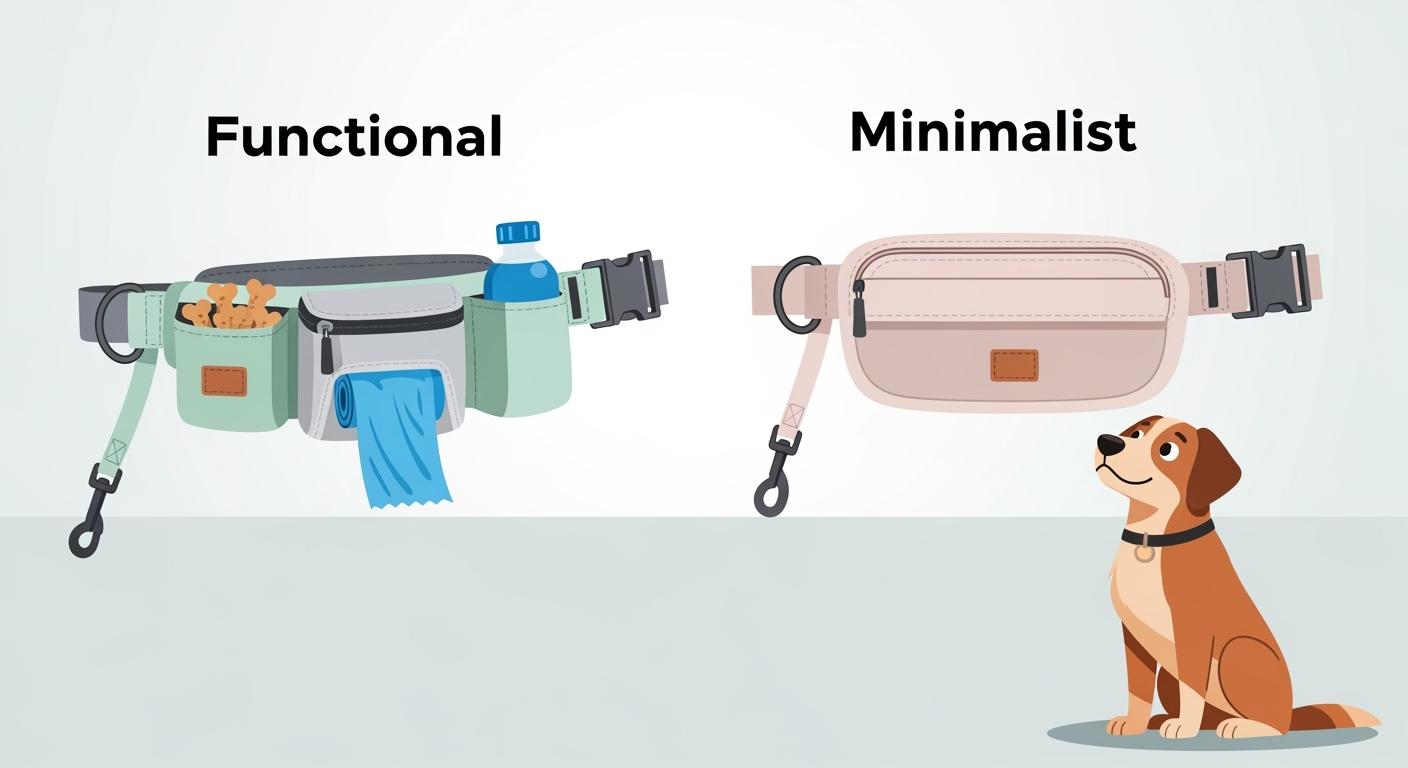
A dog belt leash only feels better in real use when the storage makes your walk simpler without making your waist setup clumsier. That is the real tradeoff. A built-in pouch can keep waste bags, treats, and keys in one place and free up your hands. It can also bounce, block your leash hand, and make the whole setup feel heavier than the walk actually requires. The right choice depends less on “more features” and more on whether your routine really benefits from carrying a few small essentials at your waist.
Key Takeaways
- Choose a dog belt leash based on your walking needs. A built-in pouch helps when you really use treats, waste bags, or keys during the walk, not when you just like the idea of extra storage.
- Test the setup before longer walks or runs. The belt should stay steady, the pouch should stay quiet, and nothing should block leash handling.
- Keep the pouch light. Once the belt starts bouncing, rolling, or pulling your focus away from the dog, the storage is already costing too much.
Dog Belt Leash vs Plain Leash
Walking or Running Needs
You want a leash that matches your real routine, not just the most feature-heavy option. If your walks include training treats, waste cleanup, quick errands, or short hands-free stretches, a dog belt leash can make that easier. You keep your hands freer, your small items stay in one place, and you do not have to juggle leash, bags, keys, and phone all at once.
That does not automatically make it the better choice for every outing. If you already wear a running vest, carry a separate pouch, or prefer a cleaner waist setup, the built-in pouch may feel redundant. For some people, the lighter belt is easier to live with because it stays out of the way and keeps the focus on leash handling rather than storage management.
Hands-free styles are often most useful when you actually need both hands for running or hiking flow, not just because a pouch exists. If the setup makes you fiddle more, reach awkwardly, or keep re-centering the belt, the convenience starts disappearing.
Tip: Always check your leash and belt for worn materials, frayed webbing, or weak hardware before you head out. Small gear failures cause more walk problems than most owners expect.
Comparison Table: Storage, Bulk, and Use Cases
Here is a practical look at how the main leash styles compare for daily walks, errands, and short active outings:
| Leash Type | Use Case | Main Benefit | Main Watchout | Who Should Skip It |
|---|---|---|---|---|
| Dog belt leash with built-in pouch | Walks, errands, short hikes, simple training outings | Hands-free carry with quick access to essentials | Can feel bulky or bounce if overfilled | People who dislike waist bulk or already carry gear elsewhere |
| Plain dog belt leash | Walks, light errands, simpler hands-free setups | Hands-free feel with less weight and less obstruction | Limited storage | People who always need treats, bags, and extras close by |
| Handheld leash | Short walks, tighter control, focused training | Direct feel and simple handling | Occupies one hand and carries nothing | People who specifically want both hands free |
A dog belt leash with a pouch works best when you only need a few light items and the pouch stays quiet on your body. A plain belt leash often feels better when you want hands-free walking without extra storage. A handheld leash still makes the most sense when you want the cleanest direct control and do not mind using one hand.
Who Should Skip Each Type
You should skip a pouch-heavy belt leash if extra waist weight distracts you, if you run with a dog that changes direction often, or if you already know bouncing gear throws off your stride. You may prefer a plain dog belt leash if your outings are simple and you do not need more than one or two small items.
Handheld leashes are often the cleaner choice if you want the most immediate control, especially for training, high-distraction environments, or dogs that still pull unpredictably. Hands-free gear supports good walking habits, but it does not replace them.
Note: Leash gear can make handling easier, but it does not replace your timing, awareness, or control. Always stay attentive to your dog, especially near roads, crossings, or crowded spaces.
If you walk or run during hot weather, stay alert for harder panting, slowing down, or a dog that stops coping well with the outing. A more comfortable belt setup still does not outweigh heat stress or poor leash control.
Built-In Pouch: Storage and Bulk
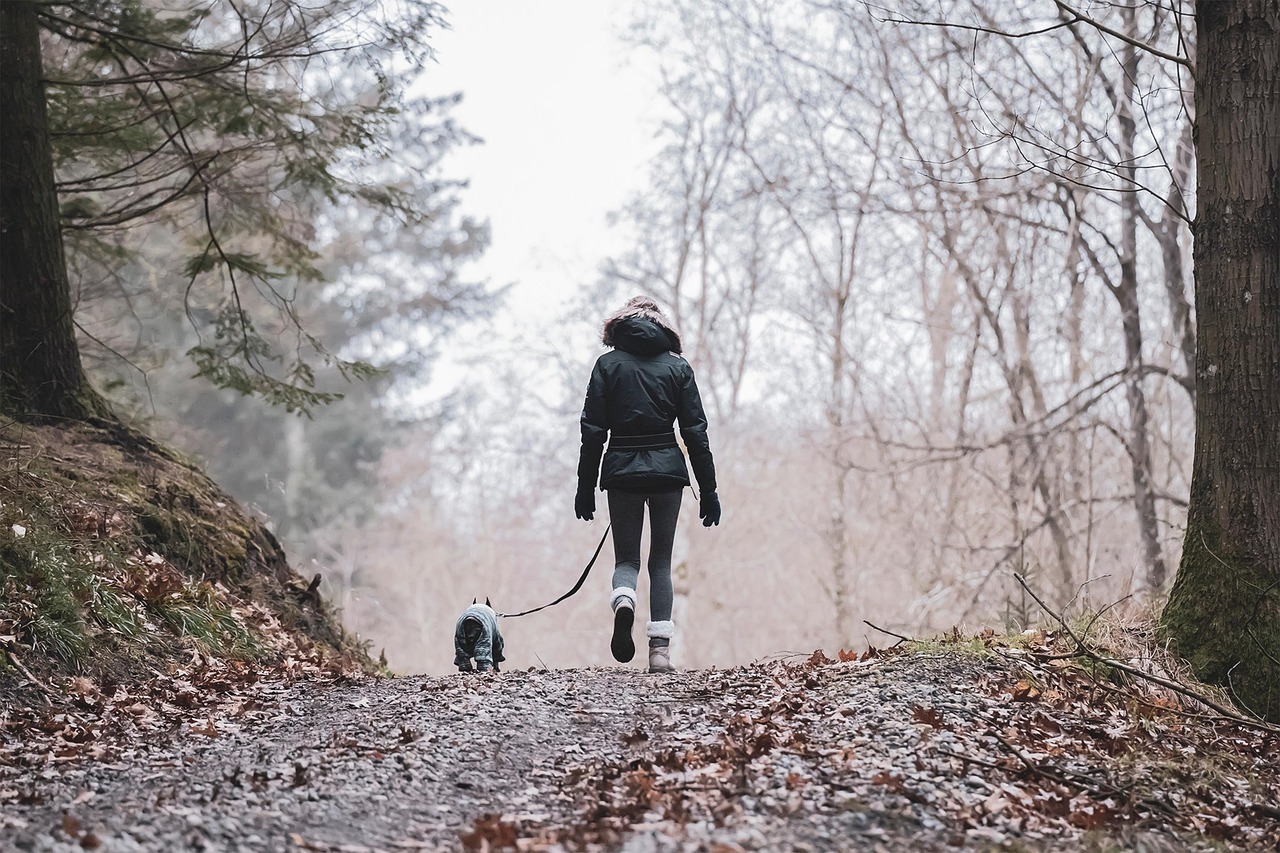
A built-in pouch changes how a dog belt leash feels more than people expect. It can make the walk smoother because everything is in one place. It can also make the belt sit wider, bounce harder, or push into your waist once the pouch is fuller than your routine really needs. The right question is not whether the pouch exists. It is whether the pouch stays useful once you load it and start moving.
What to Carry: Treats, Bags, Keys, Phone
You can use the pouch for training treats, waste bags, keys, and sometimes a phone. Those are practical items, but not all of them feel equally good in a waist pouch. Treats and bags are usually easy. Keys are fine if they do not jab or jingle too much. Phones are where some belt setups start feeling bulkier, wider, or slower to access than expected.
Here is a simple way to think about the tradeoff:
| Advantages | Disadvantages |
|---|---|
| Quick access to treats and cleanup items | Overfilling can make the pouch swing or dig in |
| Keeps small essentials in one place | Larger items can make the belt feel slow and bulky |
| Reduces the need to carry extras in your hands | Poorly placed storage can block your leash hand or cleanup motions |
| Can simplify short training or errand walks | Too much storage invites carrying things you do not really need |
Tip: Only pack what you know you will use. The pouch should support the walk, not turn into a tiny gear bag you keep adjusting.
Pass/Fail Checklist Table: Comfort, Access, Bulk
You should test your dog belt leash before a long walk or run. Fill the pouch with your normal items, walk a short loop, and see what changes once you are actually moving.
| Check Item | Pass Signal | Fail Signal | Fix |
|---|---|---|---|
| Waist fit | Belt stays steady and does not roll upward | Belt rolls, slides, or shifts after only a short distance | Adjust the fit or reduce what the pouch is carrying |
| Pouch access | You can grab bags or treats quickly without breaking rhythm | You fumble, struggle, or need both hands too often | Repack or switch to a simpler opening layout |
| Bulk/weight | Pouch feels quiet and light enough to ignore | Pouch bounces, swings, or keeps drawing your attention | Carry less and rebalance the contents |
| Leash path | Leash moves freely and your hand clears the pouch | Pouch blocks your hand or interferes with leash handling | Change the pouch position or reduce bulk |
| Comfort | No rubbing, digging, or pressure points | Belt pinches, digs in, or feels hotter over time | Loosen, re-center, or choose a less bulky setup |
You should repeat this test with different loads. Sometimes the pouch feels fine with bags and treats, then becomes annoying the moment you add a phone or heavier item.
Troubleshooting Table: Common Issues and Fixes
If you notice problems during your walk, use this table to identify what is going wrong faster:
| Symptom | Likely Cause | Fast Check | Fix |
|---|---|---|---|
| Pouch swings or bounces | Loose belt or too much inside the pouch | Walk a short loop and watch the pouch movement | Tighten the belt or remove items |
| Opening feels slow | Bad closure design or items packed too tightly | Open and close it several times while walking | Repack for simpler access or choose a different pouch style |
| Treats spill or stick | Dirty interior or weak closure | Inspect the pouch after the walk | Clean it and stop overstuffing the opening |
| Pouch blocks leash hand | Wrong side placement or the pouch sits too high | Notice whether your hand keeps hitting the pouch | Move it to the other side or lower the carry position |
Note: If you or your dog start feeling strain, heat, or growing frustration with the setup, stop and simplify the walk. A leash belt should reduce clutter, not create a new problem to manage.
A built-in pouch can make your walks easier when you carry only what you actually need. It stops helping once the pouch becomes the thing you keep correcting.
Common Dog Belt Leash Mistakes
Real Consequences for Walks and Runs
With a dog belt leash, small setup mistakes often become bigger once you are moving. A belt that rolls can throw off your posture. A pouch that swings can distract both you and your dog. Slower pouch access can make cleanup clumsier or delay treat timing during training. These are not dramatic equipment failures, but they can make the whole outing feel less controlled than a simpler leash would have.
If you walk or run during warm weather, bad timing creates another problem. A heavier waist setup feels worse when your dog is already warming up, and your attention is split between handling the leash and handling the pouch.
Note: If you notice harder panting, slowing down, restlessness, or heat discomfort, stop and rest. A more organized belt setup is not worth pushing through a bad walk.
Spotting and Fixing Problems
You can catch most issues early by paying attention to how the setup feels after the first few minutes rather than judging it only while standing still.
| Mistake | Impact on Safety and Comfort |
|---|---|
| Belt rolls or slides | Distracts you and makes the setup feel less controlled |
| Pouch swings or bounces | Throws off rhythm and can draw your dog’s attention the wrong way |
| Blocked pouch access | Slows down rewards, cleanup, or simple item retrieval |
| Overpacking | Adds unnecessary bulk and makes the hands-free setup feel less hands-free |
| Ignoring weather and effort level | Makes both your dog and your own handling quality drop faster |
To fix these, adjust the belt until it sits steady, remove extra items, and practice getting to treats or bags before the walk starts. A good setup should feel predictable enough that you stop thinking about it.
What Usually Goes Right and What Usually Fails
Storage usually works well when the pouch only carries light, frequently used items and the belt stays centered. Bulk usually fails when owners try to turn the waist pouch into an all-purpose carry system. That is when the setup starts feeling heavy, the leash hand gets crowded, and the walk becomes more about belt management than the dog.
🐾 Try different setups on short walks first. The best dog belt leash setup is the one you forget about once the walk starts.
You should choose more storage when you actually use treats, bags, or keys often enough that quick access matters. Less bulk works better for light, simple outings where comfort and easier movement matter more. The best setup is not the one with the biggest pouch. It is the one that stays steady, stays reachable, and stays out of your way.
FAQ
How do you keep a dog belt leash pouch from swinging?
Tighten the belt so it sits steady, then remove anything you do not really need. A light pouch with a stable waist fit usually swings far less than a full pouch on a loose belt.
Tip: Place the pouch where it does not keep hitting your leash hand or hip stride.
Can you wash a dog belt leash with a built-in pouch?
Yes, most can be cleaned, but you should check the care label first. Clean the pouch before dirt, treat residue, or waste-related grime builds up and makes access or closure feel worse.
Note: Let the gear dry fully before using it again so the belt and pouch do not stay damp against your body.
What should you do if the belt feels uncomfortable during walks?
Recheck the fit, reduce what you are carrying, and notice whether the discomfort is coming from pressure, heat, bounce, or bad pouch placement. If the setup keeps bothering you, simplify it rather than forcing a bulky belt to work.
If discomfort continues, stop and reset the walk. A leash belt should support your routine, not make it harder.






