
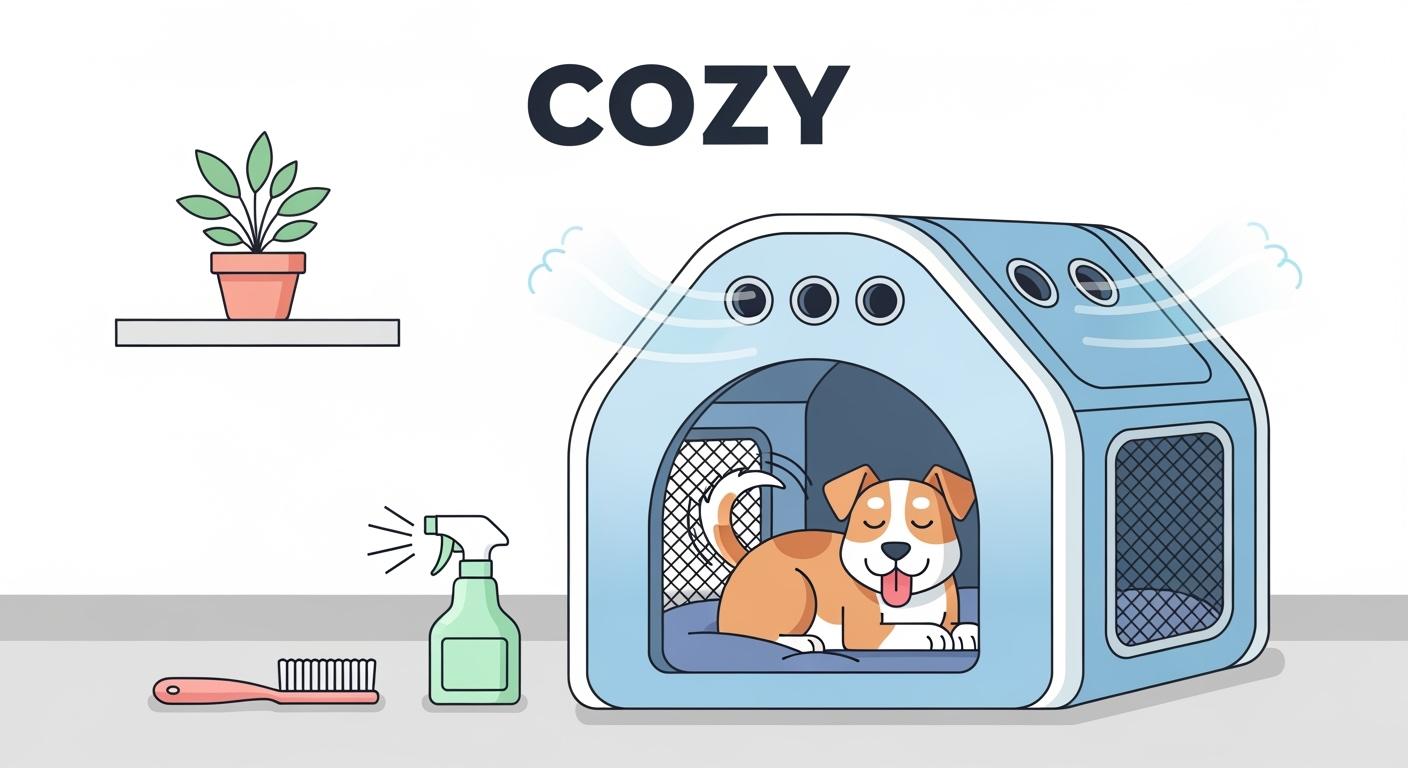
A bed house for dog can feel calm and inviting for some dogs, especially when it gives them a quiet resting spot without making the sleep area feel closed in. For other dogs, the same style feels too warm, too awkward, or simply unnecessary. That is why this category is less about decoration and more about how your dog actually rests.
This page focuses on that daily-use question. It shows what makes a bed house feel airy instead of stuffy, which setup mistakes make dogs avoid it, and when an open bed is the easier choice. A covered shape only helps when your dog truly settles in it.
Note: This article is not medical advice. If your dog shows repeated panting, coughing, drooling, distress, or skin irritation around the bed area, speak with your veterinarian.
Key Takeaways
- Some dogs like a lightly sheltered resting space, but not every dog wants overhead coverage.
- Make sure the bed lets air move well and has a strong frame.
- A bed house only works when your dog enters easily, rests calmly, and returns to it by choice.
What makes a bed house feel calm instead of stuffy
Light cover works better than heavy enclosure
A useful bed house should feel like a softer resting zone, not a sealed box. The top and side coverage should give a little privacy without trapping warmth or making the inside feel stale. If the fabric is too heavy or the opening feels too narrow, the bed may look cozy to people but feel less inviting to the dog.
Easy entry matters as much as airflow
Dogs settle faster when a bed is easy to step into, turn around in, and leave without hesitation. A covered style stops being comfortable if your dog has to duck awkwardly, pause at the entrance, or lie half-in and half-out because the opening feels wrong.
You want a bed house for dog that balances comfort, airflow, and easy cleaning. The best setups usually feel quiet and practical at the same time. They do not force your dog to choose between privacy and comfort.
| Check Item | Good Sign | Red Flag | Why It Matters |
|---|---|---|---|
| Airflow | Inside feels fresh after resting | Inside feels warm or stale quickly | A stuffy bed is less likely to be used consistently |
| Entry opening | Dog steps in and out naturally | Dog hesitates, ducks awkwardly, or backs away | Easy entry affects whether the dog treats it as a real rest spot |
| Rest posture | Dog can curl, turn, and settle fully inside | Dog lies partly outside or keeps shifting | Awkward posture usually means the setup feels wrong |
| Frame feel | Bed stays steady when the dog gets on | Frame wobbles, tilts, or shifts | Dogs avoid beds that feel unstable underfoot |
Tip: A good bed house should feel like a calm option, not a place your dog has to be convinced to use.
Check daily use before you decide to keep it
Voluntary use is the best test
The strongest sign that a bed house works is simple: your dog goes back to it without being guided there. A good match usually looks quiet and uncomplicated. Your dog enters, circles if needed, settles, and stays. A poor match often looks like repeated sniffing, hovering nearby, stepping in halfway, or choosing the floor instead.
Placement can change the result
A bed that feels wrong in a busy walkway may work perfectly well in a quieter corner. Dogs often rest better when they have a calm spot that is away from constant foot traffic, noise, or direct heat. Before you blame the design, check the location.
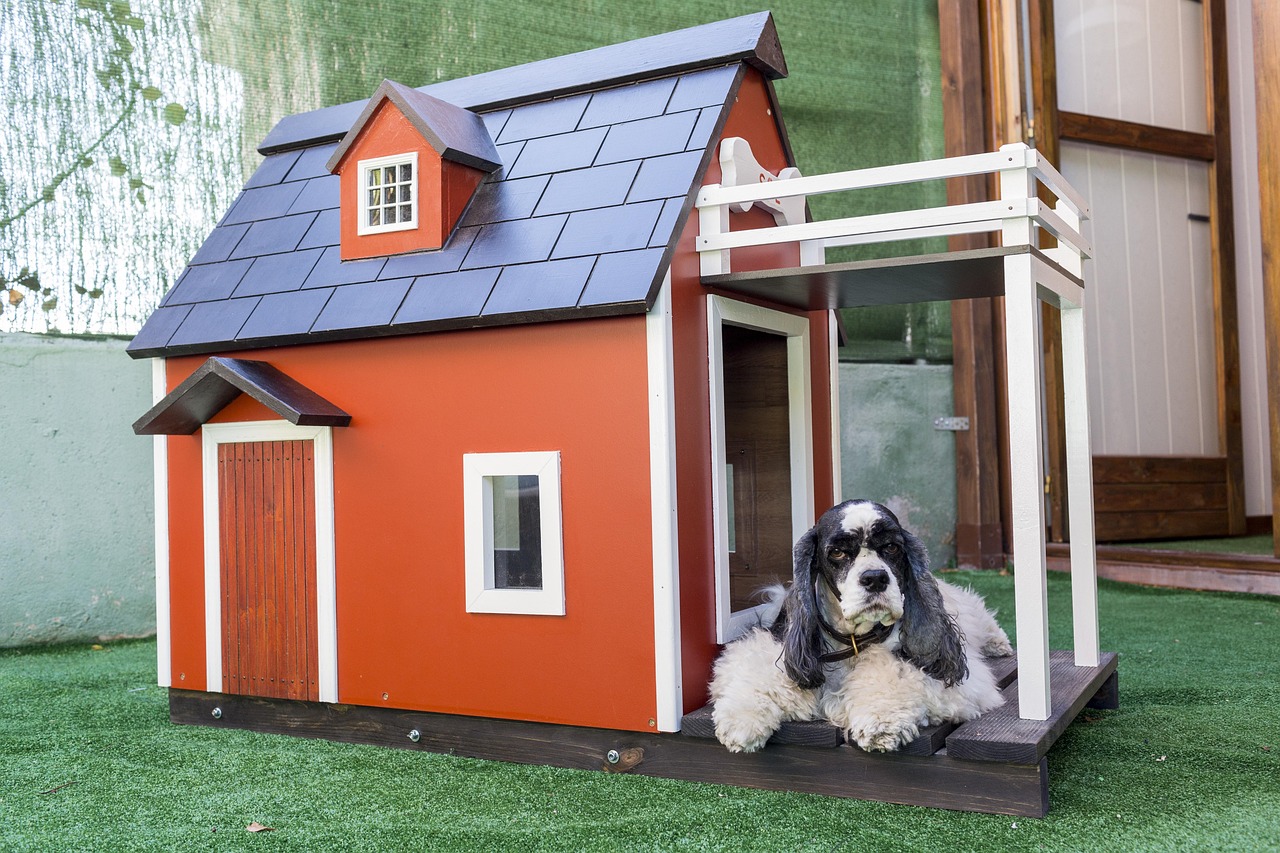
| What You Notice | Likely Cause | Fast Check | Better Response |
|---|---|---|---|
| Dog enters and stays calmly | The setup matches the dog’s rest style | Watch whether the dog returns later on its own | Keep the setup and monitor normal use |
| Dog sniffs but leaves quickly | Placement or entry shape feels wrong | Move the bed to a quieter, cooler spot | Retest before replacing it |
| Dog pants or seems restless inside | Bed feels too warm or too closed in | Check the inside feel after short use | Reduce coverage or switch to an open bed |
| Dog lies half in and half out | Opening, roof shape, or interior feel is awkward | Watch the first minute of entry and turning | Try a more open design |
Cleaning details that matter in real life
Easy cleaning should not require full disassembly every time
A bed that sounds washable on the product page can still be annoying in daily life if dirt collects in seams, corners, or hard-to-reach roof sections. Good cleaning design is usually simple: lift off loose hair, wipe or wash the parts that get dirty fastest, and put the bed back into use without rebuilding the whole structure.
Drying speed matters as much as washability
Washable covers help only when they also dry in a practical amount of time and go back on without twisting the bed out of shape. If the inside stays damp, the cover bunches, or the roof section becomes harder to align after cleaning, the bed may become more trouble than it is worth.
| Cleaning Detail | Pass Signal | Fail Signal | Why It Matters |
|---|---|---|---|
| Hair and dirt removal | Loose mess lifts off without much effort | Dirt gets trapped in corners and seams | Hard cleanup makes regular maintenance less likely |
| Cover removal | Cover comes off without fighting the frame | Cover snags or shifts the bed structure | Complicated maintenance becomes a daily frustration |
| Drying after washing | Bed returns to dry, usable condition promptly | Moisture lingers inside the resting area | Damp sleep surfaces are uncomfortable and impractical |
| Shape after cleaning | Frame and cover go back together cleanly | Roof, opening, or walls sit crooked after washing | Cleaning should not make the bed harder to use |
Note: Do not rely on broad claims like “hypoallergenic” or “chemical-free” unless you can verify them from a trustworthy source.
When an open bed is the better choice
Some dogs simply rest better with no roof at all
Dogs that sprawl fully, run warm, change positions often, or avoid covered corners may do better on an open bed. That does not mean the bed house is bad. It means the style does not match how that dog prefers to rest.
A bed style is not a cure for stress or sleep problems
A covered resting spot can be helpful for some dogs, but it should not be treated as a fix for anxiety, sleep disruption, or broader behavior issues. If your dog stays restless, avoids rest, or seems distressed no matter where the bed goes, changing bed style alone may not solve the real problem.
| Situation | Bed House a Good Match? | Better Direction |
|---|---|---|
| Dog likes lightly sheltered resting spots | Often yes | Use breathable coverage and a quiet location |
| Dog stretches out and avoids covered areas | Often no | Use an open bed with more visible sleep space |
| Dog gets warm easily | Maybe not | Choose a cooler, simpler resting setup |
| Dog keeps rejecting the bed after fair testing | Usually no | Switch styles instead of forcing use |
Reminder: The right bed is the one your dog uses comfortably and consistently, not the one that looks most decorative in the room.
A bed house for dog works best when it stays airy enough to feel comfortable, simple enough to clean, and calm enough that your dog actually chooses it. If the setup keeps feeling warm, awkward, or high-maintenance, an open bed is often the better everyday answer.
FAQ
When should you choose an open bed instead of a covered bed house?
Choose an open bed when your dog gets warm easily, stretches out fully to rest, or keeps avoiding covered resting spots. Some dogs simply prefer more visible space and airflow.
How do you know if a covered bed house feels too warm for your dog?
Watch for panting, restlessness, repeated leaving, or a strong preference for the cooler floor nearby. Those signs matter more than the product description.
Does washability matter more than a decorative house shape?
In daily use, usually yes. A bed that looks appealing but is awkward to clean often becomes less practical over time than a simpler setup that stays fresh with less effort.






