
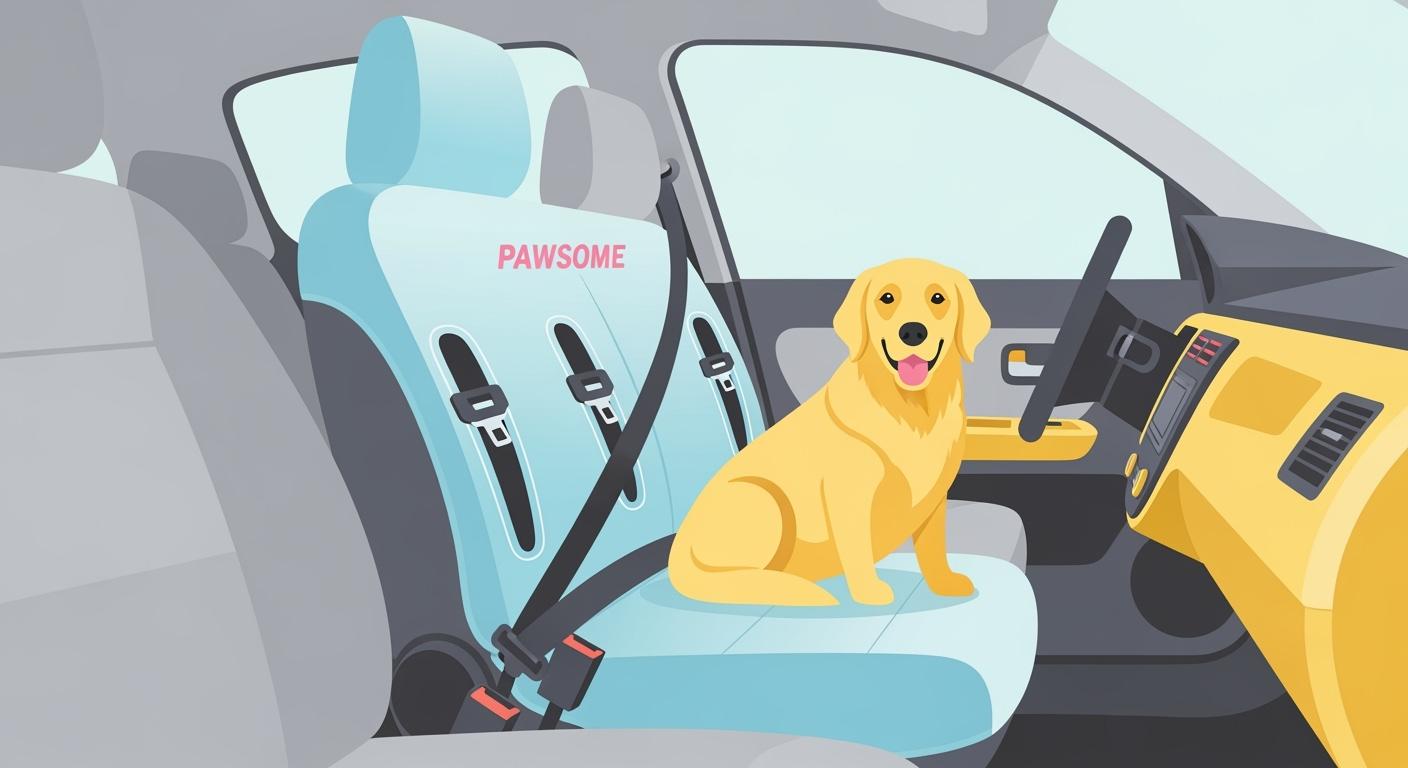
Many people want car dog seat covers for the back seat. The right cover should protect upholstery, stay in place, and still leave every buckle and belt path easy to reach. If you have to lift the cover, dig for a buckle, or work around bunching fabric, the fit is not right.
This page is a practical setup guide for everyday car use. A seat cover helps protect upholstery and improve footing, but the cover itself is not a restraint.
What to check first
Buckle access comes first
A rear-seat cover should protect the bench without hiding the buckle receivers or forcing the belt webbing to twist around the fabric. Quality covers can help protect the seat, but they should never block these important safety features. Before you keep a cover on the seat, sit behind it and try all the buckles with one hand. If the receiver sinks under the cover, the opening is too small or the cover is shifting too much.
- You should be able to see or feel every buckle opening right away.
- The cover should lie flat around the buckle area instead of pulling it inward.
- The belt path should stay clear when the cover is loaded with a dog, a bag, or a folded front panel.
Seat coverage without bunching
The best fit is wide enough to cover the sitting area but not so loose that the fabric folds into the middle. A cover that bunches up can make footing worse, hide the buckles, and push the dog toward one side of the seat. You want even coverage across the seating area, a flat front edge, and stable attachment at the headrests.
Features that matter on daily drives
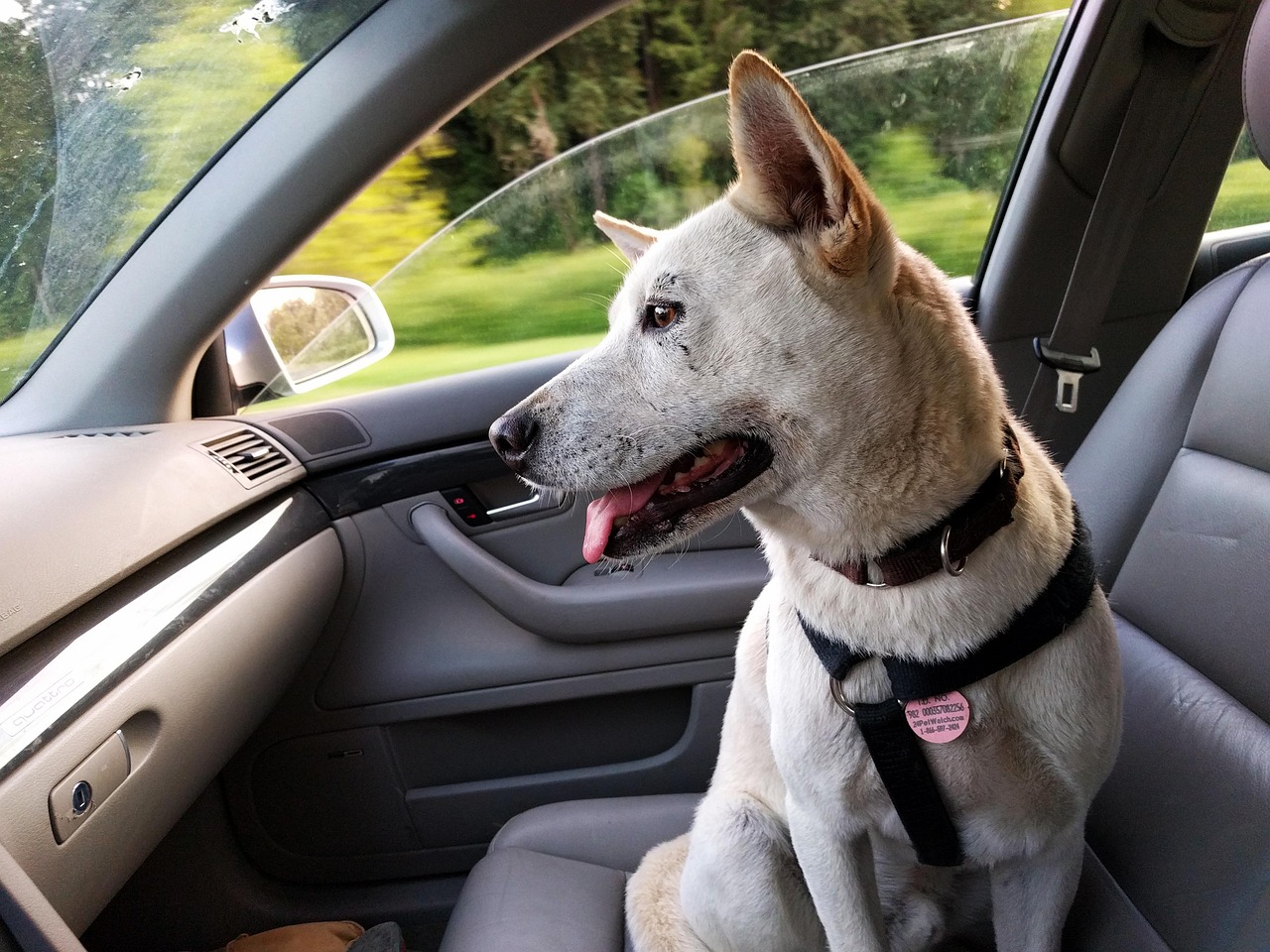
Different dogs, seat shapes, and travel routines need different dog seat covers. Instead of chasing extra features, focus on the parts that change comfort, cleanup, and setup speed.
Non-slip backing and anchor stability
A useful cover needs grip under the main panel and attachment points that stay snug after a short drive. If the back panel slides forward when the dog turns or lies down, the cover will usually start bunching near the buckle area too. Check for a rubberized or textured underside, seat anchors that stay centered, and headrest straps that can tighten without twisting.
Water-resistant surface and easier cleanup
For daily use, easy cleanup matters more than long material claims. A smooth top layer helps with muddy paws, loose hair, and quick wipe-downs. Water-resistant surfaces can help with spills and damp fur, but seams, slot openings, and stitching lines still need quick cleanup after messes. If a cover traps moisture in folds or padding, it is harder to live with over time.
Split seats, side flaps, and loading style
If you use one side of the bench for people, check that the cover can fold or zip back without covering the buckle side. Side flaps can help protect the seat edge during loading, especially with active dogs that jump in from the door. A hammock layout can help contain hair and keep a dog from stepping into the footwell, but it still needs to leave buckle openings clear if the rear seat is shared.
Measure, install, and recheck
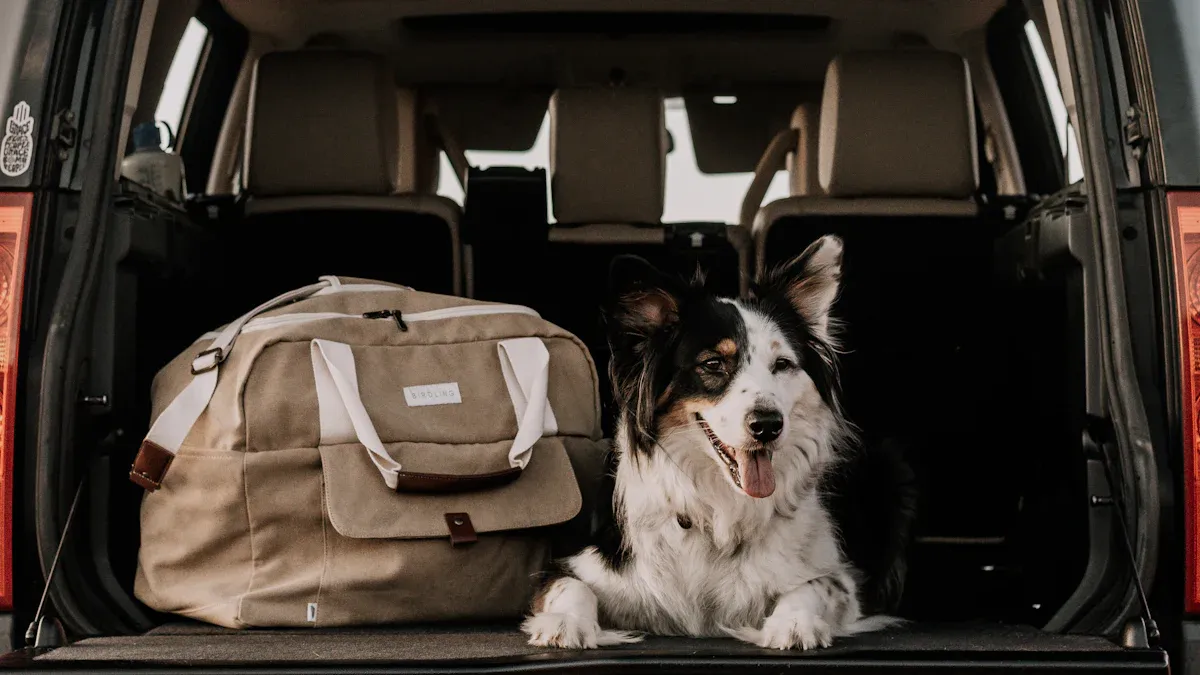
Measure the rear bench before buying, then do a quick install test before the first real ride. That saves time and avoids returns caused by slippage or hidden buckles.
| Check | What to look for | Pass signal |
|---|---|---|
| Seat width | Measure across the usable sitting area, not only the widest trim edge. | The cover reaches across the bench without excess folding. |
| Seat depth | Measure from the backrest crease to the front edge of the cushion. | The front edge lies flat instead of curling upward. |
| Headrest spacing | Check whether the straps and anchors line up with your rear headrests. | The cover stays centered after tightening. |
| Buckle opening location | Install the cover and reach for each receiver with one hand. | You can access each buckle without lifting the cover. |
After installation, press on the cover, sit on one side, and let the dog step onto it. Recheck the buckle area. If the opening shifts or folds shut under load, the fit is still off.
Common mistakes that cause problems
| Problem | What it usually means | What to do |
|---|---|---|
| Buckles disappear under the cover | The slot position is wrong or the panel is sliding forward. | Reinstall and retest. If the buckles still hide, choose a better-matched layout. |
| The cover slides when the dog turns | The underside is too slick or the anchor points are loose. | Tighten the straps and check whether the seat anchors sit fully inside the crease. |
| The front edge curls or lifts | The cover is too deep, too stiff, or poorly matched to the seat shape. | Flatten it, reload the seat, and watch whether it still rolls upward after a short drive. |
| The dog slips during braking | The top surface is too slick or the cover is shifting under the dog. | Recheck the base grip and whether the cover stays flat under weight. |
Tip: Do not treat the cover itself as the restraint. Check your travel setup separately and make sure the cover does not interfere with how you secure the dog for the ride.
A cover works best when it fits the rear bench, keeps buckle access open, and is easy to clean after ordinary trips. If one feature forces you to give up another, keep buckle visibility and stable placement at the top of the list.
FAQ
Should a dog seat cover sit over the buckle receivers?
No. The cover can sit around the buckle area, but you should still be able to reach and use every receiver without lifting or pulling the cover out of place.
Is hammock style always better than bench style?
Not always. Hammock layouts can help contain mess and keep a dog from stepping into the footwell, while bench layouts are often easier when people also need to use the rear seat.
What is the fastest way to tell if the fit is wrong?
Install the cover, tighten it, reach for each buckle, and let the dog step on and turn once. If the cover slides, bunches, or hides a buckle, it needs adjustment or replacement.






