
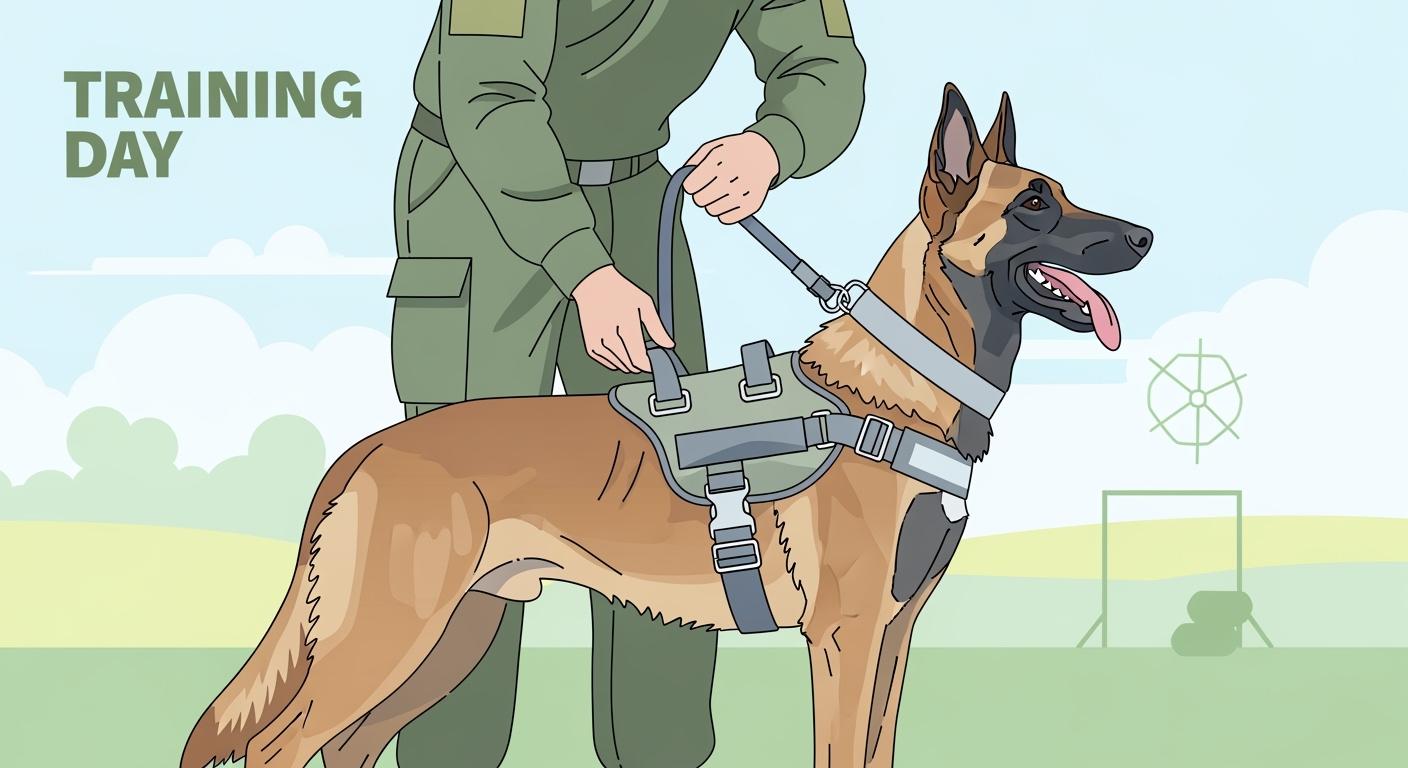
A military dog harness should feel stable, give you closer control when needed, and still let your dog walk, turn, and settle without rubbing. The most common problems come from buying by appearance, choosing a bulky panel layout, or skipping the first fit check after the dog starts moving. This guide keeps the focus on what you can actually inspect before you buy and during the first few walks.
Key Takeaways
- Measure the base of the neck and the widest part of the chest before you trust a size label.
- Look for smooth edge finish, stable hardware, and padding only where the harness actually touches the body.
- Do a short walk test, a sit-and-turn check, and a gentle back-out check before regular daily use.
What to Check Before You Buy
Choose practical control, not just a rugged look
A military-style harness usually has a more structured body, a top handle, and more webbing than a lighter everyday harness. That can help with closer guidance in busy spaces, but extra structure only helps when the harness still matches your dog’s chest shape and shoulder movement. If the body panel feels stiff, too long, or too wide, the harness may look secure while still rubbing behind the front legs or shifting off center during the walk.
Check the harness from the side. The front opening should sit at the base of the neck rather than crowd the throat. The chest section should stay centered. The belly strap should sit behind the front legs without cutting into the elbow area.
Inspect webbing, padding, and hardware
A durable dog harness should feel smooth where it touches the coat and skin, not rough or sharp. Focus on what you can verify with your hands: edge finish, stitching, buckle closure, ring stability, and whether the padding is placed at contact points instead of adding bulk everywhere. More material does not always mean more comfort. Thick panels can trap heat or make the harness feel heavier than needed on a medium or active dog.
Look for these pass signals before you buy:
- Edges feel covered and smooth, not hard or abrasive.
- Stitching looks even and flat, with no loose sections at stress points.
- Buckles close cleanly and do not sit where the leg swings backward.
- The top handle lies flat when not in use and does not create a raised pressure point.
Check handle placement and leash points
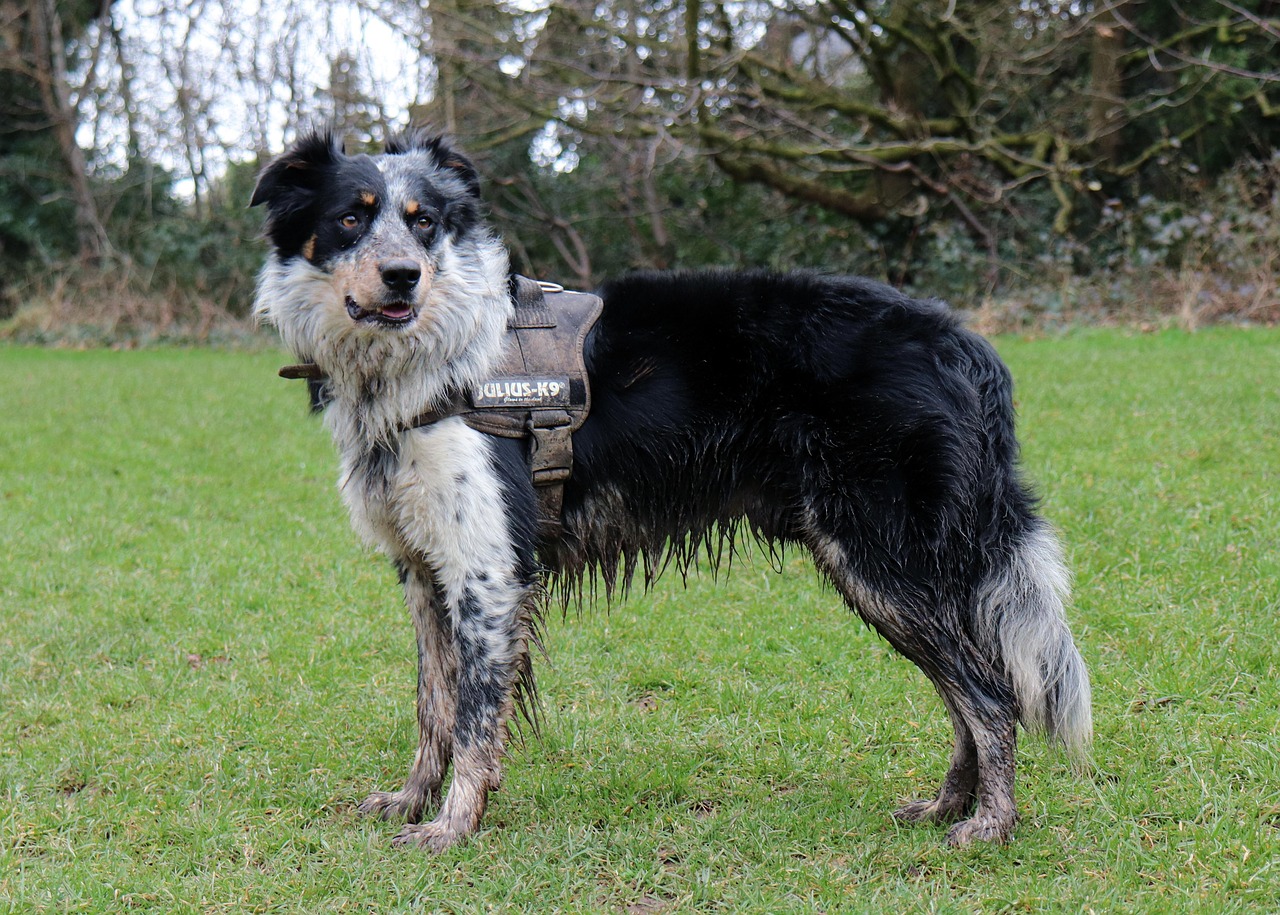
The top handle should help with close guidance for a moment, not force the harness to twist when you touch it. Before buying, imagine where your hand will land. If the handle sits too far back, you may pull the harness upward instead of keeping the dog close. If the handle stands too high, it can catch or press awkwardly when the dog lies down.
Leash attachment points should support the kind of control you actually need on walks and training routines. A front point can help with steering for some dogs, while a back point may feel simpler for calm daily walking. The key is not the number of rings. The key is whether the attachment point sits in a stable place and keeps the harness centered when the dog changes direction.
Fit and Adjustment Checks
Measure first, then fine-tune on the dog
Start with two measurements: the widest part of the chest, just behind the front legs, and the base of the neck where the harness front will sit. Use the size chart as a starting point, then adjust on the dog. A good first fit should feel close, but not locked down. Coat type matters too. After a fluffy or thick coat settles, the harness may feel looser than it did indoors.
Use the one- to two-finger check as a starting point, then watch movement. A harness can feel fine while standing still and still fail once the dog walks or turns.
Use a short pass-fail checklist
| Check | Pass signal | Fail signal |
|---|---|---|
| Neck opening | Sits near the base of the neck without pressing the throat | Rides up toward the throat or gaps too much when the dog backs up |
| Chest position | Centered on the chest and stays flat when walking | Twists, rolls, or slides to one side |
| Elbow clearance | Front legs swing freely with no rubbing | Edge rub, hair flattening, or shortened stride behind the front leg |
| Top handle | Lies flat and is easy to reach | Sticks up, shifts the harness, or presses into the back panel |
| Overall stability | Harness stays centered during a short walk and when the dog sits | Rotates, sags, or creeps backward after a few steps |
Do three movement checks before regular use
- Short walk test: Walk for a few minutes on level ground and watch whether the chest panel stays centered.
- Sit and turn check: Ask the dog to sit, stand, and turn around. Watch for bunching near the shoulders and elbows.
- Gentle back-out check: With the leash relaxed, see whether the dog can easily back out of the neck opening. Do not yank. You are only checking for obvious escape risk.
Common Mistakes and Quick Troubleshooting
Problems that show up on the first walk
The most common mistake is buying a harness because it looks secure, not because it matches your dog’s body. Another common mistake is overvaluing extra padding. Thick padding can help at a contact point, but too much bulk can hold heat and make the harness harder to center.
Watch for these early warning signs:
- The chest panel drifts to one side after a few steps.
- The belly strap moves forward toward the elbow area.
- The dog shortens stride, scratches at the harness, or resists turning.
- The top handle pulls the harness upward when you touch it.
- The harness feels much looser after the coat settles.
| Problem | Likely cause | What to do |
|---|---|---|
| Harness shifts off center | Chest fit too loose or panel too bulky for the dog’s shape | Tighten evenly, recheck size range, or choose a less bulky layout |
| Rubbing behind the front legs | Belly strap too far forward or rough edge finish | Reposition the harness and inspect seam coverage |
| Dog feels restricted | Neck opening or front panel crowding the shoulders | Loosen and retest, or move to a shape with better shoulder clearance |
| Top handle feels awkward | Handle placed too far back or too high above the back | Choose a flatter handle layout that does not lift the harness body |
| Dog can back out | Neck opening too loose or front fit too open | Refit the front section and repeat the gentle back-out check |
This guide covers everyday fit, control, and comfort checks. If your dog coughs, limps, shows distress, or develops persistent rubbing, stop use and ask your veterinarian for advice.
FAQ
Is a military dog harness always better than a standard walking harness?
No. It can offer more structure and a closer-control handle, but it is only better when the shape matches your dog and the extra bulk does not restrict movement or trap heat.
How tight should the harness feel?
Start with a light one- to two-finger check, then confirm with movement. If the harness stays centered without rubbing or sagging during a short walk, the fit is usually closer to right than a standing-only check.
What matters more: more padding or better positioning?
Better positioning matters more. Padding can help at contact points, but it cannot fix a neck opening that rides too high, a belly strap that sits too far forward, or a body panel that is the wrong shape for your dog.






