
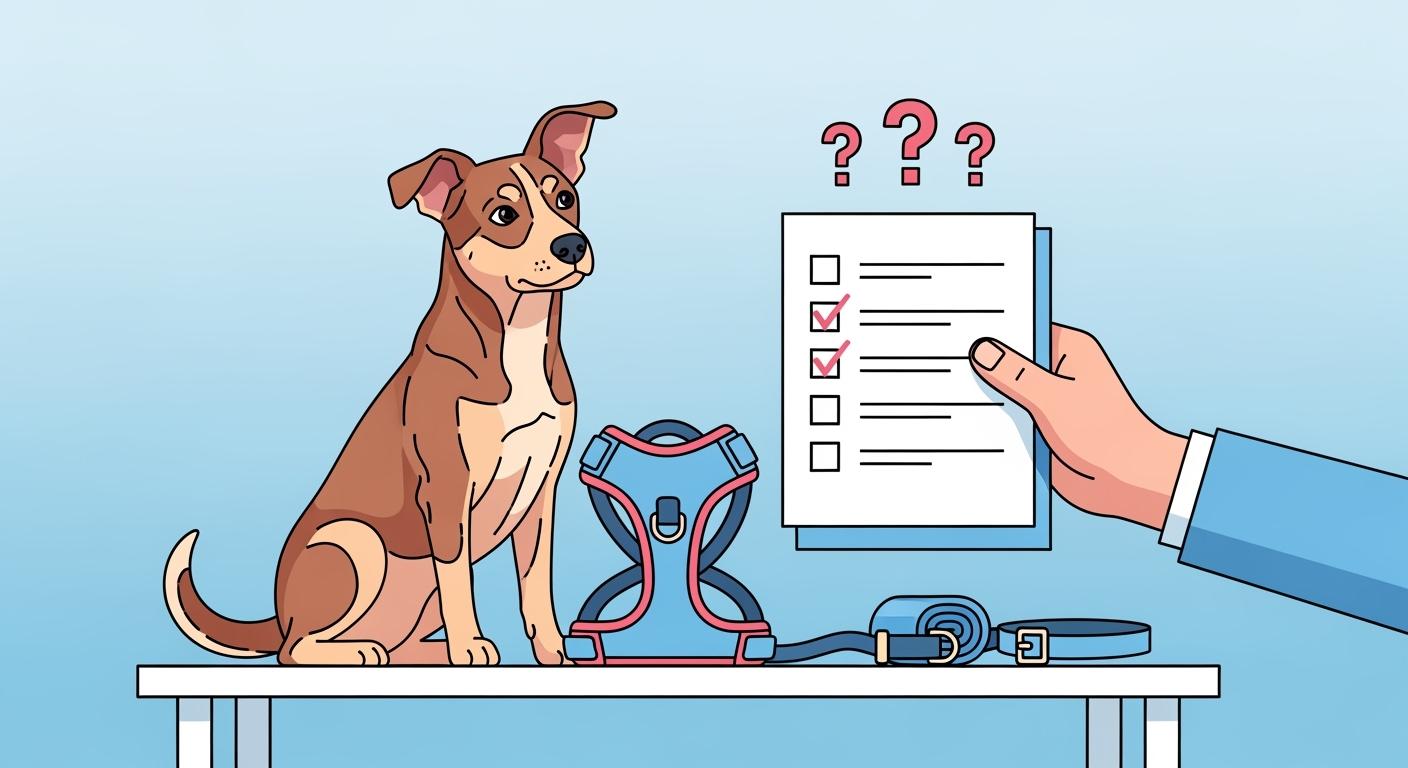
A label that says “medium” does not tell you enough on its own. Two dogs can both fall into a medium range and still need very different strap lengths, neck openings, or chest coverage. The better question is not “Is this a medium?” but “Will this shape stay centered, feel comfortable, and stay secure on my dog’s body?”
Always measure your dog’s chest and neck before buying a harness. That simple step helps you avoid the most common problems: rubbing, shoulder crowding, sliding to one side, and easy back-out when a dog hesitates or reverses.
This page is general product-fit guidance for everyday walks. It is not medical advice. If your dog coughs, limps, shows skin injury, or seems painful in any harness, stop and speak with your veterinarian.
What should you measure before buying?
Start with the parts of the body the harness actually touches. Weight and breed can help you narrow options, but they do not replace measurement.
- Measure the widest part of the chest, usually just behind the front legs.
- Measure around the base of the neck where the harness will rest, not high up near the throat.
- Look at your dog’s build as well as the numbers. A deep chest, broad shoulders, slim waist, or thick coat can all change how a harness fits after it is buckled.
Before you choose a size, ask these practical questions:
- Does the chest measurement sit comfortably inside the brand’s range instead of right at the edge?
- Does the neck opening look low enough to stay off the throat?
- Will the harness leave enough room behind the front legs so it does not rub under the arms?
- Does the shape look suitable for your dog’s chest depth and coat thickness?
A medium size dog harness is usually easiest to live with when the fit range gives you some room to fine-tune straps instead of forcing you to use every strap at its longest or shortest setting.
How should the harness sit once it is on?
After you pick a harness, do not judge the fit while your dog is just standing still for two seconds. A harness needs to stay comfortable during turns, stops, and a short walk.
- Loosen the straps before putting it on so you can place each section where it belongs.
- Buckle the harness and tighten gradually instead of pulling one strap too far at once.
- Check the chest first. The lower strap should sit behind the front legs rather than tight into the underarm area.
- Check the neck opening next. It should sit low enough to avoid pressing on the throat.
- Run one or two fingers under the main straps. You want a secure feel, but not a compressed one.
- Watch shoulder motion while your dog takes a few steps. The harness should not crowd the front of the shoulder or shorten the stride.
- Do a short hallway or driveway walk, then recheck the fit after the coat settles flat under the straps.
Good fit usually looks quiet. The harness stays centered, the straps lie flat, and the dog can move without the harness twisting, riding up, or dragging toward one side.
A “comfortable” harness is not just soft padding. It also needs enough clearance, balanced strap placement, and a shape that matches how your dog moves.
Which harness details matter most for medium dogs?
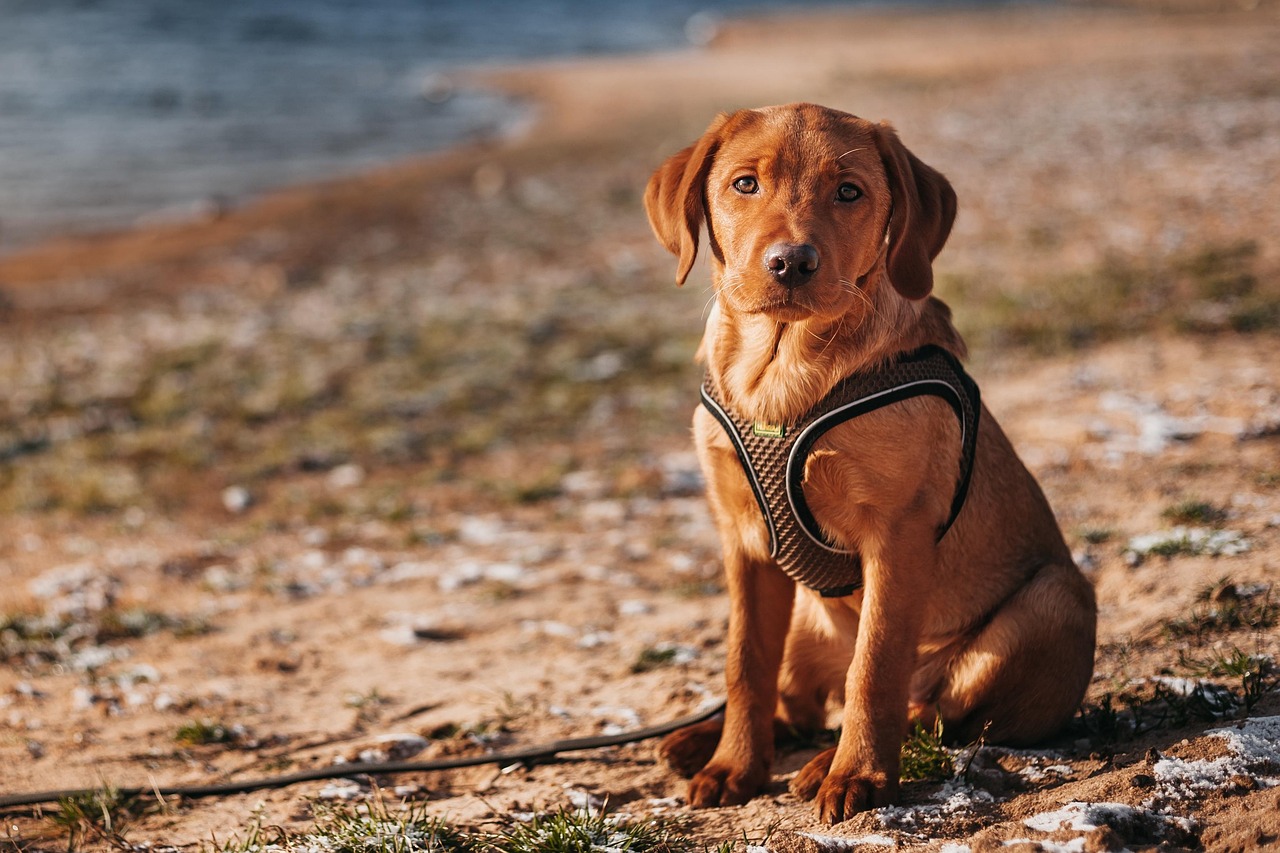
If you are comparing a medium size dog harness, look past the word “comfortable” and check the details that affect daily use.
Adjustment range
Medium dogs often sit in the most crowded part of a size chart, so adjustment matters. Look for a range that lets you fine-tune both the neck area and the chest area. A harness that only “just fits” can become a problem after washing, coat changes, or seasonal weight shifts.
Low-bulk hardware
Buckles and rings should feel secure without turning the harness heavy or stiff. Large hardware can press into the body or pull the harness off balance, especially on dogs that walk quickly or turn often.
Edge finish and lining
Smooth edges and a clean inner surface matter more than thick padding on their own. A lightly padded harness with a tidy edge can feel better than a bulky harness that traps heat or rubs behind the elbows.
Clip layout
Back-clip layouts are often simple for calm daily walks. Front-clip layouts can give you more steering at the chest. Dual-clip layouts can be useful when you want flexibility. No layout is automatically right for every medium dog, so the fit and the strap path matter more than the label on the packaging.
Easy cleanup
Dirt, moisture, and coat oils build up fast on walk gear. A harness is easier to live with when the fabric dries reasonably well and the inner surface can be wiped or washed without becoming stiff or rough afterward.
What mistakes cause the most fit problems?
Most harness issues come from a few repeat mistakes, not from one dramatic failure. These are the ones worth checking first:
- Buying by size label only and skipping body measurements
- Tightening one side much more than the other
- Letting the chest strap sit too close to the armpit
- Assuming soft padding will solve a shape mismatch
- Skipping the short walk test after first fitting
- Forgetting to recheck after the coat compresses under the straps
| Check | Pass | Fail | What to do |
|---|---|---|---|
| Chest position | Strap sits behind the front legs with visible clearance | Strap crowds the armpit or creeps forward | Refit the chest area or try a different shape |
| Neck opening | Sits off the throat and stays stable when walking | Rides up toward the neck or presses when the leash tightens | Loosen, rebalance, or change size or style |
| Centered fit | Harness stays balanced through turns and stops | Twists, slides, or leans to one side | Even out strap lengths and recheck after a short walk |
| Shoulder freedom | Dog takes a natural stride | Shortened steps or visible crowding at the front | Choose a lower-bulk or better-shaped layout |
| Skin and coat check | No hot spots, rough rubbing, or flattened pressure lines after use | Redness, hair wear, or repeated rubbing in one area | Stop, refit, and reassess the strap path |
If the harness looks fine indoors but shifts outside, pay attention to turning, sniffing, backing up, and leash pressure changes. Those moments often reveal fit problems that a still photo cannot.
FAQ about medium size dog harness fit
What if my dog is between sizes?
Look for the option that gives you the better chest fit first, then check whether the neck opening and adjustment range still make sense. A size that only works when every strap is fully tightened or fully loosened is rarely the best long-term choice.
Why does a harness look fine indoors but rub outside?
Walking changes everything. The dog turns, speeds up, lowers the head, and shifts weight. That is why a short real walk and a post-walk recheck matter more than a mirror test indoors.
Should I choose front-clip or back-clip?
Start with the fit and your daily use. A calm walker may do well in a back-clip layout. A dog that needs more chest-level guidance may suit a front attachment better. The better choice is the one that stays balanced and comfortable on your dog’s body.
How often should I recheck the fit?
Recheck after washing, after a noticeable coat or weight change, and any time you see shifting, rubbing, reluctance to walk, or signs that the harness is sitting differently than before.
The best medium size dog harness is the one that matches your dog’s body shape, stays comfortable through real movement, and is easy for you to use consistently. If you measure carefully, check fit after a short walk, and pay attention to rubbing or shifting early, you can avoid many of the return-triggering problems that come from buying by label alone.
This is general product-fit guidance, not medical advice.






