
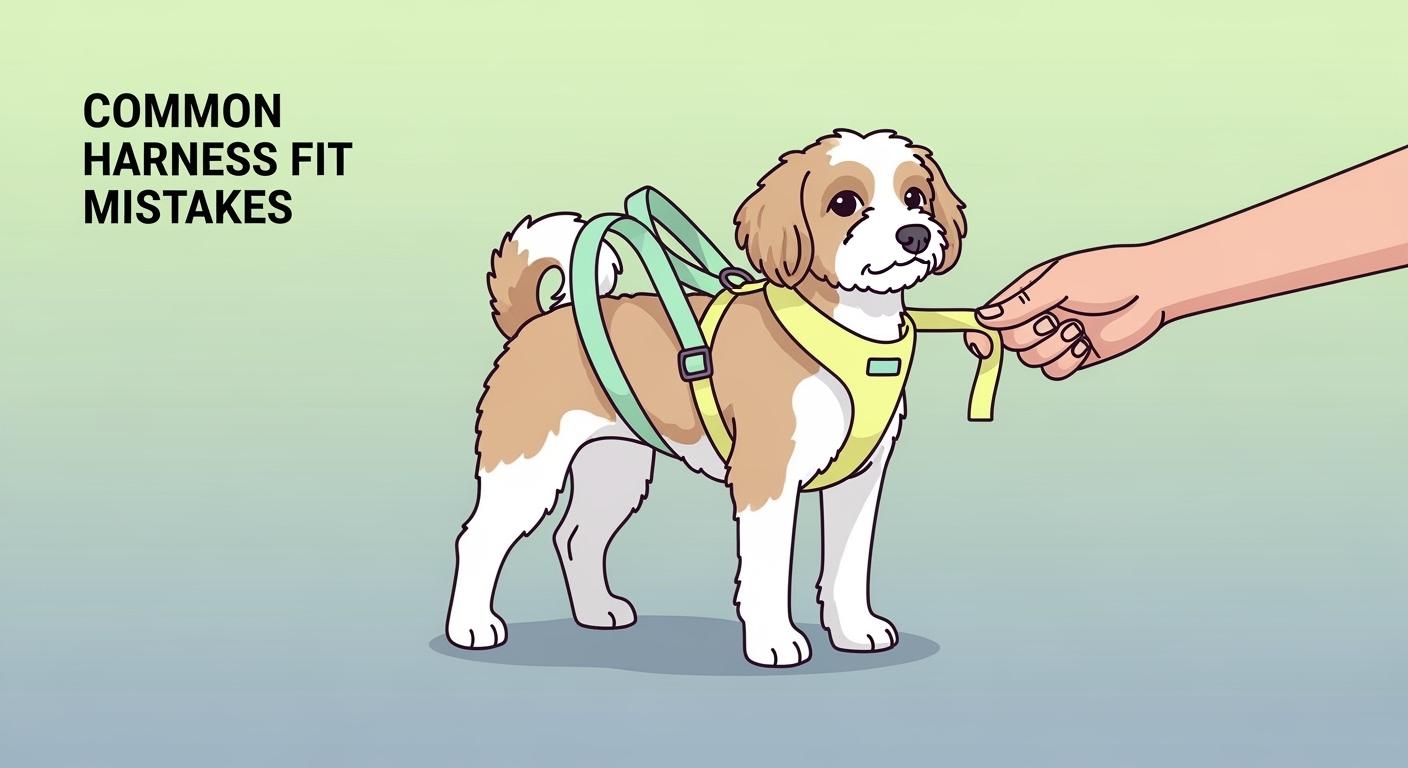
A step-in dog harness for small dogs fails quickly when the fit feels bulky, the leg openings sit too close to the armpits, or the hardware adds more weight than the dog can comfortably carry. The right design should feel light, stay centered on the chest, and allow short daily walks without rubbing, shifting, or pressure under the front legs.
This guide focuses on fit checks you can actually observe: chest placement, leg opening alignment, underarm clearance, short walk behavior, and rechecks after the coat settles. It is a practical fit guide for daily walks, not a medical or training claim.
Key Takeaways
- Always measure your dog’s chest and neck for the best harness fit. Do not buy only by the size label or breed guess.
- Check that the harness sits flat, stays centered, and leaves enough underarm clearance for easy walking.
- Use a short walk test and a post-settle recheck to catch slipping, rubbing, sagging, or escape gaps before daily use.
How to Size a Step in Dog Harness Small
Measure at the Harness Position, Not at the Collar Spot
For a step-in style, chest fit matters most. Measure the widest part of the chest just behind the front legs, then measure the lower neck area where the harness will sit. Keep the tape level and snug, and make sure it is not floating over thick fur. If the coat is fluffy, smooth it down first and recheck once more.
- Ask your dog to stand naturally on all four legs.
- Wrap a soft tape around the widest part of the chest, just behind the front legs.
- Measure the lower neck area where the harness rests, not where a collar usually sits.
- Write both measurements down and compare them with the product size range.
- If your dog sits between sizes, focus on whether the chest can be adjusted securely without closing down the leg openings too much.
Tip: A good starting fit is snug enough to stay in place but loose enough that you can slide two fingers under the strap without forcing them.
Set the Leg Openings and Chest Panel Correctly
Lay the harness flat with the D-ring facing up. Guide each front paw into the correct opening, then bring the side panels up and fasten the buckle. On a small dog, the harness should sit centered across the chest and back rather than drifting to one side. The chest area should stay clear of the throat, and the strap path should not crowd the elbows when the dog starts walking.
Before you call the fit finished, do three quick checks: look for twisted webbing, confirm that the hardware sits flat rather than tilting, and watch two or three steps indoors to see whether the harness shifts as the dog turns.
What Good Fit Looks Like on a Small Dog
Prioritize Low Bulk, Breathability, and Useful Adjustment
When picking a step-in harness, look for one that is not bulky and has light hardware. Small dogs often notice excess bulk faster than medium or large dogs. A harness that feels fine in the hand can still look heavy once it is on a compact frame.
- Low bulk: helps the harness sit flatter and makes it easier to keep the chest panel centered.
- Breathable lining: helps reduce heat buildup and rubbing during regular walks.
- Useful adjustment: helps fine-tune fit if the dog is between sizes or has a fuller coat.
- Light hardware: helps reduce bounce on very small frames.
Good fit is not only about tightness. It is also about balance. A small harness should stay stable without pulling the chest panel off-center, and it should allow relaxed steps instead of causing a stiff gait.
Use a Real-World Fit Check Before Daily Walks
A fitting session indoors is only the first step. Small dogs can look fine while standing still but show problems once they start moving. Use this simple routine before regular use:
- Doorway test: walk through a doorway and make a gentle turn. The harness should stay centered.
- Short walk test: watch for rubbing, sideways shift, or a chest panel that rides up.
- Coat-settle recheck: after a few minutes, recheck strap tension because fluffy coats can compress.
- Lift-and-settle check: after removing the leash tension, the harness should settle back into place rather than stay twisted.
Common Fit Mistakes and Fixes
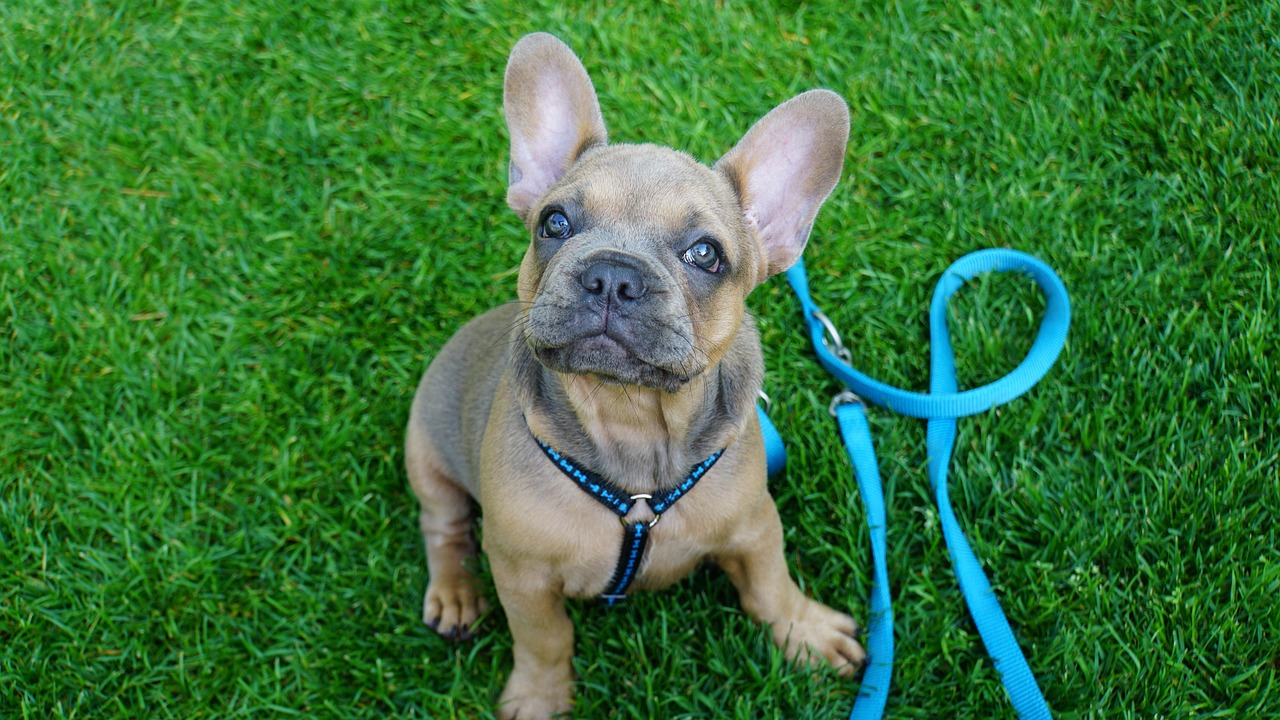
Some owners pick a harness by size name, not by measuring their dog. Others put on a harness that is twisted or leave the chest strap too loose. Those mistakes usually show up as slipping, rubbing, sagging, stiff movement, or a harness that rotates when the leash tightens.
- Buying by label only and skipping actual chest and neck measurements.
- Choosing a bulky build that overwhelms a very small frame.
- Letting the harness sit too close to the elbows, causing rubbing during turns.
- Fastening the harness before checking whether the paws went through the correct openings.
- Leaving the fit unchanged after coat compression, growth, or washing.
- Judging fit while the dog is standing still and skipping a movement check.
Pass or Fail Checklist
| Check Item | Pass Signal | Fail Signal | What to Do |
|---|---|---|---|
| Chest fit | Snug, stable, and easy to check with two fingers | Gaping, sliding, or pressure marks after a short walk | Refit the chest area and recheck after the coat settles |
| Harness position | Sits centered with the back attachment staying on top | Rotates sideways or drifts off-center | Confirm leg opening placement and adjust evenly |
| Underarm clearance | Front legs move freely without rubbing | Elbow crowding, rubbing, or shortened steps | Reposition the harness or choose a less bulky layout |
| Webbing and panels | Flat and smooth on both sides | Twisted straps or folded chest panel | Unfasten, lay flat, and refit from the start |
| Movement check | Dog walks, turns, and pauses without stiffness | Harness rides up, sags, or changes position under leash tension | Repeat the short walk test after adjustment |
Troubleshooting Persistent Issues
| Problem | Likely Cause | Quick Check | Fix |
|---|---|---|---|
| Harness slips backward | Chest area is too loose or the frame is too bulky for the dog | See whether the harness shifts when the dog backs up or turns | Tighten evenly and confirm the harness is not oversized for the frame |
| Redness behind the front legs | Low clearance, rough edge contact, or too much movement | Check the skin after a short walk | Adjust placement, smooth the straps, and stop use if rubbing continues |
| Dog freezes or takes tiny steps | Harness feels bulky, tight, or unfamiliar | Observe posture with the leash slack first | Loosen slightly if needed and restart with short, calm wear sessions |
| Harness rotates when the leash tightens | Uneven adjustment or off-center starting position | Check whether both sides are adjusted equally | Reset the harness flat and tighten both sides evenly |
| Fit changes after a few minutes | Coat compression or strap settling | Recheck after the first few minutes of wear | Fine-tune the fit after the initial movement test |
If your dog shows limping, coughing, visible pain, open skin, or unusual distress, stop using the harness and seek veterinary advice. Fit guidance cannot replace care for an injury.
FAQ
How do you know if a step-in harness fits a small dog correctly?
A good fit stays centered, lies flat, and does not rub the underarm area. You should be able to check strap snugness easily, and the dog should walk without stiff steps, side shifting, or repeated attempts to shake the harness off.
What if my dog can back out of the harness?
Recheck the chest measurement, strap tension, and overall frame size. Escapes often happen when the harness is chosen by size label alone or when the chest area is adjusted loosely to compensate for a bulky build.
Are step-in harnesses okay for puppies?
They can work if the fit is checked often and the harness is not so large that it shifts during movement. Puppies change shape quickly, so do not assume an early fitting will stay correct for long.
What should I do if the harness leaves marks after a walk?
Stop and inspect the fit. Look for crowding behind the front legs, twisted webbing, or a chest panel that rides up when the leash tightens. Mild temporary coat flattening is different from ongoing rubbing or skin irritation.
How often should I recheck fit?
Recheck after the first few wears, after washing, during coat changes, and any time your dog’s body shape changes. Small fit changes matter more on small frames because there is less room for error.






