
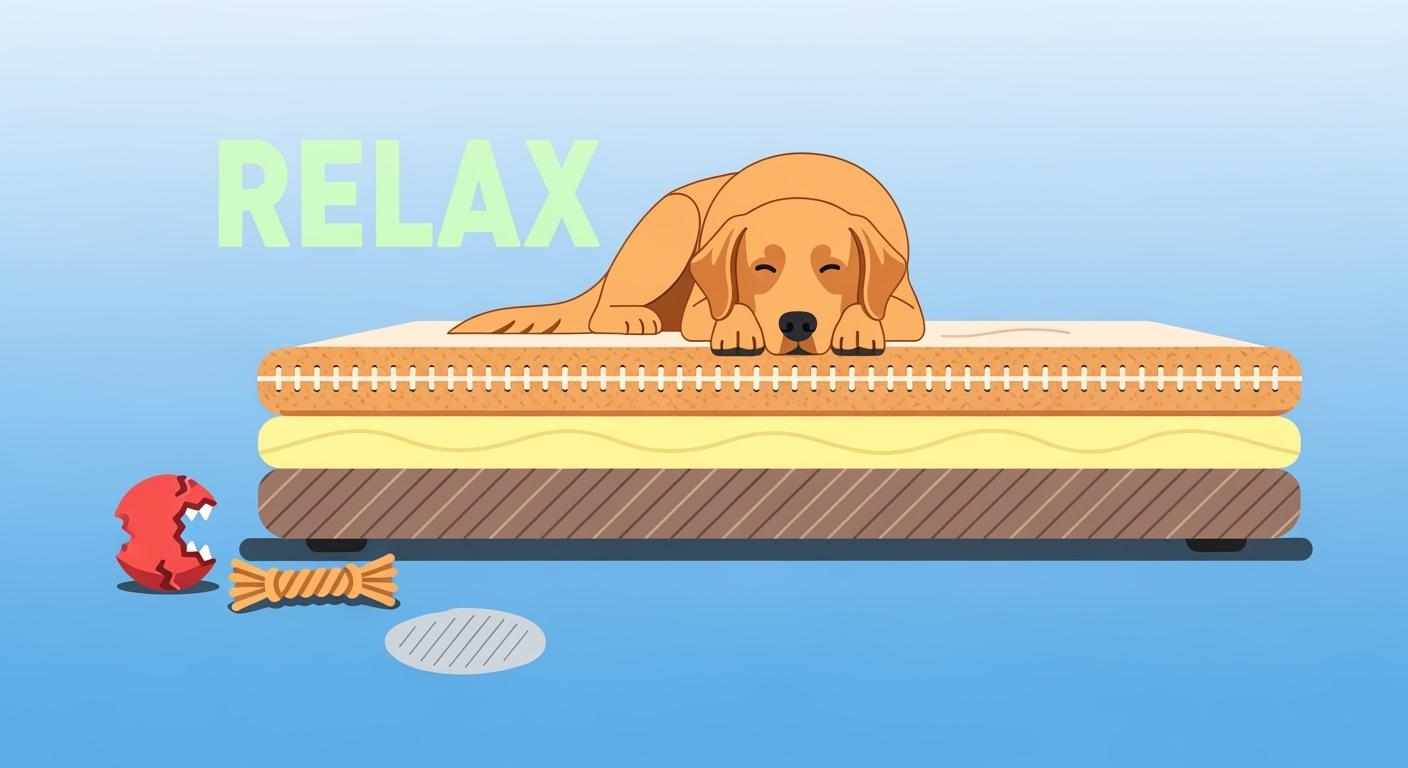
When you choose a durable dog bed, you help your dog stay comfortable at home and during travel. Strong covers resist chewing and scratching, so the bed lasts longer. Look for features to look for like water resistance and easy cleaning. Outdoor use needs weather-resistant fabrics, while indoor beds can be softer. No bed is indestructible, but smart choices can extend its life.
Key Takeaways
- Choose a dog bed made from strong materials like canvas or ballistic nylon to resist wear and tear.
- Select the right size bed to allow your dog to stretch comfortably, which helps prevent early wear.
- Look for removable, washable covers to keep the bed clean and fresh, extending its life.
What Makes a Durable Dog Bed
A durable dog bed stays strong when your dog uses it. It also works well when you travel. You want a bed that can handle lots of fur, wet trips, sand, older dogs, chewers, or many dogs in one house. Durability means the bed does not wear out fast. It keeps its shape and is simple to clean. Pick a bed that matches your dog’s habits and your life.
Real-World Durability Factors
| Factor | Description |
|---|---|
| Foam Quality and Density | High-density foam lasts longer and supports your dog better. |
| Bed Style and Design | The right design fits your dog’s sleep style and boosts durability. |
| Ease of Cleaning | Removable, washable covers help you keep the bed fresh and extend its durability. |
| Price and Warranty | Higher-priced beds often signal better durability and comfort. |
| Additional Features | Non-slip bottoms and cooling tech can add to the bed’s durability and usefulness. |
Active dogs or rough places can test how tough a bed is. For example, microfiber covers do not scratch as easily as loose-weave fabrics. If your dog likes to dig or scratch, the cover must be strong against damage.
Durability Limits and Boundaries
No bed is chew-proof. You should know what to expect from durability. If your dog chews or claws, watch them or pick another bed. Wet, sandy, or busy spots can make a bed wear out faster. Always check the seams, base, and if you can clean it well.
Step-by-step routine for selection and first use: A. Decide where you will use the bed most. B. Make sure your dog can stretch and turn on it. C. Look at the materials and how the bed is made. D. Try cleaning and drying the bed after you use it. E. Check for damage in the first week.
Travel Safety Considerations
- Pick a strong travel bed for comfort and less mess.
- Do not use thin mats in cold or wet places.
- Make sure the bed is really waterproof to stop mold.
- Beds are not safety straps. Keep your dog safe when you travel.
Fit and Comfort for Longevity
Choosing the Right Size and Shape
You want your dog to feel at ease every time they rest. A well-fitted bed gives your dog the right support for their spine and joints. This helps prevent discomfort and keeps your dog healthy. When you choose the right size and shape, you also help the bed last longer. Dogs that can stretch and turn easily do not put extra stress on the seams or fabric.
Follow these steps to pick the best bed:
- Assess your dog’s needs. Think about age, breed, weight, and sleep habits.
- Measure your space. Make sure the bed fits without blocking walkways.
- Check fabric safety. Look for safe materials and ask for certifications if needed.
- Evaluate cleanability. Removable, washable covers make life easier.
- Read real user reviews. Focus on comfort, durability, and size accuracy.
- Avoid red flags. Stay away from thin foam, weak stitching, or unclear material details.
Easy Access and Stable Footing
You should always make it easy for your dog to get on and off the bed. This is very important for a senior dog or one with limited movement. Beds with low sides or ramps help your senior dog avoid jumping, which protects their joints. Stable footing keeps your senior dog safe and gives them confidence. You reduce the risk of falls and help your senior dog feel secure.
- Use ramps or low-entry beds for senior dogs.
- Place the bed on a non-slip surface.
- Avoid high beds that require jumping.
Preventing Pressure Points and Early Wear
A thick cushion helps relieve pressure points and gives your dog comfort. High-quality foam and fill provide support and keep the bed in shape. Chew- and dig-resistant fabrics add durability. Breathable materials help with temperature control, which is important for senior dogs. Machine-washable beds make cleaning simple and keep the bed fresh for your senior dog.
Durable Dog Bed Materials and Construction
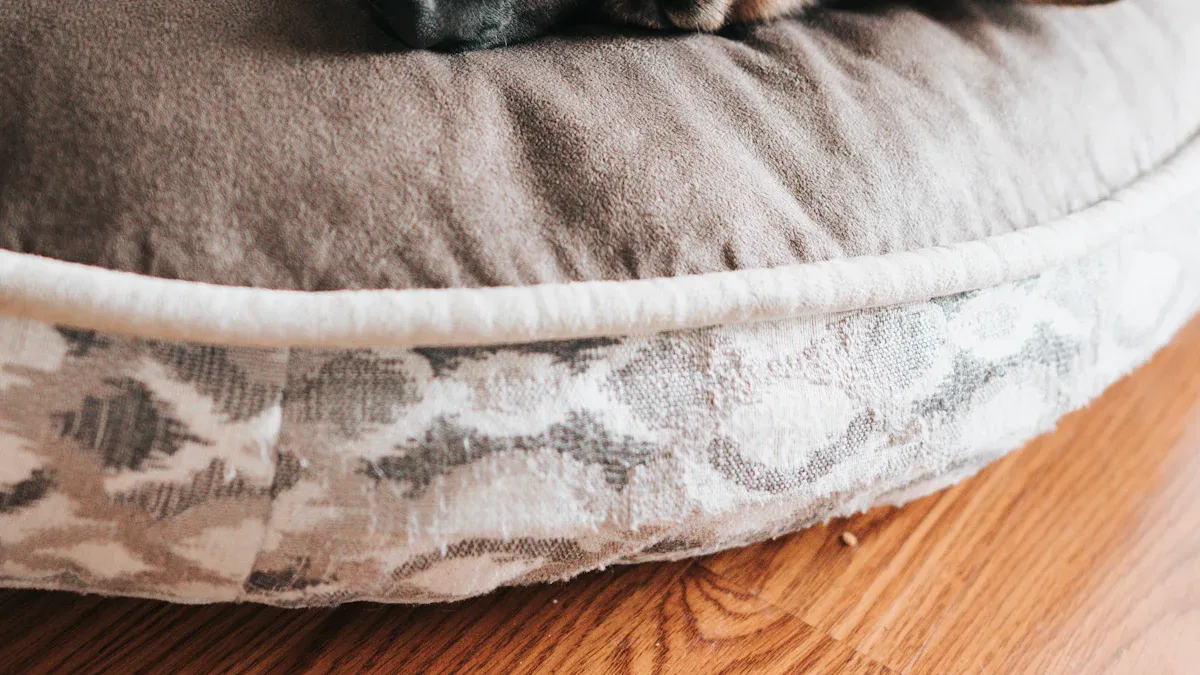
When you pick a strong dog bed, you want it to give your dog good support and comfort. The right materials help the bed last longer and stay clean. They also help your dog stay cool and happy. You should make sure the bed is safe and simple to use at home or when you travel.
Best Cover Materials for Wear Resistance
How to judge “durable” covers without lab reports
If a listing does not provide test reports, focus on construction you can verify: a tight weave, thicker face fabric, reinforced corners, and seams that do not gap when you pull the cover taut. These factors usually matter more than vague labels like “military-grade” or “indestructible.”
Quick check at home: run your fingernail across the fabric (does it snag?), pinch and twist (does it fuzz quickly?), then do a short “dig test” with your dog’s paws on a blanket over the bed (does the cover pill or stretch).
Water-resistant vs “waterproof”: what to verify on your bed
Many dog beds use a water-resistant outer cover (to wipe off drool and light spills) plus a protective inner barrier to keep foam dry. If a product does not provide a waterproof test report, treat “waterproof” as something to verify by construction and simple checks.
- Construction check: look for a protected inner barrier and well-covered seams around zippers or corners.
- At-home check: pour a small cup of water on the cover to see if it beads or soaks, then confirm moisture does not reach the foam.
Stitching and Reinforcement Details
How a bed is sewn is just as important as the fabric. Strong stitching helps the bed handle chewing, digging, and moving around. Look for these things:
- Flatlock or overlock seams are stronger than single-stitch hems. These seams help the bed keep its shape and stop it from coming apart.
- Places like corners and ends need extra stitching. Nylon thread gives more strength and does not break easily.
- Some orthopedic dog beds use tightly woven cotton, denim, or stretch-knit fabrics with spandex. These materials stretch and move with your dog.
You find these strong sewing details in the best orthopedic dog beds and elevated dog beds. They help the bed last longer and keep your dog comfy. If you see scratch-resistant fibers, the bed can handle active pets. Always check the seams and corners for damage when you clean the bed.
Base and Liner Features for Durability
The base and liner of a strong dog bed are important for support, comfort, and cleaning. You want a base that does not slide and stays in place. The liner should keep water and smells away from the foam or filling. Here is a table to compare common materials:
| Material | Properties |
|---|---|
| Bamboo-derived rayon | Pulls moisture away and may help reduce moisture buildup. |
| Waterproof inner liner | Stops urine or sweat from making bacteria grow. |
| Organic cotton | Natural fiber that may be better tolerated by some dogs. |
| Hemp | Natural fiber that pulls moisture away. |
| Bamboo viscose | Keeps away moisture and bad smells. |
| Medical-grade textiles | Made for hygiene and comfort. |
You see these materials in many orthopedic dog beds and elevated dog beds. A waterproof liner keeps the foam safe from spills and accidents. Bamboo-derived rayon and hemp help the bed stay cool and let air flow through. This is good for comfort and cooling. Medical-grade textiles help keep the bed clean and support dogs with joint or movement problems.
Note: Always check for chemical safety labels if you live in the US or EU. Look for warning labels and rules about chemicals, especially for water-repellent covers.
When you pick the best orthopedic dog beds, you want to balance support, comfort, and easy cleaning. The right materials and how the bed is made help it last longer and keep your dog happy. Elevated dog beds with strong bases and covers that let air through give cooling and support for all dogs. Memory foam mattress layers give extra support and comfort, especially for older dogs or those with joint pain.
Travel-Friendly Features and Use Cases
Lightweight and Easy-to-Clean Options
You want a dog bed that is simple for travel. Lightweight beds are easy to carry anywhere. You can move them from your car to a hotel or campsite. Many beds use materials that you can clean fast. You can wipe off dirt or wash the covers after each trip. These features make travel easier and keep your dog happy. Removable covers and waterproof liners help you clean up quickly. You can pack these beds in your bag or backpack. Pick beds that dry quickly and do not stain easily. This helps your dog’s bed stay fresh for every trip.
Portable, Foldable, and Waterproof Designs
Portable beds are helpful when you travel with your dog. Foldable beds fit in small spaces and are easy to pack. Waterproof beds stop spills and wet ground from making a mess. There are many types of beds with these features. The table below shows some popular designs and what they are good for:
| Dog Bed Type | Advantages | Limitations |
|---|---|---|
| Camping Cot-Style | Great airflow, keeps pets dry, strong, good for joints | Bigger, hard to fold, less soft, not for small dogs |
| Folding Mattress | Soft, easy to pack, light, often waterproof | Not high off ground, not as strong, may get flat |
| Hammock-Style | Good airflow, holds pets, keeps dry, small when taken apart | Needs safe setup, not for big dogs, not very warm |
| Self-Inflating | Fills with air, keeps warm, small, strong | Slower in cold, might leak, costs more |
You can pick a bed that fits your travel plans and your dog. Lightweight and waterproof beds are easy to use and comfy in many places.
Real-World Travel Scenarios
You can make trips better for your dog with the right bed. Here are some tips for real-life travel:
- Bring a portable crate so your dog feels safe.
- Use pet monitors to check on your dog in new places.
- Try white noise machines to help your dog stay calm.
- Keep paw wipes close for quick cleaning.
- Pack your dog’s favorite blankets and toys for comfort.
Beds help your dog feel good and keep things clean, but they do not protect your dog in a crash. Always keep your dog safe in the car. Follow local rules and ask your veterinarian if you have health questions.
Common Mistakes and Troubleshooting
Mistakes That Reduce Durability
You can make your dog’s bed last longer by avoiding mistakes. Many people buy a bed that is too small. Dogs need room to stretch, not just curl up. If you pick a bed with weak materials, it may not help your dog’s joints or back. Beds that are hard to clean can hold dirt and bad smells. Putting the bed in a wet place or in the sun can wear it out faster. If you ignore small rips or loose threads, they will get worse.
Common mistakes include:
- Picking the wrong size bed
- Using low-quality materials
- Skipping regular cleaning
- Placing the bed in wet or sunny areas
- Not fixing small rips or loose seams
Troubleshooting Common Issues
If you see problems with your dog’s bed, you can fix many of them fast. Use this table to find easy solutions:
| Symptom | Likely Cause | Fast Check | Fix |
|---|---|---|---|
| Cover tears | Scratching, chewing | Inspect cover edges | Patch or replace cover |
| Seam blowout | Overloading, old seams | Check corners and joins | Reinforce with stitching |
| Persistent odor | Poor cleaning | Smell after washing | Deep clean or replace fill |
| Slow drying | Thick material | Time to dry after wash | Air out, use thinner cover |
| Sliding | No grip on base | Push bed on floor | Add non-slip mat |
| Fill clumping | Wet or old fill | Feel for lumps | Fluff or replace fill |
| Chewing | Boredom, stress | Watch dog’s behavior | Supervise, offer chew toys |
| Refusal to use | Uncomfortable, smell | Observe dog’s reaction | Wash bed, try new spot |
Pass/Fail and Comparison Tables
Pass/Fail Checklist
| Check Item | Pass | Fail | Fix |
|---|---|---|---|
| Size fit | Dog stretches easily | Dog curls up tightly | Choose larger bed |
| Cover condition | No tears or frays | Holes, loose threads | Repair or replace cover |
| Odor | Smells fresh | Persistent odor | Wash or replace fill |
| Base stability | No sliding | Moves on floor | Add non-slip mat |
Bed Type Comparison
| Type | Best For | Not Ideal For | Common Failure Mode | Safer Alternative |
|---|---|---|---|---|
| Foam/floor bed | Home, seniors | Wet, outdoor use | Odor, fill clumping | Elevated cot |
| Elevated cot | Outdoor, cooling | Small/toy breeds | Loose fabric, tipping | Foam bed with grip |
| Travel mat | Trips, hotels | Chewers, diggers | Tears, sliding | Cot or crate pad |
When you pick a dog bed, remember these important things: Measure your dog so the bed fits well. Choose tough materials that you can wash to make the bed last longer. Find beds that are easy for your dog to get on and off and that do not move around.
| Feature | Benefit for Dogs | Benefit for Owners |
|---|---|---|
| Orthopedic support | Dogs sleep better and hurt less | Owners clean up easier and have less mess |
FAQ
What makes a dog bed durable?
You want a bed with strong fabric, tight seams, and a stable base. These features help the bed resist scratching, digging, and daily use.
How do I pick the right size for my dog?
Measure your dog when stretched out. Choose a bed that lets your dog turn and stretch easily. This helps prevent early wear and keeps your dog comfortable.
What if my dog chews or digs?
Supervise your dog during rest time. If chewing or digging continues, switch to a tougher bed or add safe chew toys to redirect the behavior.
Health note: If your dog has joint pain, skin sensitivities, or a medical condition, ask a veterinarian for advice on support and materials.






