You want the best hands free dog leash for safe walks. You also want it for comfy runs and better control. Imagine being outside and having fun with your dog. As a dog owner, you need the right gear for comfort. You also need it for control and safety when you train or travel. Always follow local rules. Ask your veterinarian if you have health questions.
Key Takeaways
Choose a hands-free dog leash for freedom during walks or runs. It allows you to carry gear or use your phone while keeping your dog close.
Select the right materials for your leash. High-quality nylon or Biothane offers strength and weather resistance, while padding ensures comfort during use.
Always check the fit of your waist belt and leash before each outing. A snug fit prevents slips and tangles, ensuring a safer experience for you and your dog.
What is a hands free dog leash?
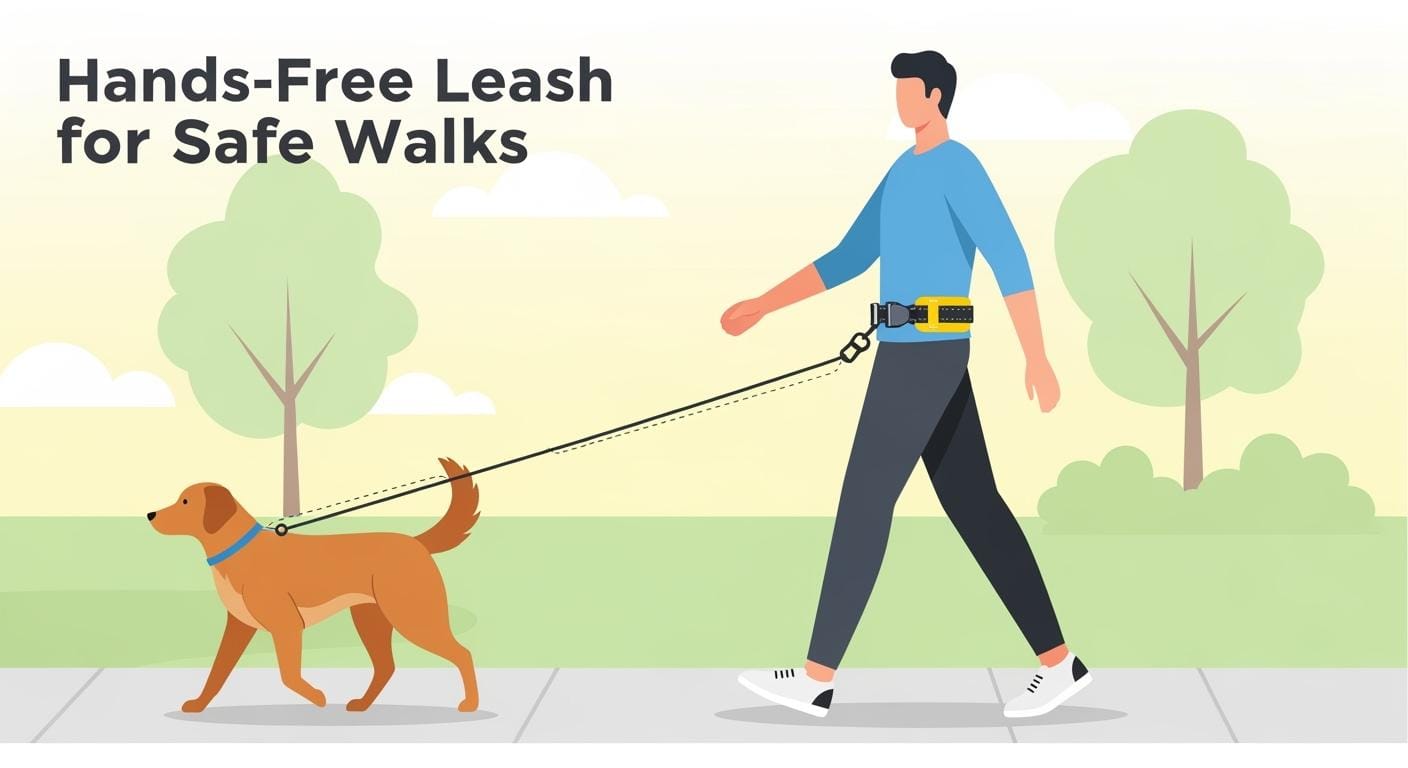
A hands free leash lets you walk or run with your dog without holding the leash in your hand. You attach the leash to a belt around your waist. This setup gives you freedom to move, carry gear, or use your phone. The best hands free dog leash uses a hands-free mechanism that keeps your dog close while you stay active.
Waist belt vs hand-held leash
A waist belt system clips the leash to your belt. You keep your hands free for training or hiking. A hand-held leash stays in your grip. You get more direct control but less freedom. Choose a hands free leash for running or when you need both hands. Pick a hand-held leash for crowded places or when your dog needs extra guidance.
When hands free is helpful or risky
Hands free leashes work well for running, hiking, or carrying gear. They help during training sessions in open spaces. Risks appear in crowds or with reactive dogs. You may lose control if your dog lunges or gets tangled. Always check the leash fit before each walk.
In crowded areas or with reactive dogs:
Use a structured leash with a traffic handle for better control.
Check for loose straps or rubbing to prevent loss of control.
Match leash setup to your dog’s behavior and the environment.
Safety boundaries and control
Convenience does not mean stronger control. Keep your dog on one side to avoid trips and tangles. Never wrap the leash around your hands or fingers. Follow local rules and consult your veterinarian for health concerns.
Safety Tip: A hands free leash is not crash protection for travel. Use proper restraints in vehicles.
Choosing the best hands free dog leash: materials and comfort
When you choose the best hands free dog leash, you want to focus on both the material and the comfort. The right leash keeps you and your dog safe and happy, whether you run, hike, walk in the city, or travel. Each activity has its own needs. You should match the leash to your use case and your dog’s behavior.
Webbing, elastic, and durability
You see many materials used in hands free dog leashes. High-quality nylon stands out for its strength and weather resistance. Polypropylene webbing feels lighter but may not last as long as nylon. Biothane offers a smooth, waterproof surface that cleans easily. Some leashes use elastic or bungee sections for shock absorption. This feature helps when your dog pulls or changes direction quickly. The bungee cord stretches and absorbs force, making walks smoother for both you and your dog.
If you want to compare durability, look at the table below. It shows the average tensile strength of common leash materials:
Material | Average Tensile Strength (lbs per inch) |
|---|---|
Hemp Rope | 1,500-2,500 |
Nylon Rope | 3,000-6,000 |
Nylon rope gives you more strength than hemp. You get a leash that stands up to strong dogs and tough conditions. For most outdoor activities, you want a leash that will not snap or fray. The classic leather leash feels sturdy and lasts for years, but it can stretch or crack if it gets wet often. You may prefer a classic leather leash for urban walks or when you want a traditional look. For hiking or running, you may choose high-quality nylon or Biothane for better weather resistance.
Elastic or bungee sections add flexibility. They help with shock absorption and reduce the impact of sudden pulls. This makes the walk safer and more comfortable, especially if your dog likes to explore or change pace. You should always check the maximum stretched length of your leash. Most public lands in the US require leashes to be six feet or less when fully stretched.
Padding, heat, and chafing prevention
Comfort matters for both you and your dog. The best hands free dog leash uses padding in the waist belt and handles. Foam padding feels light and absorbs shock well. It also lets air flow, so you stay cool during long walks or runs. Gel padding shapes to your body and spreads out heat, but it can feel heavier. You may see gel padding in cycling gear or high-performance costumes.
Here is a quick look at common padding materials:
Padding Material | Advantages | Limitations | Best For |
|---|---|---|---|
Gel Padding | Exceptional body contouring, effective heat dispersion, smooth feel | Heavier than foam, potential for leakage | Cycling shorts, performance costumes |
Foam Padding | Excellent shock absorption, lightweight, breathable | Less conforming, may compress over time | Dancewear, activewear, gym training |
For most dog leashes, foam padding works best. It keeps the belt from rubbing your waist and helps prevent chafing. If you walk or run in hot weather, look for breathable mesh or moisture-wicking covers. The classic leather leash may feel soft in your hand, but it can cause friction burns if your dog pulls hard. You should always check for rough edges or seams that could irritate your skin.
Reflective stitching adds safety for early morning or evening walks. You want your leash to stand out in low light. Many hands free leashes use reflective stitching along the webbing, belt, and even the classic leather leash. This feature helps drivers and cyclists see you and your dog from a distance. You should look for reflective stitching in at least five places: the leash body, belt, handle, attachment points, and any extra loops.
Hardware and stitching checks
Before each outing, you should inspect your leash for signs of wear. Check the stainless steel hardware for rust or sharp edges. Make sure the clips open and close smoothly. Look at the stitching along the webbing and belt. Tight, even stitches mean the leash will hold up under stress. Loose threads or gaps can lead to failure.
Reflective stitching should stay bright and unbroken. If you see fraying or fading, replace the leash. The classic leather leash needs regular care. Wipe it clean and use leather conditioner to keep it soft. For nylon or Biothane leashes, rinse off dirt and let them dry before storing. Always check that the leash meets the six-foot rule when stretched, especially if you use a bungee system.
Tip: Always follow local leash laws and consult your veterinarian for health concerns. The best hands free dog leash keeps you and your dog safe, but you must check fit and condition before every walk.
You may choose a classic leather leash for style or tradition, but for running, hiking, or travel, you want a leash with reflective stitching, foam padding, and stainless steel hardware. These features give you comfort, visibility, and durability for every adventure.
Fit and setup for safer handling
Belt fit and placement
A safe walk starts with a proper fit. You want a comfortable waist belt that sits above your hips. Use the “two-finger” rule: slide two fingers under the belt over your clothing. The belt should feel snug but not tight. It should not slide up or down when your dog pulls. Adjust the belt before you attach the leash.
Step-by-step safe setup:
A. Check your leash and belt for damage or loose parts.
B. Put on the waist belt and adjust it using the two-finger rule.
C. Attach the leash to the belt’s main ring or one of the multiple attachment points.
D. Clip the leash to your dog’s harness or collar.
E. Test the setup by walking a few steps and checking for slack or tangles.
Harness vs collar attachment
You must choose the right spot to clip the leash. For dogs that pull or lunge, use a harness. This reduces neck strain and gives you better control during training. For calm walks, you can use a collar. Always check that the harness or collar fits well and does not twist.
Managing slack and tangles
Keep your dog on one side of your body. Hold extra slack in your hand if needed. This helps prevent trips and tangles, especially during training or when you change direction. If you switch environments, pause and check your setup.
Note: A walking leash does not protect your dog in a car crash. Always follow local rules and ask your veterinarian for health advice.
Best hands free dog leash for running, hiking, and everyday use
Best hands-free dog leash for running
You want the best hands-free dog leash for running if you enjoy jogging with your dog. This leash keeps your hands free and helps you keep a steady pace. You should choose a belt with padding and a bungee section. This setup absorbs shock if your dog changes speed. Always check the belt fit before you start. You should keep your dog on one side to avoid tripping.
Best hands-free dog leash for hiking
The best hands-free dog leash for hiking gives you freedom to climb or use trekking poles. You want a leash with strong webbing and reflective stitching. This helps you see your dog in low light. You should use a harness for your dog if you hike on rough trails. This reduces neck strain and keeps your dog safe.
Best hands-free dog leash for everyday use
Many dog owners pick the best hands-free dog leash for everyday use. You can walk, train, or visit parks with your dog. Look for a leash with foam padding and easy-to-clean material. You should check the hardware and stitching before each walk. This keeps you and your dog safe.
Use case matrix: activity, setup, and safer alternatives
Scenario | Best Setup | Avoid If | Safer Alternative |
|---|---|---|---|
Running | Belt + bungee, harness | Dog lunges or crowds | Hand-held leash |
Hiking | Belt, reflective, harness | Steep, rocky trails | Short leash, harness |
Everyday Walk | Belt, foam padding | Reactive dog, traffic | Standard leash |
Leash Comparison Table
Leash Type | Best Use | Risk | Safer Handling | When to Switch |
|---|---|---|---|---|
Hands-free | Running, hiking | Trip, snapback | Harness, one side | Crowds, reactivity |
Standard | Busy areas | Hand fatigue | Traffic handle | Need hands free |
Retractable | Open fields | Tangles, break | Lock at short length | Crowds, city walks |
Pass/Fail Checklist for Safe Handling
Check Item | Pass Signal | Fail Signal | Fix |
|---|---|---|---|
Belt fit | Snug, 2 fingers | Slides, too tight | Adjust belt |
Slack | No drag/tangle | Loops, drags | Shorten leash |
Snapback | Smooth stretch | Jerks, whips | Replace bungee |
Trip risk | Dog on one side | Crosses path | Guide dog to one side |
Dog stress signals | Calm, alert | Pulls, pants | Pause, check harness |
Note: Always follow local leash laws and ask your veterinarian for health advice. This guide does not replace professional advice.
Common mistakes and troubleshooting
Mistakes to avoid with hands free leashes
You want every walk to be safe and smooth. Many people make the same mistakes with hands free dog leashes. You might use the wrong leash length for your environment. You could skip checking your harness or hardware. Sometimes, you may trust the bungee stretch too much and lose control. You should never wrap the leash around your hand or let your dog weave from side to side. These mistakes can lead to trips, tangles, or sudden pulls.
Here is a quick guide to common mistakes and how you can avoid them:
Mistake | Cause | How to Avoid |
|---|---|---|
Using the wrong leash length | Not matching activity | Choose shorter leashes for crowded areas |
Loose or ill-fitting harness | Skipping fit checks | Adjust harness before every walk |
Weak or worn hardware | Not inspecting clips/stitching | Check all hardware before daily walks |
Ignoring leash wear | Overlooking frayed material | Replace leashes at first sign of damage |
Not testing control | Using new setups in busy places | Test in quiet areas first |
Over-relying on bungee stretch | Too much give, less control | Use fixed sections in high-traffic zones |
Troubleshooting table: symptoms and fixes
If you notice problems during your walk, use this table to find quick solutions:
Symptom | Likely Cause | Fast Check | Fix |
|---|---|---|---|
Pulling | Harness too loose | Check fit with two fingers | Tighten harness |
Belt slipping | Belt too loose | Try sliding belt | Adjust for snug fit |
Tangling | Dog crosses sides | Watch leash position | Guide dog to one side |
Snapback | Worn bungee section | Stretch and release leash | Replace leash if needed |
Chafing | No padding or rough edge | Check belt and leash | Add padding or adjust fit |
Quick FAQ for hands free leash use
Q: Can I run with a hands free leash if my dog pulls?
A: Use a harness and test in a quiet area first. Avoid busy places.
Q: How do I stop tangles?
A: Keep your dog on one side and manage slack.
Q: Is a hands free leash safe for hiking?
A: Yes, if you check fit and use a harness on rough trails.
Q: What if my belt slips?
A: Adjust for a snug fit using the two-finger rule.
Note: Always follow local leash laws and ask your veterinarian for health advice. This guide does not replace professional advice.
You can choose the best hands free dog leash by matching it to your dog’s behavior and your activity.
Pick a high-quality rope leash with a secure harness or martingale collar.
Never leave your dog unattended with a leash.
Test fit and setup before each walk.
Always follow local rules and ask your veterinarian for health advice.
FAQ
Is a hands free leash safe if my dog pulls hard?
You should use a harness for strong pullers. This setup protects your dog’s neck and gives you better control.
Should I clip the leash to a harness or a collar?
You should use a harness for training or if your dog lunges. Use a collar only for calm walks in safe areas.
Can I use a hands free leash for running or hiking?
Yes, you can use it for running or hiking. Always check the fit and keep your dog on one side for safety.
Note: Always follow local leash laws and ask your veterinarian for health advice. This FAQ does not replace professional guidance.