

You want the best dog carrier backpack for car rides and short outings. Focus on how your dog sits, breathes, and settles inside. Fit checks help you catch slumping, heat discomfort, and escape attempts early. Cleaning and drying reality matters too, especially after muddy walks or longer trips.
Key Takeaways
- Make sure your dog sits or lies naturally in the backpack. Look for slumping, twisting, or back-leg dangling.
- Use the fit and safety checklist before car rides and before a hike so you catch problems early.
- If you also plan airline travel, confirm under-seat fit and airline-specific rules for your exact flight.
- Choose a backpack that is simple to spot clean and dries fast, so odor and damp padding do not build up.
Fit Checks That Matter
Comfort vs Containment
You want your dog to feel safe and calm in the car. The best dog carrier backpack gives both comfort and containment. Comfort means your dog sits up straight and breathes well. Your dog should settle without feeling worried. Containment keeps your dog inside the backpack. This stops your dog from escaping or moving too much. The dog carrier backpack helps your dog sit with good posture. It spreads your dog’s weight so they do not slump or twist. The backpack should fit snugly but not squeeze your dog. You need to check if your dog can see outside and get enough air. The dog backpack carrier gives stability and keeps your dog safe. A sling wrap may not support nervous dogs.
| Feature | Dog Backpack Carrier | Sling Wrap |
|---|---|---|
| Stability | Engineered support and secure enclosure | May lack stability for anxious dogs |
| Containment | Secure containment minimizes accidents | May not contain fearful dogs |
| Comfort | Balanced load distribution | Cozy but may cause discomfort |
Common Complaints and Causes
Slumping, heat discomfort, odor, and zipper pawing are common issues. Dogs may try to escape if the backpack does not fit or the closures are weak. You can prevent most problems by checking posture support, ventilation, and closure security before you travel. If your dog twists, pants heavily, or refuses to settle, adjust the fit or choose a different size.
Before you buy: what to confirm
Confirm sizing with your dog’s body length, height, and chest. Look for posture support, stable base structure, and an internal tether that connects to a harness. Ventilation should allow airflow but it will not cool below ambient temperature. If you expect frequent trips, prioritize wipe-clean surfaces, removable pads, and materials that dry quickly.
Fit and Safety Checklist for Car Rides and Hikes
Use this fit and safety checklist to confirm posture support, ventilation, closures, and handling before you drive or head to the trail.
Dog Fit Checks: Posture, Breathing, Settling
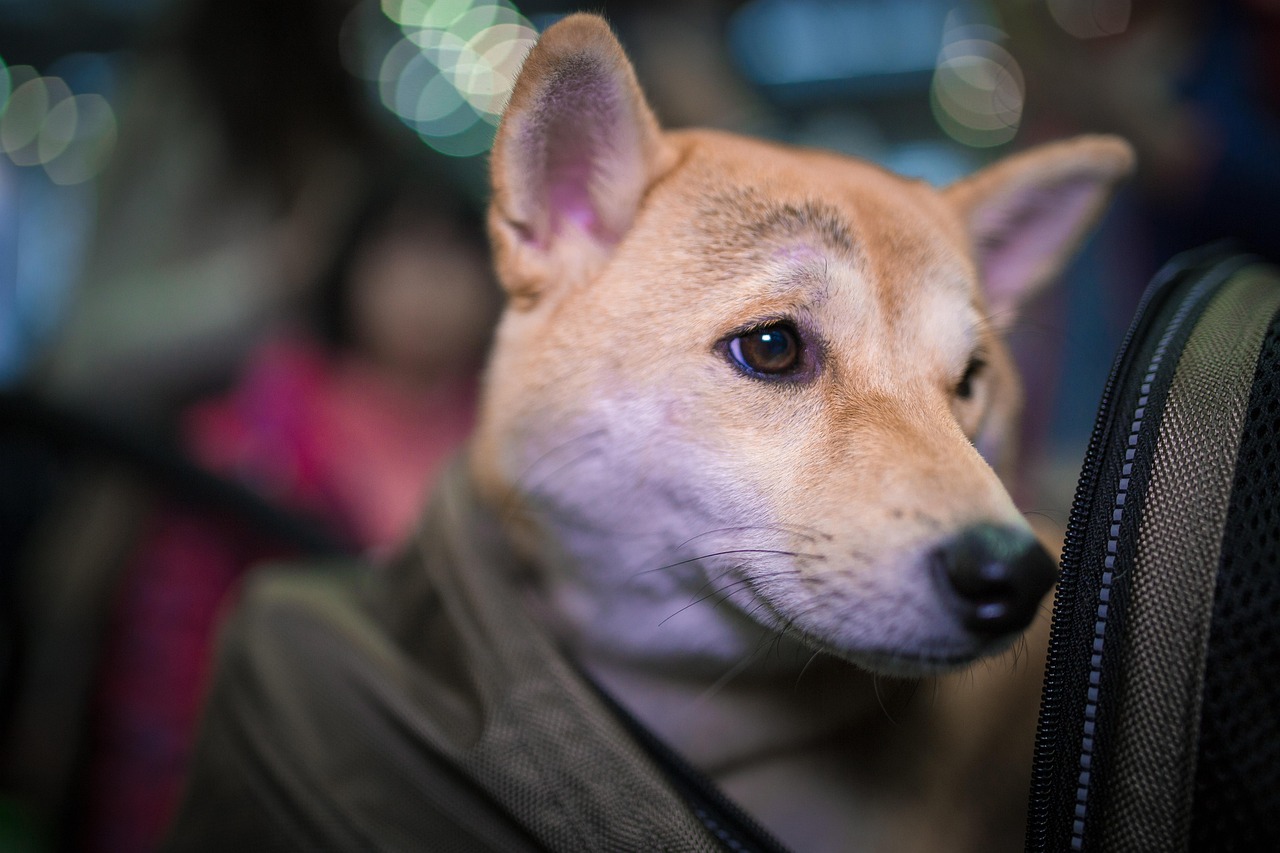
Check your dog’s posture inside the backpack. Your dog should sit or lie in a normal way. The backpack must support your dog’s whole body, including the back legs. Look for slumping or twisting. Your dog should breathe easily and settle calmly. If your dog tries to escape or won’t settle, the fit is wrong. You want your dog to feel safe and relaxed during travel. Good support stops slumping and keeps your dog safe. Watch for signs like panting, whining, or pawing at zippers. These show the backpack does not fit well or lacks support.
Tip: Always check your dog’s posture before each car ride. Supported posture means your dog feels safe and comfortable.
Car Fit Checks: Placement, Stability
Put the backpack in a stable spot in your car. The backpack should not slide or tip over. Pick a place that keeps your dog safe and secure. Look for dual zippers, reflective strips, and strong stitching. These features add safety and support. The backpack needs an inside safety tether. Attach the tether to your dog’s harness, not the collar. This stops strain and makes your dog more secure. The backpack should have strong, adjustable straps with padding. Make sure the backpack holds your dog’s weight and is rated for at least five pounds more. Breathable, washable materials help with airflow and cleaning. Easy entry lets you load your dog without lifting too high. If your dog is older or needs extra help, pick a backpack made for more support.
- Put the backpack on a flat surface.
- Use seat belts to secure the backpack if you can.
- Check stability before you start your car ride.
- Make sure ventilation panels are open and clear.
Checklist Table: Item, Pass, Fail, Note
| Check Item | Pass Mark | Fail Mark | Notes |
|---|---|---|---|
| Posture Support | Dog sits/lies naturally | Slumping/twisting | Dog’s body fully supported; hind legs not dangling |
| Stability | Backpack stays upright | Slides/tips over | Place on flat surface; secure with seat belt if possible |
| Ventilation | Panels open, airflow | Panels blocked, stuffy | Ventilation supports airflow, not cooling; check for odor or heat discomfort |
| Closure Security | Zippers closed, no gaps | Zippers open, gaps | Dog cannot paw open zippers; check for escape attempts |
| Tether Instructions | Tether on harness | Tether on collar | Attach internal tether to harness for safety and security |
| Car Placement | Flat, stable location | Uneven, unstable spot | Avoid placing backpack where it can fall or shift during travel |
| Cleaning/Drying | Easy to wipe, dries well | Residue, slow drying | Seams may trap residue; set realistic cleaning expectations |
| Pocket Deformation | Pockets hold shape | Pockets sag, deform | Check pockets for quality and support |
| Warning Signs | Dog settles, calm | Escape, discomfort cues | Watch for repeated escape attempts, refusal to settle, slumping, twisting |
Note: Stop your car ride if you see warning signs like escape attempts, refusal to settle, slumping, twisting, or discomfort cues. These signs mean the backpack does not fit your dog or lacks proper support and security.
Check each item before every car ride. This checklist helps you find problems early and keeps your dog safe. Good airflow and stable placement make your dog comfortable. Secure closures and correct tether use stop accidents. Cleaning and drying checks help you keep the backpack fresh and reduce odor. Pocket sagging shows poor quality or weak support. Always watch for warning signs and adjust the backpack if needed.
Cleaning and Ventilation
Material Choices: Easy Clean, Drying, Seams
Pick a backpack that is easy to spot clean and dries fast. Removable liners help keep the backpack fresh after car rides and outdoor use. Thick padding can hold moisture and dry slowly, so look for materials that wipe clean and air dry quickly. Pay attention to seams and corners where dirt collects, and follow the care label for washing.
- Clean the backpack often so your dog stays comfortable.
- Use liners that are easy to clean and let them dry all the way.
- Replace any item inside if it gets wet or smells bad.
Ventilation Limits: Airflow, Not Cooling
Tip: Ventilation supports airflow, not active cooling. Avoid leaving your dog in a hot car, and watch for panting or restlessness as early warning signs.
Ventilation helps your dog breathe and feel good. Dogs cool off by panting, so airflow matters. Bad ventilation can make your dog uncomfortable or cause breathing problems, especially in warm cars. Ventilation lets air move but does not make the backpack cooler than your car.
Quick expectations checklist
| Feature | Description |
|---|---|
| Best Fit | Pick a backpack that fits your dog’s size and needs. |
| Car Use | Made for comfort and containment during car rides. |
| Ventilation | Airflow panels help your dog feel good but don’t cool the backpack. |
| Cleaning | Spot clean most parts; deep cleaning is not needed often. |
| Drying | Fast-dry materials help stop smells and make cleaning quicker. |
| Padding | Thick padding traps water and dries slowly, so avoid it. |
| Seams | Seams can trap dirt; wipe them for best results. |
| Closure Security | Strong zippers and closures stop escape attempts. |
| Washable Liners | Removable liners make cleaning simple and keep things hygienic. |
| Stop Signs | Look for slumping, escape tries, or signs your dog feels bad. |
| Color Choice | Light colors show dirt; dark colors hide marks. |
| Notes | Check fit, handling, and cleaning needs before you commit to longer trips. |
Mistakes, Troubleshooting, and FAQs
Mistakes Table: Causes and Solutions
Mistakes with a dog carrier backpack can make your dog uncomfortable or unsafe. You can stop most problems by checking fit, closures, and storage before every trip. Use this table to find common mistakes and learn how to fix them.
| Mistake | Cause | Solution |
|---|---|---|
| Wrong size backpack | Ignoring dog’s measurements | Measure dog’s length, height, and chest for best fit |
| Overloading storage | Adding too many items | Limit storage to essentials for airflow and capacity |
| Poor closure safety | Not checking zippers or buckles | Inspect closures before each use |
| Using collar for tether | Attaching tether to collar | Always use a harness for tether attachment |
| Ignoring ventilation | Blocking mesh panels with storage | Keep ventilation panels clear for airflow |
| Skipping cleaning | Not cleaning after use | Wipe backpack and remove liners after each trip |
| Using for unsuitable breeds | Not checking breed needs | Confirm backpack functionality for your dog’s breed |
| Ignoring stop signs | Overlooking discomfort cues | Watch for slumping, escape attempts, or whining |
Troubleshooting Table: Issues and Fixes
If you see problems with your dog carrier backpack, you can fix them fast. Use this table to help your backpack last longer and work better.
| Common Issues | Fixes |
|---|---|
| Overloading the carrier | Avoid adding extra items that compromise space and airflow |
| Ignoring temperature | Limit direct sun exposure and monitor your dog’s panting |
| Using for unsuitable breeds | Ensure the carrier is appropriate for your dog’s breed to prevent breathing issues |
| Skipping breaks | Take regular rest stops during prolonged use |
| Storage pockets sagging | Remove heavy items and check pocket stitching for durability |
| Backpack tips over in car | Place on flat surface and secure with seat belt |
| Dog resists entering | Place treats or toys inside and allow your dog to explore |
| Poor ventilation | Open all mesh panels and avoid blocking with storage |
FAQ
- What is the best dog carrier backpack? A good backpack matches your dog’s measurements, supports posture, and keeps closures secure.
- How should your dog sit inside the backpack? Your dog should sit or lie naturally without slumping, twisting, or dangling legs.
- Harness or collar for the tether? Use a harness to reduce strain and improve control.
- What ventilation features matter? Multi-side mesh panels help airflow; keep panels unblocked by storage.
- How do you clean the backpack? Remove pads/liners, wipe surfaces, and dry fully before storing.
- What are warning signs to stop and adjust? Repeated escape attempts, refusal to settle, heavy panting, or obvious discomfort.
- Can you use a backpack for a bike ride or short hike? Yes, if fit is stable and your dog stays calm, supported, and well ventilated.
- How do you quick-test functionality? Do a short at-home trial: load/unload, check zippers, check posture, and walk a few minutes.
You want the right backpack for your dog. Check that the backpack supports your dog’s posture and keeps your dog from slumping. Pick a backpack with adjustable features and a strong base. Use the checklist to match the backpack to your dog and avoid common issues. Always double-check fit and cleaning before you buy.






