
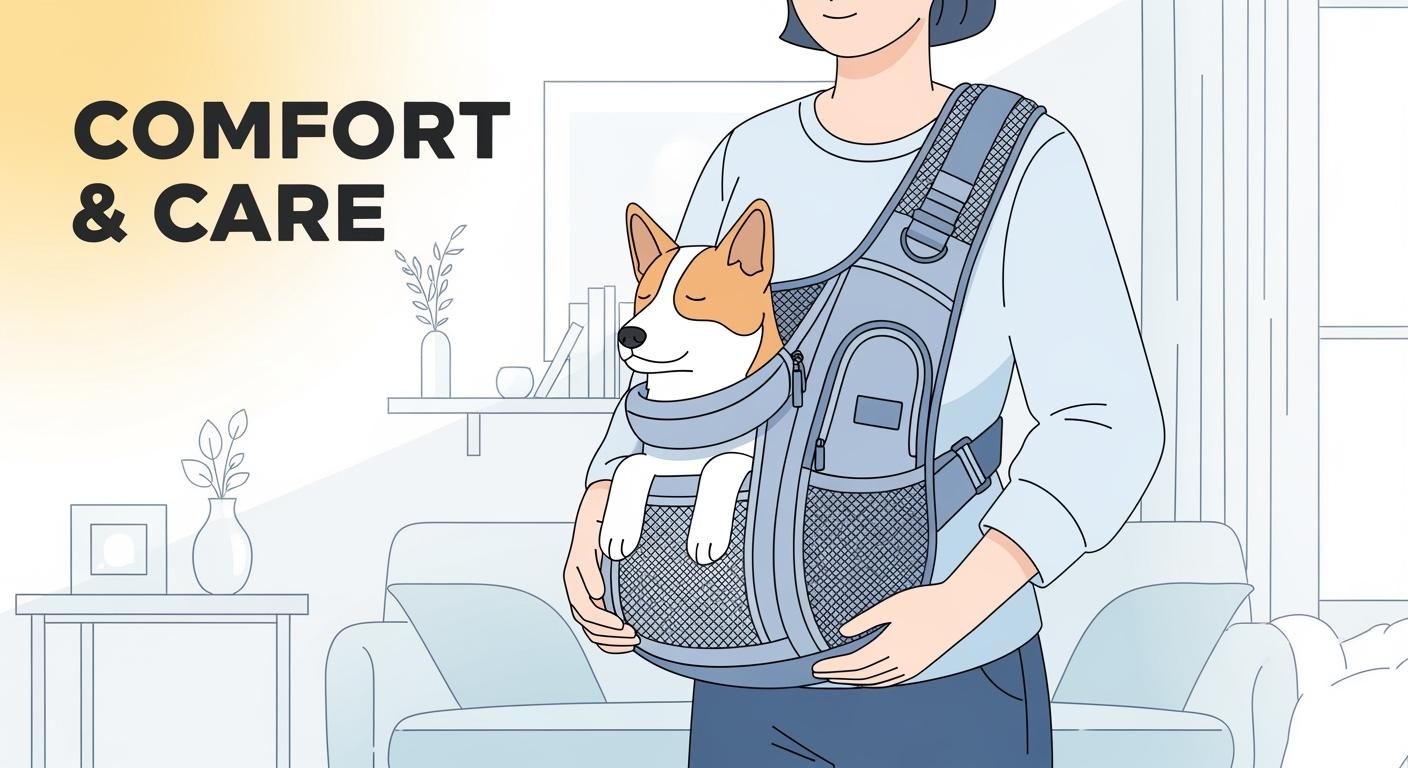
Pet sling carriers for dogs can be a smart choice for quick outings when the fit and structure are right. If your dog slumps, swings, or the sling starts to smell fast, the carrier is usually missing a stable base, upright support, or easy-clean materials. This guide shows what to check before you buy, how to adjust for a safer ride, and how to keep the carrier fresh between uses.
Key takeaways
- Choose a pet sling carrier that fits your dog’s size and posture. A good fit keeps your dog safe and comfortable.
- Look for features like internal support and a stable base. These prevent slumping and swinging, making rides more enjoyable.
- Select easy-clean materials to save time and keep your pet healthy. Regular cleaning helps avoid odors and mess.
Pet Sling Carriers for Dogs: When They Work Best
Short Carry vs Long Carry
You need a dog carrier sling that fits your life. Dog carrier slings are best for short trips. Use them for quick errands or short walks. They are good for moving your pet from the car to a building. Dog carrier slings let you reach your dog easily. They also keep your dog close to you. For long trips or vet visits, you need a structured dog carrier. These give more support and comfort. Do not use a dog carrier sling for long times.
Comfort and Common Complaints
Comfort is important for you and your dog. Many people see slumping or swinging with a dog carrier sling. Some dogs feel uncomfortable in them. The right design can stop these problems. Look for features like internal support to keep your dog upright. A stable base stops the carrier from shifting. A good design lets your shoulder move easily. These features help your dog feel safe. They also lower complaints.
| Feature | Benefit | Reason to Prevent Issues |
|---|---|---|
| Internal Support | Keeps dog sitting up | Stops discomfort and refusal to ride |
| Base Stability | Makes the carrier steady | Prevents spinal stress and shifting |
| Shoulder Freedom | Lets you move your arm | Stops sore spots and early refusal |
| Load Transfer | Less swing or bounce | Makes you more comfortable and in control |
Use-Case Table: Scenarios and Trade-Offs
| Scenario | Best Sling Direction | Trade-Offs | Buyer Notes |
|---|---|---|---|
| Quick Outings | Front-facing | Dog has less privacy | Good for errands and short stops |
| Crowded Sidewalks | Side-carry | Can bump into things | Keeps your pet close and easy to see |
| Warm Indoor Environments | Open-top | Pet gets less warmth | Pick materials that let air flow |
| Travel Transitions | Crossbody | Not for long waits | Easy to put on and take off |
| Anxious Dogs | Deep pouch | Harder to check on pet | Gives extra security |
| Easy Cleaning Priority | Removable liner | Needs more washing | Cuts down on odor and cleaning problems |
Tip: Pick a dog carrier sling that fits how you use it most. This helps you avoid common problems and keeps your pet happy.
Dog Carrier Sling Fit and Stability Checks
Supported Posture Defined
You want your dog to feel safe and comfy in a dog carrier sling. Fit is not just about space. A good fit helps your dog’s body stay in the right position. The carrier should keep your pet sitting up straight. Your dog should not slump or twist. When you use a dog carrier sling, your pet’s back and chest need gentle support. This stops stress on the spine and sore spots. Experts say slings are best for short times. Do not use them for long walks or running. The right fit keeps your dog calm and stops escape tries.
- A steady carrier keeps your dog from moving or falling.
- Good posture support stops pain and tired muscles.
- Even weight helps your pet feel safe and happy.
- Being close in a sling can calm nervous or older dogs.
Tip: Slings work best for short carries. If your dog needs more structure, consider a more supportive carrier style for longer waits or longer walks.
Dog Checks: Posture, Pressure, Openings
Check your dog’s position every time you use a dog carrier sling. Your pet should sit up, with legs tucked in a normal way. Watch for slumping or twisting. If your dog tries to get out or will not settle, the fit is wrong. Make sure the carrier does not press too hard on the chest or belly. Openings should fit close but not squeeze. Your dog’s head should stay above the edge so it can breathe. Always clip the inside tether to a harness, not a collar. This keeps your pet safe and stops choking.
- Look for sore spots on your dog’s body.
- Check that the carrier does not squeeze the chest.
- Make sure your pet cannot slip out of the openings.
- Watch for escape tries or signs your dog is not happy.
Handler Checks: Straps, Balance, Swing
You need to feel good when you carry your pet. Change the straps so the dog carrier sling sits high and close to you. The shoulder strap should not hurt your skin. A chest strap helps stop the carrier from swinging as you walk. Balance is important. If the carrier tips or bounces, your dog may feel scared. Press on the bottom to test if it is strong. It should not sink in. Check the handles. They must connect to the bottom, not just the fabric. This keeps your pet safe and stops drops.
- Change the strap length to fit your height.
- Use a chest strap to stop swing and bounce.
- Make sure the carrier stays even, even with full pockets.
- Test all zippers and clips to see if they are strong.
Buyer Checklist Table
| Check Area | What to Verify | Why it matters | What it should feel like |
|---|---|---|---|
| Posture Support | Firm, non-flexible base; upright seating | Stops slumping, supports spine | Dog stays upright without slumping. |
| Strap Comfort & Swing | Adjustable shoulder strap; chest stabilizer | Reduces swing, prevents sore spots | Carrier feels steady with less bounce. |
| Opening Control | Snug but not tight; head above edge | Prevents escapes, allows easy breathing | Head stays above the edge; openings feel secure. |
| Ventilation Layout | Double-layer mesh panels, secure stitching | Stops overheating, prevents tears | Air flows through panels; stitching looks reinforced. |
| Liner/Seam Residue Risk | Removable liner, minimal seams, quick-dry fabric | Eases cleaning, prevents odor buildup | Liner comes out; fabric dries quickly. |
| Cleaning & Drying | Machine-washable parts, fast-drying materials | Reduces cleaning effort, avoids odor | Parts can be washed; dries without staying damp. |
| Edging/Snags | Smooth, reinforced edges | Prevents snags and skin irritation | Edges feel smooth; no rough seams rubbing. |
| Pocket Volume/Balance | Even pocket placement, not overloaded | Keeps carrier balanced, avoids tipping | Pockets don’t tip the sling when loaded. |
| Warning: Poor Fit/Pressure | Watch for escape attempts, slumping, twisting, or discomfort cues | Alerts to unsafe fit, reduces injury risk | If slumping or stress shows, pause and re-check fit. |
| Tether Usage | Attach internal tether to harness, not collar | Prevents choking, keeps pet secure | Tether clips to a harness, not a collar. |
Tip: Always measure your pet and the carrier yourself. Do not just trust the product info. This helps you avoid problems and keeps your dog safe.
Dog Carriers: Materials and Easy Cleaning

Material Choices: Breathability vs Structure
You want dog carriers that let air in and give support. A good dog carrier sling made from a cotton-blend keeps your pet cool. Mesh panels help air move through the carrier. This stops your dog from getting too hot. Some carriers use nylon, but nylon holds water and dries slowly. This can cause bad smells and germs. Waterproof carriers keep water out. They dry fast and stay fresh longer. When picking a dog carrier sling, look for strong sides. These sides help your dog stay safe and keep their shape.
Where Mess Collects
Dog carriers often get dirty in seams, liners, and corners. Food crumbs, fur, and dirt hide in these places. If the liner cannot come out, cleaning is harder. Fast-drying liners help keep the carrier fresh. Mesh pockets and open designs let you see messes. You should empty the carrier and check for damage before cleaning. Use a vacuum to get rid of fur and dirt. Clean stains with baking soda paste. Wipe the carrier with a damp cloth. Always let the carrier dry in a place with good air.
Practical expectations before you buy
- Pick the right size for your dog’s length and posture, not just weight.
- Upright support keeps your pet safe and comfortable.
- Stable carriers stop tipping and swinging.
- Mesh panels let air in but do not make it cooler than the room.
- Removable liners make cleaning fast and easy.
- Waterproof materials dry quickly and stop bad smells.
- Padding makes carriers comfy but slows drying.
- Do not overfill pockets so air can move.
- Watch for escape tries or signs your dog is not happy.
- Stop using the carrier if your dog looks stressed or slumps.
- Machine-washable parts save time and work.
- Always check zippers and buckles after cleaning to keep your pet safe.
Dog Carrier Sling Mistakes and Troubleshooting
Common Mistakes and Quick Fixes
You want your pet to feel safe in a carrier. Many people make easy mistakes. These mistakes cause returns or complaints. You might pick the wrong size. You may not check how the carrier fits. Sometimes, you forget to fix the straps. You might not follow cleaning steps. These mistakes can make your dog uncomfortable. They also make cleaning harder. Use this list to help you avoid mistakes:
- Pick the right size for your dog’s length and weight.
- Check if the padding and straps feel good.
- Adjust straps so the carrier fits snug and balanced.
- Try the carrier with your pet before long trips.
- Follow cleaning steps to keep the carrier fresh.
Tip: Always watch your pet’s body. If your dog looks upset, stop and check the carrier.
Troubleshooting Table: Issues and Solutions
| Problem | Likely Cause | Immediate Fix | Prevention Tip |
|---|---|---|---|
| Slumping | Poor posture support | Put a firm towel under your dog | Pick a carrier with a steady base |
| Strap Swing | Loose or unbalanced straps | Tighten and fix straps | Use carriers with chest straps |
| Escape Attempts | Openings too wide | Close all zippers and tethers | Choose snug openings and use harness |
| Indoor Discomfort | Overheating or bad airflow | Move to a cooler place | Pick carriers with mesh panels |
| Odor | Slow drying or trapped mess | Take out liner and air dry | Use fast-dry, washable materials |
| Poor Fit | Wrong size or shape | Try a new fit or another carrier | Measure your dog before buying |
| Cleaning Trouble | Fixed liner or many seams | Spot clean and air out | Pick carriers with removable liners |
FAQ Block for Buyers
| Question | Answer |
|---|---|
| Can I use a dog sling for air travel? | Most slings do not meet airline rules. Use only hard, airline-approved carriers for flights. |
| Are dog slings safe for puppies? | Only if you support the puppy’s whole body. Do not use loose or soft-bottom slings. Use for short times only. |
| How do I clean a dog carrier versus a sling? | Many carriers have liners you can wash in a machine. Wipe hard carriers with pet-safe cleaner. Always air dry to keep shape and stretch. |
When you choose a pet sling carrier, focus on features that keep your pet safe and comfortable. The right design prevents dog slumping, swinging, and odor. Use this table to guide your decision:
| Feature | Benefit |
|---|---|
| Hands-Free Design | Lets you carry your pet and move easily |
| Soft & Breathable Fabric | Keeps your pet cool and gentle on fur |
| Built-In Safety Lock | Stops your dog from slipping or jumping out |
| Convenient Front Pocket | Holds treats and pet essentials |
| Easy to Clean | Makes cleanup simple and fast |
Check these tips before you buy:
- Measure your dog for a secure fit.
- Pick a pet sling with strong support.
- Choose easy-clean materials for your pet’s health.
- Watch your dog for comfort and safety cues.
You can use the tables and tips above to make smart choices. The right pet sling carrier helps every outing feel safe and enjoyable for you and your dog.
FAQ
How do you check if a sling fits your dog?
Measure your dog’s length and chest. The sling should support your pet’s body without extra space. Your dog must sit upright.
What helps prevent slumping in a carrier sling?
A firm base and upright support keep your dog from slumping. Adjust the sling so your pet’s back stays straight.
How can you reduce swing while carrying?
- Use a chest strap.
- Adjust the shoulder strap for snug fit.
- Keep pockets balanced.
What ventilation features should you look for?
Mesh panels let air flow. Double-layer mesh stops overheating. Your dog stays comfortable in warm environments.
How do you clean a sling carrier quickly?
Remove the liner. Machine wash if possible. Air dry in a well-ventilated area. Check seams for trapped dirt.
How do you introduce your dog to a sling gently?
Place treats inside the sling. Let your dog explore. Use calm praise. Start with short sessions.
Which dogs should not use sling carriers?
Dogs with joint pain, breathing issues, or large size may not feel comfortable. Choose structured carriers for these pets.
What should you ask before buying a sling carrier?
- Does the sling support upright posture?
- Is the liner removable?
- Are straps adjustable?
What do you do if your dog feels restless in the sling?
Take your dog out. Check for discomfort or poor fit. Try again with gentle encouragement. Watch for escape attempts.
When should you choose another carrier type?
If your dog needs long-term support, more structure, or has medical needs, pick a hard-sided or backpack carrier.






