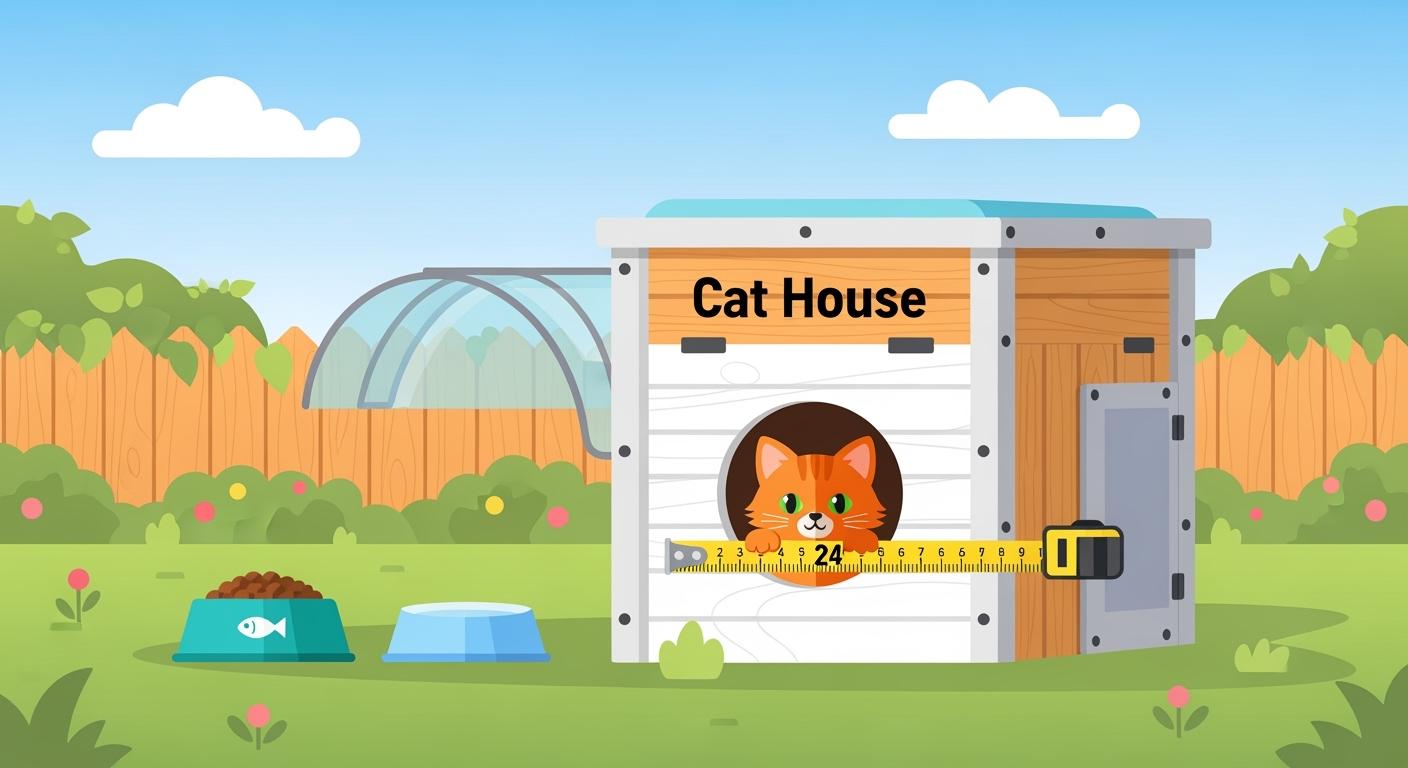
Choosing an outdoor cat house starts with size, but the right fit also depends on materials, insulation, weather protection, cleaning access, entry design, and where the shelter will be placed. This guide helps you compare outdoor cat house options for one cat or multiple cats, avoid oversized shelters that lose warmth, and choose features that hold up better in real outdoor use.
Key Takeaways
- Choose an outdoor cat house size that fits the number of cats without leaving too much empty space, because oversized shelters lose warmth faster.
- Compare materials, insulation, raised floors, sealed seams, and entry design before choosing a shelter for rain, wind, cold, or damp ground.
- Look for cleaning access, dry bedding, stable placement, and simple maintenance features so the cat house stays usable after real outdoor weather.
Outdoor cat house basics and buying factors
What is an outdoor cat house
An outdoor cat house is a weather-resistant structure that gives cats a safe place outside. You use it to protect cats from cold, rain, and wind. This type of shelter works best for temporary or seasonal use. It helps cats stay warm by keeping the inside temperature higher than the outside. You do not use an outdoor cat house as a permanent indoor home. You can use it for owned outdoor cats, barn cats, or community cats that need protection.
An outdoor cat house shields cats from harsh weather.
It supports thermal regulation, so cats stay comfortable.
It is not a replacement for indoor living.
Key use cases: owned, barn, and community cats
You need to match the shelter to your use case. Owned outdoor cats may need a small, insulated cat enclosure near your house. Barn cats often use larger, multi-cat shelters in outbuildings. Community cats benefit from weatherproof cat enclosures placed in safe, hidden spots. Each group needs different features for safety and comfort. Think about how many cats will use the enclosure and how much outdoor access they have.
Weather-ready features to look for
You want an outdoor cat house with strong weather-ready features. Look for insulation that keeps warmth inside. Choose an entrance about 6 inches wide for easy access and wind protection. Pick a shelter with a raised floor to prevent flooding. Use dry straw for bedding, not hay or fabric, to keep moisture out. Make sure the enclosure has a removable roof or panel for cleaning. The table below shows important features:
Feature | Description |
|---|---|
Entrance diameter | 6 inches × 6 inches for access and weather protection. |
Interior volume | 18-20 gallons fits 1-3 cats and keeps warmth in. |
Insulation R-value | Rigid foam board works well; aim for R-4 or higher in cold climates. |
Bedding type | Loose, dry straw insulates and stays dry. |
Core buying factors: size, insulation, cleaning
You should focus on four main buying factors when choosing an outdoor cat house for real outdoor use:
Size: Pick a shelter that fits the number of cats but does not waste space. Too much room can make it hard to keep warm.
Insulation: Good insulation keeps cats safe in winter. In humid or snowy areas, look for vapor-barrier lining.
Cleaning: Choose an enclosure with a removable roof or panel. This makes it easy to change straw and keep the shelter dry.
Elevation: Raise the cat enclosure 3-5 inches off the ground. This prevents water from getting inside.
A well-chosen outdoor cat house or catio supports environmental enrichment and safety. You give cats a secure, comfortable place for outdoor access all year.
Types and materials: foldable, plastic, and diy outdoor cat enclosures
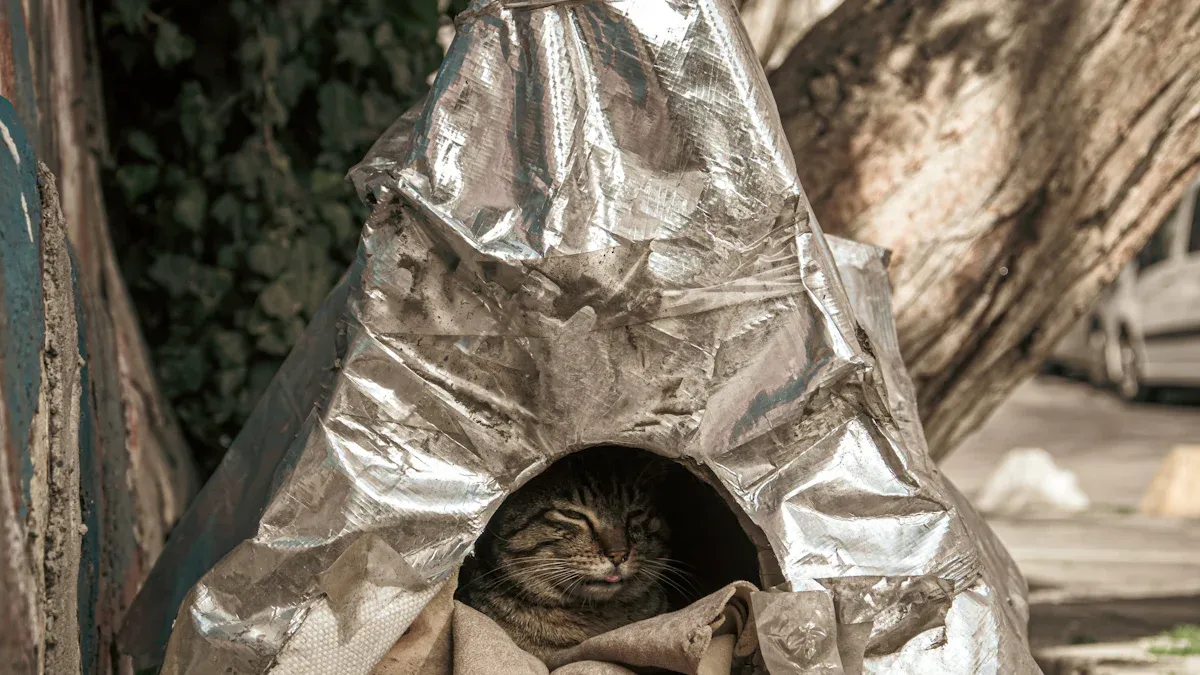
Foldable cat house and plastic cat house options
There are many foldable cat house and plastic cat house choices. These shelters are good for short trips or as backups. Foldable cat houses come in dome-style, soft carrier hybrids, tent-style, and foldable pads. Each one is made for a different use. The table below shows how much they cost, how long they last, and what they are best for:
Model Type | Avg. Price | Lifespan Estimate | Best For |
|---|---|---|---|
Dome-Style | $20 | 1-2 years | Occasional use, small cats |
Soft Carrier Hybrid | $75 | 3+ years | Travel, vet visits |
Tent-Style | $50 | 2-3 years | Outdoor patios, foster care |
Foldable Pad | $18 | 1 year | Hiking, emergency kits |

A foldable cat house is easy to move and store. A plastic cat house is strong against weather and simple to clean. Plastic cat houses are good for outdoor cats in places with mild weather. They do not fade or crack in the sun. You should add more bedding if it is cold outside. Foldable cat houses do not keep heat well, so use them for travel or emergencies. For long-term use, pick the best foldable cat house or best plastic cat house with extra insulation.
Plastic cat house shelters are light and easy to care for. They work well in rain and sun but need more bedding in winter.
Foldable cat house options are simple to carry and set up. They do not keep cats warm or safe from wind for a long time.
Wood, foam, and insulated shelter types
You can choose wood, foam, or insulated shelters for permanent outdoor homes. Each material has good and bad points. The tables below help you compare:
Material | Advantages | Disadvantages |
|---|---|---|
Wood | Durable, provides good insulation | Needs maintenance, can attract wildlife |
Foam | Lightweight, easy to clean | Less durable, may not insulate as well |
Insulated | Reduces heat loss, lowers stress | Needs seasonal care, location matters |
Material | Advantages | Disadvantages |
|---|---|---|
Wood | Reduces cold stress, supports stability | Needs regular cleaning, may attract wildlife |
Foam | Lightweight, easy to move | Less effective in extreme weather |
Insulated | Provides consistent warmth, protects from damp | Needs proper placement to be effective |
Wood shelters have strong walls and keep cats warm. You must clean them often and check for bugs. Foam shelters are light and easy to move. They work best when the weather is not too harsh. Insulated plastic houses keep cats warm and dry. Put them in a dry spot away from wind. Well-insulated shelters can last over five years outside. Shelters without insulation may not last two winters.
Catio and diy outdoor cat enclosure ideas
A catio lets cats enjoy the outdoors safely. You can attach a window catio to your house or build a bigger diy outdoor cat enclosure in your yard. Use ½” or ¼” galvanized hardware cloth for the walls. This keeps cats inside and other animals out. Make sure ground units are anchored well. Use concrete footings or buried skids for stability. Build the roof with a slope so water runs off. Add shelves and ramps for cats to play and rest. Make the entry low so cats can get in easily.
A diy outdoor cat enclosure lets you pick the size and features. You can add weather panels or shade cloth for more comfort. Check the structure after storms or heavy snow. A catio is great for owned cats who want fresh air but need to stay safe.
Bedding and moisture control tips
You need good bedding to keep cats warm and dry. Straw is best for outdoor shelters. It keeps heat, stays dry, and controls smell. Do not use blankets or towels. They get wet and make cats cold. Shredded newspaper and pet-safe cedar shavings are also good. Always raise the shelter off the ground and use straw bedding for best results.
Straw bedding is natural, soft, and keeps cats warm and dry.
Straw absorbs moisture and controls odor.
Blankets and towels are not good for outdoor shelters.
Tip: Check bedding often and change it if it gets wet or dirty. Dry bedding stops sickness and keeps cats comfortable.
Cat house type comparison table
Cat House Type | Best Use | Pros & Cons | Checkpoints |
|---|---|---|---|
Insulated box | Cold climates, single/multi-cat | Keeps heat, easy to move; may need extra cleaning | Check insulation, bedding dry |
Wooden insulated | Barns, long-term setups | Durable, stable; needs maintenance, can attract wildlife | Inspect for pests, clean often |
Elevated | Wet/snowy areas | Prevents flooding, better airflow; may be harder to access | Check base height, level surface |
Multi-cat setup | Colonies, barns | Fits more cats, social; harder to keep warm if too large | Size for group, add more bedding |
Easy-clean top-opening | Frequent cleaning needed | Simple to clean, swap bedding; may lose heat if not sealed | Lid fits tight, easy to open |
Materials and structure table
Feature | Importance | Good Performance | Cautions |
|---|---|---|---|
Shell material | Weather protection | Plastic, wood, foam | Avoid thin or cracked shells |
Insulation | Heat retention | Foam board, double walls | Check for gaps, replace if wet |
Bedding | Warmth, dryness | Straw, cedar shavings | No blankets, no hay |
Roof/seams | Leak prevention | Sloped roof, sealed seams | Watch for leaks, repair damage |
Entry design | Safety, access | 6-inch opening, wind block | Not too large, not too low |
Base/height | Flood protection | Raised 3-5 inches | Level, stable base |
Cleaning access | Hygiene | Removable lid, top-opening | Lid must fit tight, easy to use |
Use these tables to compare shelters and pick the best one for your cats. Focus on safety, warmth, and easy cleaning. The right materials and design help cats stay healthy and comfortable outside.
Sizing and placement for comfort and safety
Sizing for heat retention and cat comfort
The right outdoor cat house size should give cats enough room to turn and rest, but not so much empty space that the shelter loses warmth in cold or windy conditions. The right size helps cats retain body heat and reduces drafts. If you choose a shelter that is too large, cats may lose warmth quickly. If you pick one that is too small, cats may feel cramped and stressed. For a single cat, a shelter with an interior space similar to a 30-gallon bin works well. For a group of cats, a shelter around 2 feet by 3 feet by 18 inches provides enough room for up to seven cats. This size supports both heat retention and movement.
Shelter size also affects enrichment. A well-sized space allows cats to stretch, turn, and rest. You can add straw bedding for warmth and comfort. Straw does not hold moisture, so it keeps the shelter dry. In winter, a snug fit helps cats share body heat. You should avoid shelters with too much empty space, as they do not support warmth or enrichment.
Single vs multi-cat shelter sizing
You need to match the shelter size to the number of cats. For one adult cat, provide about 324 square inches of floor space. This gives enough room for resting and turning. For multi-cat shelters, increase the space but keep it cozy. A shelter that is 2 feet by 3 feet by 18 inches can fit up to seven cats. This size supports group enrichment and social behavior.
Single-cat shelters are easier to keep warm in winter. Multi-cat shelters need more bedding and careful placement to prevent heat loss. You should check that each cat has enough space for enrichment activities like stretching and grooming. Overcrowding can cause stress, while too much space can make it hard to stay warm. Always use dry straw for bedding to support both comfort and enrichment.
Entry design and placement tips
The entry design of your outdoor cat house matters for safety and warmth. A round entrance about 6 inches in diameter works best. Place the entry 1 to 2 inches below the lid or roof seam. This position helps block wind and keeps rain out. In areas with high risk, you can add a second entrance for escape. Two baffled entrances reduce wind and improve safety.
Elevate the shelter 2 to 4 inches off the ground. This prevents moisture from getting inside and keeps the bedding dry. Face the entry away from the wind. Place the shelter near a wall or under a roof for extra protection. Good entry design supports enrichment by making it easy for cats to enter and exit. It also keeps the shelter warmer in winter.
Tip: Check the entry after storms or snow. Make sure it stays clear and dry for easy access.
Fit and placement checklist
You can use this checklist to make sure your outdoor cat house fits well and stays safe. Review each checkpoint after installation and during seasonal changes.
Checkpoint | Pass | Fail | Fix |
|---|---|---|---|
Stays dry after rain | Move to higher ground or add cover | ||
Bedding dry/easy to change | Replace bedding, improve drainage | ||
Entry not wind-facing | Rotate shelter or add wind block | ||
Elevated/stable | Raise base, check for level surface | ||
Size warm/practical | Adjust size or add insulation | ||
Adequate airflow | Add vent or adjust entry placement |
You should check insulation quality. Aim for a minimum R-value of R-5 to keep the shelter warm in winter. Always use loose, dry straw for bedding. This supports both insulation and enrichment. Make sure the shelter is stable and does not tip over. Good placement and fit help cats feel safe and encourage enrichment behaviors like play and rest.
A well-placed outdoor cat house supports year-round enrichment, safety, and comfort. You give cats a secure space for winter and all seasons.
Mistakes, decision matrix, and maintenance tips
Common outdoor cat house mistakes
You should try not to make common mistakes when picking or setting up an outdoor cat house. These mistakes can make cats less safe and less warm. Cats might not want to use the shelter if it is not right.
If the house is too big and has no insulation, cats get cold.
Using towels or blankets for bedding keeps water in and makes cats chilly.
Putting the shelter on wet ground makes it damp and can cause mold.
If you do not think about where the door faces, wind and rain can get in.
A shelter that is hard to clean can get dirty fast.
Only using the shelter in winter means cats miss airflow and shade in other seasons.
Thin cardboard for insulation can break if it snows a lot.
Setting up a heater wrong can make the house too hot or even start a fire.
If you do not lift the house up, water can get inside.
Mistake | When it happens | Why | Better choice |
|---|---|---|---|
Oversizing without insulation | Cold weather | Loses heat quickly | Right size, add insulation |
Absorbent bedding | Rainy/humid conditions | Holds moisture | Use straw or shredded newspaper |
Placing on wet ground | Wet seasons | Wicks up water | Elevate on pavers or wood blocks |
Ignoring entry/wind | Windy sites | Entry faces wind/rain | Face entry away from wind |
Hard-to-clean design | All year | Difficult to clean | Removable lid or top-opening design |
Only winter use | Seasonal setups | Overheats in summer | Plan for airflow and shade |
Choosing for porches, yards, barns, and catio setups
You need to pick the right cat house for where you will put it and what your pet needs. Follow these steps to help you choose:
Measure the space on your porch or yard to make sure the shelter fits.
Check if you can anchor the shelter so it does not move, especially in barns or catio setups.
Watch where the sun and shade are during the day to keep your cat comfy.
Do not pick a big size if it is not safe. Think about weather and animals that might hurt your cat.
See if your cat likes the spot before you buy or set up the shelter.
A catio is good for cats who want to go outside but need to stay safe from other animals. In barns, use strong, insulated shelters for groups of cats. For yards, pick a shelter that keeps out rain and matches your yard.
Scenario | Priority Feature | Best Cat House Direction | Decision Rationale |
|---|---|---|---|
Porch cat | Access, security | Insulated, easy-clean, catio | Fits porch, protects from predators |
Managed community | Weatherproofing | Multi-cat, insulated | Handles group use, easy to maintain |
Wet climate | Elevation, bedding | Raised, straw bedding | Prevents dampness, keeps pet dry |
Cold climate | Insulation, size | Foam or wood, snug fit | Retains heat, supports pet comfort |
Multi-cat | Space, warmth | Large, insulated, catio | Allows group use, easy cleaning |
Easy-clean priority | Cleaning access | Top-opening, removable lid | Speeds up bedding changes |
Simple buyer decision matrix
You can use this chart to help you pick the best outdoor cat house for your pet or for community cats. Focus on the most important feature for your situation. For example, a catio lets your cat go outside safely and works well on porches or in yards. In wet places, raising the shelter and using straw bedding keeps your cat dry. In barns, pick a strong, insulated shelter that can handle bad weather and keep out other animals.
Maintenance and seasonal care
Taking care of the shelter helps keep your cat safe and healthy. Check the shelter after storms, snow, or heavy rain. Clean and air out the house every season. Change the bedding often so it does not smell or make your cat sick.
Season | Key Adjustments | Supplies Needed |
|---|---|---|
Spring | Clean, air out, light bedding | Mild cleaner, mats |
Summer | Shade, cooling, airflow | Cooling pads, water |
Fall | Thicker bedding, block wind | Blankets, sealant |
Winter | Insulation, heat, dry space | Foam panels, heaters |
Bedding Type | Replacement Frequency |
|---|---|
Straw | Every 4-6 weeks, or sooner if damp or soiled |
Fabric Bedding | Washed weekly; replace every 3-6 months |
Tip: Always look for signs of wild animals near your catio or shelter. Make sure all doors and windows are closed tight and the house is anchored well. This keeps your cat safe and helps them use the shelter more.
A clean and well-cared-for catio or outdoor cat house keeps your cat happy and safe all year.
When you pick the right size and material, cats stay safe. The shelter should fit your weather and what your cats need. Use checklists and tables to help you decide. Clean the shelter often and change the bedding for each season.
A good outdoor cat house keeps cats safe from bad weather and helps them feel less stressed.
Feature | Cat Well-Being Benefit |
|---|---|
Shelter from wind, rain, snow | Keeps cats safe and comfortable |
Raised design | Stops the shelter from getting wet and cold |
FAQ
How do you choose the right cat house size?
You should match the cat house size to the number of cats. A smaller cat shelter keeps one cat warm. A larger cat house fits more cats but needs more bedding.
What materials work best for an outdoor cat house?
You should pick a cat house with insulated walls. Foam, wood, or plastic help keep each cat warm and dry. Straw bedding keeps the cat shelter comfortable and safe.
Where should you place a cat house for safety?
You should place the cat house on raised ground. Keep the cat shelter away from wind. A safe spot helps each cat feel secure and use the cat house often.