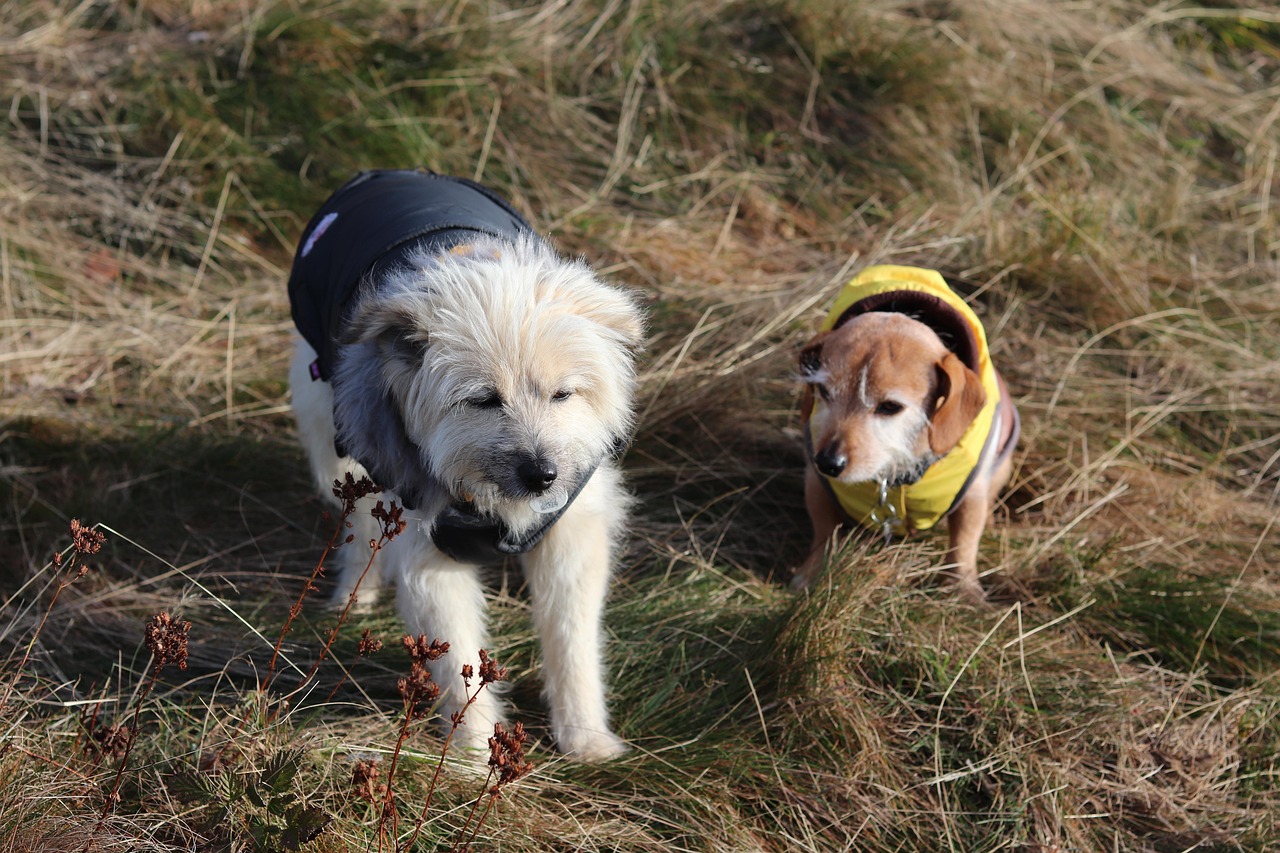
Reflective dog collars help only when outside light hits the reflective trim. That is why some collars seem useful on neighborhood roads but disappointing on very dark paths. Before you buy, start by deciding whether your walk usually has headlights, streetlights, porch lights, or a flashlight somewhere in the route.
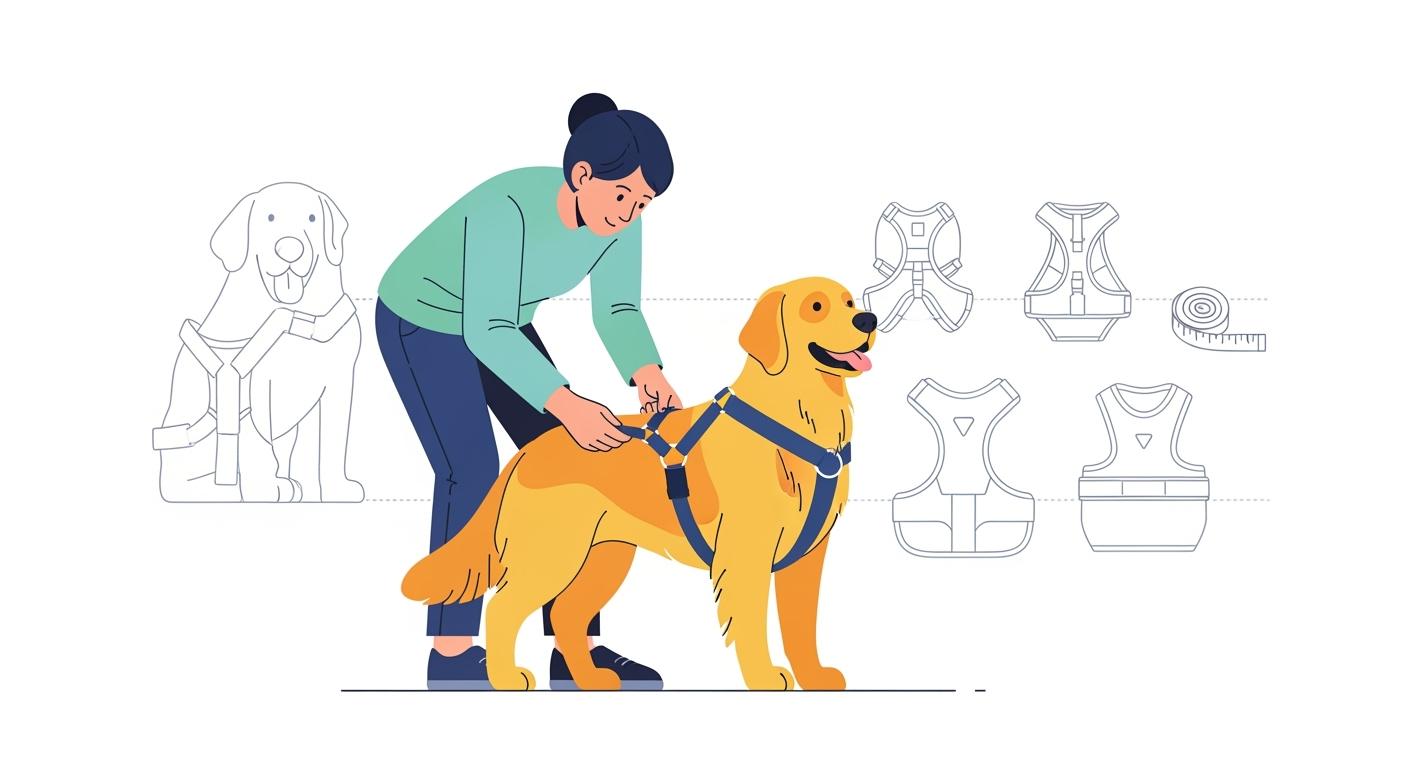
If you are still comparing your overall walking gear, review pet harnesses and leashes first. Then decide whether a reflective collar is enough for your dog, whether you need a light-up option, or whether neck pressure means you should move to a body-based setup instead.
When reflective dog collars are enough for low-light walks
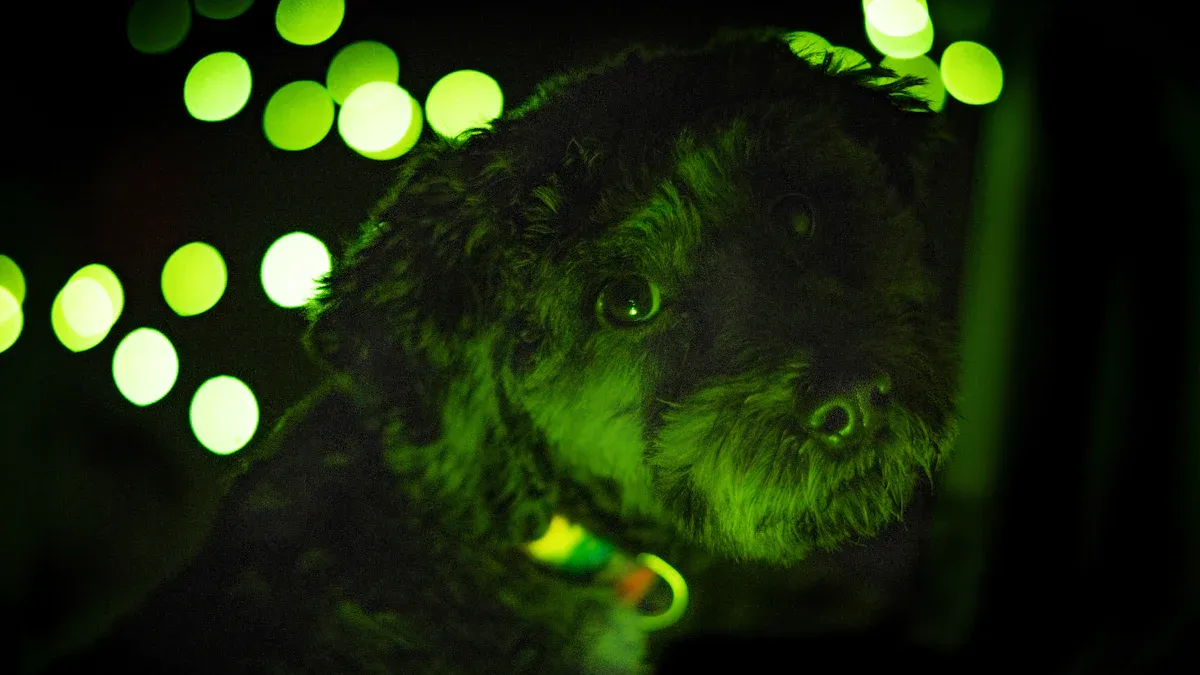
A reflective collar works best when your dog is likely to be seen under incoming light rather than in complete darkness. Short evening walks on residential streets, parking areas, or sidewalks with passing cars and house lights are the most typical match. In those conditions, reflective trim can help other people notice your dog earlier.
A reflective collar is a weaker choice when long parts of the route stay unlit. Trails, open fields, campsites, and poorly lit edges of parks often leave too much time before any outside light reaches the collar. In those places, the main problem is usually not poor product quality. It is that the gear type does not match the environment.
- Choose reflective when light regularly reaches your dog from cars, bikes, porch lights, or a handheld light.
- Choose light-up gear when long stretches stay dark before any outside light reaches the collar.
- Move away from collar-led walking when your dog pulls hard, backs out, coughs, or needs steadier control near traffic.
How to choose a reflective collar that still works on the dog, not just in the photo
Start with fit before you judge the reflective material. A collar that looks bright in a product photo but slides over the head, turns inward, or disappears under fur will not do the job well on a real walk.
Check the collar width, reflective coverage, and where the reflective area sits once the leash and tags are attached. Thin reflective stitching can help, but broader trim or more than one visible zone is easier to catch under moving light. Dogs with long or fluffy coats often need wider coverage because narrow reflective lines can disappear into the coat.
Material matters too. Smooth webbing or coated surfaces are easier to wipe clean after wet walks, while damp or dirty webbing can look dull faster and feel rougher against the neck over time. The best choice is the one that stays visible, sits securely, and does not become irritating after repeat use.
Treat thick fur as a visibility problem, not only a fit problem.
Use the two-finger rule to check everyday fit.
Make sure the collar does not slide over the head when gently lifted upward.
Watch whether the reflective area stays uncovered after tags and leash hardware are attached.
Do a two-minute visibility and comfort check before the first real walk
Before relying on a reflective collar outdoors, test it at home or just outside the door. Put the collar on, attach the leash, and shine a flashlight from more than one angle. Then let your dog stand, turn, sniff, and walk a few steps. What matters is not whether the trim looks bright on a still dog, but whether it stays visible once the dog moves naturally.
At the same time, check whether the walking setup feels calm and stable. If you need help comparing control, fit, and route choice for a broader walking and training setup, check that before relying on visibility alone to solve the whole problem.
- The collar stays centered instead of rotating under light leash tension.
- The reflective sections remain visible from more than one angle.
- Your dog can turn, sniff, and walk without coughing, freezing, or pawing at the neck.
- The route actually gives reflective material a chance to work.
When a reflective collar is not enough
Sometimes the right answer is not a different reflective collar. It is a different walking setup. If your dog is strong on leash, has a delicate neck, tends to back out under stress, or needs more control in traffic, visibility is only one part of the problem. In that case, a collar should not carry the whole job.
Move to a body-based option when neck pressure, handling, or escape risk is the bigger issue. For a practical next step, compare fit and daily-use checks in this dog training harness guide before the next walk.
You should also change direction when the route itself makes a reflective collar too weak. Very dark trails, camp areas, and open spaces often need light-up gear or additional visibility aids because reflective trim cannot help until outside light reaches it.
FAQ
Are reflective dog collars good for night walks?
They can work well for low-light walks when outside light regularly hits the reflective trim. They are a weaker choice for routes that stay dark for long stretches.
Do reflective dog collars glow on their own?
No. They reflect outside light. If there is almost no incoming light, the collar may look dull even when the reflective material is working as designed.
Do long-haired dogs get less benefit from reflective collars?
Often yes. Thick or fluffy coats can hide narrow reflective areas, especially from the side. Wider coverage or a different visibility solution may work better.
How tight should a reflective dog collar be?
You should be able to slide two fingers under it. The collar should stay secure without constant twisting or slipping over the head when the dog backs up.
When should I switch from a collar to a harness?
Switch when your dog pulls hard, coughs, gags, tries to back out, or needs steadier handling in busier places. Those are setup and pressure issues, not just visibility issues.