Confusing dog training leash names can make people send things back. This can cost more money and get bad reviews. It also means more work for support teams. If you call a long line a slip lead, buyers might buy the wrong leash. They might also get the wrong dog training equipment. This makes you and your customers feel upset. Clear names for each leash and hardware type help stop mistakes. It lowers errors and helps people trust you. Using the same words before adding new training products keeps your catalog safe. It also helps buyers feel sure about what they buy.
Key Takeaways
Always use the same words for dog leashes. This stops confusion and fewer people return items. Use simple names like standard leash, long line, and slip lead.
Show leash lengths in feet and meters. This makes it easy for buyers from different places to compare.
Do not use words that trick people in your listings. Words like escape-proof or guaranteed results can make people expect too much.
Teach your support team to use the same product names and words as your catalog. This helps customers trust you and makes service better.
Check and update your listings often to keep them clear and the same. This helps buyers feel sure about your products.
Dog Training Leash Terms and Product Types
Leash vs Lead: US and UK/EU Usage
First, pick one set of words for your catalog. In the United States, people say leash most of the time. In the UK and EU, people use lead instead. To make things clear, write leash (lead) at the start of your listing or guide. After that, just use leash for all your products and descriptions. This helps your team and buyers not get mixed up when looking for dog leash products. Your listings stay clear and always use the same words.
Note: OEM means making things the way the buyer wants and with their brand. ODM means the supplier has a design that the buyer can change and put their brand on.
Standard Leash, Long Line, Slip Lead: Definitions
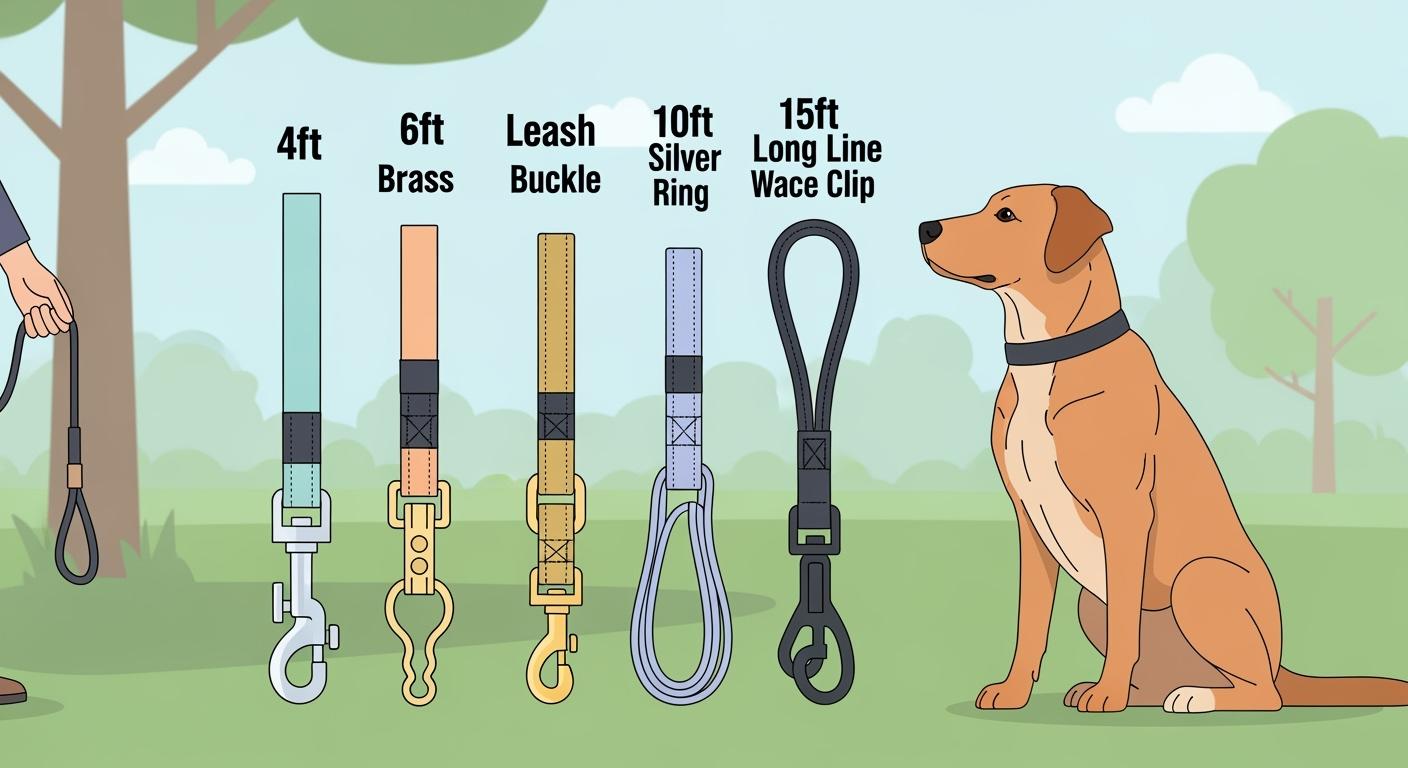
Next, split your dog leash catalog into three groups. Use these product type names for every listing and message.
Product Type | Definition | Typical Lengths (ft/m) | Main Use |
|---|---|---|---|
Standard leash | Short or medium leash for daily walks and basic training | 4-6 ft (1.2-1.8 m) | Walking, control |
Long line | Long leash for recall practice and distance training | 10-30 ft (3-9 m) | Recall, k9 training |
Slip lead | Collar and lead loop together for handling and supervised training | 4-6 ft (1.2-1.8 m) | Handling, k9 training |
Always use these three names: standard leash, long line, slip lead. This makes your dog leash catalog simple and easy to search. Buyers can find the right dog training equipment for what they need.
Ready-to-Paste Product Copy Lines
Standard Leash
Made for daily walks and basic training with your dog.
Gives strong and tough use for k9 handlers.
Has a bolt snap to clip to your dog’s collar.
Lets you hold it easily for better control.
Works for all dog sizes.
Simple to clean so it lasts longer.
Long Line
Helps with recall training and working at a distance with your k9.
Stays strong and tough for outdoor use.
Lets you practice commands safely while your dog is secure.
Has a swivel snap to stop tangling.
Great for trainers and k9 handlers.
Light design makes it easy to use.
Slip Lead
Puts collar and lead together for fast use in training.
Made for use by skilled handlers who watch their dogs.
Stays strong and tough for k9 training.
Adjusts smoothly for a good fit.
Only use with help from a trained expert.
Not for leaving your dog alone or tying out.
Do not say:
Escape-proof
Guaranteed results
No-pull
Cannot break
Terms to Avoid in Listings
Last, do not use words that confuse people or promise too much. Do not use these in your dog leash listings:
Rope (unless you talk about the material, not the type)
Flexi, retractable, or extendable (not part of this list)
Harness (not a leash)
Choke chain (not a slip lead)
Training lead (use standard leash, long line, or slip lead instead)
Heavy-duty (talk about strength and toughness with facts, not claims)
Hardware Naming Table |
|---|
Bolt snap |
Trigger snap |
Carabiner-style clip |
Swivel |
Fixed |
D-ring |
O-ring |
Welded ring |
Non-welded ring |
Tip: Use the Supplement’s length list to help stop wrong picks and returns.
Unit-Economics Example
If you list a standard dog leash with x units at y cost each and z return rate, you can get fewer returns by using the right length and hardware words. This makes your catalog known for strength and toughness and helps your k9 buyers trust your dog leash equipment.
Now you have a clear list of names for your dog training leash catalog. You can use these steps for all k9 product listings to get better strength, toughness, and buyer trust.
Dog Leash Length Taxonomy for Listings
Setting clear rules for dog leash length helps you build a catalog that buyers trust. You need to use the same words and numbers every time you list a dog leash. This step-by-step guide shows you how to label leash lengths, use the right units, and pick the best range for each type of dog training leash.
Overall Length: Dual Units and Definition
Start by labeling every dog leash with its overall length. You measure overall length from the handle end to the clip end, laid flat. Do not count any removable accessories. Always show the length in both feet and meters. This dual-unit format helps buyers in the US and EU compare dog leash options easily.
Tip: Using dual units (ft/m) in your listings makes your catalog easy to search and reduces confusion for international buyers.
Example of Length Labeling:
Overall length: 6 ft (1.8 m)
Standard Leash Lengths: 4-6 ft (1.2-1.8 m)
You use a standard dog leash for daily walks and basic control. The best length range for a standard leash is 4-6 ft (1.2-1.8 m). This range gives you enough control and comfort for most dogs. You see this length used for puppies, adult pets, and k9 handlers.
Dog Category | Recommended Leash Lengths |
|---|---|
Puppies | 4-6 ft (1.2-1.8 m) |
Adult Pets | 6 ft (1.8 m) |
k9 Handlers | 4-6 ft (1.2-1.8 m) |
Ready-to-Paste Product Copy Lines for Standard Leash:
Designed for daily walks and basic training.
Offers strong grip for better control.
Built for strength and durability.
Easy to clean for long-lasting use.
Fits all dog sizes and breeds.
Features a bolt snap for secure attachment.
Lightweight for comfortable handling.
Suitable for k9 handlers and pet owners.
Do not say:
Escape-proof
Guaranteed results
No-pull
Cannot break
Long Line Lengths: 10-30 ft (3-9 m)
A long line gives you more distance for training and recall practice. You use a long line when you want your dog to learn commands while staying safe. The best length range for a long line is 10-30 ft (3-9 m). This range supports k9 training and advanced recall sessions.
Type | Typical Length | Best Use | Notes |
|---|---|---|---|
Long line | 10-30 ft (3-9 m) | Recall training, off-leash work | Requires supervision and skill |
Ready-to-Paste Product Copy Lines for Long Line:
Supports recall practice at safe distances.
Maintains strength and durability outdoors.
Lets you train your dog with control.
Swivel snap helps prevent tangling.
Lightweight for easy movement.
Ideal for k9 trainers and handlers.
Suitable for advanced training sessions.
Easy to wipe clean after use.
Do not say:
Escape-proof
Guaranteed training
No-pull
Cannot break
Slip Lead Lengths: 4-6 ft (1.2-1.8 m)
A slip lead combines a collar and leash in one piece. You use a slip lead for handling and supervised training. The best length for a slip lead is 4-6 ft (1.2-1.8 m). This length gives you control and safety for k9 work.
Dog Category | Recommended Lead Lengths |
|---|---|
k9 Handlers | 4-6 ft (1.2-1.8 m) |
Training Use | 4-6 ft (1.2-1.8 m) |
Ready-to-Paste Product Copy Lines for Slip Lead:
Combines collar and lead for quick use.
Designed for k9 handlers and trainers.
Provides strength and durability for training.
Adjusts smoothly for a secure fit.
Use only under supervision.
Not for unsupervised or tie-out use.
Easy to clean and maintain.
Recommend consulting a qualified trainer for handling.
Do not say:
Escape-proof
Guaranteed results
No-pull
Cannot break
Step-by-Step Taxonomy Table
Bucket | Best Listing Label | Typical Use Case | Length Range (ft/m) |
|---|---|---|---|
Standard leash | Standard dog leash | Walking, basic control | 4-6 ft (1.2-1.8 m) |
Long line | Long line | Recall, k9 training | 10-30 ft (3-9 m) |
Slip lead | Slip lead | Handling, k9 training | 4-6 ft (1.2-1.8 m) |
Use the Supplement’s length taxonomy to reduce mis-picks and exchanges.
Unit-Economics Example:
If you list a standard dog leash with x units at y cost each and z return rate, you can lower returns by using the right length and labeling rules. This helps your catalog show strength and durability and builds trust with k9 buyers looking for reliable dog training equipment.
By following these steps, you set clear rules for dog leash length. You help buyers find the right dog training leash for their needs. You also make your catalog easy to manage and safe for all users.
Dog Training Leash Hardware Taxonomy
Picking the right hardware for your dog leash catalog keeps your products safe and strong. It also makes your dog training equipment reliable. You should use clear names for every item you list. This guide will show you how to label clip types, swivel choices, ring types, and material finishes.
Clip Types: Bolt Snap, Trigger Snap, Carabiner-Style
There are three main clip types in dog leash catalogs. Each one gives a different level of strength and control for k9 handlers and pet owners.
Listing field | Allowed values | Common confusion to avoid |
|---|---|---|
Clip type | Bolt snap, Trigger snap, Carabiner-style | Do not use brand names or “locking” unless tested |
Bolt snap clips are good for standard dog leashes. They are easy to use and attach strongly.
Trigger snap clips let you release quickly and give more control for k9 training.
Carabiner-style clips are best for heavy-duty dog training leashes. They add extra strength and last longer for active dogs.
Swivel vs Fixed Hardware
You need to pick between swivel and fixed hardware for each leash. Swivel-eye snap hooks help stop the leash from twisting. They let the leash turn around easily. Fixed-eye snap hooks are stronger and work well for dogs that pull hard or for k9 jobs.
Swivel hardware helps stop tangles and gives better control.
Fixed hardware is stronger and works for tough dogs or hard jobs.
Rings: D-Ring, O-Ring, Welded vs Non-Welded
Rings let you add accessories or change your dog leash. Most dog training gear has D-rings and O-rings. Welded rings are stronger and last longer. Non-welded rings are fine for lighter use.
Listing field | Allowed values | Common confusion to avoid |
|---|---|---|
Ring type | D-ring, O-ring, Welded, Non-welded | Do not list “split ring” or “key ring” types |
D-rings help you control your dog and attach things easily.
O-rings let the leash move smoothly and adjust.
Welded rings are stronger for k9 handlers.
Non-welded rings are good for regular dog leashes.
Material and Finish: Zinc-Alloy, Stainless, Aluminum
You must pick the right material for your dog leash hardware. Zinc alloy is strong for its weight and lasts a fair amount of time. Stainless steel is very tough and does not rust in wet or salty places. Aluminum alloy is light and strong, which is good for k9 training.
Material | Rust Resistance | Best Environment |
|---|---|---|
Brass | Good | Dry to humid |
Stainless Steel | Excellent | Wet/salty |
Zinc Alloy | Moderate | Dry |
Special coatings like e-coating make hardware last longer and protect it from damage. You can pick finishes like gunmetal or coffee for different styles. Always use basic material names and do not say your hardware will never rust.
Tip: Always use clear hardware names and material words in every dog leash listing. This helps buyers compare k9 gear and makes things less confusing.
Dog Leash Listing Attribute Set for B2B
You need a clear and consistent set of attributes for every dog leash listing. This helps your k9 buyers compare products and makes your catalog easy to manage. Follow these steps to build a strong B2B dog training leash catalog.
Core Fields: Type, Length, Width, Material, Clip, Swivel, Ring, Use, Care, Safety
Step 1: List the Minimum Attribute Set
Start by using a table to show the core fields you must include for every dog leash. This keeps your listings clear and helps buyers find the right dog training equipment.
Attribute | Example Value | Description |
|---|---|---|
Product type | Standard leash, Long line, Slip lead | Main category for the dog leash |
Overall length | 6 ft (1.8 m) | Measured handle end to clip end, dual units |
Width | 3/4 in (2 cm) | Webbing or rope width |
Material | Nylon webbing, Leather | Main construction material |
Clip type | Bolt snap, Trigger snap, Carabiner-style | Hardware for attachment |
Swivel | Yes/No | Rotating hardware present |
Ring type | D-ring, O-ring, None | Type of ring included |
Intended use | Walking, Recall, Handling | Main use for the lead |
Care | Wipe clean, Hand wash | Cleaning instructions |
Safety note | Use under supervision | Short caution for training tools |
Tip: Always use dual units for length and width. This helps k9 buyers in the US and EU compare options.
Variant Strategy: Length, Width, Combined
Step 2: Plan Your Variants
You should set up your dog leash catalog with clear variant logic. Use length and width as your main variant fields. Combine them only if your catalog system supports it. This keeps your listings simple and helps buyers pick the right k9 lead.
Offer each dog leash in the standard length ranges only.
Use one unit system for width per catalog, but add dual units if you export.
Keep variant names clear and match them to your attribute table.
Image and Data Requirements
Step 3: Meet Image and Data Standards
You must follow strict image rules for your dog leash listings. This keeps your catalog professional and easy to review.
Acceptance Criteria | Pass/Fail Check |
|---|---|
Pure white background | Pass if RGB is 255,255,255 |
Product fills 85% of frame | Pass if meets fill target |
No props, text, or overlays | Pass if product only |
JPEG or PNG format | Pass if file type correct |
Meets pixel and file size limits | Pass if within standards |
Follow these steps for every dog leash photo:
Lay the lead flat on a white background.
Place a ruler next to the webbing or rope.
Take a close-up photo with the scale in focus.
Make sure the numbers on the ruler are easy to read.
Save the image as JPEG or PNG.
Note: Clear images and data help buyers check strength, durability, and control features before they buy.
By using this attribute set and following these steps, you make your dog training leash catalog safe, clear, and easy for k9 buyers to trust.
Training Leash QC and Verification Standards
You want every dog leash and lead in your catalog to meet high standards for strength and durability. Using clear verification methods helps you show buyers that your k9 products are safe and reliable. Follow these steps to set up quality checks for every standard dog leash, long line, and slip lead.
Webbing Strength: ASTM D6775
Step 1: Check the webbing or rope strength for each dog leash using ASTM D6775. This method tests how much force the material can handle before it breaks. You should use this standard for all k9 leads, including standard dog leash, long line, and slip lead. This helps you make sure your products give enough strength for control and training. Always mention ASTM D6775 in your product specs to build trust with buyers who care about durability.
Hardware Corrosion: ISO 9227
Step 2: Test the hardware on your dog leash for corrosion resistance using ISO 9227. This method uses salt spray to check how well the clips, rings, and snaps hold up over time. You want your k9 leads to keep their strength and look good, even in tough conditions. The table below shows the main types of ISO 9227 tests you can use for your hardware:
Test Type | Solution | Temperature | pH Level |
|---|---|---|---|
Neutral Salt Spray (NSS) | 5% Sodium Chloride | 35 °C | 6.5 – 7.2 |
Acetic Acid Salt Spray (AASS) | 5% Sodium Chloride + Acetic Acid | 35 °C | 3.1 – 3.3 |
Copper-Accelerated Acetic Acid Salt Spray (CASS) | 5% Sodium Chloride + Acetic Acid + Copper(II) Chloride | 50 °C | 3.1 – 3.3 |
Always list ISO 9227 in your catalog to show buyers that your dog leash hardware meets industry standards for durability.
Sampling Plan: ANSI/ASQ Z1.4
Step 3: Use ANSI/ASQ Z1.4 to set up your sampling plan for incoming dog leash batches. This method helps you decide how many k9 leads to check in each shipment. You can catch problems early and keep your catalog safe for buyers. Listing ANSI/ASQ Z1.4 in your specs shows you care about quality and control at every step.
Tip: Use these three standards—ASTM D6775, ISO 9227, and ANSI/ASQ Z1.4—in your product listings. This gives buyers confidence in the strength and durability of your dog leash catalog.
QC Standard | What It Checks | Where to Use |
|---|---|---|
ASTM D6775 | Webbing strength | All dog leash and lead types |
ISO 9227 | Hardware corrosion | Clips, rings, snaps |
ANSI/ASQ Z1.4 | Sampling plan | Incoming batches of k9 leads |
By following these steps, you make sure every dog leash, lead, and k9 product in your catalog meets high standards for strength, durability, and control.
Training Leash Copy and Safety Language
Allowed Phrasing for Training Use
You want your dog leash listings to build trust and keep buyers safe. Use clear, claim-safe language for every dog leash, lead, and k9 product. Avoid words that promise results you cannot guarantee. Instead, focus on what the leash or lead helps you do.
Step 1: Use Approved Copy Lines for Each Product Bucket
Standard Leash
Designed for daily dog walks and basic k9 training.
Helps you maintain control during outings.
Features a bolt snap for secure attachment to your dog’s collar.
Easy to clean for long-lasting use.
Suitable for all dog sizes and k9 handlers.
Lightweight design for comfortable handling.
Long Line
Supports recall practice and distance training with your dog.
Lets you keep control while your k9 learns commands.
Swivel hardware helps prevent tangling.
Durable for outdoor use and easy to wipe clean.
Ideal for trainers and k9 handlers.
Slip Lead
Combines collar and lead for quick handling.
Designed for supervised k9 training sessions.
Adjusts smoothly for a secure fit on your dog.
Use only under supervision and with proper guidance.
Not for tie-out or unsupervised use.
Do not say: escape-proof, guaranteed results, no-pull, cannot break
Slip Lead Caution and Professional Guidance
Slip leads require extra care. You must use them only when you can watch your dog closely. Always check the fit before each k9 training session. If you are unsure how to use a slip lead, ask a qualified trainer for help.
Note: Slip leads are handling tools. Use them for short, supervised training only. Never leave your dog alone with a slip lead.
Table: Safety Tips for Dog Leash and Lead Use
Product Type | Safety Tip |
|---|---|
Standard leash | Use for walking and basic control only |
Long line | Supervise your dog during recall training |
Slip lead | Consult a trainer for proper use and fit |
Unit-Economics Example:
If you list a k9 dog leash with x units at y cost and z return rate, using the right copy and safety notes can lower returns. Use the Supplement’s length taxonomy to reduce mis-picks and exchanges.
SOP for New Dog Training Leash SKUs
Rolling out new dog leash SKUs for your k9 catalog requires a clear process. You want to keep your listings safe, easy to understand, and ready for both US and EU buyers. Follow these steps to make sure your new dog, lead, and leash products meet high standards for k9 training and everyday use.
Pilot Order and Returns Checklist
Step 1: Launch and Audit
Start with a pilot order for each new dog leash, lead, or hands-free leash.
Audit at least ten listings before you go live. Check that each listing uses the right taxonomy for dog leash, lead, and k9 training.
Use this RFQ checklist and supplier scorecard to review each sample:
Criteria | What to Check |
|---|---|
Hardware consistency | Same clip and ring types as catalog |
Clip reliability | Bolt snap, trigger snap, or carabiner-style works |
Stitch quality | Even, strong stitching on all grip enhanced leashes |
Corrosion documentation | Supplier provides ISO 9227 method info |
Sampling discipline | Follows ANSI/ASQ Z1.4 for batch checks |
Communication | Clear updates from supplier |
Lead time discipline | Meets agreed timing, no numeric claims |
Track top confusion points from returns or buyer feedback. Update your listings to fix these issues.
Use the Supplement’s length taxonomy to reduce mis-picks and exchanges.
Customer Support Macros for Taxonomy
Step 2: Train Your Support Team
Build macros for common questions about dog leash, lead, and hands-free leash types.
Use the same product names and hardware terms as your catalog.
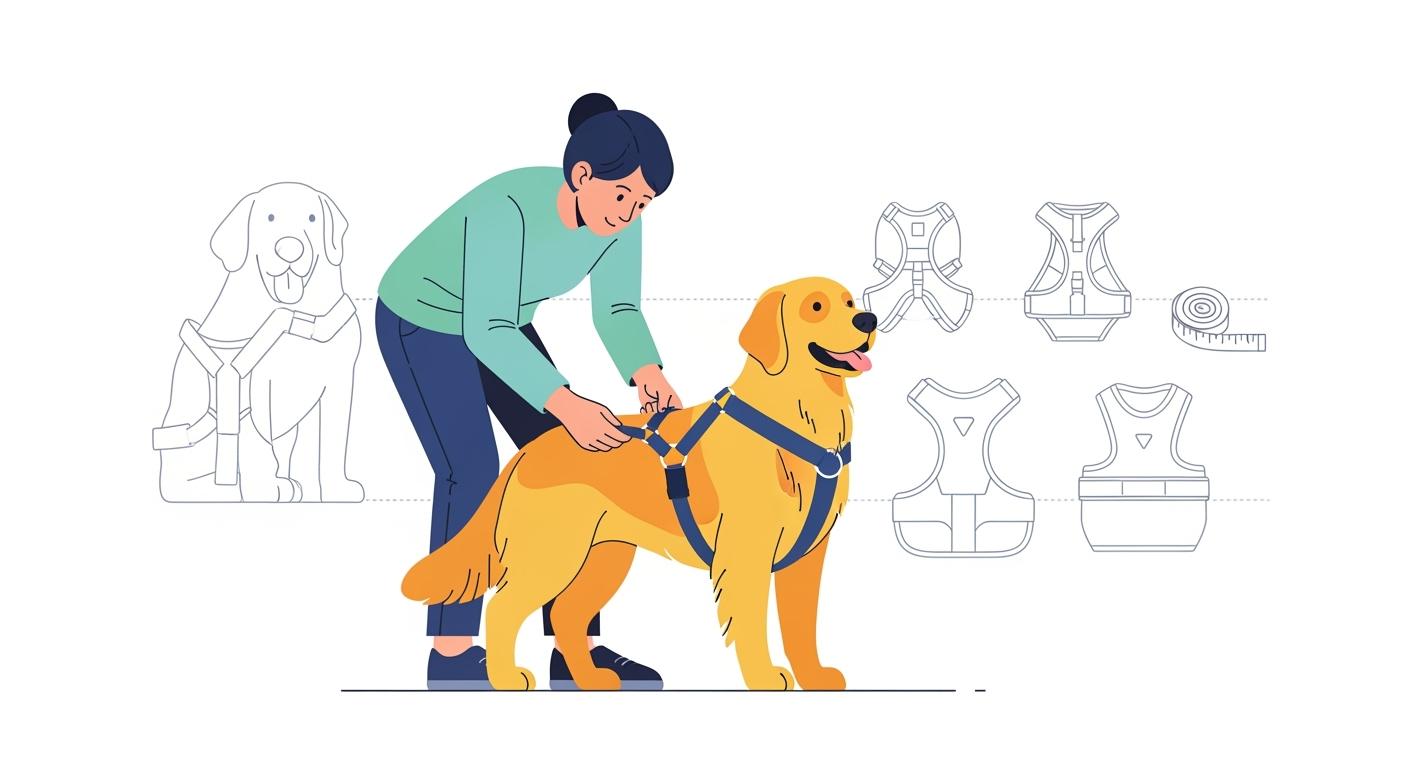
Give clear fitting instructions for each dog leash and lead. Show buyers how to measure their dog for the best fit.
Add safety warnings for all k9 training tools. Remind buyers to check fit before each use and to supervise their dog with a slip lead or hands-free leash.
Keep answers short and easy to understand. This helps your team respond quickly and builds trust with k9 buyers.
FAQ Alignment for US/EU Buyers
Step 3: Update Your FAQ Library
Use a strong FAQ library to answer common questions about choosing a dog leash, lead, or hands-free leash.
Align all FAQ answers with your catalog taxonomy. Use “leash” for US buyers and “lead” for EU buyers in the first line, then stick to one term.
Include these topics in your FAQ:
How to pick the right dog leash or lead for k9 training
How to use a hands-free leash safely
How to clean and care for your dog leash or lead
When to use trainer tested leashes or grip enhanced leashes
Why you should consult a trainer for slip lead use
Add safety notes and fitting tips for every dog leash and lead type.
Tip: A clear FAQ and support system helps buyers feel confident when choosing a dog leash or lead for their k9 needs.
You can build a strong k9 catalog when you standardize every dog leash term, length label, and hardware name. Start by setting clear rules for each dog, lead, and training product. Next, refine your images, QC documents, and variant options. Review your listings often to keep them consistent. For the next step, share your taxonomy with your team and suppliers to keep your dog leash catalog safe and easy to use.
FAQ
How do I choose the right leash length for my catalog?
You should match the leash type to its intended use. Standard leashes work best for daily walks at 4-6 ft (1.2-1.8 m). Long lines suit recall training at 10-30 ft (3-9 m). Always use dual units in listings.
What hardware types should I list for dog training leashes?
List only bolt snap, trigger snap, or carabiner-style clips. For rings, use D-ring or O-ring. Specify if hardware is swivel or fixed. Use zinc-alloy, stainless steel, or aluminum alloy for material descriptions.
Is a slip lead safe for all dogs?
You should use a slip lead only under supervision. Always check the fit before each session. Consult a qualified trainer for handling advice. Never leave a dog alone with a slip lead.
How do I clean and care for a dog lead?
Wipe the dog lead with a damp cloth or hand wash with mild soap. Let it air dry. Avoid harsh chemicals. Regular cleaning helps maintain strength and appearance.
What safety notes should I include in my listings?
Add a short caution: Use under supervision. Do not promise escape-proof or guaranteed results. Advise buyers to consult a trainer for slip lead use.