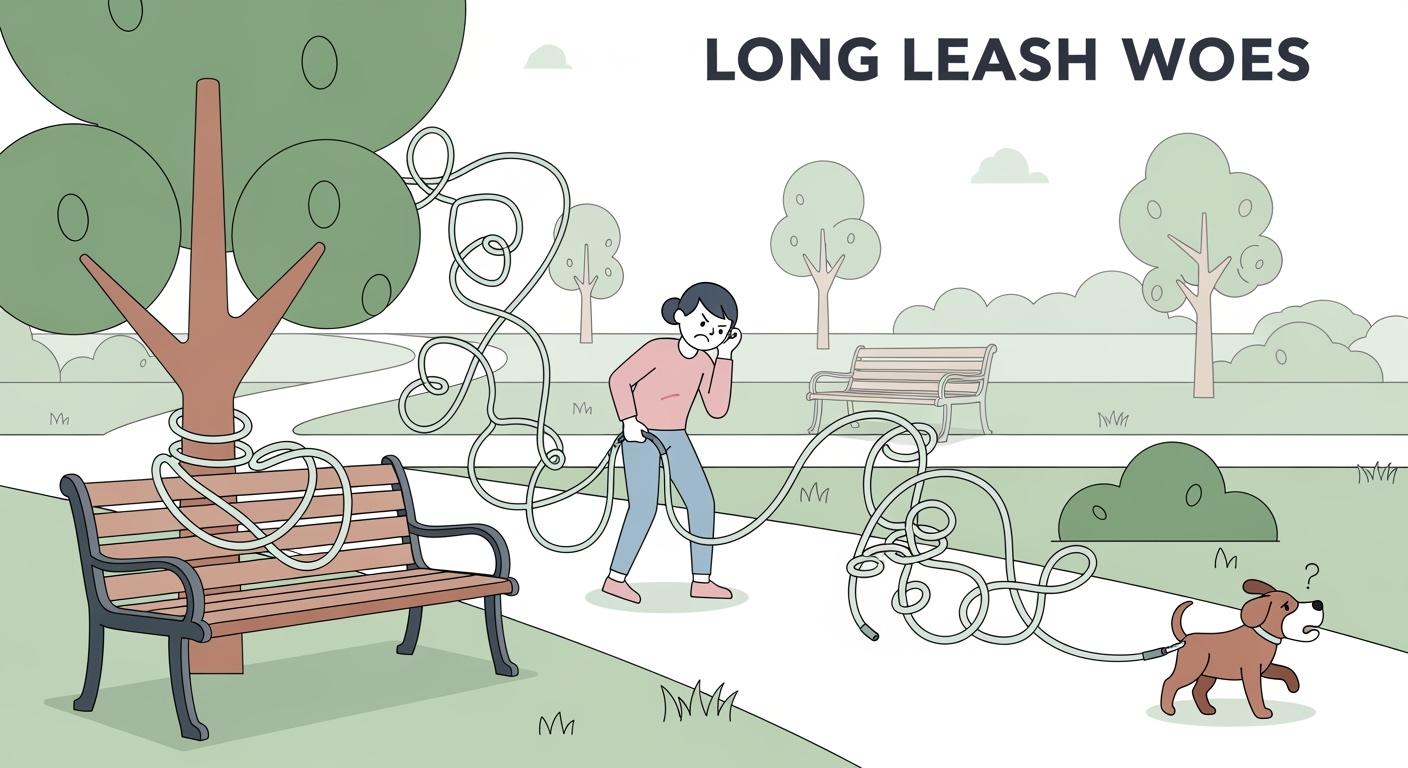
A longer hands-free leash looks like it gives your dog more freedom, but extra length adds slack that can delay your pull-in response by seconds that matter on a busy street. A long hands-free dog leash works well on open trails and in quiet parks, where your dog can roam without pulling you off balance. The same length becomes a liability on a narrow sidewalk, in a crosswalk, or anywhere you need to shorten the line fast. The leash that fits your route, your dog’s pulling behavior, and your control margin is not always the longest option in your lineup.
Where a Longer Hands-Free Leash Helps—and Where Shorter Control Is Easier
Open spaces and recall training
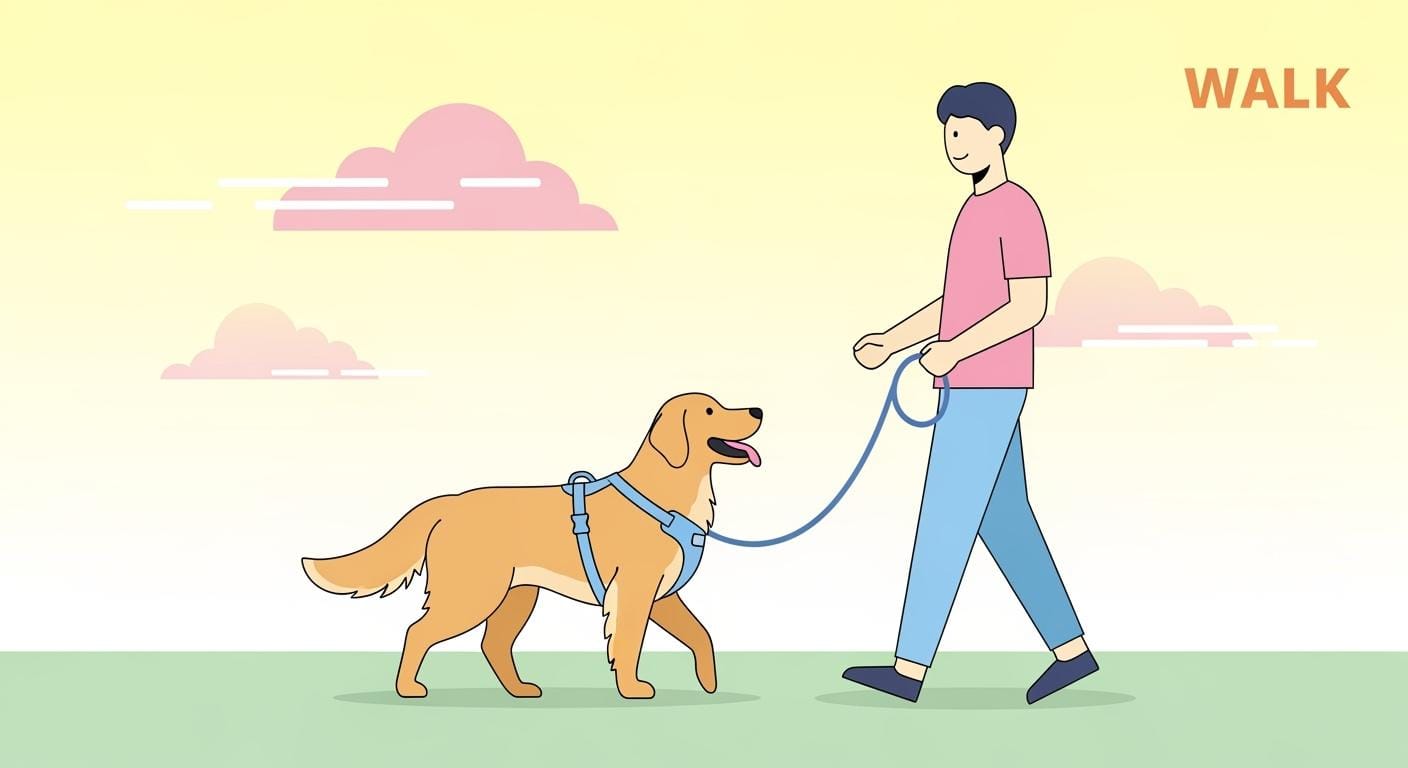
A long hands-free dog leash gives your dog room to sniff, roam, and make choices without pulling you off stride. Parks, wide trails, and steady running routes are where extra reach pays off. Your dog gets mental stimulation from exploring while you keep both hands free for balance, hiking poles, or carrying gear.
Long lines also bridge the gap between on-leash control and off-leash reliability. You can let the line stay slack and watch whether your dog checks in with you on their own. If they do, recall strengthens naturally in real conditions. If they stop checking in, the extra length makes that pattern visible before it becomes a full off-leash problem.
A hands-free running leash can work for steady-paced jogging on predictable routes, but the same bungee or long-line design that absorbs shock on a run may add too much slack when you slow to a walk near traffic. The difference between a running setup and a walking setup often comes down to how quickly you can shorten the line when the route changes.
Tip: Test a long hands-free leash in an open area first. If your dog checks in often and stays responsive to cues, the extra reach is working. If they drift and ignore you, the line is too long for current training.
Where a long hands-free leash tends to work well:
- Open parks with few obstacles and clear sightlines
- Wide hiking trails where you can see oncoming people or dogs
- Steady running routes with predictable pace and few stops
- Quiet areas where you can practice recall without sudden distractions
When shorter leashes offer safer control
Shorter hands-free leashes keep your dog closer and reduce the risk of tangling when you pass pedestrians, cyclists, or other dogs. You gain faster pull-in speed when you spot a hazard. You also make your movements more predictable to others, which matters on shared paths where people need to read your dog’s position at a glance.
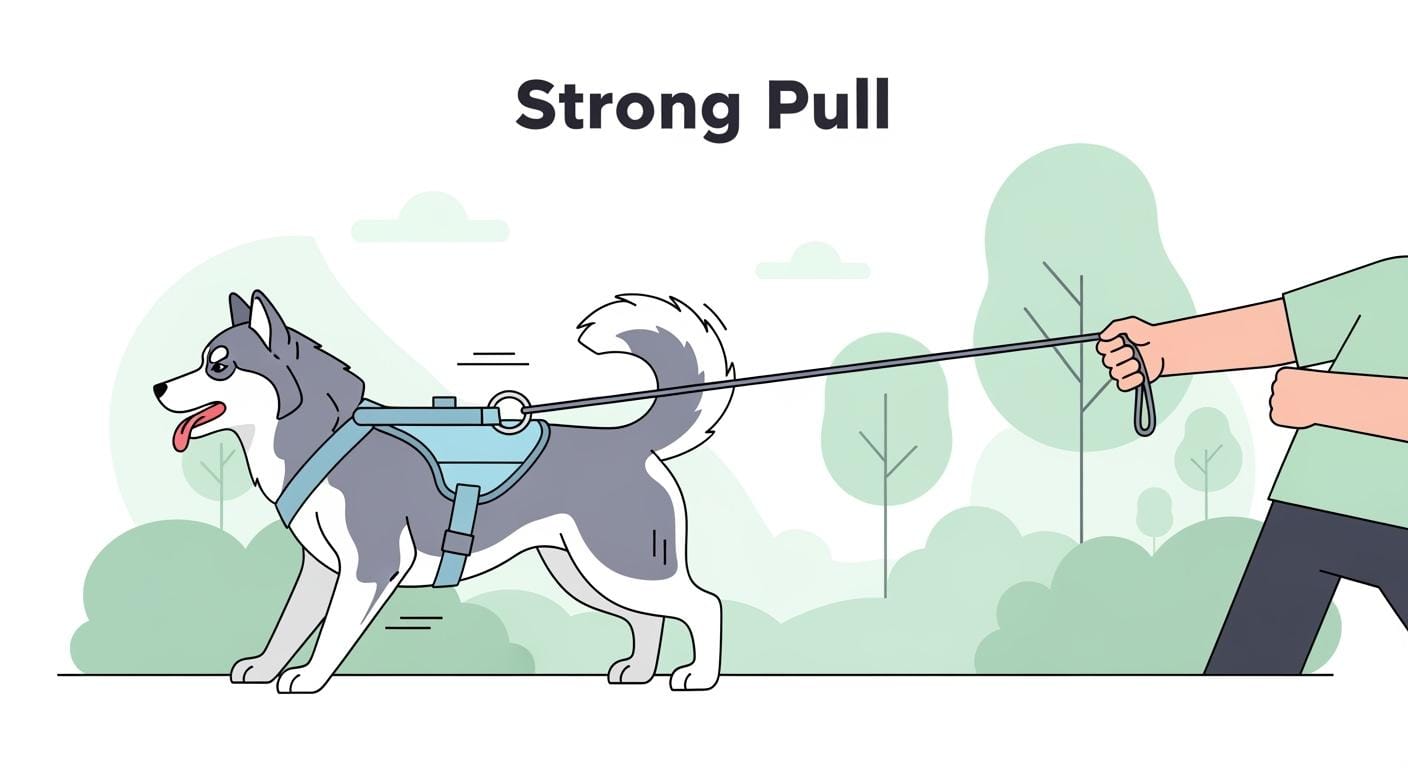
A shorter leash helps most when your route has tight turns, frequent stops, or unpredictable traffic. If your dog tends to drift sideways or fixates on distractions, less line means less gathering when you need to redirect. The same logic applies to choosing a leash for a dog that pulls: a fixed, shorter length often makes training feedback clearer than a longer line that rewards pulling with more slack.
Note: Shorten the leash before you enter a busy zone, not after you lose margin. A predictable walk starts with the right length for the most demanding segment of the route.
Situations where shorter leashes tend to help:
- Passing other walkers, cyclists, or dogs on narrow paths
- Navigating crowded sidewalks or storefronts
- Crossing streets or busy intersections
- Training in environments with high distraction loads
Comparison: shorter hands-free vs longer hands-free vs handheld backup
| Setup type | Best use case | Main benefit | Main watchout | Who should skip it |
|---|---|---|---|---|
| Shorter hands-free leash | Crowded routes, city walks | Fast response, less tangling | Less freedom for dog | Dogs that need more sniffing range to settle |
| Longer hands-free leash | Open spaces, recall training | More freedom, mental exercise | More slack, slower response | Dogs prone to lunging or chasing |
| Handheld backup | Unpredictable routes, quick changes | Direct control, fast pull-in | Tiring for handler on long outings | Running, hiking, or multitasking walks |
Who should stay with a shorter leash
A longer hands-free leash adds risk when your dog does not reliably come when called, reacts strongly to other animals or people, or chases wildlife and moving objects. If your dog lunges or darts, the extra line can turn a manageable correction into a dangerous pull that hurts you or lets your dog reach a hazard before you react.
You should also stay with a shorter leash if you walk in crowded areas where quick response is the difference between a calm pass and a confrontation. Narrow sidewalks, busy intersections, and places with lots of bikes or children leave little room for gathering slack. A walking control setup that matches the leash length, the attachment point, and the route reduces the chance that the environment overrides your handling.
Signs you are better off with a shorter hands-free leash:
- Your dog does not reliably come when called, even in quiet settings.
- Your dog reacts to other dogs, people, or moving objects with sudden lunges.
- You walk in crowded or busy areas where slack creates tripping risk.
- You feel uncomfortable managing extra line during fast direction changes.
- Your dog chases wildlife or fixates on moving stimuli.
What Changes First with More Length: Slack, Pull-In Speed, and Recovery Time
How slack builds with a longer line
Slack is the extra line between you and your dog. With a longer hands-free leash, slack accumulates faster every time your dog slows, stops, or changes direction. On a wide, empty trail, excess slack may look harmless. On a sidewalk, that same loop of line can trip you, catch on obstacles, or wrap around another person before you notice.
You can check slack by watching the line during a normal walk. If it drags on the ground, forms loops, or swings wide when your dog changes pace, you have too much slack for that segment of the route. Pull in the extra line or switch to a shorter setup. Slack that looks fine at the start of a walk can become a problem the moment the environment gets tighter.
Tip: Test slack before you leave a quiet area. Let your dog move freely and watch whether the line stays manageable. If loops form or the line drags, shorten the leash before you reach a busier section.
Pull-in speed and recovery after sudden changes
Pull-in speed is how fast you can bring your dog closer. Recovery time is how quickly you regain control after your dog stops, darts, or changes direction. Both get worse with more length, because you must gather more line before your hand reaches an effective control position.
Test your pull-in speed with a simple drill: let your dog walk ahead on the long line, then call them back or change direction. Time how long it takes to shorten the leash and bring your dog close. If it takes more than a couple of seconds, the line is too long for routes where you might need a fast response. In open spaces, a slow pull-in may not matter. Near traffic, it can be dangerous.
Signs that pull-in speed is too slow:
- Your dog reaches the end of the line and you cannot shorten it before the next distraction appears.
- You fumble or gather line in both hands while your dog moves toward something you want to avoid.
- You avoid letting the line go to full length because you do not trust your ability to recover it quickly.
| Check item | Pass signal | Fail signal | Beheben |
|---|---|---|---|
| Slack stays manageable | Line stays off the ground, no loops | Line drags or forms loose coils | Shorten leash, pull in excess |
| Pull-in speed | Dog comes close in 2 to 3 seconds | Takes longer than 3 seconds or requires both hands | Use shorter leash, practice drill |
| Leash stays clear of legs | Leash does not brush or wrap legs | Leash swings into legs on turns | Adjust length, change direction more smoothly |
| Recovery after stops | You regain control in one motion | Dog stays far ahead, slow to respond | Gather line sooner, shorten leash |
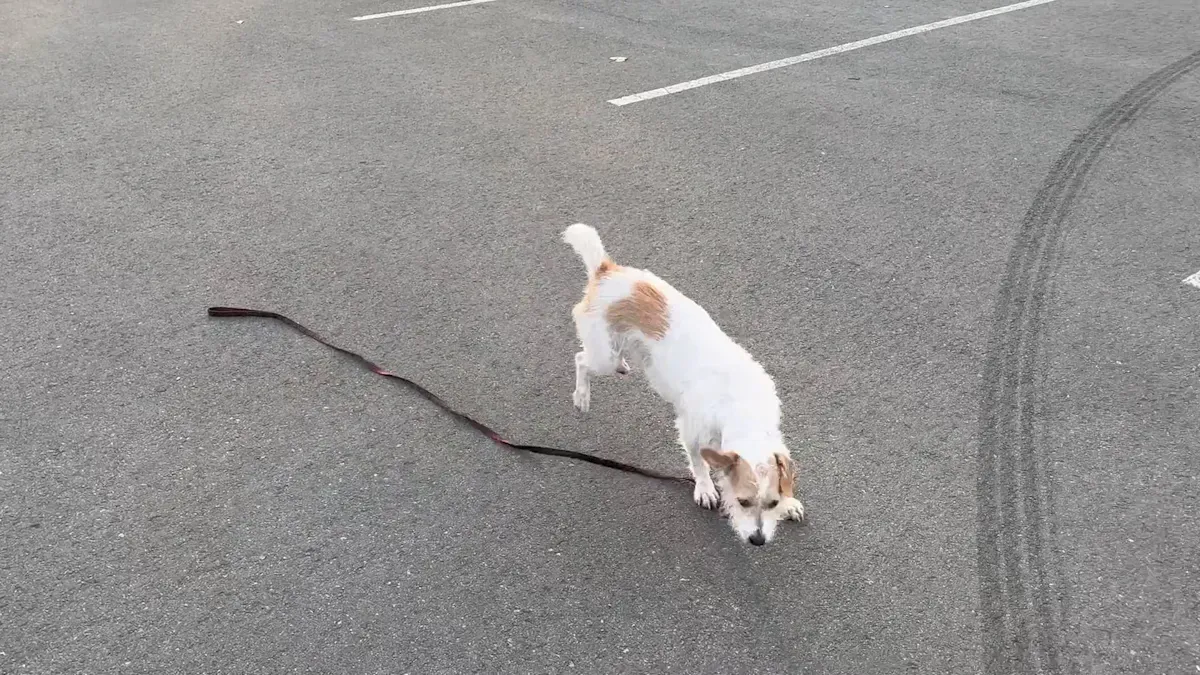
Failure Signs That Matter: Delayed Response, Leash Brushing, Line Drift, and Slower Recovery
Common mistakes that make failure more likely
Several patterns repeat across walks where a long hands-free leash creates trouble rather than freedom:
- Letting the dog lead the walk. If you follow your dog when they pull, the extra length rewards the behavior you are trying to reduce.
- Using the wrong attachment point. A standard collar paired with a long hands-free line concentrates force at the neck during sudden stops, which can hurt the dog and make control harder. A harness that fits well and distributes force across the chest is usually safer for hands-free use.
- Skipping a warm-up. A short focus exercise before the walk helps the dog settle and reduces the chance that a long line amplifies early-excitement pulling.
- Training in busy areas before the dog is ready. A long line in a high-distraction environment often creates frustration and pulling rather than better recall.
Matching the harness to your dog’s size and the walk type matters as much as the leash itself when you go hands-free, because the harness takes the force that your hand would normally manage.
Troubleshooting table
| Symptom | Likely cause | Fast check | Beheben |
|---|---|---|---|
| Delayed response | Too much slack, long line | Try pulling dog in quickly during a calm moment | Shorten leash, practice recall drills |
| Line drift | Dog leaves heel position, inconsistent cues | Watch whether the dog moves out of position often | Practice heel recovery, change direction |
| Leash brushing legs | Excess slack, fast turns | Turn sharply and note whether the leash hits your legs | Adjust length, slow pace through turns |
| Slow recovery after stops or darts | Long line with no gathering habit | Time how fast you regain control after the dog stops | Practice pull-in drills, use shorter leash in tight areas |
How to spot and fix leash drift
Leash drift happens when your dog moves away from your side and the leash angles sideways. You will notice the line pulling across your body instead of hanging straight. Drift often starts small but gets worse as the dog finds more interesting things off to the side.
To fix drift:
- Teach a marker for when the dog leaves position, so they learn to self-correct.
- Use the heel position recovery exercise: change direction calmly when the dog drifts, so they learn to watch your movement.
- Reward position checks. When the dog glances back or stays close, mark and reinforce it.
- Keep a steady pace. Frequent speed changes can make drift worse on a long line because the dog cannot predict your rhythm.
Note: Fixing leash drift on a long line works best in low-distraction areas first. Build the habit where the dog can succeed, then gradually add environmental challenge.
Recovery after sudden changes
Sudden changes happen on every walk. A squirrel, a bike, or another dog can trigger a dart or a sudden stop. With a long hands-free leash, you need a plan to recover without jerking the line or losing balance.
Start each walk with the leash at a length you can manage with one hand. Shorten it before you reach curbs, doorways, blind corners, or parked cars. When you see slack in the line, reward your dog immediately, because a dog that checks in often is easier to recover. If the leash tightens, pause or change direction rather than letting your dog pull you forward.
Steps for handling sudden changes:
- Begin each walk with the leash at a manageable length.
- Shorten the leash before tight spots or obstacles, not during them.
- Reward your dog the moment slack appears in the line.
- If the leash tightens, stop or turn instead of letting the dog pull.
Tip: Practice these steps in a quiet area before using them on busy routes. Muscle memory for gathering the line makes a real difference when a surprise appears.
If you notice repeated tangling, slow recovery, or handling strain after a sudden pull, switch to a shorter leash or a handheld backup for that segment. A bungee leash with a shorter fixed section can absorb some shock on steady runs, but the elastic component should not become an excuse for keeping extra length where fast control is the priority.
Disclaimer: If you feel pain, strain, or loss of balance during a pull, stop and check your setup. This article does not replace professional advice about your physical limits or your dog’s behavioral risk.
A long hands-free dog leash works when the route is open, the dog is responsive, and you can manage the extra line without delaying your reactions. The right setup usually includes a locking carabiner, a two-handled design for quick shortening, and a harness that distributes force without twisting. If you notice slow pull-in, frequent tangling, or line drift that you cannot correct in one motion, the leash is too long for that walk. A leash matched to your dog’s size and your typical route will serve you better than a one-length default across every environment.
Häufig gestellte Fragen
Can you use a long hands-free leash for small dogs?
You can use a long hands-free leash for small dogs in open areas, but watch for slack and tangling. Small dogs may struggle with extra line in crowded places where the line drags or catches underfoot.
What should you do if your dog pulls hard on a long hands-free leash?
Shorten the leash immediately and practice recall drills in quiet areas before using the full length again. Use a well-fitting harness and avoid a long line in busy spots until the dog responds calmly to cues.
Is a long hands-free leash safe for running?
A long hands-free leash can work for running in open spaces with predictable footing. Check for slack before you start and keep the line shorter near traffic or intersections.
How do you prevent tangling with extra length?
Keep slack low and use a leash with a traffic handle or adjustable section. Change direction smoothly if loops form, and practice in open areas before using the full length in tighter environments.
Are there extra risks if you have limited mobility?
If you have limited mobility or balance concerns, a shorter hands-free leash or a handheld backup usually gives better control and reduces the risk of tripping or being pulled off balance by sudden movements.