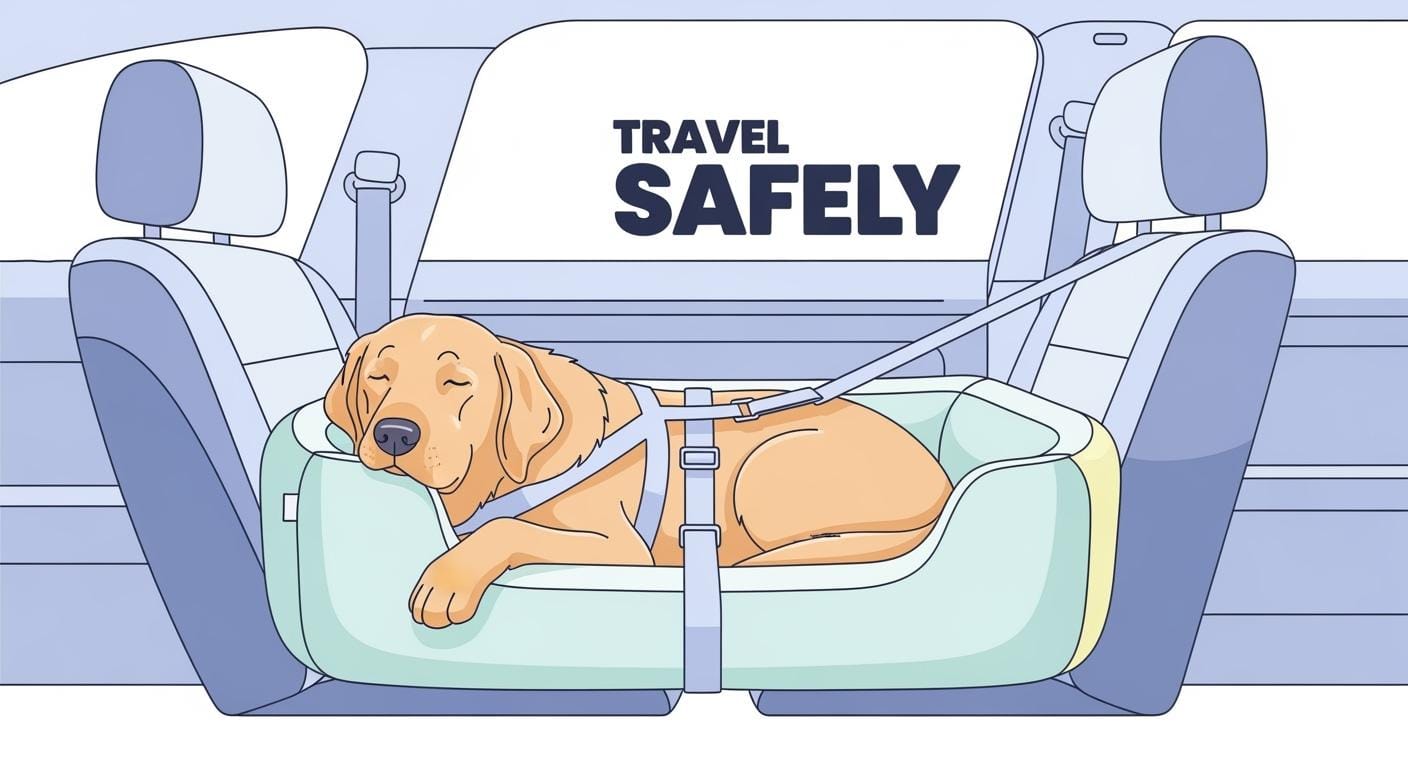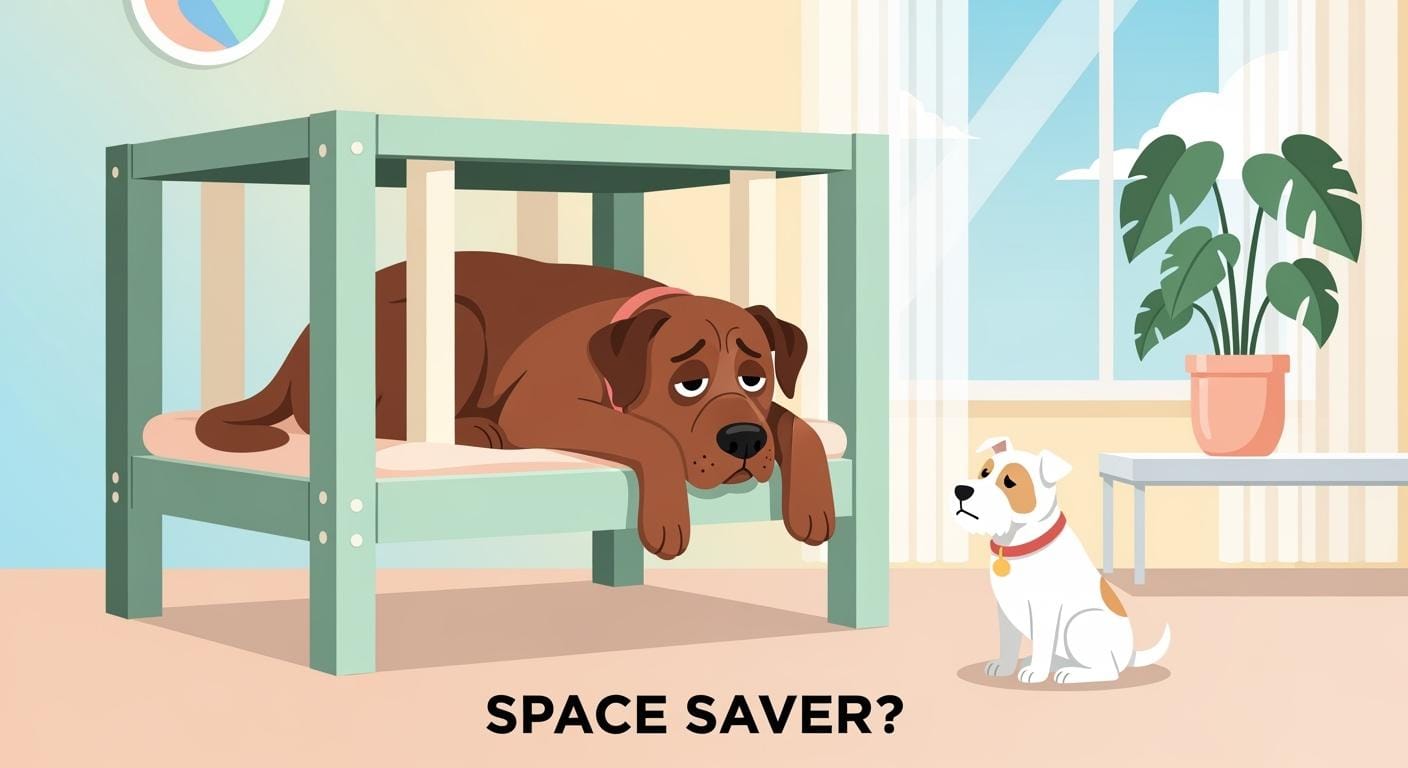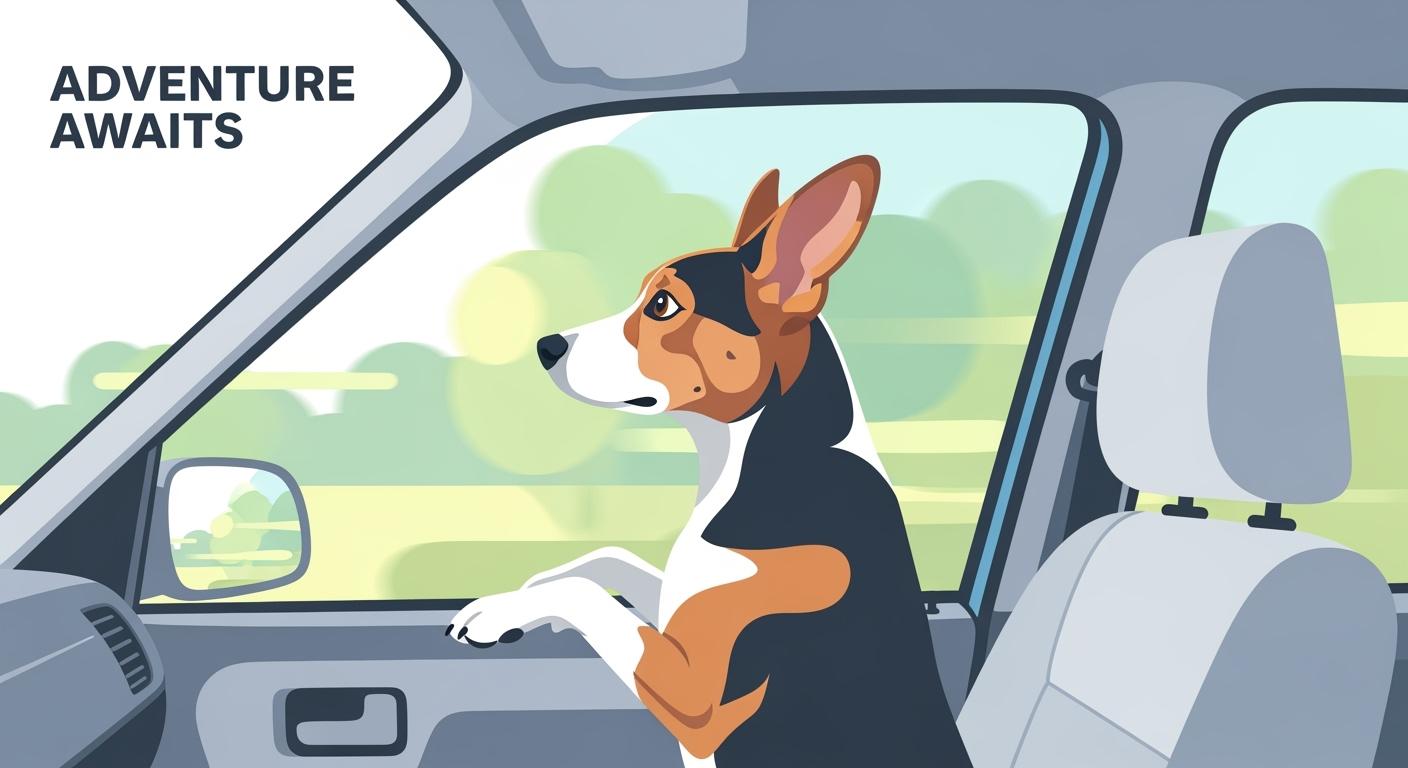
You might see your dog sitting at the edge of the Medium Dog Car Seat while traveling. This behavior usually shows curiosity, anxiety, discomfort, or a bad fit. A dog that moves around or leans forward may feel cramped or unsteady. Look for tight muscles, moving around a lot, or paws hanging off the seat. These signs mean the dog does not feel safe. Paying close attention helps you see if the car seat meets your dog’s real needs.
Das Wichtigste in Kürze
- Edge perching indicates a fit problem. Watch for signs like shifting or bracing to ensure your dog feels safe.
- Choose the right car seat based on your dog’s body type. Not all medium dogs fit the same seats comfortably.
- Check the usable floor area and turn clearance in the car seat. Your dog needs enough space to sit, stand, and turn without feeling cramped.
- Ensure easy access to the buckle and a secure installation. This keeps your dog safe and makes travel smoother.
- Use comparison tables to evaluate different car seat designs. This helps you find the best fit for your dog’s needs.
Medium Dog Car Seat Fit and Early Edge Perching
Common Mismatch Signs in Medium Dog Car Seats
You notice edge perching before the medium dog car seat looks too small. This behavior signals a fit problem early. Dogs perch on the edge when the seat does not match their body shape or movement needs. You see restlessness, shifting weight, or paws hanging off. These signs show the dog car seat does not provide enough usable floor area or turn clearance. The fit issue can cause discomfort and stress. You must watch for these early signals to avoid bigger problems later.
Tip: Edge perching is not just a quirky habit. It is a warning sign that the fit of the medium dog car seat needs review.
You see these mismatch signs most often in seats with high walls or narrow space. The rear seat booster may look roomy, but if the fit is wrong, the dog will perch or lean. Booster seats with deep walls can crowd the dog. Console seats may force the dog to sit upright or shift to the edge. Harness-first setups in the rear seat can restrict movement if the fit is not correct. You must check the fit before the seat appears too small.
Breeds and Body Types Prone to Edge Perching
Certain breeds and body types show edge perching more often. Medium dogs with long legs, broad chests, or flexible spines need more space to turn and settle. Breeds like Border Collies, Cocker Spaniels, and French Bulldogs often struggle with fit in standard booster seats. Dogs with athletic builds or high energy levels move more during travel. They need a medium dog car seat with enough floor area and proper restraint path.
Dogs with compact bodies, like Beagles or Miniature Schnauzers, may perch less but still show fit issues if the seat is too deep or narrow. You must match the seat design to the dog’s body type. The rear seat booster must allow the dog to sit, turn, and settle without crowding. Console seats work best for smaller dogs but may not fit medium breeds. Harness-first setups in the rear seat can suit active dogs if the fit is correct.
Note: Always check the fit for each breed and body type. One size does not fit all medium dogs.
Comparison Table—Booster, Console, and Harness Setups
You need a clear comparison to diagnose fit and comfort issues in medium dog car seat products. The table below helps you evaluate booster, console, and harness-first rear seat setups for medium dogs.
| Design | Posture | Ideal Companion | Best For | Fit Considerations |
|---|---|---|---|---|
| Deeper-wall rear seat booster | Relaxed, elevated | Medium dogs needing support | Daily travel, longer journeys | May crowd broad-chested dogs; check usable floor area and turn clearance |
| Lower-wall rear seat booster | Upright, flexible | Active, athletic medium dogs | Short trips, frequent stops | Allows more movement; check restraint path clarity |
| Console dog car seat | Centered, upright | Smaller medium dogs | Errands, travel close to driver | Limited space; not ideal for broad or long-legged dogs |
| Harness-first rear seat setup | Flexible, secure | High-energy medium dogs | Active travel, quick entry/exit | Depends on harness fit; check restraint path and comfort |
You must use this table to match the medium dog car seat to the dog’s needs. The booster provides elevation and support but may restrict movement if the fit is not right. Console seats suit smaller dogs but rarely fit medium breeds well. Harness-first setups in the rear seat offer flexibility but require careful fit checks.
- Poor fit in any setup leads to edge perching, restlessness, and stress.
- Discomfort increases anxiety and motion sickness in dogs.
- A well-fitted dog car seat reduces these problems and improves travel comfort.
You must diagnose fit issues early. Watch for edge perching, shifting, and signs of discomfort. Use the comparison table to select the right medium dog car seat, booster, or harness setup. Always check the fit for each dog and adjust as needed.
Dog Car Seat Comfort and Restraint Path Issues
Usable Floor Area and Turn Clearance
You should look at how much space your dog has in the car seat. Medium dogs need room to sit, stand, turn, and get comfortable while riding. If the seat is too small, your dog might move around a lot or sit on the edge. Dogs with wide chests or long legs need extra space to turn. Seats with high sides can make it hard for them to move, which can make them feel stressed or uncomfortable.
Your dog needs enough space to sit, stand, turn, and lie down without feeling squished. A booster seat should lift your dog so they can see out the window, usually about 5-6 inches high.
Dogs often get carsick because they feel nervous or can only see the inside of the car. When they can look out the window, they can see the road and feel less sick or worried.
Sidewall Crowding and Comfort Impact
The height and position of the side walls change how comfy the seat feels. High walls can help your dog feel safe, but they might also make the seat crowded. You should check if your dog can relax without being pushed against the sides. Low walls give more space but might not support your dog as much. The best seat has walls that are not too high or too low. This helps your dog feel better and less nervous. People should look at the wall design before picking a seat.
Harness Attachment and Restraint Path Clarity
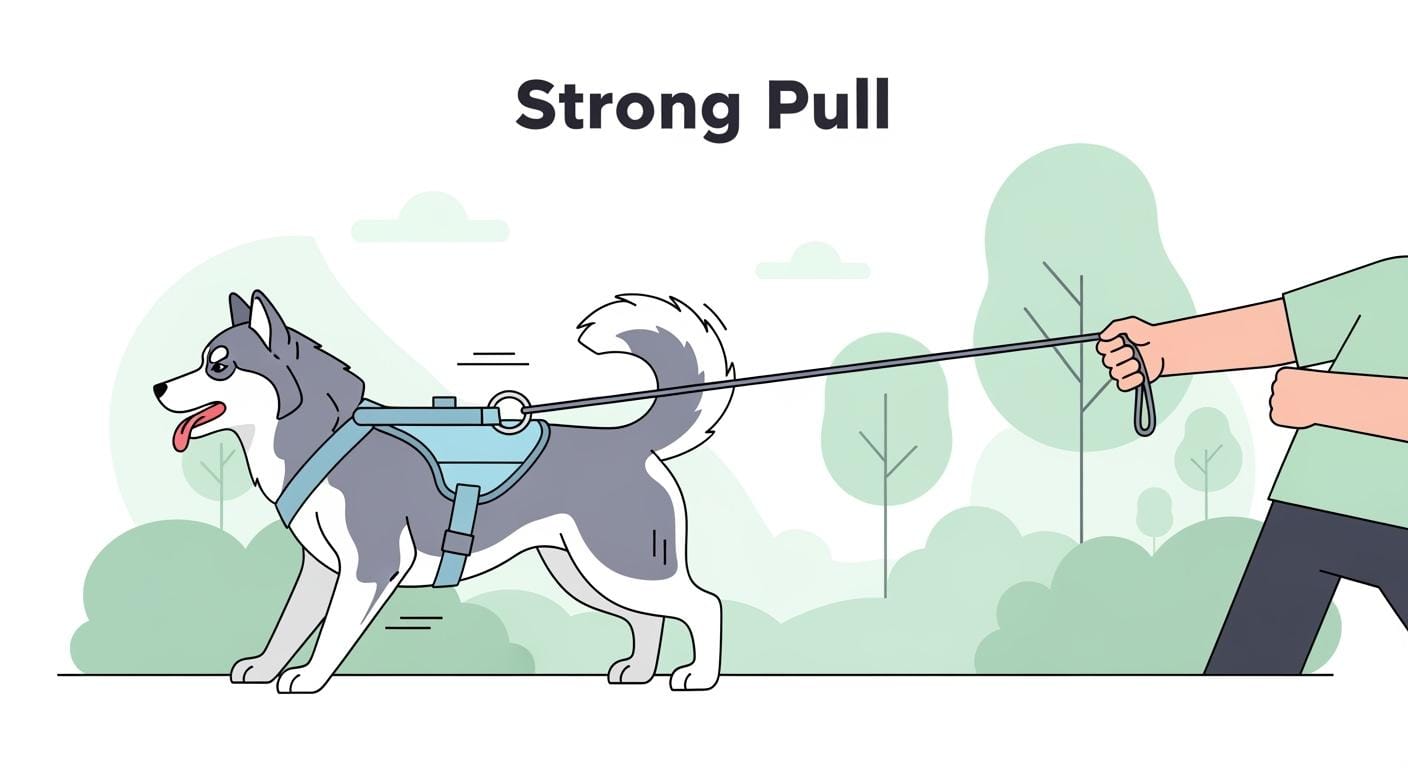
Where you attach the harness changes how your dog moves and stays safe. You need to see if the harness clips in the front or the back. How the harness is attached affects how much your dog can move and how safe they are.
- Studies show that front-connection harnesses can help stop pulling more than back-connection harnesses.
- Back-connection harnesses might make dogs pull harder.
- Research found that dogs pull longer and harder with back-connection harnesses than with neck collars, which could be a problem for medium dogs who like to pull.
A clear harness path keeps your dog from twisting and helps them stay comfortable. People should check how the harness works and how to put it in the car.
Troubleshooting Table—Mismatch Symptoms and Solutions
| Issue Description | Lösung |
|---|---|
| Tether twisting or getting trapped | Re-route or change the anchor position |
| Tether twists every ride | Check the restraint path after the dog lies down |
| Tether twists, wraps, or runs too long | Shorten or reroute the tether |
You should use this table to find and fix harness problems. Good setup and smart design make your dog feel better and safer in the car. People should always check for enough space, room to turn, and a clear harness path when choosing a dog car seat.
Medium Dog Console Car Seat Safety and Buyer Checklist
Bracing, Resettling, and Entry Signals
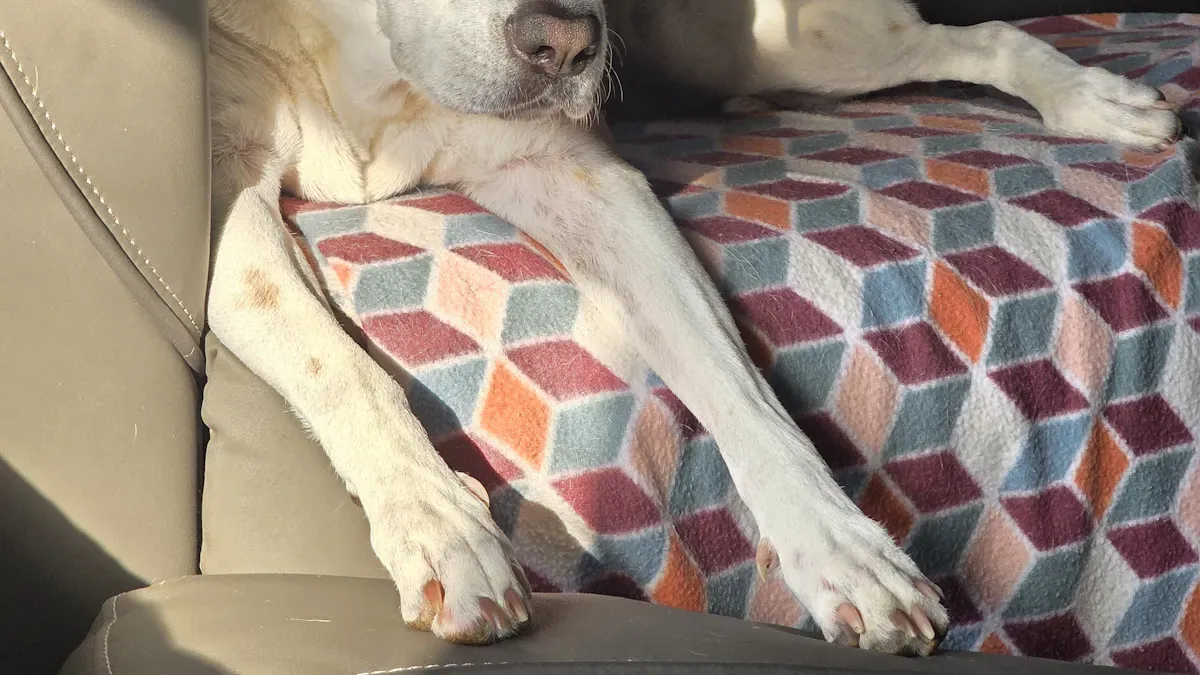
You should watch how your dog acts in the medium dog console car seat. Dogs show discomfort if the seat does not fit well. If your dog has trouble getting in or out, the seat might be too small or the walls too tall. Bracing happens when your dog pushes against the sides or floor. This means your dog feels shaky or unsafe. Resettling is when your dog keeps moving to find a comfy spot. Entry signals are when your dog hesitates or tries many times to climb in. These actions help you see if the seat fits your dog’s size and movement.
Tip: Dogs that brace or resettle a lot may need a bigger seat or a new style. Entry signals can show fit problems before you start driving.
Buckle Access and Installation Clues
You need to check how easy it is to reach the buckle in every medium dog console car seat. Easy buckle access lets you secure your dog fast. If the buckle is hard to reach, your dog might not be safe. Installation clues are how the seat connects to the console and if it stays steady while moving. If the seat moves or shakes, safety features may not work right. Look for clear anchor spots and strong ways to attach the seat. These things help you know if the seat will keep your dog safe while riding.
Note: Good installation and easy buckle access make travel safer and lower risk for medium dogs.
Pass-Fail Table—Safety and Fit Checks
Use this table to check if a medium dog console car seat is safe and fits well. The table shows common worries from crash tests and real-life use.
| Checkpoint | Bestehenskriterien | Fehlerkriterien |
|---|---|---|
| Console size compatibility | Seat fits console tightly | Seat hangs off the edge or shakes |
| Dog entry/exit | Dog gets in and out easily | Dog has trouble or waits |
| Bracing and resettling | Dog settles fast, little moving | Dog braces, moves, or sits on the edge |
| Buckle access | Buckle is easy to find and use | Buckle is hidden or hard to reach |
| Safety features | Harness clips on safely, clear path | Harness path is messy or tether twists |
You should check each point before picking a medium dog console car seat. Safety features are most important for medium dogs. Crash tests show console seats are best for tiny dogs. Medium dogs have more risk in front crashes and may not fit right. Console size must match the seat so it fits well. Some seats can block driver controls, which is not safe.
Always check fit, how you install it, and safety features before buying. A good seat keeps your dog safe and makes travel better.
Edge perching in a medium dog car seat signals a mismatch in fit or comfort. You see this when a dog shifts, braces, or cannot settle. Treat edge perching as a sign to review your product’s design. Use the tables and checklists to diagnose issues. Improve safety and comfort by tightening straps without over-pulling, keeping seatbelt buckles accessible, and adding a simple comfort layer. Predictable footing and flatter support help a dog relax. For compact, calm dogs, a console seat works. Rear seats fit dogs over 25 pounds. Carriers suit dogs that lunge or panic. Seek professional advice for unique dog needs.
Häufig gestellte Fragen
What does it mean if you see paws hanging over the edge of a dog car seat?
When you see paws hanging off the edge, the seat might not fit well. This often means the dog is not comfortable or protected enough. You should check if there is enough space for the dog. Make sure the anti-slip bottom keeps the seat steady while you drive.
How does a multi-point anchoring system improve reliability?
A multi-point anchoring system keeps the seat in one place. It stops the seat from sliding or moving around. This helps keep the dog safe and protected. The system works best with an anti-slip bottom for more stability.
Why is anti-slip bottom important for secure travel?
An anti-slip bottom stops the seat from sliding when you brake. This makes the seat safer and more comfortable for your dog. It helps the seat stay in place and keeps your pet safe during the ride.
How do you know if a dog fits inside the car seat properly?
You can tell if the dog fits by watching how it sits or lies down. The dog should not brace or move around a lot. If the dog looks uncomfortable or keeps moving, the seat might not be safe or comfy enough.
What features should you prioritize for protection and comfort?
Look for a seat with a multi-point anchoring system, an anti-slip bottom, and enough space. These things help keep your dog safe and comfortable. A good fit lowers risk and makes the car seat work better.