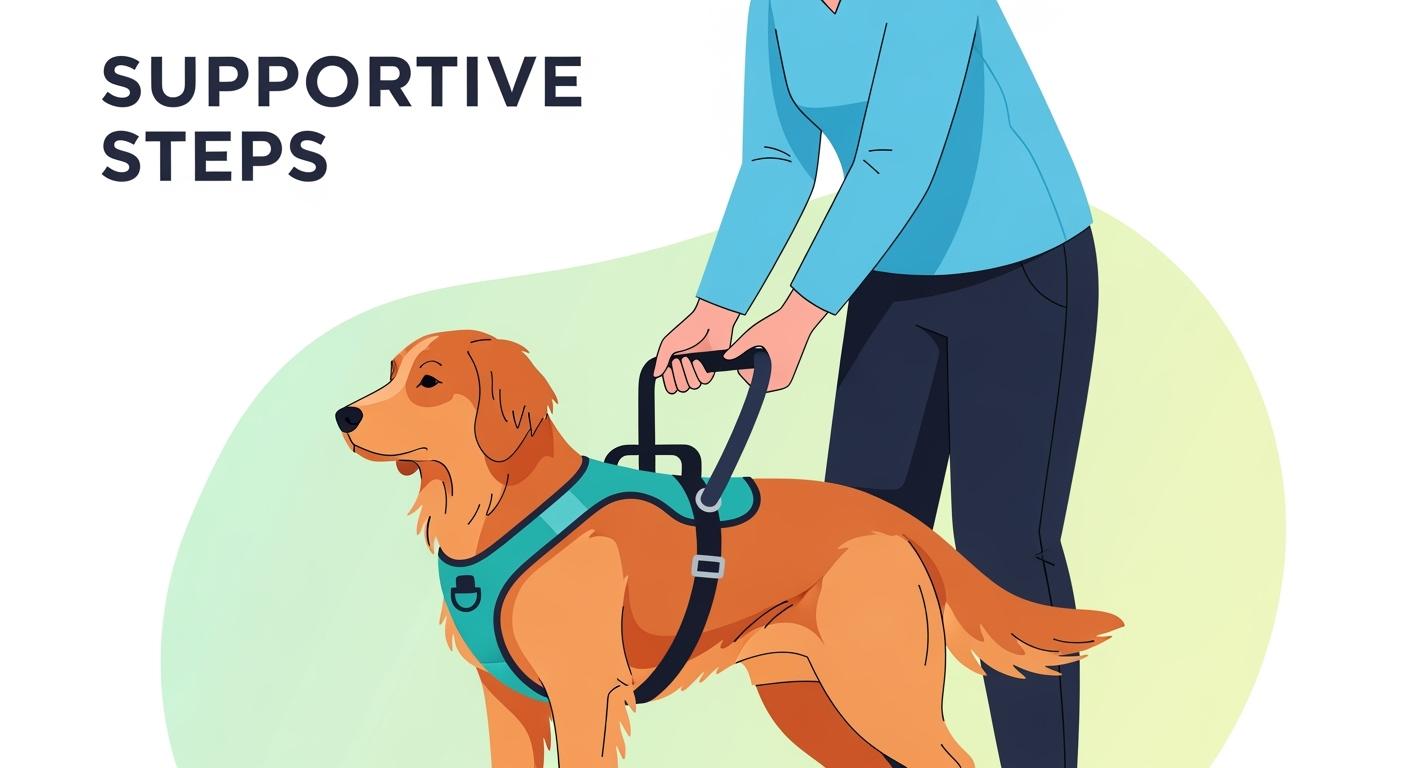
Your dog hesitates at the bottom of the stairs. The back legs that used to spring up into the car now buckle on the first step. You reach for the harness handle to help—but the moment you lift, the harness shifts, your dog’s rear drops, and the strap digs into the chest. A dog harness with handle for lifting is not the same tool as a walking harness with a grab strap. The difference is in whether the load spreads across the chest, belly, and rear, or concentrates on a single point that was never meant to carry body weight.
Why a Walking Harness Handle Fails Under Lift Load
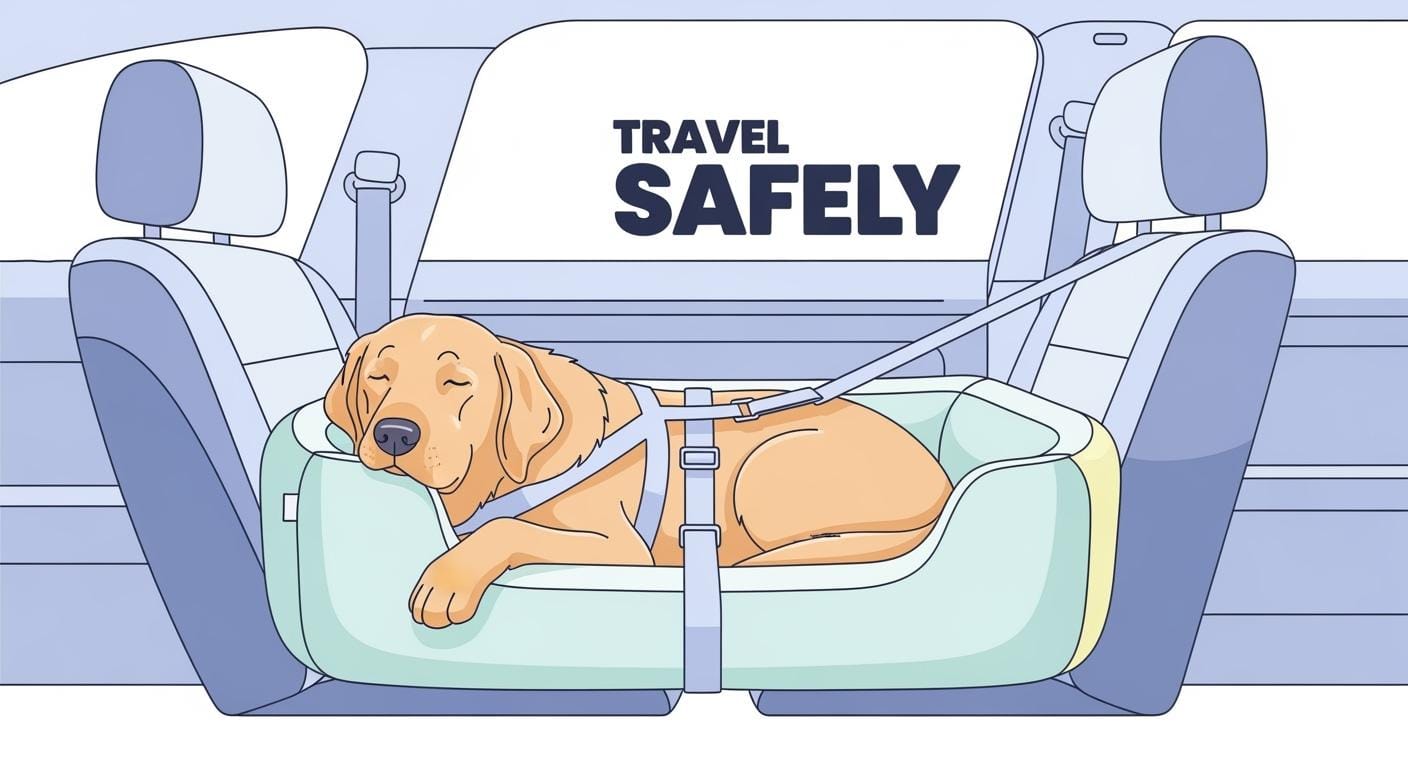
Stairs and Car Entry Expose the Difference
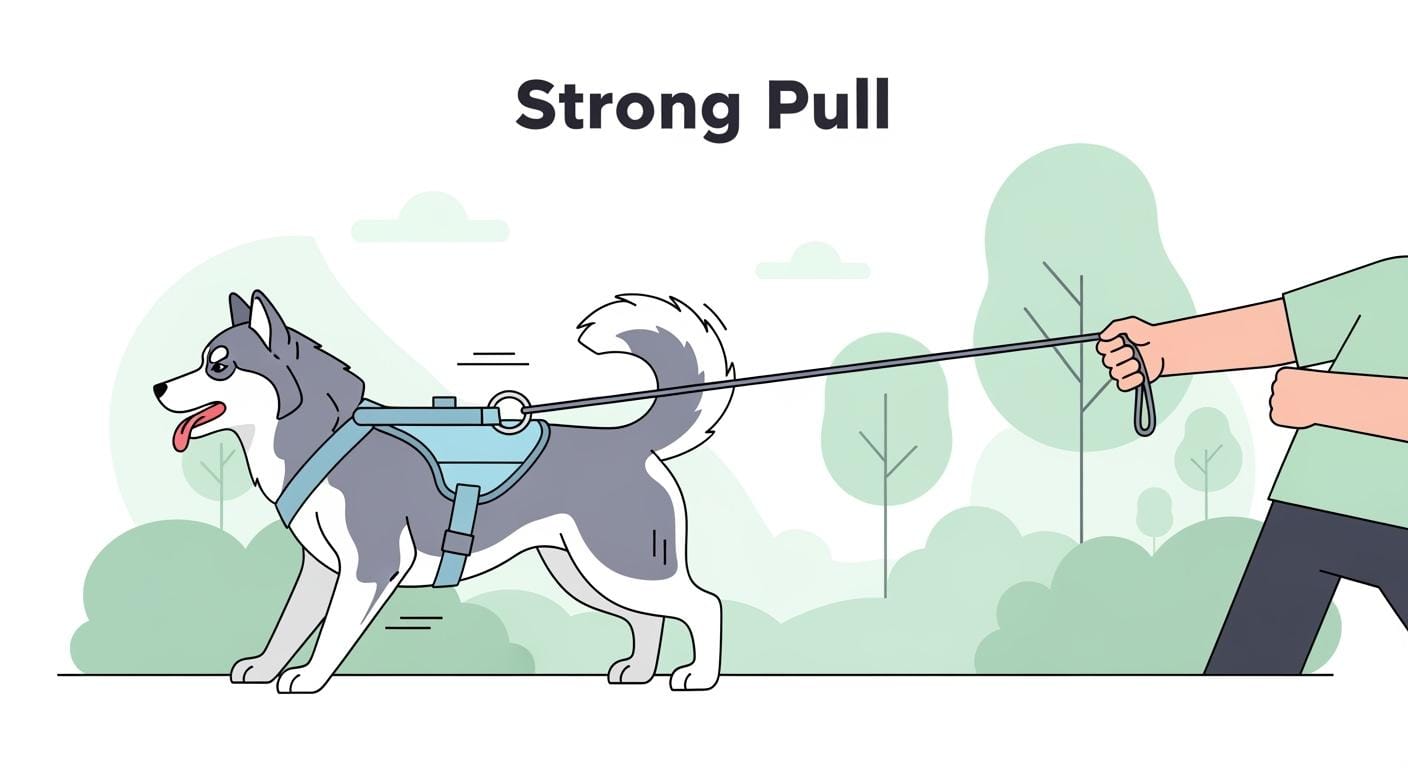
A leash or a standard walking harness controls direction. It does not support body weight. When a dog with weak rear legs needs to climb stairs or get into a vehicle, the force required is vertical—lifting the hindquarters upward while keeping the body aligned. A walking harness handle pulls from one spot on the back, which tilts the dog forward or back and leaves the rear end to sag. The dog feels unstable rather than supported, and may resist the next attempt.
This mismatch between handle design and lifting demand is why a harness and leash set built for walking fit serves a different purpose than a harness meant for assisted lifting. Walking gear handles brief guidance. Lifting gear handles sustained weight transfer.
Single-Point Pulling Creates Spinal Pressure
A harness with only one top handle pulls from a single spot during a lift. That concentrated force presses into the spine and the area behind the shoulders. On stairs, the handle can dig the chest strap into the armpits or pull the belly band up into the abdomen. For a dog with existing joint discomfort or sensitive skin, this concentrated pressure can make assisted movement painful—and the dog may start avoiding the harness altogether.
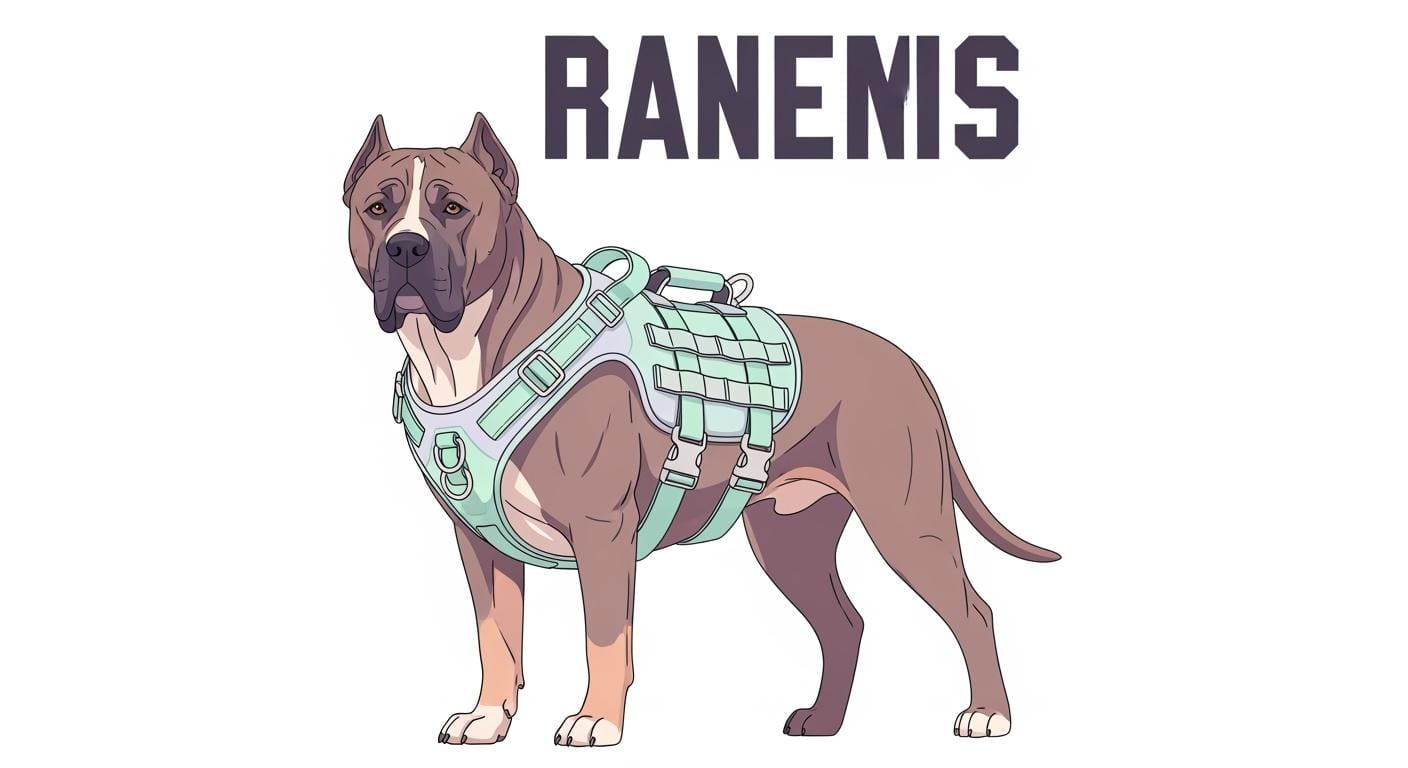
A full-body lift harness spreads the same load across the chest panel, belly band, and rear support. Instead of one pressure point, there are three zones sharing the weight. This is what keeps the body aligned rather than tilted or twisted during a lift.
Twisting, Rear Sag, and Harness Drift
When you lift from a single back handle, the harness can shift sideways. The belly band gaps open. The rear gets no support at all. Common signs of a failing single-handle lift include:
- Shoulder-heavy or hip-heavy tilt — the dog’s posture leans forward or back during the lift
- Handle drift — the grip point slides off-center as the harness shifts
- Pressure buildup — at the chest, abdomen, or groin within seconds of lifting
- Hesitation or pulling away — the dog learns to associate the handle with discomfort
- Chafing under the legs — from straps that bunch or slide during movement
Note: A full-body lift harness uses wide belly panels, stable handle placement at both the front and rear, and adjustable straps that prevent sliding. The rear support panel is what keeps the hindquarters from sagging when the back legs need the most help.
Walking Harness vs. Lift Harness: Structure Determines the Outcome
| Aspect | Walking Harness | Lift Harness | Performance Difference |
|---|---|---|---|
| Primary load | Directional pull | Vertical body-weight support | Walking handles are stitched for brief restraint, not repeated lifting |
| Handle stitching | Single bartack or box stitch | Reinforced multi-point attachment | Handle failure under load is a stitching failure, not a material failure |
| Support zones | Chest and shoulders only | Chest, belly, and rear | Missing rear support leaves the hind end to drop during a lift |
| Load spread | Concentrated at back or chest clip | Distributed across wide panels | Concentrated load causes tilting; distributed load keeps the body level |
| Fit adjustment | One or two strap points | Multi-point with independent chest, belly, and rear adjustment | Fewer adjustment points make it harder to fit non-standard body shapes |
For dogs that struggle with stairs or car entry, the handle on a no-pull walking harness is built for brief control moments during walks. It is not rated for lifting body weight repeatedly. A harness designed specifically for assisted lifting distributes the load differently—and that structural difference determines whether the lift stays controlled or becomes unstable.
What Full-Body Support Changes During a Lift
Chest, Belly, and Rear: Why Three Zones Matter
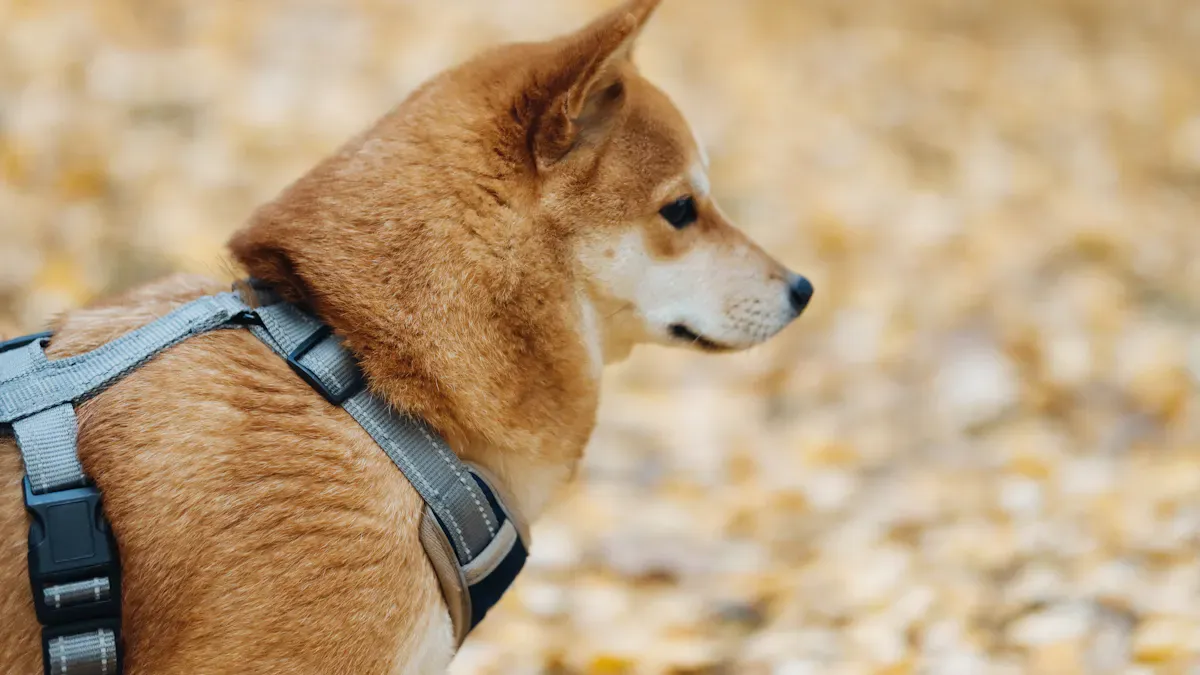
Three support zones working together keep a dog balanced during a lift. The chest panel carries the forward weight. The belly band supports the midsection and stops sagging. The rear panel cradles the hindquarters—often the most critical zone for a dog whose back legs cannot push off on their own. When all three zones make even contact, the body stays aligned. When one zone is missing, the load shifts to the remaining two and the dog tilts.
| Feature | Why It Helps | What to Watch |
|---|---|---|
| Multi-point support | Distributes load across chest, belly, and rear evenly | All three zones must contact the body without gaps |
| Non-sliding fit | Keeps support panels in position during movement | Any shift over an inch reduces control and causes friction |
| Padded lining | Reduces pressure concentration at contact points | Padding should cushion without adding bulk that bunches |
| Independent strap adjustment | Lets you fit each zone to the dog’s body shape | Straps that loosen during use undermine all three zones |
| Easy on-off design | Reduces stress for dogs that cannot stand for long | Quick-release buckles must feel secure, not flimsy |
Handle Placement and Load Spread
A lift harness needs handles at both the front and rear for two-point control. A single handle at the center of the back cannot keep the body level—the front or rear will drop depending on which end needs more support. Wide panels spread the same load across more surface area, which reduces pressure at any single point. Narrow straps concentrate force and can cause chafing even during short lifts.
Material choice also affects how the harness performs during repeated use:
| Material | Best Use Case | Main Limitation |
|---|---|---|
| Nylon | Outdoor use, wet conditions | Less breathable against the skin |
| Polyester | Sunny climates, frequent washing | Retains heat in warm weather |
| Neoprene | Water-adjacent use, snug contact | Heavier, retains odors over time |
| Mesh | Hot weather, sensitive skin | Less durable for frequent heavy lifting |
| Padded foam | Pressure relief at contact points | Can compress and lose shape with repeated use |
A heavy-duty harness built with reinforced stitching generally handles repeated lift cycles better than lightweight designs. But the structure matters more than the material label. Even durable nylon cannot fix a harness that only pulls from one point.
Fit Is What Determines Whether Support Works
Adjustable straps let you tighten the chest panel, belly band, and rear support independently. This matters because dog body shapes vary widely—a deep-chested Greyhound needs more room at the front, while a barrel-shaped Bulldog needs a wider belly band. A harness where the belly band is sewn at a fixed length fits fewer body types correctly.
Measure chest girth at the widest point, belly girth behind the elbows, and the distance from chest to rear. Compare all three to the sizing chart rather than relying on weight alone. Sizing tips for large dogs with harness handles often apply to lift harnesses generally, since body proportions vary more than weight charts suggest.
Padding adds comfort at pressure points, but it should not be so thick that it causes the harness to shift when the dog moves. Machine-washable materials help if the harness is used daily—dirt and hair buildup can stiffen straps and reduce adjustability over time.
When Full-Body Lift Support Is Necessary—and When It Is Not
Full-body support makes a clear difference when the lift involves real weight transfer. But not every dog needs the most supportive harness for every transition.
Usually needs full-body support: Senior dogs with noticeable muscle loss in the hindquarters, dogs recovering from orthopedic surgery, dogs with neurological conditions that affect balance, and large-breed dogs requiring significant lift force. These situations involve sustained weight transfer where the dog cannot generate most of the push on their own. The chest-belly-rear design keeps the body aligned through the full range of the lift.
Often fine with a simpler harness: A quick boost over a curb, a minor step into a low vehicle, or brief help standing from a sit. If the dog can produce most of the upward force and only needs a small assist, a walking harness with a single handle may be enough. The key is whether the handle bears actual body weight or just steadies the dog during a movement they are mostly completing themselves.
Tip: Watch your dog’s body language when you reach for the handle. If they brace, pull away, or try to sit down, the harness may be causing discomfort. If the harness shifts more than an inch in any direction during a lift, the fit or the design is not providing enough support.
A harness handle used for brief support is not the same as a handle used for sustained lifting. Checking whether the handle attachment is reinforced for repeated weight-bearing is a quick way to tell which category a harness belongs to. Most walking harness handles are stitched for occasional restraint, not for lifting cycles repeated multiple times per day.
Design Details That Change Real-World Lifting
Several design choices separate harnesses that work for sustained lifting from those that do not. These details affect how the harness behaves after repeated use, not just on the first try.
Strap Retention and Stitch Reinforcement
Straps that stay tight after 10 minutes of wear are a minimum requirement for any lift harness. If the straps loosen, the support zones shift and the load concentrates where it should not. Reinforced stitching at handle attachment points matters more than the strap material itself—most handle failures during lifting are stitching failures, not webbing tears. Box stitches and bar tacks at multiple anchor points hold up better under repeated lift cycles than single-line stitching.
Belly Band Width and Rear Panel Coverage
A narrow belly band concentrates pressure on a small area of the abdomen. A wider band spreads the same load across more surface area, which reduces the risk of discomfort and makes the dog more willing to accept the harness. The rear panel should cradle the hindquarters without bunching at the groin. Panels that are too short slip forward during a lift. Panels that are too long interfere with the dog’s natural stance when not being lifted.
Handle Position and Your Own Mechanics
Handles that require you to bend forward or reach far increase strain on your own back during repeated lifts. Front and rear handles positioned so you can lift with elbows slightly bent make assisted transitions easier on both you and the dog. This matters most for owners of large-breed dogs where the lift involves significant weight. The fit and sizing checks that apply to training harnesses also apply here—a harness that does not sit correctly on the dog’s body cannot support correctly during a lift, regardless of how strong the materials are.
In practice: The most common error is treating any harness handle as a lifting handle. Walking harness handles are stitched for brief restraint. Using one for full-body lifts can damage the stitching and create a safety risk. Check whether the handle attachment is reinforced for weight-bearing before relying on it for assisted movement.
Lift Harness Fit Checklist
Before relying on a lift harness for daily use, run through this fit check while your dog is standing:
| Check | Signal weiterleiten | Fehlermeldung | What It Affects |
|---|---|---|---|
| Chest panel | Flat against body, no gap | Rides up toward the neck | Load shifts to the throat instead of the chest |
| Belly band | Sits behind elbows, snug not tight | Presses on elbows or slides forward | Front leg movement gets restricted |
| Rear support | Cradles hindquarters, stays in place | Bunches at groin or slips sideways | Back end receives no support during a lift |
| Handle position | Reachable with elbows slightly bent | Requires bending forward or reaching far | Increases strain on your own back |
| Strap retention | Stays tight after 10 minutes of wear | Loosens during movement | Support zones shift, reducing lift control |
Disclaimer: This guide describes harness features and fit checks for assisted lifting during short transitions. It is not a substitute for veterinary assessment or a rehabilitation plan. If your dog shows sudden mobility loss, pain, or cannot bear weight on any leg, consult a veterinarian before using any lifting equipment.
Häufig gestellte Fragen
How do you choose the right size lift harness?
Measure chest girth at the widest point, belly girth behind the elbows, and the distance from chest to rear. Compare all three measurements to the sizing chart—weight alone is not reliable because body proportions vary across breeds.
Can a lift harness replace a walking harness for daily walks?
A lift harness works for short assisted walks, but the extra bulk of rear support panels can restrict stride length during a normal walk. Most owners use a dedicated walking harness for regular leashed walks and keep the lift harness for transitions that need body-weight support.
What is the first sign a harness handle is not built for lifting?
The handle attachment stitching is the first failure point. If the handle is secured with a single line of stitching rather than a reinforced box stitch or bar tack, it is likely designed for brief restraint, not repeated weight-bearing lifts.
How do you know if your dog needs full-body support versus a simpler harness?
If your dog can generate most of the upward force on their own and only needs a steadying hand, a simpler harness may work. If the dog cannot push off from the hind legs without your help—common with senior dogs, post-surgery recovery, or neurological conditions—full-body chest-to-rear support usually provides safer alignment during the lift.