A large dog harness with handle is not automatically better just because it adds extra hardware. The handle matters only when it helps with short, close control, steadier guidance in busy spots, or quick support during real movement checks. For bigger dogs, the better question is not just whether the harness fits, but whether the handle adds useful control without creating extra bulk, drift, or pressure.
- Proper fit keeps your dog comfortable and safe during walks.
- A dog harness for large dogs that fits well lets your dog move freely and avoids sudden shifting or discomfort.
- Measurements help you choose a starting size, but handle position, shoulder freedom, and chest stability matter more once your dog starts moving.
What the Handle Should Actually Help With
- Use size as a starting point, then decide whether the handle improves short, close control instead of just adding extra structure.
- Adjust the harness straps so they sit flat and smooth. You should fit 1-2 fingers under each strap for a snug but comfortable fit.
- Check for shoulder freedom, elbow clearance, and a handle that lies flat without rocking during brief guidance.
What to Check Before You Trust the Handle
Start with fit, then judge the handle in motion
You want your dog harness for large dogs to fit securely and comfortably. Start with chest size, then confirm how the harness sits on the dog once it is adjusted. The front section should stay low enough on the chest to avoid crowding the throat. The straps should sit flat and smooth without twisting, and the handle should lie flat instead of rocking from side to side.
| Kontrollpunkt | What to look for |
|---|---|
| Chest position | The front section should stay centered on the chest instead of riding upward toward the throat. |
| Strap path | Straps should sit flat, without bunching, twisting, or cutting too close to the elbows. |
| Handle position | The handle should sit flat on the back and feel stable during brief, light control. |
| Adjustment range | You should still have usable adjustment room rather than being forced to the tightest or loosest setting. |
After adjusting, check the fit on the dog instead of trusting the size label alone:
- You should fit 1-2 fingers under each strap.
- The harness should not roll, twist, or slide around during normal movement.
- The side hardware should sit midway between the back and the belly for front-buckle styles.
A proper fit helps your dog harness for large dogs stay in place during walks and prevents rubbing or pinching.
Checking shoulder freedom and elbow clearance
You want your dog to move freely and stay comfortable. Check that the harness does not block the shoulders or rub behind the elbows. A large dog harness with front ring should still allow the dog to walk, run, turn, and stop without looking restricted.
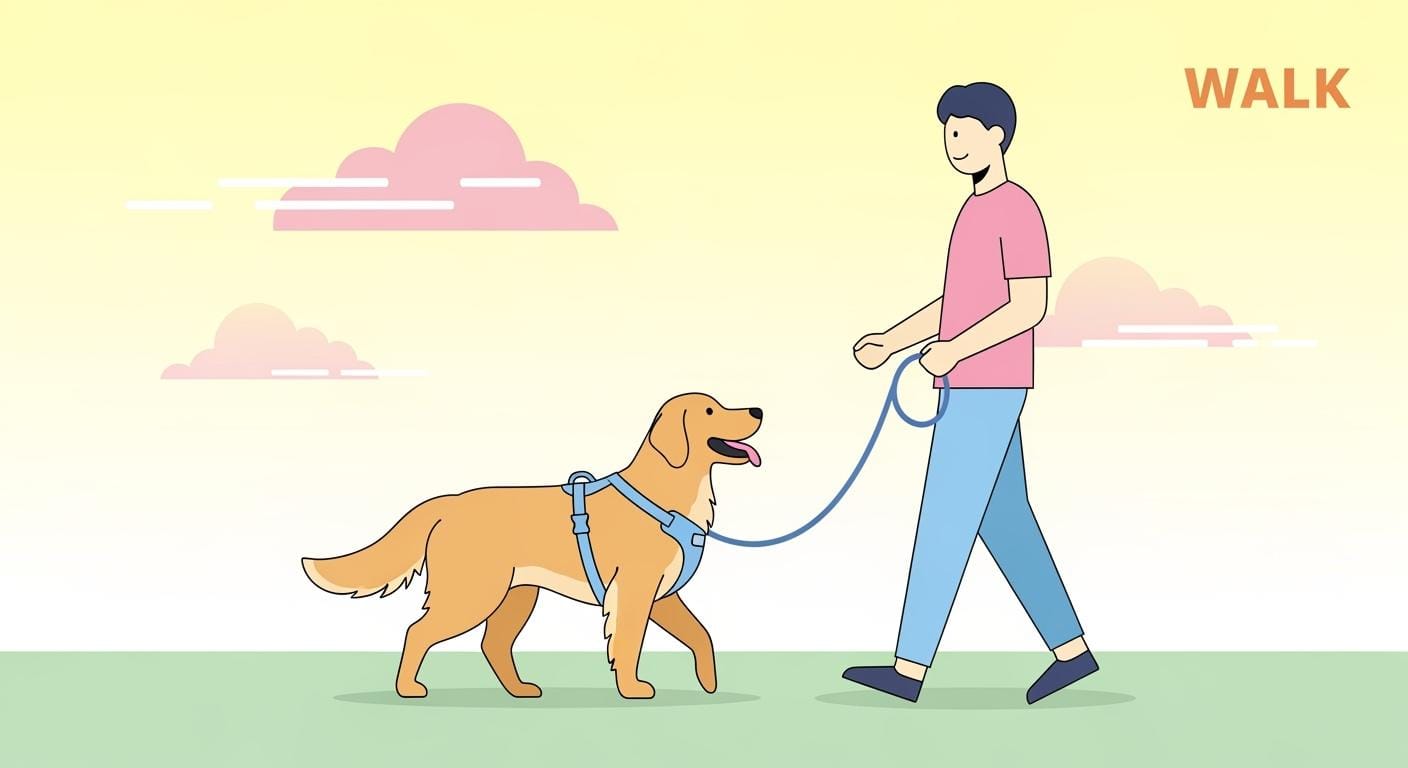
- Watch your dog walk and sit while wearing the harness.
- Look for smooth shoulder movement without pressure into the shoulder blades.
- Check the area behind the front legs. The straps should not touch or rub the elbows.
- Make sure the handle sits flat on the back and feels stable when you use it for brief control.
A good dog harness for large dogs spreads pressure across the chest and shoulders. It does not dig into the skin or cause your dog to shorten stride. If you see redness, hair loss, or repeated scratching at the harness, adjust the fit or switch to a different layout.
Tip: Take your dog for a short walk after fitting the harness. Watch for any signs of discomfort or shifting. Adjust as needed for the best fit.
Note: This content is general product-fit guidance, not medical advice. If your dog shows pain, skin injury, limping, or has special mobility needs, consult your veterinarian.
How Handle Design Changes Real Use
Handle stability, padding, and placement
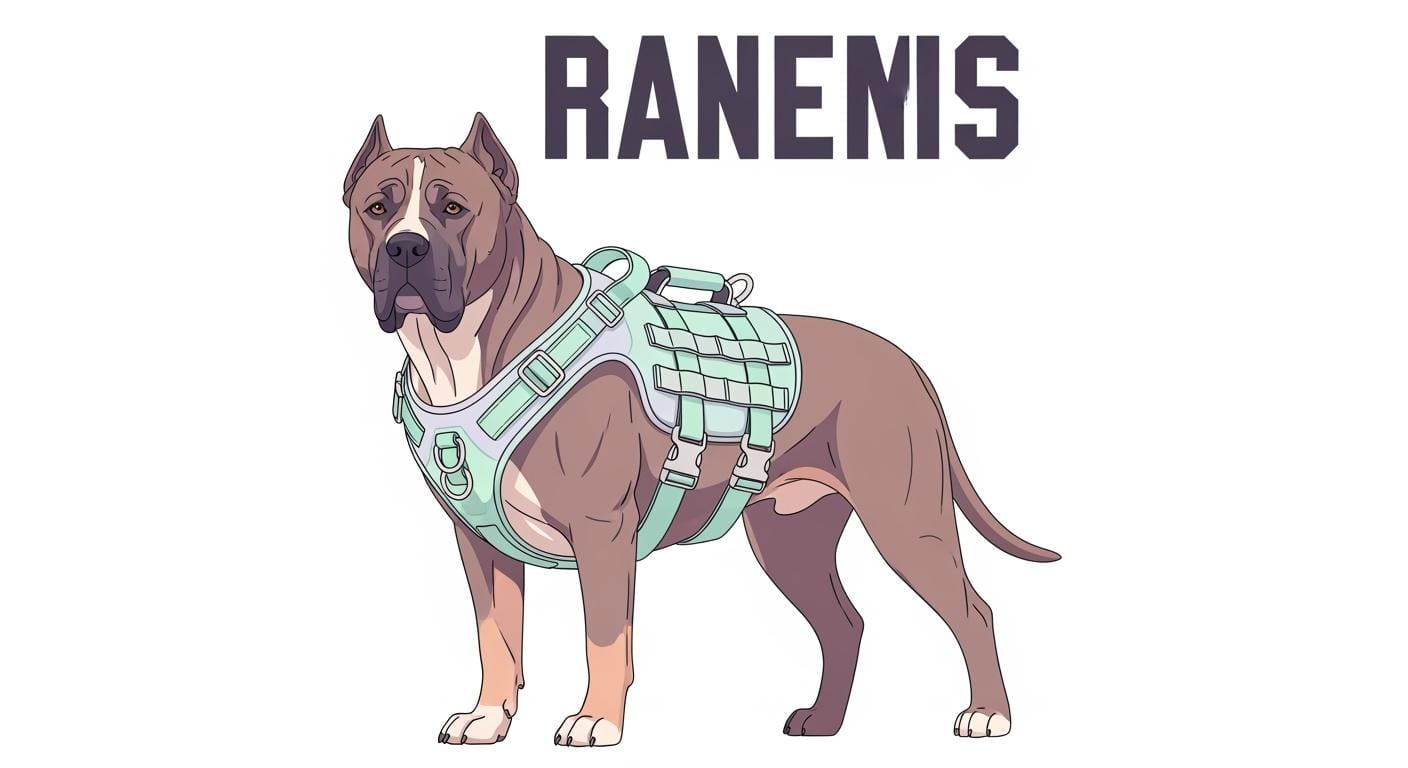
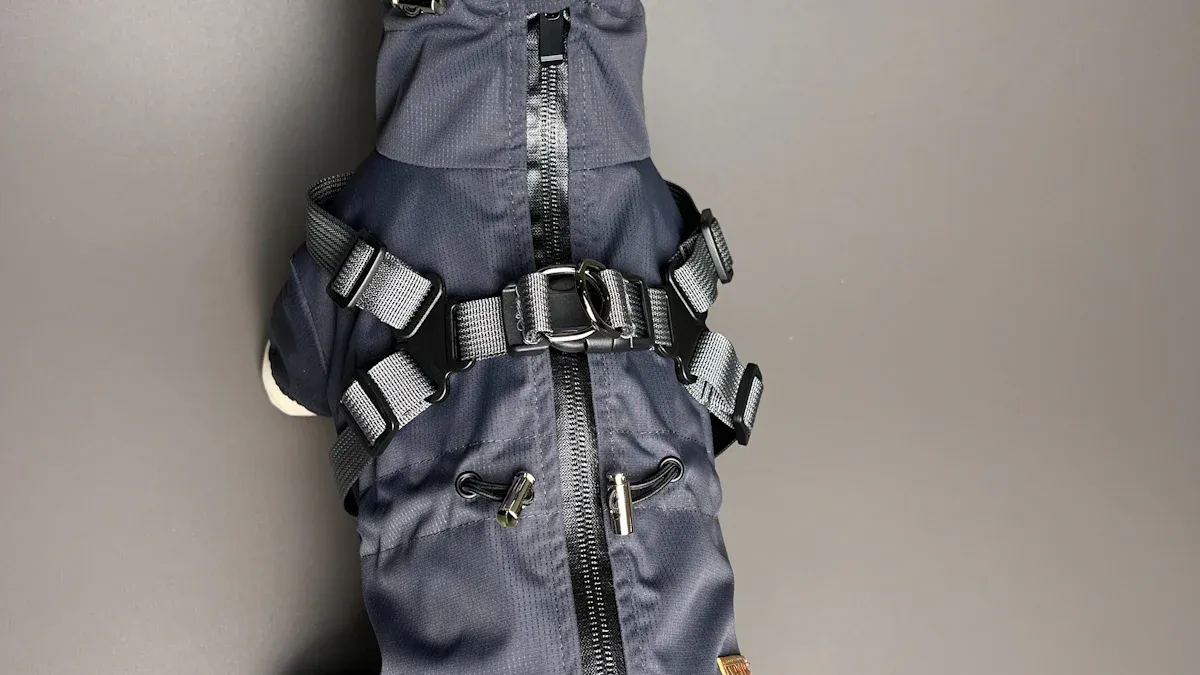
When choosing a large dog harness with handle, the main question is whether the handle gives cleaner, steadier contact when you actually need it. The handle should lie flat on the back, feel predictable in the hand, and stay stable during short guidance in busy places or at curbs. It is useful for brief control, but it is not for lifting.
Padding matters for a comfortable harness for large dogs. Soft padding helps protect the skin and spread pressure across the chest and shoulders. Wide straps help distribute load better than narrow straps, especially for stronger dogs. Multi-point adjustment also helps because larger dogs often need a more stable fit through the chest, belly, and back.
Clip types and load distribution
Different clip layouts change how the handle feels in real use, especially on bigger dogs that create more movement and leverage.
| Harness Type | Best For | Pros | Cons |
|---|---|---|---|
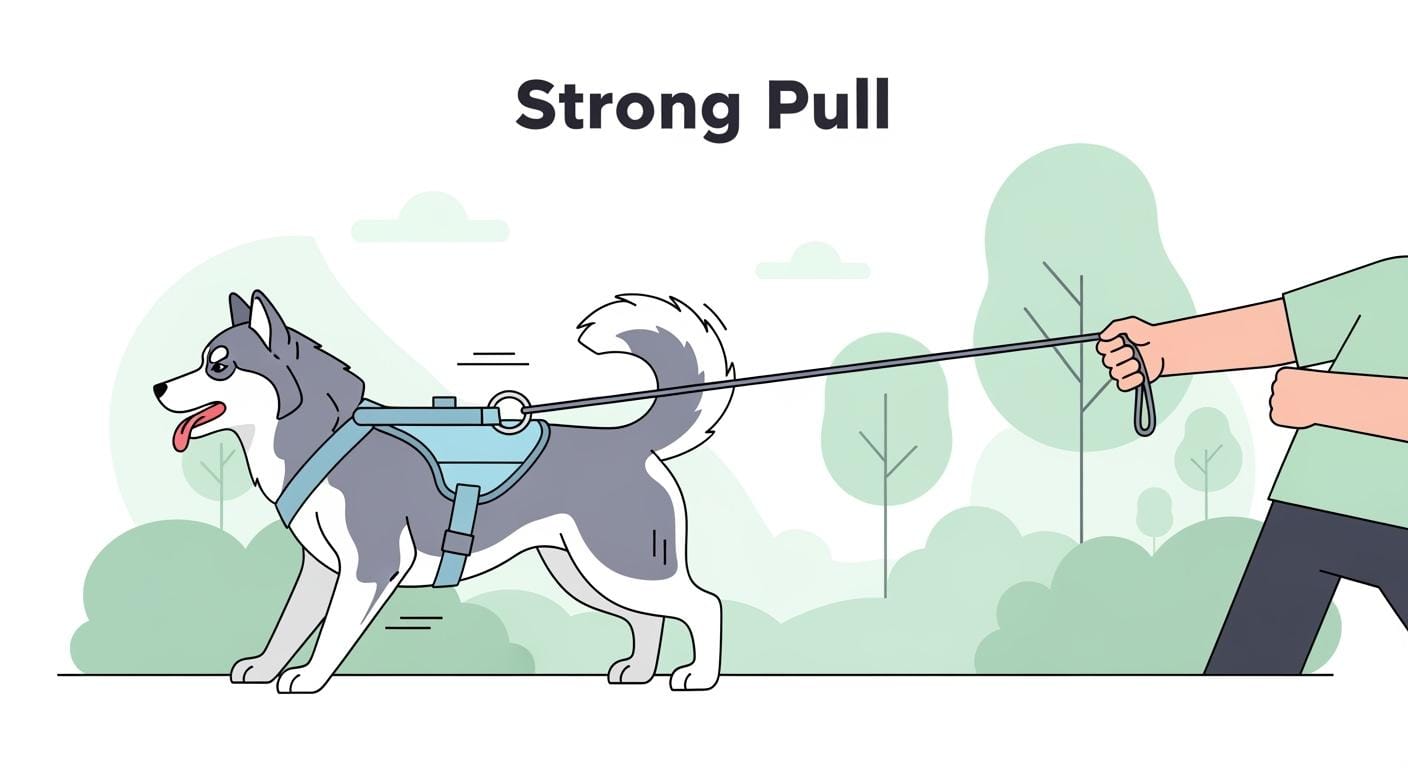
| Front-Clip Harness | Dogs that pull a lot | Helps redirect pulling and improves steering | Needs careful fit; poor placement can block movement |
| Dual-Clip Harness | Training flexibility | Works for both training and daily walks | Heavier and may need more adjustment |
| Back-Clip Harness | Calm dogs | Easy to put on and comfortable for simple walks | Offers less control and may encourage pulling |
A no-pull dog harness for big breeds often uses a front-clip or dual-clip design. These help you guide your dog and improve control. For hiking, a strong handle and wider straps can feel more stable on uneven ground.
Materials matter for a dog walking harness for large dogs. Nylon is strong and water-resistant. Polyester dries quickly and holds shape well. Neoprene feels softer but adds weight. Mesh improves airflow but may wear faster. Leather lasts well but is heavier and needs more care.
| Material | Advantages | Limitations |
|---|---|---|
| Nylon | Strong, water-resistant, light, affordable | Can feel less breathable and may irritate sensitive skin |
| Polyester | UV-resistant, quick-drying, shape-stable | Not very breathable for some dogs |
| Neoprene | Soft feel, water-resistant, snug contact | Heavier, more costly, easier to chew |
| Mesh | Breathable, light, easier to clean | Less durable for strong pullers |
| Leather | Durable, flexible over time, classic feel | Heavy, higher cost, longer break-in |
A reflective harness for large dogs can improve visibility in low light. Smooth edges also help reduce rubbing behind the elbows. Always check that the harness allows shoulder freedom and stays steady during use.
Tip: Take your dog for a short walk to test the harness. Adjust it for your dog’s best comfort and fit.
Common Mistakes When the Handle Adds More Than It Solves
Fit and handle-use mistakes
Problems happen when buyers choose only by breed or size label, assume the handle automatically adds control, or skip real movement checks. Some people overtighten the straps, which can restrict movement. Others leave the harness uneven, which can create drift, rubbing, or handle instability. Not every harness layout or handle position suits every large dog well.
Note: This is general advice about product fit. It is not medical advice. If your dog has pain or trouble moving, ask your vet.
Pass/fail checklist before the handle feels useful
| Artikel prüfen | Signal weiterleiten | Fehlermeldung | Beheben |
|---|---|---|---|
| Dog moves naturally | Yes | No | Adjust harness fit |
| Harness stays secure | Yes | No | Reposition and re-check |
| Leash allows control | Yes | No | Shorten for busy areas |
| Straps sit flat | Yes | No | Smooth and retighten |
| No rubbing at elbows | Yes | No | Adjust strap placement |
Harness comparison table
| Option | Best For | Watch-outs | Fit Note |
|---|---|---|---|
| Front-clip | Pulling control | May block movement | Center chest ring |
| Back-clip | Calm walks | Less control | Easy to put on |
| Dual-clip | Training flexibility | Heavier, more changes | Adjust both rings |
| Broad straps | Load spreading | Can be bulky | Check shoulder freedom |
| Narrow straps | Lightweight | May dig in | Watch for rubbing |
| Reinforced handle | Brief control | Not for lifting | Handle sits flat |
Troubleshooting table for shifting, rubbing, and unstable handling
Use this table to fix common harness problems:
| Symptom | Mögliche Ursache | Fast Check | Beheben |
|---|---|---|---|
| Harness shifts during walking | Uneven adjustment or poor body-shape match | Check chest position and handle alignment | Re-center and retighten |
| Rubbing | Poor strap placement | Check armpits and elbows | Adjust fitting |
| Harness rotates | Uneven fitting | Observe during turns | Center and retighten |
| Restricted movement | Fitting too tight | Watch walking and sitting | Loosen fitting |
A harness for large dogs should sit flat between the shoulders. The chest section should rest on the breastbone. Straps must not press into the armpits. Always watch your dog move after fitting the harness.
FAQ: Large Dog Harness with Handle
Sizing and fit questions
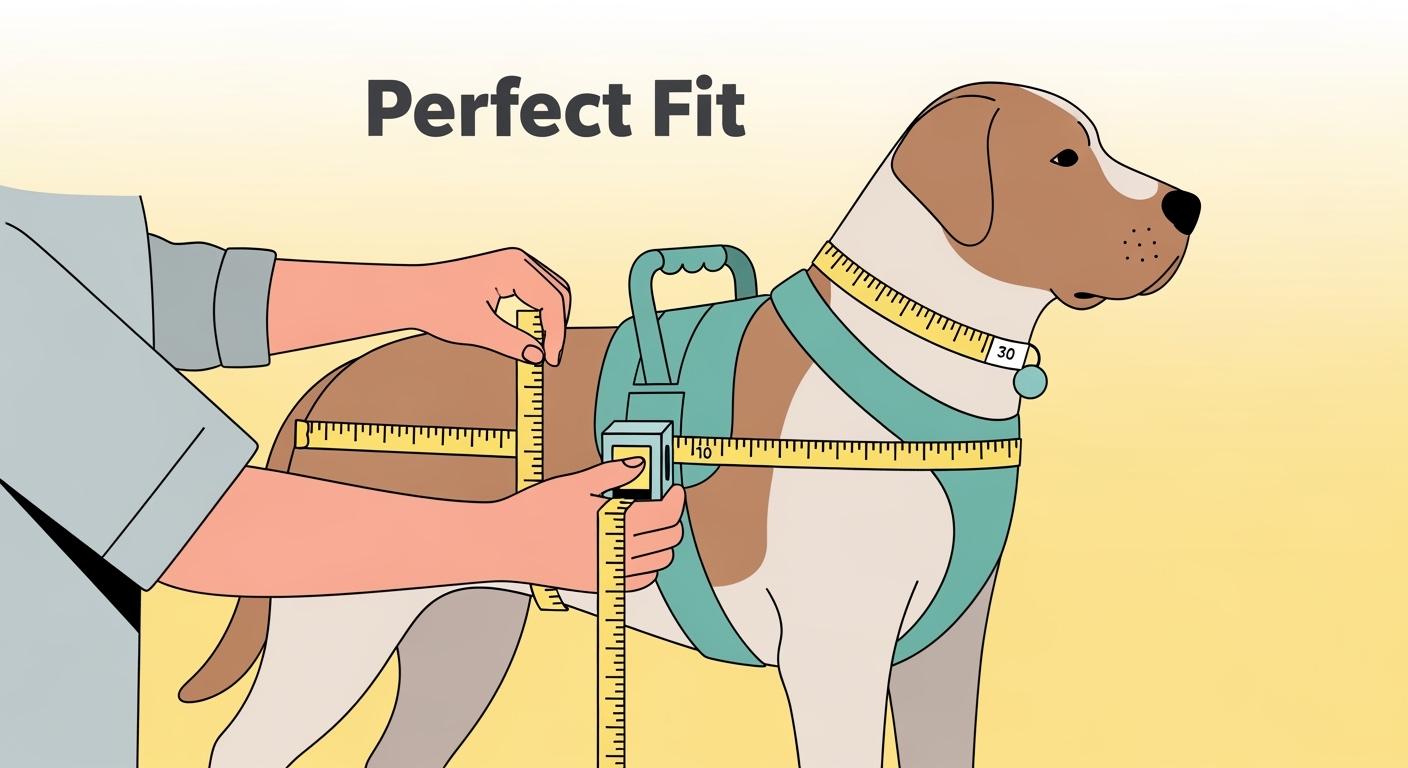
- How do you measure your dog for a harness?
Use a soft tape to measure around the widest part of the chest, just behind the front legs. Measure the neck at the base, near the shoulders, then compare those numbers with the brand size chart. - What if your dog is between sizes?
Choose the size that still leaves safe adjustment room and then confirm the fit during a short walk. - Can you get a harness for an odd-shaped dog?
Yes. Dogs with broad shoulders, deep chests, or shorter bodies often benefit from multi-point adjustment and a layout that stays centered more easily. - Is this harness suitable for puppies?
Yes, but you need to re-check fit often because puppies grow quickly.
Check the fit every few months, especially if your dog is still growing or has gained or lost weight.
Slipping out and rubbing issues
- Make sure the harness fits snugly. You should fit one or two fingers under each strap.
- The chest section should sit across the chest, not the throat.
- The harness should not rub behind the front legs or block movement.
- If your dog backs up, the harness should stay secure.
- If you see redness or your dog seems uncomfortable, adjust the fit or try a different layout.
Handle use and close guidance
| Design Feature | Impact on Control |
|---|---|
| Padded grips | Reduce hand strain during longer walks |
| Ergonomic shapes | Improve comfort and control for stronger dogs |
| Reflective elements | Increase visibility in low-light conditions |
| Traffic leashes | Keep your dog closer in crowded areas |
Use the handle for brief, close guidance in busy places, at curbs, or during short resets on a walk. Do not use it to lift your dog.
Comfort and adjustment tips
- Adjust the shoulder straps so the harness does not slide backward.
- Keep the belly strap snug but not tight to avoid discomfort.
- Make sure the chest section stays centered and does not shift to the side.
- If the handle keeps rocking, lifting, or making the harness feel top-heavy in real use, re-check fit and body-shape match before assuming the handle is helping.
A well-fitted harness lets your dog move naturally and keeps pressure off the throat. Always check for signs of rubbing or discomfort after walks.
Use these steps before deciding the handle is truly useful:
- Start with the best fit you can get before judging the handle.
- Check whether the handle stays flat and stable during short real walks.
- Make sure the extra hardware does not crowd the shoulders or create drift.
- Watch movement instead of trusting how the harness looks while standing still.
Use the tables for troubleshooting. This guide does not replace veterinary advice. Choose comfort and safety every walk.