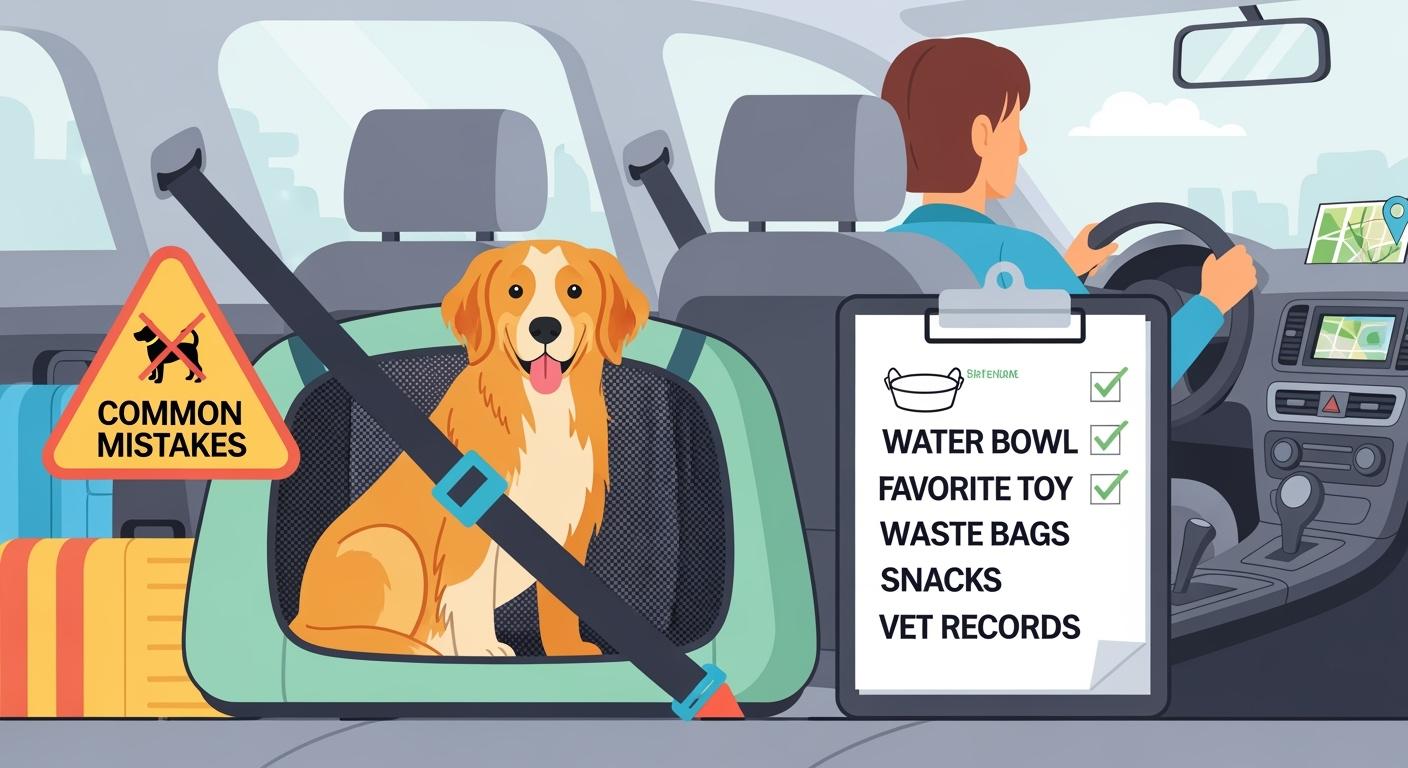
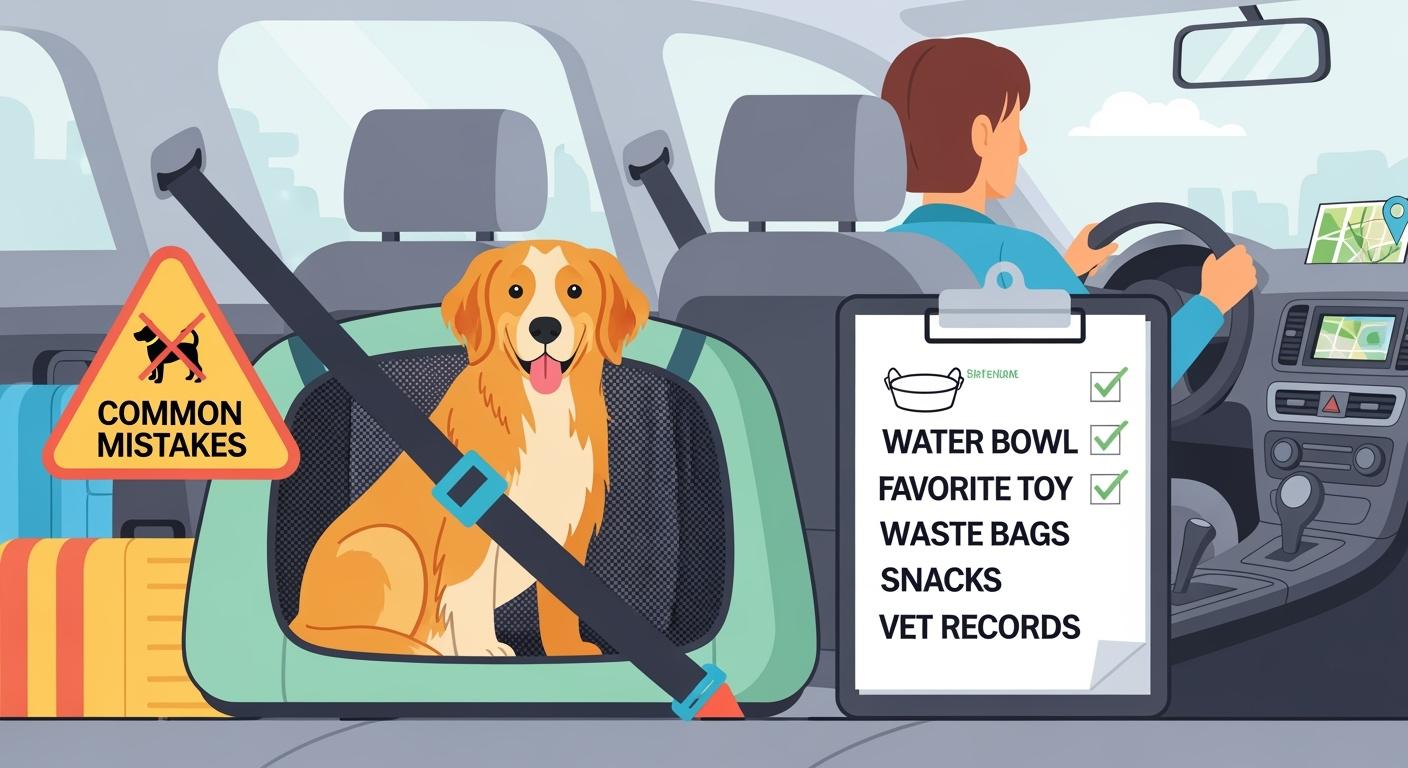
You probably know how annoying it is when your dog won’t sit still in the car. Many people have trouble with a travel dog carrier because dogs that are not secured can be dangerous, get car sick, or get too hot. People often make mistakes like picking the wrong size, not putting the carrier in a safe spot, forgetting to clean it, or not following the law. You should avoid these mistakes for safer and cleaner trips.
- Dogs that are not secured can be dangerous in a moving car.
- Your dog may get more car sick if you feed it before the trip.
- Cars can get hot quickly, which is bad for your dog.
- Not stopping for breaks on long trips can make your dog stressed.
| Requirement | Description |
|---|---|
| Attachment Method | Make sure to secure the travel dog carrier with a seat belt (or built-in straps) so it can’t slide. |
| Animal Security | Use an inside harness for your dog and keep it safe from the weather. |
| Local Regulations | Look up the rules in your area for using a travel dog carrier in your car. |
Key Takeaways
- Always keep your dog safe in a travel carrier. This stops distractions and keeps everyone safe during car rides.
- Pick a carrier that fits your dog well. The right size helps your dog sit and lie down comfortably. If the carrier is too big, your dog may feel stressed.
- Clean the carrier often and check for good airflow. This helps your dog stay comfy and keeps bad smells away.
Travel Dog Carrier: Buyer Verification Tips
Travel Scenarios and Tips: Errands vs Road Trips
You should pick a pet travel bag that fits your trip. For short errands, use a backpack carrier or dog stroller. These are easy for you and your dog. They work well for quick vet visits or city trips. For long road trips, pick a restraint system that keeps your dog safe and comfy. A stroller is good for older dogs or dogs healing from surgery. Always think about the best choice for your dog or cat. The trip length and your pet’s needs matter.
| Carrier Type | Best Use Cases for Short Errands | Best Use Cases for Long Road Trips |
|---|---|---|
| Dog Stroller | Crowded public events, city outings, unsafe pavement | Long walks, hikes, dogs with reduced stamina |
| Backpack Carrier | Urban commutes, quick vet visits, portability | N/A |
Carrier Essentials: Stability, Secure Closures, Ventilation
Safety is very important for dog car travel. Pick a carrier with a strong bottom so it does not move around. Secure closures stop your dog from getting out. Good ventilation helps your dog stay cool and happy. These features make travel easier for you. The best pet travel bags always have these safety features.
| Feature | Description |
|---|---|
| Stability | Strong base prevents shifting during car travel. |
| Secure Closures | Reliable closures keep your dog safe inside the carrier. |
| Ventilation | Good airflow ensures comfort without exposing your dog to drafts. |
Car Fit Basics: Placement and Safety
Safety comes first when you travel with your dog. Use the right restraint system and put the pet travel bag in the back seat. Secure the carrier with seat belts or straps. Never leave your dog alone in the car. Do not put the carrier in the front seat. This helps avoid distractions and keeps your dog safe from airbags. Make sure the dog backseat cover does not block airbag areas.
| Safety Guideline | Description |
|---|---|
| Secure with seat belts or straps | Prevents sliding and keeps your dog safe during travel. |
| Avoid front seat placement | Reduces distractions and airbag risks. |
| Never leave dog unattended in parked car | Prevents overheating and stress. |
| Schedule regular stops | Keeps your dog hydrated and comfortable. |
Buyer Checklist Table: Areas, Verification, Return Prevention, Wording
| Check Area | Verification Content | Reason for Preventing Returns | Customer-Facing Wording |
|---|---|---|---|
| Internal Support | Firm, padded base supports dog’s posture | Prevents slumping and discomfort | “Supports your dog’s natural posture” |
| Base Stability | Non-slip, rigid bottom | Stops carrier from sliding in car | “Stable base for safe car rides” |
| Ventilation Layout | Mesh panels on multiple sides | Reduces overheating and odor buildup | “Breathable mesh for airflow” |
| Closure Security | Zippers or latches lock securely | Stops escapes during travel | “Secure closures for peace of mind” |
| Internal Tether | Tether attaches to harness, not collar | Prevents injury and escape | “Safety tether for harness attachment” |
| In-Car Placement | Fits back seat, allows seat belt use | Ensures safety and legal compliance | “Fits most car back seats securely” |
| Cleaning Method | Removable, washable liner | Reduces odor and hair complaints | “Easy-clean, removable liner” |
| Pocket Volume/Balance | Balanced pockets for supplies | Prevents tipping and lost items | “Convenient storage for travel essentials” |
Tip: Check these things before you buy. This helps stop returns and makes customers happier.
Fit and Security: Reducing Unsafe Carrier Complaints
Carrier Fit Checks: Supported Posture, No Slumping
Fit means the carrier supports your dog’s posture and keeps the body stable during travel. You want your dog to stand, turn, and lie down without slumping or twisting. To check fit, place your dog inside and see if the back stays straight and the head does not press against the top. If your dog slumps or tries to escape, the fit fails. A good fit improves comfort for your pet and reduces stress during car rides.
Pass/Fail Mini-Check:
- Pass: Dog sits upright, moves easily, stays calm.
- Fail: Dog slumps, twists, or tries to escape.
Secure Closures: Tether, Zipper, Attachment Tips
You should always use closures that lock securely. Zippers with locking tabs help prevent accidental openings. Attach the internal tether to a harness, not a collar, to keep your dog safe. Escape-proof seams and strong hardware add comfort and security. Straps improve comfort and safety but do not replace proper travel restraints.
Common complaints include mesh tearing at seams, hardware missing, and strap buckles loosening. Always check all parts before each trip.
Handling Transitions: Entry, Exit, Stairs
Moving your dog in and out of the carrier can cause stress. Approach calmly and speak softly. Support the chest and hind legs when lifting. Use a sturdy carrier and soft padding to keep your dog comfortable. On stairs, move slowly and keep the carrier level to avoid sudden shifts.
Test Routine: Pre-Travel Safety Checks
Follow these steps before every car ride:
- Test the carrier at home with your dog inside.
- Press closures with light paw pressure to check security.
- Take a short, low-speed car ride.
- Recheck for pressure points or discomfort.
- Watch for restlessness or escape attempts.
- Stop and reassess if your dog shows signs of stress.
These steps help keep your dog comfortable and reduce returns due to fit or security issues.
Cleaning and Materials: Preventing Odor and Messy Returns
Easy-Clean Carrier Tips: Wipe-Down vs Washable
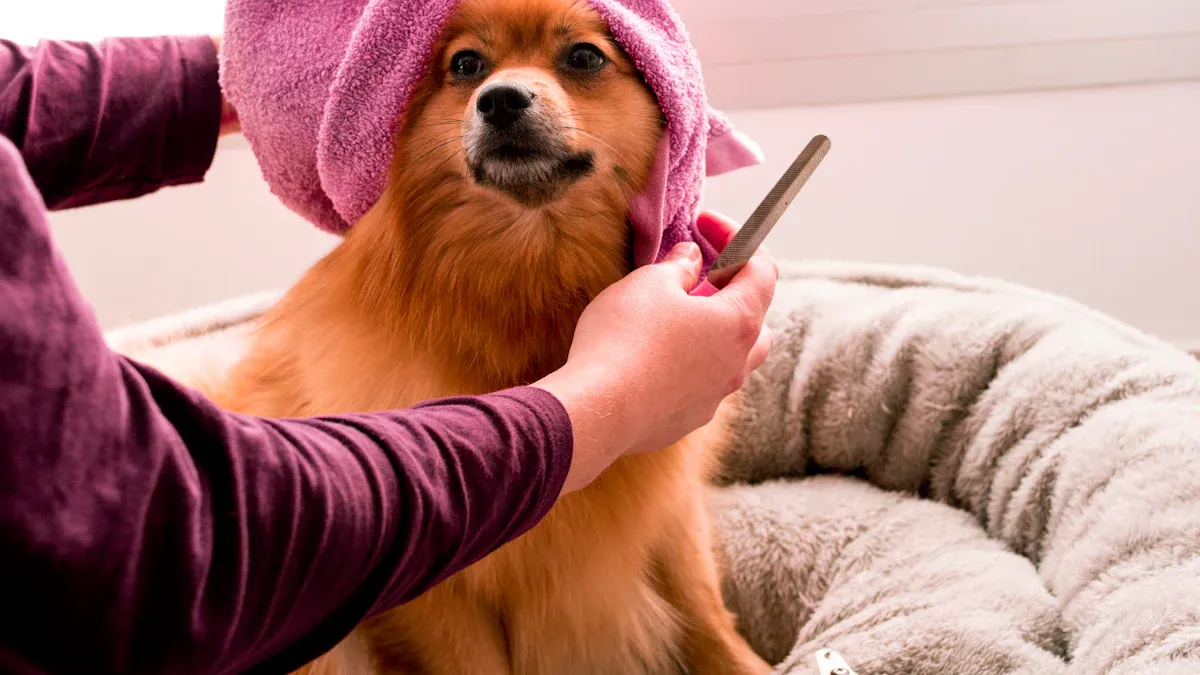
You want a travel dog carrier that is easy to clean. Pick one with a machine-washable liner or fast-dry microfiber. Wipe-down surfaces help you clean mud and hair after rides. Thick padding is not good in hot weather because it holds heat and dries slowly. Wet paws and accidents are common when you travel with pets. Quick-dry fabrics help stop bad smells and keep your dog happy.
Product Info Mini-Module:
- Machine-washable liner comes out for easy cleaning.
- Fast-dry microfiber soaks up water and mud.
- Wipe-down surfaces do not stain or smell bad.
- Plush texture is soft on your dog’s fur.
- Strong materials last through many uses.
- Do not use thick inserts in hot cars so they dry faster.
Leak Control: Lining, Seams, Escape Points
Leak control means using strong materials. Ripstop nylon and Oxford polyester do not tear or let water in. PU or silicone coatings make the carrier waterproof. Reinforced floors stop sharp things and wet spots from getting through. Double-stitched and taped seams block leaks and make the carrier stronger. These features help keep your car clean and stop returns.
| Feature | Description |
|---|---|
| Fabric | Ripstop nylon or Oxford polyester do not tear or let water in. |
| Coating | PU or silicone coatings keep water out. |
| Flooring | Reinforced, tough base stops wet spots. |
| Seams | Double-stitched and taped seams block leaks. |
Ventilation and Heat: Airflow Limits for Traveling with Pets
Tip: Keep the car cool and never leave pets unattended in a parked car—even with windows cracked.
- 360-degree ventilation uses mesh on many sides.
- Strong mesh lets air in but keeps your dog safe.
- Raised base lets air move under the carrier and cools it down.
Bad airflow can make pets too hot and stressed. Always check the ventilation before you drive.
Listing Tips: Setting Cleaning Expectations
Tell buyers how to clean the carrier. Wipe hard-shell insides with alcohol after vet visits. Let fabric carriers air out in the shade every week. Check the stitching and hardware every month. Do not keep food bowls or toys inside the carrier. Only stack hard-shell crates if they are made for stacking.
Tip: Clear cleaning steps help stop bad smells and messy returns.
Common Mistakes and FAQs: Carrier Returns and Support
Mistakes: Oversizing, Over-Padding, Blocked Airflow
You may see many returns because buyers choose the wrong size or style for their dog. Oversizing is a common mistake. A carrier that is too large does not support the dog’s posture. The dog may slump or slide during the car ride. Over-padding can also cause problems. Thick inserts block airflow and trap heat, making pets uncomfortable. Blocked ventilation leads to heavy panting and stress. Many buyers pick a dog travel bag based on looks instead of safety features. This choice often leads to complaints about fit and comfort.
You can help prevent these issues by reminding buyers to:
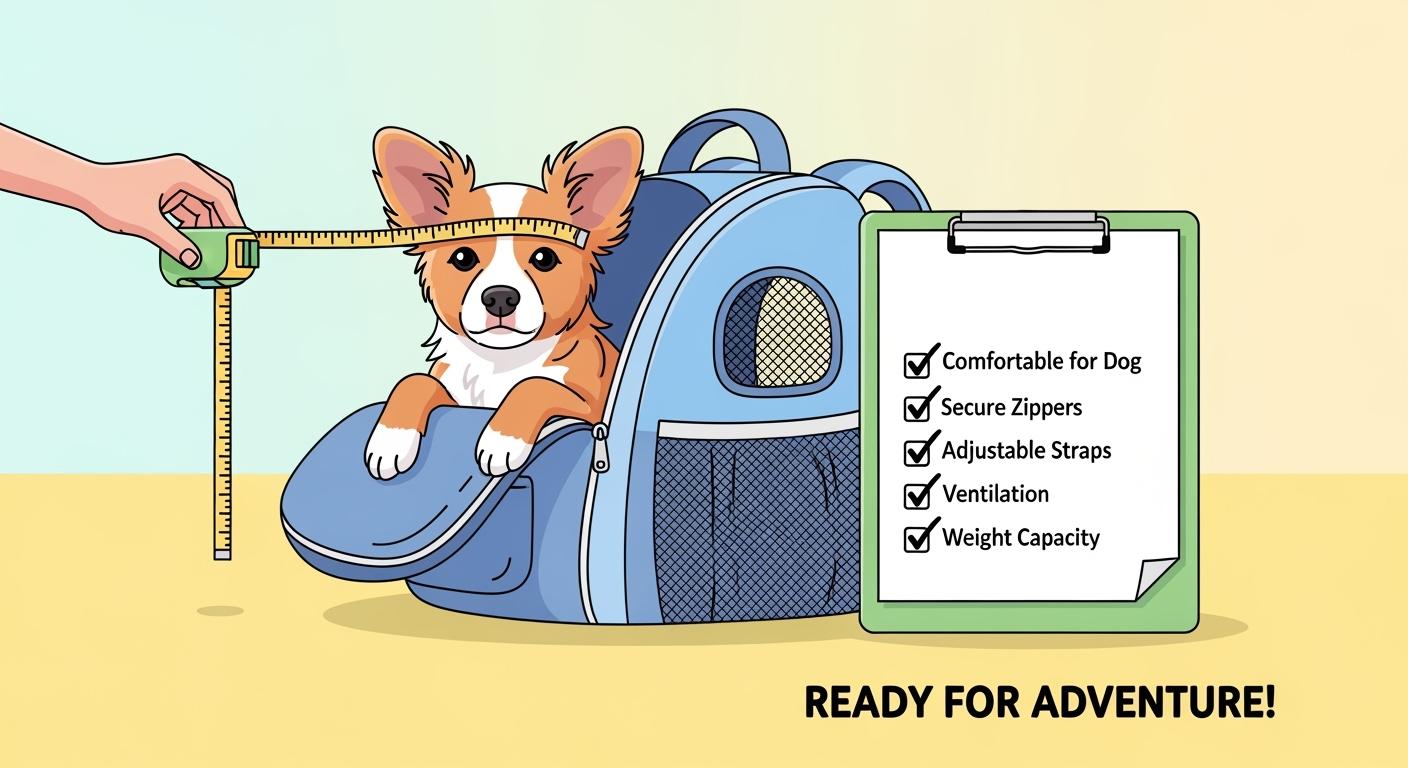
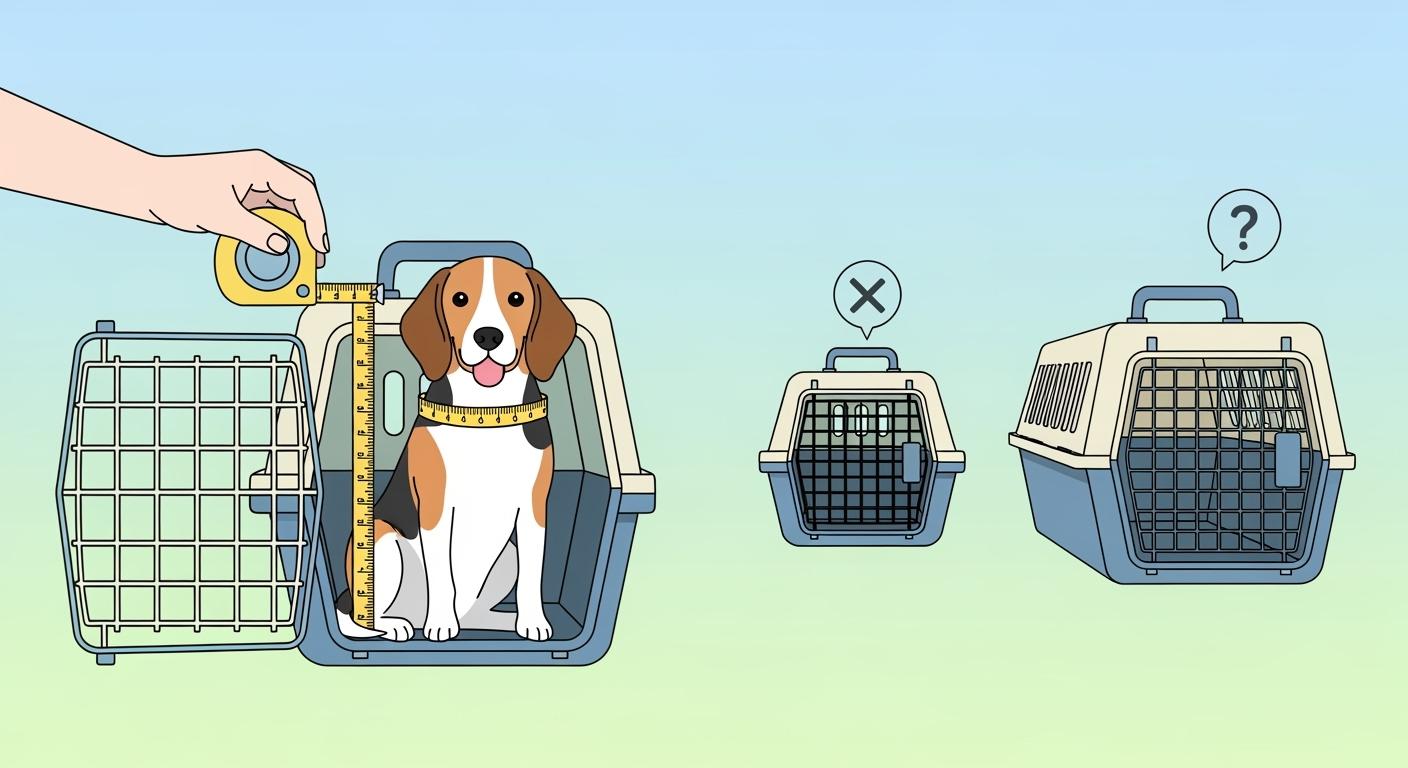
- Measure the dog from nose to tail and compare with the carrier’s dimensions.
- Choose function over style. Safety features matter more than color or design.
- Check for mesh panels and avoid thick inserts that block airflow.
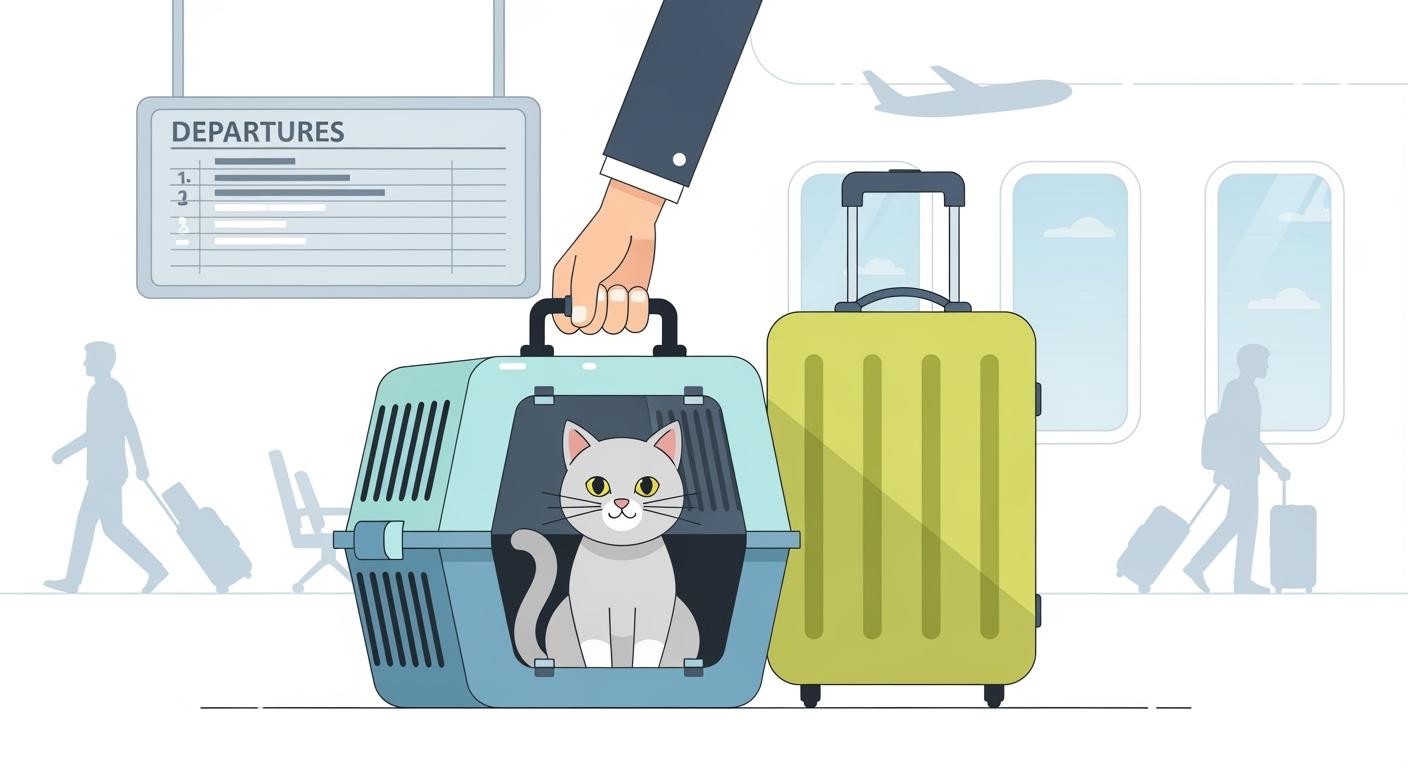
- Review airline or travel rules if the carrier will be used for flights.
Mistakes: Carrier vs Crash Safety Misconceptions
Many buyers believe all carriers protect dogs in a crash. This is not true. The main job of a carrier is to contain the dog and reduce distractions in the car. Some buyers think any crate can sit on a console, but hard-sided crates are often too heavy and unsafe there. Others believe small dogs do not need restraints. In a crash, even a small dog can get hurt or cause injury. Not all booster seats or carriers have crash-test certification. There is no federal rule for crash testing pet carriers. You should encourage buyers to look for third-party safety information and use the carrier as a containment tool, not a crash shield.
Note: Always place the carrier in the back seat and secure it with a seat belt or strap. This reduces risk from airbags and sudden stops.
Troubleshooting Table: Issues, Causes, Fixes, Prevention
| Problem | Possible Cause | Immediate Fix | Prevention for Next Time |
|---|---|---|---|
| Sagging/Twisting | Oversized carrier, weak base | Add support, check fit | Measure dog, choose firm base |
| Paws Caught in Zippers | Loose closures, poor design | Free paw gently, check for injury | Use carriers with covered zippers |
| Instability in Car | No anchor, slippery base | Secure with seat belt, add grip mat | Pick non-slip base, always secure |
| Strong Odor | Dirty liner, trapped moisture | Wash liner, air out carrier | Use washable liners, clean often |
| Hair Buildup | Static, rough fabric | Brush out hair, wipe with damp cloth | Choose smooth, wipe-clean surfaces |
| Heavy Panting | Blocked airflow, heat | Move to cool spot, open vents | Check ventilation, avoid thick inserts |
| Fit Complaints | Wrong size, poor posture | Reassess size, adjust padding | Measure dog, check fit before buying |
FAQ Block: Sizing, Fit, Cleaning, Anxious Pets, Travel Setup Choices
1. How do I pick the right size carrier for my dog?
Measure your dog’s length and height. The carrier should let your dog stand, turn, and lie down without slumping.
2. Does weight matter more than size?
No. Size and posture support matter more. A carrier that fits the dog’s body gives better comfort and safety.
3. How can I tell if the carrier is too small?
If your dog cannot stand without ducking or shows stress like panting or pacing, the carrier is too small.
4. Can I use a child stroller for pets?
No. Child strollers do not have proper ventilation or secure containment for pets.
5. What if my dog tries to escape through the zipper?
Choose carriers with locking zippers or covered seams. Always supervise your dog during travel.
6. Should I attach the tether to a collar or harness?
Always use a harness. This prevents neck injury if your dog pulls or moves suddenly.
7. How do I avoid overheating in the car?
Check for mesh panels and good airflow. Do not use thick padding in warm weather. Never leave pets alone in a parked car.
8. How often should I clean the carrier?
Wash liners and wipe surfaces after each trip. Air out the carrier weekly to prevent odor and hair buildup.
9. What if my dog gets restless or anxious in the carrier?
Let your dog explore the carrier at home first. Use treats and short practice rides to build comfort.
10. What questions should buyers ask before purchase to reduce returns?
Ask about size, ventilation, cleaning method, and in-car securing options. Make sure the carrier fits both the dog and the car.
11. Are there carriers for very small dogs under five pounds?
Yes. Many carriers are made for extra-tiny dogs. Check the weight and size range before buying.
Tip: Start acclimating pets to the carrier before travel. Keep routines familiar and avoid new foods or snacks during trips.
You can stop common mistakes if you check the carrier’s fit, how to clean it, and its safety parts. To get your dog ready for a car ride, use this easy checklist:
- Feed your dog three or four hours before you leave.
- Bring water, a bowl, a favorite toy, and things that help your dog stay calm.
- Plan breaks and use the right restraint so your trip is safe and not stressful.
- Pick a soft spot for your dog to sit.
Travel safely by thinking about your pet’s mood and your plans. Use the troubleshooting and buyer checklist tables to help you make good choices.
| Best Practice | Description |
|---|---|
| Safety | Buckle the carrier and support your pet’s size and weight. |
| Maintenance | Choose carriers that are simple to clean for long use. |
| Ventilation | Make sure there is enough airflow for comfort. |