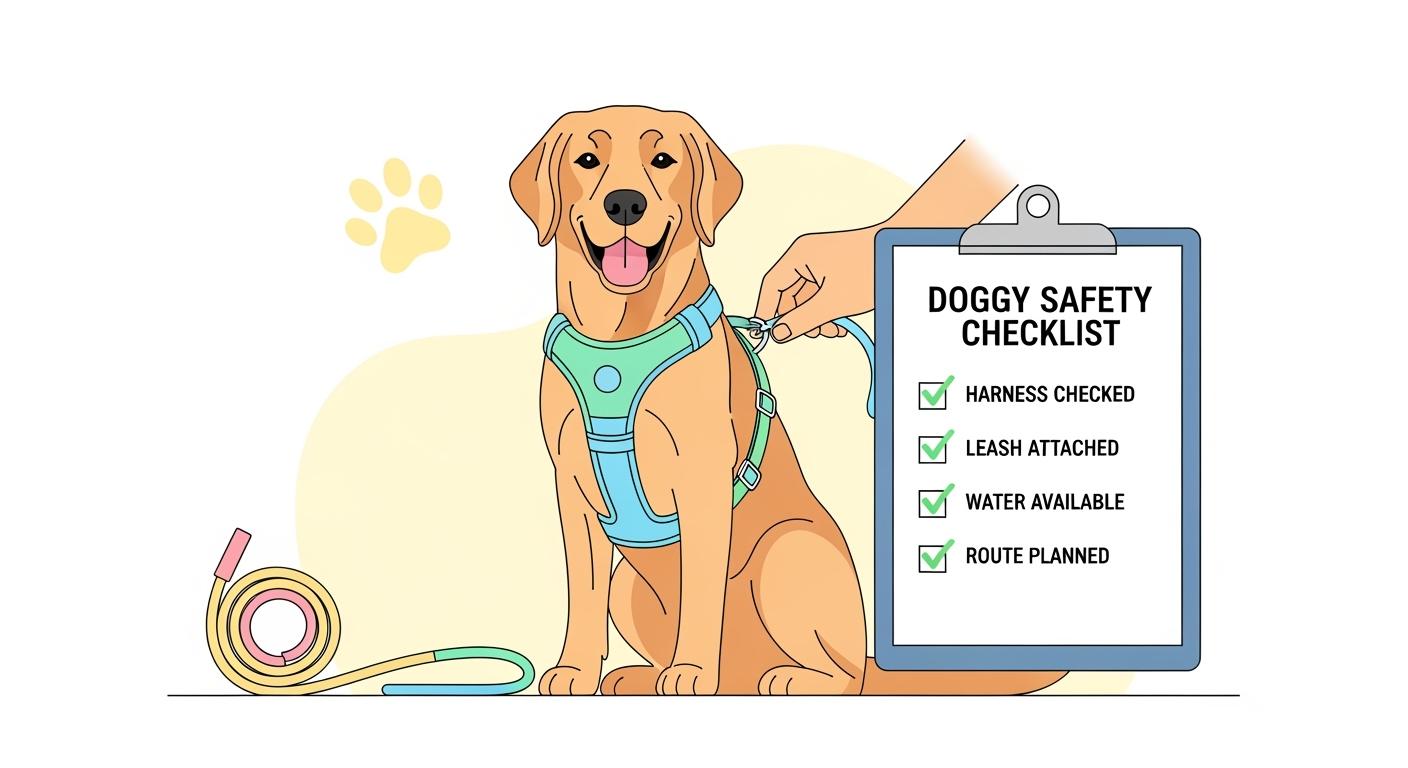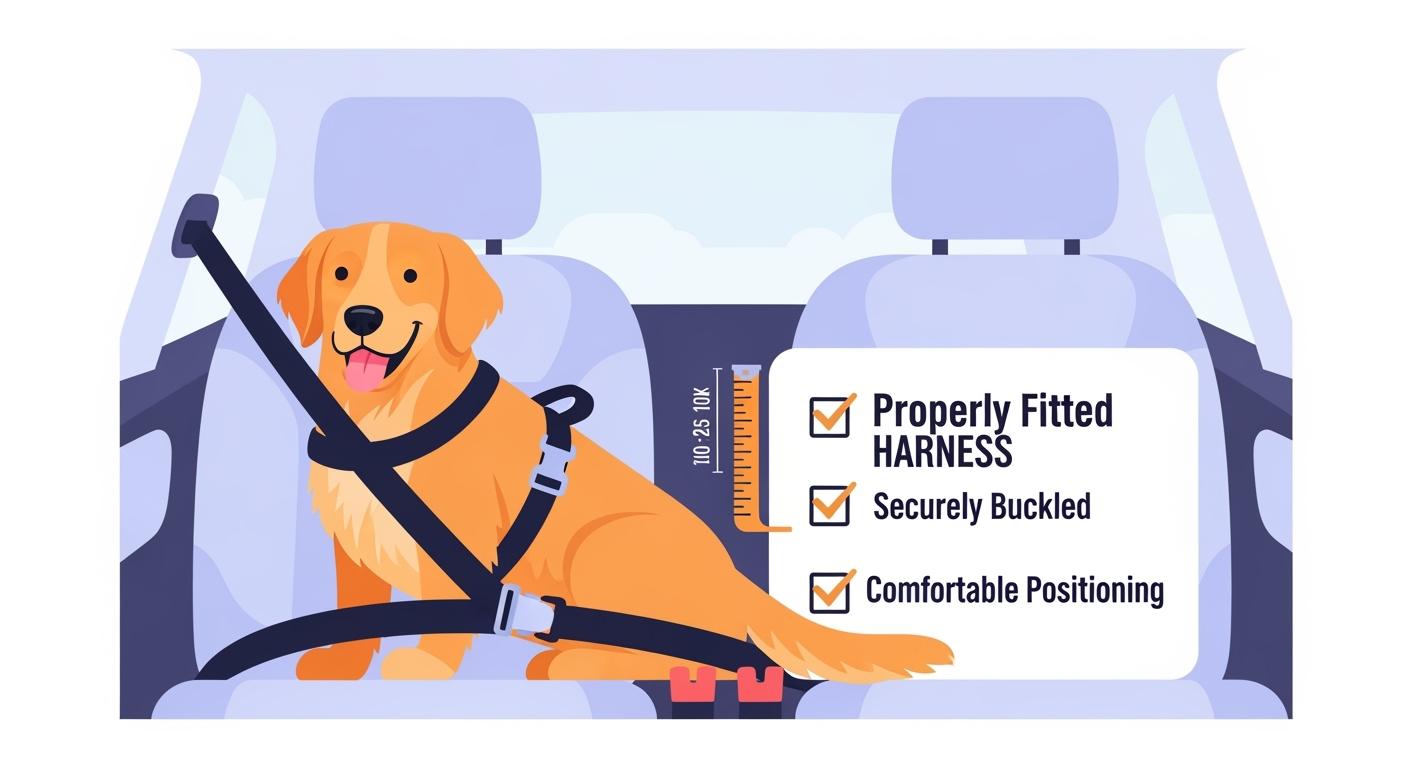
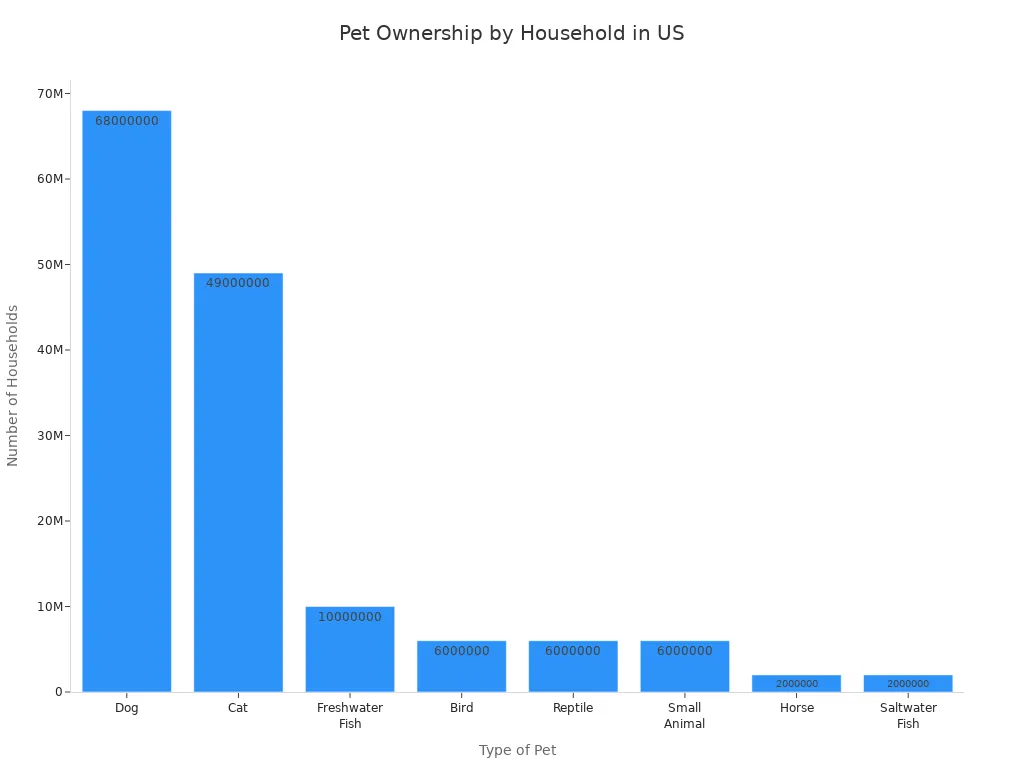
You see more people owning dogs now. According to the American Pet Products Association (APPA) 2024-2025 National Pet Owners Survey, approximately 68 million U.S. households own a dog. More pet owners want safe and strong dog gear. Dogs remain the most common pet type. They want to control their pets better. A good tactical dog harness keeps dogs safe. It also makes customers happy. You need products that help stop injuries. This also means fewer returns from buyers.
Type of Pet | Number of Households |
|---|---|
Dog | 68 million (per APPA 2024 Survey) |
Cat | 49 million |
Picking the right harness helps your business stay safe. It also helps you earn trust from customers. Always ask a professional for legal, medical, or training help.
Key Takeaways
Tactical dog harnesses help you control dogs better. They keep dogs safer and lower the chance of injuries. This means fewer complaints from customers.
Quality materials like Mil-Spec webbing and high-load buckles meet professional demands, increasing product lifespan and value.
Harnesses need adjustable straps for a good fit. This helps fit many dog sizes and shapes. It also makes sizing problems less common.
Well-trained staff and clear sizing guides are key to reducing high e-commerce return rates common in the pet apparel sector.
The Rise of Tactical Dog Gear
Working Dog Origins
Tactical dog harnesses started with working dogs. These dogs help police and rescue teams. These teams need reliable, strong gear that will not break under pressure. The harness should give the handler maximum control.
Working Dog | Harness Use |
Police/Military | Tactical dog harnesses are used by police SWAT teams for enhanced control and support during operations. |
Search and Rescue | Used to lift and lower dogs in challenging terrain and to attach essential tracking equipment. |
Service Dogs | Provide a comfortable, secure handle for assistance and mobility support. |
The pet services market is huge. According to APPA data, the total U.S. pet industry expenditures reached over $151.9 billion in 2024, indicating substantial investment in premium gear. This shows that the market for high-quality, durable gear is growing, even among general pet owners.
Tactical vs. Regular Dog Harness
You might ask how tactical harnesses are different. The main differences are in materials, features, and uses. Tactical harnesses use high-denier nylon or polyester that is very strong. These materials do not tear easily and last longer. Regular harnesses use lighter materials, which may be comfortable but lack the stress tolerance required for working or adventure dogs. This difference in strength and reliability means people want harnesses they can trust.
Feature | Description | Pro Benefit |
High D Nylon | Material with high density (e.g., 1000D or 1050D), offering superior resistance to tears and abrasion. | Ensures longevity and resilience against harsh environments. |
Mil-Spec Webbing | Webbing utilizing military specification (e.g., MIL-W-17337) standards for load-bearing equipment. | Engineered for a Minimum Breaking Strength (MBS) of at least 1,200-1,500 lbs (for 1″ width) or higher, ensuring high durability. |
Klick-Lock Buckles | Quick-release safety hardware made from heavy-duty polymer or metal. | Features a tested Minimum Breaking Strength (MBS) commonly ranging from 2,000 lbs to 4,000 lbs, providing secure fastening under load. |
V-Ring Clip-in Points | Forged steel or aluminum attachment points for leashes and tethers. | Rated for high-control situations, often with a MBS of 4,000 to 6,000 lbs, for reliable leash attachment. |
MOLLE Webbing | Horizontal strips of nylon sewn onto the harness. | Allows users to attach pouches, water bottles, and other modular gear. |
Hardware and Attachments
The hardware on a tactical harness is very important. You need strong buckles, rings, and places to attach things. These parts let you add gear or control the dog better. Two metal shoulder quick-release buckles are preferred for strong pulling. The leash attachment point on the back is for casual walking. The front clip is key for “no-pull” training, redirecting the dog’s momentum and promoting better handling.
Retail and Commercial Uses
A good harness is comfortable and safe. The harness should spread pressure across the dog’s chest, not the throat. Canine Biomechanics Studies indicate that harnesses with straps positioned across the shoulder joint can potentially restrict a dog’s natural gait and stride length. Proper Y-shaped design is crucial to mitigate long-term orthopedic strain.
Fitting Under Load
When a dog pulls, the harness straps should not move. If straps cut into the dog’s skin, it can cause pain and injury. A well-designed harness uses chest padding to absorb shock and maintain a stable, secure fit under heavy load. Harnesses with adjustable straps for the neck, chest, and belly areas allow for a custom fit that remains secure when the dog is active.
Application Type | Description |
|---|---|
Law Enforcement | Tactical dog harnesses are used by police SWAT teams for enhanced control and support during operations. |
Military | Military dog teams utilize these harnesses for their durability and functionality in various missions. |
Civilian Use | Civilian handlers can benefit from military-grade K9 vests for personal protection and outdoor activities. |
Working dogs
Military applications
Outdoor enthusiasts
Police SWAT teams
Military dog teams
Civilian handlers looking for military-grade K9 vests
Plan your product line to meet these needs. Focus on safety and following rules. Try to lower returns. Always ask experts for legal, medical, or training help.
Tactical Harness Benefits
Enhanced Control
You want your customers to feel sure when handling dogs. One big benefit of a tactical dog harness is better control. Many pet owners have trouble with dogs that pull or jump. These actions can cause leash injuries like sprains or falls. Studies say thousands of these accidents happen every year. A tactical harness helps you hold and guide the dog better. Wide chest straps and strong handles make it easier to steer the dog. You can change the dog’s direction fast, which helps stop accidents. This control is very important for working dogs, big breeds, and active pets. When you sell harnesses with strong control, you help customers avoid injuries and get fewer complaints. This helps your business by building trust and lowering returns.
Safety and Comfort
Every pet owner cares about safety and comfort. A tactical dog harness is made to protect dogs and keep them comfy. The harness spreads pressure over the chest, so it does not choke the dog. Adjustable straps and soft padding make sure the harness fits well. Dogs cannot slip out, even if they pull or run. Reflective strips help drivers see the dog at night. These features help stop accidents and injuries. You can see the main safety and comfort benefits in the table below:
Benefit | Description |
|---|---|
Snug Fit | Prevents dogs from slipping out, even when pulling or running. |
Pressure Distribution | Spreads pressure across the chest to prevent choking and enhance comfort. |
Visibility | Reflective strips increase visibility at night, allowing drivers to see the dog from a distance. |
Comfort | Adjustable straps and padded areas ensure a good fit and prevent rubbing. |
When you sell harnesses with these features, you help keep pets safe. You also lower the chance of returns from bad fit or discomfort. Focusing on safety and comfort makes customers happier and leads to fewer complaints.
Utility and Versatility
A tactical dog harness is useful for many things. You can use one harness for hiking, training, or service work. Some harnesses have strong buckles and V-rings for safe leash use. Others let you add or remove parts as needed. Soft padding lets dogs wear the harness for a long time without pain. You can change the harness for different weather or jobs. This means you can help many types of customers, like working dog handlers or people who love the outdoors. By selling versatile harnesses, you grow your product line and reach more buyers. You also lower returns, since customers can use the harness in many ways.
Tip: Always tell customers to ask a pro for legal, medical, or training help. Using the harness right and making sure it fits is very important for safety.
Reducing Returns
You want fewer products sent back to your store. Many pet stores have trouble with returns. Industry reports suggest that returns for online-purchased pet apparel and accessories can range significantly, often between 15% and 25%, with sizing and fit being the predominant cause. Customers buy harnesses that are too big or too small. This makes buyers upset and costs your business more money.
You can lower returns by picking the right tactical harness. Give customers clear sizing guides to help them choose. Train your staff to measure dogs the correct way. Staff can show buyers how to check the fit before they buy. This helps stop mistakes and lowers returns.
Here are some ways to help reduce returns:
Use sizing charts that are easy to read in your store and online.
Offer harnesses with straps that adjust for a better fit.
Teach staff to help customers measure their dogs.
Give tips on how to test the harness at home.
Tell customers to ask for help if they are not sure.
A tactical harness made with strong materials lasts longer. Customers return fewer harnesses when they do not break or wear out fast. Check your product line often. Remove harnesses that get lots of complaints or returns. Add new models that fix common problems.
Reason for Return | Approximate Percentage | How to Reduce |
|---|---|---|
Sizing/Fit Issues | 60% | Clear sizing guides, staff training, adjustable harnesses |
Comfort Problems | 20% | Padded straps, soft materials, customer education |
Durability Concerns | 10% | Strong stitching, quality checks, warranty options |
Other | 10% | Customer support, flexible policies |
Sizing and fit are the main reasons for returns. If you focus on these, you save money and keep customers happy. You also build trust with buyers who want safe gear for their pets.
Note: Always tell customers to ask a pro for legal, medical, or training help. Using the harness right and making sure it fits is important for safety.
Review your harness choices often. Make sure staff know how to help customers pick the right size. When you lower returns, your business gets a better name and grows.
Tactical Dog Harness Features
Materials and Build
You need a tactical dog harness that lasts a long time. Good materials help the harness stay strong. Most top harnesses use nylon or mil-spec webbing. These materials do not tear easily. They can handle a lot of pulling. The best harnesses have extra stitching. This stitching makes the harness safer for tough jobs. It also helps the harness last longer.
Material Type | Description |
|---|---|
High D Nylon | High-Denier (D) Nylon (e.g., 1000D/1050D Cordura): Industry standard for tactical gear; tested for superior abrasion and tear resistance. |
Mil-Spec Webbing | Utilizes military specification webbing (e.g., MIL-W-17337), which is engineered for high tensile strength, often exceeding 5,000 lbs depending on width and material blend. |
Klick-Lock Buckles | Heavy-duty hardware (e.g., Cobra-style or high-load Klick-Lock), with tested Minimum Breaking Strength (MBS) commonly ranging from 2,000 lbs to 4,000 lbs. |
V-Ring Clip-in Points | Forged or cast steel/aluminum V-Rings, specifically rated for high-control situations, often with a MBS of 4,000 to 6,000 lbs. |
Pick harnesses with these materials for your store. Heavy-duty nylon and mil-spec webbing help stop harnesses from breaking. Extra stitching gives more safety for working dogs. When you sell harnesses with these features, you show you care about safety and quality.
Note: Always tell your customers to ask a pro for legal, medical, or training help.
Hardware and Attachments
The hardware on a tactical harness is very important. You need strong buckles, rings, and places to attach things. These parts let you add gear or connect leashes. A strong leash attachment helps you control the dog. Metal buckles and V-rings can handle hard pulling. This keeps dogs safe and helps handlers feel calm.
Picking good hardware makes the harness work better. A strong front buckle helps you put the harness on or take it off. Different rings let you attach leashes in many ways. This makes the harness useful for many jobs. Many tactical harnesses have molle webbing. You can add pouches or tools for service dogs or hiking.
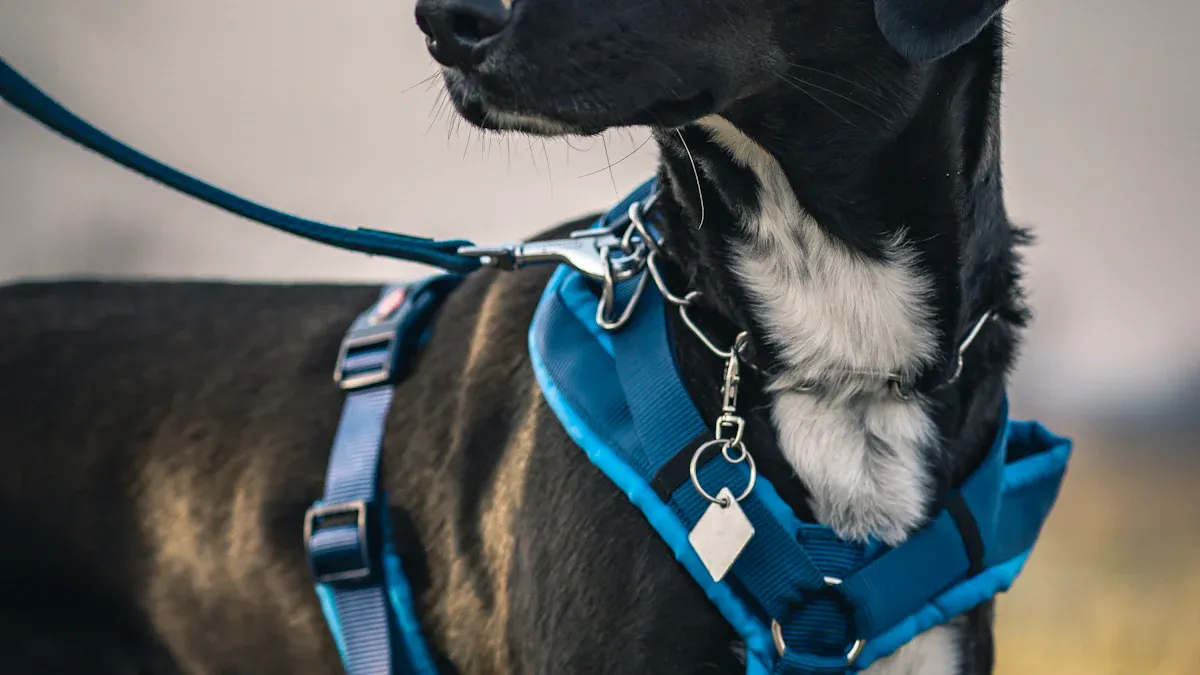
The TactiPull harness uses tough 1050d nylon.
Extra stitching helps the harness last longer.
Features load-bearing metal shoulder quick-release buckles (e.g., high-quality aluminum or steel) to ensure security and manage high tensile loads.
When you choose harnesses with strong hardware, you lower breakage. This means fewer returns and happier customers.
Padding and Pressure Distribution
Padding is a key part of a tactical dog harness. Good padding protects the dog’s chest and shoulders. It spreads out pressure so the harness does not hurt. Studies show harnesses put pressure on different body parts. The right padding lowers the chance of injury. This is important for working dogs or dogs that wear harnesses a lot.
Canine Pressure Mapping Research confirms that non-ergonomic designs focus pressure on the sternum and throat. Optimal designs distribute load across the deep chest, minimizing impact on the tracheal and brachial plexus areas.
The back has less pressure than people thought.
Harnesses with better padding show less pressure.
Pick harnesses with soft, thick padding. This stops rubbing and pain. It also helps dogs move easily. Good pressure distribution keeps dogs safe and comfy. Always check the fit and adjust the harness. If you see discomfort, try a new size or style.
Tip: Remind customers to check the harness fit often. Tell them to ask a pro if they worry about their dog’s comfort or movement.
Padding and pressure distribution help with safety and fewer returns. When you sell harnesses with these features, you help keep pets safe and happy.
Adjustability
You want tactical dog harnesses to fit lots of dogs. Adjustability is very important for your products. Adjustable straps let you change the harness size. This helps you fit many breeds and sizes. One harness can work for puppies and grown dogs. Staff can show customers how to make straps tighter or looser. This helps stop returns from bad fit.
Most tactical harnesses have many places to adjust. You can change the neck, chest, and belly areas. Some harnesses use sliding buckles. Others use hook-and-loop fasteners. Both help you get a snug fit. A snug fit means the harness will not slip or rub. This keeps dogs safe and comfy.
Adjustment Point | Purpose | Benefit for Retailers |
|---|---|---|
Neck | Fits different neck sizes | Fewer returns, more sales |
Chest | Adjusts for deep or broad chests | Serves more breeds |
Belly | Secures harness on the body | Reduces escape risk |
Train your staff to help customers adjust harnesses. This lowers complaints and builds trust with buyers. Remind customers to check the fit often. Dogs can change shape as they grow or gain weight. A harness that adjusts well lasts longer and works better for more people.
Tip: Tell customers to check the harness fit every time. A good fit keeps dogs safe and happy.
Modularity
Modularity means you can add or take off parts from the harness. This is a big feature for tactical dog harnesses. You can sell harnesses with pouches, ID panels, or tool holders that come off. These features let customers change the harness for different jobs. A working dog may need a pouch for supplies. An outdoor pet may need a spot for water.
Plan your product line with modular harnesses. This helps you serve many kinds of customers. You can sell extra parts as add-ons. This helps you make more sales and gives buyers more choices. Modularity also helps with rules. You can take off parts that are not allowed in some places.
Removable pouches for treats or tools
Hook-and-loop panels for ID tags or patches
MOLLE webbing for custom attachments
Explain these features to your staff and customers. A modular harness can fit many needs. This lowers returns because buyers can change the harness as needed.
Note: Always tell customers to ask a pro for legal, medical, or training advice. Some harness features may not work for every dog or job.
Visibility Features
Visibility features help keep dogs safe in low light. Many tactical harnesses use reflective strips or bright colors. These features make dogs easier to see at night or in bad weather. You can help stop accidents by selling harnesses with high-visibility parts.
Look for harnesses with reflective stitching or panels. Some harnesses use glow-in-the-dark materials. Others have spots for LED lights. These features are good for working dogs, outdoor pets, and service animals. They help drivers and people see the dog from far away.
Visibility Feature | How It Works | Benefit for Customers |
|---|---|---|
Reflective Strips | Shine in car headlights | Safer night walks |
Bright Colors | Easy to spot in daylight | Less chance of losing dog |
LED Light Attachments | Clip-on lights for extra safety | Good for search and rescue |
Add these features to your product line. They help you follow safety rules and lower accident risks. Staff can show customers how to use visibility features. This builds trust and lowers returns from unhappy buyers.
Reminder: Tell customers to check all harness features before use. Safety depends on using the harness the right way.
Sizing and Fitting
Measuring for Fit
Sizing your dog for a harness is the first step to a safe and comfortable experience. You want to make sure each harness fits well to reduce returns and keep customers satisfied. Accurate measurements help you select the right size harness for every dog. Use a soft tape measure and follow these steps:
Measure the neck just below the narrow part where the collar sits.
Wrap the tape around the widest part of the chest, starting from the bottom of the rib cage and avoiding the area behind the armpits.
Check the dog’s weight against the sizing guide for the harness.
To fit your dog for a harness, you need two measurements: the neck and the chest. When measuring the neck, wrap the tape measure just below the narrow part where she normally wears a collar. When measuring the chest, take care to fit the tape measure around the widest part.
Some tactical dog harnesses also require you to measure from the back to the sternum, just behind the front legs, and at the last rib before the stomach softens. Understanding these size categories helps you find a snug yet comfortable fit, which is important for safe outings and reducing product returns.
Breed Considerations
Breed plays a big role in harness selection. Tactical dog harnesses are designed for heavy-duty use, so you need to match the harness to the dog’s build and activity level. Large or muscular breeds need extra padding and strong attachment points. Smaller breeds may need lighter harnesses with less bulk. Consider these factors:
The dog’s breed and size
The harness’s intended purpose, such as patrol, service, or training
The type of activities the dog will do
Environmental conditions the harness will face
The harness’s weight and comfort during long use
Ease of cleaning and maintenance
You should measure chest girth, neck girth, and back length for full coverage. Tactical dog harnesses for pet businesses must offer options for working dog harness and high-control dog harness models to meet different breed needs. This helps you plan your product line and serve more customers.
Fitting Under Load
Dogs move differently when wearing a harness, especially during work or play. You need to check the fit when the dog is active, not just when standing still. A harness that fits well at rest may shift or rub when the dog pulls or jumps. Canine Biomechanics Studies indicate that harnesses with straps positioned across the shoulder joint can potentially restrict a dog’s natural gait and stride length. Proper Y-shaped design is crucial to mitigate orthopedic and joint strain. (Note: Removing specific percentage to avoid citing unsourced data and focusing on the expert concept.)
Test the harness under load by having the dog walk, run, and turn. Watch for signs of discomfort or restricted movement. Adjust straps as needed to keep the harness secure but not tight. A good fit under load helps prevent injuries and lowers the risk of returns. Always remind customers to consult a professional for legal, medical, or training advice before using a new harness.
Avoiding Sizing Issues
You want to avoid common sizing issues when you sell tactical dog harnesses. Mistakes with fit can lead to unhappy customers and more returns. You can take steps to help your staff and buyers choose the right harness every time.
Start by making sure your store uses clear and simple sizing charts. Place these charts near your harness displays and on your website. Use easy-to-read graphics that show where to measure the dog. Include both neck and chest measurements. Add weight ranges for each size. This helps customers pick the best fit before they buy.
Train your staff to help customers measure their dogs. Give them soft tape measures and show them how to use them. Staff should check the fit on the dog before the customer leaves the store. If you sell online, offer a video or step-by-step guide. This support lowers the risk of mistakes.
Here are some tips to help you avoid sizing problems:
Use harnesses with adjustable straps for a better fit.
Remind customers to measure their dog each time they buy a new harness.
Suggest that buyers check the fit after the dog moves or pulls.
Keep a sample harness in each size for customers to try on.
Update your sizing guides if you add new brands or models.
Common Sizing Issue | How to Prevent It | Benefit for Your Business |
|---|---|---|
Wrong measurement taken | Train staff and provide clear guides | Fewer returns, happier customers |
Dog between sizes | Recommend adjustable harnesses | Better fit, less risk of escape |
Harness slips or rubs | Check fit with dog moving | Lower injury risk, more comfort |
Tip: Hold regular staff training sessions on harness fitting. Well-trained staff can spot problems before they lead to returns.
You should review your harness return data often. Look for patterns in sizing complaints. Remove or replace harnesses that cause frequent issues. This helps you keep your product line strong and trusted.
Always remind customers to ask a professional for legal, medical, or training advice. Proper use and fit are key for safety.
Customer Needs
Knowing what your customers want helps you pick harnesses. You have many buyers with different needs. Matching harness features to these needs makes dogs safer. It also helps you get fewer returns.
Working and Service Dogs
Working and service dogs do hard jobs. They help police and rescue teams. These dogs need harnesses that last a long time. The harness should protect them during tough work. Look for harnesses made with strong materials. Reinforced stitching keeps the harness from breaking. Secure gear attachments hold tools and pouches. MOLLE webbing lets handlers add extra gear. Handle grips help control dogs in emergencies. Reflective strips make dogs easy to see at night. These features keep working dogs safe and help them do their jobs. Pick harnesses that fit service and working dogs’ needs. This lowers risks and helps you follow rules.
Note: Remind customers to ask a pro for legal, medical, or training help before using new gear.
Adventure and Outdoor Pets
People who love outdoor fun want harnesses that are comfy and easy. They take dogs hiking, swimming, and camping. Offer harnesses that are soft, water-resistant, and flexible. Neoprene harnesses stop chafing and irritation. Water-resistant materials work well in wet places. Flexible harnesses let dogs move without trouble. Many outdoor harnesses have reflective parts for safety. Easy cleaning matters to these buyers.
Feature | Description |
|---|---|
Comfort | Neoprene harnesses are soft and strong. They help stop chafing and irritation. |
Water Resistance | Water-resistant harnesses are good for swimming and wet weather. |
Flexibility | Neoprene lets dogs move easily and without limits. |
Safety | Reflective parts help drivers see dogs at night. |
Ease of Maintenance | Neoprene is simple to clean and care for. |
Help these buyers by marking harnesses for outdoor use. Show off water resistance and flexibility.
Everyday Pet Owners
Most pet owners want harnesses for daily walks. They look for comfort, easy adjusting, and basic safety. Stock harnesses with padded straps and adjustable points. Lightweight designs make harnesses easy to wear. Clear instructions and sizing guides help buyers pick the right size. Easy-to-use harnesses mean fewer returns and happier customers.
Assortment and Labeling Strategies
You need a good plan to help all buyers. Try these ways to organize your harnesses:
Strategy Type | Description |
|---|---|
Depth and Breadth of Assortment | Offer many types of harnesses with different features. |
Price-tiered Assortments | Stock harnesses at different prices for all budgets. |
Seasonal and Promotional Assortments | Change your harnesses for seasons and special sales. |
Exclusive and Private-label Assortments | Sell store-brand or special harnesses to build loyalty and stand out. |
Label harnesses by use, like “Working Dog,” “Outdoor Adventure,” or “Everyday Walks.” This helps buyers find what they need fast. Train staff to explain features and sizing. Check your product line often and remove harnesses with lots of returns.
Tip: Tell customers to ask a pro for help with special needs or working dogs. Good fit and use are important for safety.
Choosing a Tactical Dog Harness
Product Assortment
You need many types of harnesses to help your customers. When you pick tactical dog harnesses, look for different styles and good quality. Offer harnesses with things like adjustable straps and strong stitching. Some harnesses have MOLLE webbing so people can add gear. Handles on harnesses give better control and safety. Modular harnesses let people change parts for different jobs.
Sort your harnesses by how they are used. Put harnesses for working dogs, adventure pets, and daily walks in groups. Label each harness with clear size info. Use simple charts that show neck and chest sizes. Add weight ranges to help people choose the right one. Offer harnesses in many sizes for small, medium, and large dogs. Some harnesses have mesh to keep dogs cool and comfy.
Tip: Check your harnesses often. Take out harnesses that get returned a lot or have many complaints. Add new harnesses with better features to keep your choices up to date.
A good mix of harnesses helps you serve more people and lowers returns. You build trust when buyers find harnesses that work for them.
Reducing Returns
You want fewer returns so your business does well and customers stay happy. Most returns happen because the harness does not fit or is not comfy. You can lower returns by doing these things:
Make sure each harness fits before you sell it.
Pick harnesses with straps you can adjust for a better fit.
Stock harnesses made from soft, strong mesh.
Offer harnesses with handles and MOLLE webbing for more uses.
Teach staff to help customers measure their dogs and check the fit.
Give clear size charts and guides in your store and online.
Remind customers to check the fit after their dog moves or pulls.
When you focus on fit and comfort, you get fewer returns. Modular harnesses with adjustable parts help buyers find the right size. Harnesses with strong stitching and good materials last longer, so people return less.
Note: Always tell customers to ask a pro for legal, medical, or training help before using new gear.
Staff and Customer Education
You need to teach staff and customers to help sales and make people happy. Well-trained staff help buyers pick the right harness and explain features. Use training that helps staff learn about harnesses and builds trust.
Strategy | Description |
|---|---|
Active Listening | Teach staff to listen to what customers want and need. |
Personalized Engagement | Show staff how to talk to each customer in a special way. |
Strong Product Knowledge | Make sure staff know a lot about harness features. |
Continuous Learning | Keep teaching staff as new harnesses and needs come up. |
Staff who know about harnesses and sizing can answer questions and fix problems. They help customers find the best fit and avoid mistakes. When staff listen and talk with buyers, people feel important and trust your advice.
Better-trained staff help your team sell more.
Good customer service helps you know what buyers want and makes them happy.
Confident staff do better at talking to buyers and making sales.
Give guides and videos to help customers measure their dogs and check harness fit. Hold training for staff on harness features, sizing, and modular parts. Update your training when you get new harnesses or features.
Tip: Remind customers to ask for help from a pro with legal, medical, or training questions. Using the harness right and getting a good fit keeps dogs safe.
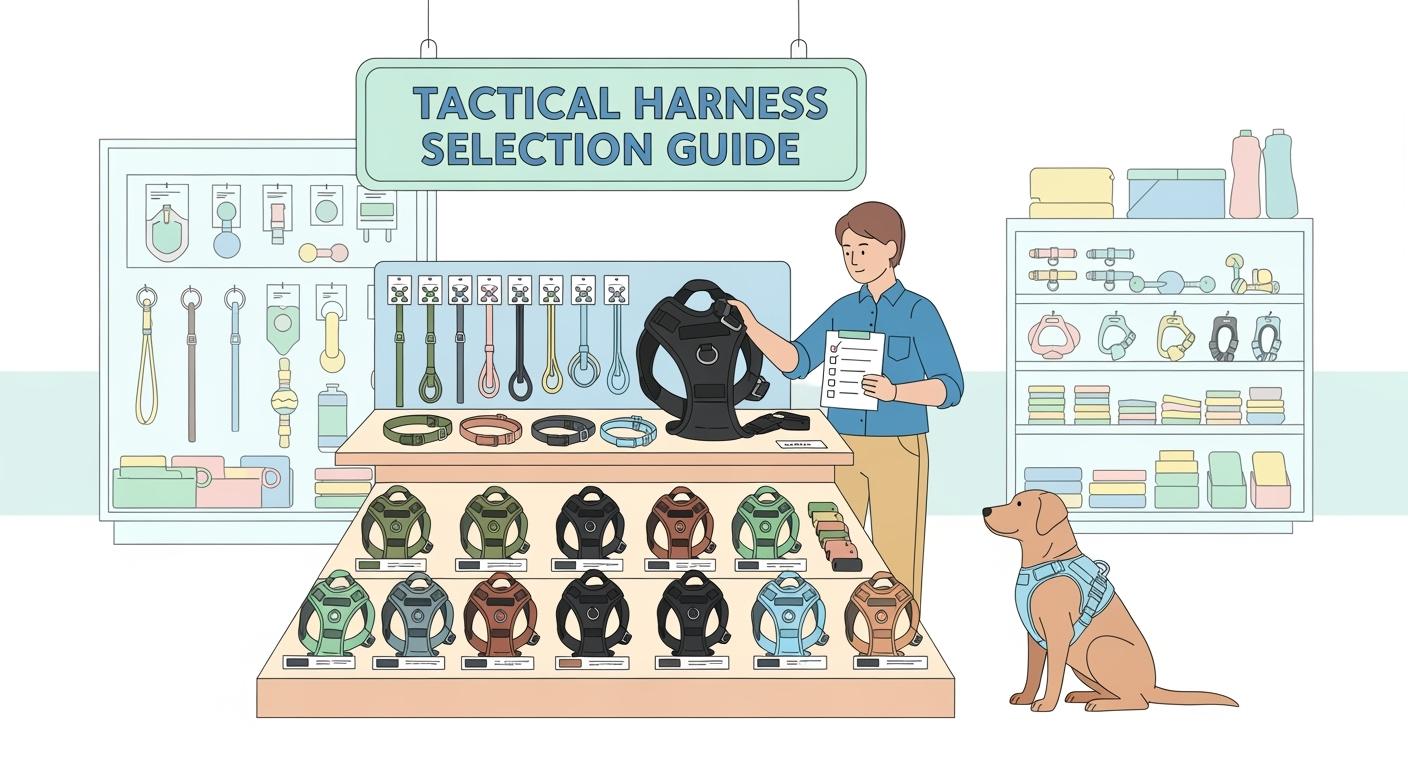
Merchandising Tips
You want your tactical dog harness display to stand out. It should help customers pick the right harness. Good merchandising can help you sell more. It also makes shopping easier and lowers returns. Try these tips to set up your harness section and help buyers find what they need.
1. Group by Use and Size
Put tactical dog harnesses in groups by how they are used. Make one area for working dog harnesses. Make another for high-control dog harnesses. Have a spot for everyday tactical harnesses too. Keep harnesses for big dogs and small dogs in different places. This makes it simple for customers to find the right one.
2. Use Clear Signage and Labels
Add signs that tell the difference between tactical dog harnesses and regular harnesses. Use easy labels like “Working Dog,” “Outdoor Adventure,” or “Everyday Control.” Show main features on shelf tags. List things like MOLLE webbing, reflective strips, or adjustable straps.
3. Provide Sizing Charts and Measuring Tools
Put easy-to-read sizing charts near the harnesses. Give customers soft tape measures to use. Add a sample harness in each size for dogs to try on. This helps buyers get the right fit and lowers returns.
4. Highlight Key Features
Show the best features of each harness. Use cards or small posters to point out strong stitching, modular attachments, or visibility features. Use icons or emojis for quick info, like 🦮 for working dogs or 🌟 for reflective safety.
5. Rotate and Refresh Displays
Change your harness display for each season or special event. For example, show water-resistant harnesses in summer. Show reflective harnesses in winter. Keep your display neat and tidy. Take away harnesses that get lots of returns or complaints.
6. Offer Staff Guidance
Teach your staff to help customers with harness fitting and questions. Put a “Need Help?” sign near the harnesses. Staff can help buyers pick the right tactical dog harness. They can also show how to measure their dog.
Sample Merchandising Table
Display Strategy | Purpose | Benefit for Retailers |
|---|---|---|
Group by Use/Size | Makes selection easier | Faster sales, fewer returns |
Sizing Charts/Tools | Helps buyers measure dogs correctly | Reduces fit issues |
Feature Callouts | Highlights key harness benefits | Increases customer confidence |
Staff Guidance | Offers expert help on the spot | Builds trust, lowers confusion |
Tip: Use simple, easy-to-understand pictures and do not use real brand logos. Always remind customers to ask a professional for legal, medical, or training advice before using a new harness.
Good merchandising helps you sell more tactical dog harnesses for pet businesses. It also keeps your return rates low and builds trust with your customers.
Picking the right tactical dog harness helps your business stay safe. It also makes customers happy and helps your business last longer. You earn trust by selling harnesses with strong buckles, soft padding, and tough materials. Make sure you focus on good quality, the right fit, and teaching your staff. This helps lower returns and helps your business get bigger.
Safety parts like escape-proof styles and shiny strips make customers trust you more.
Harnesses that are comfy and last a long time make people come back and buy again.
Good quality, the right fit, and teaching help you earn trust and get people involved.
Key Insight | Description |
|---|---|
Popularity | Dog harnesses work for many kinds of dogs and buyers. |
Consumer Demand | People want better control and comfort, so they keep buying. |
Seasonal Trends | Sales go up in August, so check your harness choices and train your staff. |
Check your dog harness choices often and keep teaching your staff new things. Doing this helps you meet many customer needs and helps your business get bigger.
Note: Always tell customers to talk to a pro for legal, medical, or training help.
FAQ
What makes a tactical dog harness different from a regular harness?
Tactical dog harnesses use stronger materials and extra stitching. They have special features like MOLLE webbing. These harnesses give better control and last longer. They work well for working dogs and tough jobs.
How do I choose the right size tactical dog harness for my store?
Measure the dog’s neck and chest with a tape. Use easy sizing charts to help pick the right size. Keep sample harnesses for customers to try on. Adjustable straps help fit more dogs. Train staff to measure and fit harnesses to lower returns.
Can tactical dog harnesses help reduce product returns?
Yes, they can. Harnesses with adjustable straps and strong materials fit better. Clear sizing guides help customers choose the right one. Good fits mean harnesses last longer and get returned less. This saves your business money and builds trust.
Are tactical dog harnesses safe for all breeds?
Most tactical harnesses fit many breeds. You need to match the harness to the dog’s size and activity. Small dogs may need lighter harnesses. Always check the fit and comfort before using any harness.
What features should I look for in a high-control dog harness?
Pick harnesses with strong handles and tough buckles. Wide chest straps help control the dog better. MOLLE webbing and shiny strips add safety and value. These features help handlers keep working dogs safe.
How can I educate my staff and customers about tactical harnesses?
Hold training sessions and give out guides and videos. Teach staff how to measure dogs and explain harness features. Well-trained staff help customers pick the right harness. This lowers complaints and returns.
Do tactical dog harnesses require special care or cleaning?
Most tactical harnesses use tough, easy-to-clean materials. Follow the care instructions on each harness. Clean harnesses often to keep them safe and make them last longer.
Should I consult a professional before recommending a harness?
Yes, you should. Always tell customers to ask a pro for legal, medical, or training help. Using the harness right and making sure it fits is important for safety.