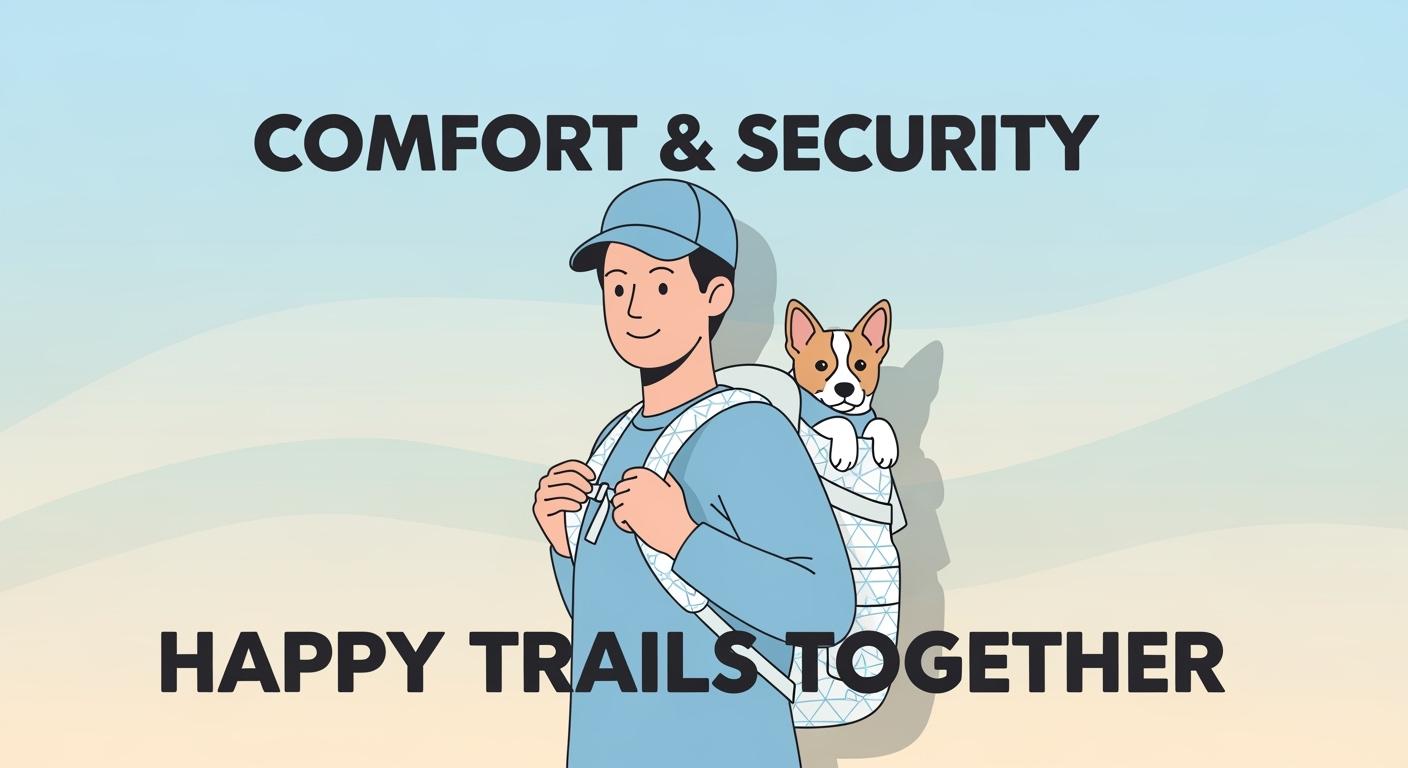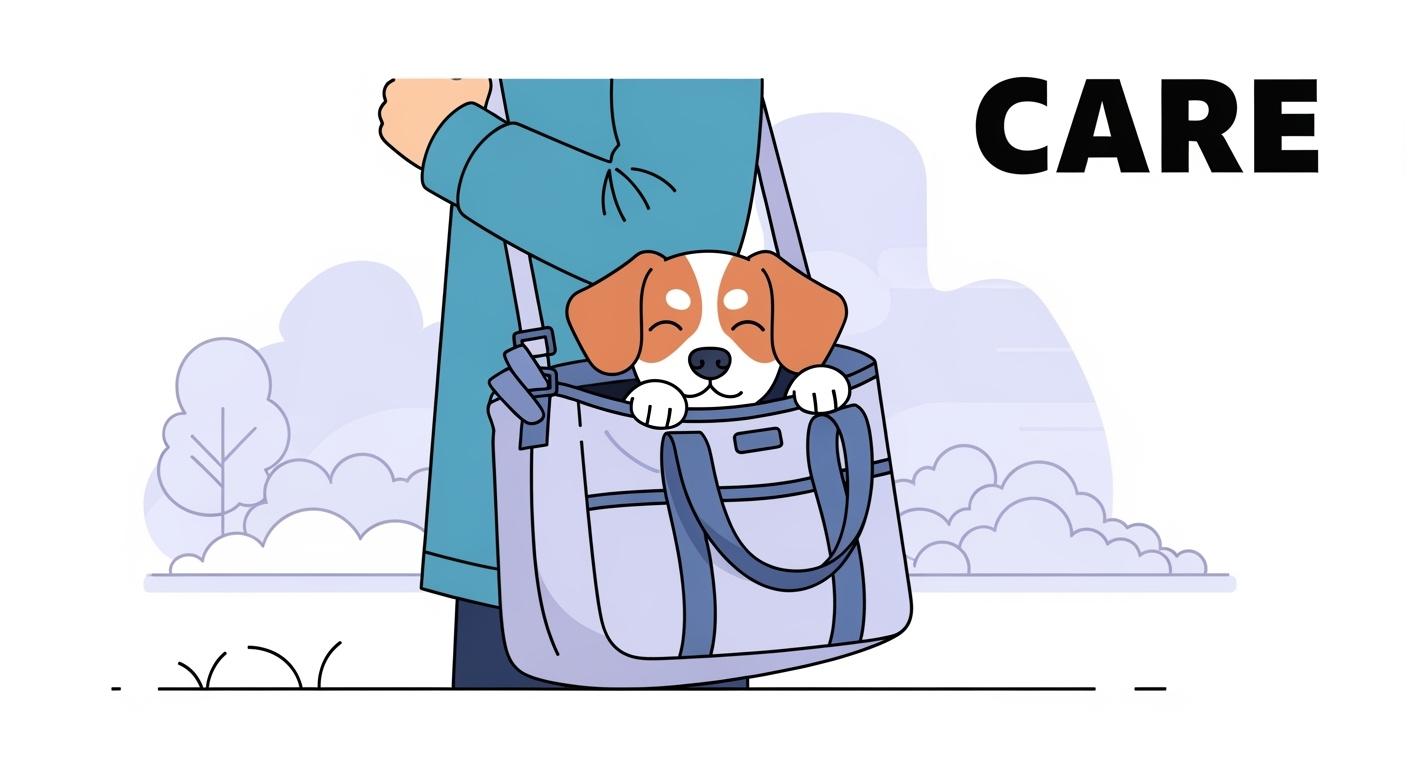
You pick the best small dog carrier backpack by looking at the right size and a list of features. A small dog carrier backpack lets you carry small or medium dogs safely when you hike or walk on trails. Size is important because the weight limit and your dog’s real weight can confuse buyers. Some common problems are:
Dog sits in a bad way
The backpack bounces too much
It gets too hot inside
Dogs try to get out
The bottom fabric rips after walking on pavement
Zippers pull on fur
No way to make it taller for tall people
The right size keeps your dog and you comfortable and safe.
Key Takeaways
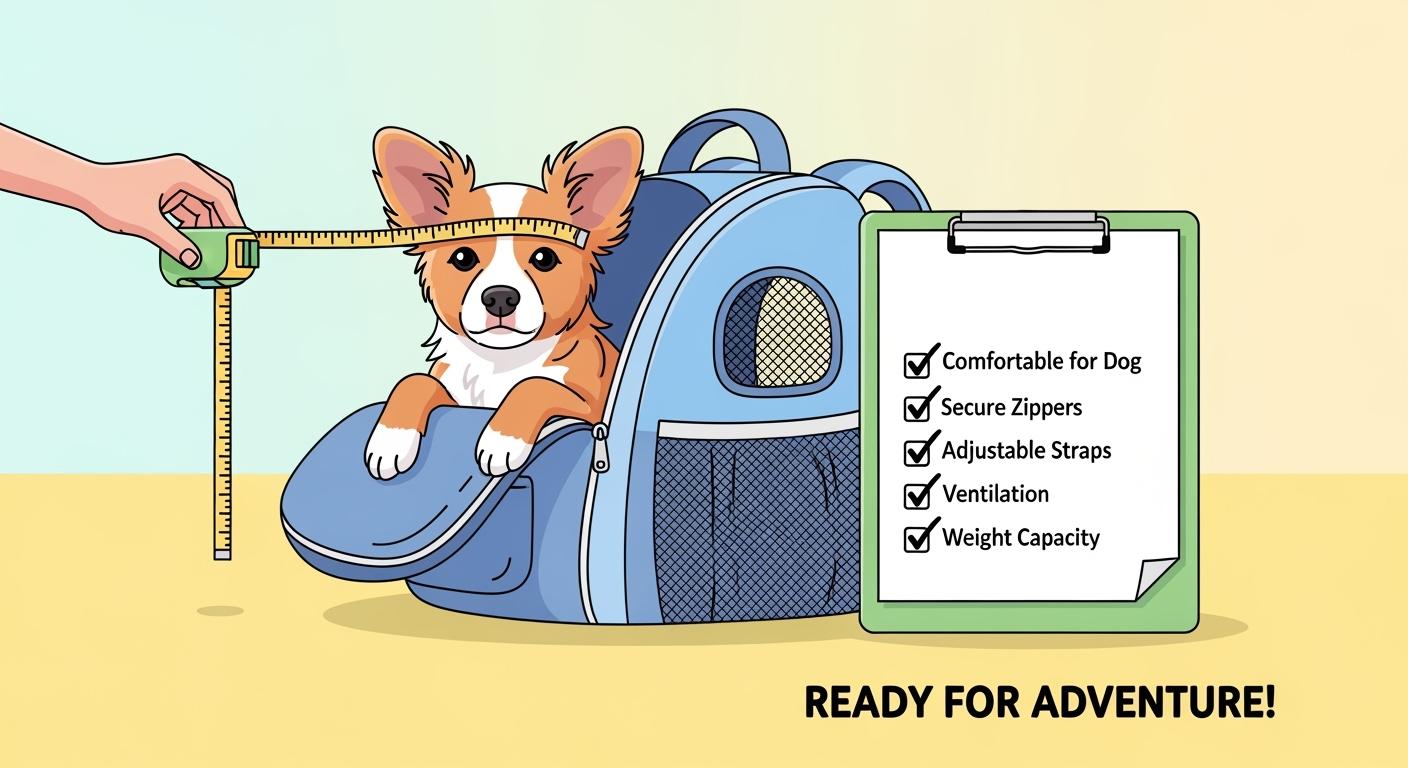
Measure your dog’s length, height, and chest width to pick the right carrier size. Do not just use weight to choose the size.
Look for a stable base and good airflow in the carrier. A strong base helps your dog sit up straight. Mesh panels help keep your dog cool.
Use the sizing and feature checklists before you buy. These tools help make sure the carrier fits well. They also help stop problems like slumping or getting too hot.
Small dog carrier backpack sizing checks
Why weight-only sizing fails
You want your small dog to ride safely and feel good. Many sizing charts only use weight to pick a size. This way does not always work well. People often complain about getting the wrong size. Sometimes, the carrier is too big even if the weight matches. Getting the right fit is more important than the material. Most bad reviews happen because of sizing mistakes, not the carrier itself. Weight-only sizing does not look at your dog’s shape or how they sit. Dogs with the same weight can have different body sizes. If you only use weight, your dog might slump, bounce, get too hot, or try to escape.
Tip: Always check more than just weight when you pick a carrier. Sizing depends on your dog’s length, height, and chest width.
Measuring for fit and posture
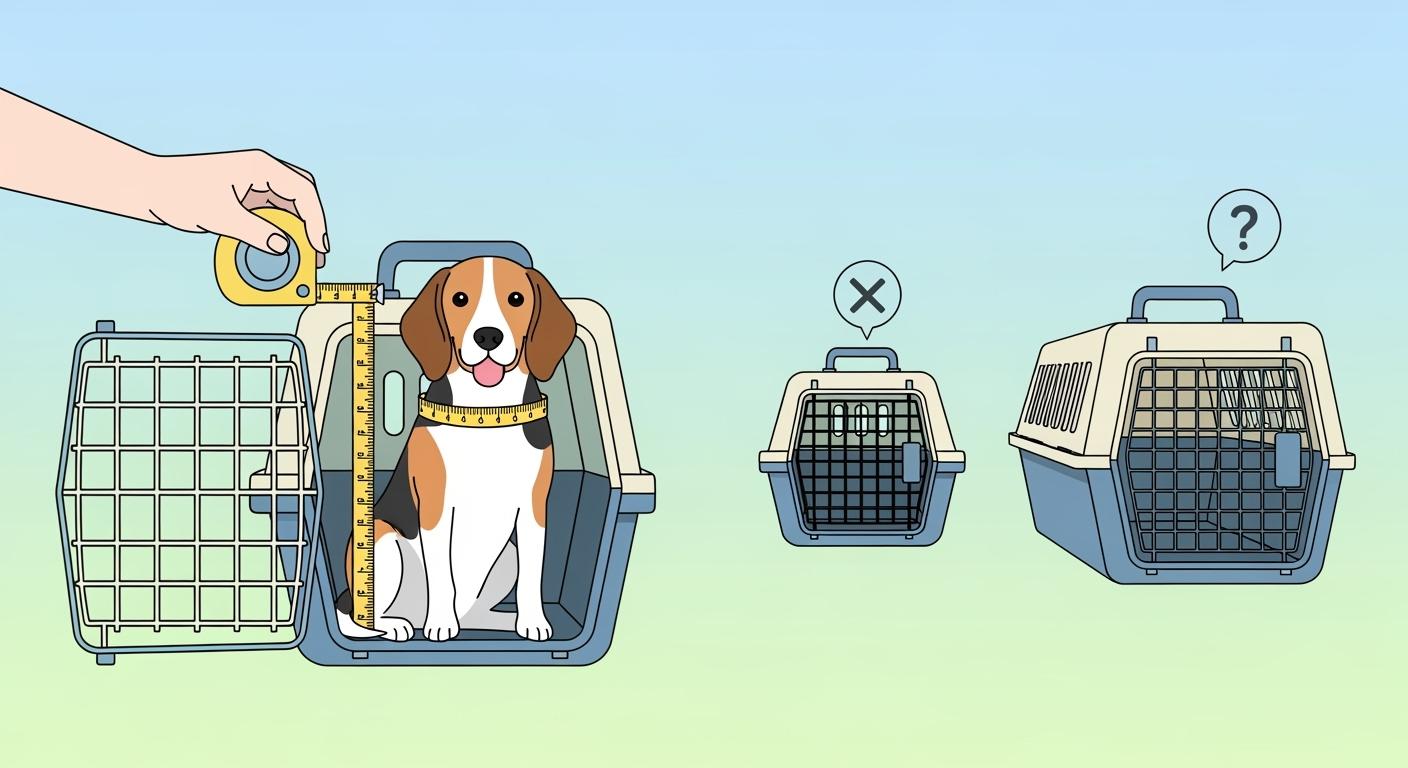
You need to measure your dog the right way to get the best size. First, measure your dog’s back from the neck to the tail. Next, measure your dog’s height from the floor to the shoulder. Then, measure the widest part of your dog’s chest. Use a tape measure to be sure. Make your dog stand in a normal way for each measurement. Compare your numbers to the carrier’s sizing chart. See if your dog can turn around inside the carrier. The carrier should help your dog sit up and not slump. Do not pick a carrier that is too big. Extra space can make your dog move around and feel bad. The chest and neck area should stay open so your dog can breathe. A flat and strong base keeps your dog safe and stops tipping. Your dog should sit or lie down in a normal way inside the carrier. This means the size is right.
Note: Good sizing checks help you avoid problems like slumping, bouncing, heat, and escape tries.
Sizing checklist table
Use this checklist to help you check the fit and size. Each checkpoint helps your dog sit well and feel good. Look at the table before you buy a carrier.
Checkpoint | Pass Sign | Fail Sign | Buyer Notes |
|---|---|---|---|
Natural sitting posture | Dog sits upright, relaxed | Dog slumps, twists, or paws at openings | Carrier supports posture, not just space |
Comfort without slumping | Dog stays settled, no shifting | Dog slides, leans, or refuses to settle | Avoid oversizing; measure your dog for fit |
No neck/chest discomfort | Dog breathes easily, chest open | Dog pants, strains, or shows stress | Measure chest width and neck area |
Stable base | Carrier stays level, no tipping | Carrier rocks, tips, or base bends | Flat base supports your dog |
Smooth entry/exit | Dog enters/exits without struggle | Dog gets stuck or resists entry/exit | Entry should match your dog’s measurements |
Fully closing zippers | Zippers close without pinching fur | Zippers catch fur or leave gaps | Check zipper placement and closure |
Balanced carry while walking | Carrier stays steady, no bounce | Carrier bounces or shifts side to side | Adjust straps and measure your dog for balance |
Reminder: Sizing is not about extra space. Fit means your dog sits well and the carrier stays steady. Always measure your dog and use this checklist to stop returns and problems.
Dog backpack carrier feature essentials
Stable base and posture support
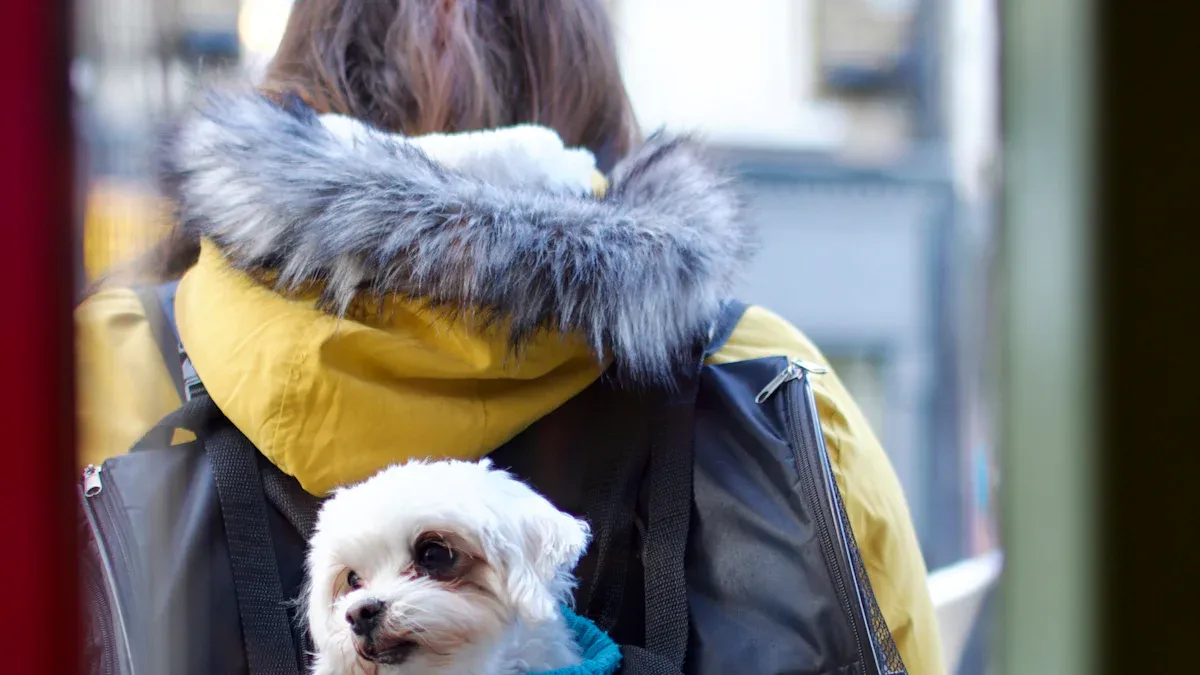
A stable base is very important for your dog. It keeps your dog safe and comfy in the carrier. The base should be strong and not bend. This helps your dog sit up straight. Padded, non-slip bases are best for support. They spread your dog’s weight across your body. Your dog will feel steady and not slide around. The sides of the carrier should also help hold your dog. If the base bends, your dog might slip or get nervous. A good base helps you and your dog feel less tired. Your dog should be able to see out and sit the right way. Some carriers let you pick if you want to carry in front or back.
Ventilation and heat management
Good airflow is a must for any dog backpack carrier. Mesh panels let air move and keep your dog cool. Airflow does not make it cooler than outside. If it is hot outside, the carrier can still get warm. Mesh sides help stop your dog from getting too hot. You should always check if your dog feels okay. Do not block the air with thick pads or big pockets. Full mesh sides are best for letting air in. Weak mesh can rip or stop air from moving. Your dog needs to breathe well and stay cool on walks.
Tip: Always look at the weather before using your carrier. If it is hot, do not keep your dog inside for long.
Closures and escape prevention
Strong closures are needed to keep your dog safe. Zippers, snaps, and Velcro help keep the carrier closed. Zippers are best for stopping escapes. Snaps and Velcro are okay but not as strong. Make sure the closures do not pull your dog’s fur or leave holes. Reinforced zippers and clips are safest. Weak closures can let your dog try to get out. Inside tethers add more safety for your dog. Always clip the tether to your dog’s harness, not the collar. This keeps your dog’s neck safe if they move fast.
Note: Never use a collar for the inside tether. Harnesses protect your dog’s neck and keep them safe.
Feature checklist table
Check this table before you pick a dog backpack carrier. Each part helps you avoid problems and returns.
Feature Area | Importance | Good Signs | Watch-Outs |
|---|---|---|---|
Base and Internal Support | High | Stable, padded, non-slip base; upright posture | Sagging base, poor posture, sliding |
Straps and Support | Medium | Adjustable, padded shoulder straps; waist belt | Thin straps, loose belts, discomfort |
Ventilation Panels & Airflow | High | Full-mesh sides, airflow design | Weak mesh, blocked airflow, overheating |
Closure Design & Zipper Safety | High | Reinforced zippers, secure clips | Weak closures, fur snag, escape risk |
Internal Tether Guidance | High | Harness tether, secure attachment | Collar attachment, neck injury risk |
Pocket Volume & Shape Risk | Medium | Balanced pockets, easy access | Bulky pockets, blocked airflow |
Lining/Cleaning/Drying | Medium | Wipeable surfaces, removable liners | Hard-to-clean fabrics, odor retention |
Edge/Pet Fur Snag Risk | Medium | Smooth edges, protected seams | Rough edges, zipper snag |
Reminder: Always check each part for safety and comfort. You want your dog to feel happy and safe. You also want to stop problems like slumping, getting too hot, or escaping.
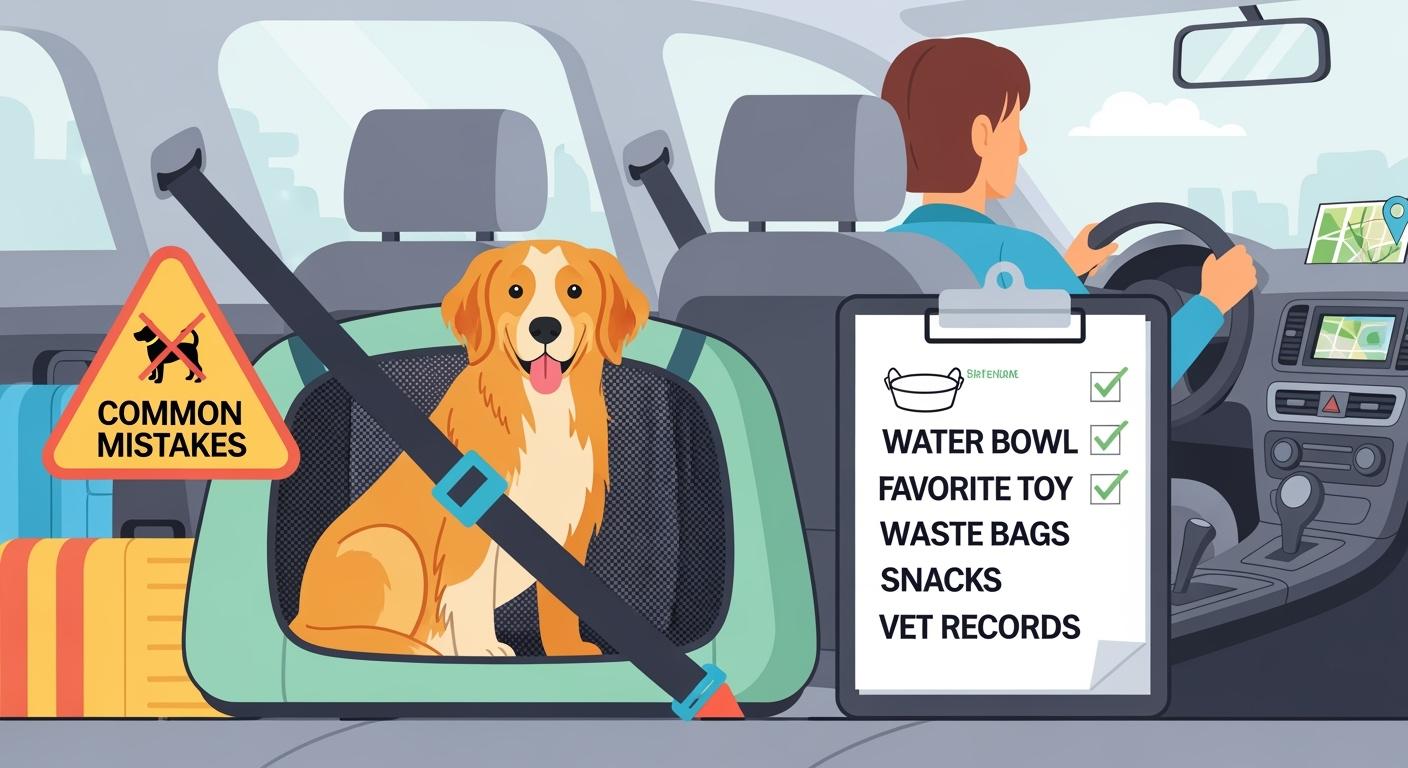
Backpack dog carrier mistakes and fixes
Oversizing and slumping
Picking a backpack dog carrier that is too big is a common mistake. If the carrier is too large, your dog might slump or twist. Your dog may not want to sit still. You want your dog to sit up straight with good support. Watch if your dog paws at the openings or slumps down. These signs mean your dog is not comfortable and the fit is wrong. Always measure your dog’s length, height, and chest width. Do not just use weight to pick a size. The right fit means your dog sits well and the carrier does not move around.
Airflow blocked by inserts or pockets
Your dog needs good airflow to stay cool and happy. If you put thick pads or big pockets in the backpack dog carrier, air cannot move well. This can make your dog too hot, especially when it is warm outside. Only use one thin pad and a small toy inside. Make sure the mesh panels are not covered. Watch for signs like panting or moving around a lot. These show your dog is getting too hot.
Carry balance and bounce issues
If the backpack dog carrier is not balanced, it can bounce and feel bad for you and your dog. Use adjustable strap clips and silicone grip pads to keep the carrier steady. You can add sternum straps and weight inserts to help balance. Pick clothes that do not slip to keep straps in place. Check the straps with two fingers to make sure they are snug. Adjust the straps until the carrier feels safe and comfy.
Tip: If your dog will not go in or settle down, look for slumping, twisting, or blocked airflow. These problems need to be fixed right away.
Troubleshooting table
Issue | Likely Cause | Immediate Fix | Prevention Next Time |
|---|---|---|---|
Slumping/twisting | Oversized carrier | Adjust straps, add support pad | Measure for fit, avoid oversizing |
Unstable/bouncing carrier | Loose straps, poor balance | Tighten straps, add sternum strap | Use adjustable clips, check balance |
Pawing at zippers/openings | Poor fit, escape risk | Secure closures, check tether | Choose correct size, harness tether |
Overheating indoors | Blocked ventilation | Remove inserts, clear mesh panels | Limit accessories, check airflow |
Refusal to enter | Discomfort, poor posture | Recheck sizing, adjust base | Measure chest, height, length |
Weight fit but poor posture | Ignoring body shape | Add posture support, adjust straps | Measure all dimensions, not just weight |
Sagging carrier | Weak base, unsecured rods | Secure rods, add support pad | Inspect base, check rod connections |
Note: Always check your backpack dog carrier before you use it. Make sure the zippers are closed, the air can move, and the base is strong.
Dog carry bag FAQs and buyer tips
FAQ: sizing, fit, and posture
Q: How do you choose the right dog carry bag size?
You need to measure your dog’s length, height, and chest width. Then, look at the bag’s sizing chart and compare your numbers. The best dog carry bag helps your dog sit up straight and feel good.
Q: What signs show poor fit and safety?
Look for slumping, twisting, or pawing at the bag’s openings. If your dog will not settle down, the fit or safety is not right.
Q: Can you use a dog carry bag for airline travel?
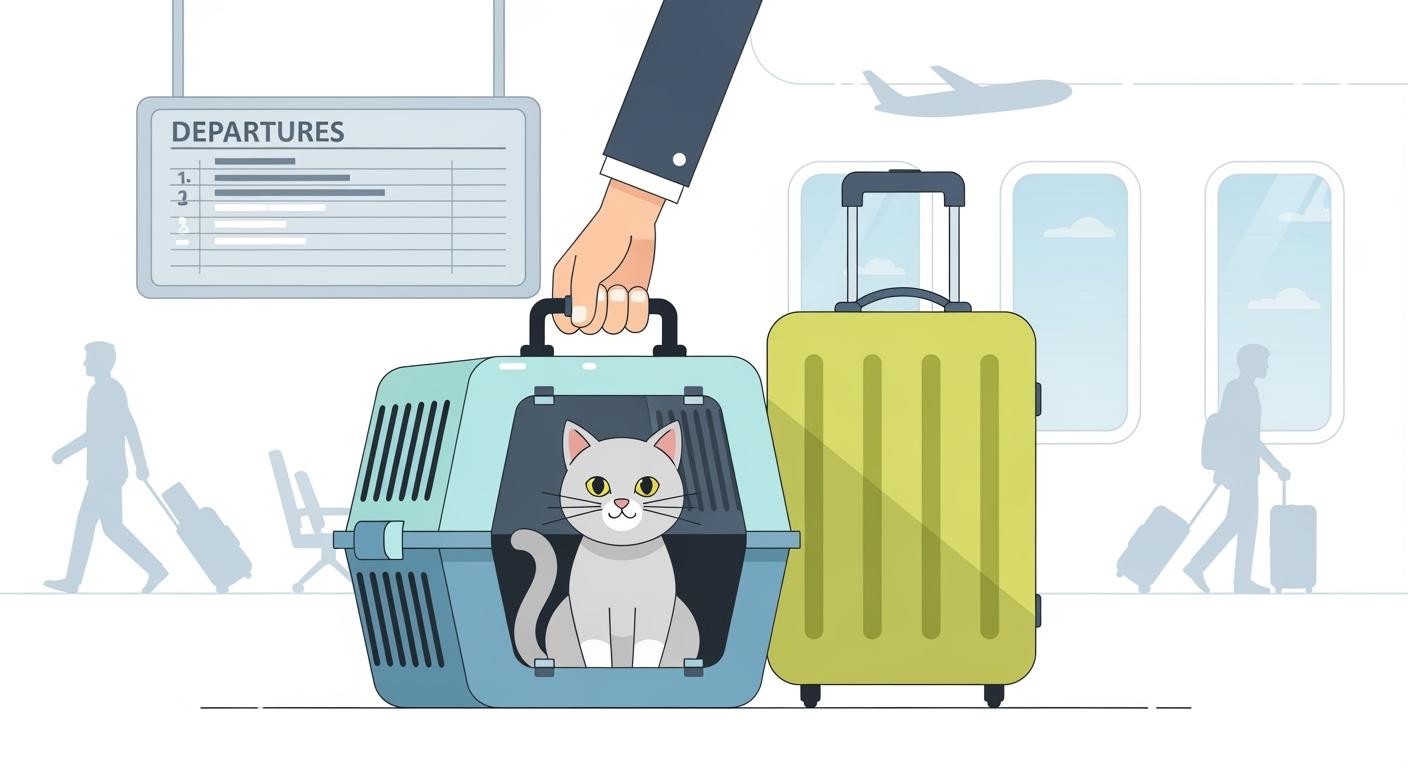
See if the bag is allowed on planes. Airlines want strong closures and good airflow. Always ask your airline before you fly.
FAQ: ventilation, cleaning, and test routines
Q: How do you keep your dog cool in a dog carry bag?
Pick a bag with mesh panels for air. Do not block the air with thick pads or big pockets. Dogs can get hot even in the shade.
Q: How do you clean and maintain your dog carry bag?
Wipe the bag and check zippers, stitches, and straps often. Zippers can stick after a while. Taking care of the bag keeps your dog safe.
Q: What is a simple test routine for new bags?
Let your dog try the bag inside.
Check if the closures work and your dog sits well.
Go for a short walk.
Test if the closures stay closed.
Stop and check again if your dog looks uncomfortable.
Copy-ready warnings and listing lines
Measure your dog for fit and safety, not just weight.
Inside space should help your dog’s posture, not give too much room.
Mesh panels do not make it cooler than outside.
Padding should not block the air.
Strong closures stop your dog from escaping.
The inside tether must clip to a harness, not a collar.
Stop using the bag if your dog slumps, twists, or will not settle.
Check zippers to make sure they work well.
Look at stitching and straps often.
Never put in more weight than the bag allows.
Bags for planes need mesh and strong closures.
Bags with little mesh can get too hot inside.
Do not use hiking backpacks on cars or bikes.
Mounting parts must be made for shaking and bumps.
Stop signs for safe use
Not enough air can get in
No safety tethers inside
Too much weight in the bag
Not enough mesh or blocked air
Says it fits all dogs but no weight limit
Mounting parts are not tested
Dog looks unhappy or will not settle
When you measure your dog and look at carrier features, you make better choices. Picking the right size helps you avoid returns and keeps your dog safe.
A close fit stops rubbing and moving around. Many ways to adjust the carrier help your dog feel good.
Backpacks are good for crowded places and let you have fun with your dog. If you pick carefully, you and your dog will enjoy your trips.
FAQ
How do you know if the carrier fits your dog?
You should check if your dog sits upright, does not slump, and stays calm. A good fit means your dog does not twist or paw at openings.
What is the best way to prevent overheating in a carrier?
You can choose a carrier with mesh panels. Always keep mesh clear. Stop use if your dog pants or seems stressed.
How often should you check the carrier for wear?
Inspect zippers, straps, and mesh before each use.
Replace the carrier if you see tears, weak seams, or broken parts.