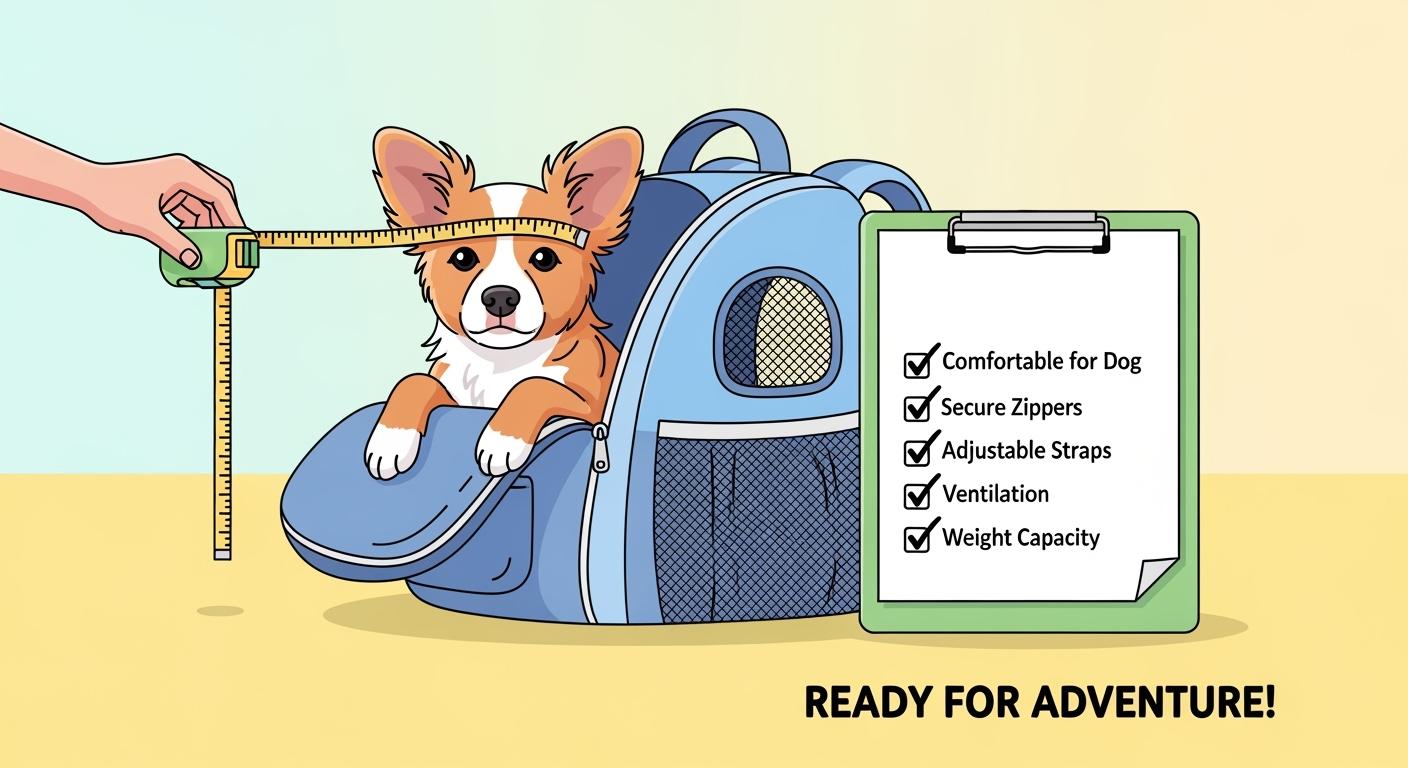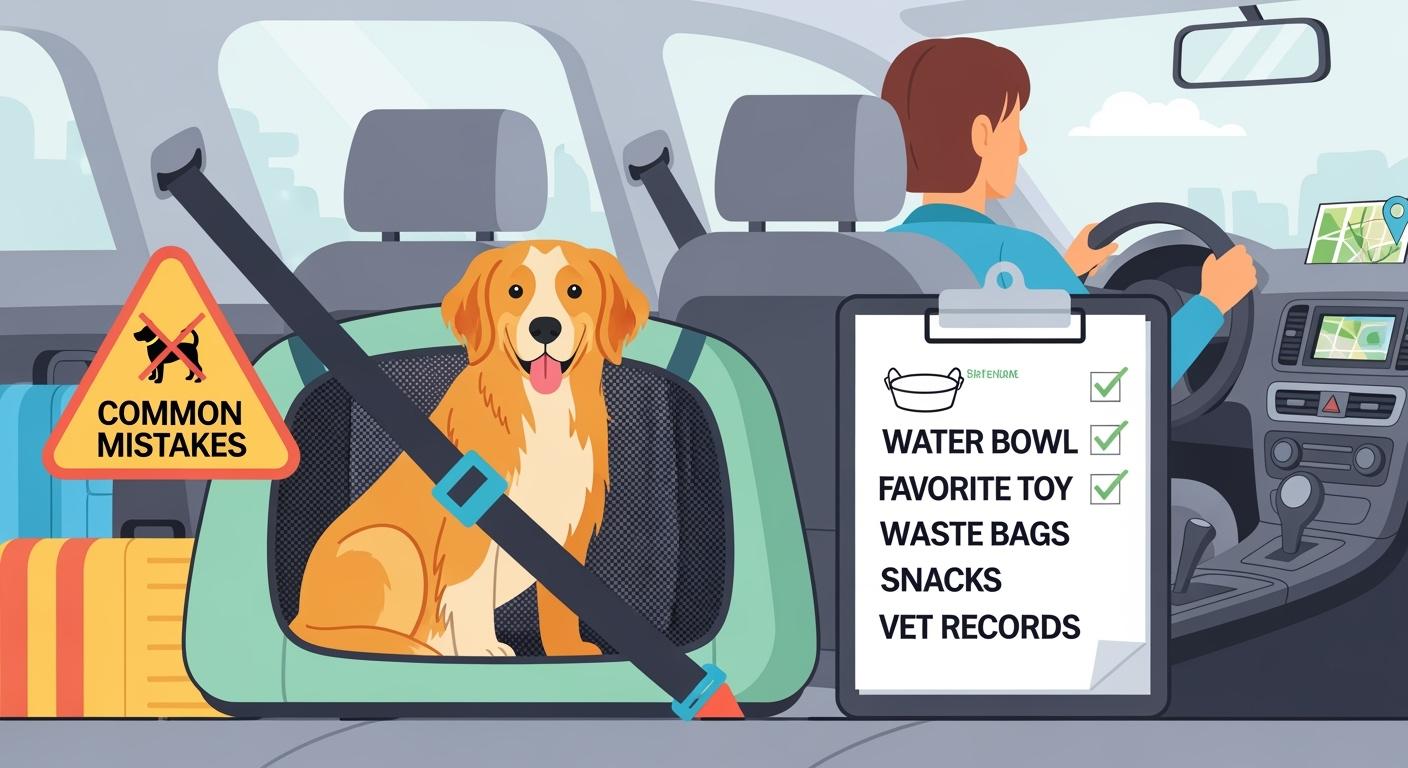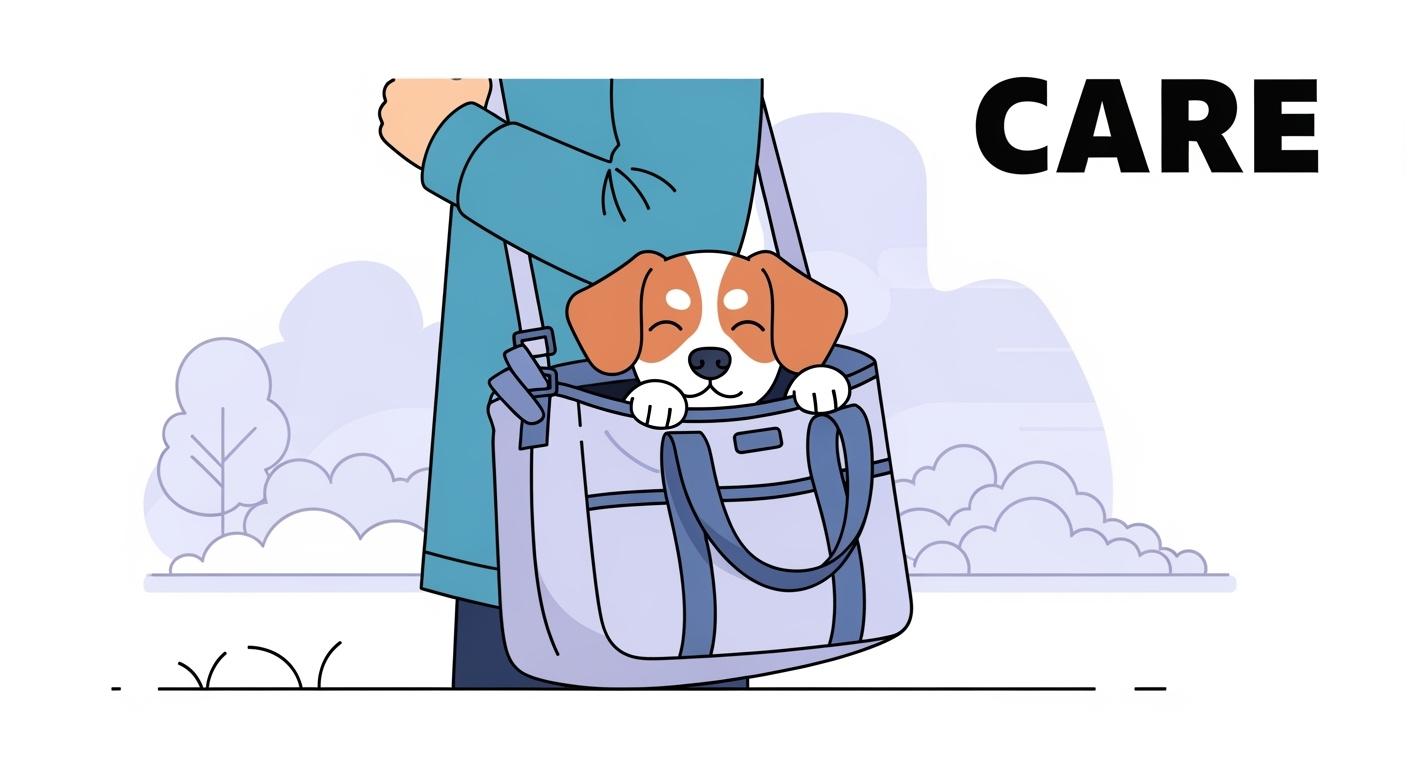
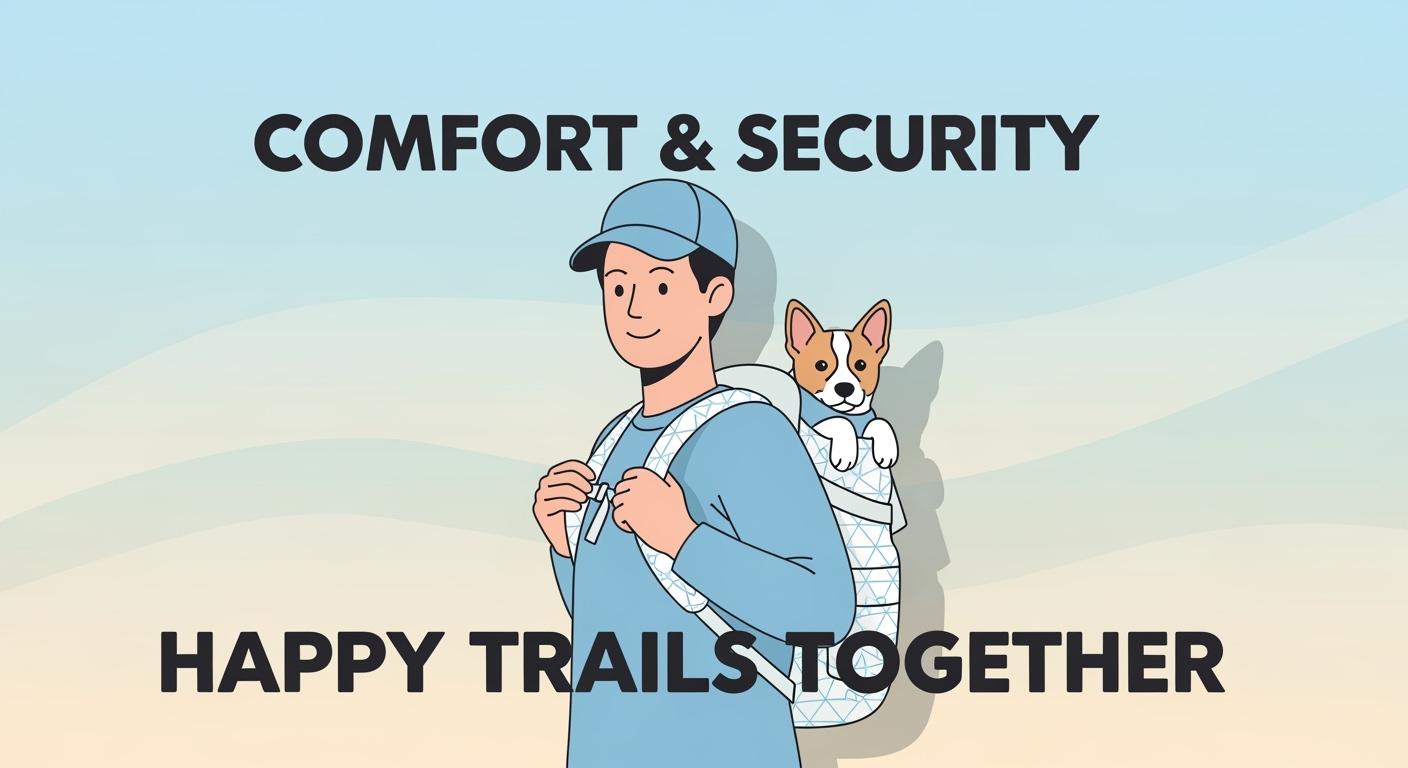
You want your dog to feel safe and comfy in a small dog backpack carrier. First, pick a carrier that helps your dog sit right and lets air flow. Look for signs your dog feels stressed or uneasy. Try not to make these mistakes:
- Putting too much stuff in the carrier can stop air from moving.
- Forgetting to take breaks and give your dog water is bad.
- Not securing your dog in the carrier can be unsafe.
- Choosing a carrier that hurts your back is not good.
Clean and check your dog backpack carrier often to keep it safe every time you use it.
Key Takeaways
- Pick a small dog backpack carrier that fits your dog well. A good fit stops slumping and keeps your dog comfy.
- Check closures before each use. Tight zippers and strong snaps reduce escape risk when you travel.
- Watch for stress signs like pawing, slumping, or twisting. Pause and adjust support if you see them.
Small Dog Backpack Carrier Buyer Checklist
Use Cases: Errands vs. Longer Outings
You should pick a carrier that fits your plans. For quick errands, use a small dog backpack carrier that is light and simple to carry. This makes it easy to stay close to your dog and move fast in crowded spots. If you plan to be out longer, choose one that is comfy and supports weight well. An ergonomic design helps your back and keeps your dog safe on long walks.
Tip: Always check the weight and fit before you leave for a long trip.
Comfort: Fit, Posture, and Airflow
Comfort is very important for your dog’s health and mood. A good fit lets your dog sit up straight with a strong chest and steady base. Do not pick a carrier with too much space, or your dog might slump or bounce. Good posture lowers stress and keeps your dog safe. Airflow is also important. Mesh panels let air move, but they do not make it cooler than the room. Do not use thick inserts that block air, especially when it is hot.
- Carrying your dog the right way stops stress and injury.
- The right size helps prevent anxiety and motion sickness.
- Breathable materials keep your dog’s lungs healthy.
Security: Closures and Anti-Escape
Security features help keep your dog safe inside the carrier. Strong zippers and closures stop your dog from getting out. An inside tether should clip to your dog’s harness, not the collar, so your dog’s neck does not get hurt. Reflective trim and padded handles make it safer and easier to control your dog in busy places.
Buyer Checklist Table
| Check Area | Verification Content | Reason for Preventing Returns | Customer-Facing Wording |
|---|---|---|---|
| Internal Support | Firm chest and back panels | Prevents slumping and twisting | “Supports your dog’s posture” |
| Base Stability | Non-slip, stable bottom | Stops bouncing and discomfort | “Stable base for calm rides” |
| Ventilation | Mesh panels, open sides | Reduces heat and stress | “Breathable for your dog’s comfort” |
| Closure Security | Lockable zippers, strong snaps | Stops escape attempts | “Secure closures for peace of mind” |
| Internal Tether | Harness-only attachment | Prevents choking or injury | “Safety tether for harness use” |
| Strap Comfort | Padded, adjustable straps | Reduces handler fatigue | “Comfortable for you to carry” |
| Cleaning | Removable, fast-dry liner | Prevents odor and buildup | “Easy to clean and maintain” |
| Pocket Balance | Evenly placed storage | Avoids tipping or imbalance | “Balanced pockets for essentials” |
| Hair Entanglement | Smooth mesh and zipper edges | Stops fur snagging and irritation | “Gentle on your dog’s coat” |
Test Routine: Acclimation and Fit Steps
- Put the carrier open on the floor.
- Let your dog sniff and look inside.
- Gently lift your dog into the carrier for a short time.
- Make sure your dog sits up and breathes easy.
- Walk around your house with your dog in the carrier.
- Slowly make trips longer as your dog gets used to it.
Comfort and Spinal Health in Dog Backpack Carriers
Posture: Supported Chest and Stable Base
You keep your dog healthy by making sure it sits right in the carrier. The chest should be supported, and the base should be steady. This helps your dog sit up straight and not slump down. When your dog’s chest is upright and the base is flat, it stops twisting and stress on the back and joints. Your dog should sit in a normal way, not curl up or lean over. A strong base keeps your dog from bouncing and helps it stay calm. Check that your dog’s back is straight and the chest is held up. This support keeps your dog’s back safe and stops pain on long trips.
Tip: If you see your dog slumping or twisting, it may need a better fit or more support.
Handler Fit: Strap Comfort and Load Transfer
You should feel good when you carry your dog. Straps that adjust help you balance the weight and keep the carrier steady. Soft straps protect your shoulders and stop you from getting tired. Use two fingers to check that the straps are tight but not too tight. The weight should spread out across your back when you walk. This stops pain and helps you keep your dog sitting up straight. Even straps keep the carrier flat, which helps your dog’s back and posture.
| Handler Fit Feature | Benefit for You and Your Dog |
|---|---|
| Adjustable straps | Custom fit, stable carry |
| Padded shoulders | Less fatigue, more comfort |
| Balanced load | Keeps carrier vertical |
| Secure buckles | Prevents shifting |
Ventilation: Mesh Panels and Airflow
You need to make sure your dog gets enough air. Big mesh panels let air move and stop heat from building up. Mesh on many sides gives your dog air all around. Strong mesh does not break and keeps your dog safe. A raised base lets air move under your dog and keeps it cool. Vents near your dog’s nose help it breathe better. Do not use thick pads that block air. Good airflow keeps your dog cool and healthy, but it will not make the carrier cooler than the room.
In warm or humid weather, monitor your dog closely for overheating. Flat-faced dogs and dogs with breathing issues can struggle more in vertical carriers, so prioritize generous ventilation and stop if you see heavy panting, drooling, weakness, or distress.
- Key ventilation features:
- Large mesh panels on every side
- Strong mesh for safety and air
- Raised base for air under your dog
- Vents by the nose for easy breathing
Test Routine: Short Sessions First
Help your dog get used to the carrier with short, calm times inside. Start inside your house where your dog feels safe. Let your dog look at the carrier and sit in it for a few minutes. Watch how your dog sits and breathes. If your dog stays straight and calm, try short walks in quiet places. Make trips longer and harder slowly. This helps your dog feel brave and keeps its back safe. You stop stress and problems by making each time in the carrier a good one.
Note: If your dog keeps pawing or will not settle, stop and check the fit and support.
You make things safe and comfy by watching posture, strap fit, airflow, and slow practice. These steps keep your dog’s back healthy and make every trip fun.
Safe Dog Carrier Backpack Security Practices
Closures: Zipper Risks and Opening Control
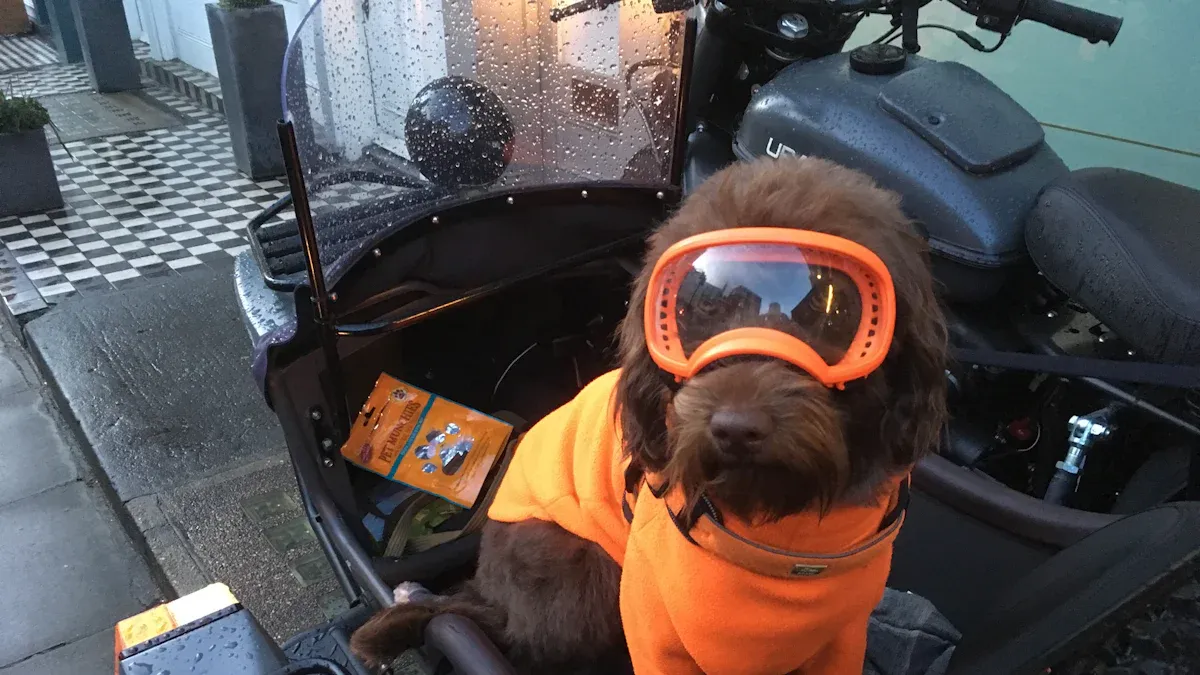
You must check all closures before every trip. Zippers can slide open if you do not lock them. Strong snaps and secure straps and buckles keep your dog inside the carrier. Many dogs try to paw at zippers or push against weak closures. You should inspect each zipper and snap for signs of wear. If you use a horizontal dog carrier backpack or vertical dog carrier backpacks, always check that the closure fits tightly. Escape prevention starts with strong closures. You protect your dog’s safety by making sure every opening stays shut during travel.
Tip: If your dog paws at the zipper or tries to escape, stop and check the closure right away.
Internal Tether: Harness Attachment Only
You need to use the internal tether for extra security. Always attach the tether to your dog’s harness, not the collar. This keeps your dog safe and prevents injury. A harness spreads force across the chest and shoulders. A collar can hurt your dog’s neck if it pulls or tries to escape. You should check the tether for strength and length. Make sure your dog can sit comfortably but cannot jump out.
An internal tether clipped to a chest harness helps prevent escape. Never rely on a neck collar.
You improve escape prevention and safety by using the harness attachment. This protects your dog’s health and keeps it secure in the small dog backpack carrier.
Transitions: Doors, Stairs, Cars, Crowds
You must pay attention during transitions. Moving through doors, stairs, cars, or crowds can stress your dog. You should hold the carrier steady and keep your hands free for balance. If you use a hands-free carrier, check that your dog sits upright and does not shift. You should slow down and avoid sudden movements. Many dogs feel nervous in busy places. You protect your dog by keeping the carrier close to your body and watching for escape risks. You should check for overheating risks in crowded or warm areas. If your dog pants or shows signs of stress, pause and let it rest.
| Transition Area | Best Practice | Error Prevention |
|---|---|---|
| Doors | Hold carrier steady | Prevent swinging and escape |
| Stairs | Use secure straps and buckles | Avoid tipping and stress |
| Cars | Place carrier flat | Reduce motion and anxiety |
| Crowds | Keep carrier close | Watch for overheating risks |
Stop Signs: Stress Signals and When to Pause
You must watch your dog for signs of stress. Pawing at openings, slumping, twisting, or refusal to settle are stop signs. If your dog shows these signals, you should pause and check the fit and support. You should never force your dog to stay in the carrier if it feels anxious. You protect your dog’s health by responding to stress signals. You should check for escape risks and overheating risks during travel. If your dog refuses to settle, you may need to adjust the carrier or take a break.
Recommendations: Always observe your dog’s behavior. Stop and check the carrier if you see stress signals.
You improve safety and security by watching for stress and making adjustments. You keep your dog comfortable and prevent escape by using these best practices. You help your dog enjoy hands free travel in a safe dog carrier backpack.
Common Mistakes, Troubleshooting, and FAQs
Mistakes: Oversizing, Blocked Ventilation, Poor Balance
People sometimes make mistakes with a small dog backpack carrier. If the carrier is too big, your dog may slump and sit wrong. Blocked airflow can make your dog too hot and uncomfortable. Bad balance can tip the carrier and hurt your dog’s joints and back. You can stop these problems by picking a carrier that fits close, checking mesh panels for air, and keeping pockets even.
Troubleshooting Table
| Problem | Possible Cause | Immediate Solution | Prevention for Next Time |
|---|---|---|---|
| Slumping | Oversized carrier | Adjust fit or add support | Measure chest and length |
| Instability | Uneven pockets or straps | Rebalance load | Use adjustable straps |
| Escape attempts | Weak closures or loose zippers | Secure all openings | Inspect closures before use |
| Overheating | Blocked ventilation | Move to shade, offer water | Prioritize mesh panels |
| Refusal to settle | Poor fit or anxiety | Pause and check posture | Start with short sessions |
| Hair entanglement | Rough mesh or zipper edges | Smooth edges, brush coat | Inspect mesh and zippers |
| Fit complaints | Ignored body shape | Adjust carrier or padding | Measure chest, height, length |
Warnings and Buyer Copy Lines
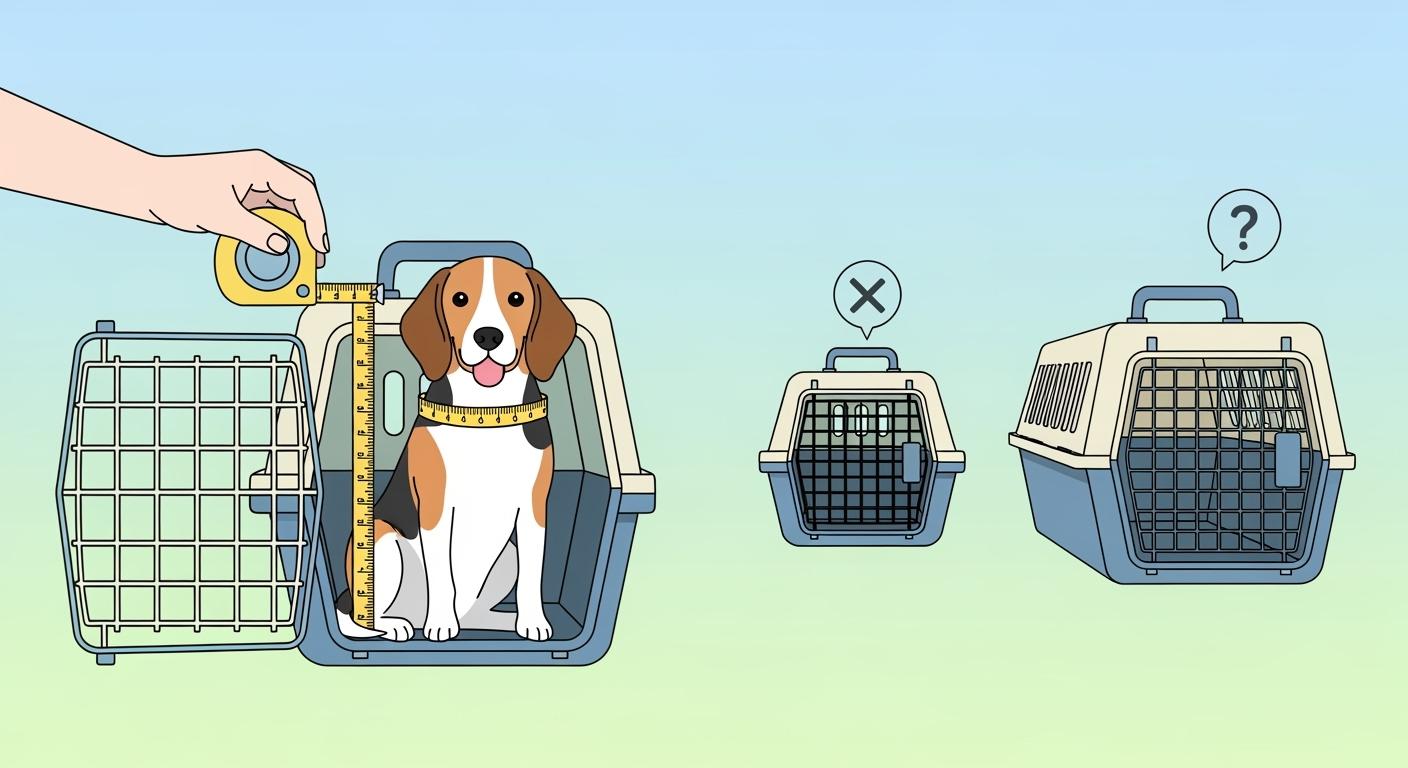
- Always measure your dog’s chest, height, and length for the best fit.
- Pick a snug carrier to help your dog sit straight and protect its back.
- Mesh panels are important for air and comfort.
- Check zippers and closures every time for safety.
- Clip the inside tether to a harness, not a collar, to keep your dog’s neck safe.
- Take breaks and give your dog water on trips.
- Watch for stress signs like slumping, pawing, twisting, or not settling.
- Clean fast-dry liners after muddy or salty walks.
- Look at mesh and zippers every month for damage.
- Do not carry more than one-fifth of your body weight.
- Keep pockets balanced so the carrier does not tip.
- Brush your dog’s fur to stop hair from getting stuck.
- Watch your dog for overheating or trying to escape.
- Start with short, calm times in the carrier to help your dog feel safe.
FAQ Block: Fit, Ventilation, Cleaning, Anxious Dogs, Alternatives
Q: How do I choose the right size for my dog?
A: Measure your dog’s chest, height, and length. Pick a carrier that fits close for support.
Q: What helps keep my dog stable in the carrier?
A: Use straps you can adjust and keep pockets even.
Q: How can I prevent escape?
A: Check all closures and clip the tether to a harness.
Q: Should I use a harness or collar for the tether?
A: Always use a harness to keep your dog’s neck safe.
Q: How do I ensure good ventilation?
A: Pick carriers with mesh panels and do not block the air.
Q: How do I help my dog get used to the carrier?
A: Start with short, calm times inside your house.
Q: How often should I clean the carrier?
A: Clean after muddy walks and let it dry before putting it away.
Q: Is a small dog backpack carrier suitable for all dogs?
A: It works best for calm, small dogs that can sit up straight.
Q: What should I check before buying?
A: Look for fit, air flow, safe closures, and comfort features.
Q: What signs show my dog is stressed?
A: Watch for slumping, pawing, twisting, or not wanting to settle.
You keep your dog safe and comfy by checking the fit a lot. Make sure there is enough air for your dog to breathe. Look at your dog’s posture and how it acts. Clean the carrier so it does not smell bad. Use a harness clip and mesh panels to keep your dog safe. Try not to make mistakes so every trip is good for your dog.