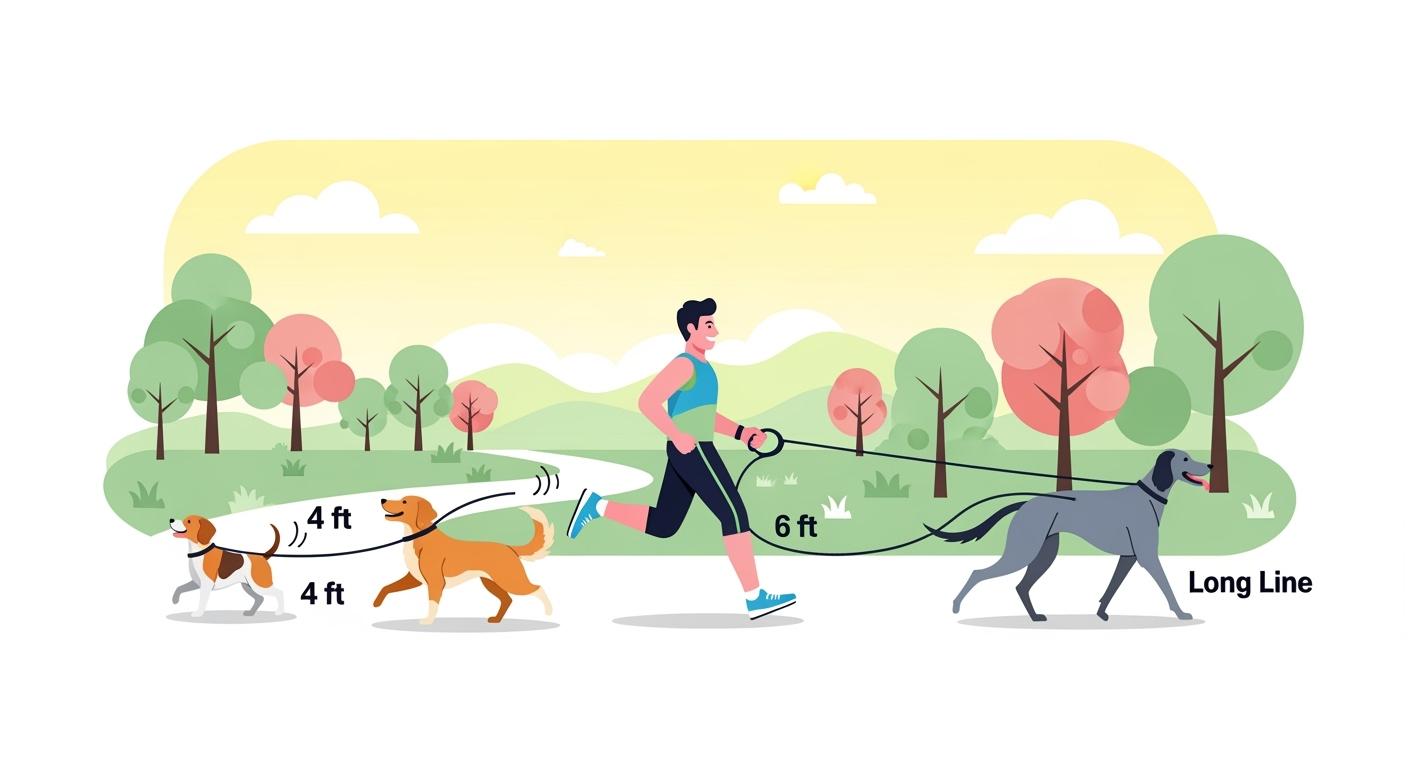
Choosing the right runners leash for dog can make running with your dog safer and more enjoyable. You need a leash that matches your route, your dog’s size, and your walking style. Here is a quick rule of thumb: use a 4 ft leash for close control in busy spots, a 6 ft leash for steady walking or running in parks, and a long line only for open training areas. Always think about safety and ask a vet or trainer for advice if your dog has health or behavior concerns.
Quick verdict (30 seconds): Choose 4 ft for close control in crowds, 6 ft for most park runs, and reserve long lines for open-field training only.
| Leash Length | Best For |
|---|---|
| 4 feet | Busy streets, close control |
| 6 feet | Parks, relaxed walking |
| Long line | Open space, training |
Need help picking a running leash? List 3–5 details about your dog and running route, and we can guide you. Pet owners and businesses can ask about wholesale, OEM, or ODM support. Share your walking habits, your dog’s energy, and your favorite running spots for a personalized tip. If you want more answers, check the FAQ below.
Key Takeaways
- Pick a 4 ft leash in crowded places. It helps you keep your dog close. This stops accidents from happening.
- Use a 6 ft leash in parks or wide paths. Your dog gets more space to move. You still keep your dog safe.
- Save long line leashes for training in big open areas. Do not use them for normal running.
- Look at your leash before you run. Make sure it is not worn out. This keeps you and your dog safe.
- Think about your dog’s size and how they act. This helps you pick the best leash. Your dog will feel better and you will have more control.
Quick Leash Length Guide for Running
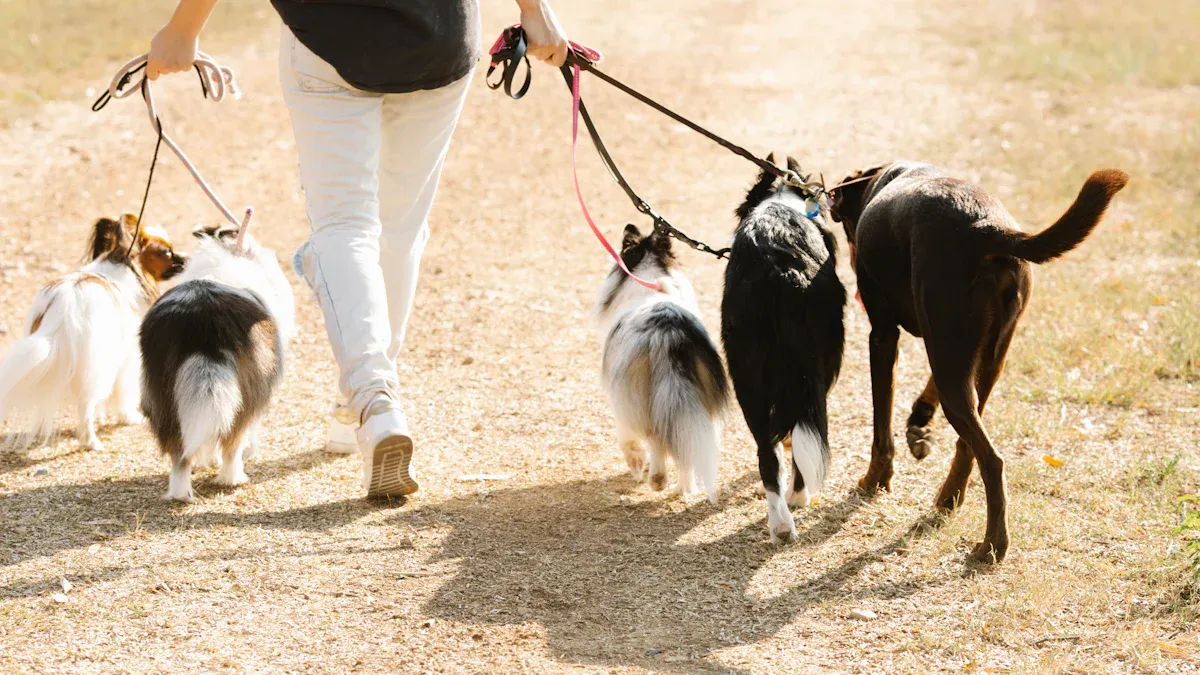
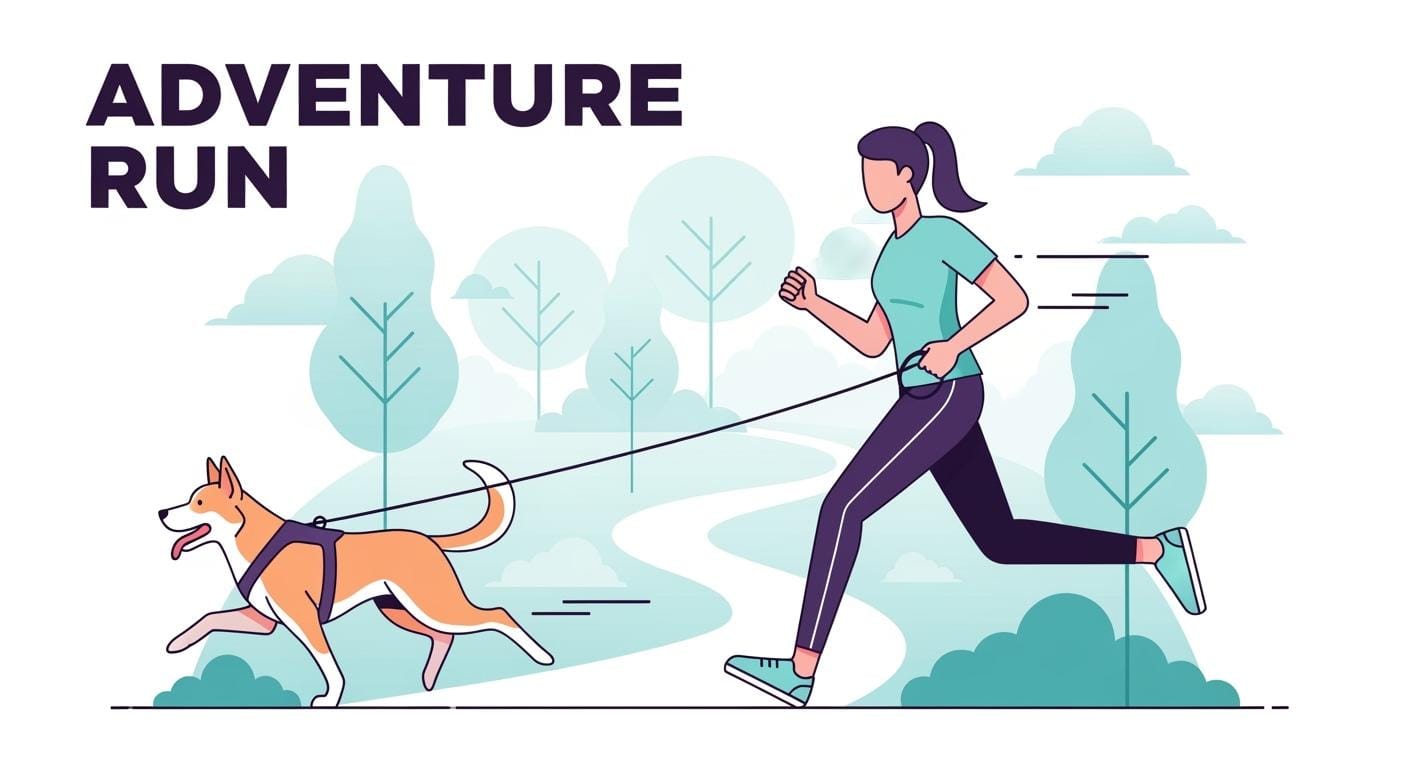
Choosing the right running dog leash can make running with your dog safer and more enjoyable. Running with your dog is different from walking. Speed increases risk because you have less time to react. A short leash gives you more control, but less freedom. A long leash gives your dog more space, but it can increase tripping risk. You need to balance control, space, and passing safety.
Running vs Walking: Key Differences
When you run, your dog moves faster and may pull harder. A leash that works for walking may not work for running. You need to keep the leash short enough to avoid tangles, but long enough for comfort. In high-traffic areas, a 4 ft leash helps you keep your dog close. On open trails, a 6 ft leash gives your dog more room to move. Long lines are best for training in open fields, not for regular running.
Here is a quick decision table:
| Route Type | Best Length | Reason | Tip |
|---|---|---|---|
| Crowded sidewalks | 4 ft | Close control | Keep your dog at your side |
| Parks, wide paths | 6 ft | Balanced space | Watch for bikes |
| Open fields | Long line | Training only | Practice recall skills |
Tip: Always check your leash for wear before running.
If you want help picking a leash, write down 3-5 details about your dog and your running route.
Safety Rule for Passing Others
Passing other people or dogs can be risky. Professional trainers recommend these steps:
- Shorten your leash before you pass.
- Move your dog to your side and keep them focused on you.
- Avoid letting your dog greet other dogs while running. Leashes can cause tension and may lead to fighting. Dogs can become obsessed with meeting others, which can make them frustrated or reactive. Allowing greetings can also make recall harder in the future.
Note: Predictable passing keeps everyone safe and reduces stress for your dog.
If you have questions about passing safety, prepare a list of your dog’s habits and your usual running spots.
When Not to Run with Your Dog
You should not run with your dog if you see signs of limping, overheating, coughing, panic, or repeated lunging. If your dog is fearful or reactive, focus on calm walking and training first. Running is not safe for every dog. Always put your dog’s health and comfort first.
If you are a pet owner or business, you can ask about wholesale, OEM, or ODM support. Share 3-5 details about your dog and running needs for a personalized tip.
Runners Leash for Dog: 4 ft, 6 ft, or Long Line Leashes?
Choosing the right runners leash for dog is important for safe and comfortable runs. The leash length you pick changes how much control you have, how safe your dog feels, and how easy it is for both of you to enjoy the activity. Let’s look at the main types of dog leashes and see when each makes sense.
4 ft Leash: Close Control
A 4 ft leash gives you strong control in busy places. You keep your dog close, which helps you avoid tangles and sudden stops. This length works best for crowded sidewalks, street crossings, and narrow trails. You can react quickly if your dog tries to dart or if you need to pass other runners. Many trainers prefer a shorter leash in busy areas because it improves control, reduces tangles, and makes passing safer. A short leash keeps your dog near you, which lowers the risk of accidents and makes passing others easier.
Tips for using a 4 ft leash:
- Hold the leash firmly and keep your dog at your side.
- Use this leash in areas with lots of people or bikes.
- Shorten the leash before passing others.
6 ft Leash: Balanced Choice
A 6-foot leash gives you a balance between control and freedom. Your dog gets more room to move, but you still keep them close enough for safety. This length works well in parks, wide paths, and steady running routes. You can adjust the leash quickly if you see a hazard or need to pass someone. Many runners find this length comfortable for both themselves and their dogs.
When to use a 6-foot leash:
- Choose this leash for open spaces with fewer crowds.
- Watch your dog’s behavior and shorten the leash if needed.
- Use a pass plan: shorten, cue your dog, pass, then return to normal running.
If you want a personalized tip, list 3-5 details about your dog and your favorite running spots.
Long Line Leashes: Training and Open Spaces
Long line leashes are best for training in open areas. You use them to practice recall or distance work, not for regular running. Trainers recommend long line leashes when your dog has a strong recall and you run in open spaces. Risks include tangling, loss of control, and your dog meeting hazards or distractions. You should not use a long training line for everyday runs in busy places.
Use long line leashes for:
- Training recall in open fields.
- Giving your dog space to explore safely.
- Only when you can bring your dog close quickly.
Risks of long line leashes:
- Tangling around objects or people.
- Losing control if your dog bolts.
- Hazards like bikes or other dogs.
Bungee or Stretch Leash Effects
Bungee or stretch leashes can make running more comfortable. The shock-absorbing core softens sudden pulls and redistributes force, which helps reduce strain on you. Dual anchor points improve control and help prevent shoulder strain for both you and your dog. A padded, breathable harness adds comfort, especially for dogs that may get tired or strained.
| Feature | Description |
|---|---|
| Shock-absorbing bungee core | Provides consistent feedback and redistributes force, reducing strain |
| Dual anchor points | Enhances control and prevents torque-induced shoulder strain |
| Padded, breathable harness | Ensures comfort for the dog, especially for breeds prone to strain |
You should treat stretch leashes as comfort support, not as a control tool. If your dog surges, the leash may bounce or stretch too far. Always check your leash for wear before running.
Decision Summary: Control, Safety, and Comfort
The running leash you choose affects control, safety, and comfort. Short leashes give you quick response and keep your dog close. Longer leashes offer more freedom but increase risk. Long line leashes are for training, not regular running. Stretch leashes help with comfort but may reduce precision.
| Feature | Dog Harness (with Fixed Leash) | Retractable Leash |
|---|---|---|
| Control | High – immediate response | Low – delayed reaction |
| Neck Safety | Excellent – no pressure | Poor – sudden jerks |
| Tangle Risk | Minimal – short line | High – cord wraps |
| Durability | High – webbing resists wear | Moderate – cord frays |
| Escape Risk | Low – secure fit | High – dog can bolt |
Local leash rules: Requirements vary by city, park, and trail. Common patterns include:
- Leashes are often required in public areas unless you are in a designated off-leash zone.
- Dogs are typically expected to remain under handler control at all times.
- Some parks set maximum leash lengths (often 4-6 ft) on paths and near entrances.
For more answers, check the FAQ below.
Matching the Leash to the Dog and Route
Choosing the right leash for running depends on matching the leash to the dog and the route you plan to take. You want to keep both you and your dog safe and comfortable. Here are some tips to help you decide which leash works best for your needs.
Dog Size and Behavior Factors
When you pick a leash, always think about your dog’s size, strength, and how they act during runs. Small dogs often need lighter leashes, while strong pullers do better with reinforced options. If your dog gets excited or pulls hard, a shorter leash gives you more control. Calm dogs that stay close can use a longer leash in safe areas. Handler comfort matters too. Make sure the leash feels good in your hand or on your waist, especially for longer runs.
- Check your dog’s size and strength before choosing a leash.
- Watch your dog’s temperament. Nervous or reactive dogs need more control.
- Use a lighter leash for small breeds and a sturdy one for big dogs.
- Choose a leash that feels comfortable for you to hold.
Route Type: Crowds, Trails, Open Areas
Your running route changes which leash works best. Busy sidewalks and crowded parks call for a short leash. This keeps your dog close and helps you avoid accidents. On wide trails or in open parks, a 6-foot leash gives your dog more room to move. Only use a long line in open fields where you can see hazards early and bring your dog back quickly.
- Use a short leash in crowds or near traffic.
- Pick a longer leash for open, safe spaces.
- Avoid long lines in busy areas to prevent tangles.
Tip: Always scan your route before running. Adjust your leash length if you see bikes, other dogs, or children ahead.
Adjusting for Reactivity or Training Needs
If your dog reacts to people, animals, or noises, choose a leash that lets you keep them close. Training sessions work best with a long line in open areas, but not during regular runs. If your dog lunges or gets distracted, shorten the leash and focus on calm walking your dog before adding speed. Safety comes first for both you and your dog.
- Shorten the leash if your dog gets nervous or pulls.
- Practice calm behavior before running in busy places.
- Use a long line only for recall training in safe, open spaces.
Safe Running with Any Leash
Running with a running dog leash can be safe and enjoyable if you use the right handling techniques. You need to keep your dog under control, avoid tangles, and stay alert to your surroundings. Here are practical tips for using any leash, including hands-free leashes, to keep you and your dog safe on every run.
Handling to Avoid Tangles
You can prevent tangles by following these steps:
- Keep your dog on one side and avoid switching sides during your run.
- Hold the leash with both hands if you need extra control.
- Watch for obstacles like poles, benches, or other runners.
- Shorten the leash when you approach crowded spots.
- Do not let the leash drag or loop near your feet or bike wheels.
- Check the leash for knots or twists before you start.
Common mistakes to avoid:
- Letting the leash get too loose.
- Allowing your dog to cross behind you.
- Ignoring leash wear or damage.
- Using a leash that is too long for busy areas.
- Not practicing with hands-free leashes before running.
- Forgetting to check for tangles after turns.
Passing Protocols
Safe passing keeps everyone comfortable. Use these protocols when you pass others:
| Protocol | Description |
|---|---|
| Stay to the right | Run on the right side and stay single file. |
| Pass safely | Slow down, give a clear warning, and pass in single file. |
| Yield to other trail users | Yield to equestrians and let bikes pass when needed. |
| Keep your dog on-leash | Always keep your dog on a leash and close to your side. |
Tip: Shorten your leash, cue your dog to focus, and pass quickly but calmly.
Turns, Stops, and Quick Control
You need to prepare for sudden changes. Here are safety notes:
- Slow down before sharp turns or stops.
- Use a quick-grab handle or shorten the leash for fast control.
- Watch for slippery surfaces and guide your dog around them.
- Practice stopping together so your dog learns your cues.
- Cross streets only at marked crossings and wait for a clear path.
- Keep your dog close at intersections and busy crossings.
- Never let your dog pull ahead at street corners.
Hands-Free Leash Tips
Hands-free leashes give you freedom, but you must use them safely:
- Adjust the belt to fit snugly around your waist.
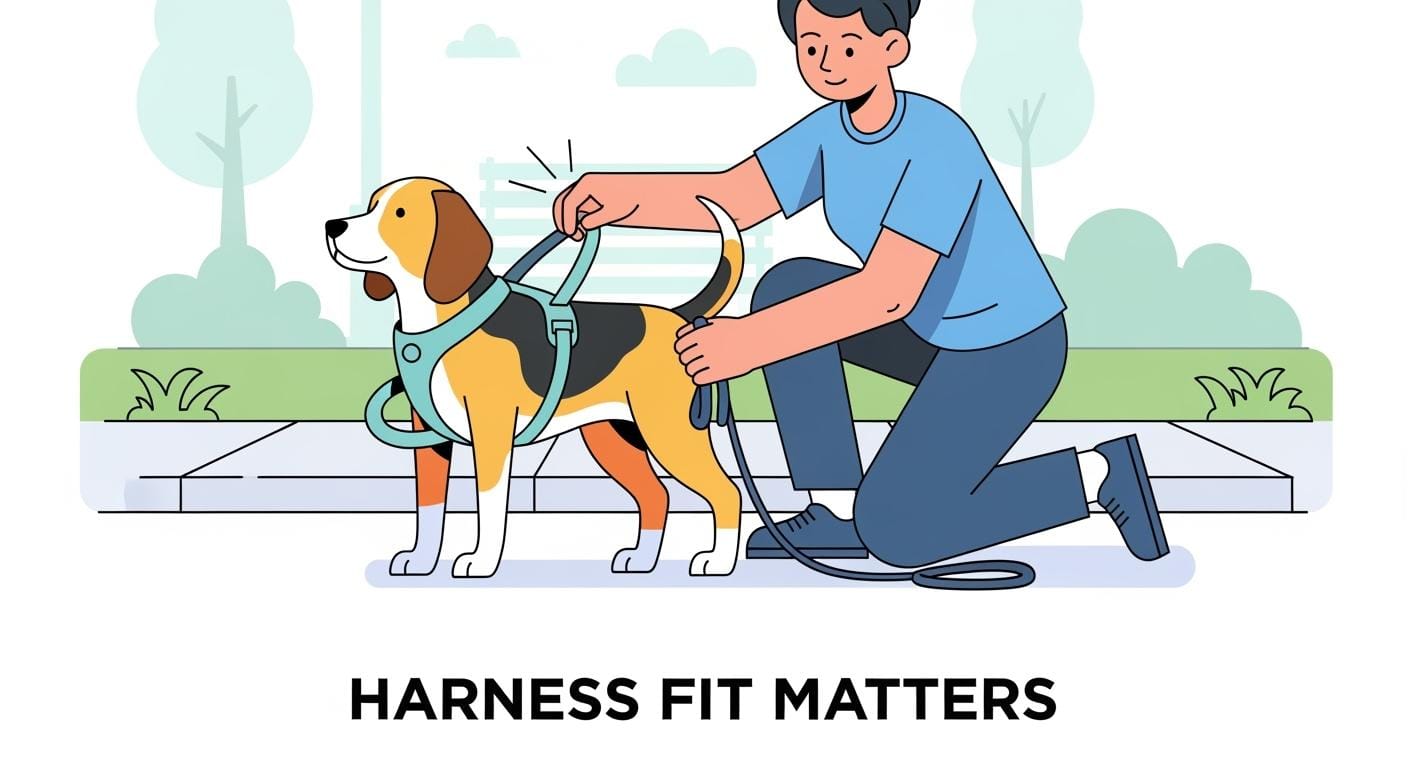
- Attach the leash to a secure harness, not a collar.
- Keep a quick-release or grab handle within reach.
- Practice using hands-free leashes in a safe area before running in public.
- Stay alert and ready to grab the leash if your dog lunges or stops suddenly.
- Use hands-free leashes as the best alternative to a retractable leash for running.
Safety notes:
- Always scan ahead for hazards.
- Keep the leash out of your legs and wheels.
- Use a pass plan for every encounter.
- Never wrap the leash around your hand or wrist.
When picking a leash for running, think about your dog. Think about where you will run. Make sure you feel comfortable too. Your dog should be safe and easy to control. Use a 4 ft leash in busy places. Use a 6 ft leash for steady runs. Use a long line only for training. Try different leash lengths to see what works best.
| Leash Type | Pros | Cons | Best For |
|---|---|---|---|
| Standard Fixed-Length | Maximum control, predictable use | Less freedom, tangling in crowds | Training, busy areas, strong dogs |
| Retractable | Adjustable freedom, easy storage | Less control, risk of burns | Well-trained dogs, open spaces |
| Hands-Free | Frees hands, reduces strain | Slower reaction, needs practice | Active owners, responsive dogs |
Pick a leash that fits your running spot and your dog’s actions. Change your leash if your dog acts differently. This helps keep your dog safe.
FAQ
How do I pick the right leash length for running?
You should match leash length to your route and your dog’s behavior. Use a 4 ft leash for crowds, a 6 ft leash for open paths, and a long line only for training in open fields. Always check for safety.
When should I use a long line instead of a regular leash?
Use a long line for recall training or distance work in open, safe areas. Do not use a long line for regular running. Long lines can tangle or cause loss of control in busy places.
Is an elastic or bungee leash safe for running?
A bungee leash can reduce sudden pulls and make running more comfortable. You should not rely on it for control. Always stay alert and keep your dog close in busy areas.
How can I avoid tripping over the leash while running?
Keep your dog on one side. Shorten the leash in crowds. Watch for obstacles. Do not let the leash drag or loop near your feet. Practice running with your dog before going to busy places.
When should I train my dog before running together?
Train your dog to walk calmly on a leash before you start running. Practice recall and focus in quiet areas. If your dog pulls, lunges, or gets distracted, work on training first.