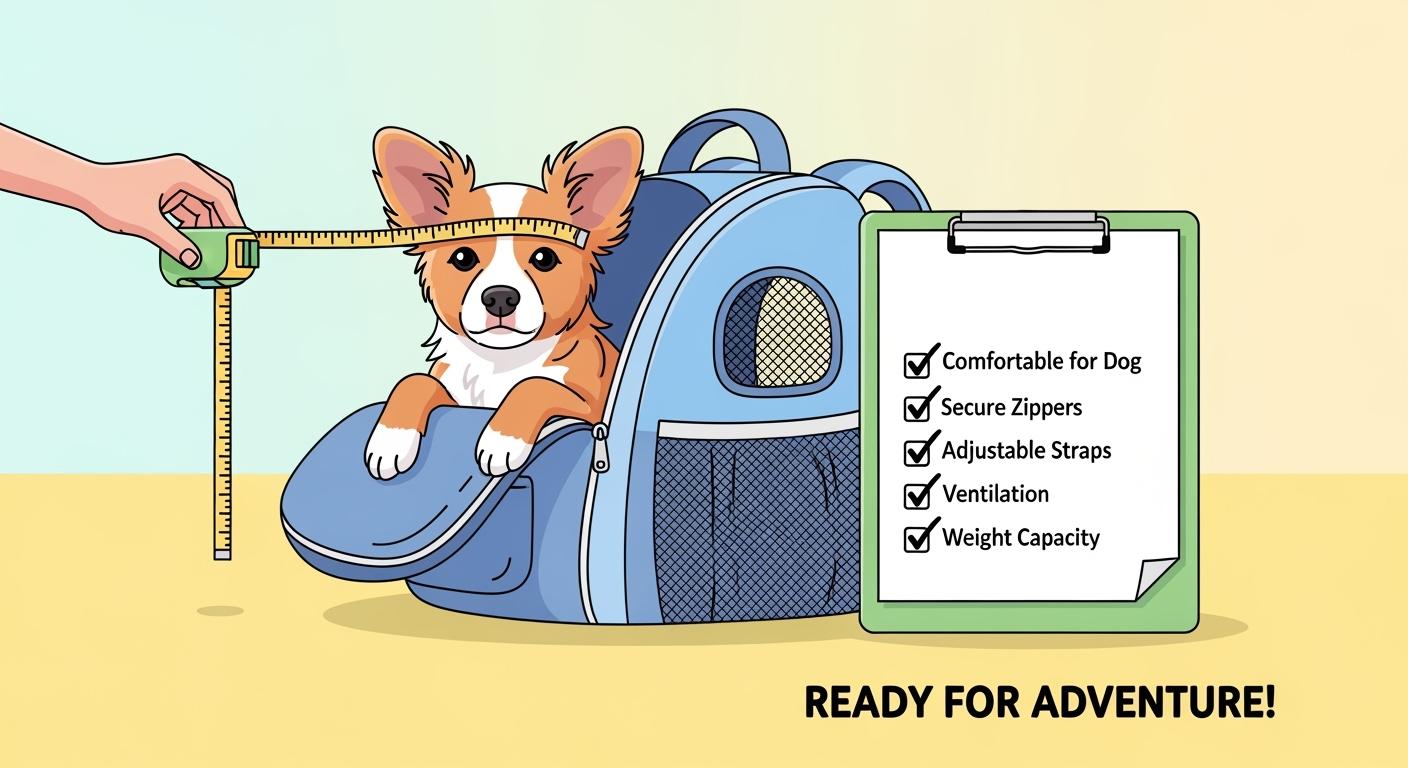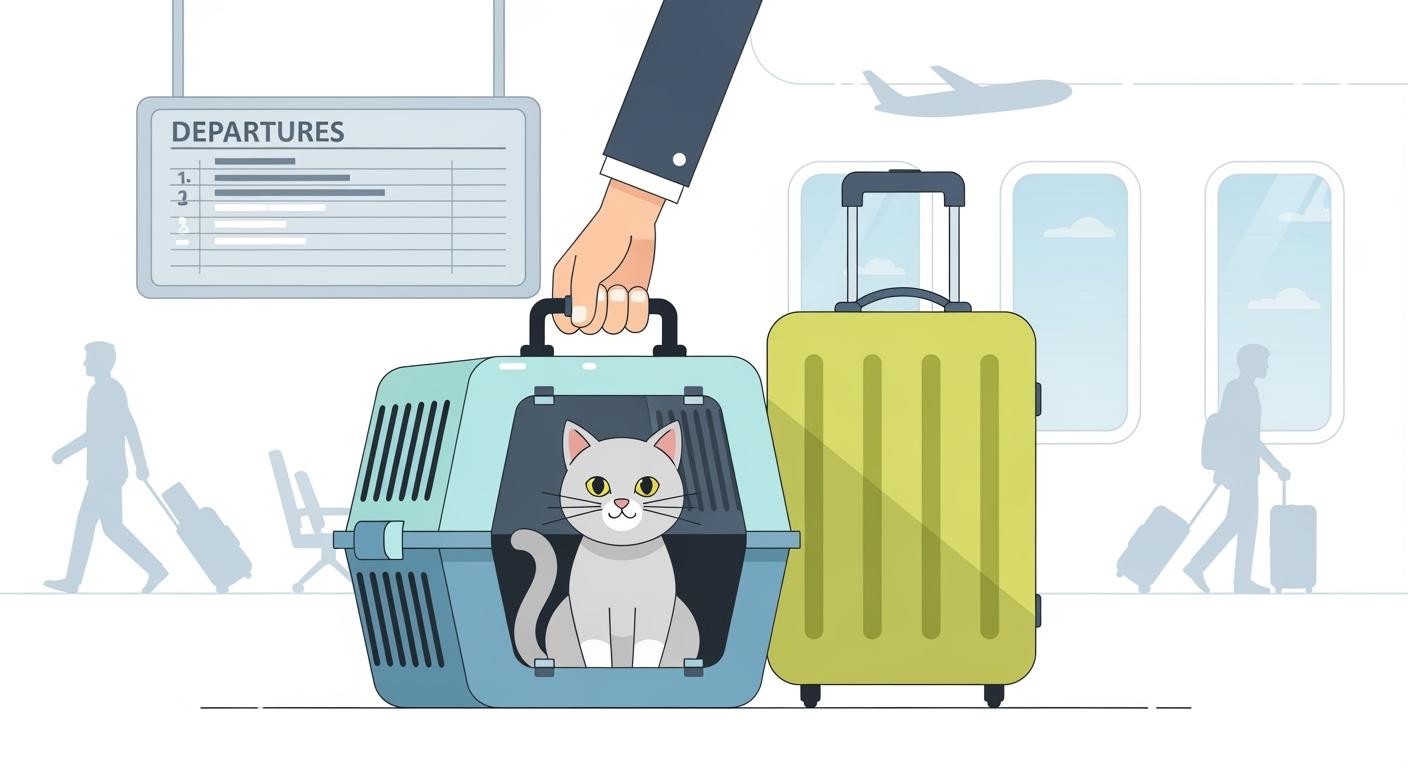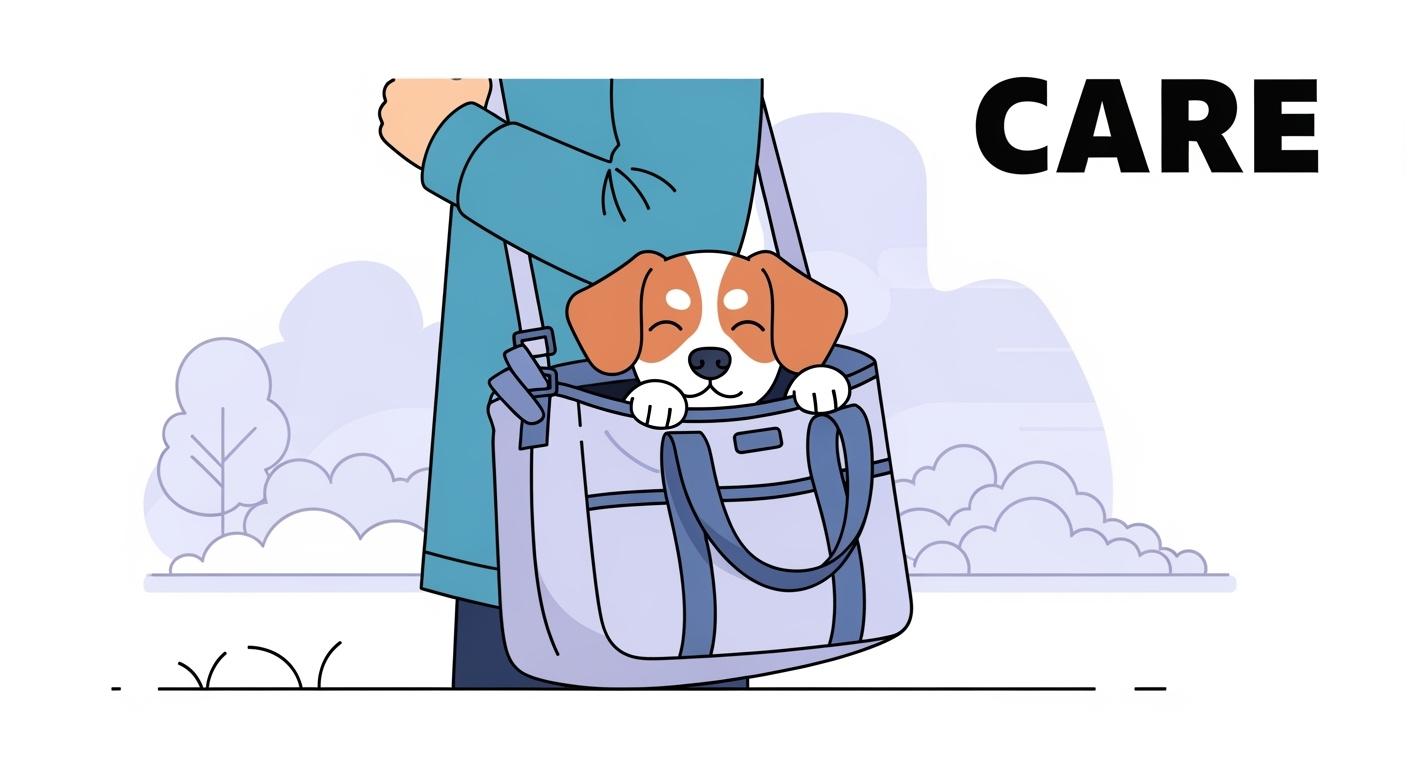
You make better choices for pet carriers dogs when you look at posture support, stability, and security. Having a big carrier does not always mean it is safe or comfy. People often ask for refunds because the fit is bad, cleaning is hard, or they do not understand how air flows. Begin with these steps:
- Measure how long, tall, and heavy your dog is.
- Think about how you usually travel.
- Check how much air your pet carrier gives.
Key Takeaways
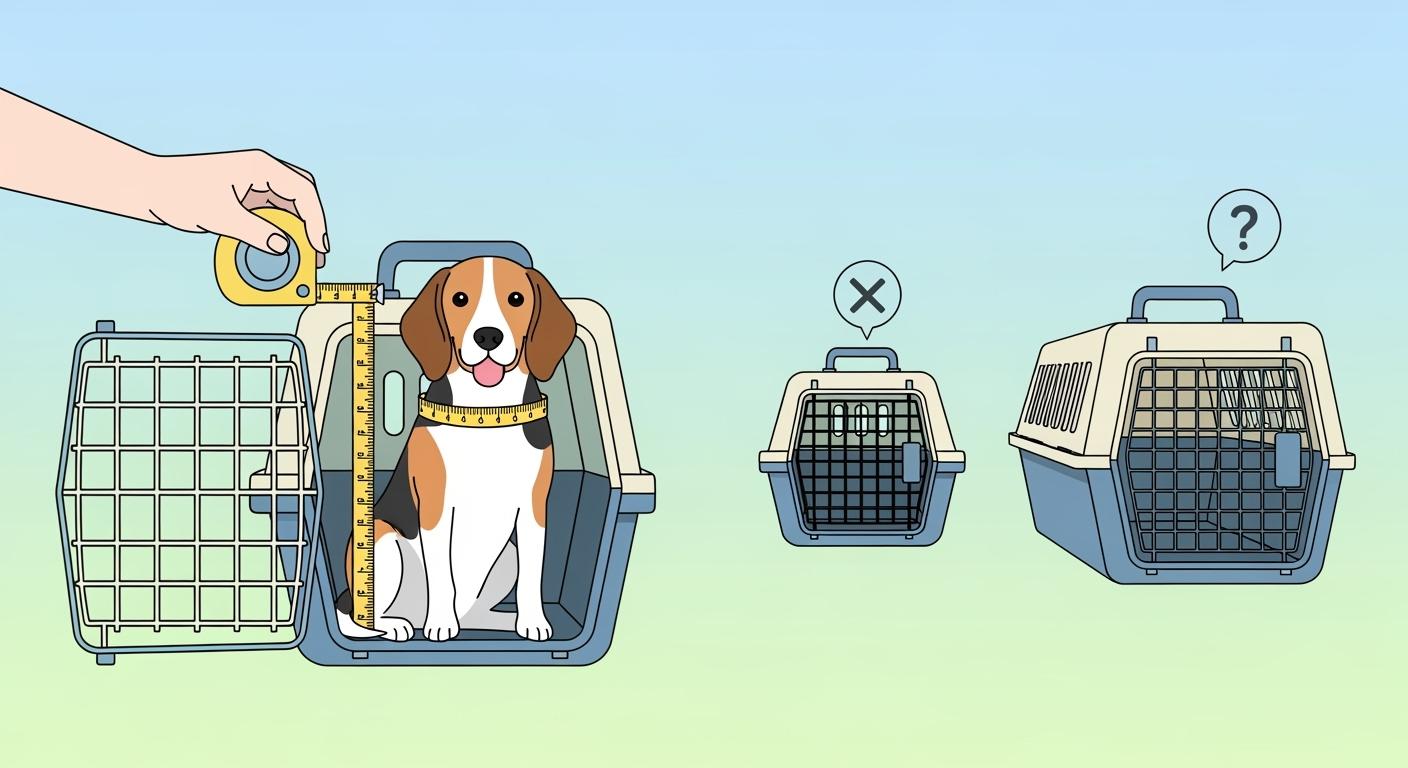
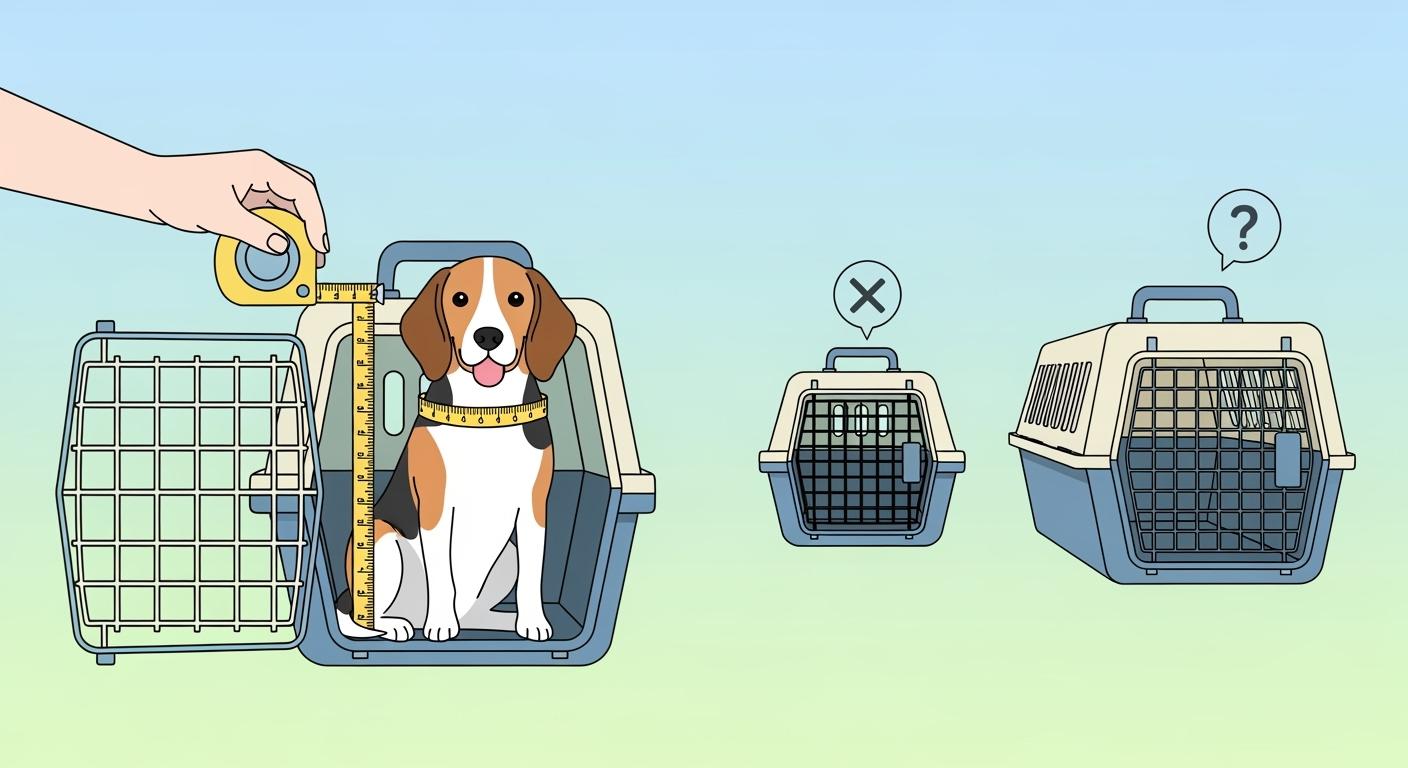
- Measure your dog when it is standing up. This makes sure the carrier fits right. A good fit stops your dog from feeling bad or trying to get out.
- Pick a carrier that helps your dog stand straight and stay steady. The bottom should be strong. The seams should not come apart. This keeps your dog safe and relaxed when you travel.
- Look for a carrier that lets air move through. Mesh panels help air flow in and out. This keeps your pet cool and less stressed.
Travel carrier features buyers must confirm
What makes a travel carrier “friendly”
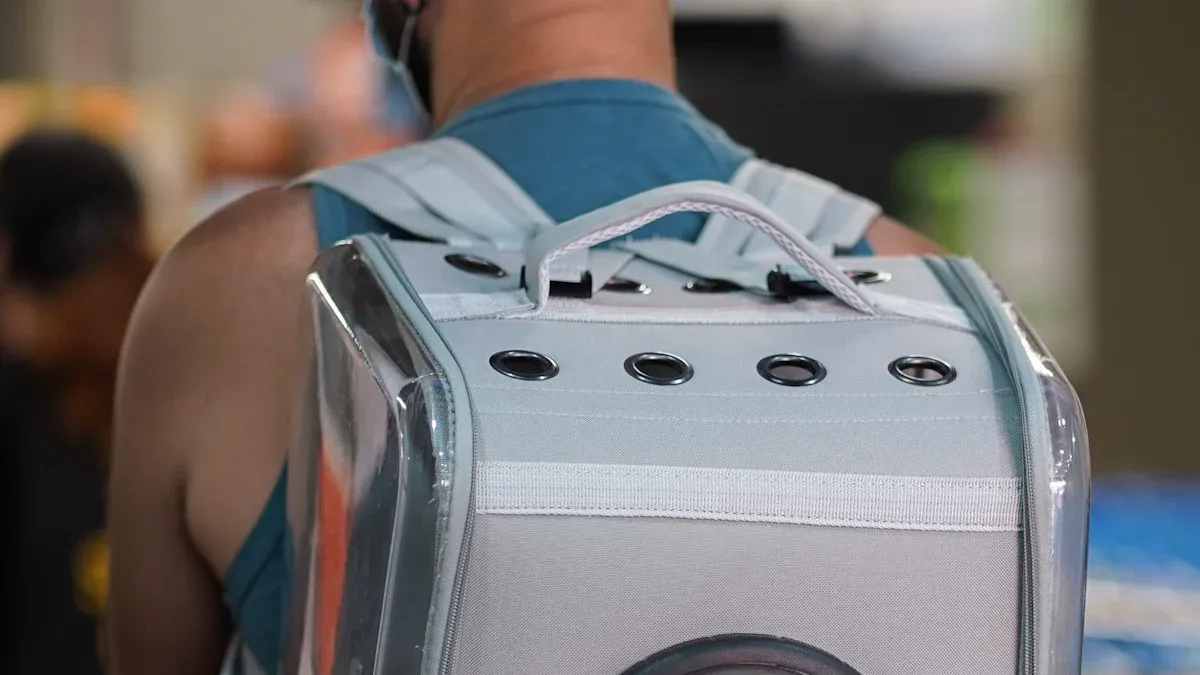
A good travel carrier does more than just carry your dog. It helps your dog sit or stand the right way. It keeps your dog safe and lets air move inside. You should make sure the bottom is strong and the seams are tough. Find a door that locks and sides that do not break easily. Good airflow means there are mesh panels or metal grilles on more than one side. These things help your dog feel calm and safe when you travel.
If you carry your dog often, prioritize a flat, firm base and side support so their spine stays neutral. Sling-style carriers can feel cozy but often lack stability.
Comparison table: carrier style, use, risks
| Carrier Type | Strap Type | Best Travel Use | Main Risks | Buyer Notes |
|---|---|---|---|---|
| Soft-sided handheld | Shoulder/Hand | Short trips, errands | Sagging, escape risk, poor support | Check base firmness and zipper quality |
| Structured soft-sided | Shoulder/Backpack | Air/train, longer trips | Better support, but can overheat | Confirm ventilation and weight rating |
| Hard-sided box | Hand/Shoulder | Car, air, travel crate | Heavy, less flexible, but safest in car | Look for impact resistance and easy clean |
| Wearable (backpack/sling) | Backpack/Shoulder | Hiking, walking | Spine curve, overheating, escape | Use for short periods, check fit often |
| Handheld crate | Hand | Vet, travel crate | Bulky, limited airflow | Use for stationary travel or vet visits |
Top refund triggers: fit, sag, odor, escape, heat
You can stop most returns if you check these things before you buy a pet carrier or travel crate:
- Fit: The travel carrier should hold your dog’s chest and back. If your dog bends or twists, the fit is not right.
- Sag: If the bottom is weak, it will sag. This makes your dog uncomfortable and might make them try to get out.
- Odor: Some liners keep hair and smells. Pick materials that are easy to clean.
- Escape: Zippers that break or open spots let dogs get out.
- Heat: Airflow helps, but a travel carrier cannot get cooler than the room. Do not block the air with thick pads.
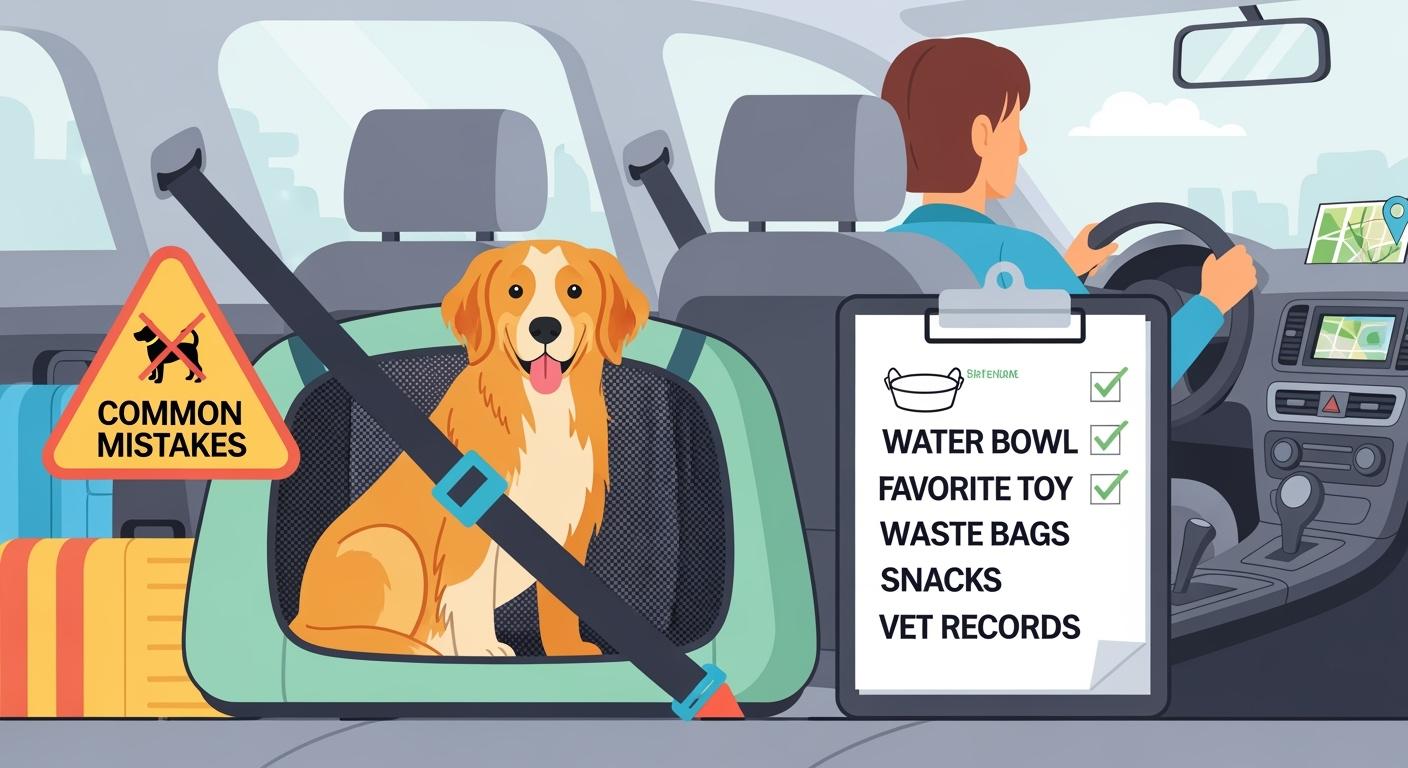
For frequent car rides, secure the carrier so it cannot slide or tip. If you want impact protection, look for a crash-tested crate and follow the manufacturer’s tie-down instructions.
You can set better rules if you focus on posture, stability, and cleaning. This helps lower complaints and refunds for every pet carrier or travel crate you choose.
Fit checks for pet carriers dogs
Interior space vs. exterior size
You should not just look at the outside size when picking a pet carrier. The inside space is more important for your dog’s comfort and safety. Many people make mistakes by only checking weight or measuring their dog while it sits. This can cause a bad fit and make pets unhappy. You need to measure your dog while it stands up straight. The pet carrier must let your dog stand, turn, and lie down without being squished.
Aim for a fit that lets your dog stand, turn, and lie down comfortably—without so much extra room that they slide around during movement.
- The right size crate lets your dog move and feel calm.
- A crate that is too small can make your dog scared.
- A crate that is too big can make your dog slide and get hurt.
Posture and support in dog carriers
Fit is not just about space. You also need to think about posture and support. The pet carrier should help your dog keep its chest and back straight. If your dog slumps, twists, or scratches at the carrier, the fit is wrong. Small dogs need more support because their backs are delicate. Dog carriers with hard bottoms and soft sides help stop injuries. You should not use carriers that bend or lean.
- Check the base: it should stay flat and supportive (no sagging).
- Look for even padding so your dog does not lean or twist.
- Confirm the carrier stays stable when you lift it (minimal swing/tilt).
- Use the internal tether with a harness, and verify closures before every trip.
Stability: swing, tilt, pressure points
Stability is very important for safe travel. Dog carriers need a strong bottom that does not swing or tip. If the carrier moves too much, your dog might feel scared or get hurt. Hard spots from weak padding or a soft bottom can make your dog uncomfortable. You should check for strong seams and even weight. Carriers with straps you can adjust help keep the carrier steady. Always clip the inside tether to a harness, not a collar, so your dog’s neck stays safe.
In a car, place the carrier on the back seat or cargo area per your vehicle layout, then use the seat belt or tie-down points to prevent sliding during braking.
Buyer checklist table: fit and support
You can stop most returns by using a checklist before you buy or sell a pet carrier. This table helps you check fit, support, and safety. It also gives you words you can use for customers.
| Check Area | Verification Content | Reason for Preventing Returns | Customer-Facing Wording |
|---|---|---|---|
| Posture Support | Firm base, padded sides, chest alignment | Prevents slumping and twisting | “Supports natural posture for safe travel.” |
| Bottom Stability | No sag, strong seams, balanced weight | Stops discomfort and escape attempts | “Stable base keeps your dog secure.” |
| Ventilation Panel Layout | Mesh or grille on multiple sides | Reduces overheating and anxiety | “Multiple ventilation panels for airflow.” |
| Closure Security | Locking zippers, strong doors | Prevents escapes and accidental openings | “Secure closures for peace of mind.” |
| Leash Instructions | Internal tether attaches to harness | Avoids neck injuries and panic | “Tether attaches to harness, not collar.” |
| Carrying Comfort | Adjustable straps, padded handles | Reduces swing and tilt, improves comfort | “Comfortable straps for easy carrying.” |
| Cleaning Method | Removable liners, wipeable surfaces | Simplifies cleaning, prevents odor buildup | “Easy-clean surfaces and removable liners.” |
| Odor/Hair Management | Smooth liners, minimal seams | Stops hair and odor from sticking | “Odor-resistant and hair-repellent lining.” |
| Pocket Volume | Adequate storage for essentials | Prevents overpacking and airflow blockage | “Convenient pockets for travel supplies.” |
Tip: Always say fit means good posture and stability. Do not just look for extra space.
Common mistakes buyers make when sizing dog carriers:
- Measuring while the dog is sitting can give the wrong size because the dog’s body changes.
- Measuring too loosely may seem safer but gives a bad fit.
- Mixing up the tail base with the tail tip or putting the tape in the wrong spot can give wrong numbers.
Safety boundaries: Most pet carriers are not crash-tested. For car travel, secure the carrier so it cannot move, and use a proper restraint setup when appropriate.
Pass/Fail Fit Checklist:
- Dog can stand, turn, and lie down in the pet carrier.
- Chest and back stay straight with no slumping.
- Carrier bottom stays flat and does not tip when you move.
- Closures stay shut and do not open by accident.
- Air panels are not blocked by pads or pockets.
- Inside tether clips to a harness only.
Buyer framing:
You can get fewer complaints and returns if you focus on posture, stability, and fit checks. Most people are unhappy because the fit is bad or there is not enough support. In fact:
You should use this checklist every time you list or buy a pet carrier. This helps you set real expectations and avoid refund triggers with pet carriers dogs.
Pet carrier materials and cleaning
Ventilation and drying limits
You should always check how air moves in each pet carrier. Mesh panels and grilles let air in, but they do not make your dog cooler than the room. If you use thick pads or put too much in the pockets, air cannot move well. This can make the pet carrier hot inside. Thick liners or deep seams make drying slow after you clean. Take out the liners and open the panels to help them dry faster.
Liners, seams, leak control
Liners and seams help stop leaks. Some pet carriers have stitched seams that can let water in. Others use heat-sealed or taped seams to keep water out. Waterproof zippers and wipeable linings keep the inside dry. You should pick a base that is hard and does not soak up water.
| Feature | Water Resistant Carrier | Waterproof Carrier |
|---|---|---|
| Seam Construction | Stitched (unsealed) | Heat-sealed or taped |
- Sealed seams stop leaks.
- Waterproof zippers keep spills inside.
- Linings that do not soak up water are easy to clean.
- Hard bases keep water out.
Hair, odor, and cleaning reality
Cleaning a pet carrier can be hard. Hair sticks to rough liners and smells get trapped in deep seams. Removable liners help, but they can take a long time to dry. Most store-bought dog carriers use strong stitching and tough materials. These usually have liners you can wash. DIY carriers might not have these things and depend on what they are made from.
| Material Type | Durability Features | Cleaning Features |
|---|---|---|
| Store-bought carriers | Strong stitching, tough materials | Liners you can remove and wash |
| DIY carriers | Old materials, may not last long | Cleaning depends on what was used |
People often complain about mesh ripping, loose parts, and unclear cleaning steps.
| Complaint Description | Typical return trigger |
|---|---|
| Mesh tearing at seam junctions | Durability complaint after short use |
| Strap buckle loosening | Carrier feels unstable during carrying |
| Poor cleaning instructions | Buyer unsure how to maintain hygiene |
Listing lines for real expectations
- The inside is big enough for good posture, not just weight.
- Mesh panels let air in but do not cool below room temperature.
- Removable liners make cleaning and drying faster.
- Heat-sealed seams keep leaks out and the pet carrier dry.
- Smooth linings stop hair and smells from building up.
- Strong closures keep pets safe and stop escapes.
- Hard bases keep water from getting inside.
- Straps you can change help stop swinging and tilting.
- Inside tethers clip to harnesses for safety.
- Air panels must stay open for good airflow.
- Cleaning steps are included to help you clean easily.
- Warning: Bad fit can make pets stressed and uncomfortable.
- Note: Too much stuff blocks air and makes it hot.
- Pet carriers are not the same as travel restraint systems.
Dog carrier mistakes and troubleshooting
Common mistakes: oversizing, airflow, closures
You can stop most returns if you check for mistakes before buying or selling pet carriers dogs. Many people think a bigger dog carrier is better. They believe more space means more comfort. But this can make dogs slide around and feel unsafe. It can also make it easier for dogs to escape. Some people forget to check if air can move through the carrier. They block mesh panels with pads or pockets. Others close zippers too fast and cause them to break or get stuck. Always look at closures and seams to make sure they are strong. For small dogs, a weak bottom or loose straps can make them feel scared or hurt.
Carriers vs. travel restraint systems
It is important to know how pet carriers dogs are different from travel restraint systems. Dog carriers give your dog a safe place and help them feel less nervous. Travel restraint systems, like seat belts or harnesses, keep your dog safe in the car. They stop your dog from getting hurt if you stop quickly. Both need to fit right and be set up the right way. If your dog is not held in place, it can be dangerous in a moving car. Training your dog slowly helps them feel calm in any dog travel carrier.
- Dog carriers help your dog move less and feel calm when traveling.
- Travel restraint systems keep your dog from flying forward in a crash.
- Always check the fit and how you set up the carrier for safety.
Troubleshooting table: issues and fixes
| Problem | Possible Cause | Immediate Fix | Prevention Tip |
|---|---|---|---|
| Sagging base | Weak support, overloading | Take out heavy things, add a hard insert | Pick a carrier with a strong bottom |
| Zipper jams | Misaligned tracks, forced pull | Line up zipper, use zipper wax | Zip slowly and keep zippers clean |
| Odor buildup | Trapped moisture, dirty liner | Take out liner, let air in, wipe inside | Use liners you can wash and remove |
| Hair sticks | Rough liner, static | Use a lint roller or wet cloth | Choose smooth liners that hair does not stick to |
| Heavy panting | Poor airflow, overheating | Move to shade, open mesh panels | Keep mesh open and do not use too much padding |
| Size mismatch | Wrong measurements | Stop using, measure again, fix straps | Measure your dog standing and check fit before trips |
| Escape attempts | Weak closures, loose zippers | Close all openings, check seams | Look at closures before every trip |
FAQ block: sizing, fit, cleaning, nervous dogs
- How do I size a dog carrier? Measure your dog’s length, height, and chest. Use the fit chart. Do not pick a carrier that is too big.
- How do I support posture in a pet carrier? Find a carrier with a hard bottom and soft sides. Your dog should stand up straight and not slump.
- How do I prevent escapes? Pick carriers with locking zippers and strong seams. Always check that closures are tight.
- Should I attach the tether to a collar? No. Always use a harness for the tether.
- What helps with ventilation? Get dog carriers with mesh on many sides. Keep mesh panels open.
- How do I clean the carrier? Use carriers with liners you can take out. Wipe the inside after each use.
- What are the limits of a pet carrier? Carriers are not made to protect your dog in a car crash. Use travel restraint systems for car rides.
- What should I check before buying? Make sure the size, support, airflow, and closures are good.
- How do I help a nervous dog? Put treats inside. Let your dog look at the carrier and go in slowly.
- Why does the base sag during carrying? The bottom may not be strong or there is too much weight. Use a carrier with a hard bottom and do not put in heavy things.
You make people happier when you focus on posture support, stability, and cleaning for every pet carrier. Using checklists and tables helps you find problems early and stop returns. Check your pet carrier every day to keep it ready. Getting ready is more important than how much you spend and gives better results.
| Tip | Description |
|---|---|
| Use Daily Checklists | Make sure your pet carrier is clean and safe each time |
| Inspect Equipment | Check for any damage before you use it |
| Reset Stations | Get your pet carrier ready for the next dog |
- Getting ready makes buyers happier.
- Careful checks help you avoid common refund problems.
FAQ
How do you check if a dog carrier fits well?
You measure your dog standing up. Make sure your dog can turn and lie down. The carrier should support the chest and back without slumping.
What helps prevent odor and hair buildup in carriers?
Choose carriers with smooth, removable liners. Clean after each use. Avoid textured fabrics that trap hair and smells.
Why does ventilation matter for pet carriers?
Ventilation keeps air moving. Mesh panels help reduce heat and stress. You should never block airflow with pads or packed pockets.