You see lots of pet safety claims on travel products, but not all really protect your pet. Some labels look official, but they do not explain testing or how the seat keeps pets safe. You want the safest way to travel with your dog, but unclear promises make owners unsure. Looking for clear pet car seat testing and strong installation helps keep pets safer in your car. Remember, picking the safest products and following pet safety tips can lower risks, but no seat can promise total pet travel safety.
Picking the right product and installing it well lowers risk but cannot promise results. Talk to a veterinarian if your pet has motion sickness or pain. Ask a trained expert about car anxiety or panic behavior.
Key Takeaways
Look for clear testing details on pet car seats. Check if the seat passed specific tests and what methods were used.
Ensure the car seat fits your dog properly. Measure your pet and compare it to the seat’s interior space for comfort.
Always use a harness tether instead of a collar tether. This reduces the risk of injury during sudden stops.
Perform rock and slide tests after installation. The seat should not tip or slide when you press on it.
Choose a seat with a wide base and anti-slip features. This helps keep the seat stable during travel.
Pet Car Seat Safety Standards Explained
Standards vs Guidelines vs Marketing Claims
You see many pet car seat labels that mention safety, but not all mean the same thing. A true safety standard uses a repeatable test method and clear pass criteria. Guidelines give advice but do not require testing. Marketing claims often use words like certified or safety rated, but they may not explain how the seat was tested. You should look for seats that describe the test type, pet weight range, and any limits. If a dog car seat only says tested or certified without details, you cannot judge the real protection it offers. Safety certifications should list what was tested and how.
Tip: Always check if the pet car seat explains its safety testing. Vague claims can mislead you.
Why Fit and Installation Matter
A dog car seat must fit your dog and install securely. If the seat slides or tips, your pet may not get proper protection during travel. You want a seat with a wide base and anti-slip features. The belt path should be flat and locked, not twisted. Anchor points must hold the seat in place. The right fit means your dog can sit, lie, and turn comfortably. You should measure your pet and compare it to the seat’s interior usable space. Aim for 2-4 in (5-10 cm) beyond body width and 4-8 in (10-20 cm) beyond lying length.
What Pet Car Seats Can and Cannot Do
A dog car seat helps reduce risk for pets during travel. It keeps your dog restrained and limits movement. No seat can promise total safety or prevent all injuries. You must install the seat correctly and use a harness tether, not a collar tether. Controlled slack in the tether reduces tangles and escape attempts. Remember, choosing the right pet car seat and installing it well lowers risk but cannot guarantee outcomes.
Note: Talk to a veterinarian if your pet has motion sickness or pain. Ask a qualified trainer about car anxiety or panic behavior.
Step-by-Step: Evaluating Needs and Vehicle Constraints
List your pet’s size, weight, and travel habits.
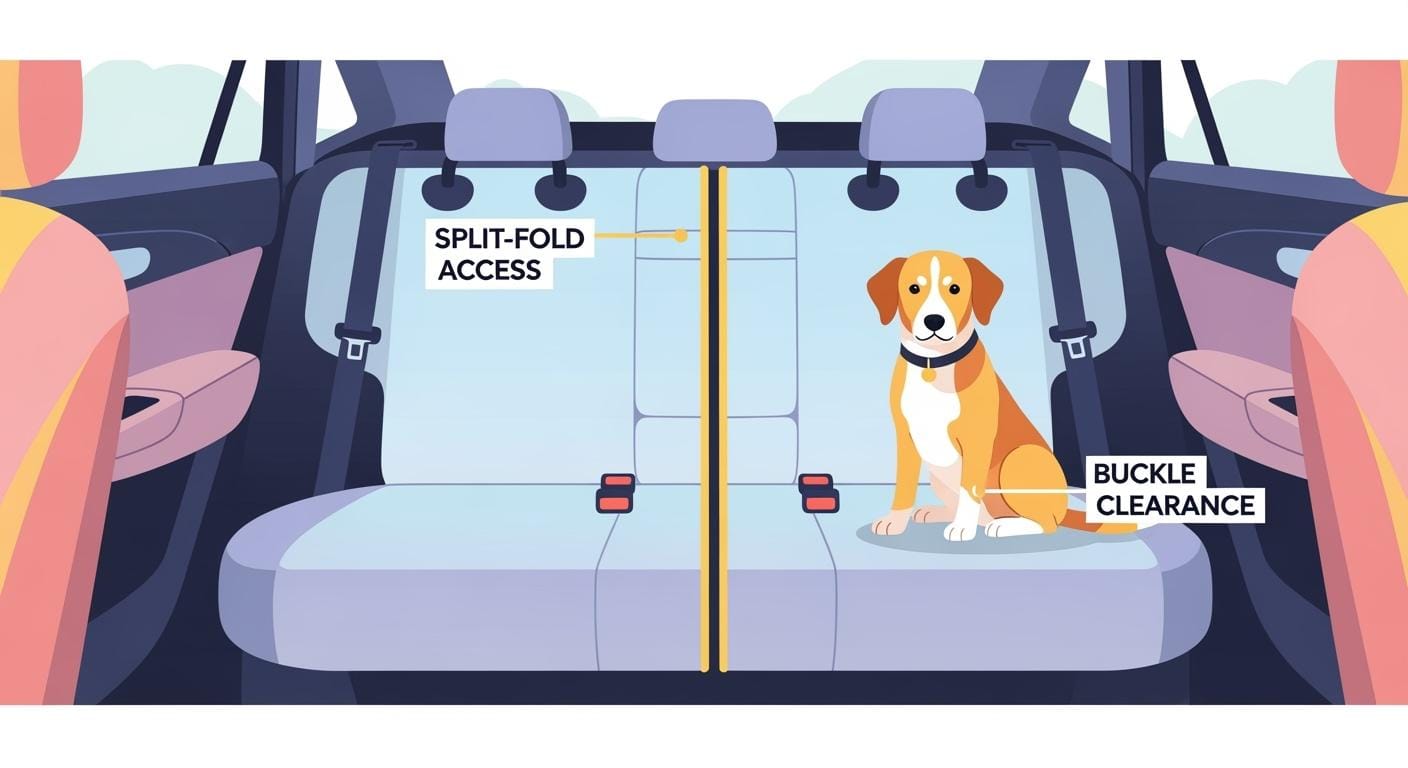
Check your vehicle’s seat shape, belt type, and anchor locations before choosing a dog car seat.
Key Safety Questions Before You Buy
Choosing the right dog car seat can feel overwhelming. Many products claim to offer safety, but you need to know what to check before you buy. You want your dog to travel safely, so you must look for a secure fit, proper restraint, and clear testing information. These steps help you judge which seat will protect your pet best.
How the Seat Stays Secure
A stable seat keeps your dog safe during travel. You want a seat that stays in place and does not tip or slide. Look for a wide base and anti-slip surfaces. Adjustable straps help you attach the seat tightly to your car’s seat. Metal supports add strength and keep the seat from collapsing. Some seats use anchor straps or a belt path that locks flat and does not twist. Always check that the attachment points feel strong and do not pull out of position when you push on the seat.
Feature | Description |
|---|---|
Adjustable Straps | Securely attach to your car’s seats for enhanced safety during travel. |
Easy to Install & Clean | Removable cover for hassle-free cleaning, ensuring a clean travel experience. |
Adjustable Seat Belt Tether | Easily attaches to any dog harness, keeping the pet secure in the seat. |
Metal Supports | Provides structural integrity for added safety during travel. |
Tip: After installing, use the rock test and slide test. The seat should not tip or drift when you press gently from the side or front.
Pet Restraint and Load Distribution
A good dog car seat uses a harness tether, not a collar tether. This type of restraint lowers the risk of neck injury. The tether should have controlled slack. It must be short enough to stop your dog from jumping out, but long enough to avoid constant tension or tangling. The seat should let your dog sit, lie, and turn. This helps your pet stay comfortable and calm. The seat must fit your dog’s size. Check the interior usable space, not just the outside size. Aim for 2-4 in (5-10 cm) beyond your dog’s body width and 4-8 in (10-20 cm) beyond lying length. This extra space lets your dog reposition during travel.
Note: Always use a crash-tested harness with your dog car seat for the best restraint. Never attach the tether to a collar.
Testing and Materials Disclosure
You want to see clear testing information before you buy. Look for listings that explain how the seat was tested, what type of test was used, and the pet weight range. A meaningful claim will tell you if the seat passed a dynamic test, static load test, or materials test. It should also describe the install method, such as belt path or anchor straps. If the listing only says tested or safety rated, but does not give details, this is a weak claim. Red flags include claims of certification without naming who did the test or missing install instructions.
Safety Question | What to Look For | Red Flags |
|---|---|---|
How does the seat stay secure? | Wide base, anti-slip, adjustable straps, metal supports, strong anchor points | No mention of base, straps, or anchor details |
How is the pet restrained? | Harness tether, controlled slack, fit for sit/lie/turn, interior usable space | Collar tether, loose or tangled tether, vague sizing |
What testing is disclosed? | Test type, setup, pet weight range, install method, clear results | Vague terms, no test details, missing install steps |
Callout: Product choice and installation reduce risk but cannot guarantee outcomes. For motion sickness or pain, consult a veterinarian. For car anxiety or panic, ask a qualified trainer.
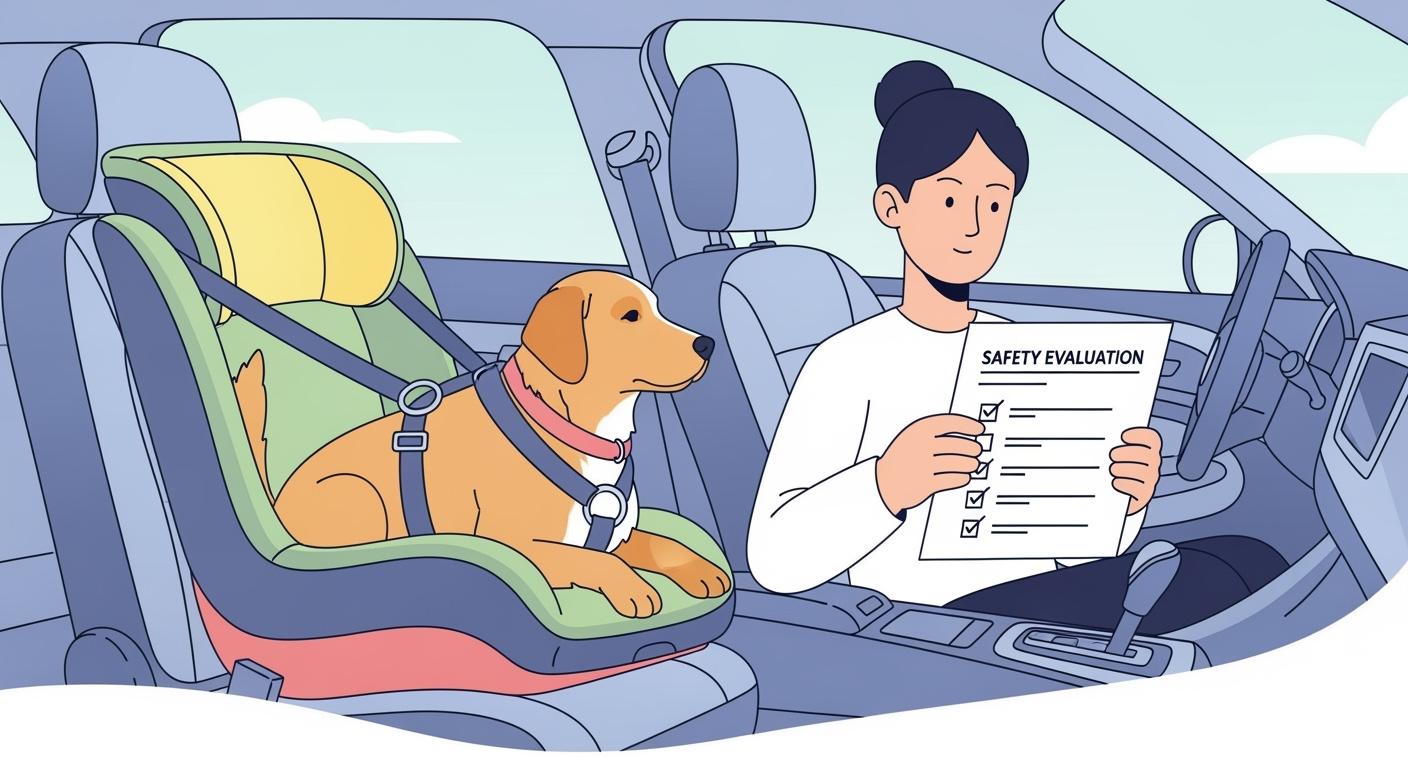
Step 3: Evaluate Listing Claims
When you read a dog car seat listing, demand specific details. Look for the type of test, the pet weight range, and how the seat installs. A secure fit depends on these facts. If you see only vague words like tested or engineered, you cannot judge the real safety. Always check for clear restraint methods and enough fit space for your dog. This helps you choose a seat that supports pet travel safety.
Testing Claims and What They Mean
Dynamic vs Static Testing
You want to know if a dog car seat will keep your dog safe. The way the seat is tested is important. Dynamic testing shows how the seat works in real-life situations. It checks what happens when pets move or when the car stops fast. You can see how much the seat sags, how far straps stretch, and if the anchors stay strong. Static testing only checks if the seat can hold weight when nothing moves. This does not show what happens if your dog moves or if there is a sudden stop. Dynamic testing gives you better information about pet travel safety.
Dynamic testing copies travel forces and pet movement.
Static testing checks if the seat holds weight without moving.
Dynamic testing measures sag, strap stretch, and anchor strength.
What “Crash Tested” Should Reveal
Many dog car seat ads say crash-tested. You need to look for more details. Good claims tell you the test type, setup, and pet weight range. You want to know if the seat was crash-tested by someone else, not just the company. The ad should explain how to install the seat, like using a belt path or anchor straps. You should look for results from the crash test, not just the word tested. If you do not see these facts, you cannot know if the seat is safe for your dog.
Claim Phrase | What It Might Mean | What Details Should Be Disclosed | Red Flags |
|---|---|---|---|
Crash-tested | Tested in a pretend crash | Test type, setup, pet weight, install method | No test details, vague results |
Safety rated | Rated by unknown method | Who rated, criteria, pet weight, install steps | No evaluator named, missing instructions |
Engineered for safety | Designed with safety in mind | Design features, test method, pet weight | No test or design details |
Certified | Claimed certification | Certifier name, test type, pet weight | No certifier named, no test method |
Vague Terms That Mislead
You might see words like tested, engineered, or safety rated. These words sound good but may not mean much. You need to find clear testing information. Good claims tell you the test type, setup, pet weight range, and any limits. Weak claims use unclear words and do not explain the test or rules. Watch out for claims of certification that do not name who checked the seat or do not give install steps. Always look for details before you trust a dog car seat with your pet’s safety.
Parameter | Target Range or Option | Why It Matters |
|---|---|---|
Claim type | dynamic test, static load test, materials test | Shows what was checked |
Disclosure level | detailed, partial, vague | Tells if you can trust the claim |
Pet weight range | disclosed or not disclosed | Helps you match the seat to your pet |
Install method | belt path, latch style, anchor straps | Shows how the seat stays in place |
Base stability cue | wide base, anti-slip, low wobble | Stops sliding and tipping |
Restraint method | harness tether, not collar tether | Lowers neck injury risk |
Tether slack cue | controlled slack | Stops tangles and escape tries |
Posture cue | sit, lie, turn | Keeps your pet comfy and calm |
Rock test | pass or fail | Checks if the seat tips |
Slide test | pass or fail | Checks if the seat moves |
Picking the right product and installing it well lowers risk but cannot promise results. Talk to a veterinarian if your pet has motion sickness or pain. Ask a trained expert about car anxiety or panic behavior.
Dog Car Seat Stability Features
Base and Non-Slip Surfaces
You want your dog car seat to stay put during travel. If the seat slides or tips, your dog can lose balance or drift toward gaps. A hard-bottom structure gives the seat a stable base and helps distribute your dog’s weight evenly. Non-slip surfaces on the underside keep the seat from moving when your car turns or stops. You should check the seat with a press test. Push down on the cover and see if it dips. If the seat relies only on tension, it may sag and shift. Edge checks help you spot drooping sides, which can let pets slide out of position. Reposition checks show if the seat platform slides when you tug it. These tests help you find a seat that stays secure for all pets, especially larger dogs or multiple pets sharing a seat.
Belt Path and Routing
The way you route the belt matters for stability. A flat, locked belt path keeps the seat from twisting or drifting. You should make sure the belt is not twisted and that anchor straps hold the seat tightly. Wide base designs and anti-slip cues work best when the belt path is correct. If the seat slides during turns, check the base footprint and belt routing. Adjust the install and sizing to fix the problem. Structure-first designs are more predictable for larger dogs and help prevent shifting during travel.
Attachment Hardware Details
Attachment hardware plays a big role in keeping your dog car seat stable. Look for metal hardware and built-in access points for restraint systems. Hard-bottom styles rated for up to 400 pounds offer extra safety for bigger dogs. Door protectors can prevent damage during travel. Stability becomes crucial for dogs over 60 pounds or when multiple pets share a seat. Less shifting means a safer ride for your pets.
Product choice and installation reduce risk but cannot guarantee outcomes. For motion sickness or pain, consult a veterinarian. For car anxiety or panic, ask a qualified trainer.
Feature | Why It Matters | What to Look For | What to Avoid |
|---|---|---|---|
Hard-bottom base | Distributes weight, reduces sag and drift | Structured base, press test pass | Soft-only base, dips under pressure |
Non-slip underside | Prevents sliding during travel | Anti-slip material, edge check pass | Smooth bottom, drooping sides |
Belt path routing | Keeps seat stable and locked in place | Flat, locked, no twists | Twisted belt, loose anchors |
Metal hardware | Secures seat, resists pulling out of position | Metal anchors, built-in access points | Plastic-only hardware |
Wide base footprint | Reduces tipping and drifting | Wide platform, reposition check pass | Narrow base, slides when tugged |
Dog Restraint Setups Compared
Harness vs Collar Tethering
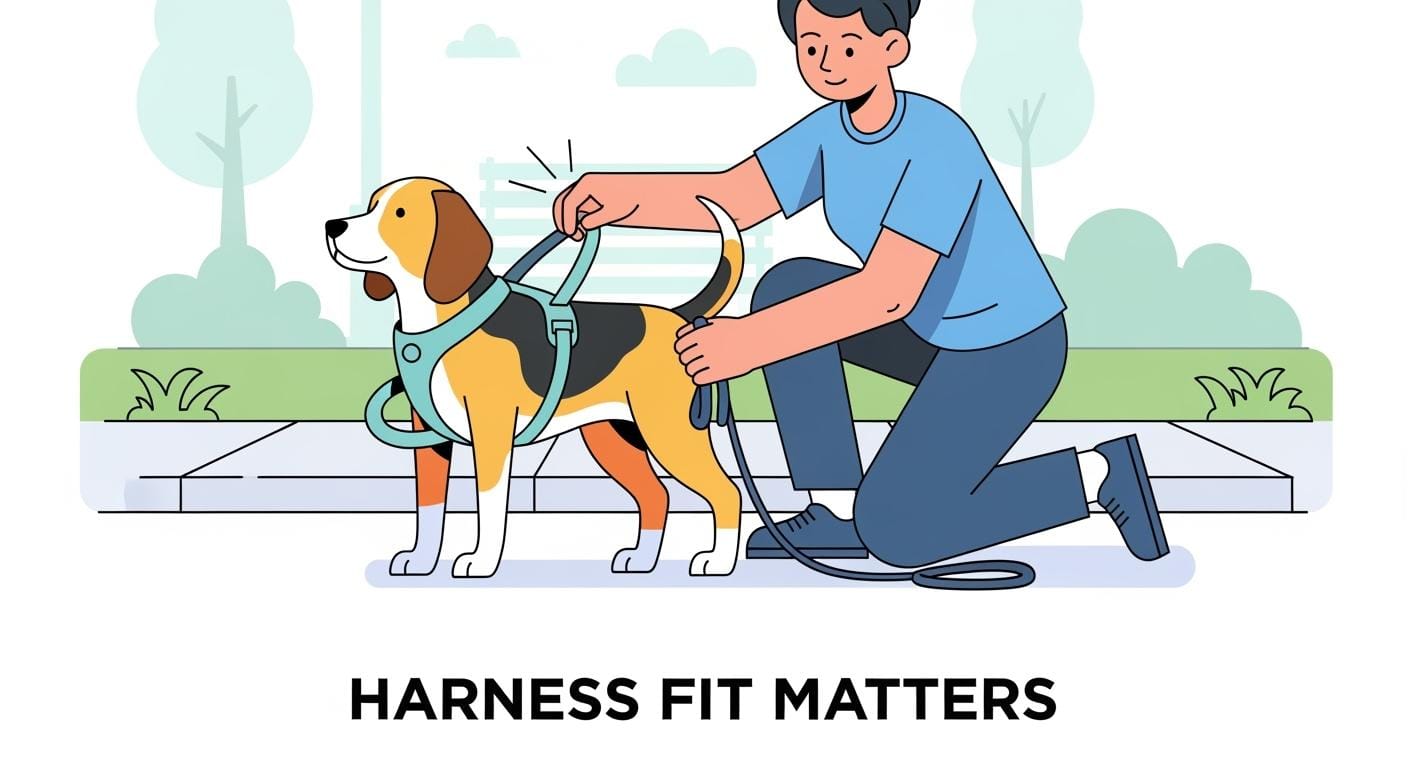
You want your dog to be safe in the car. How you attach your dog matters a lot. Harness tethers are better than collar tethers. Harnesses spread pressure on the chest and back. Collars put all the pressure on the neck. This can hurt your dog if you stop fast. Always use a harness tether for your dog in the seat. This setup keeps your dog attached and lowers choking risk.
Feature | Harnesses | Collars |
|---|---|---|
Safety in Sudden Stops | Prevent choking and injury | Can choke or injure dogs |
Attachment Point | Provides a secure attachment point | Less secure, can lead to injury |
Pressure Distribution | Spreads pressure over chest and back | Concentrates pressure on neck |
Overall Safety | Safer option in crash scenarios | Less safe, higher risk of injury |
Always use a harness tether, not a collar tether, for your dog’s seat restraint.
Tether Length and Movement
Tether length changes how your dog moves in the seat. The best length is between 15 and 22 inches. This lets your dog sit, lie down, and turn around. There should not be too much slack. Controlled slack stops your dog from jumping out or getting tangled. If your dog feels cramped or gets tangled, check the seat space and change the tether length. Make sure your dog can move but cannot escape during travel.
Recommended tether length: 15-22 inches
Allows movement for sit, lie, and turn
Prevents constant tension and tangling
Reducing Tangles Safely
Tangles can make your pet feel stressed in the car. You can help by picking a seat with a swivel on the tether. Swivel hardware lets your dog move without twisting the strap. Universal fit seats work in most cars and keep pets comfy. Always check if the tether is too long or too short. If your dog gets tangled or cramped, adjust the seat space and tether length.
Feature | Description |
|---|---|
Swivel action | Prevents tangling, allows greater mobility |
Tether length | 15″-22″ supports a range of movement |
Universal fit | Works with most vehicles |
Safety note | Designed to prevent distracted driving |
Product choice and installation reduce risk but cannot guarantee outcomes. For motion sickness or pain, consult a veterinarian. For car anxiety or panic, ask a qualified trainer.
Decision Table: Choosing the Best Dog Restraint Setup
Pet Profile or Behavior | Best Setup Cue | What to Avoid | Buyer Tip |
|---|---|---|---|
Small dog, calm traveler | Harness tether, short slack | Collar tether, loose tether | Check seat interior space for comfort |
Large dog, active traveler | Harness tether, swivel action | Collar tether, cramped seat | Use wide seat base and controlled slack |
Multiple pets sharing seat | Harness tethers, universal fit | Long tether, tangled lines | Adjust tether length for each pet |
Pet restrained but cramped/tangled | Harness tether, adjust space and slack | Collar tether, tight space | Increase seat interior space, use swivel hardware |
Always check the seat’s fit and restraint before you drive. Change the tether and seat space to keep pets safe and comfy.
Pet Car Seat Installation and Fit Checks
Rock and Slide Tests
You want your dog’s seat to stay secure every time you travel. After installation, press gently on the seat from the side and front. If the seat tips or drifts, you need to adjust the straps or anchor points. A stable seat passes both the rock test and the slide test. These checks help you spot weak installation before your dog rides. You should repeat these tests after each cleaning or seat adjustment.
Belt Routing and Twist Points
Proper belt routing is key for installation security. Make sure the belt path is flat and locked. Twisted belts can cause the seat to shift or loosen during travel. Check anchor straps for tightness and confirm that metal hardware holds the seat in place. If you see any twists or loose points, re-route the belt and tighten the anchors. This step keeps your dog safe and prevents sudden movement.
Posture and Space Check
Your dog needs enough space to sit, turn, and lie down comfortably. Cramped posture leads to stress and can cause injury. Signs of poor fit include constant crouching or repeated repositioning. You should measure the seat’s interior usable space. Aim for 2-4 in (5-10 cm) beyond your dog’s body width and 4-8 in (10-20 cm) beyond lying length. Secure closures and tether points help keep pets safe during travel.
Key Aspect | Explanation |
|---|---|
Proper Sizing | Allows pets to stand, turn, and lie down comfortably, reducing anxiety and escape attempts. |
Cramped Posture | Leads to stress and potential injury; signs include constant crouching and repeated repositioning. |
Secure Closures and Tether Points | Enhance safety by preventing escape and ensuring the pet remains secure during travel. |
Installation Checklist
Step | Pass Sign | What to Adjust |
|---|---|---|
1. Place seat on vehicle seat | Sits flat, no wobble | Reposition base, check surface |
2. Route belt and anchor straps | Belt path flat, locked, no twists | Re-route belt, tighten anchors |
3. Attach harness tether | Tether at correct length, secure closure | Adjust slack, check hardware |
4. Run rock and slide tests | Seat does not tip or drift | Tighten straps, adjust base |
5. Practice drive, re-check tangles and stability | Dog sits, lies, turns easily, no tangles | Adjust seat space, tether length |
Product choice and installation reduce risk but cannot guarantee outcomes. Consult a veterinarian for motion sickness or pain. Ask a qualified trainer about car anxiety or panic behavior.
Retail and Wholesale Notes for Pet Car Seats
Listing Copy and Evaluation Tips
When you shop for a dog seat, you need clear facts. Good listings tell you how much weight the seat holds. They show what kind of hardware is used. You should see how to reach the seat belts. Look for features that make the seat stable and easy to install. A hard-bottom base and metal hardware help keep the seat steady. Large dogs move around when the car moves. A strong seat is important for all pets.
Feature | Whisker Bark | 4Knines | BarksBar |
|---|---|---|---|
Bottom Type | Hard-Bottom Style Base | Hammock-Style Design | Convertible Bench/Hammock |
Stated Weight Rating | Up To 400 lbs Listed | Not Disclosed | Not Disclosed |
Hardware Material | Metal Hardware Listed | Not Disclosed | Not Disclosed |
Seatbelt Access | Access To Seat Belts | Access To Seat Belts | Velcro Openings Listed |
Waterproof Language | Waterproof Listed | Waterproof Layer | Water Resistant Listed |
Cleaning Method | Machine Washable | Machine Washable | Machine Washable |
Warranty | 3-Month Warranty | Limited Lifetime | Not Disclosed |
Tip: Pick listings that show weight ratings and hardware type. Make sure you see clear steps for installation. These facts help you choose a seat that keeps your dog safe.
Spec Checklist for Buyers
Always check some main specs before you buy a dog seat. The listing should show the seat’s weight rating and hardware material. It should tell you how to clean the seat. Look for a hard-bottom base and metal hardware for better safety. Make sure there are clear install instructions. If details are missing or not clear, keep looking for a better seat.
Weight rating for big dogs
Hard-bottom base for more stability
Metal hardware for strong attachment
Machine washable for easy cleaning
Clear steps for installation
Reducing Returns with Fit Scripts
You can lower returns by using a fit script before buying. Measure your dog’s length and width first. Add 2-4 in (5-10 cm) to the width. Add 4-8 in (10-20 cm) to the lying length. Check the seat’s inside space, not just the outside. Read the install steps and make sure you can do them in your car. If you match your dog’s size and follow the guide, your pet will be safer and more comfy during travel.
Product choice and installation lower risk but cannot promise results. For motion sickness or pain, talk to a veterinarian. For car anxiety or panic, ask a trainer.
OEM means Original Equipment Manufacturer. These companies make products from another company’s design. ODM means Original Design Manufacturer. These companies design and make products for other brands to sell.
You can tell if a dog car seat is safe by looking for real test results and clear install steps. Measure your dog and check if the seat has enough room inside. After you put the seat in, try the rock and slide tests to see if it stays in place. Pick a seat with a harness tether and just enough slack so your pet does not get tangled. Share these ideas with other dog owners so more pets can be safe when riding in cars.
Picking the right seat and installing it well lowers risk but does not promise safety. Ask a veterinarian if your dog gets sick or feels pain in the car. Talk to a trainer if your dog gets scared or panics during car rides.
FAQ
How do you check if a dog seat is safe for travel?
You should look for clear testing details. Check if the seat passed both the rock and slide tests. Make sure the seat uses a harness tether and has a wide base. Always read the install instructions before you use the seat.
What is the best way to install a dog seat for multiple pets?
You need to measure each dog and add extra space inside the seat. Use harness tethers for all pets. Adjust the tether length so pets can sit, lie, and turn. Make sure the seat stays stable when you press on it.
Can you use a collar tether with a dog seat?
You should not use a collar tether. Always use a harness tether for your dog. This setup lowers the risk of neck injury. The harness keeps your dog secure in the seat and helps prevent escape or tangling during travel.
How much space does your dog need in a seat?
Your dog needs enough room to sit, lie, and turn. Measure your dog’s body width and lying length. Add 2-4 inches (5-10 cm) to the width and 4-8 inches (10-20 cm) to the length. This space helps pets stay comfortable and safe.
What should you do if your dog feels anxious or sick in the car seat?
You should talk to a veterinarian if your dog has motion sickness or pain. Ask a qualified trainer for help with car anxiety or panic behavior. Product choice and installation reduce risk but cannot guarantee outcomes.