Many people pick an outdoor dog bed by looking for waterproof labels. They often forget to check the fabric strength, seam quality, and how steady the base feels. You want a bed that stands up to sun, dirt, and rain, but comfort matters too. Materials, build, and care routines all play a big part in how well a bed performs outside.
Key Takeaway: No outdoor bed replaces shade, shelter, or supervision in harsh weather. Stop use if your dog shows distress, overheating, or chews through to the fill. Ask a veterinarian if your dog avoids the bed or seems sore.
Key Takeaways
- Pick a bed that has a waterproof liner and tough seams. This helps keep your dog’s bed dry and cozy.
- Pick the right bed shape for how your dog sleeps. Use a rectangular bed if your dog likes to stretch out. Use a round bed if your dog curls up.
- Check the bed every week for damage. Look closely at the seams and zippers to make sure the bed lasts.
- Always give your dog shade and shelter. No bed can replace supervision in bad weather.
- Measure your dog carefully to get the right size bed. Add extra room so your dog can stretch out.
Outdoor dog bed challenges and limits
Weather resistance vs waterproof
Some outdoor dog beds say they are water resistant or waterproof. These words look alike, but they are not the same. Water resistance means the bed can handle a little water, like dew or a splash. Waterproof means water cannot get inside, even in heavy rain or on wet ground. A bed with a waterproof liner and sealed seams keeps the inside dry longer than one with just a water-resistant cover.
Product | Waterproof Rating | Durability | Ease of Cleaning | Customer Ratings |
|---|---|---|---|---|
Travel Buddy | High – 6-layer waterproof fabric | High – tearproof materials | Wipe clean and machine washable | 4.8/5 |
Adventure Pal Dog Carrier Bag | Water-resistant | Durable eco-leather | Removable pillow, washable case | 4.6/5 |
Cozy Cloud Dog Bed | Waterproof lining | Durable recycled materials | Machine washable case | 4.7/5 |
Think about picking a bed that says it is water resistant. After a night outside on wet grass, the cover feels soggy and smells bad. This happens because water gets in through seams or zippers. To stop this, choose a bed with a waterproof liner, strong seams, and always dry the bed after use. Check for wet spots and let the bed air out before putting it away.
Tip: Shade, shelter, and watching your dog are important in bad weather. Stop using the bed if your dog looks upset, too hot, or chews through the bed.
UV, dirt, and abrasion effects
Sun, dirt, and rough ground can hurt an outdoor dog bed faster than rain. Sunlight makes colors fade and fabric weak. Dirt gets into seams and fibers, causing damage. Rough patios or digging claws can make holes. Pick solution-dyed fabrics for better sun protection. Look at the bed every week for loose seams, zipper problems, or cracks.
When shade or shelter is better
Sometimes, shade or shelter gives more comfort than a bed. Shade keeps your dog safe from sun and heat. Shelter lets air move and keeps your dog dry in rain or snow.
Benefit | Description |
|---|---|
Comfortable shade | Gives relief from sun and heat. |
Great ventilation | Lets air flow, keeping your dog cool. |
Excellent rain and snow shedding | Keeps dogs safe from wet and cold weather. |
If the weather gets bad, bring your dog inside or use a covered spot. Always watch for signs your dog is not comfortable. If your dog does not use the bed or seems sore, ask a veterinarian.
Durability: materials and build
Beyond fabric denier
When you shop for an outdoor dog bed, you might see numbers like 600D, 1200D, or 1680D. These numbers show the fabric’s denier, which measures how thick and tough the threads are. Many people think a higher denier always means a stronger bed. This is not true by itself. You need to look at more than just the denier.
A strong outdoor dog bed uses fabric with a denier between 600D and 1680D. You should also check the GSM (grams per square meter), which tells you how much fabric is packed into each area. A higher GSM often means better durability. Ask about the coating type, such as PU (polyurethane) or PVC (polyvinyl chloride). These coatings help with water resistance but can change how the fabric feels and breathes.
Tip: Solution-dyed fabrics keep their color longer in the sun. They resist fading better than regular dyed fabrics.
Coatings and cleaning tradeoffs
Coatings like PU or PVC help keep water out. PU coatings feel softer and let some air through. PVC coatings block water better but may trap heat and moisture. If you want a bed that dries fast and stays fresh, look for a balance between coating and breathability.
Cleaning is easier when the cover wipes clean and does not soak up dirt. Some beds have removable covers you can wash. Others need you to wipe them down and let them air dry. Never soak the foam or fill. Wet fill can grow mildew and smell bad.
Note: Always let the bed dry fully before storing it. This helps prevent mildew and odors.
Seams and zippers
Seams and zippers are weak points on any outdoor dog bed. If your dog likes to dig or chew, these spots can break first. Reinforced seams use extra stitching or stronger thread to hold up better. Protected zippers hide under flaps or use covers to keep out dirt and water.
Scenario B: Heavy chewer challenge
Imagine you bring home a new outdoor dog bed for your strong-jawed dog. After one week, you find the bed edge shredded and the fill exposed. This happens when the fabric is too thin, the seams are weak, or the zipper is easy to reach. To avoid this, check for:
Fabric grade: Choose 900D or higher for heavy chewers.
Reinforced seams: Look for double stitching or extra binding.
Protected zippers: Pick beds with hidden or covered zippers.
Elevated designs: Raised beds with metal frames keep edges out of reach and reduce chewing.
Safety: No outdoor bed replaces shade, shelter, or supervision. Stop use if your dog chews through to the fill, overheats, or shows distress. Ask a veterinarian if your dog avoids the bed or seems sore.
Durability checklist table
Use this checklist to compare features before you buy:
Parameter | Target range or option | Why it matters |
|---|---|---|
Sizing method | nose to base of tail, lying naturally | Prevents cramped posture |
Length buffer | 6-12 in (15-30 cm) | Room to stretch |
Fabric denier | 600D-1680D common sourcing levels | Abrasion resistance cue |
Spec request | ask for GSM plus coating type | Avoids denier-only mistakes |
Coating | PU or PVC backing options | Water resistance tradeoffs |
Seams | reinforced stress points | Real durability signal |
Zippers | protected zipper design preferred | Weak point control |
Bed style | elevated cot or ground bed | Airflow vs insulation tradeoff |
Dry out rule | air dry fully before storage | Reduces odor and mildew risk |
Care rule | wipe down, do not soak foam | Protects fill materials |
Quick tip: Check seams, zippers, and fabric every week for signs of wear. Early repairs can make your outdoor dog bed last longer.
Comfort and support outdoors
Sprawlers vs curlers
Dogs sleep in different ways. Some stretch out with legs and body long. Others curl up tight, tucking their nose and paws close. You need to match the bed shape and support to your dog’s style.
Sprawlers need a bed with enough length and width. Measure your dog from nose to base of tail while lying naturally. Add 6-12 in (15-30 cm) so your dog can stretch. Rectangular beds work best for these dogs.
Curlers prefer a bed that feels cozy and secure. A slightly smaller, oval, or round bed helps them feel safe. Make sure the sides are soft but supportive.
Tip: Watch your dog sleep for a few nights. Notice if they stretch out or curl up. This helps you pick the right outdoor dog bed for their comfort.
Pressure points
Pressure spots can make your dog sore or restless. These happen when the bed does not support your dog’s joints or body evenly. You want a bed that spreads weight and cushions elbows, hips, and shoulders.
How to spot pressure hotspots:
Your dog shifts often or avoids lying down.
You see red marks or worn fur on elbows or hips.
Your dog gets up stiff or limps after resting.
Step-by-step comfort test:
Ask your dog to lie down on the bed.
Let them turn and settle for 2 minutes.
Watch how they stand up.
Check for any signs of discomfort or pressure spots.
If you notice soreness or your dog avoids the bed, try a thicker cushion or a bed with memory foam. For older dogs or those with joint issues, extra padding helps. Always check for exposed fill or torn seams. Stop using the bed if your dog chews through to the inside or shows distress.
Safety: No outdoor bed replaces shade, shelter, or supervision. If your dog seems sore, overheats, or chews through the bed, stop use and consult a veterinarian.
Elevated vs ground beds
You can choose between elevated cots and ground beds. Each type has benefits and limits.
Bed Type | Airflow | Insulation | Best For |
|---|---|---|---|
Elevated Cot | Excellent | Less insulation | Hot weather, patios |
Ground Cushion | Limited airflow | More insulation | Cool weather, soft soil |
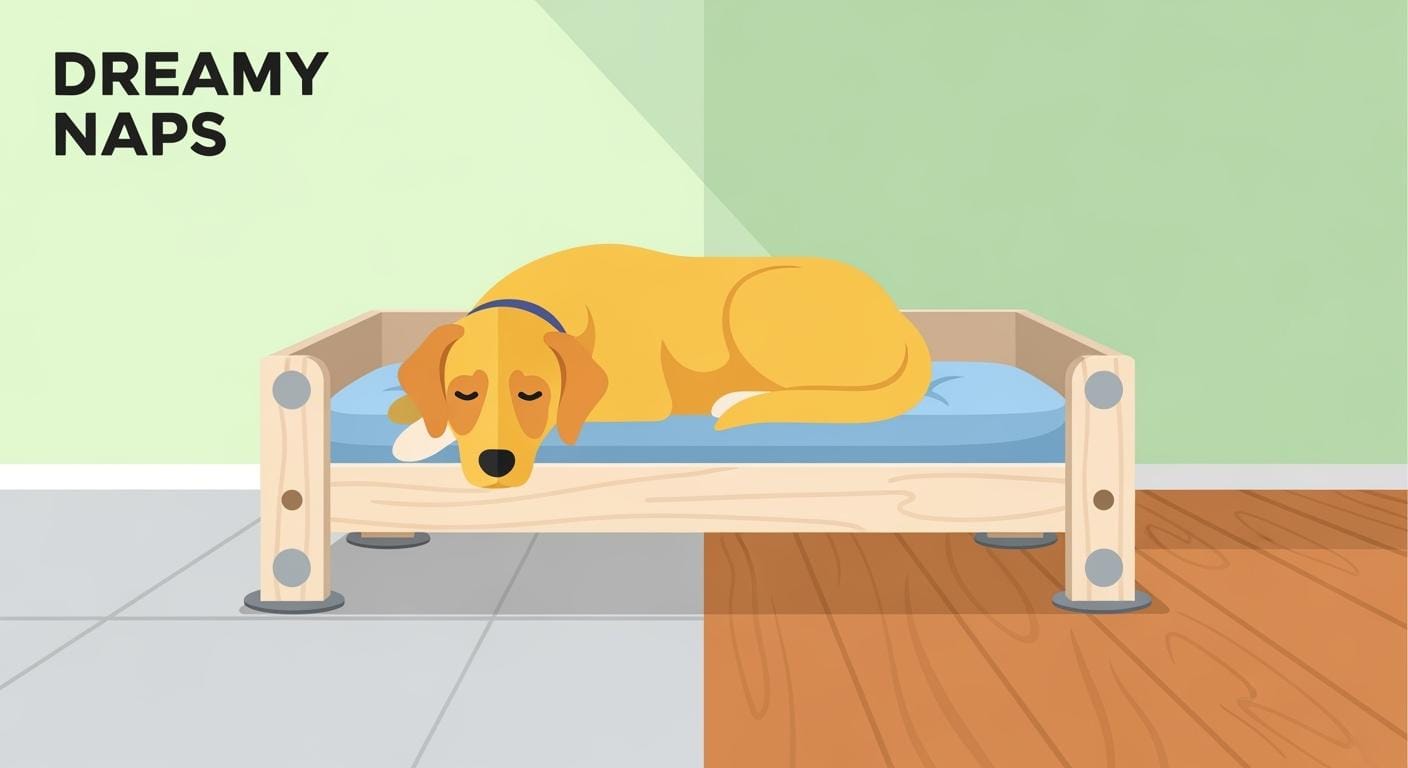
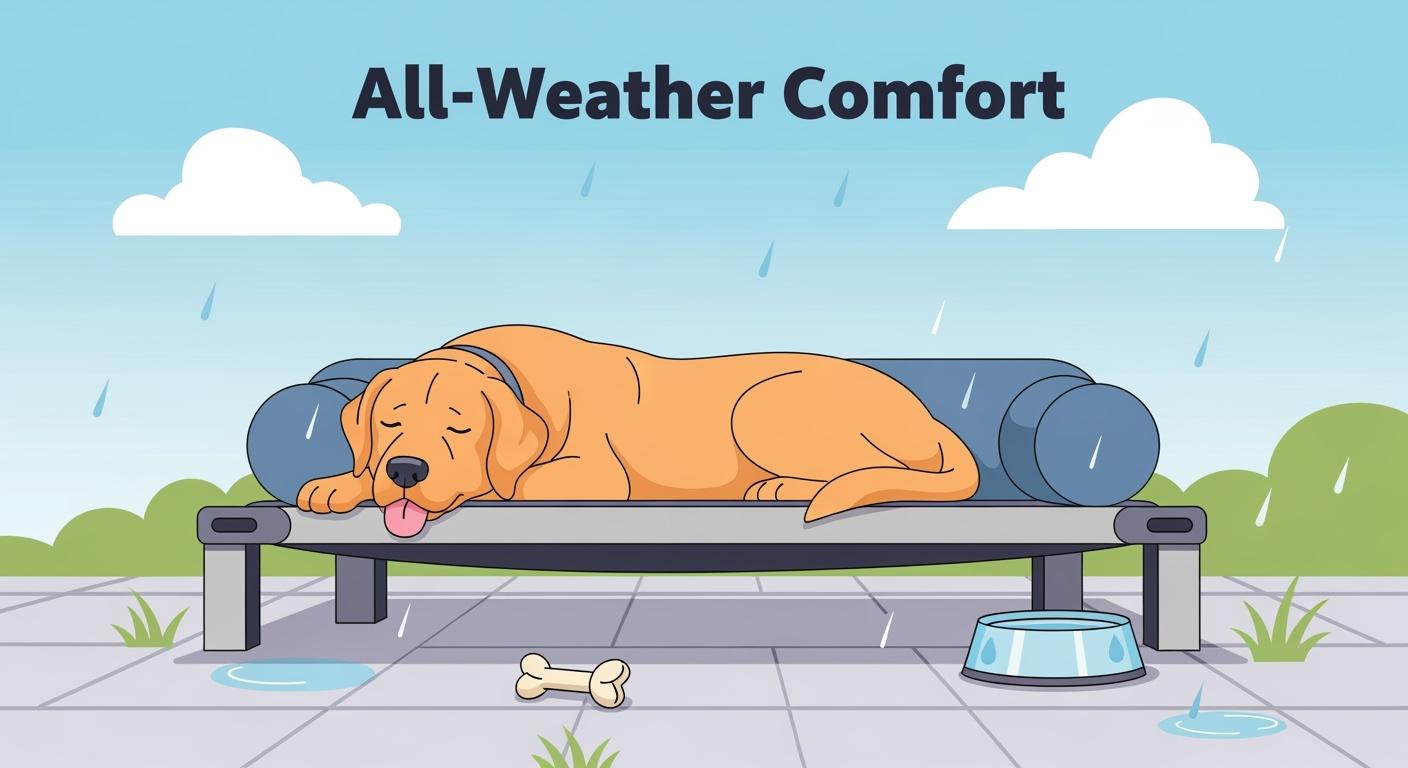
Elevated beds lift your dog off the ground. Air moves under the bed, keeping your dog cool. These beds work well in hot weather or on patios. Raised edges also keep dirt and bugs away.
Ground beds sit flat. They insulate better, keeping your dog warm on cold surfaces. Thick foam or fill helps cushion joints. These beds suit cool weather or soft ground.
Note: Choose the bed style that matches your climate and your dog’s needs. Always check for signs of discomfort or overheating.
A good outdoor dog bed supports your dog’s sleeping style, prevents pressure spots, and matches the weather. Test comfort often and adjust as needed. If your dog avoids the bed or seems sore, ask a veterinarian for advice.
Weather resistance features

Cover vs liner strategy
You might see outdoor dog bed covers labeled as water resistant. This means the cover can block light moisture, like dew or a quick spill. Water can still get through seams or zippers. A waterproof liner sits under the cover and acts as a barrier. It keeps the inside fill dry, even if the cover gets wet. For the best protection, look for a bed with both a water-resistant cover and a waterproof liner. Always check that seams and zippers have extra protection. This helps stop leaks and keeps the bed in good shape.
Tip: No outdoor bed replaces shade, shelter, or supervision. Stop use if your dog chews through to the fill or shows distress.
Mildew and odor prevention
Wet beds can grow mildew and start to smell. You can prevent this with a few simple steps:
Wipe down the cover after each use.
Let the bed air dry fully before you store it.
Do not soak foam or fill materials.
Check seams and zippers every week for damage or damp spots.
If you notice a musty smell, clean the cover and let the bed dry outside in the sun. This routine keeps your outdoor dog bed fresh and safe for your pet.
Note: If your dog avoids the bed or seems sore, ask a veterinarian for advice.
Insulation for hot and cold
Insulation matters in every season. In cold weather, an insulated bed helps your dog keep body heat. This is important for joints and comfort. In hot weather, insulation can also protect your dog from hot ground or patio surfaces.
Insulating layers help your dog stay warm by holding in body heat.
A warm sleeping place is important during cold weather, especially if the bed sits above the ground.
Insulated beds work like a dog coat, keeping warmth close to the body.
You can add blankets for extra warmth in winter. In summer, choose a bed with airflow or raised design to keep your dog cool. Always match the bed to your climate and your dog’s needs.
Safety: Bring your dog inside during extreme weather. Watch for signs of overheating or discomfort.
Sizing and measurement guide
Measuring your dog
You want your dog to rest comfortably outdoors. Start by measuring your dog while they lie in their natural sleeping position. Use a tape measure from the tip of the nose to the base of the tail. This gives you the core length. Add a buffer of 6-12 in (15-30 cm) so your dog can stretch out. For width, make sure your dog can lie on their side without shoulders hanging off the edge.
Step-by-step:
Ask your dog to lie down as they usually sleep.
Measure nose to base of tail.
Add 6-12 in (15-30 cm) for stretching room.
Choose a width that fits a relaxed side lie.
Choosing shape and buffer
Dogs have different sleeping styles. If your dog likes to sprawl, pick a rectangular bed with extra length and width. Curlers prefer a smaller, oval, or round bed that feels cozy. Always add a buffer to the length so your dog does not feel cramped. The right shape helps your dog feel secure and supported.
Sprawlers: Rectangular beds, extra space.
Curlers: Oval or round beds, snug fit.
When to size up or change style
If your dog grows, gains weight, or changes sleeping habits, you may need to size up or switch bed styles. Watch for signs like your dog hanging off the bed or avoiding it. If your dog has joint pain or mobility issues, consider a thicker or firmer bed. Beds with solid foam or higher density (1.8-2.5 lb/ft^3 or 29-40 kg/m^3) help keep the bed firm. Softer top layers (3.5-5.0 lb/ft^3 or 56-80 kg/m^3) add comfort.
Safety: No outdoor bed replaces shade, shelter, or supervision. Stop use if your dog shows distress, overheats, or chews through to the fill. Ask a veterinarian if your dog avoids the bed or seems sore.
Measurement table
What to Measure | How to Measure | Why it Matters |
|---|---|---|
Dog length | Nose to base of tail, lying naturally | Prevents cramped posture |
Length buffer | Add 6-12 in (15-30 cm) to measured length | Room to stretch |
Bed width | Allow relaxed side lie, shoulders on bed | Supports natural sleeping position |
Bed shape | Match to sprawl or curl sleeping style | Increases comfort and security |
Core type | Check foam or fill type | Shows support level |
Foam density | 1.8-2.5 lb/ft^3 (29-40 kg/m^3) base, 3.5-5.0 lb/ft^3 (56-80 kg/m^3) top | Keeps bed firm and comfy |
Firmness feel | Soft, medium, or firm | Matches your dog’s sleep preference |
Cover removal | Removable, machine-washable | Makes cleaning easy |
Base | Non-slip | Stops bed from sliding |
Tip: Measure your dog every few months. Adjust bed size or style if you notice changes in sleeping habits or comfort.
Outdoor dog bed selection by routine
Patio and easy care
You want a bed that can handle sun and dirt. It should last through daily use on your patio. Pick a bed with a solution-dyed cover for better UV resistance. Removable covers make cleaning simple. Non-slip bases keep the bed from sliding around.
Tip: Wipe the bed after each use and let it dry all the way.
Safety: Shade, shelter, and watching your dog are still important in bad weather.
Step 2 – Choose bed style:
Elevated cot gives more airflow and is easy to clean.
Ground cushion keeps your dog warmer on cool patios.
Camping and travel
If you go camping or travel with your dog, you need a bed that is light and easy to carry. Pick a foldable bed with a water-resistant cover. Make sure it has strong seams and covered zippers.
Note: Always let the bed dry before you pack it away.
Step 3 – Choose materials:
Use fabric with 600D-1680D denier and PU or PVC coating.
Look for beds with strong seams.
Chewers and diggers
Dogs that chew or dig need stronger beds. Choose beds with higher denier fabric, double-stitched seams, and hidden zippers. Elevated cots with metal frames keep the edges away from your dog’s mouth.
Safety: Stop using the bed if your dog chews through to the fill or looks upset.
Step 5 – Set a care routine:
Wipe, dry, check seams, and store the bed right after use.
Decision and comparison tables
Decision Table
Dog/Context | Best Outdoor Bed Features | What to Avoid |
|---|---|---|
Patio lounging | UV-resistant cover, non-slip base, easy clean | Thin fabric, loose seams |
Camping/travel | Foldable, water-resistant, reinforced seams | Heavy, hard-to-pack beds |
Chewers/diggers | 900D+ fabric, double seams, hidden zippers | Exposed zippers, weak seams |
Comparison Table
Option | Pros | Cons | Best For |
|---|---|---|---|
Elevated cot | Airflow, easy cleaning | Less insulation | Hot weather, patios |
Ground cushion | More insulation, soft feel | Limited airflow, heavier | Cool weather, soft soil |
Travel mat | Lightweight, portable | Less support, thin padding | Camping, travel |
Common Cause Table
Common Cause | What It Leads To | What To Do Next |
|---|---|---|
Wet bed left outside | Mildew, odor | Dry fully before storage |
Loose seams | Fill exposure, tearing | Inspect and repair |
Chewing at edges | Damage, safety risk | Switch to tougher bed |
Safety: Always watch your dog when outside. Bring your dog inside if the weather is bad. Ask a veterinarian if your dog avoids the bed or seems sore.
Retail and sourcing notes
SKU and fabric planning
It is important to plan outdoor dog bed SKUs carefully. First, sort beds by fabric grade, cover type, and care claims. Beds with higher denier fabric, like 900D or 1680D, are good for chewers and diggers. Solution-dyed covers help stop fading and work well on patios. Removable covers make cleaning easier. You can make SKUs for elevated cots, ground cushions, and travel mats. Each style matches a different outdoor routine.
Tip: Pick clear names for each SKU. Add the main feature, like “Elevated Cot – 1200D UV Cover” or “Travel Mat – 600D Water Resistant”.
Listing copy tips
Good product listings help customers pick the right bed. This also lowers returns. List size choices, weight limits, materials, and how to use the bed. Tell about assembly and care steps. If you give clear details, customers know what they are getting.
Feature | Details |
|---|---|
Size Options | Small, Medium, Large |
Weight Capacity | Small: 100 lbs, Medium: 125 lbs, Large: 150 lbs |
Materials | Natural Northern White Cedar logs |
Assembly Requirements | None specified, unfinished wood |
Intended Use | Indoor use |
A table like this helps organize product facts. For outdoor beds, add info about denier, GSM, coating, and cleaning steps. Say if the bed is for indoor or outdoor use. Customers feel sure when they see honest, clear details.
Safety: Shade, shelter, and watching your dog are always needed. Stop using the bed if your dog looks upset, overheats, or chews through to the fill. Ask a veterinarian if your dog avoids the bed or seems sore.
Supplier spec checklist
When you buy outdoor dog beds, ask suppliers for these specs:
Fabric denier (600D-1680D)
GSM (grams per square meter)
Coating type (PU or PVC)
Solution-dyed or regular dye
Reinforced seams at stress points
Protected zipper design
Waterproof liner under the cover
Ask for samples and check seams, zippers, and coatings. Make sure the liner blocks water and the cover keeps out dirt and sun. Use this checklist to compare suppliers and pick the best one for your needs.
Note: Always check beds before selling. Early checks help stop returns and keep customers happy.
When you choose an outdoor dog bed, focus on what matters most for your dog’s health and comfort.
Orthopedic support helps your dog rest and recover.
Correct sizing lets your dog stretch or curl up without feeling cramped.
Durable materials stand up to sun, dirt, and rough use.
Easy-to-clean features keep the bed fresh and safe.
Measure your dog, check your outdoor routine, and match the bed features to your needs. Always watch for signs of discomfort. Shade, shelter, and supervision keep your dog safe in harsh weather. If your dog shows distress or chews through the bed, stop use and ask a veterinarian for advice.
FAQ
How do you clean an outdoor dog bed?
Remove the cover if possible. Wipe down dirt and mud with a damp cloth. Let the bed air dry fully before storing. Do not soak foam or fill materials. Check seams and zippers for damage each week.
What size outdoor bed should you choose?
Measure your dog from nose to base of tail while lying naturally. Add 6-12 in (15-30 cm) for stretching room. Pick a width that supports a relaxed side lie. Choose a shape that matches your dog’s sleeping style.
Can outdoor dog beds stay outside all year?
You should bring the bed inside during harsh weather. Sun, rain, and snow can damage fabric and seams. Shade, shelter, and supervision keep your dog safe. Stop use if your dog shows distress or chews through to the fill.
What features help with chewing or digging?
Pick beds with 900D or higher fabric, double-stitched seams, and hidden zippers. Elevated cots with metal frames keep edges away from your dog’s mouth. Inspect the bed often for damage.
How do you prevent mildew and odor?
Wipe the bed after each use. Let it air dry fully before storing. Do not soak foam or fill. Clean covers regularly. If you notice a musty smell, dry the bed outside in the sun.