You want a leash that keeps your puppy safe and makes daily walks feel simple. A nylon leash is a common starter choice because it is light, durable, and easy to clean. If you are comparing styles, browse training leash options and focus on comfortable handling, reliable hardware, and a length that fits your walking environment. This guide shares general tips (not medical advice). If your puppy shows fear, reactivity, or persistent biting, work with a qualified trainer.
Quick verdict: when nylon is a smart pick for puppies
Nylon is usually a good fit when you want a lightweight leash that dries quickly and holds up to everyday use. It is less ideal if your puppy chews gear frequently or you need a leash that stays completely odor-free after getting wet.
| Choose nylon if… | Consider another material if… |
|---|---|
| You want easy cleaning, fast drying, and reliable daily durability | Your puppy chews leashes often or you need a wipe-clean, non-absorbent option |
Key Takeaways
- Nylon leashes last a long time and can handle rough play. Puppies can pull on them every day, and they will not break.
- Reflective stitching on nylon leashes helps keep you safe at night. It makes you and your puppy easier to see in the dark.
- Nylon leashes are simple to wash and dry fast. This makes them good for all kinds of weather.
- Using a nylon leash with a harness gives you more control. It also helps stop your puppy from getting hurt.
- Check your nylon leash often for any signs of damage. If you see fraying or broken parts, get a new leash.
Nylon Leash for Puppies: Quick Guide
Simple Handling Needs
You want a leash that makes walking your puppy easy and safe. The nylon leash for puppies gives you predictable control. You can hold it comfortably because it is lightweight and often has padded grips. Nylon dog leashes resist daily wear and tear. You can clean them quickly if they get dirty. Many nylon leashes have reflective stitching, so you and your puppy stay visible during evening walks. Look for box stitching and strong snap hooks. These features help the leash last longer and keep your puppy secure.
Tip: Choose a leash that feels light in your hand. Your puppy will respond better when you feel confident and comfortable.
Here is a quick table showing why nylon leashes work well for puppies:
| Feature | Description |
|---|---|
| Durability | Withstands puppy pulling and rough use |
| Box Stitching | Adds strength to the entire leash |
| Lightweight | Easy for you and your puppy to handle |
| Reflective | Improves safety during nighttime walks |
When nylon is not ideal
Sometimes, a nylon leash for puppies may not be the best choice. If your puppy chews a lot, nylon can fray or break. Wet climates can make nylon absorb water, which may cause discomfort. Calm, well-trained puppies in dry areas might do well with hemp leashes. For strong-pulling or high-drive puppies, nylon dog leashes offer more safety and reliability. Always check your leash for signs of damage, especially after chewing or rough play.
Note: If your puppy chews the leash, keep it out of reach when not in use. Inspect the webbing and hardware often.
Collar vs Harness
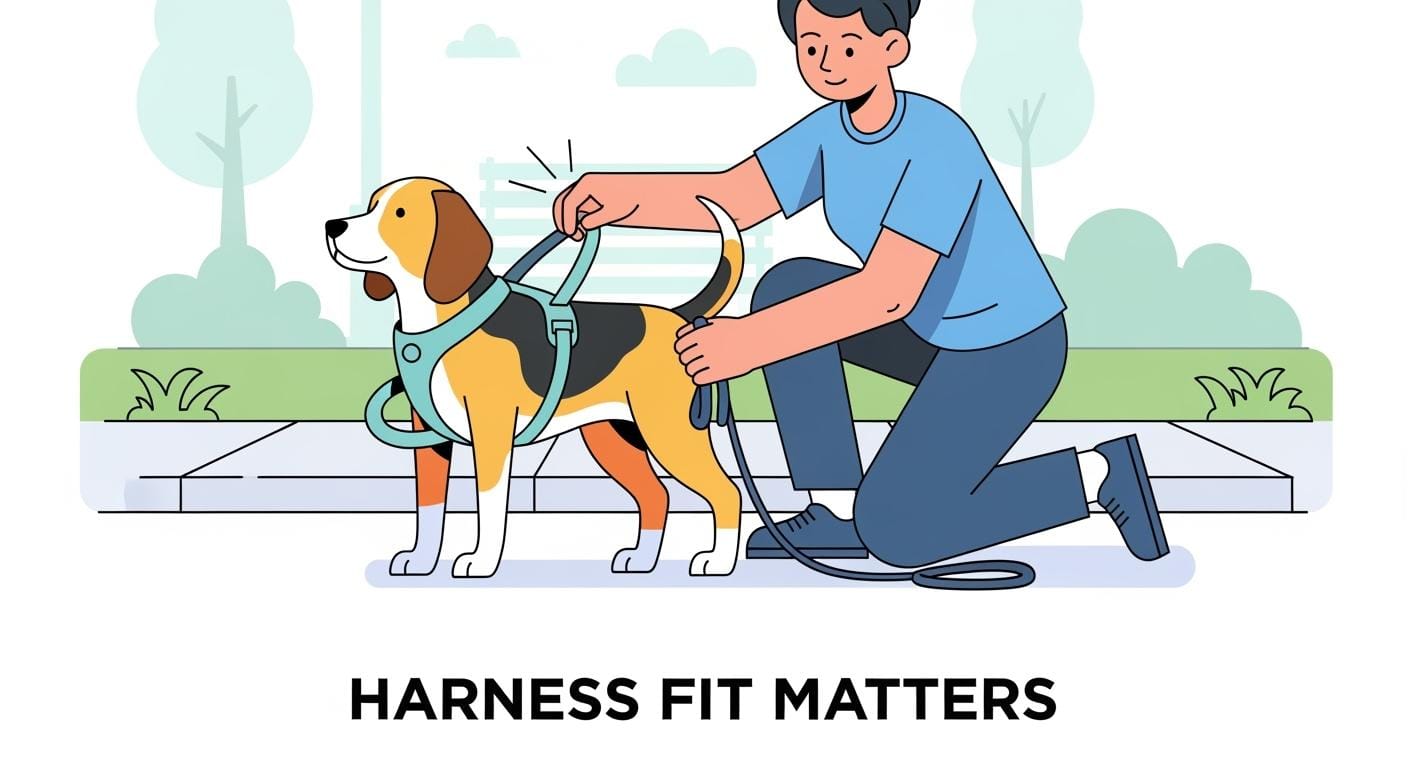
You need to decide if you will use a collar or a harness with your nylon leash for puppies. Collars can put pressure on your puppy’s neck. Harnesses spread the force across the body, making walks safer and more comfortable. Most trainers recommend harnesses for young puppies. You get better control and reduce the risk of injury. Pairing a harness with a reflective nylon leash helps you guide your puppy gently and safely.
Safety reminder: Many puppies do best in a well-fitted harness because it reduces pressure on the neck. Follow your veterinarian or trainer’s guidance for your dog.
Nylon Dog Leashes: Durability and Safety
Durability Factors
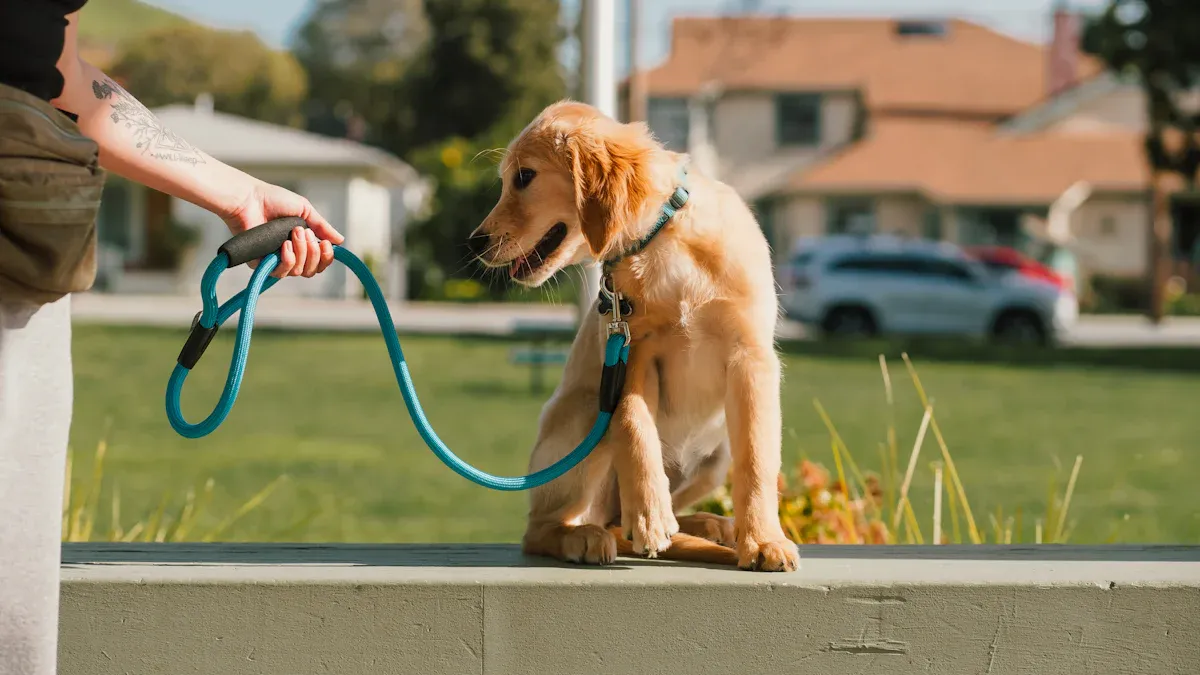
Durability depends mostly on webbing quality, stitching at stress points, and the strength of the clip. For puppies, look for tight stitching, smooth edges, and hardware that does not stick or flex under light pulls.
- Nylon webbing resists fraying and tearing.
- Box stitching adds strength at stress points.
- Hardware options include sturdy snap hooks and D-rings.
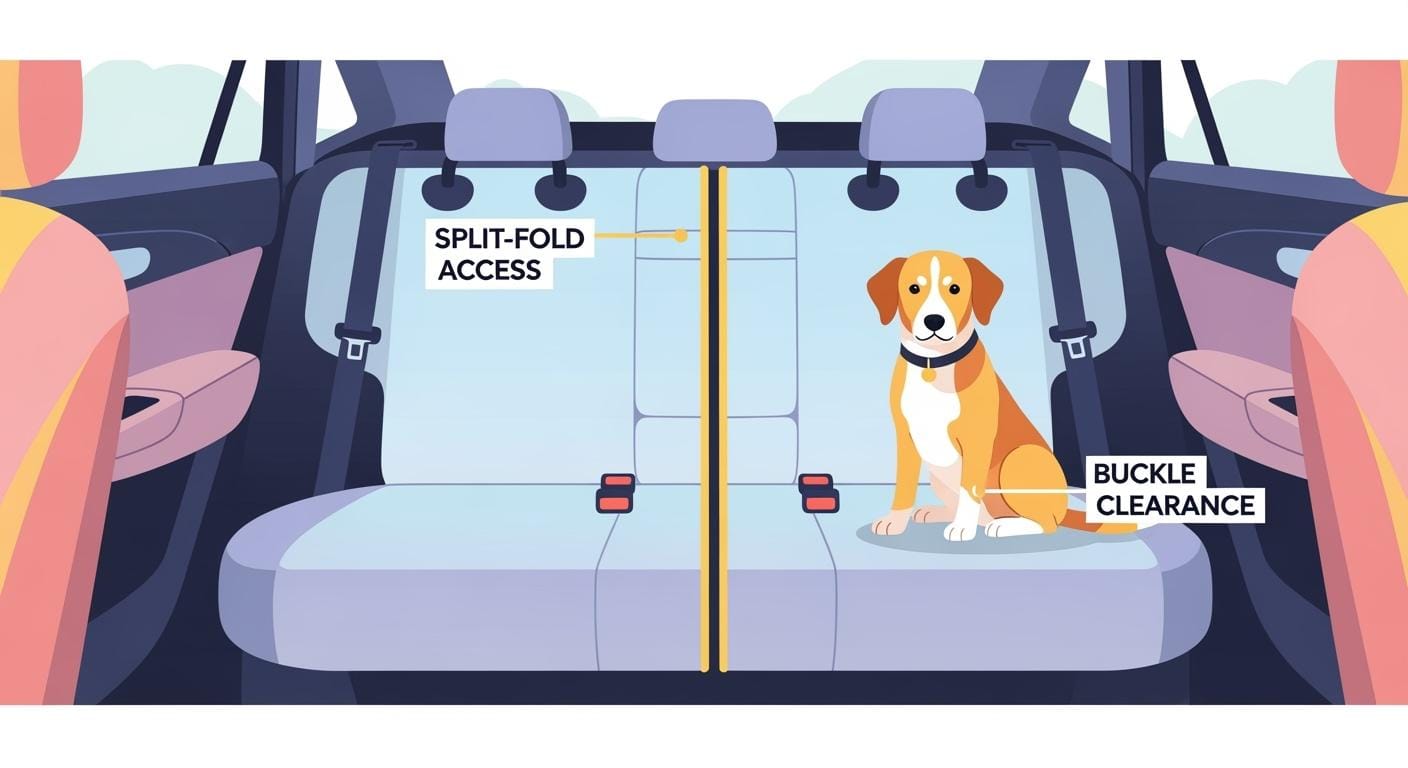
If you choose an elastic reflective nylon leash, you get a product with a flexible, shock-absorbing design. The leash cushions sudden pulls, which can make walks more comfortable. The reflective strip helps you stay visible in low light. You can use this leash for daily walks, jogging, or hiking. The leash also works as a seatbelt tether when paired with a harness in your vehicle. Choose between a standard or locking carabiner clip for extra security. Remember, elasticity can soften jolts but may reduce your timing and precision during training.
Safety and Comfort
Safety matters most when you walk your puppy. Nylon leashes give you a secure grip and help you control your puppy in busy areas. Many nylon leashes have padded handles, so your hands stay comfortable even on long walks. Reflective stitching or strips improve visibility at night or in low light. This helps drivers and cyclists see you and your puppy.
You want your puppy to feel comfortable, too. Nylon feels smooth and does not chafe most puppies. The leash stays lightweight, so your puppy does not drag extra weight. Always check the leash for rough edges or fraying, which can cause discomfort or injury. Use a harness instead of a collar for walks. This spreads pressure across your puppy’s body and protects the neck.
Training Feedback
Training your puppy with a nylon leash gives you clear feedback. The leash does not stretch much, so you feel every movement your puppy makes. This helps you manage slack and correct pulling right away. You can time your rewards and corrections better. If you use a leash with some elasticity, you may notice a softer feel during sudden pulls. This can help with comfort but may delay your response during training. Keep your sessions calm and controlled for the best results.
- Hold the leash with a relaxed grip.
- Keep slack short to avoid tangles.
- Use gentle, steady pressure for guidance.
Water and Weather
Nylon leashes work well in many weather conditions. They resist water and dry quickly after rain or puddles. You can rinse off mud or dirt and hang the leash to dry. Compared to leather, nylon does not crack or stiffen in cold weather. Rope leashes last longer than leather but do not match nylon’s moisture resistance.
Here is a quick comparison:
| Feature | Nylon | Biothane |
|---|---|---|
| Water Absorption | Absorbs water, becomes heavier | Repels water, remains lightweight |
| Feel | Clammy, potentially slimy | Smooth, slick, not slimy |
| Temperature | Conducts cold, chilly grip | Neutral temperature |
| Maintenance | Harder to fully rinse when soaked | Easy to wipe clean |
| Odor Development | Can hold odors if left damp | No odor issues |
You should dry your nylon leash after heavy rain to prevent odor. Store it in a cool, dry place. Check the leash often for signs of wear, especially if your puppy chews or drags it through mud.
Using Nylon Leashes for Training
Leash Length Choices
You need to choose the right leash for your puppy’s training sessions. Short leashes, like traffic leashes, measure about 12 to 24 inches. These work well for close control in busy areas or during early training. Standard leashes, usually 4 to 6 feet, give your puppy room to explore while you stay in control. Avoid retractable leashes during training. They encourage lunging and make controlling your pup harder.
| Leash Type | Length | Best Use |
|---|---|---|
| Traffic Leash | 12-24 inches | Close control |
| Standard Leash | 4-6 feet | Everyday training |
Handling and Slack
You want to keep slack short during training sessions. Hold the leash with a relaxed grip. This helps you training resources your puppy and prevents tangles around their legs. Practice indoors first. Attach the leash calmly, reward loose leash walking, and take short outdoor walks. End before your puppy gets too excited. This process builds good habits and keeps training positive.
Tip: Always check the leash for knots or twists before you start. A smooth leash helps you stay focused on training.
Chewing Management
Puppies often chew on their leash. You can prevent this by using a heavy-duty nylon leash. Apply pet-safe bitter apple spray to make chewing less appealing. Carry a chew toy during walks. Offer it when your puppy tries to bite the leash. Practice commands like ‘leave it’ and ‘focus’ every day. Pause the walk if biting happens. Reward calm walking with treats and praise. Never yank the leash when bitten. This can feel like play and make chewing worse.
- Address the cause of chewing, such as boredom or anxiety.
- Do not continue the walk after biting.
- Avoid using retractable leashes for training.
Harness Pairing
Pair your leash with a body harness for safety. A harness spreads pressure across your puppy’s chest and shoulders. This protects their neck and makes controlling your pup easier. Trainers recommend harnesses for all training sessions. You get better control and reduce injury risk.
Safety Reminder: Always use a harness for walks and training. This keeps your puppy comfortable and safe.
Common Mistakes and Replacement Signals
Pulling Habits
You may notice your puppy pulling hard on the leash during walks. This habit puts stress on the fibers and stitching. Constant pulling can shorten the life of even the best dog leads. You should teach your puppy to walk calmly beside you. If you keep tension on the leash, your puppy will not learn to relax. Sudden jerks can cause injuries and damage the leash.
Common mistakes with pulling:
- Using a leash that is too short or too long for your puppy’s size.
- Allowing constant tension instead of practicing loose leash walking.
- Skipping leash introduction and expecting perfect behavior.
- Using a traffic leash for regular walks, which restricts movement.
- Ignoring signs of wear after strong pulls.
- Not pairing the leash with a harness for better control.
Tip: Choose the best dog leads for your puppy’s age and energy level. Practice calm walking every day.
Tangles and Trips
Tangles happen when the leash wraps around your puppy’s legs or nearby objects. Trips can occur if you or your puppy get caught in the leash. In busy parks, sudden lunges can lead to falls or injuries. Retractable leashes increase the risk of tangles and trips. Fixed-length leashes help you stay in control and keep your puppy safe.
Safety tips to prevent tangles and trips:
- Hold the leash with a relaxed grip.
- Keep slack short and check for knots.
- Avoid using retractable leashes for training.
- Watch your puppy’s movements closely.
- Use a harness to guide your puppy safely.
- Walk in open areas with fewer obstacles.
- Teach your puppy to stay close.
- Replace damaged leashes right away.
Chewing and Tethering Risks
Puppies often chew on their leash. Chewing weakens the webbing and can cause fraying. Never leave your puppy tethered and unattended. Tethering can lead to tangles, choking, or escape. Inspect your leash after every walk, especially if your puppy likes to chew.
Safety tips for chewing and tethering:
- Redirect chewing with toys.
- Use pet-safe sprays to deter biting.
- Reward calm leash behavior.
- Store the leash out of reach when not in use.
- Check for frayed edges and loose threads.
- Avoid leaving your puppy tied up alone.
When to Replace
You should replace your leash if you see fraying, loose threads, or exposed inner fibers. Bent or sticky hardware and cracked clips are signs that you need a new leash. Handle padding that tears or slips also means it is time for a replacement. The best dog leads keep your puppy safe and comfortable.
Quick note: If you are replacing a leash, jot down:
- Your puppy’s age and breed
- Walking habits and energy level
- Chewing history
- Preferred leash length
- Harness or collar use
You want a leash that keeps your puppy safe and supports training. Nylon leashes last longer than canvas and resist water, UV, and abrasion. You can see in the table below how nylon compares to other materials:
| Material | Avg. Lifespan (Daily Use) | Top Complaints |
|---|---|---|
| Canvas | 1.5 – 2.5 years | Smells, stiffens, frays |
| Nylon | 3 – 5+ years | Slippery, static, fading |
Nylon leashes stay lightweight, dry fast, and work well for most puppies. You should always check your leash for fraying or chewing. Small dogs benefit from a light leash, while strong pullers may need reinforced options. Choose a leash that matches your puppy’s needs. Inspect the leash weekly, especially at the clasp. With the right leash, you can walk with confidence and keep your puppy safe.
FAQ
How does a nylon leash compare to rope or leather leashes?
Nylon leashes last longer than most rope or leather leashes. You can clean nylon easily. Rope may fray faster. Leather can crack if it gets wet. Nylon works well for most puppies and daily walks.
What leash length should you choose for a puppy?
You should pick a 4 to 6 foot leash for most puppies. This length gives you control and lets your puppy explore safely. Shorter leashes work best in crowded places or for close training.
How can you prevent your puppy from chewing the leash?
You can stop chewing by giving your puppy a toy during walks. Use pet-safe sprays on the leash. Reward calm walking. Keep the leash out of reach when not in use. Always check for damage after chewing.
Is an elastic nylon leash good for training?
Elastic nylon leashes can soften sudden pulls. You may find them helpful for comfort. For training, a non-stretch leash gives you better timing and control. Use elastic leashes for calm walks, not for teaching new skills.
When should you replace your nylon leash?
Replace your leash if you see fraying, loose threads, or broken hardware. Check the handle for tears. A safe leash keeps your puppy protected. Inspect your leash every week to spot problems early.