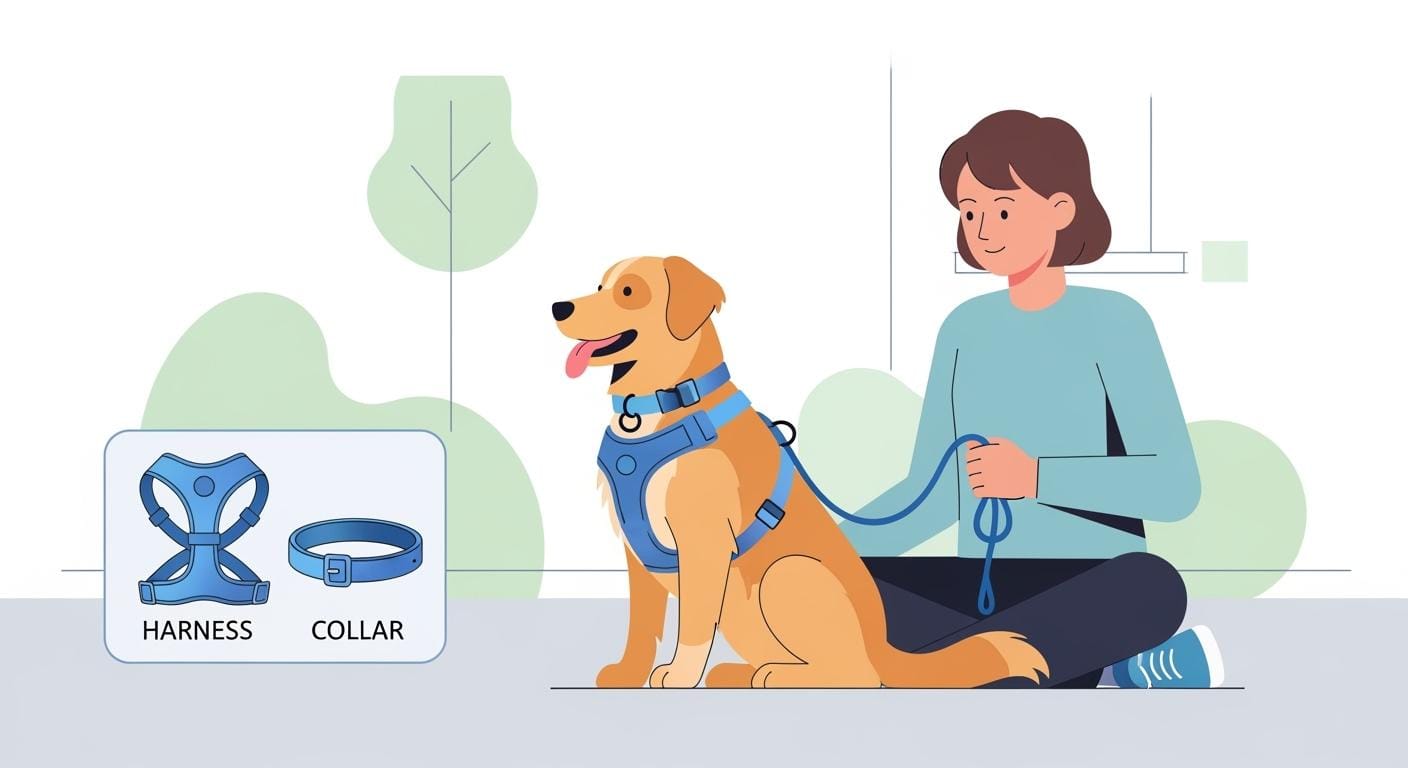
Multifunctional dog overalls can make rainy walks cleaner and less messy, but full-body coverage only helps when your dog can still move naturally inside it. That is the real tradeoff. Good overalls keep the belly, chest, and legs drier than a simple rain coat, which can mean less mud, less towel work, and less wet fur brought back indoors. But extra panels, more seams, and more leg coverage also create more chances for bunching, shoulder crowding, trapped heat, and a dog that suddenly walks as if the weather is not the problem anymore — the clothing is.
Before you treat full coverage as the better option, ask a simpler question: does your dog actually need this much protection for this walk, in this weather, on this route?
Key Takeaways
Multifunctional dog overalls cover more of your dog’s body and can reduce wet-belly cleanup on rainy or muddy walks. They only work well when the fit stays close enough to protect the dog without limiting shoulder reach, leg movement, or toilet access. Choose waterproof outer materials, a lining that does not trap too much heat, and reflective details if your walks run into low light.
Multifunctional Dog Overalls vs Other Dog Gear
Coverage and Protection
You want your dog to stay drier and cleaner on rainy days. Multifunctional dog overalls cover more than a basic rain jacket because they extend over the belly and usually farther down the legs. That makes them more useful for wet sidewalks, muddy grass, splashy puddles, or dogs that throw a lot of water and grime onto their undersides.
A waterproof dog coat or light rain jacket still works for many dogs, especially when the real issue is rain from above rather than mud from below. Those lighter options usually leave the chest, belly, and much of the legs more exposed, but they are also quicker to put on and less likely to interfere with movement.
A good rain layer saves cleanup time only if your dog still walks normally in it. Extra coverage is not automatically better if the fit turns clumsy.
Waterproof gear should keep rain out without turning the dog into a sealed, stuffy bundle. Look for practical details such as adjustable closures, usable underbelly coverage, and reflective accents that still show when the dog is moving.
Mobility and Comfort
Full coverage changes how a dog feels the garment. Some dogs tolerate overalls well because the added coverage stays light and close to the body. Others act as if the extra fabric is too much from the first few steps. That difference is why fit matters more than category.
Multifunctional dog overalls should not crowd the shoulders, drag around the knees, or twist at the inner legs when the dog turns. A vest harness or lighter rain coat usually gives up some protection but makes movement easier. That can be the better trade if your dog is only outside briefly or clearly dislikes more fabric on the legs and belly.
The best fit feels close enough to stay put, but not so snug that it shortens stride or makes the dog resist sitting, sniffing, or toileting.
Comparison Table: Overalls, Vest Harness, Rain Coat
| Gear Type | Use Case | Main Benefit | Main Watchout | Who Should Skip It |
|---|---|---|---|---|
| Multifunctional Dog Overalls | Rain, mud, longer wet walks, heavier cleanup days | Fuller body coverage and less post-walk mess | Can feel bulky or restrict motion if the fit is off | Dogs that dislike leg coverage or already run hot |
| Reflective Vest Harness | Walks, low light, lighter weather protection needs | Easy handling and good visibility | Minimal rain and mud protection | Dogs needing belly and leg coverage |
| Light Dog Rain Coat | Light rain, quick potty trips, easier dressing | Simple to wear and usually easier to move in | Limited underbelly and leg coverage | Dogs needing more mud protection or fuller body shielding |
Full Coverage Effects on Dog Movement and Safety
Weatherproofing and Visibility
You want your dog to stay dry and easy to see. Multifunctional dog overalls cover more than a waterproof dog coat. The underbelly stays cleaner, the chest takes less spray, and the legs can stay drier on dirty routes. That is the real value of this category: not fashion, but reducing how much wet grime reaches the body in the first place.
The fabric choice changes how useful that coverage really is. Polyester and nylon shells are often used because they resist water reasonably well and hold shape after repeated wear. Fleece can feel softer or warmer, but it is not a rainproof outer on its own. If the garment has reflective strips or brighter panels, those help more when they remain visible after the dog starts moving, not just when the dog is standing still indoors.
| Material | Weatherproofing | Breathability | Additional Notes |
|---|---|---|---|
| Polyester | Often water-resistant | Moderate | Easy to clean and holds shape reasonably well |
| Nylon | Often water-resistant | Moderate | Strong outer layer for outdoor use |
| Fleece | Not a waterproof shell | Higher | Better as a warm inner layer than a rain barrier |
Strong seams, sensible closures, and a shell that beads off light rain matter more than “multifunctional” as a label.
Movement and Heat Concerns
Full coverage can also create the exact problem owners were trying to avoid: a dog that looks protected but is clearly less comfortable. If the overall is too tight, stride shortens. If it is too loose, panels shift and rub. If the lining traps too much warmth, the dog may start panting harder than the walk itself would normally cause.
Watch the first few minutes closely. A dog that can walk, turn, sit, and move to toilet normally usually tells you the fit is close. A dog that freezes, steps high and oddly, shakes the outfit off, or keeps looking back at the garment is telling you something is off.
Avoid full-body coverage in hot weather or during harder activity. If your dog starts panting heavily, drooling more than expected, slowing down, or acting restless, stop and reassess instead of assuming they only need more time to “get used to it.”
Note: If you see breathing trouble, unusual weakness, or clear heat discomfort, remove the gear and let your dog rest. This advice does not replace veterinary care.
Pass/Fail Checklist Table: Fit and Function
You can use this checklist to test multifunctional dog overalls at home before you rely on them outside.
| Check Item | Pass Signal | Fail Signal | Fix |
|---|---|---|---|
| Fit (snug, not tight) | Dog moves easily with no pinching or sagging | Stiff stride, rubbing, or panels drifting out of place | Adjust closures or try a different size |
| Walk test | Dog walks, sits, turns, and toilets normally | Dog freezes, limps, crouches strangely, or resists walking | Remove the overall and check tight spots or bulk |
| Shoulder and leg coverage | Panels protect without crowding joints | Bunching at shoulders or drag around the legs | Refit panel alignment or change the cut |
| Waterproof test | Light rain beads off and the coat underneath stays mostly dry | Wet fur appears quickly under seams or closures | Check seam quality and the outer finish |
| Visibility in low light | Reflective areas stay easy to spot from a distance | Dog blends into the route once moving | Add a reflective collar or light-up tag |
| Cleanup after use | Mud wipes off and the garment dries fully | Stains stay in or the overall remains damp too long | Follow the care label and dry fully before reuse |
Always follow the care label and let the garment dry fully before using it again. Damp gear that goes back on too soon stops feeling practical very quickly.
Signs of Discomfort in Multifunctional Dog Overalls
Common Mistakes and Real Consequences
The most common mistake is buying for coverage first and movement second. That usually shows up as a dog that stays drier but enjoys the walk less. Another mistake is assuming that if the overall zips up, it fits. Real fit shows up in the walk, not in the dressing room.
Problems often start small: the dog moves more stiffly, the shoulders bunch, the belly panel shifts to one side, or the dog stops wanting to walk as far. Owners also forget to recheck fit after the garment gets wet, because a soaked or muddy overall can sit differently than a clean dry one.
Dogs show discomfort in many ways:
- tail tucked lower than usual
- ears pulled back and posture looking tense
- stiff legs or a shortened stride
- repeated stopping, shaking off, or trying to bite at the fabric
- slowing down even though the route is normal
Troubleshooting Table: Mobility and Fit Issues
| Symptom | Likely cause | Fast check | Fix |
|---|---|---|---|
| Stiff stride | Fit too tight or too much bulk around the joints | Watch your dog walk and turn on a normal indoor path | Adjust or size up only if the cut still stays stable |
| Shoulder crowding | Poor panel alignment or the wrong chest/leg cut | Check whether the fabric bunches where the front legs reach forward | Refit the chest area or change the style |
| Trapped heat | Too much coverage or not enough airflow for that weather | Check for heavier panting, warmth under the fabric, or slowing down | Switch to a lighter shell or shorten the outing |
| Shifting panels | Loose fit or weak closures | Look for sagging, twisting, or leg panels drifting off line | Tighten closures and recheck alignment |
| Wet spots under gear | Worn seams, poor closure seal, or outer finish no longer working well | Inspect seams after a wet walk | Repair, retreat, or replace the gear if leaks keep returning |
When to Switch Gear
Switch away from full overalls when your dog keeps showing the same signs of discomfort after careful fitting. That includes repeated freezing, obvious dislike of leg coverage, trouble toileting, trapped heat, or a walk style that looks worse rather than better. At that point, a lighter rain coat or simpler waterproof layer usually makes more sense.
Good rainy-day gear should make the walk easier to finish and easier to clean up after. If it turns every outing into a fit problem, a movement problem, or a heat problem, then the overalls are no longer helping.
Multifunctional dog overalls can be genuinely useful on rainy, muddy walks when your dog needs fuller underbody and leg coverage. They stop being useful when the extra fabric starts interfering with movement, heat control, or basic comfort. The better choice is the one that keeps your dog dry enough for the weather without making the walk feel harder than it needs to be.
- Measure carefully and fit test before relying on full-body coverage.
- Watch the first few minutes of movement, not just how the overall looks while standing still.
- Use lighter gear when the weather is mild or your dog clearly dislikes the extra coverage.
Never use full-body coverage when it is hot outside. Use a short walk test to catch fit or movement problems before they turn into a bad rainy-day routine.
FAQ
How do you know if a dog overall is the right fit for your dog?
Check whether your dog can walk, sit, turn, and toilet normally. A good fit stays close without rubbing, sagging, or making your dog move stiffly.
Can a dog wear overalls in warm weather?
Full-body coverage is usually a poor choice in warm weather. Extra layers can trap heat quickly, especially once your dog starts moving.
What should you do if your dog dislikes wearing overalls?
Start indoors with short sessions and reward calm behavior. If your dog still seems uncomfortable after careful fitting, switch to a lighter rain coat or a simpler weather layer instead of forcing the overall style.