By Stridepaw Insights Team (ERP & retail analytics) • Reviewed for accuracy & sourcing • Last updated: 2025-12-09
Market data gives you a clear path to make better decisions for your dog life vests category. You can see strong growth in this market:
About this guide: We’re an ERP/retail analytics team, not a market research publisher. Market-size and growth figures below are secondary estimates from public sources and may differ by definition and methodology. Use them as directional context, and validate final inventory and pricing decisions with your own POS, e-commerce, and supplier data.
- One public market summary estimates the global dog life-jacket segment at about US$150M in 2025 and projects ~7% CAGR through 2033; treat as an estimate (DataInsightsMarket).
- Another publisher estimates ~US$125M global market size in 2024 and forecasts ~4.1% CAGR to 2031; treat as an estimate (QYResearch).
- Bottom line: published estimates vary—use external reports for context, but rely on your own sales + demand signals for execution.
You can use analytics to spot new materials, digital tools, and changing costs. These insights help you manage inventory, set prices, and choose products that fit your customers’ needs.
Key Takeaways
The dog life vest market appears to be a growing niche, but published market-size estimates vary by methodology (see the market sources above). Use them for directional planning—not as audited financial truth.
- Use market data to learn what customers like. This helps you pick the best sizes, colors, and styles to sell.
- Plan inventory for each season. Add more stock before summer starts. This helps you sell more during water activities.
- Make clear price bands for your products. Give entry-level, mid-range, and premium choices. This brings in different customers.
- Lower returns by using clear size charts and fit guides. Teach your staff to help customers pick the right vest.
Third-Party Context (Why Category Management Works)
Industry sources describe category management as a shared retailer–manufacturer process to manage product categories as strategic business units, using data and shopper insights to improve performance (NIQ overview). ECR also frames category management as a long-running, data-driven retail discipline (ECR Community). In pet retail, the broader industry context is strong consumer spend and growing pet households (APPA industry stats).
From a product-education standpoint, credible pet-care sources recommend focusing on fit, visibility, and rescue handles when choosing a dog life jacket (AKC guidance). Using this kind of third‑party guidance in your PDPs and staff training improves shopper trust while you optimize inventory and pricing.
Dog Life Vests Market Overview
Global Market Growth
Market reports disagree on exact market size and growth for dog life jackets because definitions vary (dog-only vs. broader pet flotation aids, online vs. total retail, etc.). Use external estimates as context and validate your plan with internal sales and search data.
- More pet owners prioritize water safety and outdoor activities with dogs.
- E-commerce discovery and review content make niche safety gear easier to compare.
- Design updates (buoyancy placement, lift handles, high-visibility trims) support premium tiers.
If you need a single number for planning decks, cite and date your source. For example, QYResearch forecasts the global dog life-jacket market from US$125M (2024) to US$166M (2031) (QYResearch estimate).
More people own pets now. Pet safety is important to many families. This makes more people buy life vests for dogs. New designs and better technology also help the market get bigger.
Segmentation and Trends
You can sort the dog life vests market in different ways. You can look at product type, size, material, customer group, and how people use them. The table below shows the main groups:
| Category | Segments |
|---|---|
| Product Type | Classic Dog Life Vests, High Visibility Dog Life Vests |
| Size | Small, Medium |
| Material Type | Neoprene, Nylon |
| Customer Category | Pet Owners, Professional Trainers |
| End Use | Swimming Pools, Oceans and Beaches |
Lately, more people buy S Size dog life vests. Puppy dog life vests are selling well too. Pet owners like bright colors and new materials. Better technology and cool features change what people want.
Life Vests in Product Mix
You use data to learn what pet owners want. Data shows which life vests sell best in each place, size, and season. You can pick the right mix of products for your customers. Data helps you stock the sizes and styles people want. This means you don’t have too many extras and you sell more. You see new trends and can change your products fast when the market changes.
Category Structure and Assortment
Defining Life Vest Category
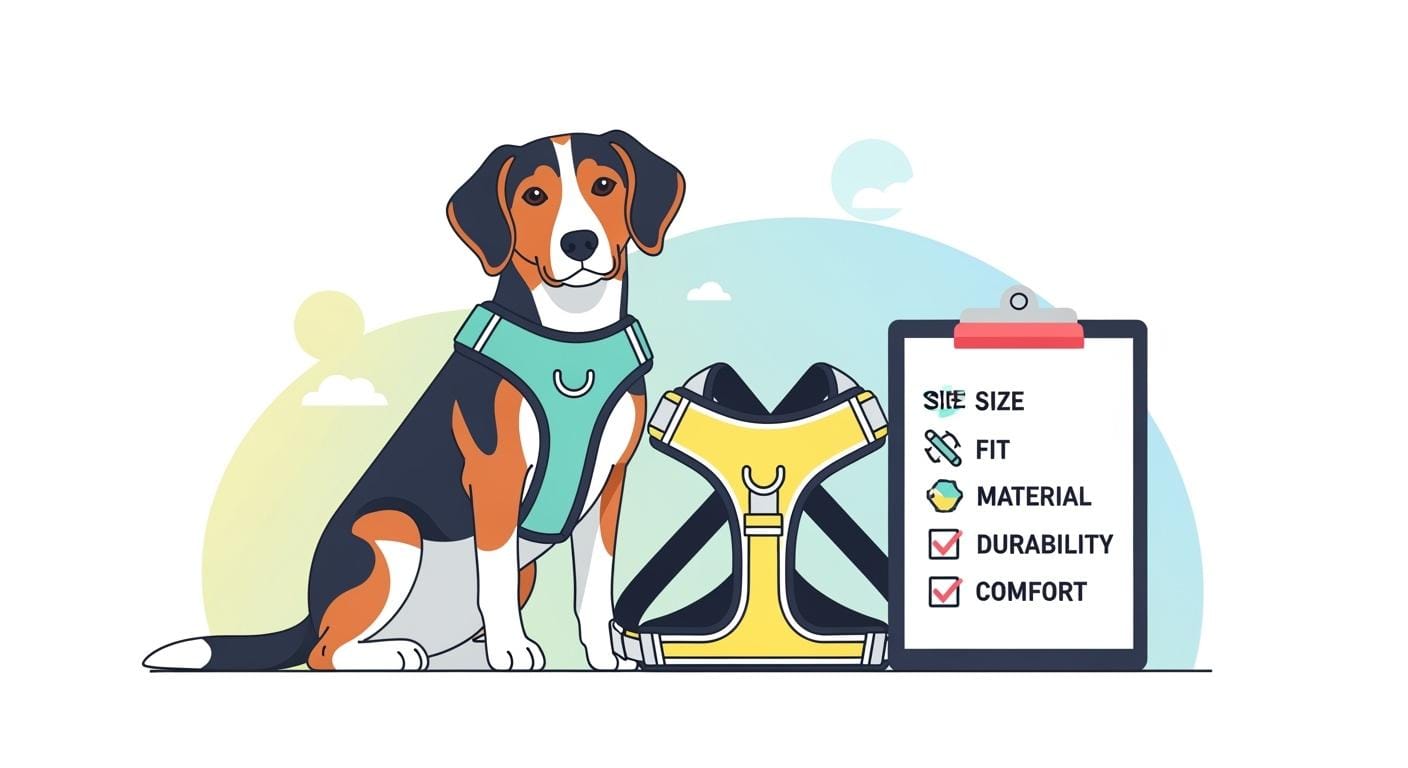
You can track inventory better if you keep dog life vests separate from other pet accessories. This makes it easier to see what sells and what you need to order. To decide what counts as a dog life vest, you should look at these things:
- Find out the right size and weight for each vest.
- Think about how well the dog can swim.
- Look at what the vest is made of and how well it floats.
- See if the vest is easy to see in water or at night.
- Check if there are handles or strong straps for safety.
- Look at different brands to see which are best.
- Make sure each vest fits well and is comfortable.
This setup helps you keep better records and restock when you need more.
Tiered Assortment
You can sort your vests into three groups: good, better, and best. This helps you give customers choices at different prices. For example:
- Good: Simple vests with basic safety parts.
- Better: Vests that use nicer materials and are easier to see.
- Best: Top vests with extra safety, better shape, and more features.
You can also group vests by how people use them, like for swimming, boating, or training. This way, you have something for everyone.
Size and Use Segments
You need to have all sizes so every dog can get a vest. The table below shows the usual sizes for dog life vests:
| SIZE | WEIGHT | GIRTH | LENGTH |
|---|---|---|---|
| XXS | 3-6LBS | 7-12IN | 7IN |
| XS | 6-15LBS | 13-20IN | 12IN |
| S | 15-30LBS | 18-25IN | 16IN |
| M | 30-60LBS | 24-30IN | 21IN |
| L | 60-80LBS | 29-36IN | 25IN |
| XL | 80+LBS | 30-42IN | 26IN |
You can use these groups to plan what to order. This helps you not run out of sizes people want. It also stops you from having too many vests that do not sell.
Data-Driven Inventory Planning

Sell-Through Analysis
You can use point-of-sale and e-commerce data to see which dog life vests sell best. Sell-through analysis shows you the sales speed for each product. This helps you focus on the top-selling SKUs, sizes, and colors. You can avoid overstocking items that do not move quickly.
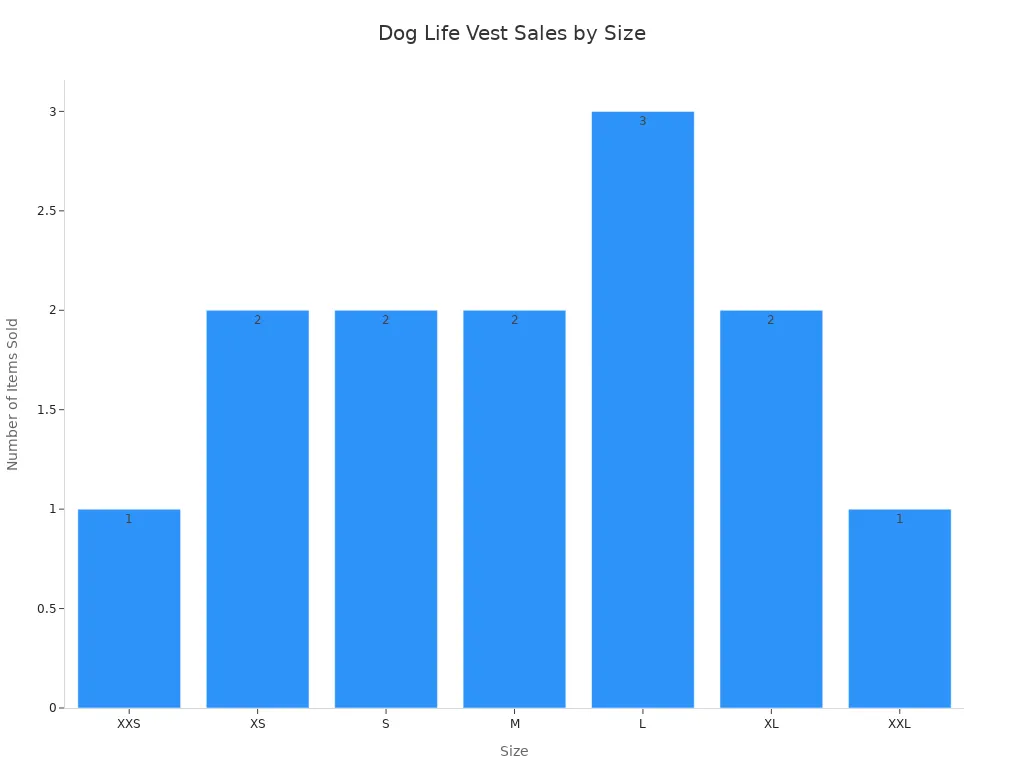
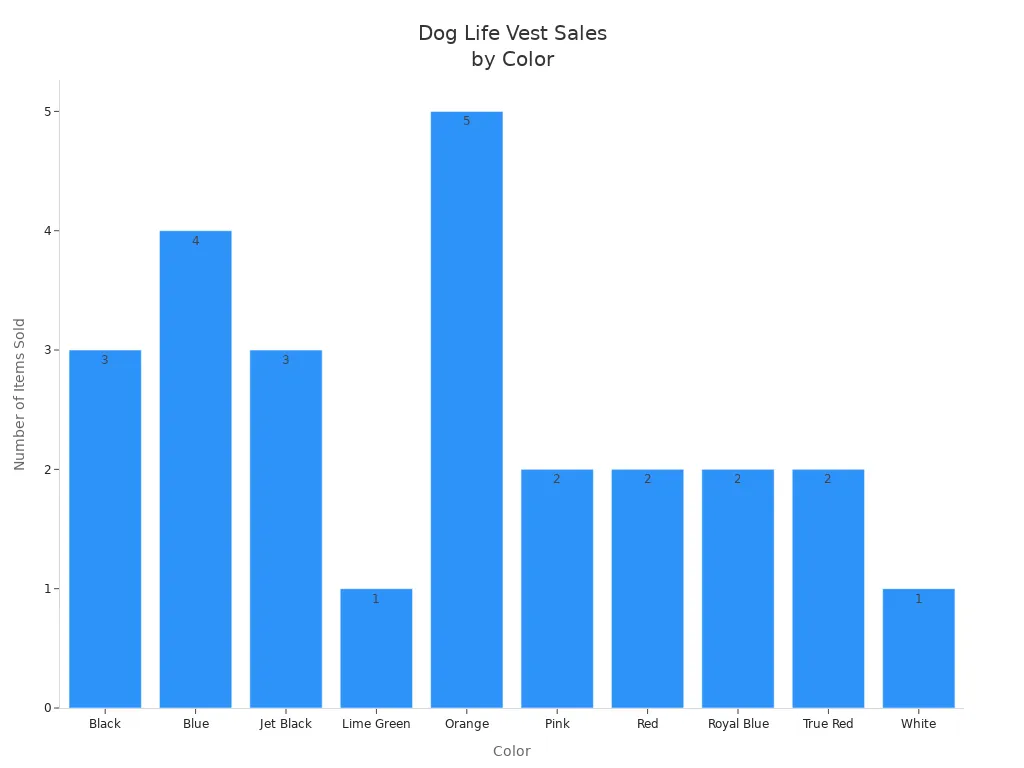
Note: The tables/charts in this section are illustrative placeholders. Replace with your POS or marketplace export for a real sell-through read.
The table below shows the number of items sold by size:
| Size | Number of Items |
|---|---|
| XXS | 1 |
| XS | 2 |
| S | 2 |
| M | 2 |
| L | 3 |
| XL | 2 |
| XXL | 1 |
You can also track which colors sell best. The table below lists the number of items sold by color:
| Color | Number of Items |
|---|---|
| Black | 3 |
| Blue | 4 |
| Jet Black | 3 |
| Lime Green | 1 |
| Orange | 5 |
| Pink | 2 |
| Red | 2 |
| Royal Blue | 2 |
| True Red | 2 |
| White | 1 |
Tip: Use this data to adjust your orders and keep your best sellers in stock.
Seasonal Demand
Sales for dog life vests rise from late spring through summer. This matches the boating and beach season in many regions. You should plan for higher demand during these months. Build up your inventory before the season starts. Watch for early signs of increased sales, such as more online searches or pre-orders.
- Monitor sales curves from past years.
- Increase stock in April and May.
- Keep extra inventory ready for June, July, and August.
You can use seasonality models to predict when to restock and when to reduce orders. This helps you avoid both stockouts and excess inventory.
Replenishment and Safety Stock
You need a clear plan for replenishment. Use your sales data to set reorder points for each size and color. Safety stock acts as a buffer if sales spike or shipments delay. Review your top-selling SKUs often and adjust your safety stock levels as needed.
- Set minimum stock levels for popular sizes and colors.
- Reorder before you reach the minimum.
- Check inventory weekly during peak season.
A good replenishment plan keeps your shelves full and your customers happy.
Reducing Returns
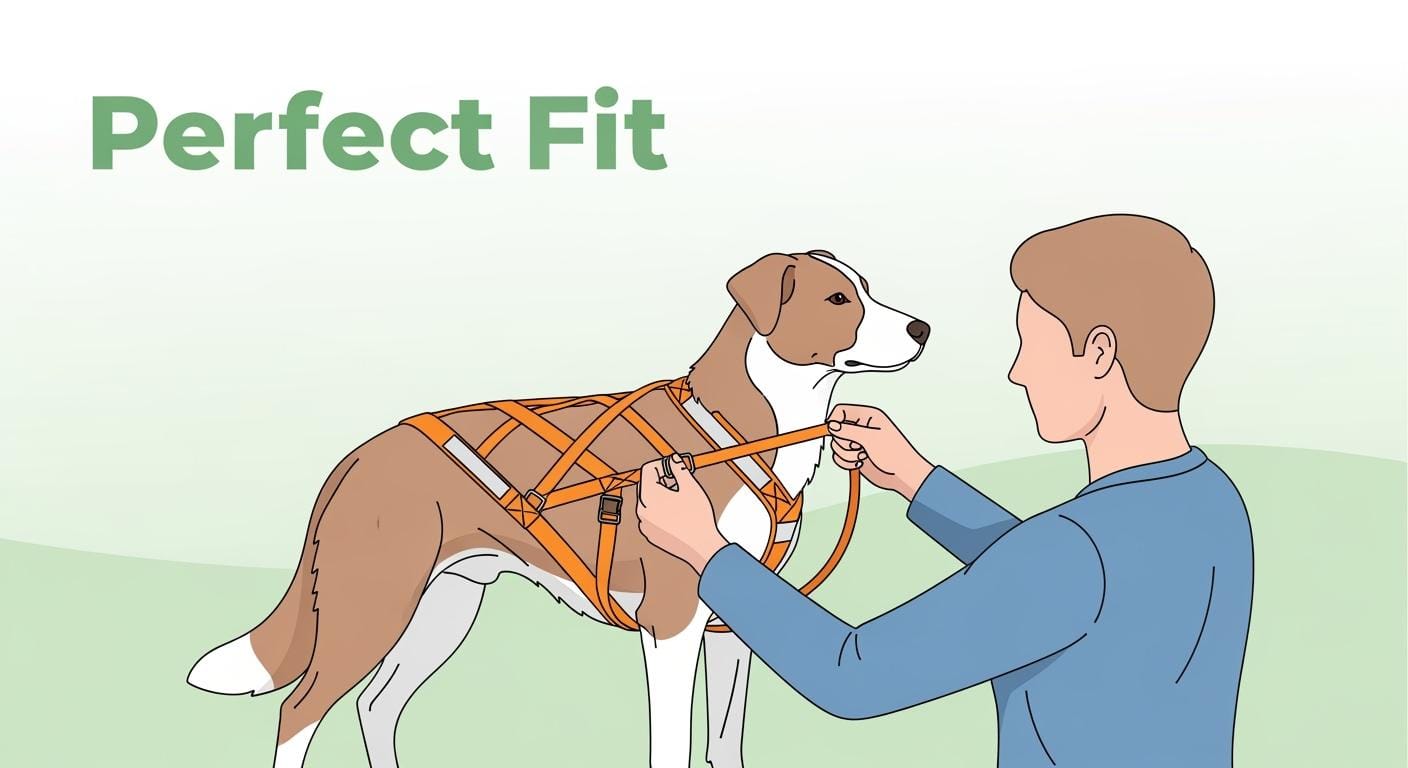
Returns often happen when the fit is wrong. You can lower return rates by educating your staff and customers about proper sizing. Use clear size charts and fit guides. Make sure your team knows how to help buyers pick the right vest.
- Offer training on measuring dogs for life vests.
- Use simple charts at the point of sale.
- Add fit tips to your website and product displays.
Note: Fewer returns mean less lost revenue and happier customers.
By using data-driven inventory planning, you can keep the right products in stock, meet seasonal demand, and reduce costly returns.
Pricing Strategy for Life Vests
Price Bands and Competition
You need to understand the main price bands in the dog life vest market. Most life vests fall into three groups: entry-level, mid-range, and premium. Entry-level vests usually cost between $15 and $25. Mid-range vests sell for $26 to $40. Premium vests can reach $41 to $60 or more. These price bands help you position your products for different customer needs.
You should review your competitors’ price points often. Track how many products they offer in each price band. Use this information to adjust your own assortment and pricing. If you see many competitors in the mid-range, you might focus on entry-level or premium options to stand out.
Tip: Use a simple table to compare your price bands with the market.
| Price Band | Typical Price Range | Features Included |
|---|---|---|
| Entry-Level | $15 – $25 | Basic safety, simple design |
| Mid-Range | $26 – $40 | Better materials, more sizes |
| Premium | $41 – $60+ | Advanced features, high visibility, ergonomic fit |
You can use this table to check if your product mix covers all key price points.
Margin and Promotions
Set gross-margin targets by tier using your own cost structure and channel economics (freight, returns, marketplace fees, promo spend). Avoid publishing fixed margin benchmarks unless you have audited category data for your competitive set.
Use promotions deliberately: seasonal pre-build discounts, bundles (vest + leash), and end-of-season clearance. Track lift, margin erosion, and return-rate impact per promo event.
Note: Track the impact of each promotion on your sales and margins. Adjust your strategy based on what works best.
You can use the following checklist to manage your pricing and promotions:
- Set margin targets for each price band.
- Review costs and adjust prices as needed.
- Plan seasonal promotions in advance.
- Monitor sales data during and after promotions.
- Adjust future promotions based on results.
By using a data-driven pricing strategy, you can stay competitive, protect your margins, and meet customer needs in the dog life vest market.
Product Mix Optimization
Customer Segments
Analytics can show you which customers buy dog life vests most. The main groups are pet owners, professional trainers, and water sports fans. Each group wants different things. Pet owners care about comfort and safety. Trainers want vests that last and are easy to use. Water sports fans look for extra safety and bright colors. Sales data tells you which group likes certain sizes, colors, or materials. This helps you pick the right products for your store.
Tip: Check your sales reports by customer type every few months. This helps you notice if people start buying different things.
Premium vs. Value
You should have both premium and value life vests. Premium vests have special features, better shapes, and bright colors. These are for people who want the best for their dogs. Value vests are simple and cost less. They are for people who want good safety at a lower price.
| Product Tier | Key Features | Target Segment |
|---|---|---|
| Value | Basic safety, simple design | Price-sensitive buyers |
| Premium | Advanced safety, ergonomic fit, high visibility | Quality-focused buyers |
Market data can help you decide how many of each type to order. Watch which price group sells best in each area. Change your stock to match what people want nearby.
New Features from Data
Market data shows new trends and features that help sales. More vests now use neoprene for better float, warmth, and stretch. Some vests mix foam and air for more safety. Companies also make vests that look nice, last longer, and fit certain breeds. These changes come from what customers say and what sells well.
Neoprene makes vests softer and stops rubbing.
Hybrid vests float better and keep dogs safer.
Special vests fit different breeds and needs.
You can use this information to update your products and stay ahead.
Implementing Data Insights
Tools and Platforms
You can use different analytics tools to help manage your dog life vest category. These tools let you collect and look at market data. Some tools are free and help you find out what customers like. Other tools show your sales and inventory with easy charts. You can use survey tools to ask your customers questions. SEO tools help you watch keywords and online trends. Demographic tools help you make customer profiles. Some platforms give you deep market research for more details. These tools help you see sales trends and compare prices. You can also learn what your customers want. When you pick the right tool, you can make smarter choices about inventory and prices.
KPIs and Success Metrics
You need to watch key performance indicators, or KPIs, to see how well your category is doing. KPIs show if your inventory, prices, and product mix are working. Here are some important things to track:
KPI | What It Measures |
|---|---|
Sell-Through Rate | How fast you sell your stock |
Gross Margin | Profit after product costs |
Stock-Out Rate | How often you run out of items |
Return Rate | How many products customers return |
Average Order Value | Average spend per transaction |
Inventory Turnover | How often you replace your inventory |
Tip: Check these KPIs every month. Change your plan if the numbers go up or down.
Case Example
You want to sell more dog life vests before summer starts. You use a chart tool to look at last year’s sales. You see that medium and large vests sold out in June. Orange and blue vests sold the fastest. This year, you order more of those sizes and colors. You keep extra stock for busy months. You watch your sell-through rate and it goes up by 15%. You do not run out of stock as much. Fewer people return vests because you added better size guides. This example shows how using data can help you do better.
Market data helps you make better choices for dog life vests. You can use it to pick the right products and prices. This helps you waste less and sell more. If you check your data often, you can change your plans fast when things change.
Try these ideas to help your store:
Strategy | Description |
|---|---|
Engaging Displays | Show dog life vests on dog mannequins to get more people to look and buy. |
Store Layout | Set up your store so it is easy to walk through and looks nice. |
Buyer’s Guide | Give simple guides about sizing, care, and how to use vests so customers pick the best one. |
To keep getting better, you should:
Check your inventory and change it when needed.
Watch important numbers like how fast things sell, how much money you make, and what things cost.
Use inventory software to get reports often.
Keep working ahead and use your data to make your dog life vest sales strong.
About the Author and Review
Author: ____ (Name, Role, Company). Reviewed by: ____ (Industry expert / retailer buyer / analyst). Last updated: 2025-12-09.
Editorial policy: We add a source link for any market-size/growth claim. If a figure is an internal estimate, we label it “Internal estimate” and describe the method.
FAQ
What data should you track for dog life vest inventory management?
You need to watch sell-through rates, stock-out rates, return rates, and inventory turnover. These numbers show which sizes, colors, and styles sell the fastest. Use this information to change your orders and keep the right amount of stock.
How can you reduce returns on dog life vests?
You can lower returns by giving clear size charts and fit guides. Teach your staff to help customers pick the right size. Good sizing information means fewer returns because of a bad fit.
When should you increase inventory for dog life vests?
Add more inventory before the busy water season, which starts in late spring. Look at old sales data to guess how much you will sell. Get extra stock in April and May so you are ready for summer.
What is the best way to set price bands for dog life vests?
Make price bands using product features and market data. Use three groups: entry-level, mid-range, and premium. Check your prices against other stores to make sure you have all the main price points.
How do you use market data to optimize your product mix?
Look at sales by customer group, size, and color. Find out which SKUs sell best and spot new trends. Change your products to match what people want and add new features when the data shows it.