Imagine walking your dog on a busy sidewalk one day, then hiking a wide-open park trail the next. The safest leash depends on your dog’s behavior and the environment. This guide helps you match leash type, length, and handling to everyday situations so walks stay calm and controlled.
Tip: Before you buy, note your dog’s size, pulling habits, and the busiest places you walk. Those three details narrow the best leash type quickly.
| Leash Type | Features | Suitability for Safety Outcomes |
|---|---|---|
| Retractable Leashes | You can change the length for exploring and control | Dogs get freedom but owners still have control |
| Normal Leashes | The length stays the same for more control and safety | Best for training and crowded places |
| Enhanced Safety Features | New things like shiny materials and retractable parts | Makes walks safer by helping you see and control |
Always ask a pro if your dog pulls hard or acts out. Follow your area’s leash rules. Use this guide to pick the best leashes for dogs and make every walk safer.
Quick verdict: the safest leash choice in 30 seconds
For crowded areas and traffic, choose a fixed-length leash (often 4-6 ft) for predictable control. Use retractables only in open spaces with a calm dog, and use long lines only for training in safe, quiet fields.
| Best default | Avoid when… |
|---|---|
| Fixed-length leash for most walks | Retractable or long line in crowds, near roads, or around bikes/strollers |
Key Takeaways
- Pick the right leash for your dog’s behavior and where you are. This keeps your dog and others safe.
- Teach your dog to walk calmly on a leash. Good training stops pulling and makes walks fun.
- Check your dog’s leash and harness before every walk. Checking often helps stop accidents and keeps your dog safe.
- Use a standard leash in crowded places for more control. Do not use retractable leashes in busy spots to avoid accidents.
- Choose a leash that fits your dog’s needs. Think about your dog’s size, behavior, and where you walk for the best choice.
Dog Leash Safety and Everyday Choices
Risk Factors: Traffic and Triggers
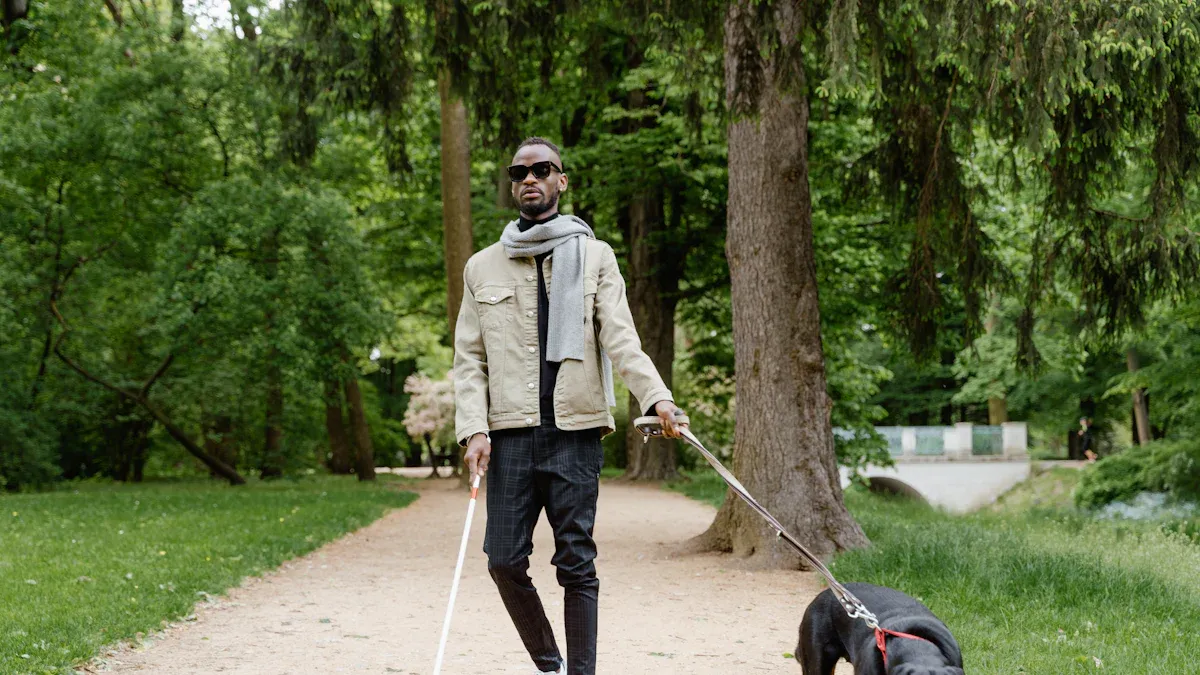
Choosing the right dog leash for your daily walk means thinking about the risks you face. Busy streets, sudden noises, and other dogs can all create surprises. You need a dog leash that gives you control and helps you react quickly. The safest choice matches your dog’s behavior and the environment. Predictable handling keeps your dog close and reduces sudden tension.
| Type of Incident | Description |
|---|---|
| Traffic avoidance | A controlled pet is less likely to dart into the road. |
| Conflict prevention | Tethering offers a buffer when meeting unfamiliar animals. |
| Quick intervention | Owners can redirect attention or guide a dog clear of hazards. |
When Training Matters More Than Leash Type
Dog leash choice helps, but training makes the biggest difference in high-risk environments. You teach your dog to walk calmly and respond to commands. This reduces pulling and keeps walks safe. Training builds trust and control, so you can guide your dog away from triggers. You should practice recall and loose-leash walking often. If your dog gets excited or nervous, training helps you manage those moments.
In busy areas, many owners prefer a fixed-length leash paired with a well-fitted harness because it offers predictable handling and reduces neck pressure. Retractable leashes can create safety problems in crowds, so reserve them for open spaces when your dog is calm and responsive.
Prepare your dog for new environments with short, positive training sessions.
Collar vs Harness for Control
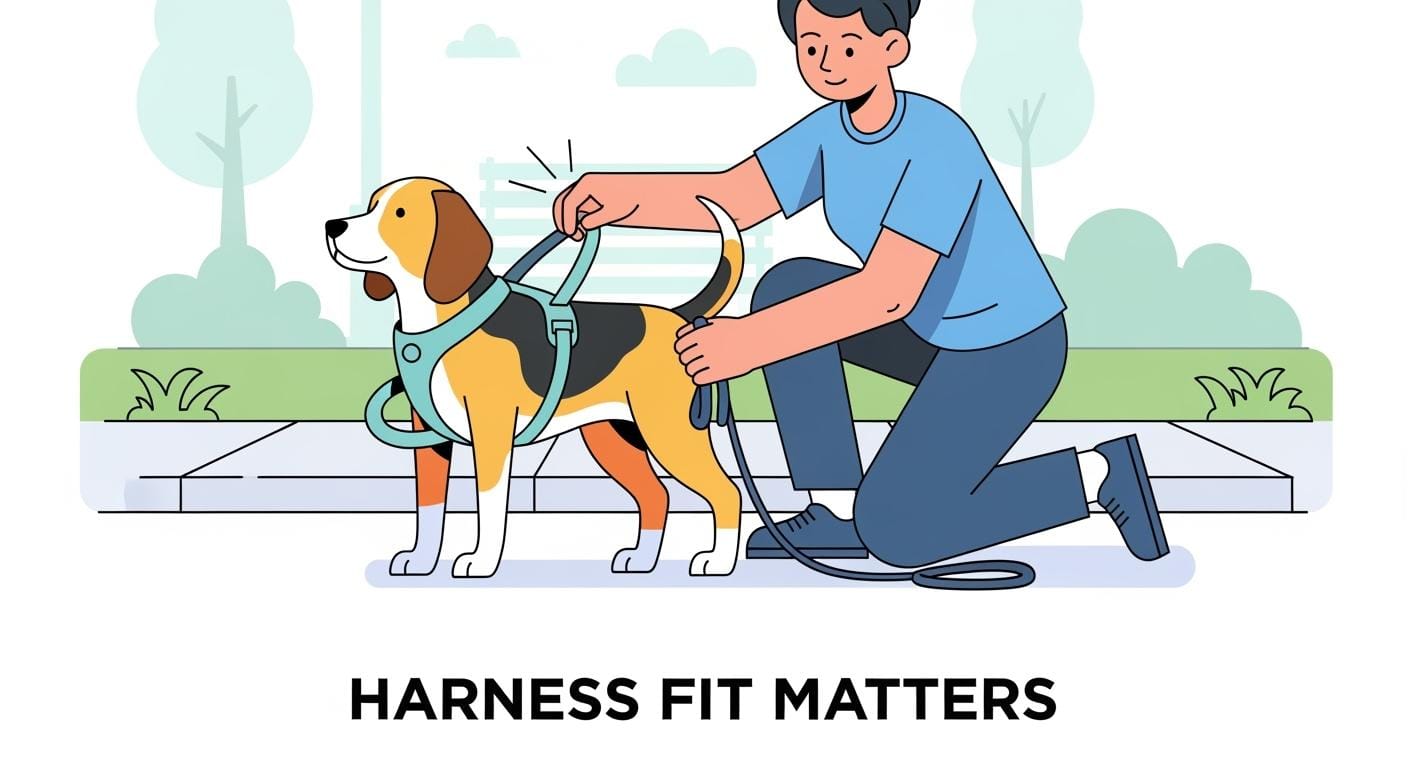
You need to match your dog’s gear to their size and shape for the best control. Adjustable harnesses offer benefits for many breeds and sizes. A harness spreads pressure across the body, lowering neck strain. Modern harnesses fit close to the chest and shoulders, making escape less likely.
- A proper fit is essential for safety; it should be snug but not too tight.
- If a harness is too loose, your dog can escape, while a tight harness can cause injury.
- Each dog has a unique shape, so there is no one-size-fits-all solution.
“It should be snug, but not too snug. If a harness is too tight—or tight in the wrong places—it can cause injury when the dog pulls on the leash and the harness. But if it’s not tight enough, your dog can wriggle out and run away.”
You get the most benefits and control when you check your dog’s gear before each walk. Always inspect your dog leash, harness, and collar for wear and fit.
Check your dog leash and harness before every walk to keep your dog safe.
Types of Dog Leashes and Their Uses
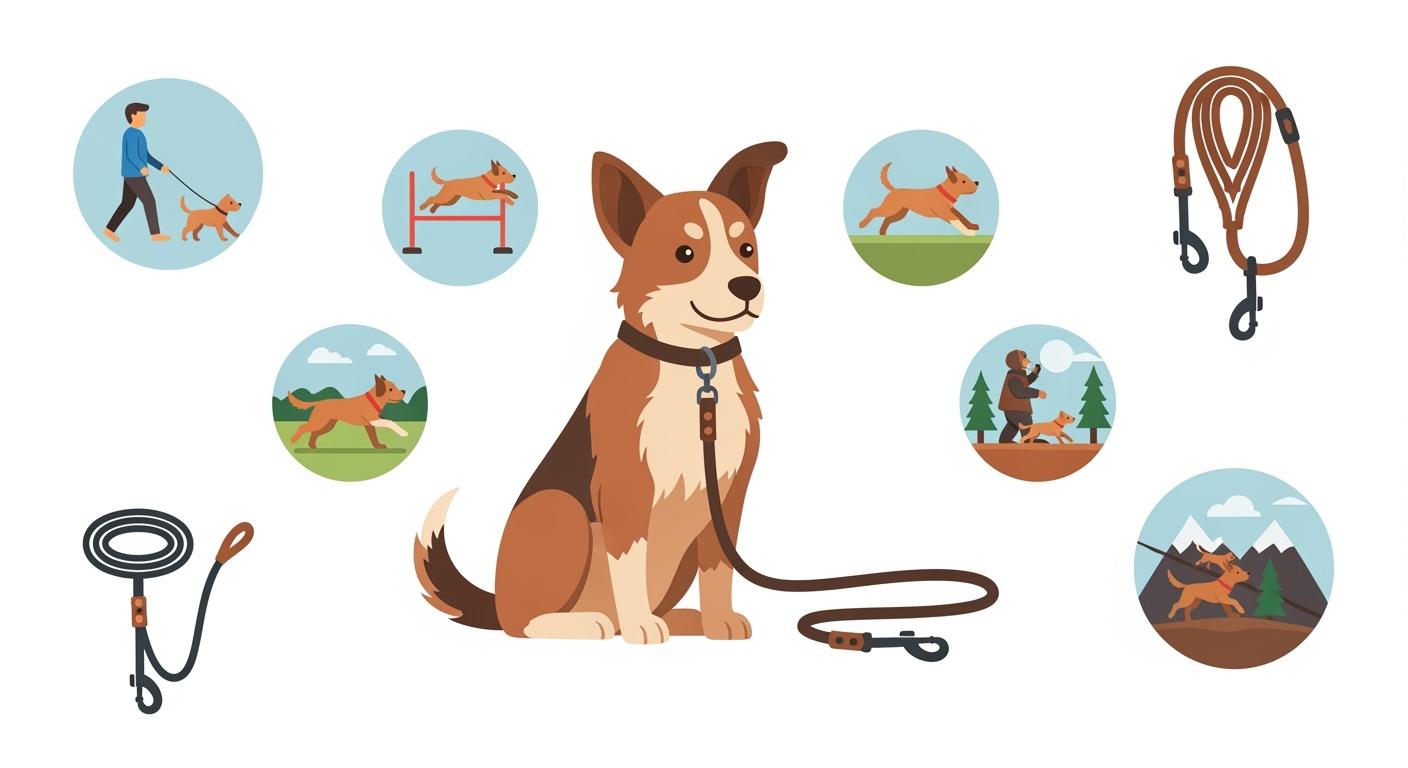
Picking the right dog leash helps make walks safer and more fun. There are many types of dog leashes. Each one has its own good points and best ways to use it. Here is a simple guide to the most common types of leashes for dogs and how to use them safely.
Standard Leash: Everyday Walking
A standard dog leash is used by most people for daily walks. It gives you steady control and is easy to use. Most standard dog leashes are made from nylon, leather, or biothane. Each material feels different and lasts a different amount of time.
| Leash Type | Pros | Cons |
|---|---|---|
| Fixed-Length Nylon | Strong, simple to clean, many colors | Can jerk, not very flexible |
| Leather Leash | Feels nice, strong, looks classic | Needs care, gets stiff if wet |
| Biothane | Simple to clean, good for wet weather | Feels stiff, costs more |
Best Use: Everyday walks, busy sidewalks, and basic training
Quick Tip: Always check your standard dog leash for damage before you go out.
Safety Note: Use a standard leash in busy places for the best control.
Retractable Leash: Pros and Cons
A retractable leash lets your dog walk farther while you stay in control. You can make it longer or shorter with a button. This type of dog leash works best in open, quiet places.
| Advantages | Disadvantages |
|---|---|
| Lets dogs explore more but still be safe. | Can get tangled around legs, trees, or other pets. |
| Makes it easier on your arms and hands. | Not good for dogs that pull hard or are not trained. |
| You can change the length fast with the button. | The tape can wear out faster than flat leashes. |
| Great for walks in calm, open places. | Tape can burn or cut if it snaps or slips quickly. |
Best Use: Open parks, calm dogs, and quiet places
Caution: Do not use a retractable leash in crowded or busy areas.
Quick Tip: Hold the handle tight and watch for tangles.
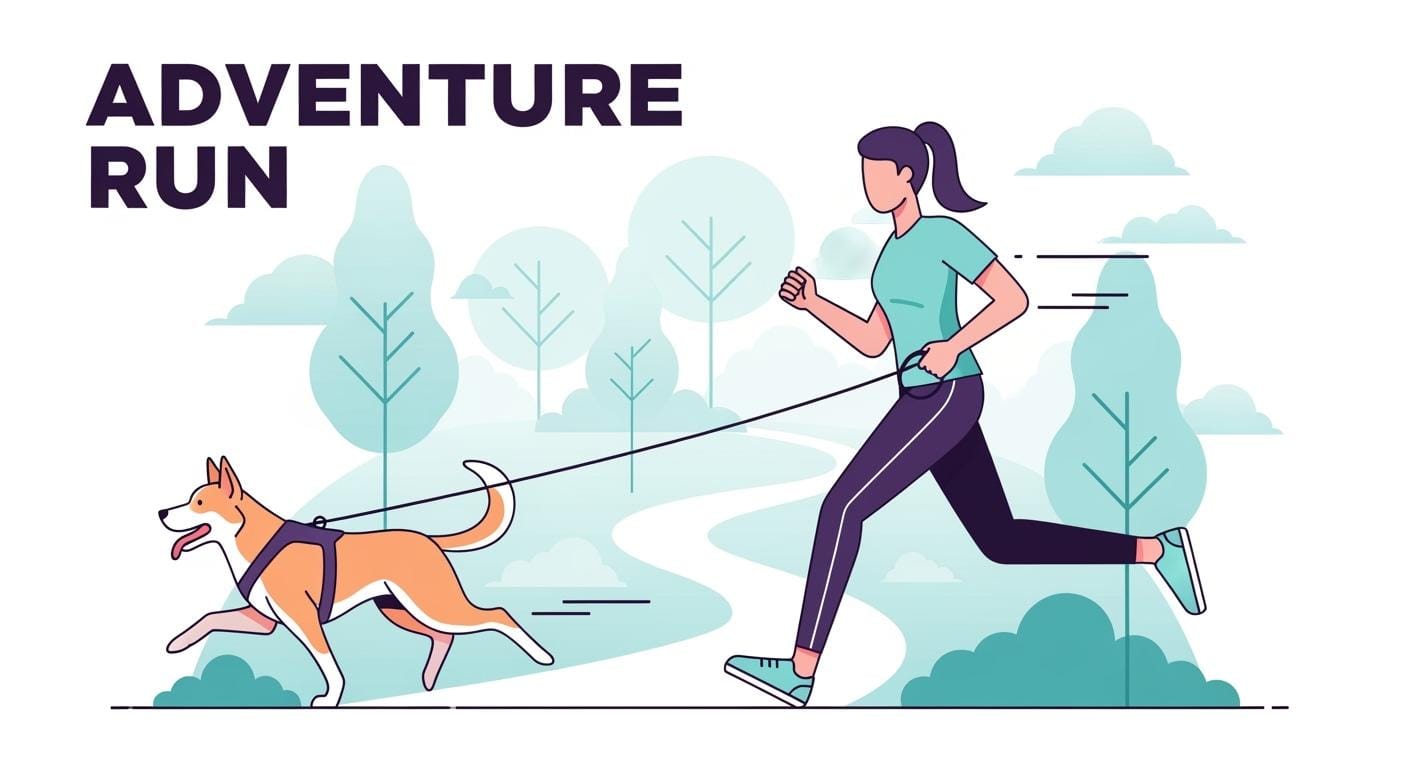
Hands Free Leash: Running and Multitasking
A hands-free leash goes around your waist or across your body. It is great for running, carrying things, or when you need your hands free. Your hands stay open and your dog stays close.
Best Use: Jogging, hands-free work, and doing many things at once
Quick Tip: Make sure the hands-free leash fits well and feels good.
Safety Note: Only use a hands-free leash if your dog walks calmly next to you.
Long Line: Training and Exploration
A long line is a special dog leash for training and safe exploring. It lets your dog go farther but you still have control. Trainers use long lines to teach recall and for working at a distance.
| Training Scenario | Associated Risks |
|---|---|
| Recall training in open fields | Wrong gear can hurt your dog during training. |
| Distance work in quiet places | Dog may lose focus if you do not manage the leash. |
Best Use: Recall training, open fields, and safe exploring
Caution: Never use a long line in crowded places.
Quick Tip: Watch your dog and keep the long line from getting tangled.
Slip Lead: Quick Control and Cautions
A slip leash is both a collar and leash in one. You can put it on or take it off very fast. Trainers use slip leads for short control or training times.
Best Use: Quick control, vet visits, and short training
Caution: Use a slip leash gently so you do not hurt your dog’s neck. Never leave it on a dog you are not watching.
Quick Tip: Pick a slip leash with a stopper so it does not get too loose.
Bungee Leash: Shock Absorption
A bungee leash has elastic that stretches to soften sudden pulls. This kind of dog leash helps protect your dog’s back and your own. Many bungee leashes have shiny stitching, strong nylon, and tough metal parts. Some have special clips like a frog clip or A-hook. You might find a soft, non-slip handle for comfort. People use bungee leashes for car safety, but also for walks, training, or light outdoor fun. For the best safety, use a bungee leash with a harness in the car.
Best Use: Car safety, daily walks, basic training, and light outdoor fun
Quick Tip: Always clip the bungee leash to a harness in the car.
Safety Note: Check the elastic and metal parts before each use.
Adjustable and Traffic Leash: Versatility and Safety
An adjustable or traffic leash lets you change the length fast. You can make it short in busy places or longer for more freedom. This kind of dog leash is great for city walks, busy sidewalks, and training. The traffic leash gives you extra control when crossing streets or passing things that distract your dog.
Best Use: City walks, crowded places, and training
Quick Tip: Use the shortest length on your traffic leash in risky spots.
Safety Note: Pick a strong adjustable leash to help you and your dog stay safe.
For pet owners: Always match the leash type to your dog’s behavior and where you walk.
For businesses: Check local leash rules and think about customer safety before you suggest leash types.
How to Choose Leashes for Dogs
Choosing the right dog leash helps you keep your dog safe and happy. You need to match the leash type to your walking environment, your dog’s behavior, and your training goals. Use this simple table to pick the best leash for each situation.
| Scenario | Best Leash Type | Why It Helps | Safety Tip |
|---|---|---|---|
| Crowded Sidewalk | Standard/Traffic | Short, steady control | Keep leash short near people |
| Trails | Standard/Adjustable | Easy to shorten in risky spots | Watch for tangles and wildlife |
| Dog Training | Long Line | Practice recall, safe distance | Use in open, quiet areas |
| Running | Hands Free | Keeps hands open, dog close | Use only with calm, trained dogs |
Matching Leash to Environment
You need to look at where you walk most often. Busy streets call for a short, strong dog leash. Parks or trails let you use longer types for more freedom. Always check for risks like cars, bikes, or other dogs. Pick a leash type that gives you control and matches your dog’s training level.
- Use a standard leash for city walks.
- Try an adjustable leash for mixed environments.
- Pick a long line for dog training in open fields.
Tip for pet owners: Confirm the right type, length, and harness pairing for your dog’s needs.
Tip for businesses: Offer wholesale and OEM/ODM support for different leash types.
For Pullers, Puppies, and Multi-Dog Walking
If your dog pulls, choose a dog leash with strong webbing and pair it with a harness. Puppies need soft, light types for comfort and easy training. Walking more than one dog? Avoid long lines. Use short, sturdy leashes to prevent tangles and keep control.
- Pullers: Use a harness and fixed-length leash.
- Puppies: Pick soft, light types for gentle training.
- Multi-dog: Use separate leashes for each dog.
When to Avoid Certain Leash Types
Some leash types do not fit every situation. Avoid retractable leashes in crowds or near traffic. Skip long lines in busy places. Slip leads work best for quick control, not for long walks. Always match the dog leash to your dog’s training and the environment.
- Do not use retractable leashes in busy areas.
- Avoid long lines where tangles can happen.
- Use slip leads only for short, supervised training.
Ready to choose? Write down your dog’s habits and walking needs to find the safest leash for every walk.
Handling Tips for Any Dog Leash
Managing Slack and Preventing Trips
You can prevent trips and keep your dog safe by managing slack in your dog leash. Keep a small amount of tension in the leash. This helps you stay in control without pulling your dog. Choose the right types of leashes for your walks. A standard 4- to 6-foot leash works well for most outings. Use a front-clip harness if your dog pulls. Train your dog to walk beside you with loose-leash walking. Practice this skill often during dog training sessions. Leash discipline keeps both you and your dog safe.
Passing People and Dogs Safely
Passing others on walks can be easy with the right techniques. Reward your dog for calm behavior around strangers. Use high-value treats to build good habits. Slow your pace and use cues like ‘easy’ or ‘steady’ when you see people or other dogs. Teach commands such as ‘wait’ or ‘slow’ to help your dog stay close. Keep the leash at a comfortable length for control. Place yourself between your dog and busy foot traffic. Redirect your dog’s attention with treats or toys if needed. These steps make every walk safer for everyone.
Pet owners: Practice passing drills during dog training.
Businesses: Remind clients to use clear commands and rewards for safe passing.
Quick Hardware and Webbing Checks
Check your dog leash and harness before every walk. Look for loose threads, bent hardware, or fraying. After hikes or wet walks, inspect your gear again. Most failures happen at stress points like where straps meet or at the D-ring. Test the harness and leash after rough outings or exposure to water, sand, or salt. Replace any gear that shows signs of wear. Regular checks help prevent accidents.
Quick tip: Set a reminder to inspect your dog leash and harness each week.
When to Use a Harness
A harness gives you more control and keeps your dog safe in many situations. Use a harness if your dog pulls, lunges, or gets excited during walks. A front-clip harness helps reduce pulling and lowers the risk of injury. Collars can cause problems for dogs that pull hard. Choose a harness for better safety and comfort, especially for active dogs or those in dog training.
Write down your dog’s habits and main walking challenges to pick the best harness or leash.
Common Mistakes with Leashes for Dogs
Using the wrong dog leash or handling it poorly can lead to accidents and stress for both you and your dog. Many owners make simple mistakes with leashes for dogs that put safety at risk. Learn how to avoid these issues and keep every walk safe.
Tangles and Trips
Tangles and trips happen when slack builds up or the leash wraps around your hand or your dog’s legs. Using long types of dog leash in crowded areas increases this risk. Wrapping the leash around your fingers can cause injury if your dog pulls suddenly.
| Preventive Measure | Description |
|---|---|
| Equipment | Use a 4-6 foot non-retractable leash made of flat nylon or biothane for control. |
| Proper Stance | Stand with feet shoulder-width apart and knees slightly bent for balance. |
| Grip on Leash | Hold the leash with an open-hand grip, leaving 6-8 inches of slack for quick adjustments. |
| Awareness of Tension | Watch for tangles, as they can cause sudden tension spikes and loss of balance. |
Tip: Never use elastic or bungee types in narrow spaces without close control.
Reinforcing Pulling
Many owners reward pulling by letting their dog move forward. This teaches the dog that pulling works. Instead, stop walking when your dog pulls. Wait until your dog returns to you, then reward calm behavior.
When you notice your dog pulling on the leash, immediately stop walking. This is the key solution: don’t reward your dog for pulling by letting them access what they are after. Instead, plant your feet on the ground and hold the leash tightly. Call your dog back to you and don’t move or react until they return. When they come, give them praise and treats. Continue your walk, and if they pull again, repeat the process.
- Ignore jumping and wait for calm before moving on.
- Use dog training to teach loose-leash walking.
- Never rely only on gear; training is key.
Unsafe Choices in Traffic
Using retractable or long types of dog leash near traffic can be dangerous. A tight, tense leash can stress your dog and limit their ability to move away from threats.
A tight, tense leash can transmit stress to a dog and restrict its ability to move away. If a dog can’t create distance from something scary, it may choose the only option it feels it has-biting to stop the threat. Short leashes in crowded places may also lead to accidental contact.
- Always use a standard or traffic dog leash in busy areas.
- Never let children walk large dogs unsupervised.
- Avoid damaged gear in high-traffic zones.
When to Replace Your Dog Leash
Check your dog leash often for signs of wear. Replace it if you see fraying, broken hardware, or stiffness. Always inspect your gear before walks to prevent breaks.
- Inspect the leash regularly for signs of wear and damage.
- Replace the leash immediately if you notice fraying, broken hardware, or stiffness.
- Always check gear before walks to prevent unexpected breaks.
More Safety Tips
- Never leave your dog unattended on a leash.
- Never attach car restraints to a collar.
- Avoid retractable leashes in crowds.
- Do not ignore signs of fear, pain, or heatstroke.
- Prepare 3-5 details about your dog and walking needs before choosing a leash.
- Use the right types of dog leash for each environment.
- Practice dog training for better control.
- Check all hardware and webbing weekly.
For pet owners: Write down your dog’s size, behavior, and main walking spots before picking a leash.
For businesses: Review local rules and customer safety before recommending dog leash.
Stay alert and adjust your dog leash choice as your dog’s needs change.
Choosing the right leashes for dogs keeps your dog safe and comfortable. You improve walks by matching the dog leash to your dog’s size, behavior, and walking environment. A well-fitting harness lowers injury risk and helps manage pulling. Check your dog’s gear often for damage or discomfort. Adjust your choice as your dog’s needs change.
- Assess your dog’s habits before each walk.
- Pick gear that fits your dog’s activity level.
- Review your current setup to protect your dog every day.
FAQ
Need quick answers about choosing the safest dog leash for your walks? Check these tips below.
What is the best leash for daily walks?
You get the most control with a standard fixed-length leash. Choose nylon or biothane for easy cleaning. Use a harness for extra safety. Always check your leash for wear before each walk.
Are elastic or bungee leashes good for dogs that pull?
Elastic leashes can soften sudden pulls. You should pair them with a harness for better control. Avoid using elastic leashes in crowded areas. Train your dog to walk calmly for best results.
When should you use a long leash?
Use a long leash for recall training or exploring open fields. Never use long leashes in busy places. Watch for tangles and keep your dog in sight. Practice recall commands often.
Are hands-free leashes safe for running or multitasking?
Hands-free leashes work best with calm, trained dogs. Make sure the leash fits snugly around your waist or body. Always keep your dog close in busy areas. Check hardware before each use.
How often should you replace your dog leash?
Inspect your leash weekly for fraying, broken clips, or stiffness. Replace your leash if you see damage. Safe gear lowers accident risk. Prepare 3-5 details about your dog’s habits and walking needs before buying a new leash.
Pet owners: Write down your dog’s size, behavior, and main walking spots before picking a leash.
Businesses: Review local rules and customer safety before recommending dog leash.