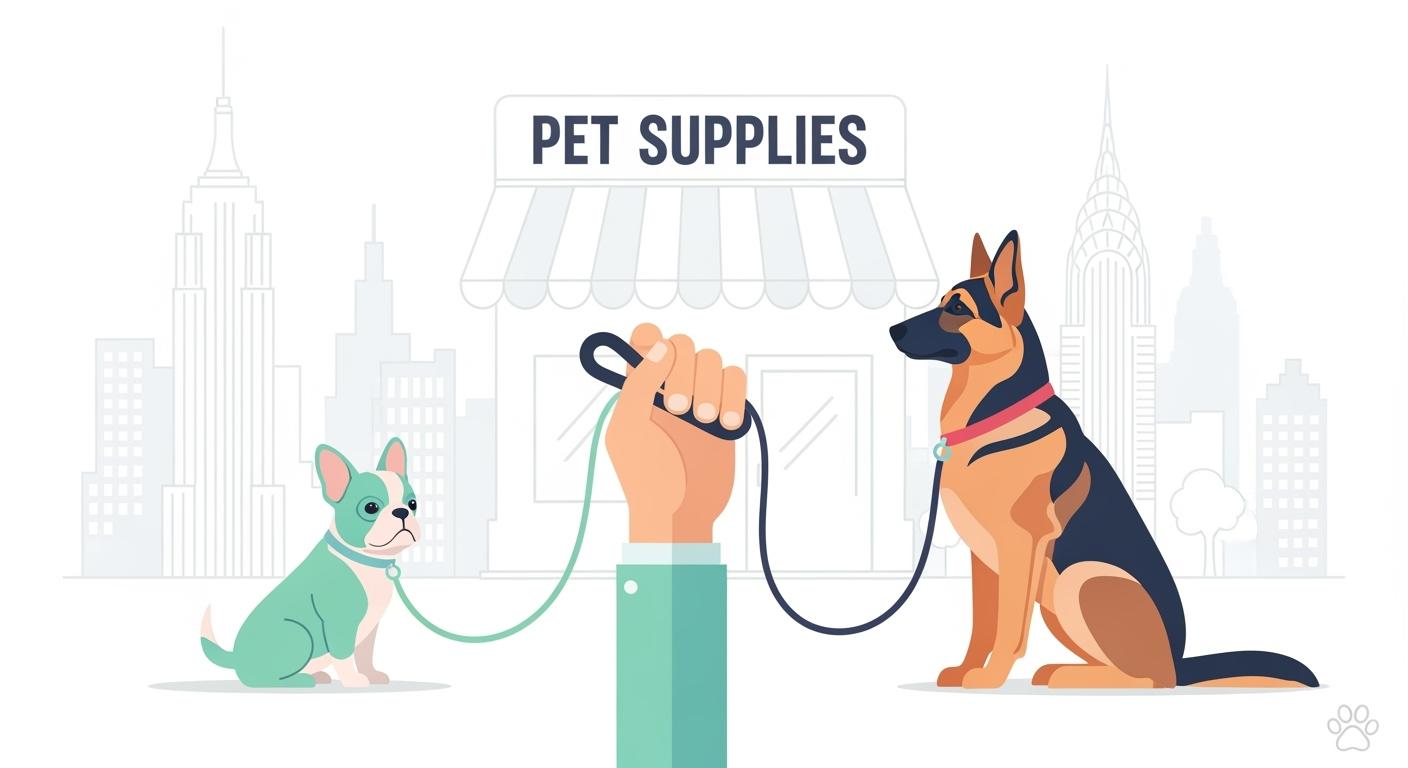
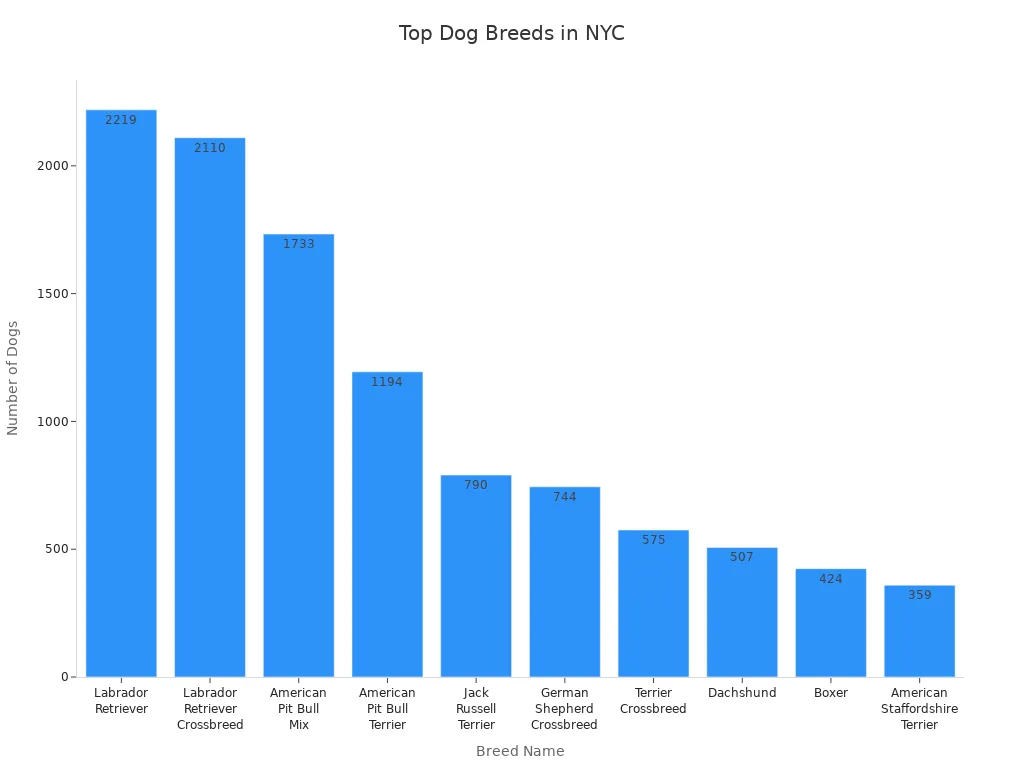
New York City is home to many people and has strict leash laws, which impact how pet businesses operate and help keep pets safe. When choosing leashes, it’s important to select ones that fit each dog’s size, especially for small dog breeds New York pet owners love. Leashes must also comply with city regulations. There are many types of dogs in New York City, including small dog breeds New York residents prefer, as well as larger breeds like German Shepherds. The table below highlights the most popular dog breeds in New York City:
Recommendations in this guide are based on current public guidance from New York City authorities on dog control together with widely accepted veterinary and animal-behavior principles for urban dogs. It is written from the perspective of pet businesses that manage dogs every day in dense city environments, rather than from a purely theoretical point of view.
Breed name | Count | % |
|---|---|---|
Labrador Retriever | 2219 | 12.95 |
Jack Russell Terrier | 790 | 4.61 |
German Shepherd Crossbreed | 744 | 4.34 |
Dachshund | 507 | 2.96 |
Data note: The breed counts in this table are drawn from publicly available New York City dog license statistics. They illustrate relative popularity among licensed dogs and are provided to help pet businesses think about their local breed mix, not as an exact census of every dog in the city.
NYC leash laws require all dogs, including small dog breeds New York families own, to be on leashes when outside. Using the right leash helps keep everyone safe in crowded areas.
StridePaw assists you in choosing leashes for every breed, including small dog breeds New York pet owners have, and helps you set smart policies for your business.
Key Takeaways
Pick leashes that match the dog’s size. This keeps dogs safe and follows NYC leash laws. Use strong leashes for big dogs like German Shepherds. This helps stop accidents in busy places. Teach staff often about how to pick and use leashes. This lowers risks. Group leashes by breed size and exercise needs. This helps customers find the right leash fast. Add reflective parts to leashes. This makes dogs easier to see at night. Do not use retractable leashes in NYC. They can make it hard to control dogs and cause safety problems. Check leash stock often and update it. Make sure you have leashes for the most common breeds nearby. Set clear leash rules for your business. This helps staff and clients know what to do. These recommendations reflect common patterns seen in New York City pet operations and align with public guidance on safe dog handling in crowded environments.
NYC Leash Planning for Mixed Breeds
Business Impact of Breed Diversity
If you run a pet business in New York City, you see many types of dogs. Some are tiny, and some are big like German Shepherds. Recent city housing and health surveys estimate that hundreds of thousands of dogs live in New York, with roughly half a million households owning at least one dog. This mix of breeds and sizes changes what you need to sell and how you work. Small dog breeds New York people pick are usually under 20 pounds, while German Shepherds can weigh two to four times as much. Each breed needs a different kind of leash. If you use the same leash for every dog, you might have safety problems or unhappy customers. You need to choose products that fit the weight and habits of each breed so your business stays safe and aligned with NYC leash laws.
Tip: Check your breed list often. Change your leash choices to fit the most common sizes and habits you see.
Leashes as Risk Management Tools
Leashes do more than keep dogs close to you. They help you stop problems and lower risks. A strong leash keeps dogs from running away or getting hurt. A weak leash can snap and cause trouble on busy NYC streets. You should think of leashes as safety gear, not just things to sell. Teach your staff how to pick and check leashes. You lower risk when you match leash strength and style to each breed.
From a risk and compliance perspective, many insurers and safety consultants treat leash policies in the same way they view workplace safety equipment: as a documented control that can reduce claims, injuries, and legal exposure when something goes wrong. Making your leash standards explicit and training staff on them signals to clients that your business takes safety seriously.
Common Risk Scenarios for Mixed Breeds in NYC:
🏢 Tight hallways in apartment buildings
🚪 Fast-closing elevator doors
🚦 Busy crosswalks at rush hour
🚇 Subway doors and exits
🏙️ Crowded lobbies with lots of dogs
Product Line Planning for All Sizes
You need a simple plan for stocking leashes. Sort your leashes by breed size and how they are used. This helps workers and customers find the right leash fast. Use easy-to-read shelf signs and website filters. Put leashes in groups by weight, length, and special features. Offer harness-friendly and reflective choices. You make your business better and safer when your stock matches NYC leash laws and the mix of breeds.
Checklist for Leash Product Line Planning:
Sort leashes by weight (toy, small, medium, large, extra-large)
Mark shelves and website by breed size and use
Offer harness-friendly leashes for small dog breeds New York owners like
Stock strong leashes for German Shepherds and other big dogs
Add reflective and safe features for city life
Note: StridePaw has city leash choices to help you handle breed mix and rules in NYC.
NYC Dog Density and Leash Laws
Urban Constraints for Pet Businesses
High Dog Density Challenges
City surveys suggest that there are several hundred thousand dogs in New York, and about 530,000 homes have at least one dog. In some dense Manhattan neighborhoods, that means there is roughly one dog for every few residents. This creates real pressure for pet businesses. You have to deal with small spaces, high foot traffic, and many different dogs sharing the same corridors, elevators, and sidewalks. Because the risk of incidents rises with density, your leash selection and policies become part of your overall safety plan, not just a sales decision.
Space is tight in tall buildings and on sidewalks.
Crowds make elevators and lobbies more dangerous.
Many dog sizes mean you need different leashes and rules.
Mixed-Size Dog Population
Small dog breeds and big dogs like German Shepherds share the same places. You need leashes that fit both tiny and strong dogs. Staff must learn to spot what each breed needs. They should know the risks in crowded spots.
Standardized Leash Recommendations
You should make leash rules for all workers and customers. Leashes must help keep dogs safe and under control. Short and strong leashes are best for crowded places. Leashes with reflective parts and harness clips are good for small dogs and German Shepherds.
Leash Law Compliance
6-Foot Rule Overview
NYC leash laws say leashes can’t be longer than six feet. This rule helps you keep dogs safe and under control. Six feet is enough for dogs to move but not get tangled or lost in crowds.
Requirement | Description |
|---|---|
Leash Length | Dogs must be on a leash no longer than six feet. |
Tying/Chaining Duration | Illegal to tie or chain a dog for more than three hours. |
Retractable Leash Risks
Retractable leashes are often too long for city rules. They can make people trip or get tangled. You can lose control of dogs in busy places. Do not sell or suggest retractable leashes for city use. Staff should help customers pick leashes that follow the rules.
Compliance Checklist
You need clear rules and training to follow NYC leash laws. Use this checklist to help your business:
Mark all leashes with their length and best dog size.
Teach staff to help customers follow leash laws.
Do not sell or use leashes that break the rules.
Make your own rules for picking and using leashes.
Check your stock and update your rules often.
Tell staff and customers about your leash rules.
If you do not follow NYC leash laws, you can get fined. The NYPD and Health Department check these rules. You keep your business and clients safe by following the laws.
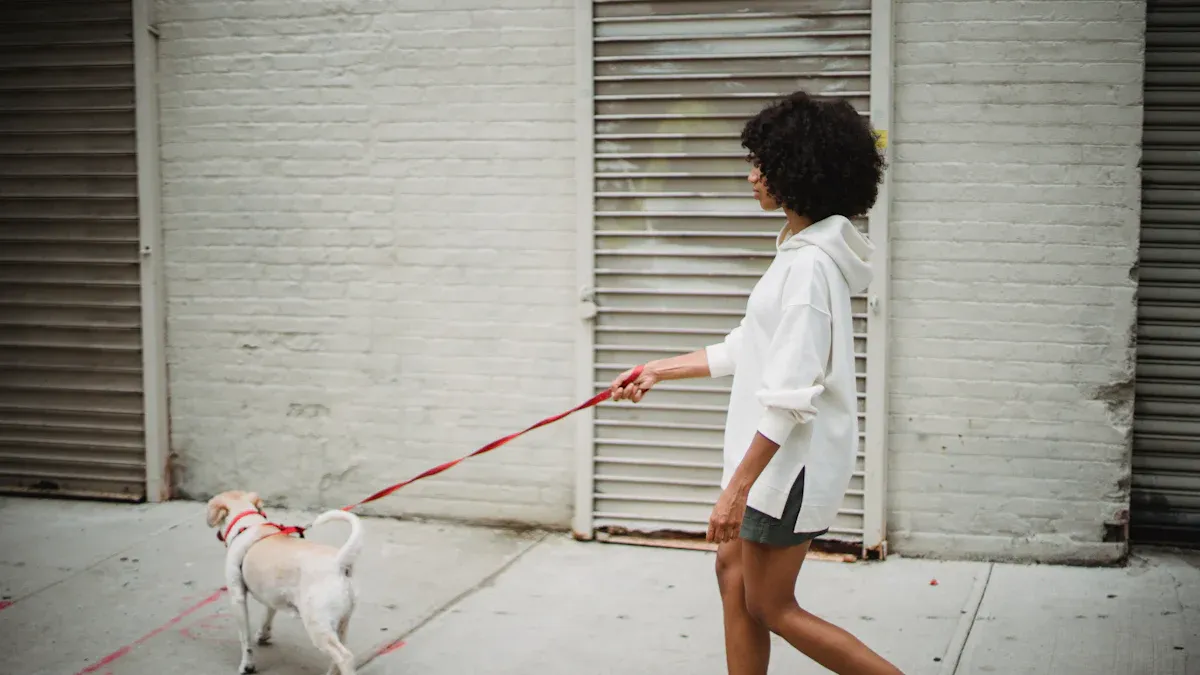
Small Dog Breeds New York: Leash Needs
Popular Breeds and Traits
Common Small Breeds
You see many small dog breeds in New York. These dogs usually weigh less than 20 pounds. Your business needs special plans for these pets. The most common small breeds you will meet are:
Cavalier King Charles Spaniel
Jack Russell Terrier
Poodle (Toy and Miniature)
Miniature Schnauzer
Pomeranian
French Bulldog
Shih Tzu
Dachshund
You should know these breeds when picking leashes. Each breed likes different leash styles and needs different exercise. Your staff must learn to spot these breeds. They should help owners pick the best leash for each dog.
Apartment Suitability
Small dog breeds do well in apartments. These dogs fit in small spaces and like city life. Bulldogs and Shih Tzus need short walks and not much exercise. Jack Russell Terriers need more play and longer walks. You must match leash type to each breed’s energy and apartment life. This helps you follow rules and keeps your business safe.
Risks in Crowded Environments
Trip and Tangle Hazards
Busy sidewalks and lobbies can cause trips and tangles. Small dogs can get tangled with people or other pets. Light leashes help lower these risks. Staff must watch leash length and where they hold it. Dogs may run or weave, making tangles more likely. You need clear leash rules to stop these problems.
Darting and Injury Risks
Small dogs can run off quickly in busy places. This can cause injuries or let them escape. You should use leashes with strong handles and no-pull features. Staff must watch out for dangers like elevators and escalators. Pollution and bad weather can hurt small dogs more than big ones.
Staff Risk Notes
Your team faces special risks with small dogs. Staff must learn to spot theft risks for expensive breeds. Crowded places can make dogs act out or get scared. Loud sounds may frighten dogs and make them run away. Staff should use safe leash features and harnesses for comfort.
Tip: Train staff often on leash fit and safe handling. This lowers problems and helps you follow the rules.
Urban Hazard | Type | Example Risks |
|---|---|---|
Mechanical Dangers | Physical | Injury from escalators, elevators, revolving doors |
Toxic Substances | Physical/Environmental | Eating poison, bleeding, or nerve damage |
Leash Features for Comfort and Fit
Lightweight Leashes (1.2–1.5m)
Stock light leashes between 1.2 and 1.5 meters. These leashes are good for small dogs. They stop neck pain and make walks easier. Thin leashes let dogs move and work well with harnesses. Do not use heavy clips that pull on the dog’s neck.
Harnesses Compatibility
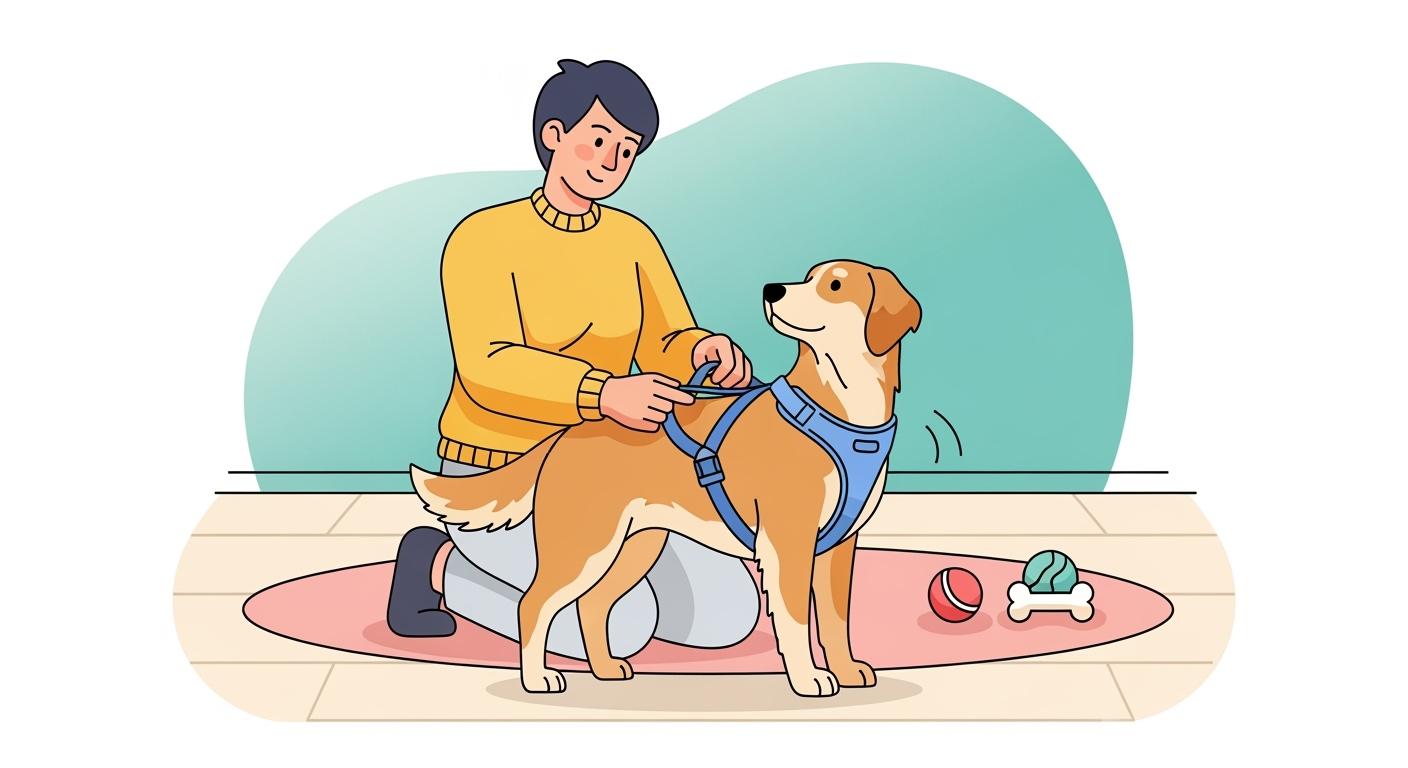
Harnesses are important for small dogs. Pick soft, padded harnesses that fit well and clip in the back. These harnesses stop neck injuries and help control pulling. Staff must check harness fit before every walk. Harnesses should not hurt or stop movement.
Veterinary guidelines often note that small breeds with delicate necks are at higher risk of trachea or neck injury when they pull against a collar, which is why a well-fitted harness is generally recommended for city walks.
Reflective and Safety Features
Choose leashes with bright, reflective parts for safety. Reflective stitching helps people see dogs at night. Strong handles and clips help keep control. Use good materials so leashes last and stay safe in the city.
Small Breed Leash Checklist
Use this checklist to pick leashes for small dogs:
Stock light leashes (1.2–1.5m) for comfort
Offer soft harnesses that fit small breeds
Make sure harnesses fit well and clip in the back
Use soft handles and strong clips for control
Pick leashes with bright, reflective parts for safety
Train staff on safe leash use and no-pull tips
Check leash quality and replace old ones often
Make rules for checking leash fit before walks
Use safe leash and harness features to stop theft or escape
Teach staff about dangers in the city for small dogs
Note: StridePaw has city leashes made for small dogs. These help New York pet businesses stay safe and follow the rules.
German Shepherds: Control and Comfort
Urban Roles and Traits
Strength and Behavior
You see German Shepherds in many New York City pet businesses. These dogs are strong and full of energy. They often pull ahead when walking on a leash. This pulling can keep happening, even after training. German Shepherds notice things quickly and react fast. Their prey drive makes them focus hard on moving things. This can make walking them harder. You need leashes and harnesses that match their strength and personality. The right tactical harness and leash help you keep control every time.
Service and Family Use
German Shepherds do important jobs in the city. They guide people who cannot see. They warn handlers about allergies or health problems. They help pick up things and give support to people with disabilities. These dogs help people with PTSD or anxiety by stopping panic attacks. They also help people who cannot hear by alerting them to sounds. Many families choose German Shepherds because they are loyal and easy to train. You need leash features that work for both service and family dogs. Tactical dog harnesses and no pull harnesses make walks safer and more comfortable.
Leash Risks and Control
Pulling and Handler Safety
German Shepherds pull hard on leashes, especially in busy places. This can be risky for handlers and staff. You need leashes and harnesses that fit their size and strength. Strong handles and tactical designs help you keep control. Some handlers feel nervous because of the dog’s reactivity. Staff should learn to use no pull harnesses and tactical harnesses. With good training, handlers feel safer and have better control, even in crowds.
Reactivity in Crowds
German Shepherds react fast to movement and noise. Their prey drive and sharp eyes can cause sudden pulling. You must be ready for quick lunges or defensive actions. Crowded sidewalks and parks make aggressive moments more likely. You need tactical harnesses and leashes that fit the dog’s behavior. Staff should watch for signs of reactivity and use handles for fast control.
Staff Risk Notes
Your team faces special risks with German Shepherds. If another dog runs up, these dogs may react defensively. Handling two big dogs at once is even more dangerous. Staff must use tactical leashes and harnesses that fit the dog’s size. They should check leash quality before every walk. You need clear rules for dealing with reactivity and aggression in crowds.
Tip: Train your staff often on leash fit, tactical features, and risk management. This keeps everyone safer and helps your business follow the rules.
Leash Features for Fit and Safety
Heavy-Duty Leashes (6 ft)
You should have heavy-duty leashes for German Shepherds. Six-foot leashes follow NYC laws and give enough control. Leather leashes with brass parts last long and do not rust. These leashes work well in the city and hold up to daily walks. Check leash quality often and replace any that are worn out.
Secure Clips and Webbing
Strong clips and tough webbing are needed for German Shepherds. Pick tactical harnesses and leashes that match their strength. Secure clips stop the leash from coming loose. Reinforced webbing helps you keep control during walks.
Traffic Handles
Traffic handles give you more control in busy places. Choose leashes with extra handles for quick grabs and easy changes. Tactical features help staff handle sudden moves and keep dogs safe. Traffic handles help guide dogs through elevators, lobbies, and crosswalks.
Reflective Features
Reflective stitching and bright colors help people see dogs at night. Pick leashes and harnesses that meet city safety rules. Reflective parts help staff and handlers spot dogs in low light. These features lower risk and help your business follow safety rules.
German Shepherd Leash Checklist
Use this checklist to pick leashes and harnesses for German Shepherds in NYC:
Stock heavy-duty leashes (6 ft) for strong control
Choose leather leashes with brass parts for long use
Pick tactical harnesses with secure clips and tough webbing
Offer traffic handles for quick grabs and easy changes
Use reflective parts for safety at night
Train staff on leash fit, tactical features, and risk management
Check leash quality before each walk and replace old ones
Make clear rules for handling reactivity and aggression
Make sure all products follow NYC leash laws and business rules
Work with StridePaw for city leash solutions that fit your needs
Note: Tactical features and good fit are very important for German Shepherds in New York City. You make things safer and better by following this checklist.
Leash Comparison: Small Breeds vs German Shepherds
Feature and Risk Table
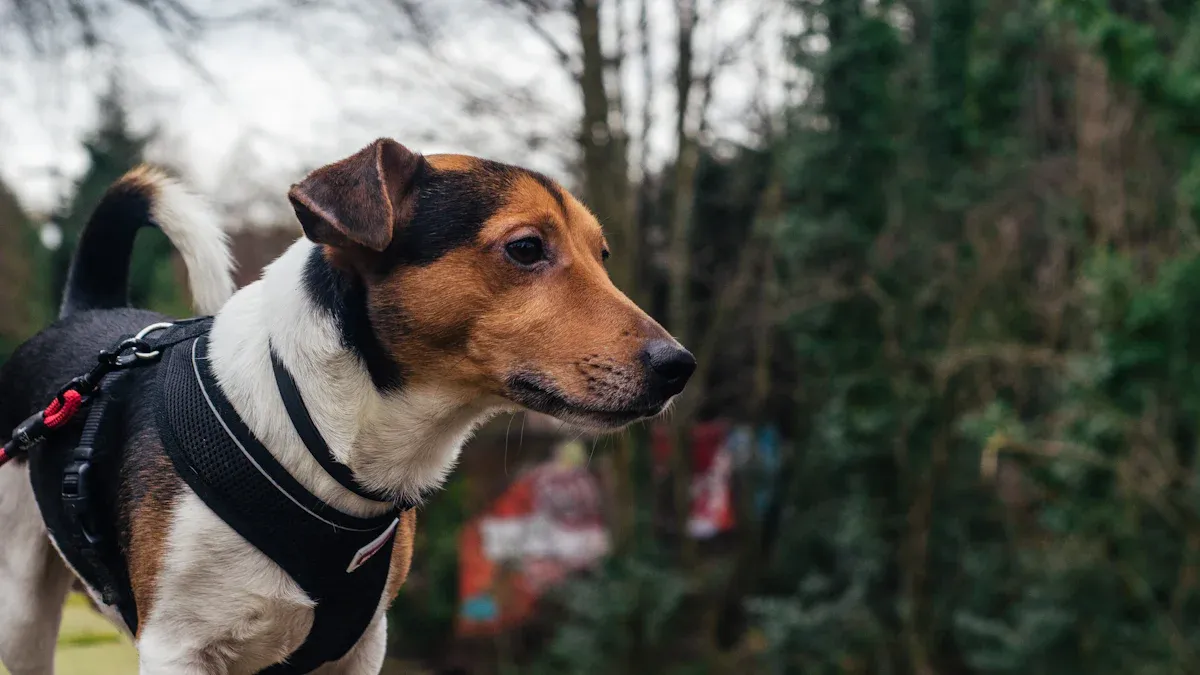
You need to pick leash features that fit each dog’s size and where you work. Small dog breeds and German Shepherds need different things for safe walks and control. The table below shows what each group needs for leashes. Use this table to help your pet business make good choices and keep everyone safe.
Category | Small Breeds | German Shepherds |
|---|---|---|
Comfort | Soft, lightweight materials like nylon or leather | Sturdy materials like leather or thick nylon |
Control | Shorter leashes (4-6 feet) for better control | Secure attachment with heavy-duty hardware |
Durability | Less emphasis on durability due to size | High durability needed to withstand strength |
Tactical Features | Not required; focus on harness compatibility | Essential; traffic handles and tactical harnesses |
Safety | Reflective stitching, padded handle | Reflective features, padded handle, secure clasps |
Tip: Always check leash quality before every walk. Tactical features help you control big dogs in busy places.
Stocking and Recommendation Checklist
You need to have leashes for both small dog breeds and German Shepherds. This checklist helps you pick the right leashes for all dogs and follow NYC leash laws.
Sort leashes by breed size and how much exercise dogs need.
Stock light leashes for small dogs to protect their necks.
Offer leashes that work with harnesses for little pets.
Get strong, tactical leashes for German Shepherds.
Make sure all leashes have soft handles for staff comfort.
Use leashes with reflective parts for safety at night.
Check leashes often and replace any that are worn out.
Train staff to help customers pick the best leash for each dog.
Make sure your leash choices follow NYC leash laws and business rules.
Note: StridePaw has city leashes for pet businesses with many types of dogs.
Staff Training Tips
Your staff needs to know how to use different leashes and handle all kinds of dogs. Good training keeps pets and people safe on walks. Try these ideas to make your training better:
Behavior Issue | Suggested Strategy |
|---|---|
Barking | Use rewards to help dogs bark less |
Lunging | Slowly help dogs get used to things that make them lunge |
Fear/Anxiety | Help dogs feel safe with special training plans |
Impulse Control | Practice exercises to help dogs wait and listen |
Meet with each dog to see what they need before walks.
Make special training plans for dogs with extra needs.
Teach staff about tactical leashes for big dogs in busy places.
Watch dogs during walks to see how they act and learn.
Work with vets to keep dogs safe and healthy during exercise.
Staff should find out why dogs react on leashes, use full training plans, and give rewards for safe walking.
Actionable Strategies for NYC Pet Businesses
Stocking the Right Leash Mix
You need to have leashes for every dog you care for. Small dog breeds and German Shepherds need different leashes for safety. Check your leash supply often to make sure you have the right ones. Stock light leashes for small dogs to stop neck pain. For German Shepherds, use strong leashes with secure clips and traffic handles. These help with pulling and quick moves.
A good leash selection lowers risk and helps you follow rules. Sort leashes by dog size, exercise needs, and leash features. This helps staff pick the right leash before each walk. Dogs get better exercise and stay safe and healthy.
Checklist for Stocking Leashes:
Sort leashes by dog size (small, medium, large)
Include light leashes for small dogs
Stock strong leashes for big dogs
Offer leashes with bright, reflective parts for night walks
Add harness-friendly leashes for better control
Communicating Leash Policies
Clear leash rules help your team and clients know what to do. Put leash rules where everyone can see them. Add them to your pet business handbook. Staff must tell dog owners and walkers about leash needs. Use easy words and pictures to show which leashes are okay for each dog.
Meet with staff often to talk about leash rules and answer questions. Use checklists and quick guides to remind staff about leash choices and walks. When everyone follows the same rules, you lower accident risks and follow NYC leash laws.
Tip: Use posters and digital notes to remind staff and clients about leash rules.
Integrating Leash Selection in Pet Policies
Add leash choices to your pet rules to keep everyone safe. Good pet rules cover leash use, walks, and dog behavior in shared spaces. Update these rules as your business grows or NYC leash laws change.
A strong pet rule should:
Make all dogs wear leashes in shared spaces
Stop dogs from going to the bathroom on property or sidewalks
Make owners pay for any damage their dog causes
Train staff often so everyone knows and follows the rules. Keeping rules the same stops confusion and keeps dogs and owners safe.
Best Practices for Leash Selection in Pet Policies | Description |
|---|---|
Restraints | Add rules about leashes and restraints in shared spaces. |
Consistent Enforcement | Follow rules the same way for everyone. |
Staff Training | Train staff often on pet rules and allowed pets. |
Note: Put pet rules in house rules, not in leases or bylaws. This makes it easy to change rules when needed.
When you add leash choices to your pet rules, you make walks safer and your business more organized.
StridePaw Urban Solutions
You need good ways to manage dogs in the city. StridePaw gives you leash choices for busy parks and sidewalks. These leashes help your business with city dog problems. Every day, you face risks in parks and public places. The right leash system helps stop accidents and keeps you following city rules.
StridePaw makes leashes and harnesses that you can adjust. You use straps to fit many dog sizes, from small pets to big working dogs. This helps your team change the fit fast when a dog’s size or behavior changes. You make things safer and work better with products that fit each situation.
Dog parks in New York City need special care. You see small breeds and German Shepherds in every park. StridePaw’s harness with a handle gives staff more control during busy times. The handle lets you act fast if a dog reacts or if something happens in the park. Leashes that adjust let you make them shorter or longer for different park spaces.
Your business must help every city dog, in parks, on walks, or in lobbies. StridePaw’s products focus on being adjustable and strong. You can trust the harness with a handle for control and comfort. This matters most in parks, where things can change quickly. Adjustable gear means you can help many clients without needing lots of extra stock.
Think about these benefits when you pick StridePaw urban solutions:
Adjustable straps fit many dog sizes and weights.
Harness handles help staff control dogs in busy places.
Adjustable leashes help you follow city leash laws.
Strong materials last through daily walks and park visits.
Reflective parts keep dogs safe in the early morning or at night.
Note: StridePaw urban leashes help your business lower risk, keep staff safe, and follow city rules in parks and public places.
You make things safer and more comfortable when you pick leashes that fit each breed size and follow NYC leash laws. The right leash helps your business lower risks and makes work easier for staff.
Leash selection for small dog breeds New York and German Shepherds keeps your clients, staff, and business reputation safe.
Next steps for your pet business:
Check your leash supply to match breeds and city rules
Teach staff how to use leashes and handle risks
Make sure leash rules follow NYC laws
Ask StridePaw for help with city leash choices
FAQ
What leash length meets NYC leash laws for pet businesses?
Leashes must be six feet or shorter. This length helps you control dogs in busy places. Short leashes also help stop trips and tangles for staff and clients.
How do you select leashes for small dog breeds in New York?
Pick light leashes between 1.2 and 1.5 meters. These leashes work well for small dog breeds in New York. Look for leashes that fit harnesses and have bright, reflective parts for safety.
What features should you prioritize for German Shepherds?
Choose strong leashes with secure clips and tough webbing. Traffic handles help you control German Shepherds. Reflective stitching makes dogs easier to see in the morning or at night.
Why should you avoid retractable leashes in NYC operations?
Retractable leashes are often too long for city rules. They can cause tangles or make you lose control. Fixed-length leashes help keep staff and clients safe and follow NYC leash laws.
How can you train staff for effective leash selection and use?
Train staff often on leash fit and breed risks. Use checklists and pictures to help staff remember rules. Staff should check leashes before walks and follow safety steps.
What role does leash selection play in business risk management?
Picking the right leash lowers accidents and keeps everyone safe. You protect your business by matching leash type to dog size and city rules.
How does StridePaw support urban pet businesses?
StridePaw gives you strong, adjustable leashes and harnesses for city dogs. These products fit many breeds, help staff learn, and follow NYC leash laws.
What is the best way to communicate leash policies to clients and staff?
Put leash rules where everyone can see them. Use easy words and pictures. Meet with staff often and remind clients about leash rules and safety.