Our company builds ERP and merchandising tools for pet and outdoor brands, so we work directly with category managers and store teams who plan dog harness assortments, create planograms, and review return data. The three strategies in this guide are based on that day-to-day work with pet-specialty and omnichannel retailers and are written to help you connect harness merchandising decisions to real sales and fit outcomes.
You need smart merchandising to help shoppers find dog harnesses fast. Try three good strategies: make special sections for each size, use clear signs, and group by chest measurement. Clear separation helps dog owners pick the best fit and lowers returns. You make shopping better for every dog owner, from small breeds to large dog harness needs. These tips work in stores and online, so you can get more sales and less confusion.
Key Takeaways
Keep large and small dog harnesses apart for better safety and fit. This stops injuries and keeps dogs comfortable.
Use clear signs and labels to help shoppers. Big, easy-to-see signs help people find the right harness fast. This cuts down on confusion.
Make special areas just for large dog harnesses. This helps owners look at choices and pick the best one for their dogs.
Use bright colors and easy-to-see hints for large dog harnesses. This lets shoppers spot the right items from far away.
Check and change harness displays often. Keeping displays tidy and up-to-date keeps customers interested and helps sell more.
Why Separate Large Dog Harnesses
Safety & Design Differences
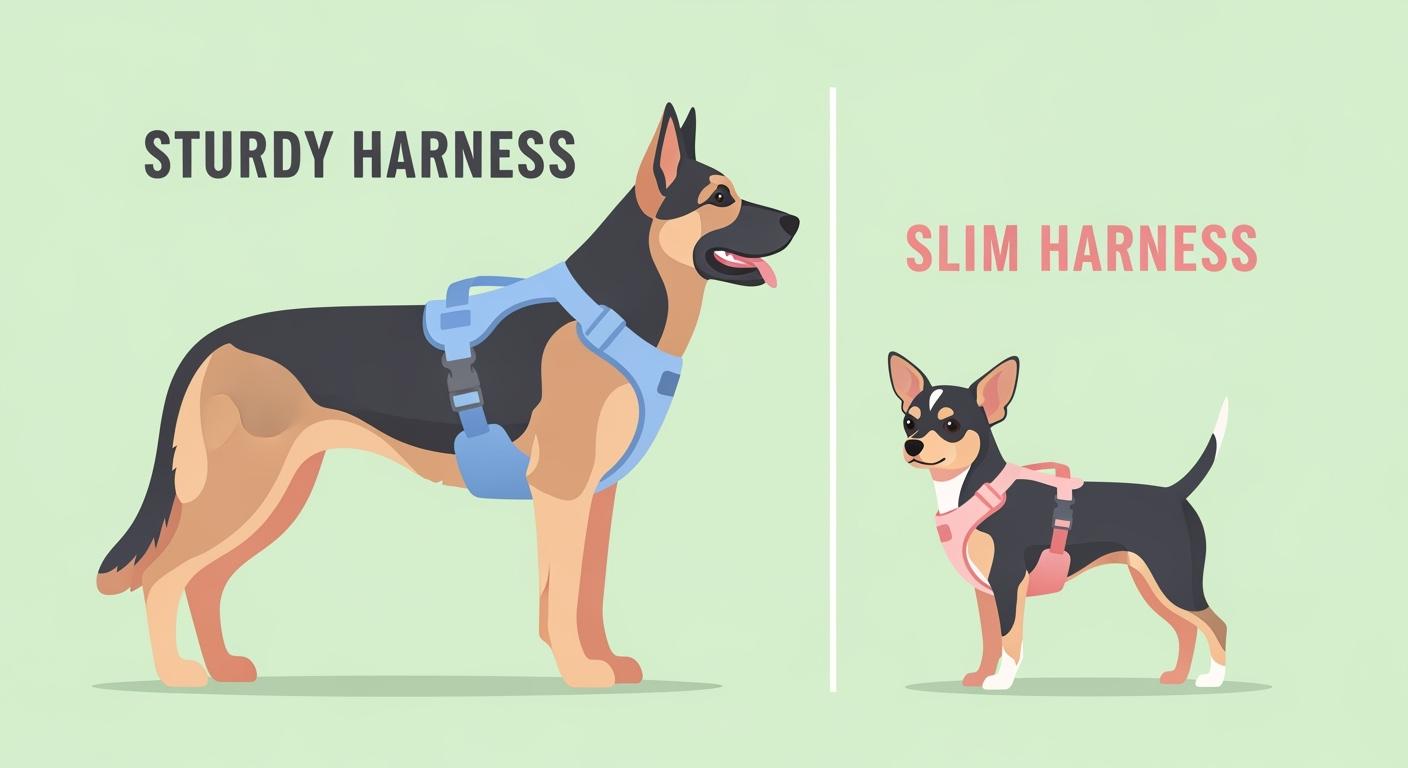
Large dog harnesses need to be kept apart because they have different safety and design needs than small dog harnesses. If a large dog wears the wrong size harness, it can cause problems like muscle strain, limited movement, skin irritation, nerve issues, and a higher chance of escaping during walks. A harness that does not fit well can hurt a dog over time. It may change how the dog walks and cause pain in muscles and bones. Veterinary sports medicine and rehabilitation specialists note that poorly fitted equipment can alter gait and put extra load on joints, especially in large, athletic dogs, so clear sizing and fitting guidance matters for long-term comfort as well as control.
Design Factor | Large Dogs | Small Dogs |
|---|---|---|
Sizing | Larger chest and neck measurements | Smaller, precise measurements |
Material | Durable, heavy-duty materials | Lightweight, soft materials |
Harness Type | Dual-clip or heavy-duty back-clip options | Step-in or padded vest harnesses |
Large Dog Owner Needs
People with large dogs want harnesses that are comfortable, strong, and easy to control. You should offer harnesses with straps that adjust, soft padding, a shape that fits well, and clips in the front. These features help owners keep their dogs safe and comfortable. Most large dog owners want a harness that feels safe and is simple to use. If you put all large dog harnesses together, shoppers can compare them easily and pick the best one for their dog.
Impact of Mixed Harness Displays
If you mix large and small dog harnesses, shoppers get confused. Owners might choose the wrong size, which means more returns and fewer sales. Shoppers with big dogs may feel annoyed if sizes are not clear. Keeping harnesses separated helps customers find what they need. This makes shopping easier and helps stores sell more harnesses.
How Pet Retailers Use These Separation Strategies
When pet retailers review their planograms and POS data by size, they often see the same pattern: mixed walls of small and large harnesses create more “I can’t find my size” questions, slower shopping, and higher fit-related returns. Stores that pilot dedicated bays for large dog harness ranges, with chest-measurement guides and bold signage, report that staff can guide shoppers more quickly and that it is easier to keep size breaks tidy during busy periods. Using your ERP or merchandising system to compare sales and return rates before and after a reset gives you concrete evidence of which layout works best in your own stores.
Large Dog Harness Merchandising Strategies
How Pet Merchandising Experts Think About Size Separation
Pet merchandising guides and fixture suppliers consistently stress that well-planned zoning, clear signage, and consistent planograms are key drivers of sales and shopper satisfaction in pet stores. Industry articles describe visual merchandising as a “silent salesperson” that reduces confusion and encourages impulse purchases when related items are grouped together by size, life stage, and need. Applying those best practices to harnesses means giving large-dog shoppers a clearly marked area where they can compare similar fits and constructions without digging through small sizes.
Dedicated Sections & Adjustable Shelving
Making a special area for large dog harnesses helps owners shop. It lets people find the right size fast. This lowers mistakes when buying. Shelves that move can fit many harness sizes. Gondola shelving is good because you can change shelf heights. Custom displays give your store a special look. Wall units put harnesses where people can see them easily. End units show off new or popular harnesses at aisle ends. Counters near other dog items can make people buy harnesses on impulse.
Tip: Use strong shelves that you can change. Add lots of hooks to keep harnesses neat and easy to look at.
Shelving Type | Description |
|---|---|
Gondola Shelving | You can move shelves for big harnesses. |
Custom Store Displays | These displays fit large harnesses well. |
Retail Wall Units | They save space and show harnesses clearly. |
End Unit Fixtures | They show harnesses at aisle ends to get attention. |
Retail Sales Counters | They put harnesses with other dog things for quick buys. |
Signage and Labeling for Size Clarity
Signs and labels help shoppers find the right harness size. Use big, clear signs over each section. Labels should show chest size and weight. Good labels guide people to the right spot. This stops mistakes and helps shoppers feel sure. Digital signs can show what sizes are in stock.
Clear labels help shoppers find the right harness section.
Good labels tell customers what to expect and make shopping faster.
Signs stop confusion and help people look at choices quickly.
Clear signs make shoppers feel sure and help stores sell more.
Digital signs show what is in stock right now.
Note: If signs are not clear, people may not buy. This can mean more returns and fewer sales.
Large Dog Harness Visual Cues
Visual cues help shoppers see large dog harnesses from far away. Use bright colors like red, blue, or orange for these harnesses. These colors help people spot the right harness fast. Add patches that show the dog’s job, like “service dog in training.” This helps people find special harnesses. Reflective strips and VELCRO® patches make harnesses easy to see and safer for dogs.
Bright colors help large dog owners see harnesses better.
Service dog patches help people find harnesses for special needs.
Reflective strips and VELCRO® patches make harnesses stand out.
Tip: Use color tags or icons to show large dog harnesses. This helps shoppers find what they need and makes shopping easier.
When you use special sections, moving shelves, clear signs, and bright colors, shopping gets easier. These ideas help lower returns, make more sales, and give every dog owner a better time.
Assortment Planning for Large Dog Harnesses
Defining Large Dog Segments
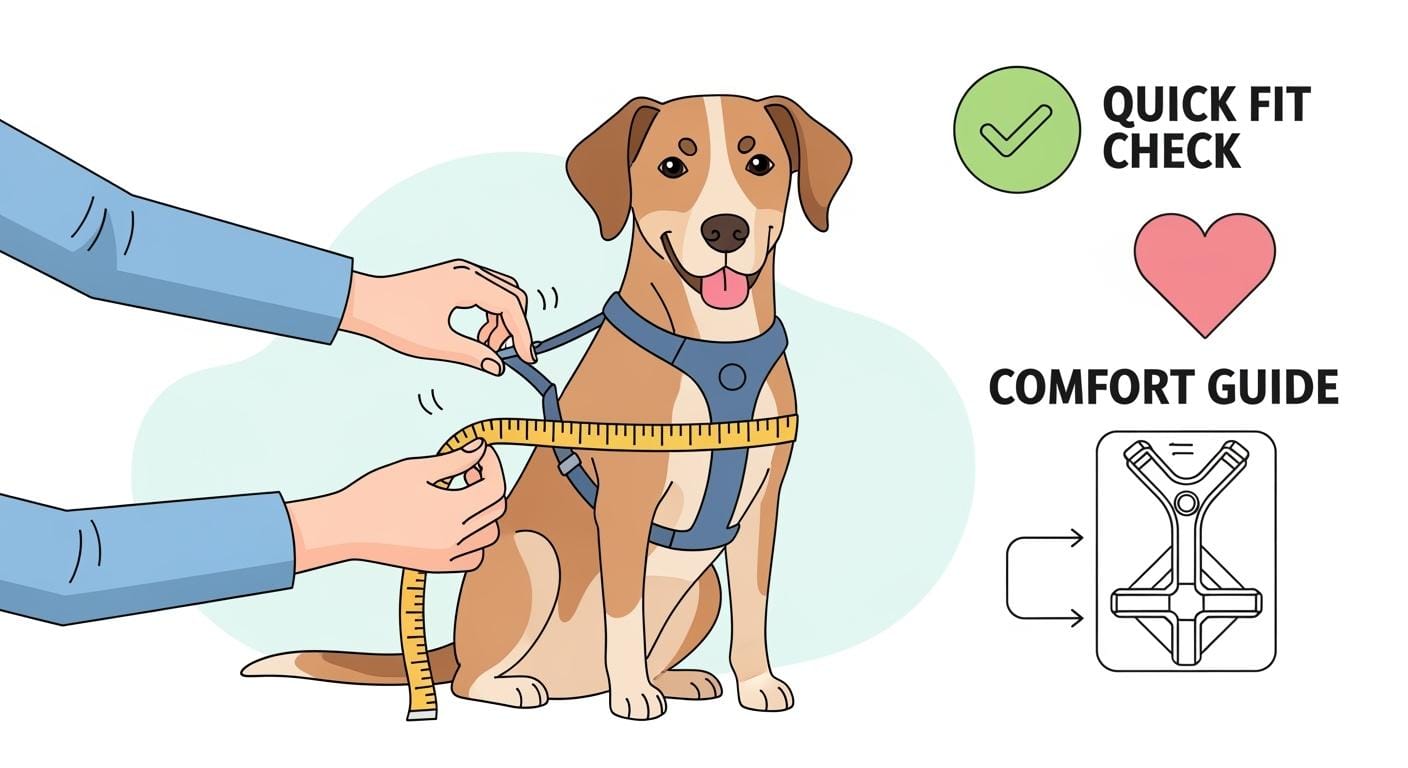
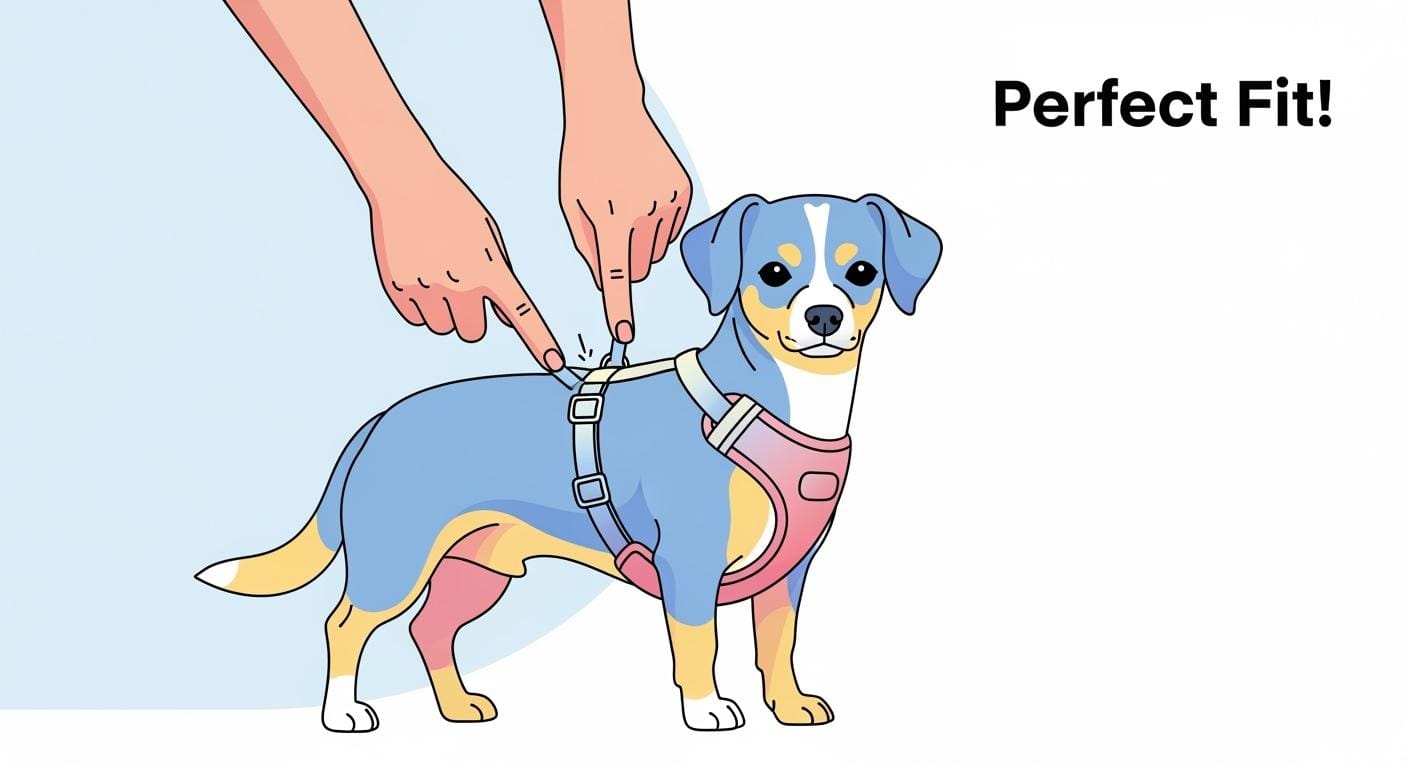
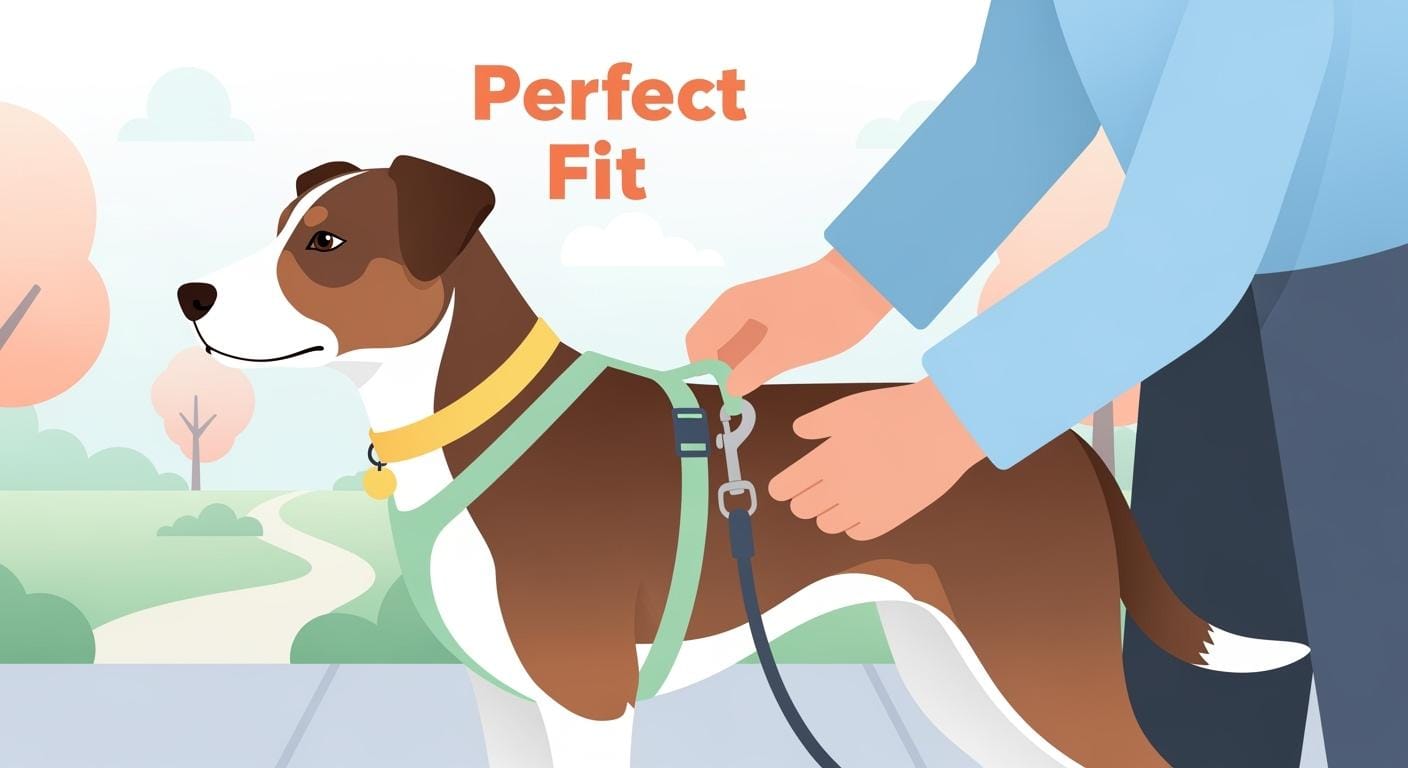
You should make clear groups for large dog harnesses. This helps customers shop easier and lowers returns. First, look at the dog’s size, breed, and how it acts. Measure the dog’s chest and neck to pick the right harness. Staff can show shoppers the two-finger rule for checking fit. Think about how active the dog is when choosing harnesses. People with big dogs want harnesses that feel safe and comfy. You can sort harnesses by chest size and weight. This helps you set up displays that guide shoppers to the right spot.
Check the dog’s size, breed, and how it acts.
Measure chest and neck to get a good fit.
Think about how active the dog is when picking harnesses.
Tip: Teach staff to help with measuring and fitting harnesses. This helps shoppers find the right harness and stops wrong size buys.
Range Structure & SKU Control
You can make your harness choices better by sorting them by features and what customers want. Big pet stores sort large dog harnesses by color, comfort, and design. Changing colors for seasons and using bright combos gets attention. Custom names and patches make harnesses special for big dogs. Using earth-friendly materials and new features makes your harnesses stand out. You should keep enough choices but also make sure you sell old stock fast.
Feature Type | Description |
|---|---|
Color Options | Seasonal, gender-neutral, high-contrast, and classic staples |
Customization | Embroidery, patches, matching accessories, limited editions |
Innovative Features | Unique elements that differentiate products |
Eco-Friendly Materials | Sustainable choices for premium positioning |
Practical Designs | Simplify daily activities for busy dog owners |
Comfort Elements | Enhance comfort for both dogs and their owners |
Cross-Category Coordination
Putting harnesses near other dog items helps more people buy. Place harnesses close to bowls, feeders, and grooming tools. This makes shoppers buy more and helps them find things faster. You can also put harnesses with training gear and outdoor stuff. This gives dog owners everything they need in one place.
| Strategy | Example |
|---|---|
| Cross-merchandising | Place large dog harnesses next to matching leashes, collars, and waste bag dispensers to create a complete walking set. |
| Related product placement | Merchandise large dog harnesses close to training gear, car restraints, or outdoor products so shoppers can build a full solution in one zone. |
Makes pet products seem more useful
Helps shoppers find things faster
Gets more impulse buys by smart placement
Note: Putting large dog harnesses with other dog items makes people buy more and helps your store grow online and in person.
Optimizing Product Flow & Online Navigation
Grouping by Size and Breed
You can make shopping easier by sorting harnesses by size and breed. Put large dog harnesses in special spots with bright colors or icons. This helps people with big dogs find the right harness fast. Use chest measurement guides and the two-finger rule for safety. Set up displays so each size is easy to see. Thematic zones in your planogram help shoppers move around and buy more. When you put harnesses with matching products, you help shoppers finish their shopping and increase sales.
Evidence Type | Description |
|---|---|
Optimized Product Placement | Good merchandising helps customers find things and buy more. |
Thematic Zoning | Store zones make shopping faster and better for customers. |
Complementary Product Grouping | Putting related items together makes people buy more. |
E-commerce Size Segmentation
Online stores need clear size groups to lower returns and help people buy. Make detailed product pages with easy measurement guides and size charts. Offer many sizes, including ones for certain breeds, to help all customers. Use reviews and photos from shoppers to build trust and show how harnesses fit. Tech tools like NFC tags and special designs help with size choices. Online shopping lets people compare harnesses and pick the best one for their dog.
Most harness returns happen because of sizing mistakes, so clear size groups help.
Good guides and charts make shoppers happy and bring them back.
Breed-specific choices meet special needs and help more people buy.
Online stores use tech and easy tools to help shoppers compare.
Pictures and reviews from shoppers can help stores earn more, get more sales, and raise order amounts.
Using Data and Merchandising Audits to Back Up Your Planogram
Pet retail merchandising guides recommend combining visual checks with photo audits and sales data to see which layouts really work. With an ERP or merchandising app, store staff can upload photos of large-dog harness bays, score compliance with the planogram, and track how changes in separation or signage affect sales, basket size, and return rates. This data-driven approach matches the way many pet retailers now optimize other high-value categories, from food to aquatics.
QC Checklist for Harness Displays
A quality control checklist keeps harness displays neat and easy to shop. Check your planogram often to make sure size groups, colors, and icons are clear. Make sure chest measurement guides and signs are easy to see. Keep displays tidy and harnesses easy to grab. Put harnesses near matching products to help shoppers buy more. Update your displays for new trends and features.
Harness Display QC Checklist:
Are size groups and icons easy to see for each harness?
Is chest measurement signage clear and correct?
Are displays neat and easy to reach?
Are harnesses with matching products?
Has the planogram changed for new trends and features?
Tip: Checking your planogram often helps shoppers find the right size and lowers mistakes.
You can split large and small dog harness ranges in smart ways. Use special sections, clear signs, and group by size. These steps help customers find the right harness fast. Shoppers feel happier and return fewer items. Stores sell more and make shopping easier for pet owners. First, look at your harness choices and use tools to set up displays. Check if stores follow the plan and fix problems. Look at sales numbers and what shoppers say often. Change your harness groups when seasons change. Start now to make harness displays better everywhere.
About This Merchandising Guide
This guide is written for pet retailers, brands, and distributors that manage dog harness assortments across stores and ecommerce. The recommendations combine what we see in daily work with pet retailers using our ERP and merchandising tools with public guidance from pet industry research providers and merchandising experts. Trade associations such as the American Pet Products Association (APPA) publish pet owner insights that help define target segments, while retail advisors and fixture suppliers share best practices on zoning, signage, and planogram compliance for pet stores. Using those external references together with your own sales and return data gives you a stronger, evidence-based approach to separating large and small dog harness ranges.
FAQ
How do you decide which harnesses belong in the large dog range?
Group harnesses by chest size and weight. Use the two-finger rule to check fit. This helps stores make clear size groups. It also makes shopping easier for people with big dogs.
Why is clear size separation important for pet-focused businesses?
Clear size groups stop people from buying the wrong size. This means fewer returns. When you sort by size, shoppers find what they need faster. This helps more people buy and makes shopping better everywhere.
What visual cues work best for large dog harness accessories?
Use bright colors, bold icons, and clear signs. These help people with big dogs find what they need fast. You can use these in stores and online to guide shoppers to the right spot.
How often should you review your harness accessories assortment?
Check your harness choices and displays often. Look for new trends and what customers say. This helps stores keep up with what people want. It also makes sure each size has the right spot.
Can you cross-merchandise large dog harness accessories with other products?
Yes, you can put large dog harnesses near things like leashes or grooming tools. This helps people buy more and makes shopping easier for everyone.