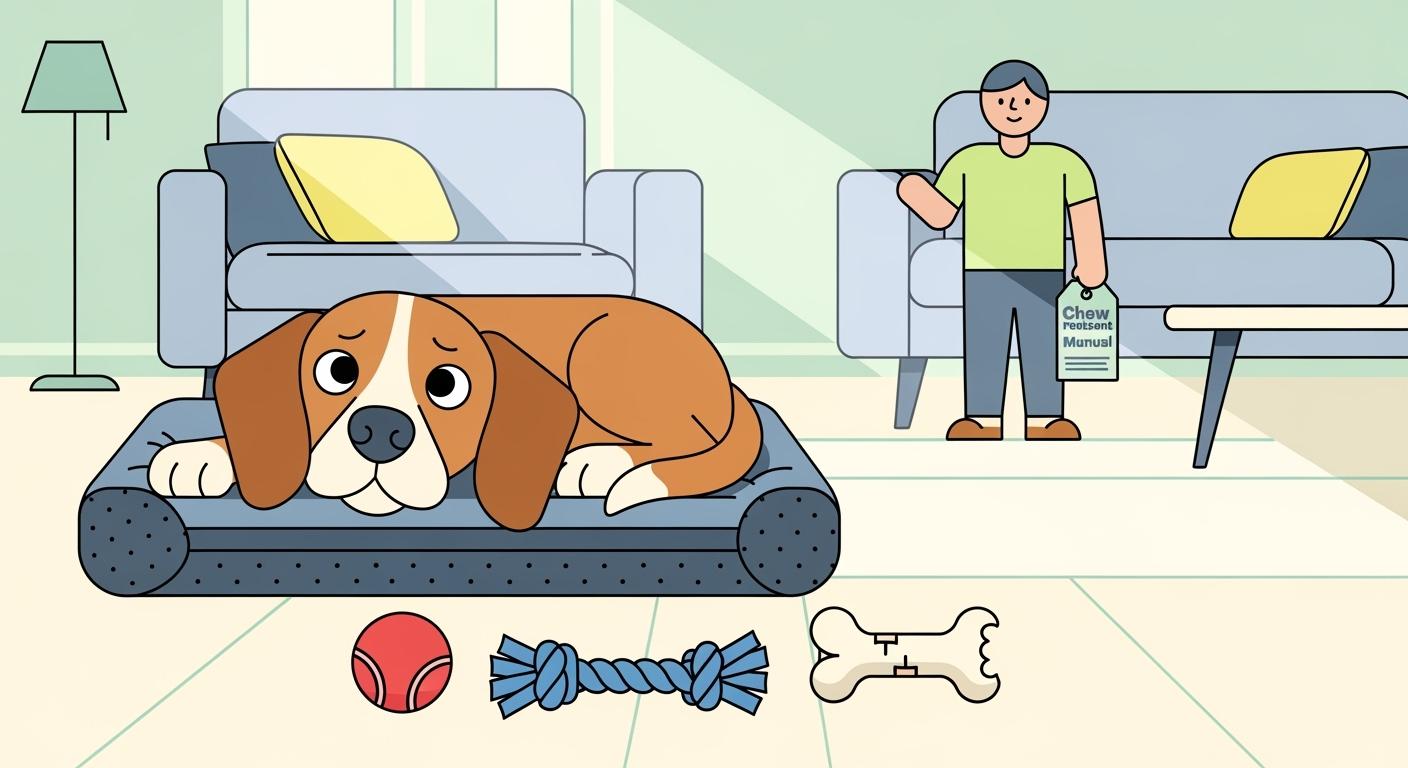
A tough chew dog bed can be a safer place to rest only if it matches your dog’s chew style, stays comfortable after repeated use, and is checked often for damage. A tougher cover does not automatically make a bed safer. Veterinary behavior guidance treats destructive chewing as a behavior pattern as well as a product issue, so bed choice works best alongside supervision, enrichment, and a setup your dog can settle on calmly.
Key Takeaways
- Choose a tough chew dog bed that matches your dog’s chewing habits and resting style. Observe your dog to find the best fit.
- Regularly inspect the bed for damage, loose threads, or exposed fill. Remove the bed if you see any risks to keep your dog safe.
- Maintain hygiene by cleaning the bed weekly and using pet-safe detergents. A clean bed supports your dog’s health and comfort.
Tough Chew Dog Bed Suitability Checks
Many tough chew dog beds look strong at first glance. You may see thick fabric, reinforced seams, or bold claims, but the real test comes when your dog targets weak spots such as seams, zippers, piping, corners, or exposed fill. A tougher bed does not mean chew-proof or indestructible. Veterinary behaviorists Debra Horwitz, DVM, DACVB, and Gary Landsberg, DVM, DACVB, DECAWBM, emphasize that understanding the cause and motivation for chewing matters before treating destructive chewing as a product problem. You need to judge whether the bed matches your dog’s chewing pattern, resting style, and ability to settle safely during regular or unsupervised rest.
Chew pattern and resting style
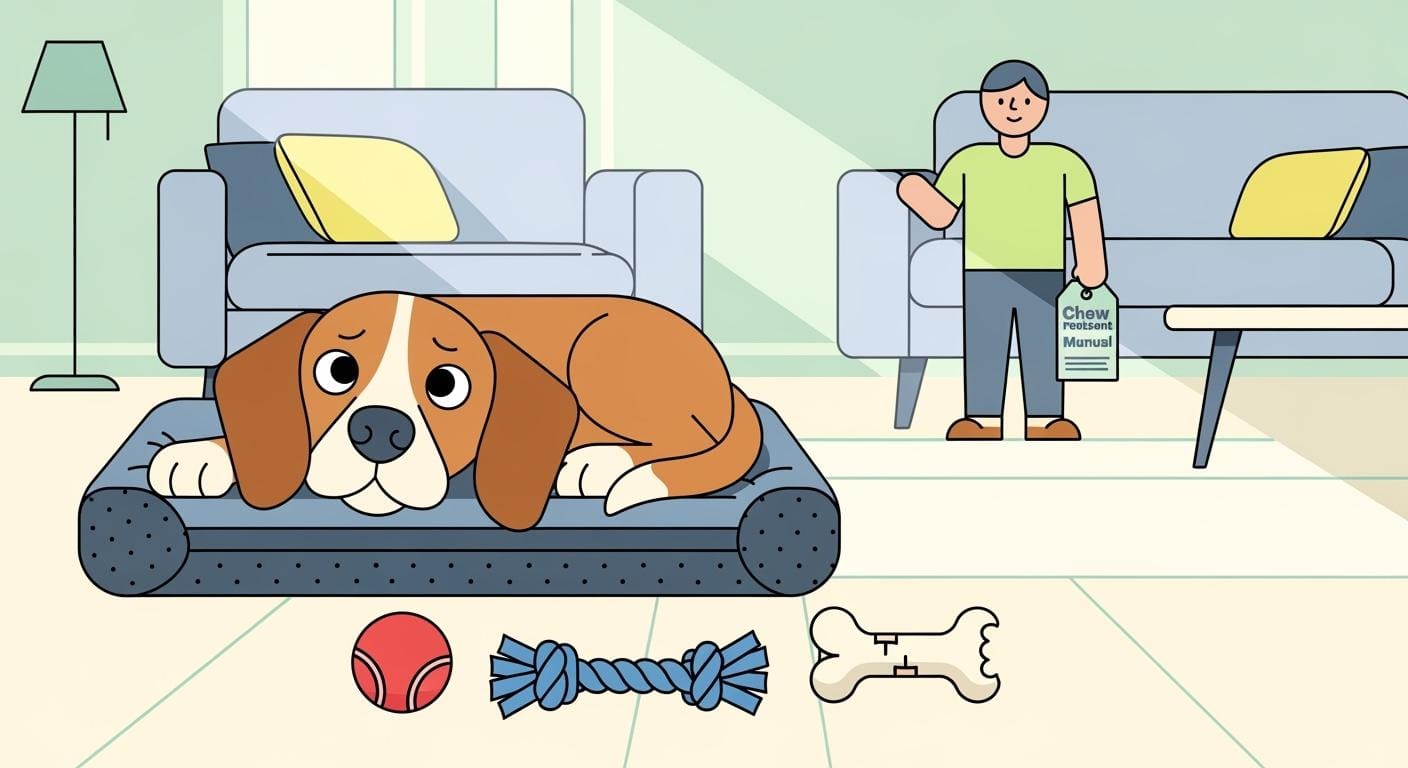
Every dog has a unique chewing pattern. Some dogs scratch surfaces. Others bite edges or pull at seams. Heavy chewers may target zippers or corners. You need to match the bed’s design to your dog’s habits. If your dog chews at seams, look for beds with hidden or reinforced seams. If your dog likes to dig, choose a bed with a tough surface and stable frame. Dogs that chew fill need beds with isolated fill and strong covers. You must observe your dog’s resting style. Some dogs stretch out. Others curl up or nest. The best chew-proof dog bed fits both chewing and resting needs.
Tip: Watch your dog during the first week with a new bed. Take notes on what parts your dog targets and how your dog settles.
Exposed parts and risk signs
Exposed parts can quickly become chew targets. Loose fabric, piping, or zippers attract dogs, and pulled-off pieces can create a swallowing risk. Check for exposed seams, corners, or fill after each use. If you see torn fabric, loose threads, or missing pieces, remove the bed or limit access until you repair or replace it. AKC health guidance notes that vomiting, gagging, lethargy, loss of appetite, diarrhea, straining to defecate, or abdominal pain after possible foreign-body ingestion should not be ignored. AKC Chief Veterinarian Dr. Jerry Klein also notes that long, linear material can be especially hazardous once swallowed.
Settling comfort and unsupervised use
Comfort matters for rest and health. A tough chew dog bed should provide support and comfort. Dogs need a soft, stable surface. Beds that become too hard, hot, noisy, or unstable lose their value. You must check if your dog settles easily. Watch for signs of discomfort, such as pacing, digging, or avoiding the bed. If your dog cannot rest, the bed fails its purpose. Unsupervised use increases risk. Inspect the bed regularly. Remove the bed if you see damage or swallowing risk.
Common mistakes with chew-proof dog beds
Dog owners often make mistakes when choosing chew-resistant beds. Many focus on thick fabric or dark colors even when those choices trap heat or stay damp. Some overlook edge exposure or assume every reinforced bed is safe for dogs that pull at seams or fabric. Others expect the bed itself to solve destructive chewing. Horwitz and Landsberg note that the cause of chewing matters, and behavior rooted in anxiety, confinement stress, or under-stimulation usually needs more than a tougher resting surface. You should prioritize support, comfort, stability, and easy inspection over appearance or marketing claims.
Note: A stronger cover can reduce wear, but it does not replace supervision, behavior management, or routine safety checks. Judge the bed by how it holds up, how your dog settles on it, and whether damaged parts stay contained.
Pass/fail checklist table
| Check item | Pass signal | Fail signal | Fix |
|---|---|---|---|
| Chew pattern match | Dog ignores seams, edges, fill | Dog targets seams, corners, fill | Choose bed with hidden seams, isolated fill |
| Exposed-part risk | No loose fabric, piping, or zippers | Loose threads, torn fabric, exposed fill | Inspect bed, restrict use, repair or replace |
| Settling comfort | Dog settles easily, rests well | Dog avoids bed, shows discomfort | Try different bed, check support and comfort |
| Cleaning routine | Bed stays clean, dry, padded | Bed smells, stays wet, dirt builds up | Wash weekly, use raised bed, inspect regularly |
| Chew-proof warranty | Clear warranty, easy claim process | No warranty, unclear guarantees | Check for chew-proof warranty and chew-proof guarantees |
Quick check: If your dog destroys bedding during confinement, change the setup and review the cause of the chewing. Do not rely on a tougher bed as the only answer.
Best Chew-Proof Dog Bed Materials & Construction
Cover integrity and edge protection
You want a tough chew dog bed that can handle daily use and active dogs. Cover integrity means the outer shell keeps its shape, resists wear, and does not create new chew targets as it ages. That matters because the cover helps protect the supportive core and keeps torn material from becoming easier to grab. Many beds use tightly woven nylon or canvas for abrasion resistance. Edge protection matters just as much. Dogs often target corners, piping, and seams first, so hidden seams or reinforced edge construction usually age better than exposed decorative details. Check the cover after washing and after heavy use for tears, loose threads, or worn spots.
Tip: Choose beds with removable covers for easier cleaning and inspection. Removable covers help you spot damage early and keep the bed fresh.
Seam, closure, and fill isolation
Seams and closures are common targets for chewing. Dogs may pull at zippers, buttons, or Velcro. Exposed seams or closures can lead to quick damage. You should look for beds with hidden zippers or covered closures. This design keeps tempting parts out of sight. Fill isolation is also important. If your dog chews through the cover, exposed fill can become a choking or swallowing risk. Beds with inner liners or double covers add a layer of safety. You should check that the fill stays inside, even if the outer cover gets damaged. Beds with strong seam stitching and protected closures offer better support and safety.
Choosing between cot, mat, or padded dog beds
You have several choices when picking chew-proof dog beds. Each type has strengths and weaknesses.
- Elevated cot beds use a sturdy frame and a stretched fabric surface. These beds keep dogs off the ground and allow air to flow underneath. Cot beds work well for dogs that get hot or need a dry surface. The frame protects the edges, but some dogs may chew on the corners or legs.
- Padded beds offer more comfort and support. They use thick foam or fiber fill for softness. These beds suit dogs that like to nest or need extra joint support. Padded beds may have more seams and edges, so you should check for hidden zippers and strong covers.
- Mat-style beds are flat and simple. They fit well in crates or cars. Mats use less fill and have fewer seams, which lowers the risk of chewing. Mats may not give as much comfort for older dogs or those with joint issues.
You should match the bed type to your dog’s chewing habits, comfort needs, and resting style.
Comparison table
| Feature/Option | Elevated Cot Bed | Padded Bed | Mat-Style Bed |
|---|---|---|---|
| Structure | Metal/plastic frame, tight fabric | Foam/fiber fill, fabric cover | Thin fill, fabric shell |
| Comfort | Firm, cool, less padding | Soft, supportive, padded | Basic, less support |
| Chew Target Risk | Frame corners, fabric edges | Seams, zippers, corners | Edges, corners |
| Removable Covers | Sometimes | Often | Often |
| Cleaning | Easy to wipe, quick dry | Machine washable covers | Machine washable |
| Best For | Hot climates, outdoor use | Nesters, joint support | Crates, travel, light chewers |
You should inspect each bed for cover strength, seam protection, and fill isolation. Beds with chew-resistant materials and removable covers make cleaning and maintenance easier. Always check for signs of wear and replace the bed if you see damage. This helps keep your dog safe and comfortable.
Hygiene Best Practices & Safety Upkeep

Clean, dry, and padded condition
You need to keep your tough chew dog bed clean, dry, and padded. Dirt, moisture, and flattened fill can make a bed less comfortable and harder to inspect. A simple routine works best: vacuum off hair and dirt, spot-clean fresh messes with a mild pet-safe cleaner, and let every layer dry fully before reuse. Follow the care label instead of assuming every cover can take the same washing method. Regular upkeep makes it easier to notice wear before it becomes a safety problem.
- Remove hair, dirt, and crumbs before stains set in.
- Spot-clean fresh messes with a mild cleaner that matches the care label.
- Wash removable covers as directed by the label.
- Dry covers and inner parts completely before reuse.
- Check seams, corners, and hidden closures while the bed is clean and empty.
- Increase cleaning frequency when the bed stays damp, smells musty, or collects heavy debris.
Stop-use signals and swallowing risk
You must watch for signs that show the bed is no longer safe. Remove it if you see exposed fill, broken frame parts, missing fabric pieces, or damage that your dog can keep picking at. If you suspect your dog swallowed part of the bed, monitor closely and contact your veterinarian promptly if you notice vomiting, diarrhea, loss of appetite, lethargy, repeated gagging, straining to defecate, or abdominal discomfort. Those are the kinds of warning signs veterinary guidance treats seriously after possible foreign-body ingestion.
Note: If you suspect swallowed material, do not wait for the bed to get worse before acting. Remove access, keep the damaged pieces for reference, and contact your veterinarian if symptoms start.
Weekly cleaning and label guidance
Clean on a schedule that matches odor, dirt, moisture, and wear rather than following a single rule for every dog. Some beds need weekly washing, while others need more frequent spot cleaning and less frequent full washing. Always check the care label first and use a mild detergent that rinses clean. Regular maintenance supports comfort and makes damage easier to spot early.
Troubleshooting table
| Symptom | Likely cause | Fast check | Fix |
|---|---|---|---|
| Bed smells bad | Dirt, moisture, germs | Sniff and check for stains | Wash, dry, use baking soda |
| Wet or soggy bed | Poor drying, spills | Touch for dampness | Dry fully, use raised bed |
| Torn fabric or fill | Chewing, rough use | Inspect seams and corners | Remove bed, repair or replace |
| Skin irritation | Detergent residue | Check dog’s skin | Use fragrance-free detergent |
| Swallowed pieces | Chewing, loose parts | Look for missing pieces | Remove bed, call vet |
Disclaimer: This guide does not replace medical advice. If your dog shows signs of illness, contact your veterinarian.
You keep a tough chew dog bed safer by matching it to your dog’s chewing habits, comfort needs, and rest pattern. Inspect the bed often, remove it when damaged parts become reachable, and clean it on a routine that fits actual wear. A stronger bed can help, but regular checks and early removal of damaged bedding matter just as much.
Tip: Replace the bed if torn fabric, exposed fill, broken hardware, or repeated chewing makes the resting surface unsafe.
FAQ
How often should you inspect your tough chew dog bed?
You should check the bed daily for damage, loose threads, or exposed fill. Quick inspections help you spot risks before your dog gets hurt.
What signs show your dog bed needs replacement?
Look for torn fabric, flat or shifted padding, exposed fill, broken frame parts, or missing pieces. If your dog keeps targeting damaged areas or stops settling comfortably, replace the bed rather than trying to stretch its life.
Tip: Remove the bed right away if you notice swallowed material, worsening damage, or signs that your dog may have ingested part of it.
Can you wash all tough chew dog beds in a machine?
Check the care label first. Some beds have removable covers that you can wash. Others need spot cleaning or air drying to protect the material.