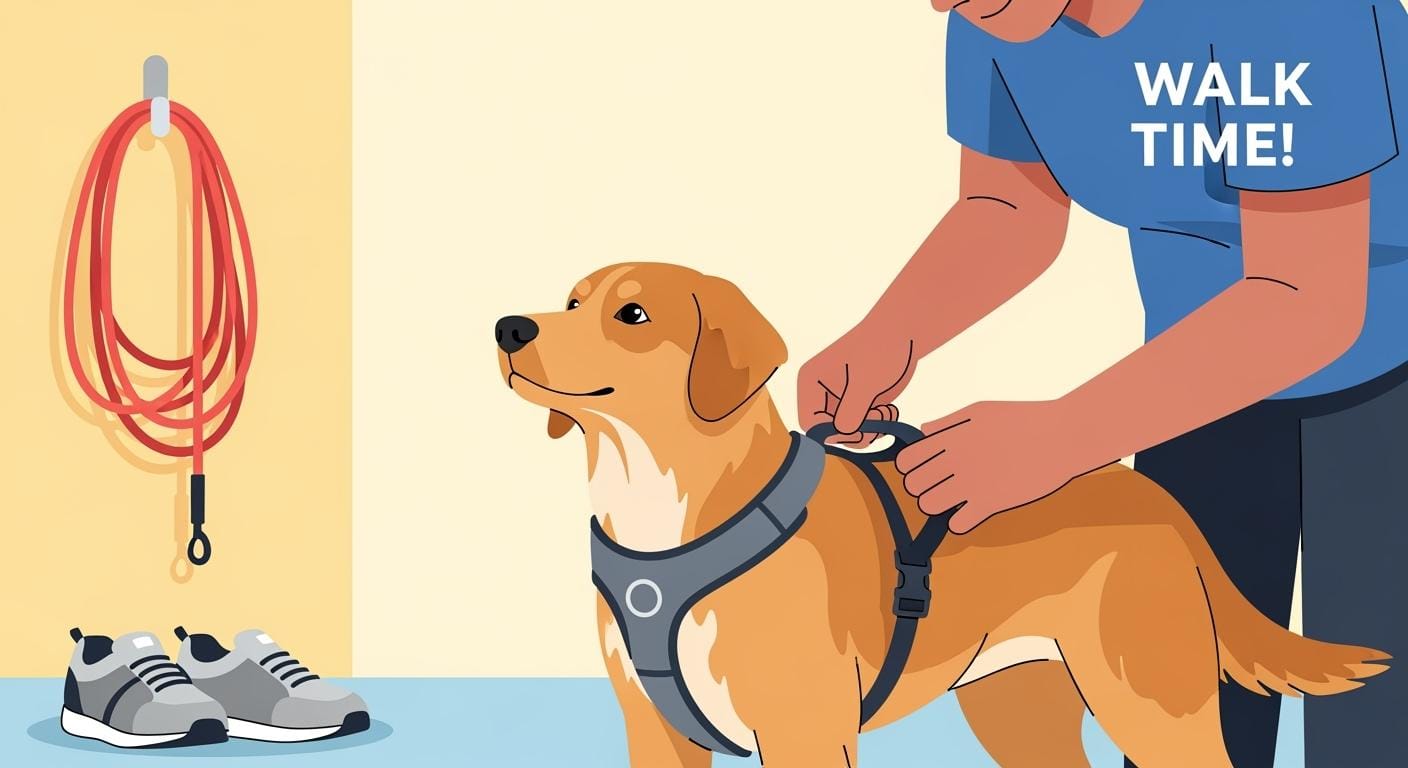
Many people who have dogs struggle with twisted straps when learning how to put dog harness on correctly. Harnesses can shift or rub your dog’s elbows if not fitted properly. It’s essential to do more than just buckle the harness; you should also check the fit after your dog walks around. Safety begins with clear steps for putting on a dog harness. Additionally, you need to perform simple checks to ensure everything is secure. Always follow these steps to put the dog harness on right.
This article does not give medical advice. Always ask your veterinarian if you have health questions.
Key Takeaways
Always check the harness fit before every walk. Ensure it is snug but not tight, allowing one or two fingers to fit under each strap.
Watch your dog move after putting on the harness. Look for signs of discomfort, like rubbing or restricted movement, and adjust the fit as needed.
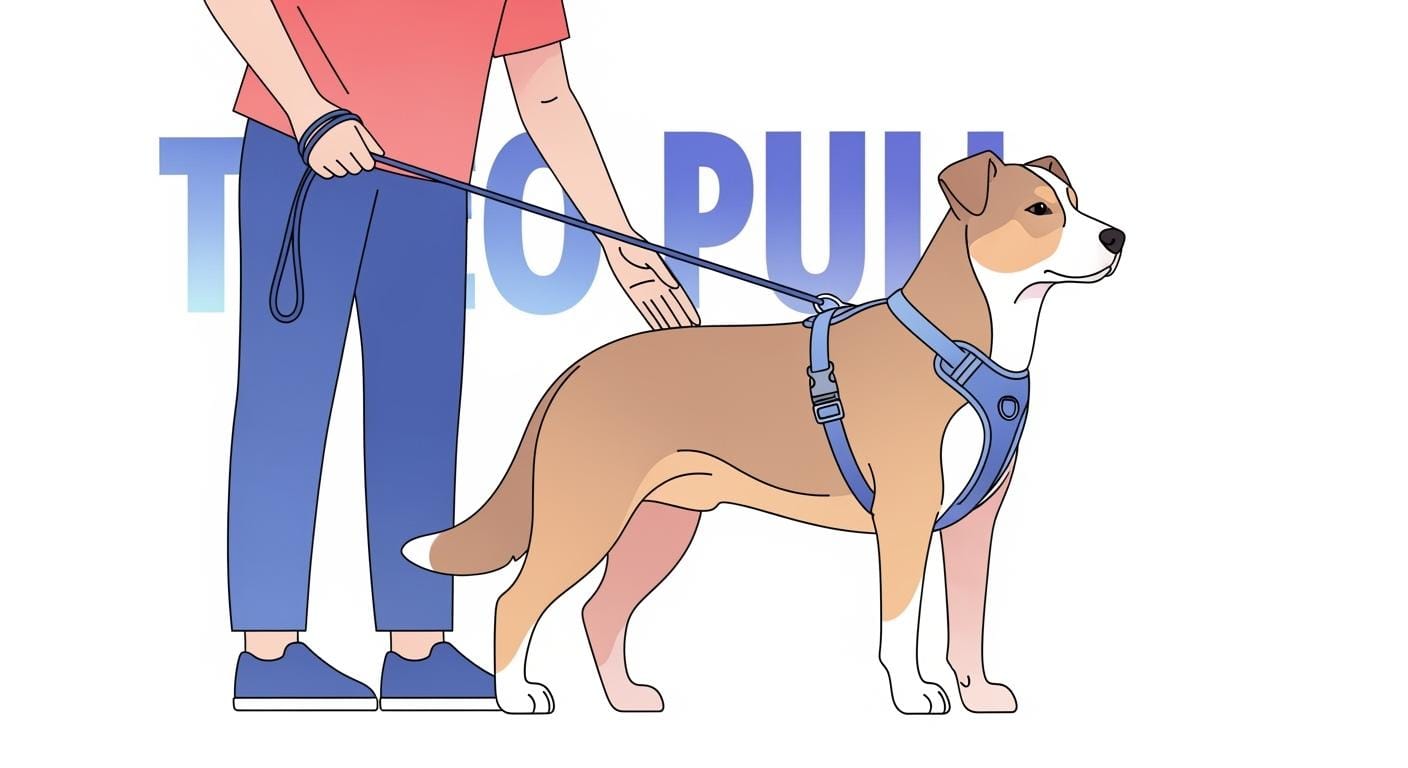
Use the correct clip point for the leash based on your harness style. This helps maintain control and keeps your dog safe during walks.
How to Put On a Dog Harness Step by Step
Putting on a dog harness the right way helps keep your dog safe and comfortable. You need to check the harness before every walk. Follow these steps to avoid common mistakes and make sure your dog enjoys every outing.
Identify Neck Opening and Chest Panel
Start by finding the neck opening and the chest panel. The neck opening usually sits at the base of your dog’s neck, where the neck meets the shoulders. The chest panel should rest flat against the widest part of your dog’s chest, just behind the front legs. If you use a step-in harness or a step-in dog harness, lay it flat on the ground and guide your dog’s front legs into the openings. For overhead harnesses, slip the neck loop over your dog’s head first.
Tip: Always check the harness label or instructions for the correct orientation. Some harnesses have a logo or tag that should face up.
Place Harness Without Twisted Straps
Lay the harness out and check that all straps are flat and untwisted. Twisted straps can cause rubbing or pressure points. Hold the harness up and shake it gently to let the straps fall into place. When you put on a dog harness, make sure each strap sits smoothly against your dog’s body. For a step-in dog harness, double-check that both legs are in the correct openings before you start fastening.
Clip and Adjust Evenly
Buckle the harness, starting with the chest or belly strap.
Adjust the straps on both sides so the harness sits evenly and does not tilt or shift.
Check for twisting or bunching after your dog moves. Straps should stay flat.
Make sure the belly strap sits behind the front legs, leaving enough room for the elbows to move.
Use the finger-check rule: slide one finger under each strap for small dogs, or two fingers for large dogs. The harness should feel snug but not tight.
After you clip all buckles, check that the harness stays centered as your dog walks and turns.
Watch your dog walk, turn, and back up. The harness should not restrict movement or cause a stiff stride.
Test back-out resistance by gently asking your dog to back up. If the harness slips off, tighten the straps or try a more secure design.
After the walk, check your dog’s skin for redness or swelling. Adjust or change the harness if you see any problems.
Safety Note: Always attach leash to harness at the recommended clip point for your harness style. Never leave a harness on your dog unsupervised.
Pass/Fail Fit Checklist Table
Check Item | Pass Signal | Abnormal Signal | Solution |
|---|---|---|---|
Finger-check fit | 1-2 fingers fit under each strap | Too tight or too loose | Adjust straps for a snug fit |
Centered harness | Harness stays centered during walk | Slides, rotates, or shifts | Refit and tighten straps evenly |
Shoulder freedom | Dog moves freely, no crowding | Restricts movement or rubs | Loosen straps or try a different harness |
Skin check | No redness or swelling after walk | Redness, swelling, or sores | Loosen fit or switch harness style |
Escape risk | No gaps, secure clips | Gaps, loose straps, easy escape | Tighten straps and check all fasteners |
Harness Type Comparison Table
Harness Type | Design Features | Best For | Padding | Handle | How to Put It On | Impact on Movement |
|---|---|---|---|---|---|---|
Front-Clip Harness | Chest strap above shoulder joint | Pullers, training | Medium | Yes | Over the head | Redirects without restricting gait |
Standard Harness | Straps cross or sit near shoulder joint | Everyday walks | Medium | Yes | Over the head | May limit shoulder extension |
Blue-9 Balance Harness | Y-neck, six adjustment points, manubrium pressure | Dogs needing full range | Light | No | Over the head | Allows full range of motion |
Step-in Harness | Flat, step-through leg openings | Small/medium dogs | Light | No | Step in | Easy to put on, may shift if too loose |
PetSafe 3-in-1 No-Pull | Very light, step-in style | Medium/large dogs | Very light | No | Step in | Simple, but check for shifting |
Wild One Dog Harness | Extra light, over-the-head | Small dogs | Extra light | Yes | Over the head | Comfortable for small breeds |
Note: The Balance Harness and similar Y-neck designs help prevent strap pinching and allow better shoulder movement. Step-in harnesses are easy to use but require careful fit checks to prevent shifting.
Troubleshooting Table
Symptom | Possible Cause | Quick Check | Solution |
|---|---|---|---|
Harness shifts off center | Chest fit too loose or panel too bulky | Check fit while walking | Tighten straps, recheck size, try new style |
Rubbing behind front legs | Belly strap too far forward, rough edges | Inspect seam and strap position | Reposition harness, check for padding |
Dog feels restricted | Neck opening or panel crowds shoulders | Watch stride and turning | Loosen straps, try Y-neck or Balance style |
Top handle feels awkward | Handle too far back or too high | Grip handle, check harness lift | Choose flatter handle design |
Dog can back out | Neck opening too loose, front fit too open | Gentle back-out test | Tighten front, retest, try escape-resistant |
Always supervise your dog when using a harness. If you notice any discomfort, stop and adjust the fit before continuing your walk.
Disclaimer: This guide does not provide medical advice. If your dog has health or skin issues, consult your veterinarian before using a new harness.
Fit Checks for Comfort and Safety
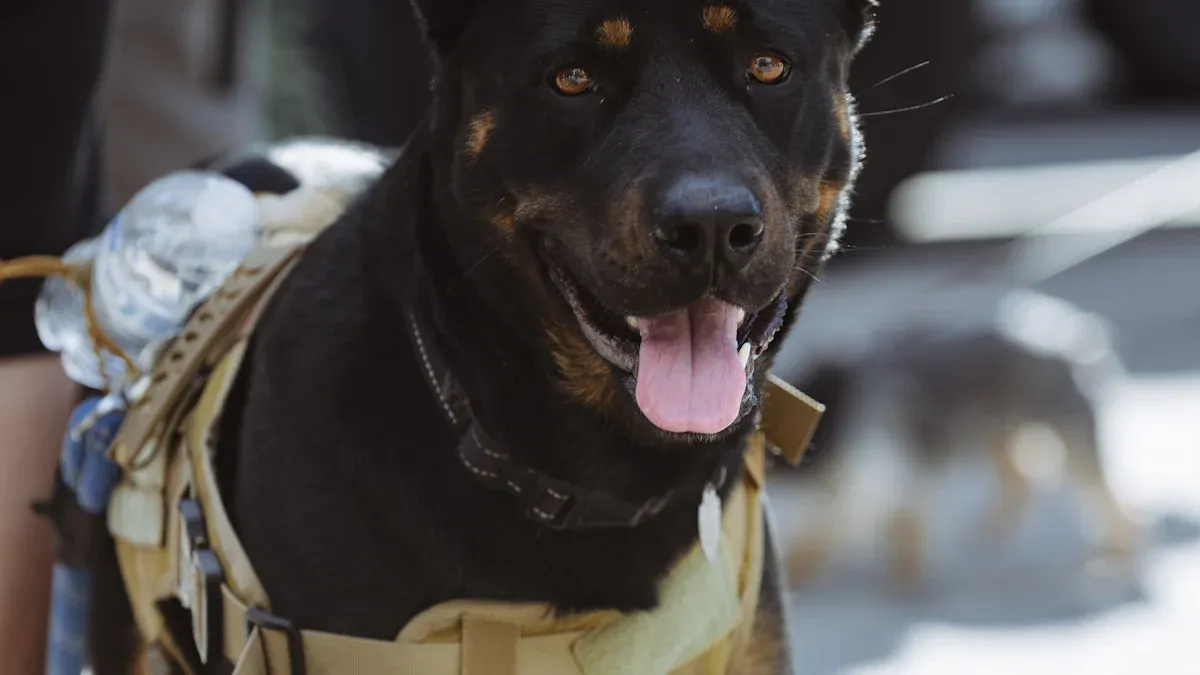
A secure and comfortable harness fit protects your dog on every walk. You need to check the fit at the neck and chest, confirm shoulder and elbow freedom, and watch for signs of a loose or tight harness. Always check the fit while your dog stands, walks, turns, and backs up. This approach helps you spot problems that only show up when your dog moves.
Neck and Chest Fit
To measure for a dog harness, you need to focus on two main points: the base of the neck and the widest part of the chest. Use a soft measuring tape for accuracy. Follow these steps to get the right fit:
Measure the widest part of your dog’s chest, usually just behind the front legs.
Measure the neck opening only if the harness size chart asks for it. Place the tape at the base of the neck, where it meets the shoulders.
Fasten the harness and adjust the straps until they feel secure but not tight.
Slide one finger under each strap for small dogs, or two fingers for large dogs.
Watch your dog stand, sit, turn, and take a few calm steps to check the fit.
If you use an overhead harness, make sure the neck loop sits at the base of the neck and the chest panel covers the widest part of the chest. A good fit keeps the harness from sliding or twisting as your dog moves.
Improper fit at the neck or chest can lead to discomfort and safety issues for dogs during walks. Harnesses that do not fit correctly can restrict movement, cause stress on muscles and joints, and may lead to physical issues over time. It is essential to choose a harness that distributes pressure evenly and allows for a full range of motion to ensure the dog’s comfort and safety.
Shoulder and Elbow Freedom
You must check that the harness does not crowd your dog’s shoulders or elbows. The straps should not ride up into the armpits or shift over the shoulders. When you use an overhead harness, make sure the chest panel stays flat and does not pinch the front legs. Ask your dog to walk, turn, and back up. Watch for smooth, natural movement. Your dog should not show a stiff stride or hesitate to move.
If you see rubbing or redness behind the front legs, the harness may be too tight or the belly strap may sit too far forward. Adjust the straps or try a different harness style if needed. Puppies often need more frequent fit checks as they grow. For puppies, a harness works best for longer walks because it spreads pressure across the body. Adult dogs may need a sturdier harness that matches their size and strength.
For puppies, a harness is recommended for longer walks to distribute pressure evenly over their body, while a collar is suitable for quick bathroom breaks.
Adult dogs may have different harness fit considerations, focusing more on durability and fit for their size and strength.
Signs of Loose or Tight Fit
You need to check the fit every time you put on the harness. Look for these signs:
The harness slides, rotates, or shifts during walking or turning.
Your dog can back out of the harness with little effort.
Redness, swelling, or hair loss appears after a walk.
Your dog moves stiffly or seems uncomfortable.
A harness that fits well stays centered and does not restrict movement. Test back-out resistance by gently asking your dog to back up. If the harness slips off, tighten the straps or try a more secure design. Always check the fit after your dog walks and turns, not just when standing still. This step helps you catch problems early and keep your dog safe.
Note: Always supervise your dog when using a harness. If you notice any discomfort or skin changes, stop and adjust the fit. Consult your veterinarian if you have health concerns.
Common Mistakes When You Put On a Dog Harness
Mistakes can happen when you learn how to put dog harness on your dog. It is important to notice mistakes fast to keep your dog safe. Many people miss small things that can make dogs uncomfortable or let them escape.
Twisted Straps or Uneven Adjustment
Twisted straps and uneven tightness are common problems. If straps twist or bunch up, your dog might feel sore spots or get itchy skin. You should check the harness after every walk. Look for red marks, swelling, or rubbing under the front legs. If the harness is not even, it can move or ride up and stop your dog from moving well. Always look at the harness to make sure straps are flat and not twisted. Make sure both sides are tightened the same.
Frequent user errors include:
Reversed harness orientation
Unnoticed strap twists
Uneven strap tension
Harness not centered during movement
Mistake | Risk | Quick Fix |
|---|---|---|
Twisted straps | Skin irritation, discomfort | Untwist and flatten straps |
Uneven adjustment | Restricted movement | Adjust both sides evenly |
Reversed orientation | Escape risk | Follow harness label |
Wrong Clip Point for Walks
Clipping the leash to the wrong spot can make walks unsafe. Some harnesses have clips on the front and back. You should use the clip that matches your harness style. Using the wrong clip can make the harness move or give you less control. Always read the harness instructions and watch how your dog moves on walks.
Tip: Always watch your dog walk, turn, and sniff. This helps you see if the harness shifts or bothers your dog.
Ignoring Chafing or Poor Movement
If you ignore chafing or stiff movement, your dog could get hurt. You must check your dog’s skin after every walk. Look for red spots, hot areas, or missing hair. If your dog seems sore, change the fit or try a new harness. Soft mesh or padding can help, but you should also check the webbing and buckle spots.
Check harness fit before, during, and after walks.
Watch your dog’s steps and make sure the harness stays in place.
If you see rubbing or your dog resists, adjust the harness or try a new style.
Safety first: If your dog still feels bad, stop using the harness and ask your veterinarian.
Disclaimer: This section does not give medical advice. Always ask a professional for health questions.
You can keep your dog safe and comfortable by following these steps every walk:
Place your dog’s feet between the harness straps.
Fasten the buckle.
Adjust straps for a snug fit.
Attach the leash to the correct ring.
Check comfort before walking.
A well-fitted harness supports healthy movement and makes walks enjoyable.
Note: This guide does not replace veterinary advice.
FAQ
How often should you check your dog’s harness fit?
You should check the harness fit before every walk. Dogs can change shape or size quickly. Frequent checks help prevent escapes and discomfort.
What should you do if your dog resists the harness?
Stop and check for twisted straps or tight spots. Adjust the harness for comfort. Try again with treats or praise to build positive associations.
Can you leave a harness on your dog all day?
No. You should use the harness only for supervised walks or training. Remove it after each walk to prevent skin irritation or accidental snagging.
Note: This FAQ does not provide medical advice. Always consult your veterinarian for health concerns.