Nearly 70% of dog harnesses are returned because of sizing mistakes or reading charts wrong. To learn how to measure a dog for a harness, you need to know the chest girth and neck size. Measuring your dog the right way helps stop discomfort and keeps walks safe. Many owners make mistakes like only using the neck size or making straps too tight. This can hurt the dog or make it hard to control. Measuring your dog for a harness is easy and you can do it at home. Always check the fit when you walk your dog. While measuring helps the fit, it does not always ensure every dog is comfortable. If your dog seems upset, in pain, or tries to get out, stop using the harness and ask a veterinarian or trainer for help.
Key Takeaways
Measure your dog’s chest girth and neck size accurately to ensure a proper harness fit. This prevents discomfort and enhances safety during walks.
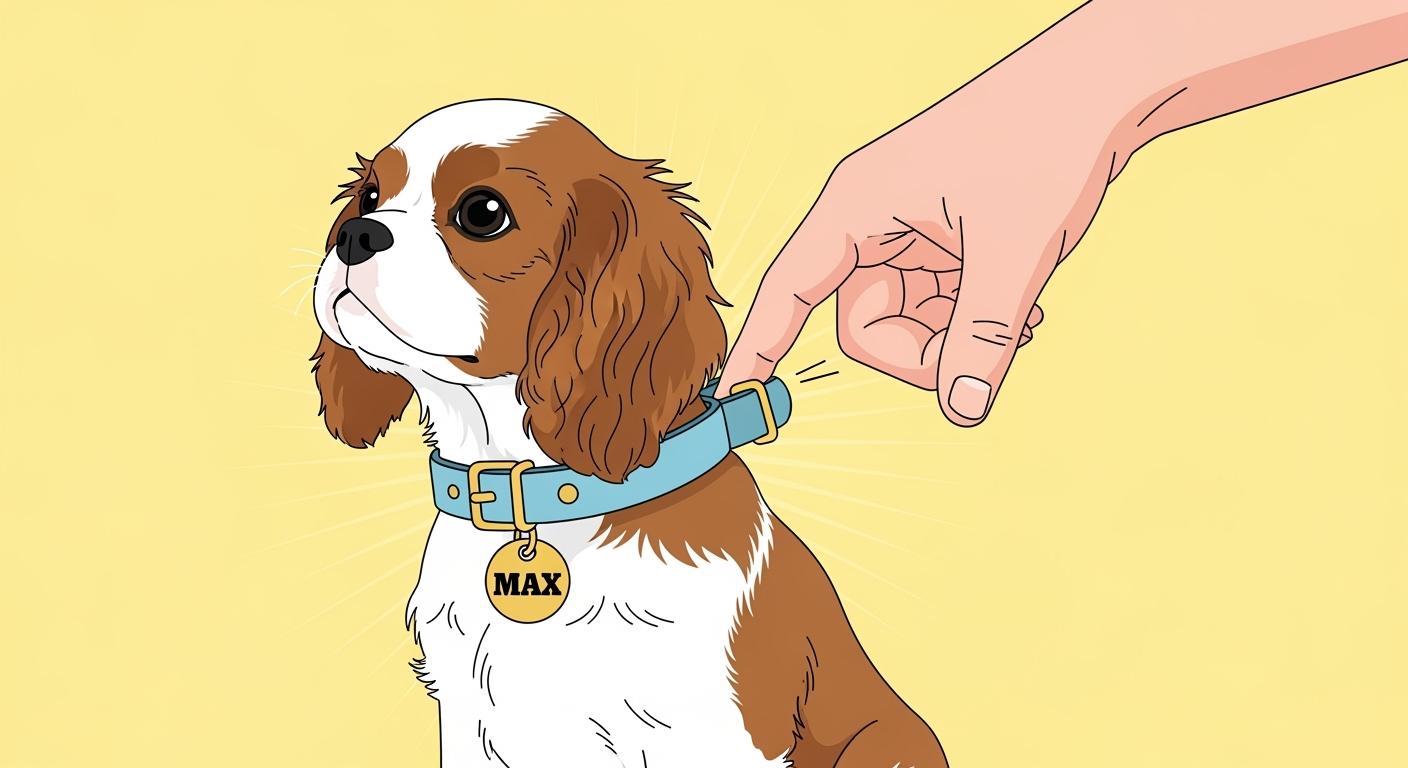
Always use the two-finger rule when adjusting the harness. This ensures it is snug but not too tight, preventing chafing and allowing for comfortable movement.
Test the harness fit while your dog walks, sits, and turns. Look for signs of discomfort, like limping or rubbing, and adjust as needed.
If your dog is between sizes, choose the larger size for better adjustability. This allows for growth and changes in coat length.
Regularly check the harness fit as your dog grows or changes weight. This helps maintain comfort and safety during walks.
What a perfect harness fit means
Comfort, control, and training basics
A harness that fits right keeps your dog safe and comfy on walks. It should feel snug but not too tight or loose. The harness should not squeeze or rub your dog’s skin. With a good fit, you can guide your dog without hurting it. Many harnesses have a Y-shape in the front. This shape spreads out pressure on the chest. It helps protect your dog’s neck and throat. Look for harnesses with straps you can adjust. Breathable fabric helps keep your dog cool. Strong buckles stop your dog from slipping out. These things help your dog move easily and stay safe.
Feature | Description |
|---|---|
Adjustable Fit | Makes sure the harness fits well and does not rub or stop movement. |
Breathable Materials | Lets air flow so your dog stays cool and comfy, even on hot days. |
Secure Buckles & Hardware | Stops your dog from escaping and makes the harness last longer. |
A harness that fits well is good for dogs with neck or back problems. It spreads out pressure and helps prevent injuries.
Why measuring is just the start
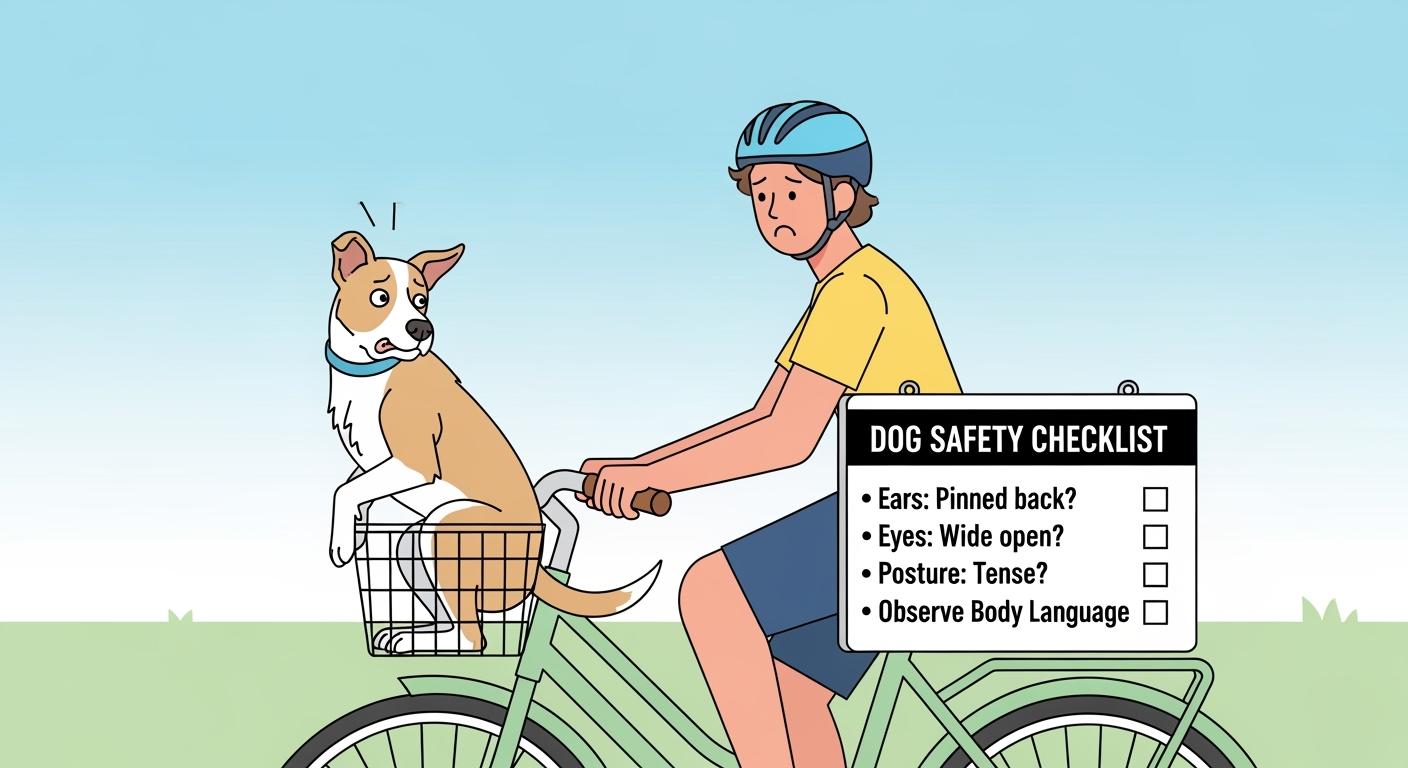
Measuring your dog is only the first step to a good fit. You also need to test the harness while walking your dog. Even if the size is right, your dog might not move well in it. Some harnesses, like Y-shaped or chest plate ones, can change how your dog moves its legs. Watch your dog walk, sit, and turn with the harness on. If your dog limps, rubs, or tries to get out, stop using the harness. Ask a vet or trainer for help.
Safety Tip: Measuring helps, but it does not always mean your dog will be comfy. Always check the fit while your dog moves. Stop using the harness if you see pain, stress, or escape tries.
When a harness is not the right choice
Some dogs do not do well in harnesses. A harness can make it hard for some dogs to move their shoulders or legs. It can also rub the skin or get loose during walks. Dogs with health problems or those who escape a lot may need something else. If you see skin problems, limping, or your dog seems upset, try a different harness or a collar. Ask a pro for advice.
Drawbacks of Harnesses | Recommended Alternatives |
|---|---|
Restricts natural shoulder and leg mobility | Roman harnesses |
Can cause prolonged tracheal issues | Dual-clip models |
High escape potential | – |
May chafe under arms | – |
Loosens with movement | – |
Not breathable | – |
Tools and prep to measure your dog
Tape measure vs string method
You need the right tools before you start to measure your dog for a harness. Most professional trainers recommend a soft measuring tape. This tool wraps easily around your dog’s body and gives you clear numbers. If you do not have a measuring tape, you can use a piece of string and a ruler. Wrap the string around your dog’s chest or neck, mark the length, then measure the string with a ruler. Always keep paper and a pen nearby to write down each measurement. Treats or toys help keep your dog calm and focused. Sometimes, an assistant makes the process easier by holding your dog still.
Soft measuring tape
String and ruler (if no tape)
Paper and pen
Treats or toys
Assistant (optional)
Standing posture and calm dog tips
You get the most accurate results when your dog stands upright and stays calm. Ask your dog to stand on all four legs. Avoid measuring your dog when it sits or lies down. Calm behavior helps you take steady measurements. Give your dog a treat or favorite toy to keep it relaxed. If your dog moves too much, ask a friend to help hold it gently. Take each measurement twice and use the closest match. This repeat rule helps you avoid mistakes.
Tip: Measuring your dog while it stands and stays calm gives you the best numbers. Never rush the process.
Coat and grooming impact
Your dog’s coat can change the way measurements turn out. Thick fur or a recent grooming session may affect the numbers. Place the tape snug to the fur, but do not press down or compress the hair. This tape snug rule prevents false readings. If your dog has a long or fluffy coat, check the fit again after grooming. Always measure your dog after any big changes in coat length. Accurate measurements help you choose a harness that fits well and keeps your dog comfortable.
Safety Note: Measuring your dog improves fit, but does not guarantee comfort for every dog. Always confirm the fit during walks. Stop using the harness if you see pain, limping, skin injury, distress, or escape attempts. Consult a veterinarian or trainer for health or behavior concerns.
How to measure a dog for a harness: key measurements
Choosing the right harness starts with knowing how to measure a dog for a harness. You need to record three main measurements: chest girth, neck girth, and sometimes body length. These numbers help you pick a harness that fits well and keeps your dog safe.
How to measure your dog’s girth
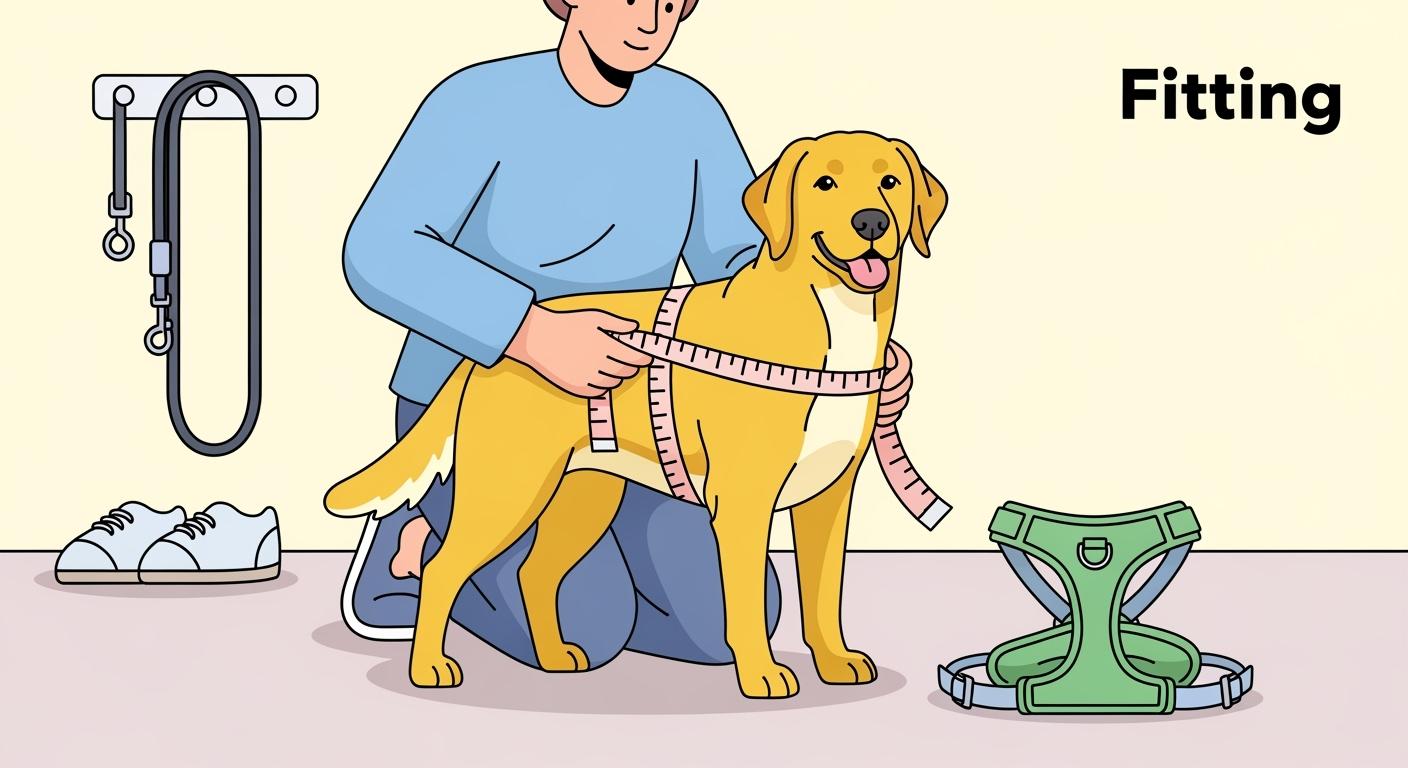
You must measure your dog’s girth to find the best harness size. Girth means the distance around your dog’s body. Chest girth is the most important measurement. It tells you how the harness will fit around the widest part of your dog’s chest, just behind the front legs.
Step-by-step guide for chest girth:
Ask your dog to stand on all four legs.
Place a soft measuring tape at the back of the neck, just above the shoulders.
Wrap the tape down to the top of the chest and around the widest part, just behind the front legs.
Make sure the tape meets the starting point and stays snug to the fur, but does not compress it.
Check that you can fit two fingers between the tape and your dog’s body.
Write down the number in inches and centimeters.
Repeat the measurement once more and use the closer match.
Tip: Measuring your dog’s girth helps prevent harness returns and keeps your dog comfortable. Always use the tape snug rule and repeat rule for accuracy.
Chest girth is critical because it ensures the harness fits properly. A good fit prevents chafing and gives you better control during walks.
Neck measurement basics
Neck girth is the second key measurement. You need to measure where a collar would normally sit. This spot is usually the widest part of your dog’s neck.
How to measure neck girth:
Use a flexible measuring tape.
Ask your dog to stand comfortably.
Place the tape around the neck where the collar sits.
Make sure the tape is snug to the fur, not compressing it.
Leave space for two fingers between the tape and the neck.
Record the measurement in inches and centimeters.
Repeat the measurement for accuracy.
If you measure neck girth incorrectly, the harness may cause discomfort, restrict movement, or lead to skin irritation. Always check the fit after putting on the harness.
Optional body length for certain harnesses
Some harnesses need a body length measurement. This is common for fancy harnesses, coats, or life jackets.
How to measure body length:
Start at the base of your dog’s neck.
Extend the measuring tape along the back to the base of the tail.
Keep the tape straight and snug to the fur.
Write down the length in inches and centimeters.
Repeat the measurement for accuracy.
Body length helps you choose harnesses that cover more of your dog’s back. It is not needed for every harness, but it is important for styles that mention back length.
Measurement table: what, where, why
What to Measure | How to Measure | Why It Matters |
|---|---|---|
Chest girth | Wrap tape around widest part of chest, just behind front legs. Use tape snug to fur, not compressing. Take measurement twice. | Primary sizing baseline. Ensures harness fits and prevents chafing. |
Neck girth | Place tape where collar sits. Leave space for two fingers. Use tape snug to fur. Take measurement twice. | Comfort and stability. Prevents restricted movement and skin irritation. |
Body length | Measure from base of neck to base of tail. Keep tape straight and snug. Take measurement twice. | Needed for harnesses with back coverage. Helps with style-specific sizing. |
All measurements should be recorded in both inches and centimeters for consistency.
Scenario A: Chest and neck measurements land in different size ranges
Sometimes, your dog’s chest girth and neck girth fall into different size ranges on the harness chart. In this case, you should prioritize the chest range first. If your measurements land between sizes, choose the larger size and adjust down. After you select the harness, confirm the fit by doing walk fit tests. Make sure the harness does not pinch, rub, or slide off center.
Safety Disclaimer: Measuring your dog improves fit, but does not guarantee comfort for every dog. Always confirm the fit during walks. Stop using the harness if you see pain, limping, skin injury, distress, or escape attempts. Consult a veterinarian or qualified trainer for health or behavioral concerns.
Knowing how to measure a dog for a harness helps you make confident choices and reduces the risk of returns. Follow these steps for how to measure your dog and you will find a harness that fits well and keeps your dog happy.
Sizing for harnesses: reading size charts
Choosing the right size harness for your dog starts with understanding how to read a sizing guide. You will see chest and neck ranges on most charts. Manufacturers set these ranges by measuring the widest part of the chest, just behind the front legs, and the neck where a collar sits. They leave space for two fingers to make sure the harness does not pinch or rub.
Chest vs neck range: which matters more
When you look at a sizing guide, focus on the chest range first. The chest girth gives you the main fit. If your dog’s chest and neck measurements fall into different size ranges, always choose based on the chest. This helps prevent tightness and makes sure your dog for harnesses feels comfortable. The neck range matters for stability, but chest fit keeps the harness secure.
Tip: Always measure the chest at the widest part, just behind the front legs. Leave room for two fingers between the tape and your dog’s body.
Between sizes: choosing and adjusting
If your dog’s measurements land between two sizes, do not worry. You should pick the larger size and adjust the straps down. This gives you more room for growth, coat changes, and movement. Double-check your measurements, especially if your dog has gained or lost weight. Try different harness designs if your dog needs more freedom to move.
Reassess measurements for accuracy.
Confirm girth and neck size, considering seasonal coat changes.
Test harnesses with adjustable straps for best fit.
Measurement Outcome | What to Choose | What to Double-Check |
|---|---|---|
Chest and neck match one size | Select that size | Confirm two finger space at all points |
Chest larger than neck range | Choose size for chest | Adjust neck straps for comfort |
Measurements between sizes | Pick larger size | Ensure 2-4 in (5-10 cm) adjustability |
Unusual body shape | Try different harness styles | Watch for movement and comfort |
Strap width and buckle bulk for your dog
Strap width affects comfort and control. Small dogs usually need straps about 0.6-0.8 in (1.5-2.0 cm) wide. Medium dogs do well with 0.8-1.0 in (2.0-2.5 cm) straps. Large dogs need wider straps, around 1.0-1.5 in (2.5-3.8 cm). Buckles should be sturdy but not bulky. Wide straps help spread pressure and prevent rubbing.
Note: Look for harnesses with 2-4 in (5-10 cm) of chest adjustability. This helps you fine-tune the fit as your dog grows or changes weight.
Dog Size | Strap Width (in/cm) |
|---|---|
Small | 0.6-0.8 / 1.5-2.0 |
Medium | 0.8-1.0 / 2.0-2.5 |
Large | 1.0-1.5 / 2.5-3.8 |
Measuring your dog improves fit, but does not guarantee comfort for every dog. Always check the harness during walks. Stop use if you see pain, limping, skin injury, distress, or escape attempts. Ask a veterinarian or trainer for help if needed.
Fit tests: adjust and walk before finalizing
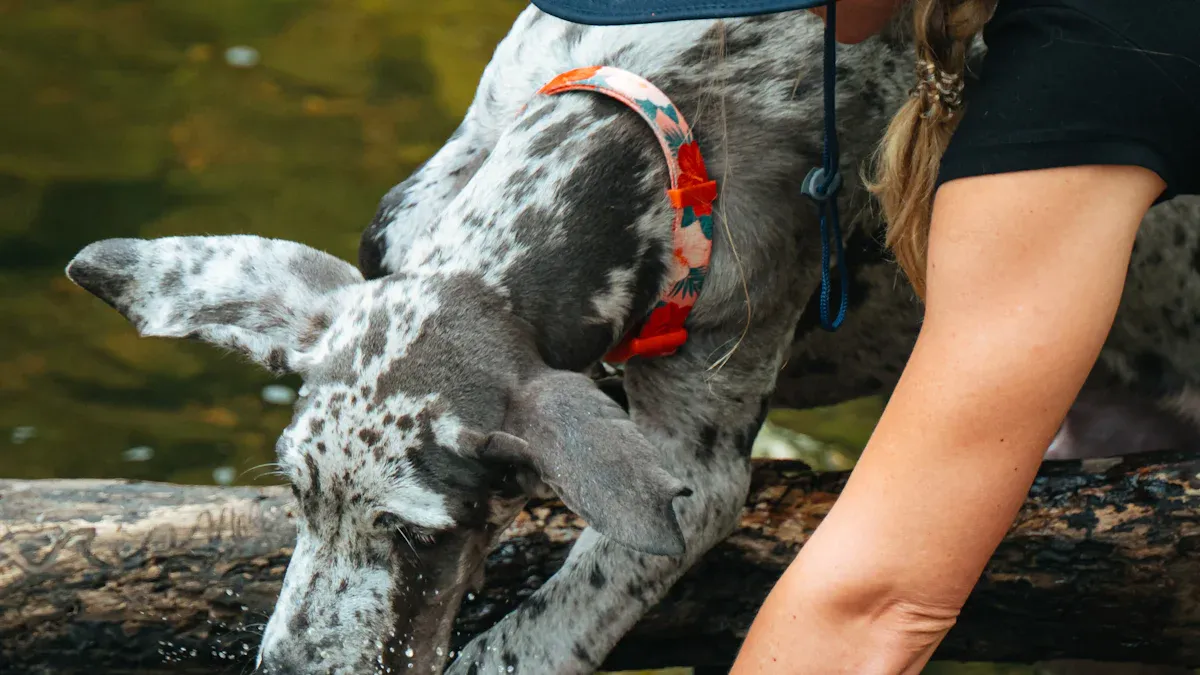
Making sure you fit your dog for a harness goes beyond just knowing how to measure. You need to adjust the harness and test it in real life. This step helps you spot problems before your next walk.
Adjustment order for even tension
Follow these steps to adjust the harness for even tension:
Adjust the neck straps first. Place the harness so it sits where a collar would. You should fit two fingers between the strap and your dog’s neck.
Move to the chest strap. It should rest just behind the front legs. Use the two-finger rule here as well.
If your harness has a belly strap, adjust it last. It should be snug but not tight.
Let your dog walk around. Watch for any signs of discomfort or restricted movement.
Check for pressure points. Look for redness or rubbing at all contact spots.
Tip: Adjusting straps in this order helps avoid uneven tension and keeps your dog comfortable.
Two finger check and hotspot scan
Use the two-finger rule at every contact point:
Slide two fingers under each strap. If you cannot, loosen the strap. If you can fit more than two, tighten it.
This rule helps prevent chafing and discomfort.
Scan for hotspots after a short walk. Check the throat, armpits, shoulders, and buckles for redness or hair loss.
Movement test: walk, sit, turn
Let your dog walk, sit, and turn while wearing the harness. The chest area should stay centered. The leash clip should not rotate off to one side. If you see rubbing or your dog limps, adjust the straps or try a different style.
Fit Test Table
Test | Pass Sign | What to Adjust |
|---|---|---|
Two finger check | Two fingers fit | Loosen or tighten strap |
Centering | Chest stays center | Adjust chest straps |
Rotation | Leash point steady | Refit or try new style |
Hotspot scan | No redness | Pad or adjust straps |
Parameter and Value Table
Parameter | Target range or option | Why it matters |
|---|---|---|
Chest measurement | widest chest, behind front legs | Sizing accuracy and comfort |
Neck measurement | where collar sits | Prevents choking and escape risk |
Fit check | two fingers at contact points | Avoids tight spots and rubbing |
Adjustment range | 2-4 in (5-10 cm) chest adjustability | Better fit across coat and growth |
Strap width | 0.4-1.0 in (1.0-2.5 cm) | Comfort and durability feel |
Clip layout | back, front, dual | Control and training flexibility |
Buckle style | side release buckles | Ease of use and consistent closure |
Stitching | reinforced at stress points | Durability signals |
Padding placement | chest and belly zones | Comfort without bulk |
Reflective details | optional | Visibility cue |
Scenario B: Harness fits indoors but rubs after a walk
Sometimes a harness seems fine inside but rubs after a walk. This often happens if you measure too high or low, or adjust straps out of order. Always measure at the widest chest point and adjust neck, chest, then belly. If rubbing happens, check strap angles and hotspots. Re-adjust or try a harness with more padding.
Safety Note: Measuring and fit tests improve comfort but do not guarantee every dog will be happy. Always check your dog during walks. Stop use if you see pain, limping, skin injury, distress, or escape attempts. Ask a veterinarian or trainer for help if needed.
Common measurement and fit mistakes
Measuring too high, low, or over thick fur
Sometimes people measure the chest or neck in the wrong place. If you measure too high, the harness sits near the throat. This can choke your dog. If you measure too low, the harness may slip or rub the legs. Measuring over thick fur can give a wrong number. The harness might end up too tight or too loose. Always measure at the widest part of the chest, just behind the front legs. Measure the neck where a collar would sit. Keep the tape snug to the fur, but do not press down. Take each measurement twice to be sure.
Tip: If your dog has thick fur, check the harness after grooming. Change the fit if the coat gets shorter or longer.
Overtightening and hotspot risks
If you make the straps too tight, it can hurt your dog. Tight straps can cause pain and skin problems. Blood flow can get blocked. Always use the two-finger rule at every strap. The harness should be snug but not tight. Look for red spots or hair loss under the chest and armpits. Never leave a wet harness on your dog. Wet harnesses can cause skin infections. Make sure the neck strap sits at the collarbone. It should not press against the throat.
Check for skin problems after walks.
Loosen straps so the shoulders can move.
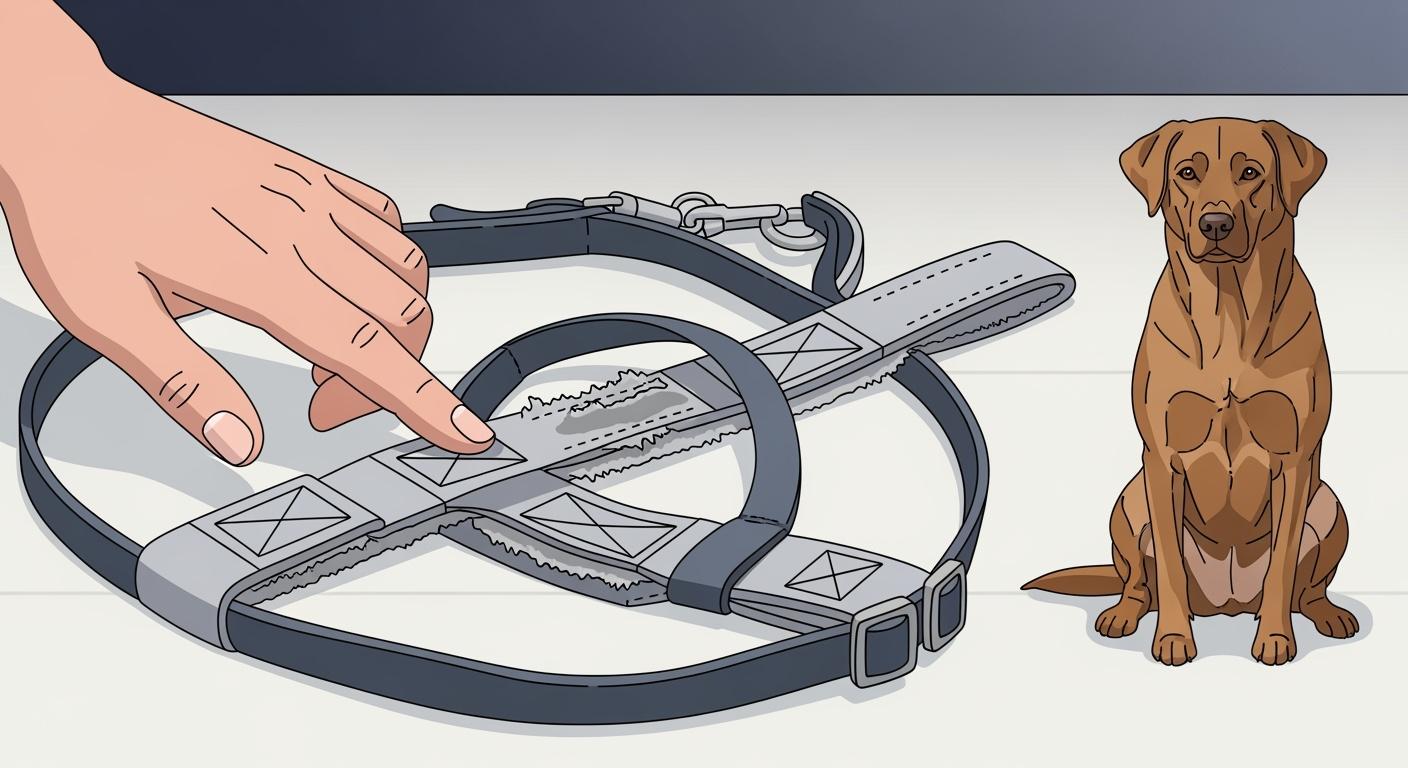
Remove harnesses with stretched or damaged webbing.
Rotation and centering issues
A harness that moves or slides off center does not fit well. Wide straps near the front legs can rub and make walking hard. Some harnesses shift to one side because of their shape or soft material. Always check that the chest part stays in the middle after a walk. Adjust the straps to keep the harness snug. Try other styles or sizes if the harness keeps moving.
The center strap should be narrow and not touch the front legs.
A wide, stiff chest plate helps stop rotation.
You should be able to fit two fingers under every strap.
Mistakes and causes tables
Mistake | What it causes | How to fix it |
|---|---|---|
Measuring too high or low | Choking or slipping | Measure at correct chest and neck spots |
Measuring over thick fur | Tight or loose harness | Check fit after grooming |
Overtightening straps | Pain, hotspots, restricted movement | Use two-finger rule, adjust straps |
Harness rotates or shifts | Chafing, poor control | Adjust straps, try different style |
Leaving wet harness on | Skin irritation | Dry harness before use |
Common cause | What it leads to | What to do next |
|---|---|---|
Asymmetrical harness design | Harness slides to one side | Try symmetrical or rigid chest plate |
Wide strap near front legs | Chafing, unnatural gait | Use narrower center strap |
Soft, non-rigid materials | Harness rotation | Choose harness with firmer structure |
Overstretched webbing | Poor fit, safety risk | Replace harness |
Poor cleaning and storage | Material degradation | Clean and store harness properly |
Safety Disclaimer: Measuring your dog helps the fit, but does not always mean comfort. Always check the harness during walks. Stop using it if your dog shows pain, limping, skin problems, stress, or tries to escape. Ask a veterinarian or trainer for help if you need it.
Retail tips for fewer returns and better sizing
Size chart copy and re-check guidance
Give customers clear steps to pick the right harness size. When you make a size chart, add these directions:
Always use the two-finger rule. This keeps the harness snug but not too tight.
Measure your dog’s chest at the widest spot. Also measure the neck.
Look at the sizing chart from the harness brand. This helps avoid mistakes.
Think about your dog’s body shape. Weight is not the only thing that matters.
Double-check each number to catch errors.
If your dog is between sizes, choose the bigger one. This makes adjusting easier.
Tip: Put these steps next to every size chart. This helps shoppers feel sure and lowers returns.
Listing checklist: strap ranges, buckle notes, fit test script
Your product page should give all the details buyers need. Use a checklist to cover the key points:
Size | Weight Range (lbs) | Notes on Fit |
|---|---|---|
Small | 100 – 175 | Best for slim dogs with less fur. |
Medium | 175 – 225 | Good for most dogs. Think about how thick the coat is. |
Large | 225 – 275 | Fits bigger dogs or those with lots of fur. |
X-Large | 275 – 325 | Check fit if your dog wears extra layers. |
Add info about strap width, buckle type, and a simple fit test. Tell buyers to use the two-finger rule. Make sure the harness stays in the middle during walks.
Supplier requests: adjustability, strap edges, stitching
You can get fewer returns by asking suppliers for more comfort and easy changes. Ask for these features:
Feature | Description |
|---|---|
Pull-down adjustment | Lets people quickly change the fit for their dog. |
Athletic cut | Fits the body better and helps dogs move easily. |
Thin design | Makes the harness less bulky and fits in small spaces. |
Long mounting slots | Gives more ways to adjust for different shapes. |
Reinforced stitching | Makes the harness stronger where it gets pulled. |
Shock-absorbing steel | Helps keep dogs comfy and protects the harness from damage. |
Note: Always ask for harnesses with smooth strap edges and easy buckles. These help stop rubbing and make changes simple.
Safety Disclaimer: Measuring your dog helps the fit but does not always mean comfort. Always check the harness during walks. Stop using it if your dog shows pain, limping, skin problems, stress, or tries to escape. Ask a veterinarian or trainer for help if you need it.
You help your dog stay safe and comfortable when you measure carefully and check the harness fit often. A well-fitted harness gives you better control, prevents injuries, and makes walks more enjoyable. Regular fit checks matter because:
Dogs change size with weight or coat changes.
Harnesses can wear out, especially for active dogs.
Hot weather can affect how the harness fits.
Keep checking the fit as your dog grows or seasons change. This reduces returns and keeps your dog happy. Measuring improves fit but does not guarantee comfort for every dog. Always confirm fit during walks. Stop use if your dog shows pain, limping, skin injury, distress, or tries to escape. Ask a veterinarian or trainer for help if needed.
FAQ
How do you measure your dog for a harness at home?
You need a soft tape measure or string and ruler. Ask your dog to stand calmly. Measure chest girth just behind the front legs and neck girth where a collar sits. Take each measurement twice for accuracy.
What should you do if your dog is between harness sizes?
Pick the larger size and adjust the straps down. This gives your dog more room for movement and coat changes. Always check the fit with the two-finger rule and confirm comfort during a walk.
How can you size for a growing dog?
Choose a harness with 2-4 in (5-10 cm) of chest adjustability. Re-measure your dog every few months. Adjust the straps as your dog grows or changes weight. This helps you keep the harness comfortable and safe.
What other gear needs measuring besides harnesses?
You should measure for your dog’s gear like collars, coats, and sizing for boots. Each item may need different measurements. Always follow the product’s instructions and check fit after your dog moves around.
What is the most important safety tip when fitting a harness?
Measuring improves fit but does not guarantee comfort for every dog. Always confirm fit during walks. Stop use if your dog shows pain, limping, skin injury, distress, or repeated escape attempts. Consult a veterinarian or trainer for health or behavior concerns.