Small dogs notice harness fit problems sooner because straps and buckles on a harness for small dogs cover more of their bodies. You might see your dog act uncomfortable or try to get out if the harness for small dogs pushes on the wrong spots. Studies from vets show that a bad harness for small dogs fit can make the harness too tight, stop your dog from moving well, cause rubbing, and hurt soft parts of the body. Always look for signs like pain, limping, or hurt skin. Stop using the harness for small dogs if your dog keeps trying to escape. Use easy tips to fit and adjust a harness for small dogs to keep your dog comfy. Check the fit often, and ask a vet if you see pain or skin problems.
Key Takeaways
Always check your dog’s harness before you walk. Use the two finger rule to make sure it is not too tight. This helps your dog feel comfortable and stops tight spots.
Watch for signs that your dog is not comfortable. Look for rubbing or skin problems. Change the harness right away to stop pressure hotspots.
Pick a harness style that fits your dog’s needs. Step-in harnesses work well for nervous dogs. Y-front styles let your dog move better.
Measure your dog often as they grow. Change the harness so it fits snug but does not pinch. This lets your dog move naturally.
Ask a veterinarian if you see pain or skin problems. Acting fast can stop big problems for your small dog.
Why Harness for Small Dogs Fit Is Tricky
Buckle and Strap Size on Small Frames
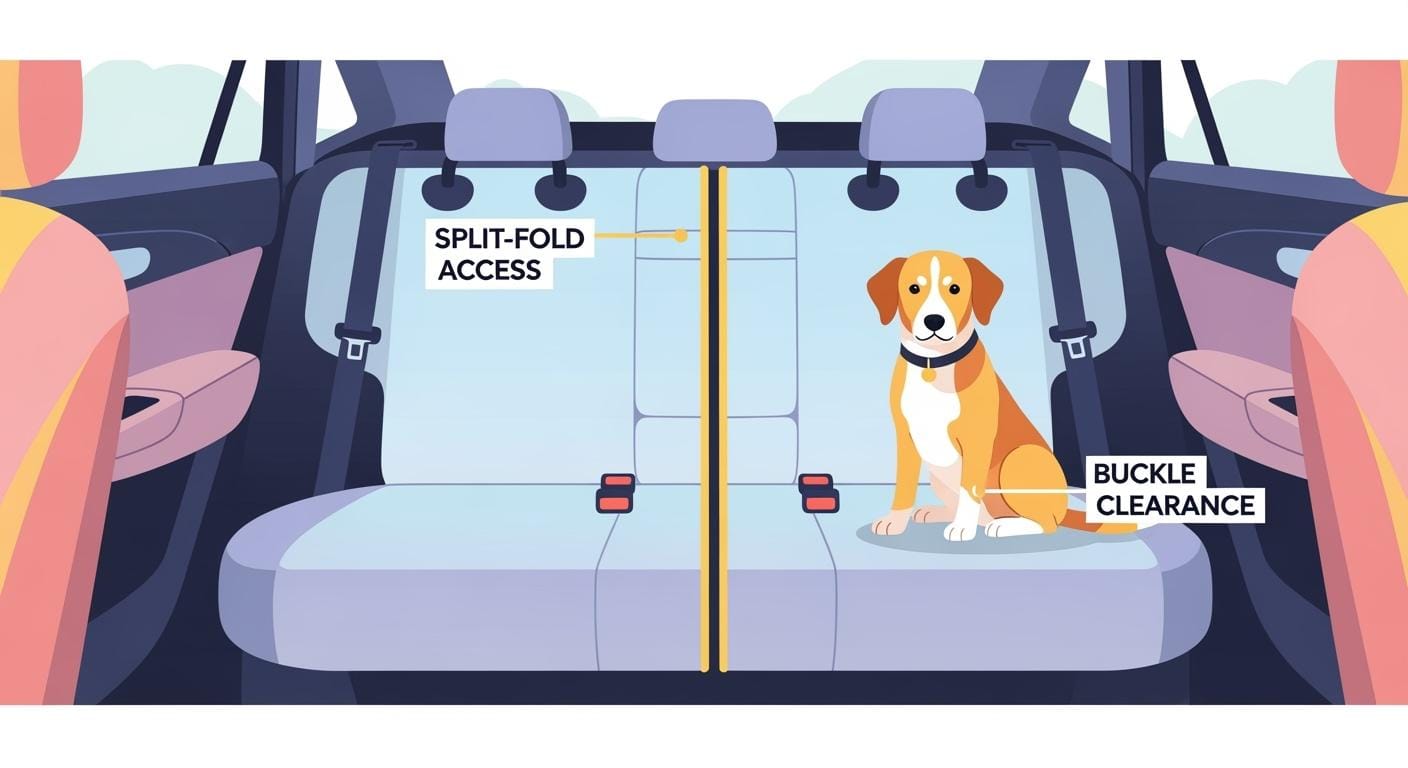
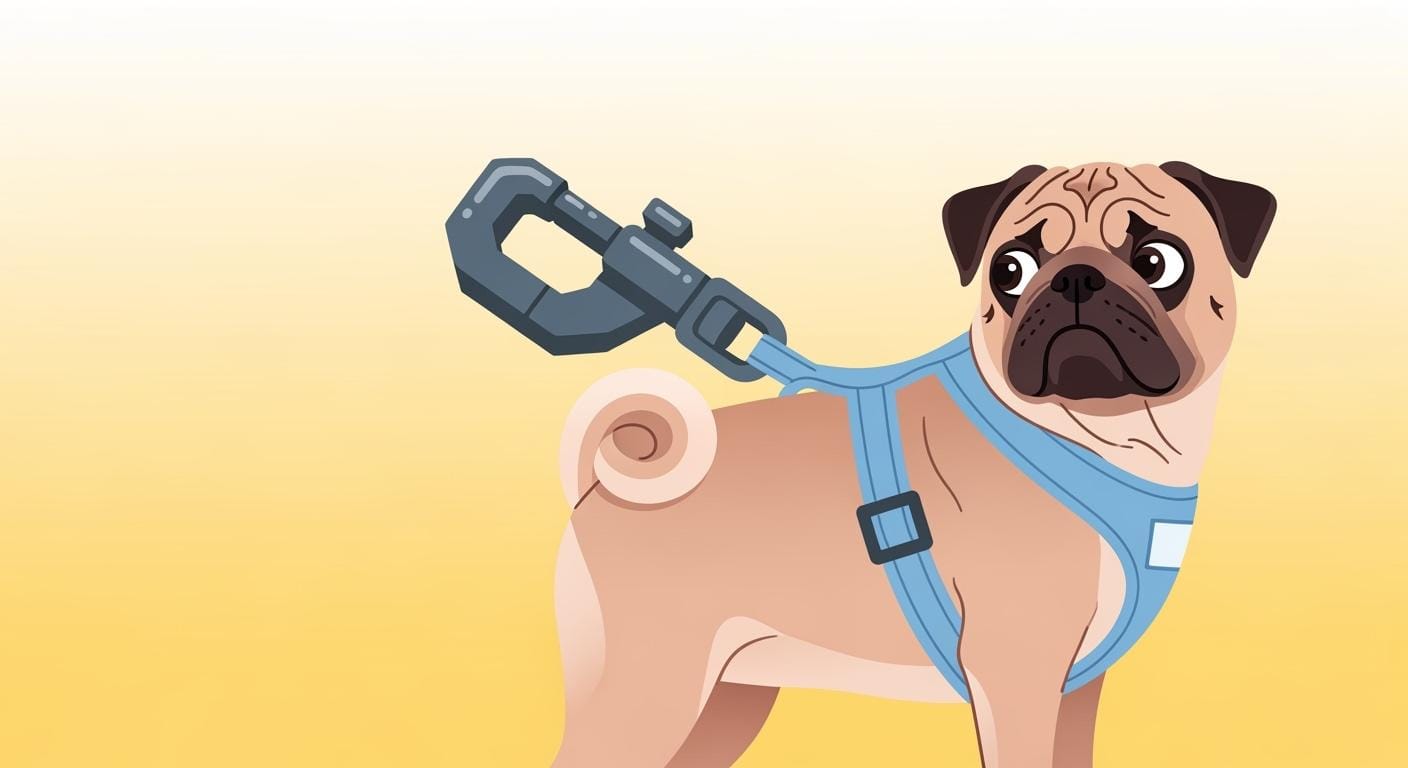
You face unique fitting challenges when you choose a harness for small dogs. The size of buckles and straps matters a lot. Large or bulky hardware can press into your dog’s back or sides. This can cause discomfort or even pain. Small dogs have lighter bodies and more fragile bones than bigger breeds. A harness that fits well lets your dog move freely and keeps them comfortable. If the harness is not fully adjustable, it can stop your dog from stretching their front legs. You need to look for harnesses with low-profile buckles and smooth, narrow straps. These features help avoid pressure points and rubbing. Always check that the harness does not dig into the skin or shift during walks.
Safety tip: Small dogs can get pressure hotspots quickly. Always re-check the fit often. Stop using the harness if you see pain, limping, skin injury, or if your dog tries to escape. Ask a vet for help if you notice pain or skin problems.
Skin Sensitivity and Coat Length
Fitting challenges increase if your dog has sensitive skin or a thin coat. A wrong harness size or rough material can cause chafing and irritation. Some small dogs react to even light rubbing. You should pick a harness made from soft, padded materials. This helps protect delicate skin. Research shows that a poor fit can cause stress and skin problems. Dogs with short coats need extra care because their skin is more exposed. Always check for red spots or flattened fur after walks. If you see your dog licking one spot, the harness may be causing discomfort.
Lightweight Dogs and Loose Fit Risks
Lightweight dogs face special fitting challenges. A loose harness can slip and let your dog escape, especially in busy places. It may also shift during activity, putting pressure on the wrong spots. This can lead to chafing or even joint strain. You need a snug fit that does not pinch or restrict movement. Always measure your dog carefully and adjust the harness before every walk. Specialized harness designs, like padded and adjustable options, help keep your dog safe and comfortable. Precise measurements are key to avoiding discomfort or injury from a wrong harness size.
Small breeds have lighter weight and more fragile bones.
A snug harness prevents pulling and escaping but must allow natural movement.
Specialized harnesses are often needed for delicate builds.
Small dogs are at risk of neck strain and long-term damage if the harness does not fit properly.
Poorly designed harnesses can harm delicate anatomy by cutting off circulation.
Harnesses must be designed for small dog anatomy to ensure safety and comfort.
Precise measurements help avoid discomfort or injury.
Note: If your dog shows fear, reactivity, or handling problems, ask a qualified trainer for advice.
Strap Angles and Common Fit Mistakes
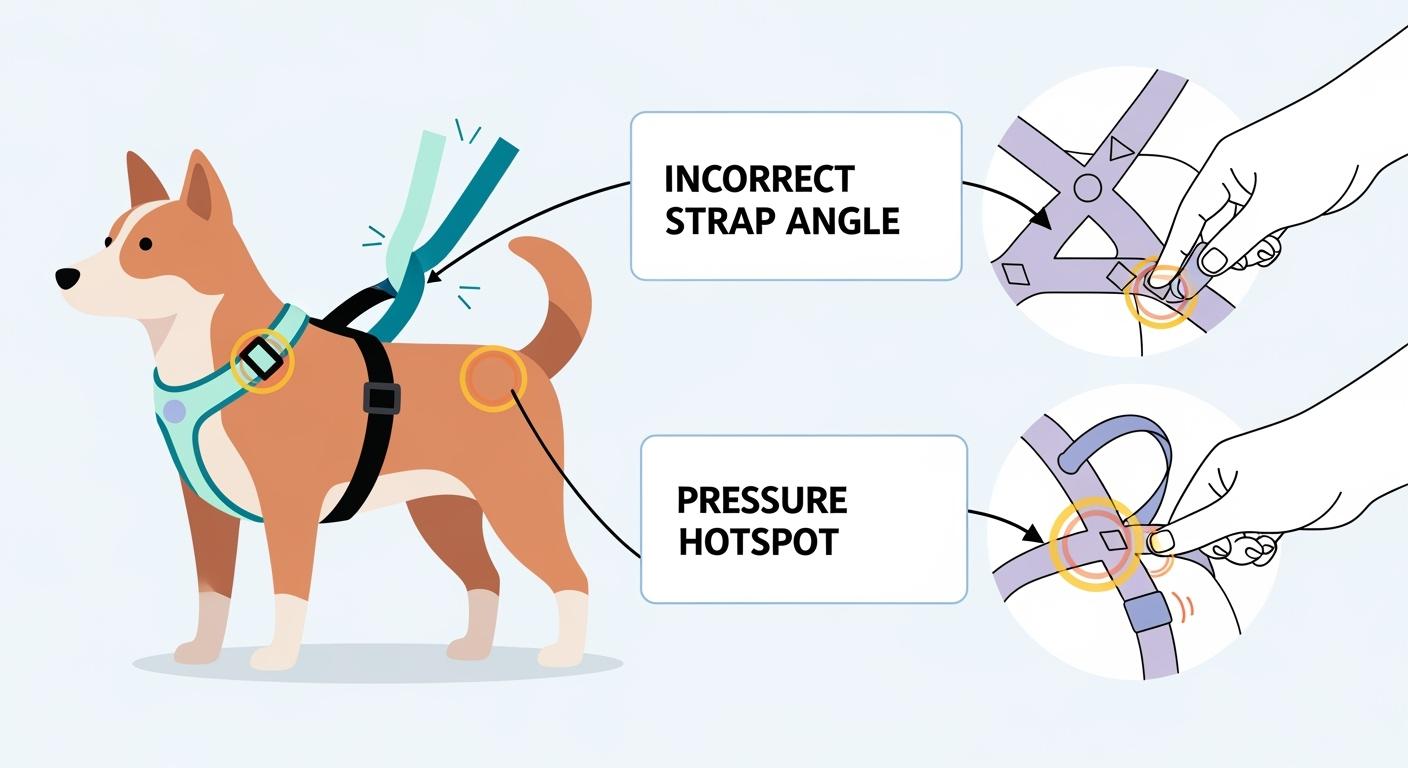
Getting the right angles on a harness for small dogs is not always easy. Small frames mean straps and buckles cover more of the body, so even a small mistake can cause discomfort or limit proper movement. You need to watch for common fit mistakes and know how to fix them fast.
Chest Strap Height and Throat Pressure
The chest strap is one of the most important parts to check. If you place it too high, it can press into your dog’s throat. This can make breathing hard and cause pain, especially when your dog pulls forward. Always follow the chest strap height rule: the strap should sit below the throat, across the chest bone, and not ride up when your dog moves. You should be able to fit two fingers between the strap and your dog’s body. If you see the strap pressing into the throat or your dog coughs, adjust the strap lower. A properly fitted harness keeps pressure off the neck and helps your dog stay comfortable.
Side Straps and Armpit Rub
Side straps that sit too far forward or angle into the armpit can cause rubbing and skin problems. You might notice hair loss, red or raw spots, or your dog licking under the front legs. These are warning signs of armpit rub. The armpit clearance rule says the side straps should sit behind the front leg, not cutting into the soft area. If you see rubbing or irritation, move the strap back or loosen it slightly. Make sure the straps lie flat and do not twist. Adjusting the straps before every walk helps prevent these common mistakes.
Warning signs of armpit rub include:
Hair loss where the harness contacts the body
Raw, red, or warm spots under the armpits
Irritated skin resembling a rash
Shoulder Point and Movement
Straps that cross over the shoulder blade can block proper movement. Your dog needs to swing the front legs forward without restriction. If the harness sits over the shoulder, it can shorten your dog’s stride and cause joint strain. The shoulder freedom rule says straps should clear the top of the shoulder blade when your dog reaches forward. Try a short walk and watch your dog’s stride. If you see a shortened step or your dog hesitates, adjust the harness so the straps sit behind the shoulder point. Always check that the chest strap sits a few inches behind the front leg. For small dogs, you want room for two to three fingers between the back of the shoulders and the chest strap. The strap should not rub against the back of the front legs when your dog moves.
The main problem with harness fit is incorrect adjustment. Always check that straps do not cross the shoulder point or press into the throat. Make sure the harness allows for proper movement and does not cause rubbing.
Table: Strap Area, Good Fit, Warning Signs, Adjustments
Here is a quick guide to help you spot and fix common fit mistakes with strap angles:
Strap Area | What Good Fit Looks Like | Warning Signs | What to Adjust |
|---|---|---|---|
Chest Strap | Sits below the throat, snug but not tight, two fingers fit underneath | Presses into throat, coughing, shortness of breath | Lower the strap, loosen slightly, follow chest strap height rule |
Side Straps | Sit behind the front legs, clear of armpits, lie flat | Hair loss, redness, rubbing under armpits | Move straps back, loosen, follow armpit clearance rule |
Shoulder Area | Straps clear the top of the shoulder blade, allow full stride | Shortened stride, hesitation, straps over shoulder | Slide harness forward or back, follow shoulder freedom rule, check during movement |
Belly Strap | Sits behind ribcage, not overtightened, allows natural movement | Harness slips, dog escapes, restricted breathing | Adjust for snugness, follow belly strap placement rule, check for slipping or pinching |
All Straps | Lie flat, no twisting, harness stays centered during walk | Twisted straps, harness shifts, uneven pressure | Straighten webbing, adjust entry/exit points, check tightness before each walk |
When you fit a harness for small dogs, always check each strap area. Adjusting the straps for your dog’s unique shape helps prevent pressure hotspots and keeps your dog safe. Invest in a harness with multiple adjustment points and check the fit often, especially as your dog grows or changes shape. If you notice pain, limping, skin injury, or repeated escape attempts, stop using the harness and consult a veterinarian. For fear or handling issues, ask a qualified trainer for help.
Safety tip: Small dogs can get pressure hotspots quickly. Re-check the fit often. Stop use if your dog shows pain, limping, skin injury, or tries to escape.
Pressure Hotspots in Harness for Small Dogs
Pressure points can develop quickly when you use a harness for small dogs. You need to watch for common mistakes that lead to hotspots and discomfort. Overlooking comfort can create a safety risk for your dog. Pressure points often appear in the throat, neck, armpit, shoulder, and spine areas. You can spot these problems by checking your dog after each walk.
Throat and Neck Pressure Points
Small dogs face a higher risk of throat and neck injuries. Collars can press on the neck and cause tracheal collapse. Even a harness can create pressure points if the chest strap sits too high. You should always check that the harness fits below the throat and distributes pressure across the chest. This helps keep your dog safe and comfortable. Harnesses with wide, padded straps reduce pressure points and protect sensitive areas.
The highest pressure points often appear in the right and left sternal regions.
Harnesses that fit poorly can increase pressure on the throat and neck.
You should avoid harnesses with thick, bulky buckles near the spine.
Safety tip: Stop using the harness if you see coughing, gagging, or your dog tries to escape. Consult a veterinarian for pain or skin problems.
Armpit and Inner Leg Chafing
Chafing under the armpits and inner legs is a common mistake. You may notice your dog licking or scratching these areas after a walk. This is a sign of pressure points or rubbing. Straps that sit too close to the armpit can cause hotspots. You should look for harnesses with smooth, narrow straps and padding in contact zones. Adjustable harnesses help you set the right strap angles and avoid chafing.
Padded designs reduce friction and protect sensitive skin.
Adjustable points let you customize the fit and prevent movement that leads to pressure points.
Armpit clearance is key for comfort and safety.
Shoulder Restriction
Straps that cross the shoulder can block movement and create pressure points. You need to make sure the harness allows your dog to swing its legs freely. The front strap should not block the natural stride. If you see shortened steps or hesitation, adjust the straps or try a different harness style. Proper fit prevents shoulder restriction and keeps your dog safe.
Straps should not cross the shoulder area.
Maintain clearance around the armpits.
Adjust straps if the harness shifts or rotates.
Buckle and Spine Pressure
Bulky buckles and wide straps can press into the spine and create pressure points. You should choose harnesses with low-profile buckles and smooth edges. Padding helps, but too much can shift the harness and cause new hotspots. Always check for pressure points along the spine after walks.
Note: Small dogs can get pressure hotspots quickly. Re-check the fit often. Stop use if your dog shows pain, limping, skin injury, or tries to escape.
Table: Common Cause, Result, What to Do
Common Cause | What It Leads To | What to Do Next |
|---|---|---|
Chest strap too high | Throat pressure points, coughing | Lower strap, check fit, use padded chest area |
Side straps in armpit | Chafing, licking, scratching | Move straps back, adjust angle, choose smooth padding |
Straps over shoulder point | Restricted movement, soreness | Adjust straps, try Y-front style, check stride |
Bulky buckle on spine | Spine pressure points, discomfort | Switch to low-profile buckle, check padding |
Loose fit | Harness shifts, new hotspots | Tighten straps, re-check after walk |
If you see your small dog licking or scratching after a walk, check for pressure points. Adjust strap angles and choose a harness style that reduces rubbing. Always look for common mistakes and fix them fast to protect your dog’s comfort and safety.
Dog Harness Fit Checks and Sizing
Two Finger Fit Rule
You need to check the fit of a harness for small dogs before every walk. Canine experts recommend the two finger fit rule. You should slip two fingers between the harness and your dog’s body at all contact points. This helps prevent harness-sizing mistakes that cause discomfort or rubbing. Puppies and growing puppies need extra checks because their bodies change quickly. If you cannot fit two fingers, the harness is too tight. If you can fit more than two fingers, the harness is too loose and may slip off. This simple rule improves safety and comfort for your dog.
Tip: Always check the fit after walks. Look for flattened fur, pink skin, or licking. These signs show common mistakes in harness-sizing.
Centering and Rotation Cues
You want the harness to stay centered on your dog’s chest. The centering see-through rule says the chest area should not slide toward one shoulder during a short walk. If the leash attachment point drifts off center, you may have made harness-sizing mistakes. Puppies often wiggle, so check the harness position often. If you see rotation or shifting, adjust the straps or try a different harness style. Keeping the harness centered helps prevent pressure hotspots and improves safety.
Backward Pressure Test for Slip Risk
You should test for slip risk before heading outside. Apply gentle backward pressure to the harness and watch if your dog can slip a shoulder through. Puppies and growing puppies may escape more easily if the harness is loose. This test helps you spot harness-sizing mistakes that could let your dog back out when startled. If the harness slips, tighten the straps or choose a style with a second belly strap for extra escape control.
Safety note: Small dogs can get pressure hotspots quickly. Re-check the fit often. Stop use if your dog shows pain, limping, skin injury, or tries to escape. Ask a veterinarian for pain or skin problems. For fear or handling issues, consult a qualified trainer.
Table: Parameter and Value
Here is a quick reference for dog harness fit checks and sizing:
Parameter | Target range or option | Why it matters |
|---|---|---|
Chest measurement | widest chest, behind front legs | Sizing accuracy and comfort |
Neck measurement | where collar sits | Escape risk and comfort |
Fit check | two fingers at contact points | Prevents tight spots and rubbing |
Adjustment buffer | 1-3 in (2.5-7.5 cm) | Micro sizing flexibility |
Strap width | 0.3-0.6 in (0.8-1.5 cm) | Comfort for petite bodies |
Style | step in, over head, vest, strap | Ease of use and pressure points |
Escape control | second belly strap optional | Reduces backing out risk |
Hardware size | lightweight buckles and clips | Less rotation and better balance |
Edge finishing | soft edges or padded zones | Reduces rubbing |
Step-by-Step Harness Sizing and Fit Checks
Measure your dog’s chest girth at the widest part behind the front legs.
Measure your dog’s neck where the collar sits, keeping the tape loose enough for two fingers.
Weigh your dog to confirm the right size, especially for puppies and growing puppies.
Match your measurements to the harness size chart to avoid harness-sizing mistakes.
Put the harness on and check the two finger fit rule at all contact points.
Walk your dog, watch for centering and rotation cues, and perform the backward pressure test.
After each walk, check for signs of discomfort or rubbing.
Tips: Repeat these checks often for puppies and growing puppies. Adjust the harness as your dog grows to avoid harness-sizing mistakes and keep your dog safe and comfortable.
Choosing a Well-Fitting Harness Style
Picking the right harness for your small dog helps stop fit mistakes and pressure spots. You should match the harness style to your dog’s body and how your dog acts. Each harness type gives different comfort, safety, and control. Here are some tips to help you pick the best one.
Overhead vs Step-In for Nervous Dogs
Nervous dogs often do not like harnesses that go over their heads. Step-in harnesses are better for these dogs. You put the harness on the ground and help your dog step into it. Overhead harnesses can scare dogs that do not like things near their heads. These harnesses give more control and keep your dog safe once they are on. But they might make your dog feel stressed when you put them on.
Feature | Step-in Harness | Overhead Harness |
|---|---|---|
Ease of Use | Quick to put on, no need to touch the head. | Can be scary since it goes over the head. |
Comfort | Spreads pressure, less stress on the neck. | Good ones spread pressure but may press on the neck. |
Control | Less control over the upper body. | More control, good for training. |
Risk of Escape | Can slip off if not tight enough. | Stays on better, lowers escape risk. |
Ideal for Nervous Dogs | Great for dogs who dislike head touching. | Not good for dogs afraid of things near their heads. |
Y-Front vs Straight Chest Strap
Y-front harnesses let your dog move easily. They do not press on the neck and feel good for active dogs. Straight chest strap harnesses give you more control, which helps with training. These harnesses can limit movement if not fitted right. Y-front styles work well for small dogs with sensitive necks. Straight chest straps are better for dogs that pull hard.
Feature | Y-Front Harness | Straight Front Harness |
|---|---|---|
Comfort | Feels good, does not press on the neck. | May not feel good if not fitted right. |
Mobility | Lets dogs move freely, great for active dogs. | Gives control, may limit movement a little. |
Control | Less control, best for trained dogs. | More control, good for training. |
Security | Not as safe for strong pullers. | Holds steady, good for active dogs. |
Best for | Small dogs, dogs with weak necks. | Big dogs, dogs that pull hard. |
Front Clip vs Back Clip and Rotation
Front-clip harnesses help you guide your dog and stop pulling. They work best for dogs with a chest longer than 8 inches. If your dog is smaller, the harness may slide back and not fit well. Back-clip harnesses are easy and comfy for simple walks. They might limit shoulder movement in small dogs and cause a hopping walk. Always check if the harness moves and fix it for natural walking.
Safety tip: Small dogs get pressure spots fast. Check the fit often. Stop using the harness if your dog shows pain, limps, has hurt skin, or tries to escape. Ask a vet for pain or skin problems. Talk to a trainer for fear or handling issues.
Table: Style Options, Pros, Cons, Best For
Option | Pros | Cons | Best For |
|---|---|---|---|
Step-In Harness | Easy to use, comfy, good for nervous dogs | Less control for strong pullers, may slip off if loose | Tiny or sensitive dogs |
Overhead Harness | Fits well, more control, good for training | Can upset dogs afraid of head touching, harder to put on | Training, active small dogs |
Y-Front Harness | Lets dogs move freely, does not press on neck | Less control for strong pullers | Active dogs, weak necks |
Straight Chest Strap | Direct control, steady hold | May limit movement, less comfy if not fitted right | Dogs that pull, training |
Front-Clip Harness | Stops pulling, helps guide dogs | May slide back on tiny dogs, can be tight on chest | Strong pullers, leash training |
Back-Clip Harness | Comfy for easy walks, simple to use | Less control, may limit shoulder movement | Easy walks, relaxed outings |
Vest Harness | Spreads pressure, good for sensitive skin | Can be hot, needs cleaning often | Sensitive or tiny dogs |
Dual-Clip Harness | Flexible, extra safety | Harder to put on, may be uncomfy if not fitted right | Dogs needing extra safety |
Picking the best harness style makes your small dog feel safe and comfy. Always check the fit and look for pressure spots after walks. Change the harness style as your dog grows or acts differently. Use these tips to find the best harness for your dog.
Quick Fixes for Dog Harness Fit Issues
When you notice harness fit mistakes, you can fix most problems quickly with the right steps. Small dogs show discomfort fast, so you need to act as soon as you spot twisting, rubbing, or escape attempts. Here are practical tips to help you solve common harness issues and keep your dog safe.
Twisting During Walks
If your dog’s harness twists or rotates during walks, check the girth strap first. A snug fit keeps the harness from slipping into the armpits and causing chafing. Make sure the chest strap lays gently over the front without being too tight. Sometimes, a harness that is too small pulls the straps into the armpits. You can also use training techniques to redirect pulling and help the harness stay in place.
Measure your dog’s chest girth and neck circumference instead of guessing.
Adjust the harness straps before each walk.
Choose a harness that matches your dog’s body shape for better comfort and safety.
Rubbing After Walks
If you see rubbing or red spots after walks, check the strap placement. Straps that sit too close to the armpit or shoulder can cause irritation. Look for harnesses with smooth edges and padding in contact zones. Adjust the straps so they sit behind the front legs and clear of the armpits. Recheck the fit often to prevent rubbing and keep your dog comfortable.
Backing Out When Startled
Scenario B: If your small dog backs out of the harness when startled near a doorway, you need to check the fit and rotation cues. Make sure the harness stays centered and does not shift off the chest. Use the gentle backward pressure test to see if your dog can slip a shoulder through. If the harness rotates or feels loose, tighten the straps without overtightening. You may need to switch to a style with a second belly strap or a vest design for extra escape control.
Safety tip: Small dogs can get pressure hotspots quickly. Re-check the fit often. Stop use if your dog shows pain, limping, skin injury, or tries to escape. Consult a veterinarian for pain or skin issues. Ask a qualified trainer for fear or handling safety.
Table: Problem, Likely Cause, Fastest Fix, When to Switch Style
Problem | Likely Cause | Fastest Fix | When to Switch Style |
|---|---|---|---|
Harness twists | Loose girth or chest strap | Tighten straps, check fit | If twisting repeats, try vest |
Rubbing after walks | Straps in armpit or shoulder | Move straps, add padding | If rubbing persists, change style |
Backs out when startled | Loose fit, poor rotation | Adjust fit, test backward pressure | Switch to dual-strap or vest |
Harness shifts often | Wrong size or shape | Measure and adjust straps | Try breed-specific harness |
Use these tips to solve harness fit mistakes fast. Always measure, adjust, and check for comfort and safety before every walk.
Buyer Notes for Harness for Small Dogs
Writing Size Charts to Reduce Returns
You can lower return rates by creating clear size charts for harnesses. Accurate measurements help buyers choose the right harness for their small dogs. Use a chart that lists girth, neck, and back length. For example, girth should measure the widest part of the rib cage, usually between 20-30 inches (51-76 cm) for medium sizes. Neck measurements run from the base of the neck to the brisket, often 10-14 inches (25-36 cm) for small dogs. Back length, from the base of the neck to the tail base, should be under 12 inches (30 cm) for small breeds.
Measurement | Description | Suggested Size |
|---|---|---|
Girth | Widest part of rib cage | Medium: 20-30 inches |
Neck | Base of neck to brisket | Small: 10-14 inches |
Back Length | Base of neck to tail base | Small: under 12 inches |
Clear charts help buyers match their dog’s measurements to the harness, improving fit and reducing mistakes.
Listing Tips: Strap Order and Fit Tests
You should list harness features in the order buyers use them. Start with how to measure, then describe how to adjust each strap. Include simple fit tests in your listing. Suggest the two finger rule for checking tightness. Remind buyers to check that the harness stays centered and does not rotate during walks. Add tips for after-walk checks, like looking for flattened fur or pink skin. These steps help buyers spot problems early and keep their dogs comfortable.
Safety reminder: Small dogs can get pressure hotspots quickly. Re-check fit often. Stop use if your dog shows pain, limping, skin injury, or tries to escape. Consult a veterinarian for pain or skin issues. Ask a qualified trainer for fear or handling safety.
Supplier Specs: Buckle, Strap, Adjustability
When you choose harnesses for small dogs, check supplier specs carefully. Look for low-profile buckles that do not press into the spine. Select straps that are 0.3-0.6 inches (0.8-1.5 cm) wide with smooth edges. Adjustable straps allow for a better fit and more comfort. Padding should cover contact zones but not add bulk. Use this checklist to review harness specs:
Low-profile buckle
Strap width: 0.3-0.6 inches (0.8-1.5 cm)
Adjustable straps for custom fit
Smooth edges to prevent rubbing
Padding in contact zones
These features help you offer harnesses that improve safety and comfort for small dogs. Accurate listings and quality specs reduce returns and keep buyers satisfied.
You help your small dog by checking harness fit every time. Strap angles and pressure hotspots matter for comfort and safety. Use the checklist and tips before each walk. Watch for signs of pain or rubbing. Adjust the harness as your dog grows or changes shape.
Check straps and buckles often
Look for pressure spots after walks
Small dogs can get pressure hotspots quickly. Stop use if you see pain, limping, skin injury, or escape attempts. Ask a veterinarian for pain or skin issues. Talk to a trainer for handling safety.
Small changes make a big difference for your dog.
FAQ
How do I know if my small dog’s harness fits correctly?
You should check that you can fit two fingers between the harness and your dog’s body. The harness should stay centered and not shift during walks. Watch for signs of rubbing, slipping, or discomfort.
What should I do if my dog keeps escaping from the harness?
Test the fit with gentle backward pressure. Tighten the straps if needed. If your dog still escapes, try a harness with a second belly strap or a vest style for extra security.
Where do pressure hotspots usually appear on small dogs?
Pressure hotspots often show up at the throat, armpits, shoulders, or along the spine. Check these areas after every walk. If you see redness, hair loss, or your dog licking one spot, adjust the harness or try a different style.
How can I improve my dog’s comfort with a harness?
Pick a harness with smooth edges and padding in contact zones. Adjust the straps before each walk. Always check for signs of pain or rubbing. Stop using the harness if you notice limping, skin injury, or repeated escape attempts. Consult a veterinarian for pain or skin issues.