When you help customers choose a harness for car travel with their dogs, you balance comfort, restraint, and real-world driving conditions. More pet owners now take dogs on daily commutes, weekend trips, and holidays, so demand for travel gear that supports safety in the car keeps growing.
Independent crash-test programs and laboratory tests show that purpose-built, crash-tested travel harnesses can limit a dog dummy’s forward movement better than basic walking harnesses. Many everyday harnesses are not designed or tested for crash forces, so it is important to explain this difference clearly to buyers.
Travel-ready dog harnesses can work in many types of cars and for many kinds of trips. As a retailer or brand, your job is to match each customer with a harness that fits their dog, their vehicle, and their most common driving scenarios.
Key Takeaways
Prioritize crash-tested or strength-tested harnesses when possible. These products have documented performance under test conditions and can help reduce injury risk compared with basic harnesses, although no harness can remove all danger in a crash.
Know why it matters to match harness types to trips. Different trips, like city or highway, need special harness features for safety.
Teach customers about the dangers of loose dogs in cars. Even small dogs can cause big problems in a crash, so restraint is very important.
Suggest using harnesses that adjust and have padding. A harness that fits well is more comfy and safe. It lets dogs move safely while riding.
Give help and advice after the sale. Show customers when to get new harnesses, especially after crashes, to keep dogs safe.
Harness for Car for Dog: Why Choice Matters
Pet Travel Trends and Market Growth
You see more pet owners traveling with their dogs every year. Many now plan trips, errands, and holidays around bringing their dogs along. This shift increases demand for travel accessories that focus on in-car comfort and safety.
Industry reports show that car seats and restraint products make up a significant share of the pet travel market, and dog-related travel products often grow at mid-single-digit rates each year. Pet-friendly hotels and transport services also encourage owners to choose harnesses that work across different travel situations.
The table below gives an example of how the pet car seat and dog segments can contribute to overall category growth in one market study.
Segment | Market Share (%) | Growth Rate (CAGR) |
|---|---|---|
Pet Car Seat | 27.3 | N/A |
Dogs Segment | 32.8 | 5.6 |
Safety Risks of Unrestrained Dogs
You face real risks when dogs ride in cars without restraints. Loose pets can jump into the front seat, interfere with the driver, or be thrown forward in a sudden stop or crash. Surveys in the pet and auto safety field suggest that many drivers know unrestrained pets are risky, yet only a minority regularly use harnesses or seat belts for their dogs. Many owners also say their dog has distracted them while driving.
In a collision, even a small dog can be thrown with a force many times its body weight. That force can seriously injure both the dog and the people in the vehicle. Restraints such as crash-tested harnesses and properly installed crates cannot remove all risk, but they can help control movement and reduce the chance of severe injury.
Scenario-Based Harness Selection
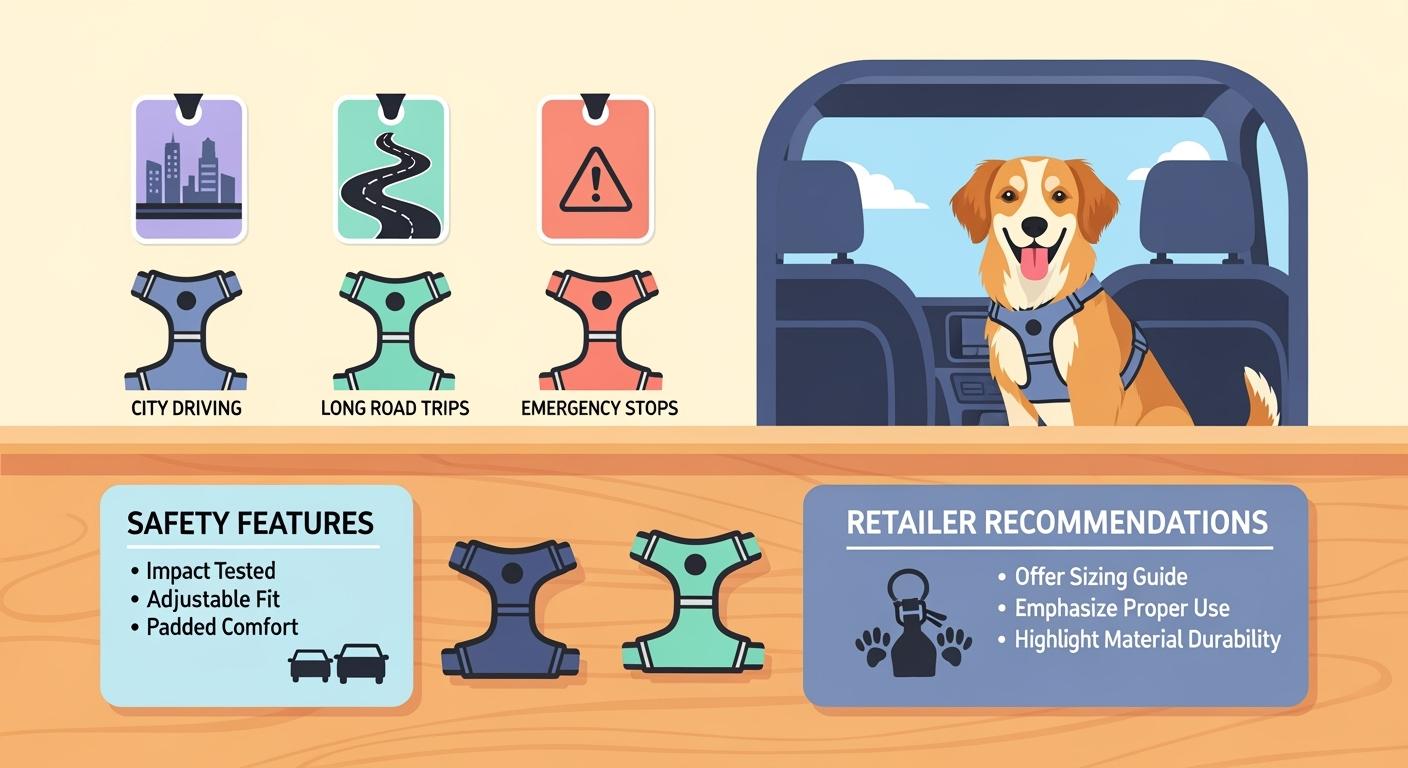
You improve safety when you match harness types to each driving scenario. Retailers must recommend crash-tested harnesses for high-risk trips, such as highway travel or long distances. For short city commutes, you may choose a standard seatbelt-compatible harness.
You may also lower risk and build customer trust when you guide buyers to a harness that matches their dog and driving patterns. A one-size-fits-all approach does not work. Each trip and vehicle is different, so scenario-based choices help you align with safety best practices and give clear, honest advice.
Types of Travel Harness for Dogs
Crash-Tested Travel Harness
Crash-tested travel harnesses are designed to improve safety for dogs during car rides. These harnesses are typically tested on sled systems using dog-shaped dummies to see how well they control movement in a simulated crash or hard stop.
Safety Feature | Description |
|---|---|
Crash Testing | Harness has been evaluated under defined test conditions and is designed to help manage crash forces. |
Stability | Helps keep the dog’s body in a stable position and limits excessive forward or sideways movement. |
Ejection Prevention | Reduces the chance that a dog will be thrown from the seat or ejected from the vehicle in a severe impact. |
Crash-tested harnesses cannot prevent all injuries, but they can help reduce the risk and improve outcomes compared with basic walking harnesses or no restraint at all.
Standard Seatbelt-Compatible Harness
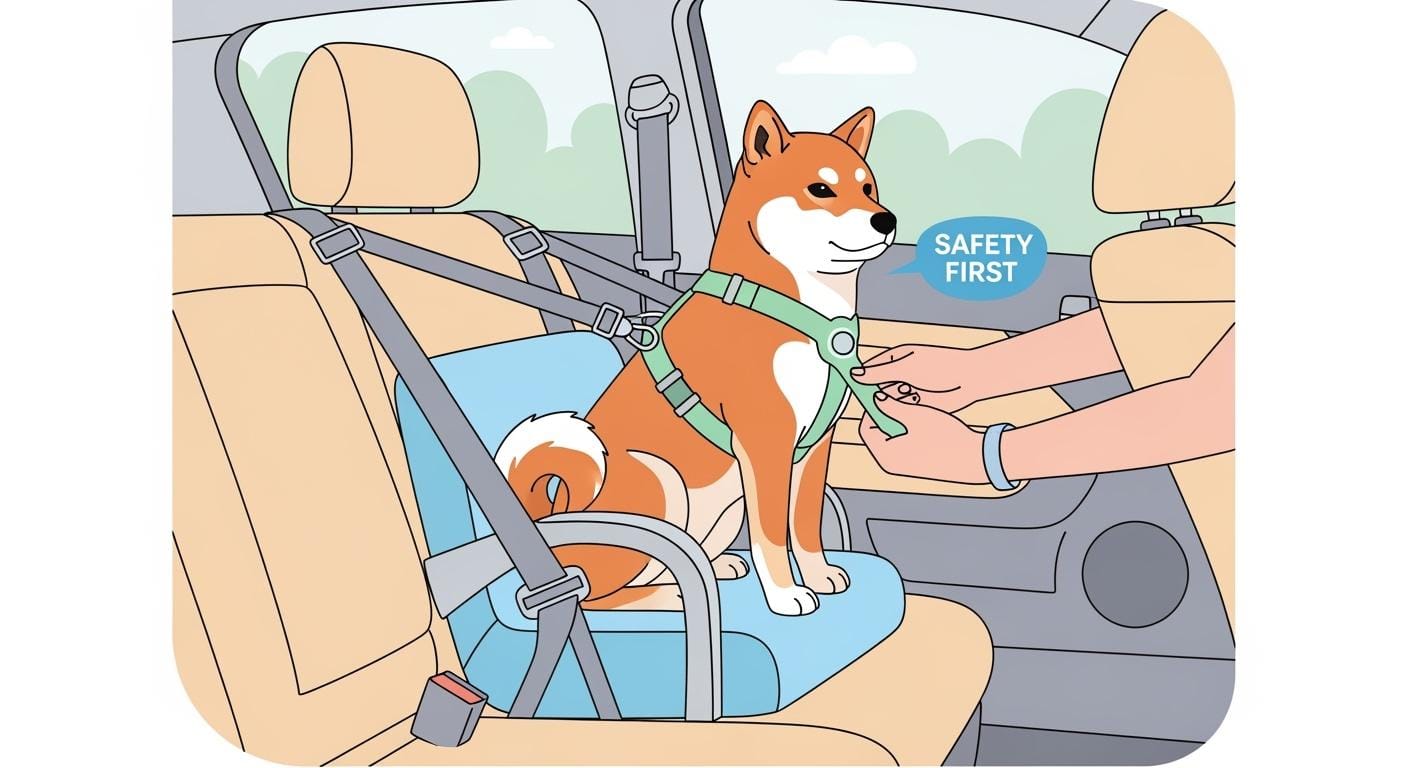
Standard seatbelt-compatible harnesses fit most cars made after 2010. You need to put them on the right way for safety. Clip the harness to the seatbelt buckle and attach it to strong parts of the car. Do not use seat cushions because they are not strong enough in a crash. These harnesses are good for short drives in the city.
Multi-Point and Tethered Systems
Multi-point harnesses spread force over the dog’s chest and shoulders instead of focusing it on the neck. This layout can improve safety and reduce the risk of injury in a sudden stop or crash. Basic tether systems can help limit a dog’s movement, but if they attach only to a collar they may put too much force on the neck during an impact.
In general, multi-point harnesses that connect low on the chest and back, especially when they have been strength- or crash-tested, provide more controlled restraint than simple tethers alone. Tethered systems are usually less expensive and can reduce distraction, but they should not be treated as a full crash-protection system.
Convertible Walking-to-Car Harness
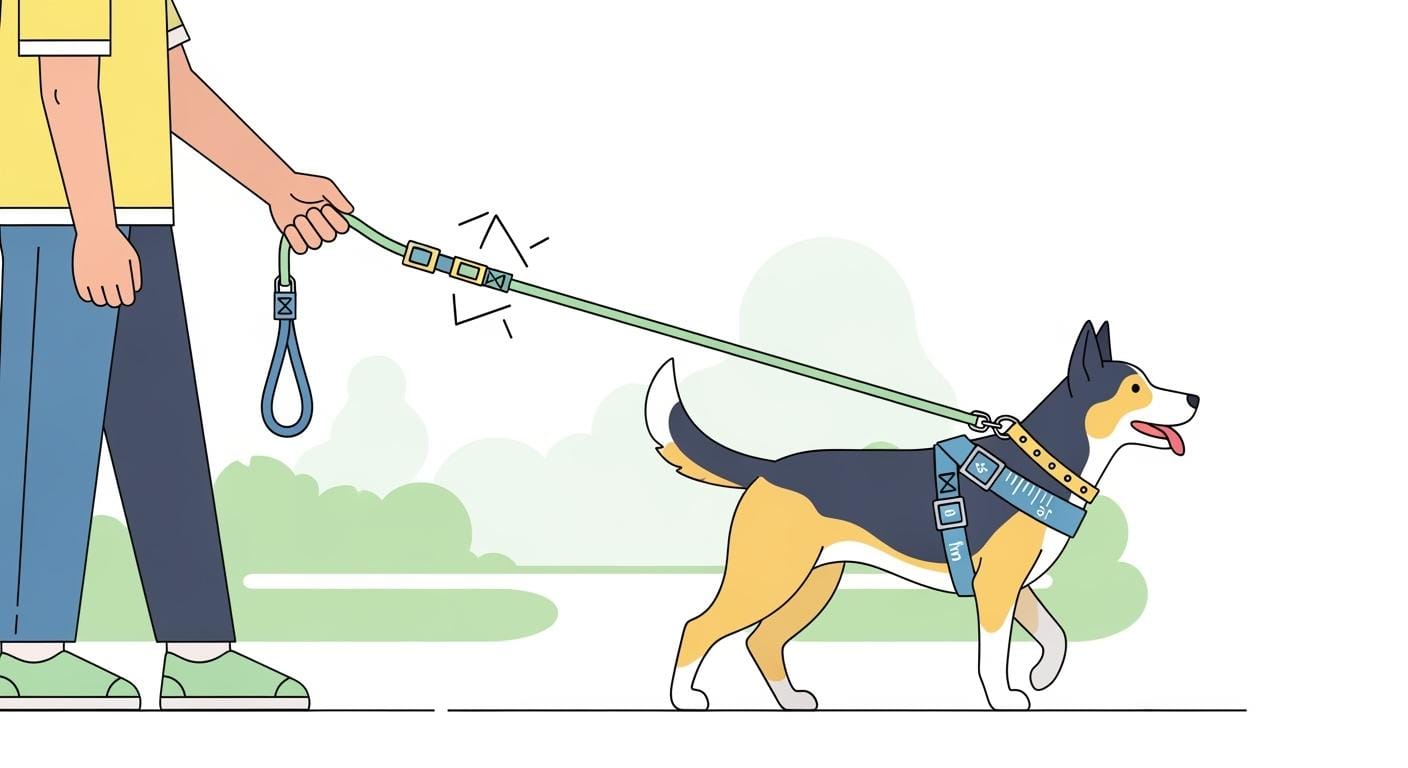
Convertible harnesses are handy for owners. You can use them for both walking and car rides. Many car harnesses work for walks, but regular walking harnesses cannot handle crash forces. Using a walking harness in the car can break it and hurt your dog. Pick harnesses made for both walking and car use for better safety.
Evidence Type | Description |
|---|---|
Safety Concern | Walking harnesses can break in a crash and hurt dogs. |
Convenience | Dual-use harnesses make it easy to switch from walking to car rides. |
Harness with Crate or Booster Seat
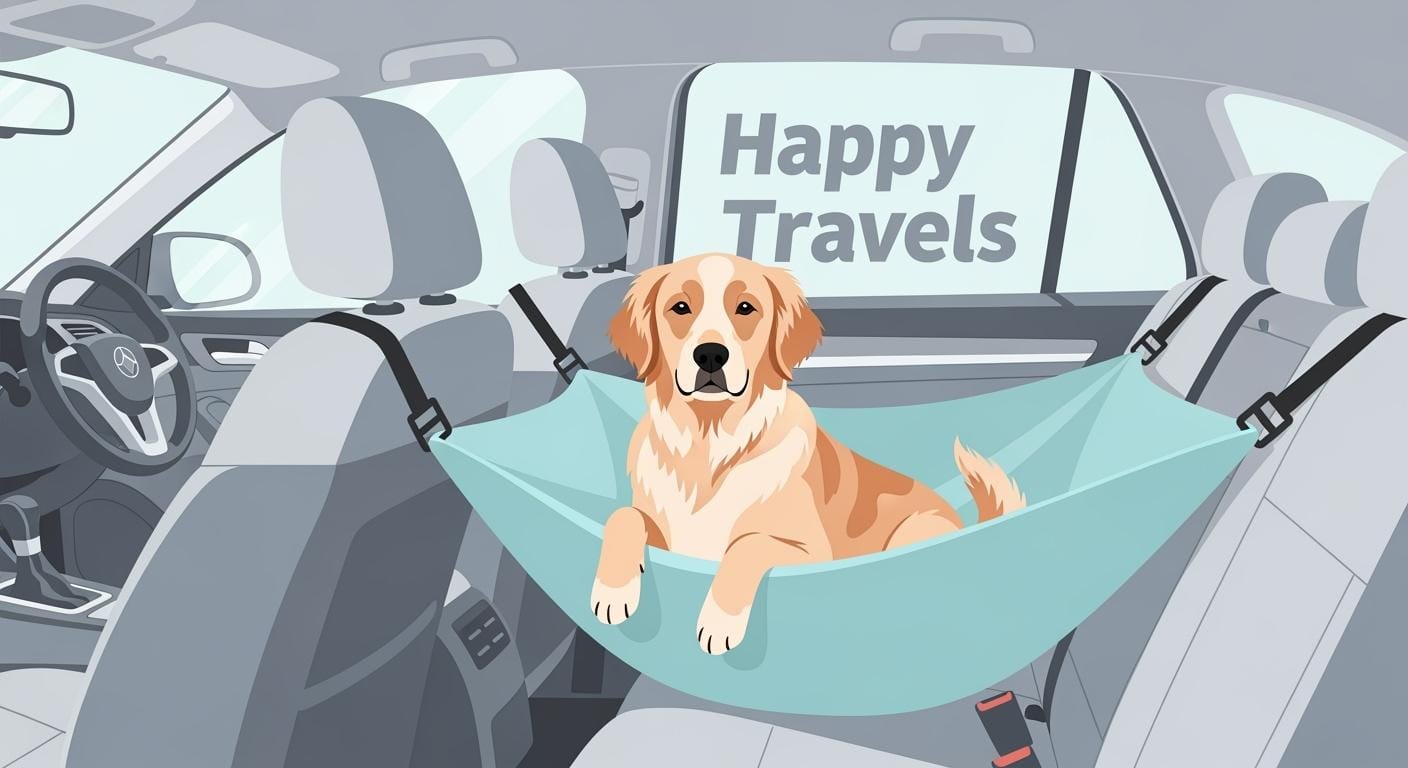
Harnesses used with crates or booster seats can add another layer of protection. A harness that connects to a properly installed crate or booster seat helps keep the dog in a defined space and reduces distraction for the driver. Whenever possible, pair harnesses with crates or booster seats that have been strength- or crash-tested.
Type | Performance in Crash Test | Notes |
|---|---|---|
Harness | Performs well when used with compatible seat-belt paths | Works better than basic harnesses that are not designed for car travel |
Crate | Holds together in test conditions at around 30 mph | Helps reduce distraction and offers an extra physical barrier |
Booster Seat | Helps keep small dogs more secure and elevated | Best suited to small dogs when used with a harness; still requires correct installation |
Matching Harness Types to Driving Scenarios
City Commutes and Errands
Many people take their dogs on short city trips. Busy streets and quick stops make safety important. Dogs need harnesses that are easy to use and keep them safe. Owners want harnesses that stop dogs from moving around too much.
Harness Type | Description | Effectiveness for City Commutes and Short Errands |
|---|---|---|
Back Clip Harness | D-loop on the back, simple design | Not ideal for busy areas, does not prevent pulling |
Front Clip Harness | D-loop at the chest, helps manage pulling | Best for crowded spaces, helps prevent distraction |
Dual Clip Harness | Both front and back clips for flexibility | Adapts to dog behavior, versatile for different settings |
Head Halters | Controls head movement, reduces pulling | Useful for strong or large dogs in urban settings |
Front clip and dual clip harnesses work best for city trips. These harnesses help keep dogs close to the seat. Owners should pick harnesses with quick-release buckles. Easy adjustability makes it simple to secure pets fast. Always check if the harness fits with car seat-belts.
Tip: Tell customers to check harness fit and comfort before every trip, even short ones.
Highway and Long-Distance Travel
Long highway trips mean more time in the car. Safety and comfort both matter: the harness should help control movement in an emergency and also stay comfortable over hours of wear. Where possible, choose harnesses that have been crash- or strength-tested and are designed specifically for travel.
Feature | Importance |
|---|---|
Crash-testing standards | Provides evidence of how the harness performs under defined crash conditions |
Comfort for extended wear | Prevents discomfort and stress during long trips |
Ease of installation | Allows quick setup, important for travel |
Durability | Withstands frequent use and movement |
Proper fit | Stops the dog from escaping, keeps the dog securely restrained |
Convenient features | Enhances usability for both dog and owner |
Pick harnesses with padded chest plates and many adjustment points. These features spread force and help keep dogs safe in crashes. Look for harnesses tested for road-safety and comfort. Remind owners to check fit before each trip. Dogs should be able to move and lie down easily.
Note: Crash-tested or strength-tested harnesses are especially valuable for highway travel, because higher speeds can lead to more severe forces in a crash.
Rural and Off-Road Trips
Rural and off-road trips can be tough for dogs. Uneven roads and sudden stops make safety and flexibility key. Harnesses should be strong and have reinforced stitching. Multi-point harnesses spread force and lower injury risk.
Dogs may get in and out of the car often on rural trips. Harnesses should be easy to put on and take off. Comfort matters if dogs wear harnesses for a long time. Make sure the harness fits well but does not stop movement.
Reminder: Rural trips can distract drivers. The harness should keep dogs in place and stop sudden moves.
Multi-Pet and Family Vehicles
Traveling with more than one pet or kids needs extra safety. Harnesses must be safe, comfy, and easy to adjust.
Feature | Description |
|---|---|
Crash Testing | Uses test methods based on Federal Motor Vehicle Safety Standards (such as FMVSS 213) when evaluated by a test lab |
Strong Materials | Uses automotive-grade webbing and reinforced stitching |
Secure Connection Points | Multiple points to distribute force in a crash |
Padded Design | Chest plates for even pressure and comfort |
Adjustability | Fits different dog sizes and shapes |
Quick Application | Easy to put on, even with excited pets |
Vehicle Integration | Works with car seat-belt systems without extra attachments |
Dual Purpose | Functions as both car and walking harness |
Harnesses should work with car seat-belts for best safety. Padded designs and many adjustment points help every dog stay safe and comfy.
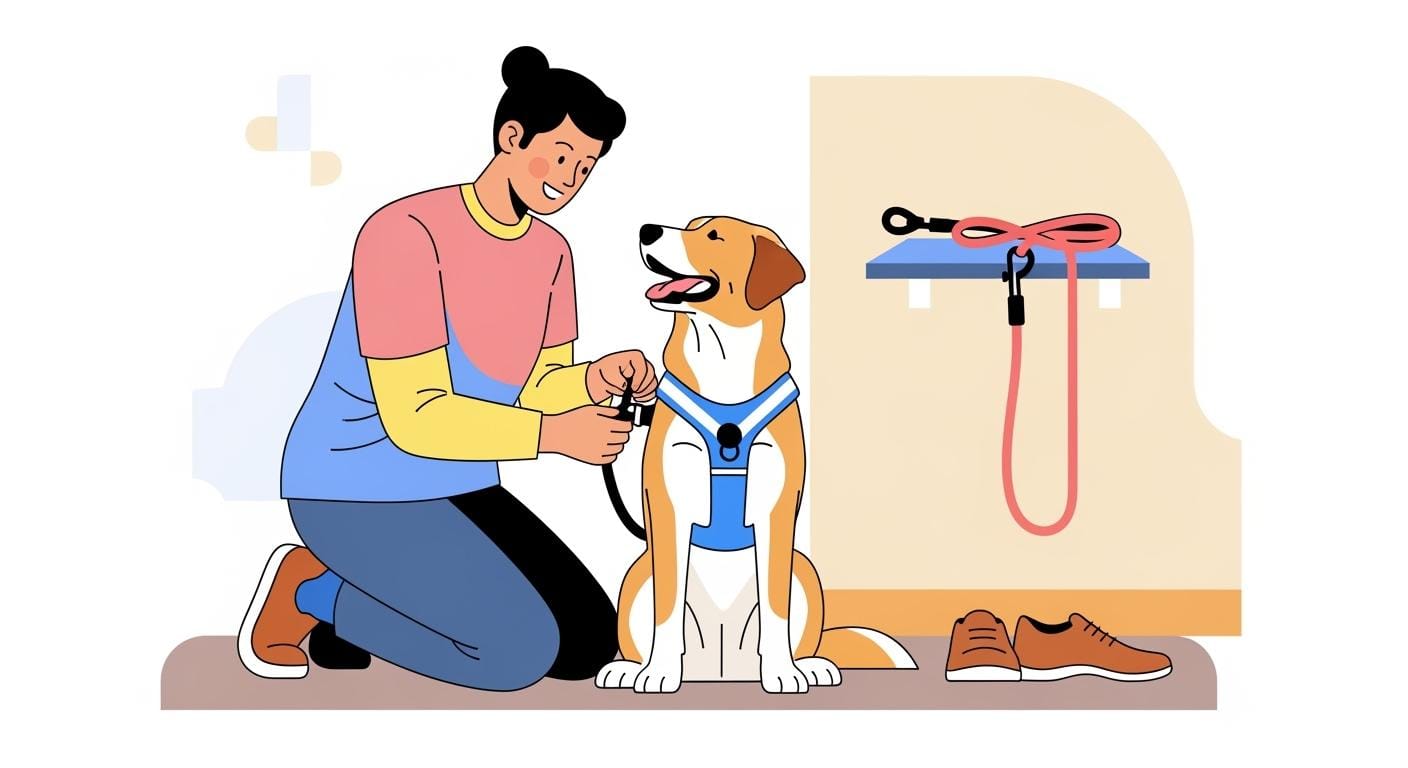
Pro Tip: Families should practice putting harnesses on pets before trips. This lowers stress and helps get a good fit.
Commercial and Professional Use
Pet taxis and animal transport vans need top safety. Harnesses must be crash-tested, strong, and easy to use for many dogs.
Pick harnesses that fit well and feel comfy.
Use a dog safety belt with the harness and car seatbelt.
Always put dogs in the back seat for safety.
Do not use extension tethers or zipline-style connections.
For commercial use, choose harnesses with many adjustment points and strong materials. Dual-purpose harnesses save time and make handling easier. Help dogs get used to harnesses with short trips first.
Matching harness types to each trip helps keep pets safe and comfy. This stops distractions and makes sure every dog is secure while traveling.
Safety and Comfort Features in Travel-Ready Dog Harnesses
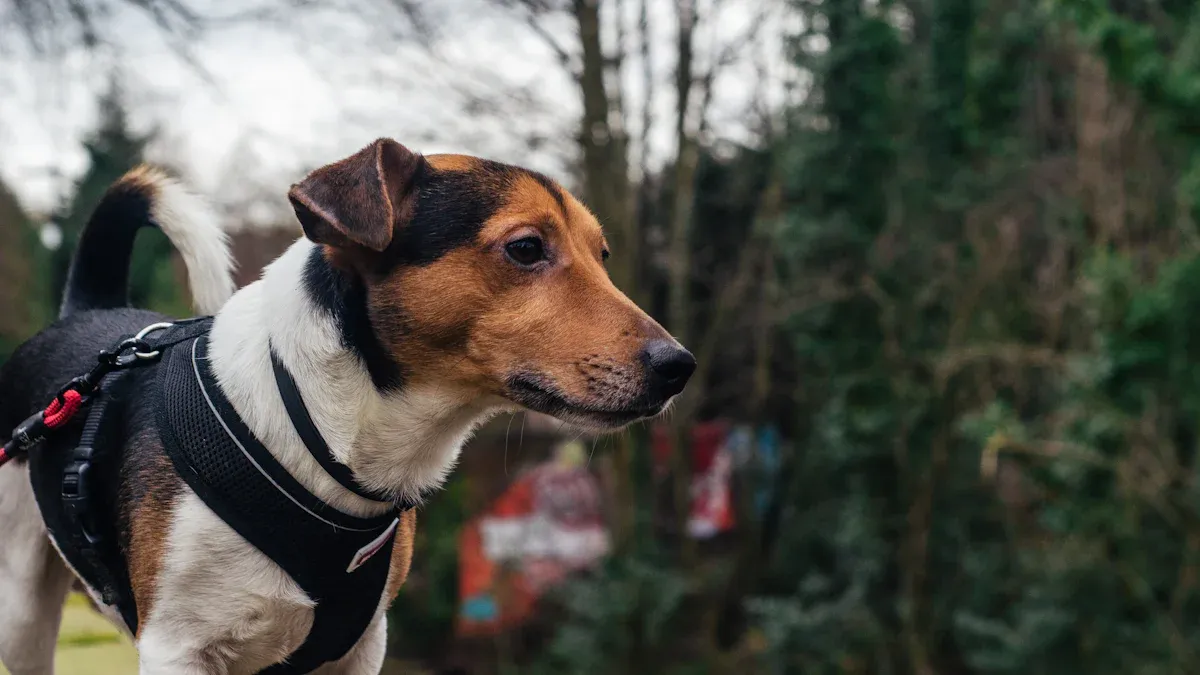
Crash-Test Certification and Compliance
It is important to check what a brand means when it talks about crash testing or certification. Some independent organizations run voluntary crash-test programs for pet travel harnesses. A certification mark from one of these groups means the product met that program’s criteria under test conditions; it is not the same as a government approval.
Crash-tested harnesses with clear, third-party reports can give retailers and customers more confidence, because they show how the harness performed in defined crash scenarios. Three-point designs that hold the torso and connect at multiple points are designed to spread crash forces across the chest and shoulders rather than the neck.
Fit, Adjustability, and Dog Comfort
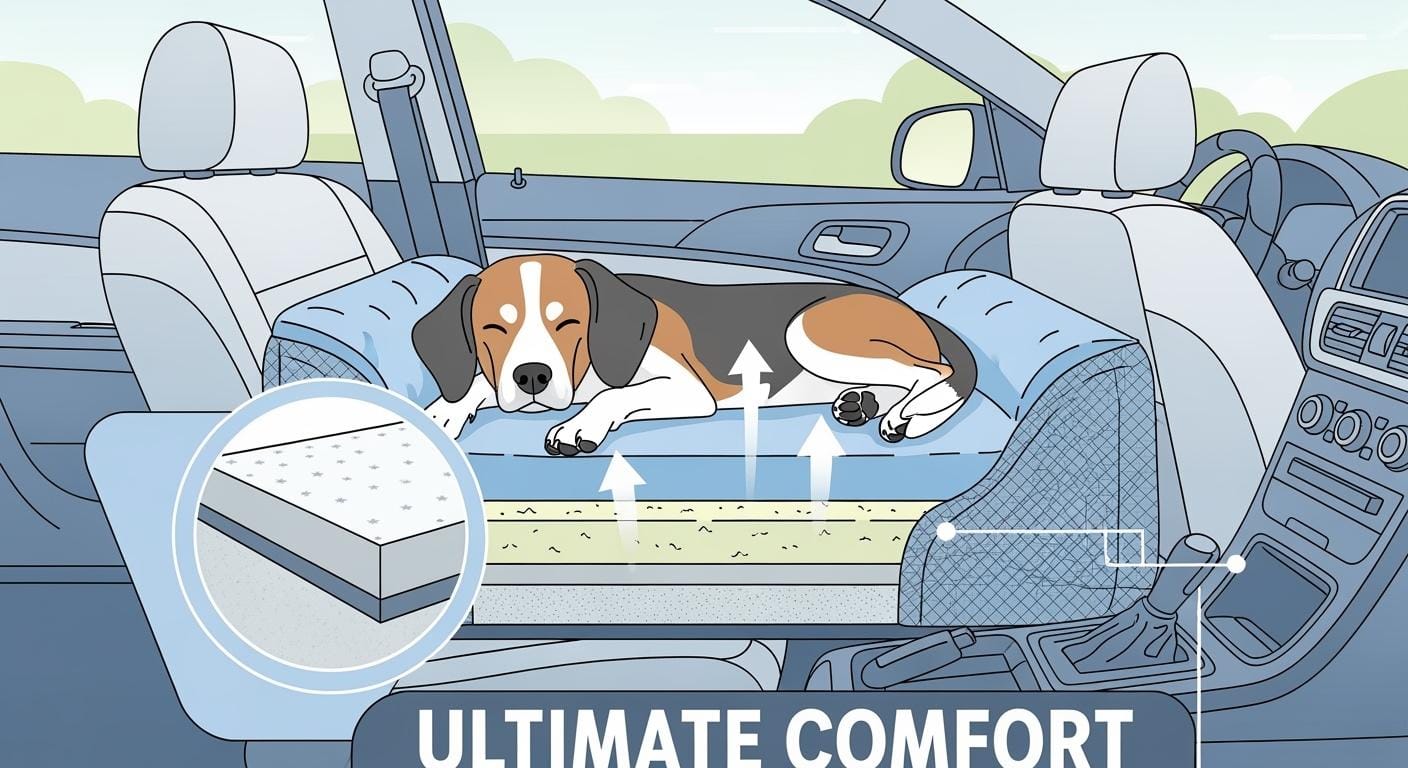
Getting the right fit is very important for both safety and comfort. Pick a dog safety belt that matches the dog’s size and body shape, and make sure there is room to breathe and move. Adjustable harnesses help limit excessive movement and allow a closer, safer fit that may improve performance in a crash. Soft padding and breathable materials make long trips more comfortable, and dogs can change how they sit or lie down while still remaining properly restrained.
Adjustable harnesses stop too much movement and help in crashes.
Soft padding and gentle materials make long trips more comfy.
Dogs can change how they sit or lie down and still stay safe.
Materials and Durability
You should choose harnesses made from strong, durable materials that can handle repeated use and sudden loads. Look for webbing, buckles, and stitching designed for automotive or industrial use, but also make sure the materials stay comfortable against the dog’s coat and skin. The table below shows examples of common material choices and their benefits.
Material | Benefits |
|---|---|
High-grade leather | Stays strong and keeps its shape |
Padded fleece | Soft and lets air flow for active dogs |
Spacer mesh | Extra air flow and comfort |
Reinforced stitching | Tight seams that last longer |
Weatherproof coatings | Keeps out rain and dirt, lasts longer |
UV-resistant fabrics | Does not fade in sunlight, looks new |
Reflective trim | Easier to see in the dark, safer for dogs |
Strong harnesses keep their shape and key features, such as buckles and adjustment points, even after long use. Weatherproof coatings, UV-resistant fabrics, and reflective trim help the product stay visible and functional over time. These elements support overall safety by keeping the harness in good working condition, but they are not a substitute for proper crash or strength testing.
Maintenance and Cleaning
You need to keep dog safety belts clean and in good shape for crash protection and comfort. Check harnesses often to find damage like fraying or loose stitches before it gets worse. Clean buckles and rings so they work well. Wash harnesses by hand with gentle soap and warm water. Do not use strong chemicals because they can hurt the materials. If you use a washing machine, put the harness in a mesh bag and always let it air-dry. Store harnesses in a dry place where you can see them to stop mold and keep them ready.
Check harnesses often for damage or wear.
Wash with gentle soap and warm water.
Air-dry to keep materials and safety features strong.
Store harnesses dry and away from sunlight.
Tip: Clean and check harnesses after every trip for best safety and comfort.
A clean and well-kept dog safety belt with crash protection keeps dogs safe and comfy on every trip. You help customers trust your products and lower injury risk by focusing on these important areas. For small dogs, using a harness with a crash-tested carrier adds extra safety.
Retailer Guidance: Recommending the Right Harness
Assessing Customer Needs
You help customers pick the best travel harness by learning what they need. Teach them about road-safety and why distractions are risky. Many people do not know how strong a dog can be in a crash. Use easy-to-read signs and handouts to show how harnesses work in cars. Train your workers to answer questions about fit, comfort, and crash safety. Ask buyers for feedback to make your harness choices and service better.
Step | Description |
|---|---|
1 | Teach customers why dog seatbelts matter and answer their questions. |
2 | Focus on safety and comfort so buyers can choose well. |
3 | Use signs and handouts to show how dog car seats work. |
4 | Train workers to help customers pick the right car seat for their dogs. |
5 | Ask for feedback to make products and service better. |
Explaining Safety and Comfort Benefits
You need to tell customers why travel harnesses are good. Show how harnesses spread crash force over the dog’s chest and shoulders. This helps lower injury risk and keeps dogs safe. Point out that soft padding and a good fit make dogs more comfy and less distracted. Harnesses also protect the neck and help nervous dogs feel safe when riding in the car.
Benefit | Explanation |
|---|---|
Safety | Harnesses spread force over the chest and shoulders, so dogs are safer than with collars. |
Control | They help you control dogs on walks, especially small dogs that slip out of collars. |
Comfort | Soft padding stops pain and lets dogs move without hurting. |
Training Support | Harnesses help nervous dogs feel safe and help with leash training. |
Neck Protection | They lower neck pressure and stop damage from pulling. |
Demonstrating Proper Installation
You help stop mistakes and make driving safer by showing buyers how to put on travel harnesses. Many people make errors, like not making the harness tight, using the wrong fit, or clipping the tether to a collar. Always tell customers to read the instructions. Offer in-store demos and give clear steps. Show how to check the fit, attach the tether to the harness, and lock the seat belt to stop dogs from moving or escaping.
Not making the dog car seat tight in the car.
Clipping the tether to a collar, not a harness.
Using the wrong size or weight for the dog.
Bad harness fit, which can hurt or let dogs escape.
Not locking the seat belt or leaving it too loose.
Tip: Always check the harness fit and comfort before every trip.
After-Sales Support and Replacement
You build trust by giving good after-sales help for travel harnesses. Make a clear rule for replacing harnesses after a crash. Ask customers for a report and a photo of the broken harness. Send a new harness within a set time, like 15 business days. Remind buyers to get a new harness after any crash to keep dogs safe. Offer different crash-tested harnesses to fit each dog’s size and travel needs.
Feature | Description |
|---|---|
Replacement Offer | Free new harness if one is in a car accident |
Claim Process | Send a report and photo to get a new harness |
Shipping Time | New harness sent within 15 business days after approval |
Safety Assurance | Always replace harness after a crash to keep dogs safe |
Certification | Documented crash or strength testing for safer travel (for example, third-party crash-test reports) |
You help customers keep their dogs safe and comfy on every trip by focusing on fit, crash safety, and road-safety. This helps stop distractions and makes people want to shop at your store again.
You should pick a harness that fits each trip. Focus on safety, comfort, and rules. This keeps pets safe and helps customers trust you.
Benefit | Description |
|---|---|
Safety | Harnesses spread force so pets do not get hurt. |
Comfort | Soft padding helps pets feel good and happy. |
Compliance | Reflective stitching and a secure, comfortable fit support safer travel and may help owners follow local pet-transport rules. |
Customer Loyalty | Good safety and comfort make people come back to buy again. |
Learning more helps owners use harnesses the right way and keeps pets safer. Keep up with new or updated safety guidelines and voluntary standards from groups such as ASTM, government agencies, and independent safety organizations. Watch for new harness designs and test data so you can keep offering the strongest options to your customers.
FAQ
What makes a crash-tested harness different from a regular harness?
Crash-tested harnesses are made with stronger materials. They go through special safety tests. These harnesses protect dogs better in car accidents. Regular harnesses do not have these tests. They might break if there is a crash.
How do you choose the right harness size for each dog?
Crash-tested harnesses are designed specifically for use in vehicles and have been evaluated under defined crash or strength tests, often using dog-shaped dummies. They usually use stronger materials, reinforced stitching, and multi-point connections to help control movement in a collision. Regular walking harnesses are not normally tested for crash forces and may not hold up in a serious accident, even if they work well on a leash.
Can you use the same harness for walking and car travel?
Some harnesses are designed for both walking and car travel. Look for products that clearly state they are suitable for vehicle use and that have strength or crash-test data. Regular walking harnesses are usually not built for crash loads and can fail when exposed to the high forces of a car accident.
How often should you replace a dog car harness?
Replace the harness after any car accident. Check it every month for damage or wear. Strong stitching and good materials help keep dogs safe.
What features help retailers assess harness quality?
Check for crash-test certification and reinforced stitching. Adjustable straps help the harness fit better. Use this table to compare features:
Feature | Benefit |
|---|---|
Crash-Tested | Performance evaluated under defined crash conditions |
Reinforced Stitching | Lasts longer |
Adjustable Straps | Better fit |
Durable Materials | Withstands use |