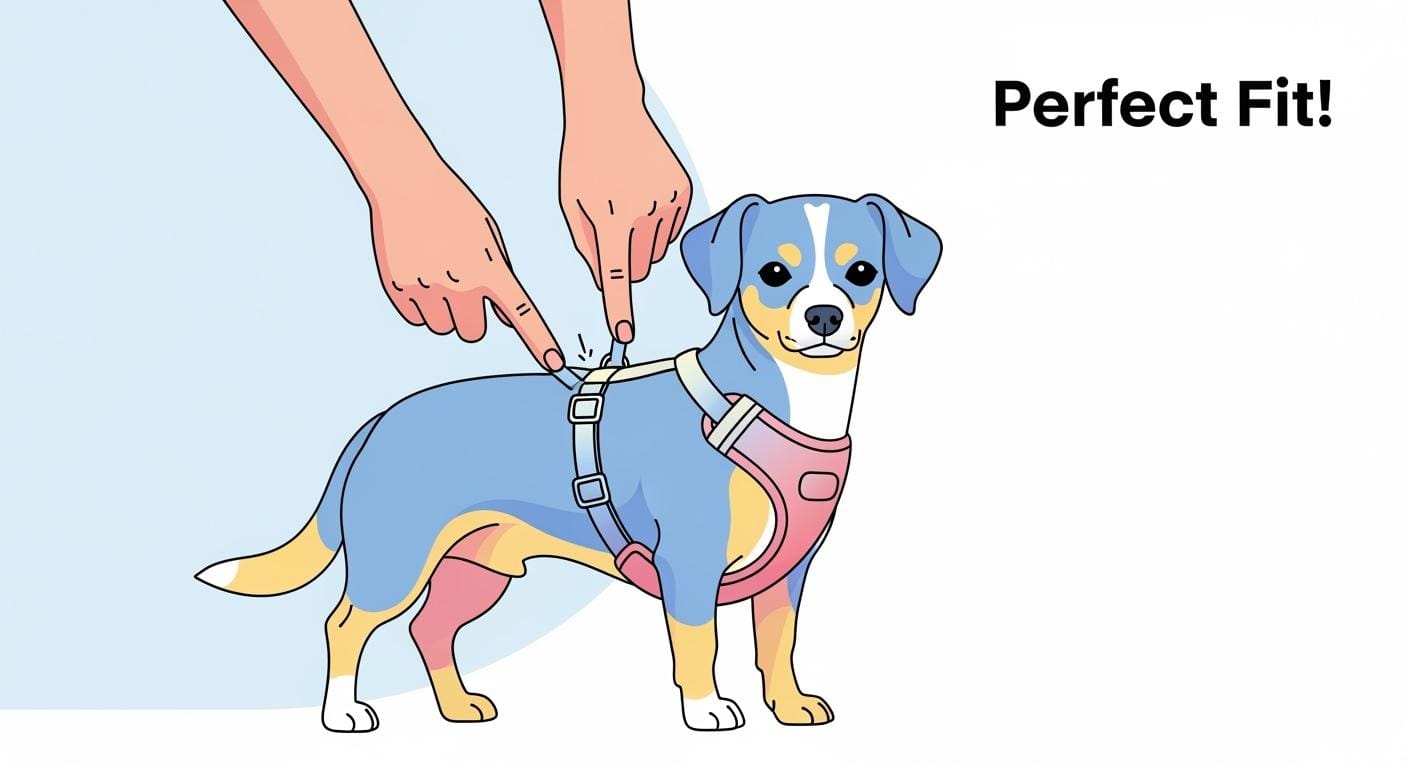
You help your clients make travel safer. You do this by using harness for car for dog with tethers and car seat covers. Treat these parts as one system, not as separate things. This way, every dog in the car is safer. It also helps drivers stay focused. You give your clients more value by selling bundles. These bundles work well together and are easy to use.
Our company provides ERP and retail systems for pet brands, fleets, and rental companies that offer pet travel options, so we see patterns in sales, returns, and installation problems for dog car harnesses, tethers, and seats. For this guide we combine that operational view with public information from independent programmes such as the Center for Pet Safety (CPS), child restraint regulations like the U.S. Federal Motor Vehicle Safety Standard (FMVSS) No. 213 for children, and crash-test data published by harness manufacturers and test labs. This article turns those external references into practical checklists for B2B buyers and does not replace engineering, veterinary, or legal advice.
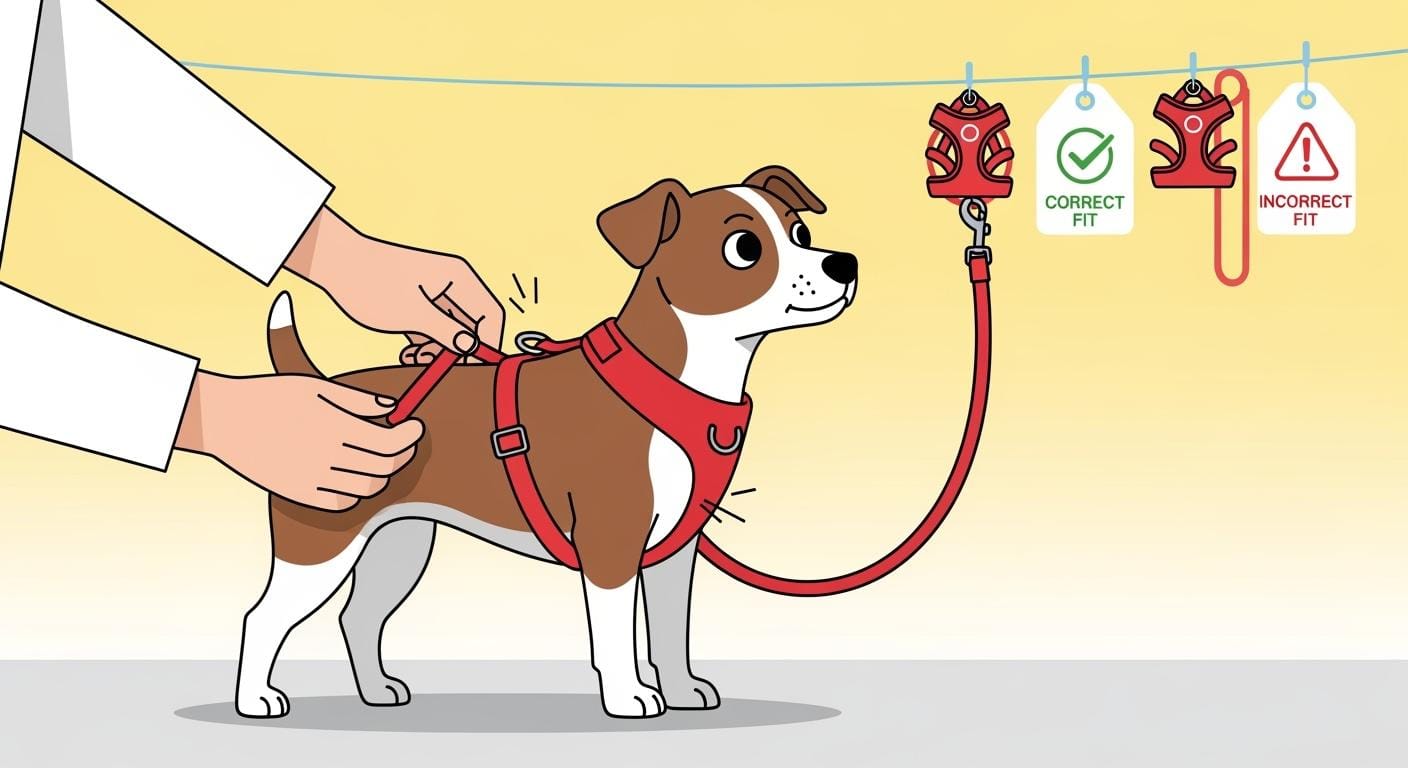
Harness connects to tether, not to collar.
Car seat covers should not cover seat belt buckles or anchor points.
Putting these together makes work faster and easier.
Key Takeaways
Put harnesses, tethers, and car seats together in one system. This makes dogs safer and helps drivers stay focused.
Always attach tethers to harnesses, not to collars. This spreads out the force and keeps dogs safe if you stop fast.
Make sure all parts work well together. Check that seat covers do not block seat belt buckles or anchor points. This keeps everything as safe as possible.
Give clients checklists for putting in and caring for the gear. This helps keep every bundle safe and high quality.
Let clients pick different harnesses and safety gear. This helps your brand stand out and fits what clients want.
In-Car Safety Bundle Architecture
Essential Components: Harness, Tether, Dog Car Seat
You make a safe car system by using three main parts. Each part helps keep dogs safe when they travel. The harness for car for dog is the most important part. It holds the dog in place and stops it from moving too much if the car stops fast. The tether connects the harness to the car’s seat belt or anchor point. This stops the dog from moving around and keeps the driver from getting distracted. The dog car seat or seat cover gives a steady spot for the dog. It also helps the harness and tether work better and keeps the car clean.
Here is a table that lists the main parts and what they do:
Component Type | Role |
|---|---|
Crash-Tested Harness | Makes car rides safer by spreading crash forces and stopping too much movement. |
Standard Seatbelt-Compatible Harness | Good for short trips, connects to the car’s seatbelt. |
Multi-Point Harness | Spreads force over the dog’s body to lower injury risk. |
Convertible Harness | Can be used for walking and car rides, making things easier. |
Crash-Tested Crate | Gives the most safety by stopping the dog from moving in a crash. |
Gives a safe and raised spot for small or older dogs, helps with car sickness. |
You should always clip the tether to the harness, not the collar. This keeps the dog safer and helps hold it in place. The dog car seat cover should not block seat belt buckles or anchor points. You need to make sure all the parts work together as one system.
System Integration and Compatibility
You get the best results when all parts work together. It is important that every bundle fits well. The harness for car for dog must work with the tether and the dog car seat. You need to check that the harness clips to the car’s seat belt or anchor points. The seat cover must let you reach these spots easily. If you use a dog car seat, make sure it helps the harness and tether and does not block safety parts.
Here is a table that shows how the parts work together:
Component | Interaction with Other Components | Safety Benefit |
|---|---|---|
Dog Car Seat Covers | Must work with harnesses and tethers | Helps keep the dog safe and stops it from moving, so the driver is not distracted. |
Harnesses | Works with seat covers | Makes sure dogs are held in place during the ride. |
Tethers | Used with seat covers | Adds more safety to stop movement and injury. |
Tip: Always test your bundle to make sure all parts fit together. This helps you find problems before you sell it and makes sure everything works right.
Loose pets can jump into the front seat and bother the driver. If there is a crash, even small dogs can be thrown very hard. Many drivers know these dangers but do not use safety tools. You help your clients fix these problems by giving them a full system.
Bundle Benefits for B2B Partners
You get many good things by selling safety bundles. First, you make car rides safer for dogs and people. You help clients buckle their dogs and stop distractions. Second, you make it easier to set up and use. Clients save time because all the parts fit and work together. Third, you make your products better. Bundles with crash tested harness, tether, and dog car seat show you care about safety and quality.
You also help your clients work faster. Fleets and rental companies can put in bundles quickly and check them easily. You lower the chance of returns and problems by using strong, matching parts. You help clients follow safety rules and what the industry wants.
Note: You should add a checklist for each bundle. The checklist can cover fit, if the parts match, how to put them in, and how to take care of them. You can use it in tech packs, sales papers, and quality checks.
You make the dog car harness the main part of your safety system. You build trust with clients by showing how all the parts work together. You help them plan their products and safety ideas to match what people want for pet travel safety.
Selecting Harness for Car for Dog
Crash-Tested Features and Standards
You need to pick a crash tested harness that follows top safety rules for your fleet or product line. Look for harnesses with padded vests, seat belt grade straps, and strong buckles. These parts help spread force over the dog’s body and lower injury risk if the car stops fast or crashes. Always clip the tether to the harness, not the collar, to keep the dog safe.
In 2011, the Center for Pet Safety (CPS) did a study to see how safe pet travel harnesses are in a crash. After that, CPS finished a big study in 2013. Almost every car harness for dogs failed the tests, and many were called ‘catastrophic failures.’ There are no crash-test rules for pet car harnesses like there are for child seats.
These CPS tests used crash pulses based on child restraint regulations such as FMVSS No. 213, but they are voluntary programmes for pet products, not laws. At the time of writing there is still no government safety standard written only for pet car harnesses, so brands and fleets must rely on a mix of child-seat references, independent lab tests, and internal policies.
You should pick harness for car for dog that follows clear safety principles and has transparent test reports. Crash tested harness designs use tough materials and extra strong stitching. Look for wide chest plates and straps you can adjust. These help keep the dog in place and support the system for in-car safety bundles.
Fit, Durability, and Ease of Use
You need to make sure the harness fits the dog well. A good fit keeps the dog comfy and safe. Offer choices for different sizes and breeds. Small dogs may need booster seats with their harness for car for dog. Big dogs need harnesses with more padding and strong buckles. Make sure the harness does not rub or pinch the dog.
Look for harnesses that meet strong durability standards. Tough materials and good build help stop failures. You can use this table to compare durability standards:
| Standard or framework | Description |
|---|---|
| ISO 9001 | Shows that the manufacturer runs a formal quality management system. It supports consistent production but does not by itself prove that a harness is crash safe. |
| CPSIA (USA) | Sets chemical and labelling rules for children’s products. Pet harnesses are not classed as children’s products, but some brands choose to follow similar limits for metals and plastics when products may be handled by children. |
| Child restraint crash-test references | Regulations such as FMVSS No. 213 for child seats define dynamic sled-test pulses and anchorage rules. Some pet harness manufacturers ask labs to test using modified versions of these pulses to benchmark performance, even though there is no dedicated pet harness law. |
| Laboratory test methods | Independent labs can run textile tensile tests, buckle fatigue tests, and dynamic sled tests with dog dummies. Ask for full reports rather than relying only on a small “crash tested” logo. |
Pick harnesses that are easy to put on and take off. Quick-release buckles and simple straps help people buckle up dogs fast. You can use a checklist to check fit, strength, and how easy it is to use each harness in your bundle.
| Harness Name | Size Range | Key Features | Safety Testing (per manufacturer) |
|---|---|---|---|
| Sleepypod Clickit Sport | 18 to 90 pounds | Light weight, padded, easy to switch to walking harness | Listed by the Center for Pet Safety (CPS) as CPS Certified™ and crash tested using sled pulses based on child restraint standards. |
| Kurgo Impact | X-small to X-large | Five adjustment points, leash clips on front and back, smart design | Manufacturer reports crash tests at an independent university lab using a protocol based on FMVSS No. 213 child seat conditions. |
| EzyDog Drive | Small to Large | Memory foam chest piece, step-in style, strong build | Manufacturer reports crash testing at an automotive safety engineering facility using dynamic sled tests. |
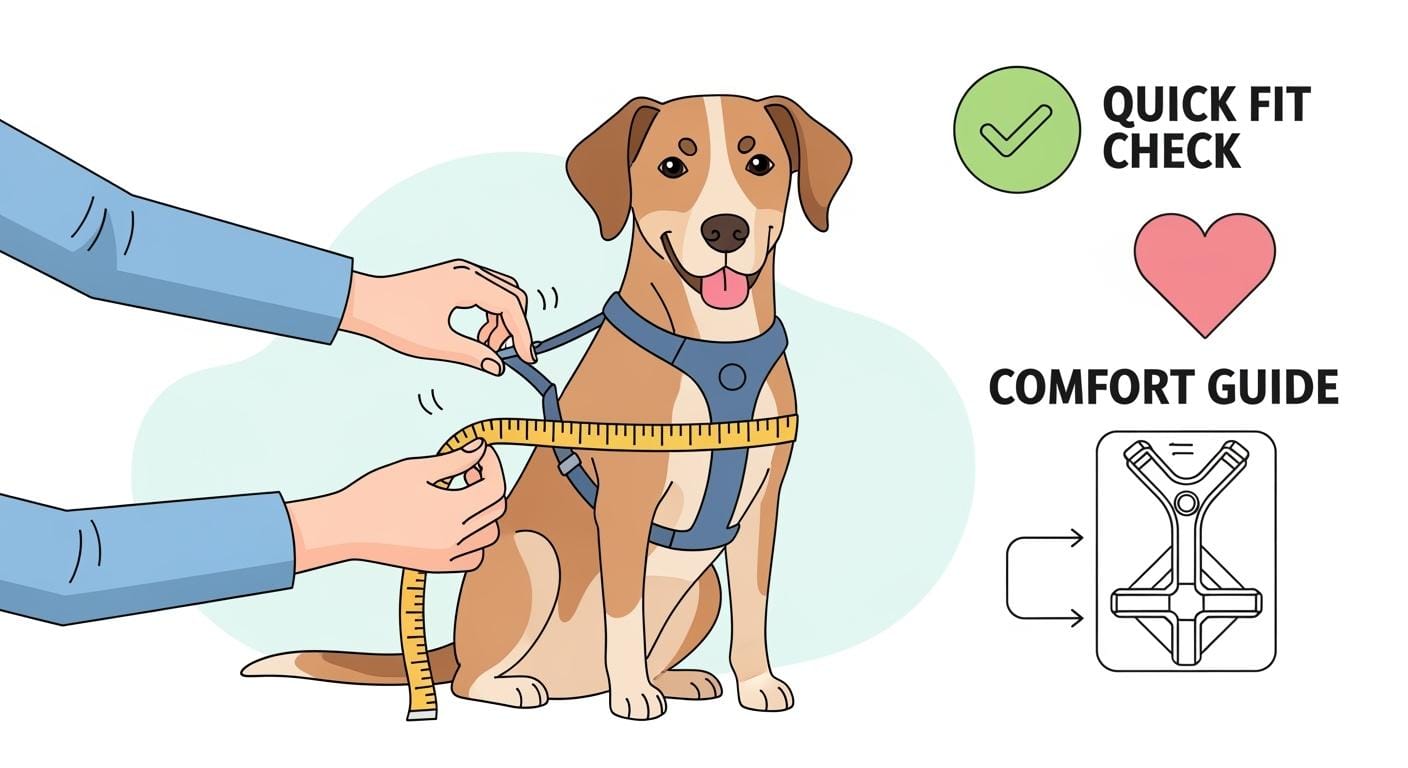
Tip: Always measure the dog before picking a harness. Check the chest and neck size. Make sure the harness does not slip or twist when the car moves.
Compatibility with Vehicle Attachment Points
You must check that the harness for car for dog works with your fleet vehicles. The harness should clip to seat belts or anchor points without blocking them. Make sure the dog car seat and seat cover do not cover buckles or anchors. The system must let you secure the dog fast and safely.
Use this table to check vehicle attachment standards:
| Reference | Description | Relevance to Fleet Vehicles |
|---|---|---|
| Vehicle owner’s manual and child-seat anchorage guidance | Explains how to use seat belts and lower anchors safely with child restraints. There is no separate law for dog harnesses, but the same anchorage points are usually used. | Fleet managers should follow the vehicle maker’s instructions for belt routing and airbag zones and avoid attaching pet tethers to non-structural or prohibited areas. |
| Internal fleet policy and lab test reports | Defines which harness models and attachment methods are approved based on lab crash tests and pilot trials. | Gives drivers simple rules to follow and supports training and audits. |
Practical Fleet Validation Checks
Before you roll a bundle out to a whole fleet, you can run small validation tests in a few vehicles. These do not replace full crash tests, but they give first-hand evidence that the system works in daily use.
- Static pull and fit test: With the vehicle parked, secure a dog dummy or weighted harness and apply firm pulls in different directions to check that buckles, seat belts, and anchors stay locked.
- Controlled braking runs: On a closed track or very quiet road, perform a series of moderate and hard braking tests with a dummy or trained dog and a handler. Watch how far the harness and tether allow movement and whether any parts twist or loosen.
- Installer checklist: Ask technicians to record how long installation takes, what tools they needed, and any points where harnesses or covers interfere with buckles or airbags.
- Driver feedback log: During the pilot, have drivers note distractions, adjustments during trips, and any wear or failures they see.
Recording these checks in your ERP or fleet system turns real-world use into data that supports future purchasing and safety decisions.
Test the harness, tether, and dog car seat together. Make sure all parts fit and work as one system. You can use a checklist for quality checks and bundle details.
Checklist for B2B Buyers:
Does the crash tested harness follow safety rules?
Is the harness the right size for the dog?
Are the straps and buckles strong and easy to use?
Does the harness clip to seat belts or anchor points without blocking them?
Do all parts work together as a system?
Can you put on and take off the harness fast?
Does the harness keep the dog safe and comfy?
You help your clients build safer travel systems when you pick the right harness for car for dog. You help things run smoother and lower risk by using a system approach. You make sure every dog car harness in your bundle meets the best standards for fit, strength, and compatibility.
Installation & Compliance
Step-by-Step Installation for Fleets
You need easy steps to keep dogs safe in fleet cars. Follow these steps to make sure the dog is secure and all parts work together:
Pick the right harness size for each dog. Use a chart or watch a video to help.
Change the harness straps so it fits snug and comfy.
Clip the carabiner to both the waist and shoulder straps on the car seat belt. Buckle the seat belt after you do this.
Make sure the harness connects to the tether, not the collar.
Check that the seat cover does not block seat belt buckles or anchor points before you put in the car seat.
Tip: Test the system after you set it up. Make sure all parts work together and nothing blocks safety features.
Maintenance and Inspection
Doing regular checks helps your safety bundles last longer. Use these steps to stop problems and lower returns:
Look at buckles, clips, and straps for damage before every use.
Clean off dirt and debris from all parts.
Wash harnesses by hand with warm water and gentle soap. If you use a washing machine, put the harness in a mesh bag and use a gentle cycle.
Use mild, scent-free soap and never use bleach.
Let gear air dry away from sunlight.
Switch out gear sometimes so it does not wear out too fast. Store it in a dry place.
Clean gear after outdoor trips and use sprays to make it last longer.
Note: Write down your cleaning and checking steps in your tech packs and quality checks.
Meeting Industry Safety Principles
You help keep things safer by following commonly accepted safety principles. Always clip tethers to harnesses, not collars. Make sure seat covers let you reach seat belt buckles and anchor points. Only use harnesses and tethers made for cars. Test each bundle to see if it fits and works well. Remind clients to watch their pets and follow local laws when using the car seat system.
Compliance Checklist | Yes/No |
|---|---|
Harness fits dog properly | |
Tether attaches to harness | |
Seat cover does not block buckles | |
All parts work together | |
Maintenance routine followed |
Callout: Doing the same steps for setup and checks helps you keep safety high and work better.
Maximizing Value for B2B Clients
Customization and Branding
You can help your business grow by letting clients pick colors and add logos to harnesses and safety gear. This makes your brand easy to spot. It also helps pet owners get products that fit what they want. These choices make your bundles special and more valuable to B2B clients. Strong harnesses help people trust your brand and buy again. You can give partners tips about new trends and teach them about materials. This helps them choose products that customers like.
Feature | Benefit for B2B Clients |
|---|---|
Customizable harnesses | Meet branding needs and bring in more buyers |
Durable materials | Build trust and keep partnerships strong |
Safety, comfort, style, durability | Help people decide what to buy and make your brand better |
Trend insights and education | Help partners match what the market wants |
Tip: Show your customization choices in tech packs and sales sheets. This proves you care about quality and what clients need.
Training and Support Materials
You help clients do well by giving them simple training and support tools. Use guides, videos, and pictures to show how to set up each part of the safety bundle. Give step-by-step directions for fitting the harness, attaching the tether, and putting in the dog car seat. Training helps clients avoid mistakes and use gear the right way. Support tools also stop confusion and lower returns. You can share tips for fixing problems and keeping gear clean.
Make picture guides for setup and checks.
Give answers and steps for common problems.
Share cleaning and storage tips for gear.
Callout: Good training tools help clients use your products safely and easily.
QC and Bundle Specification Checklist
You can make quality better by using a clear bundle checklist. This list helps you check that every safety bundle meets rules and what clients want. Add important details for safety, comfort, setup, and what customers like. Use the checklist when you check bundles and before you send them out.
Specification Type | Details |
|---|---|
Safety Features | Strong harness or tether keeps the dog safe; connects to a solid spot in the car. |
Comfort Considerations | Soft padding makes rides comfy; adjustable parts fit all dog sizes. |
Installation & Maintenance | Easy to put in with seatbelt or LATCH; covers come off and can be washed. |
Customer Preferences | Choices for different cars; tips for checking fit and tightness before trips. |
Note: Use this checklist in your checks and tech packs to keep quality high and meet client needs.
You can make safety bundles better by focusing on harness integration, comfort, and durability. Use harnesses that adjust and have strong places to attach. Make sure each part fits with the others for more safety and easier use. Look at your products now and change them to meet higher standards for pets and drivers. Use checklists and check your gear often to keep quality high. Watch how well your bundles work with clear numbers to help your business grow and build trust.
About This Guide and Sources
This guide is written for pet brands, fleets, and B2B buyers who build in-car safety bundles with dog harnesses, tethers, and seats. It is produced by a team that supports these businesses with ERP and retail systems, so we regularly review sales patterns, return reasons, and installation problems related to pet travel products. We translate those findings into checklists and workflows, but we are not a certification body or engineering consultancy.
The safety discussions in this article draw on external sources: crash-test work and certification programmes from the Center for Pet Safety (CPS), public information from harness manufacturers and independent test labs, and child-restraint regulations such as FMVSS No. 213 that are sometimes used as references for sled-test pulses. We also look at fleet and road-safety guidance about distracted driving and cargo restraint. Because regulations change and test methods vary, brands and fleets must confirm details with their own engineers, veterinarians, accredited laboratories, and legal or compliance experts in every target market before making safety claims.
FAQ
What makes a dog car harness essential in safety bundles?
You use a dog car harness as the main part of your safety bundle. It keeps dogs secure during travel. The harness works with tethers and car seats to reduce movement and support safer journeys for pets and drivers.
How do you ensure all components in a bundle are compatible?
You check that each part fits together. Test the harness, tether, and seat cover in your vehicle. Make sure the tether attaches to the harness, not the collar. The seat cover should not block seat belt buckles or anchor points.
Why should tethers connect only to harnesses, not collars?
You attach tethers to harnesses to spread force safely across the dog’s body. Collars can cause injury during sudden stops. Using a harness with a tether supports better restraint and comfort for the dog.
What steps help maintain safety bundles in fleet vehicles?
You inspect harnesses, tethers, and covers before each use. Clean gear with mild soap and let it air dry. Replace worn parts as needed. Keep a checklist for installation, fit, and maintenance to support consistent safety and quality.