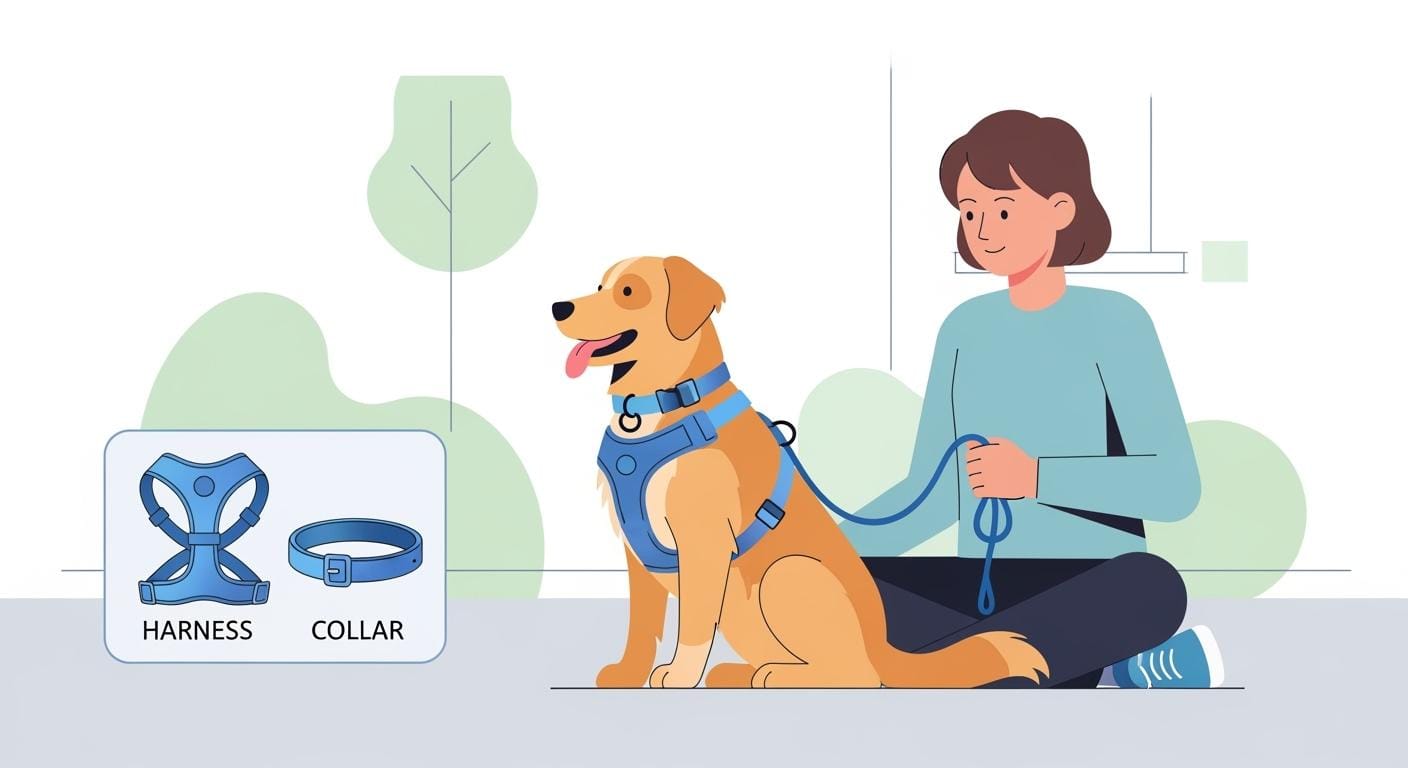
A harness backpack dog setup only makes sense when the extra storage solves a real problem without making your dog move worse. That is the tradeoff. A few small essentials on the dog can make a walk or hike feel cleaner and more organized. But added pockets also mean added coverage, more swing potential, more heat, and more places for the harness to rub or shift. The better question is not whether backpack harnesses are good or bad. It is whether this dog can still walk naturally, stay cool, and keep the pack centered once there is actually something inside it.
Key Takeaways
- A harness backpack dog setup is most useful when your dog only carries light essentials and still moves comfortably.
- Some dogs should skip this style altogether, especially if extra coverage quickly turns into heat, rubbing, slower movement, or obvious dislike of loaded gear.
- Watch for side swing, shoulder crowding, hot spots, and early fatigue. A backpack harness should help the outing feel smoother, not make your dog work around the gear.
Harness Backpack Dog: When It Helps or Hurts
Everyday Walks vs Backpacking with Your Dog
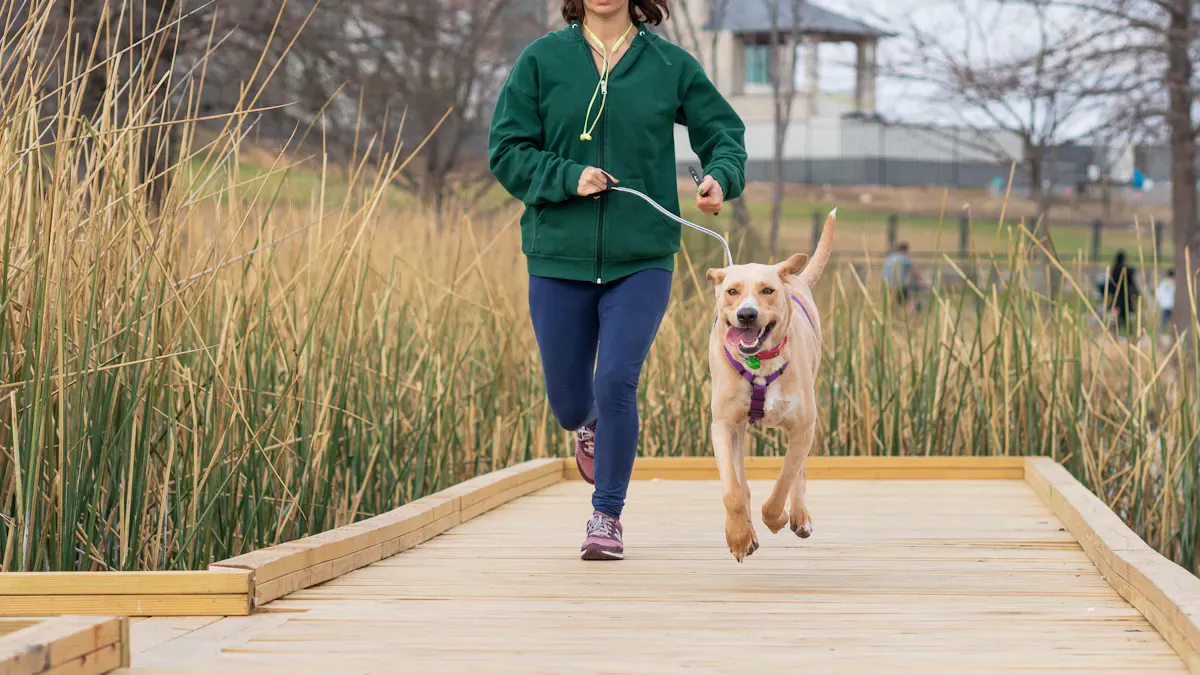
You want to know if dog backpacks make sense for your daily routine or only for bigger trail days. On everyday walks, a harness backpack can be useful when all you need is a tidy place for waste bags, a few treats, or a small collapsible bowl. In that situation, the value is convenience, not load carrying. The pack should stay quiet on the body and feel almost unnoticeable once adjusted.
Hiking is where the backpack harness either starts making sense or starts falling apart. If the fit is good and the load stays light and balanced, the extra storage can be practical. If the pockets pull unevenly, ride too high, or warm the dog up too quickly, the storage stops helping. A trail pack that constantly needs re-centering or makes the dog shorten stride is already too much for that outing.
Comparison Table: Harness Types and Use Cases
You need to compare harness types before you choose. The table below shows how a backpack harness, plain harness, and tactical vest harness compare in real use.
| Harness Type | Use Case | Main Benefit | Main Watchout | Who Should Skip It |
|---|---|---|---|---|
| Backpack Harness | Hiking, longer walks, carrying a few light trail essentials | Useful storage with hands-free carry | Extra coverage can add heat, swing, and rubbing | Dogs that already struggle with fit, heat, or free movement |
| Plain Harness | Everyday walks, simple trail use, lower-bulk outings | Lighter feel and easier movement | No built-in storage | Owners who truly need the dog to carry small items |
| Tactical Vest Harness | More rugged outdoor use, closer control, heavier-duty structure | Better coverage and more control features | Heavier, warmer, and often more restrictive | Dogs that do not need that much bulk in the first place |
You can see that the best backpack harness is not the one with the most room. It is the one that stays balanced and leaves the dog moving normally after the pockets are loaded.
Who Should Use or Skip a Harness Backpack
Not every dog should wear a backpack harness. Dogs still growing, seniors, dogs with mobility limits, dogs with back or joint concerns, and dogs that already struggle with heat or breathing are all cases where you should slow down and question whether extra load and coverage are a smart match. Some dogs may do well in an ordinary harness and do worse the moment storage gets added.
A healthier match is usually an adult dog that already walks well, tolerates harness pressure comfortably, stays balanced on uneven ground, and does not overheat easily. Even then, the fit matters more than the idea of “helping out.” If the dog dislikes the added gear, there is no reason to force the backpack style just because it looks useful to the owner.
Tip: Always check the fit before each hike. A backpack harness should sit snugly without pinching, bouncing, or creeping upward once the pockets are filled.
Dog backpacks work best for healthy, active dogs who stay comfortable in them. If your dog has health issues, movement limits, or hates extra gear, a plain harness is usually the better answer.
Capacity, Comfort, and Safety: Pros and Cons
Storage Perks and Hands-Free Carry
You want more space without carrying everything yourself. With a harness backpack dog, you can move waste bags, treats, a collapsible bowl, or a very small water bottle off your own hands and onto the dog. For some dogs, that can make the outing feel more organized and less cluttered for the person holding the leash.
The benefit is convenience, not a challenge assignment. A backpack harness helps most when the dog barely notices the storage because the pockets are light, balanced, and quiet. Once the pockets start changing posture, pace, or temperature, the storage is no longer helping enough to justify the bulk.
Bulk, Heat, and Walk Quality Issues
More storage means more fabric, more seams, and more surface area against the dog’s body. That can warm the dog faster, especially in warmer weather, on slower climbs, or with thicker coats. It can also crowd the shoulder area, add underarm friction, and create side swing if the pockets do not stay even.
Walk quality is where bad backpack setups reveal themselves. The dog starts moving shorter through the front, drifting slightly sideways, slowing down earlier than usual, or repeatedly shaking off the pack. Those are not small style issues. They are signals that the load or the cut is interfering with normal movement.
Note: If your dog starts panting unusually hard, drooling more than expected, slowing down, scratching, or refusing to keep pace, stop and reassess the setup instead of pushing through the walk.
Pass/Fail Checklist: Fit, Comfort, Load
| Check Item | Pass Signal | Fail Signal | Fix |
|---|---|---|---|
| Fit | Snug, centered, no pinching, no upward creep | Shifts, rides up, pinches, or leaves open gaps | Re-adjust or change the size or cut |
| Comfort | Dog moves freely, settles into a natural stride, no rubbing after the walk | Sore spots, scratching, short stride, or obvious stiffness | Unload, refit, and check where the pack is contacting the body |
| Load | Pockets stay even and the dog keeps normal balance | Tilting, side swing, slower pace, or repeated shaking off | Reduce the load and rebalance both sides |
| Adjustability | Straps hold position without constant corrections | Slips, loosens, or needs repeated fixing mid-walk | Recheck the strap path or switch to a more stable design |
| Durability | No fraying, broken stitching, or stressed buckles | Worn edges, weak seams, or closures that no longer feel secure | Repair or retire the pack before the next hike |
Troubleshooting Table: Common Problems and Fixes
| Symptom | Likely Cause | Fast Check | Fix |
|---|---|---|---|
| Harness shifts or swings | Poor fit or unevenly packed pockets | Watch the pack from behind during a short walk | Balance both sides and reset the straps evenly |
| Dog overheats | Too much fabric, too much effort, or poor airflow for that weather | Check for heavy panting, drooling, restlessness, or slowing down | Remove the pack, cool the dog down, and switch to lighter gear if needed |
| Sore spots or chafing | Rough edges, friction, or bad strap placement | Inspect behind the legs, lower chest, and shoulder area after the walk | Refit or stop using the setup before the rubbing gets worse |
| Escape attempts | Loose adjustment, stress, or a shape mismatch | Check all closures and do a controlled backward slip test at home | Re-fit or switch harness style before hiking again |
| Bad odor or dirt buildup | Lack of cleaning and drying | Smell the fabric and inspect seams and padding zones | Clean as directed and let the pack dry fully before reuse |
Always store the harness in a dry place and check for wear after every hike, not only when something already feels wrong.
Failure Signs and Common Mistakes

Shoulder Rub, Side Swing, Heat Buildup
You notice your dog panting harder than usual, shifting the pack with each step, or rubbing at the shoulder or side of the body. Those are common early signs that a backpack harness is costing too much. A front panel that rides upward, one side that hangs lower, or a pack that warms up faster than expected can all change how your dog moves before the walk ever becomes obviously bad.
| What You Notice | What It Usually Means | Why It Matters | What To Do |
|---|---|---|---|
| Front panel riding upward | Neck opening or front shape is wrong for the dog | Pressure moves closer to the throat and shoulders | Refit or change shape before the next hike |
| One side twisting lower during turns | Uneven adjustment or an unbalanced load | Force stops spreading evenly across the body | Unload, rebalance, and retest on a short walk |
| Front stride looks shorter | Shoulder area is too crowded | Natural movement is being blocked | Switch to a freer-cut harness |
| Hair flattening or redness | Underarm or lower chest friction | Rubbing usually gets worse, not better, with more trail time | Stop and change the fit or layout |
| Vest feels hotter than expected | Coverage is trapping warmth | Heat discomfort builds faster than owners expect | Use lighter gear or move the outing to cooler conditions |
Real Consequences for Dogs and Owners
When you miss these signs, the walk starts feeling worse for both sides. Dogs get sore, stiff, hot, and less willing to keep going. Owners spend more time stopping, re-centering, unloading, and questioning the gear than actually enjoying the trail. A backpack harness is supposed to make the outing more useful, not turn it into constant management.
When to Switch Back to a Plain Harness
If your dog shows repeated discomfort, switch back to a plain harness. That includes repeated rubbing, heat buildup, side swing, shorter stride, slower recovery, or a dog that clearly moves better once the backpack comes off. The point is not to prove the backpack can work. The point is to choose the setup your dog actually travels well in.
A harness backpack dog setup can be useful, but only when the storage stays light enough and balanced enough that your dog still walks naturally. Some dogs benefit from the hands-free organization and extra function. Others only get more bulk, more heat, and more friction. Your job is not to make the dog adapt to the pack. It is to judge whether the pack is still helping once the walk actually starts.
Tip: Check your dog’s harness after every walk. Make sure your dog is still moving freely, staying cool, and not carrying more gear than the outing really requires.
FAQ
How do you check if your dog’s harness backpack fits right?
Check the strap adjustment, then watch your dog move. A good fit stays snug without pinching, does not ride upward, and does not make your dog shorten stride or keep shaking the pack.
What should you pack in your dog’s harness backpack for a hike?
Pack only light essentials that stay balanced from side to side, such as waste bags, a few treats, or a small collapsible bowl. If the load changes your dog’s movement, it is already too much for that walk.
How do you clean your dog’s harness backpack after a walk?
Follow the care label, remove dirt before it gets ground into the fabric, and let the harness dry fully before the next use. Also check seams, buckles, and rubbing zones while cleaning it.
Tip: Always check your dog for signs of rubbing or heat after each walk. A pack that looks fine in your hand can still be uncomfortable on the dog.
- 🐾 You help your dog enjoy every outing by checking fit, load, balance, and comfort before storage ever becomes the priority.