Durable Dog Collars Decision Guide for Matching Design to Chewing, Water, and Daily Use

Durable Dog Collars Decision Guide for Matching Design to Chewing, Water, and Daily Use

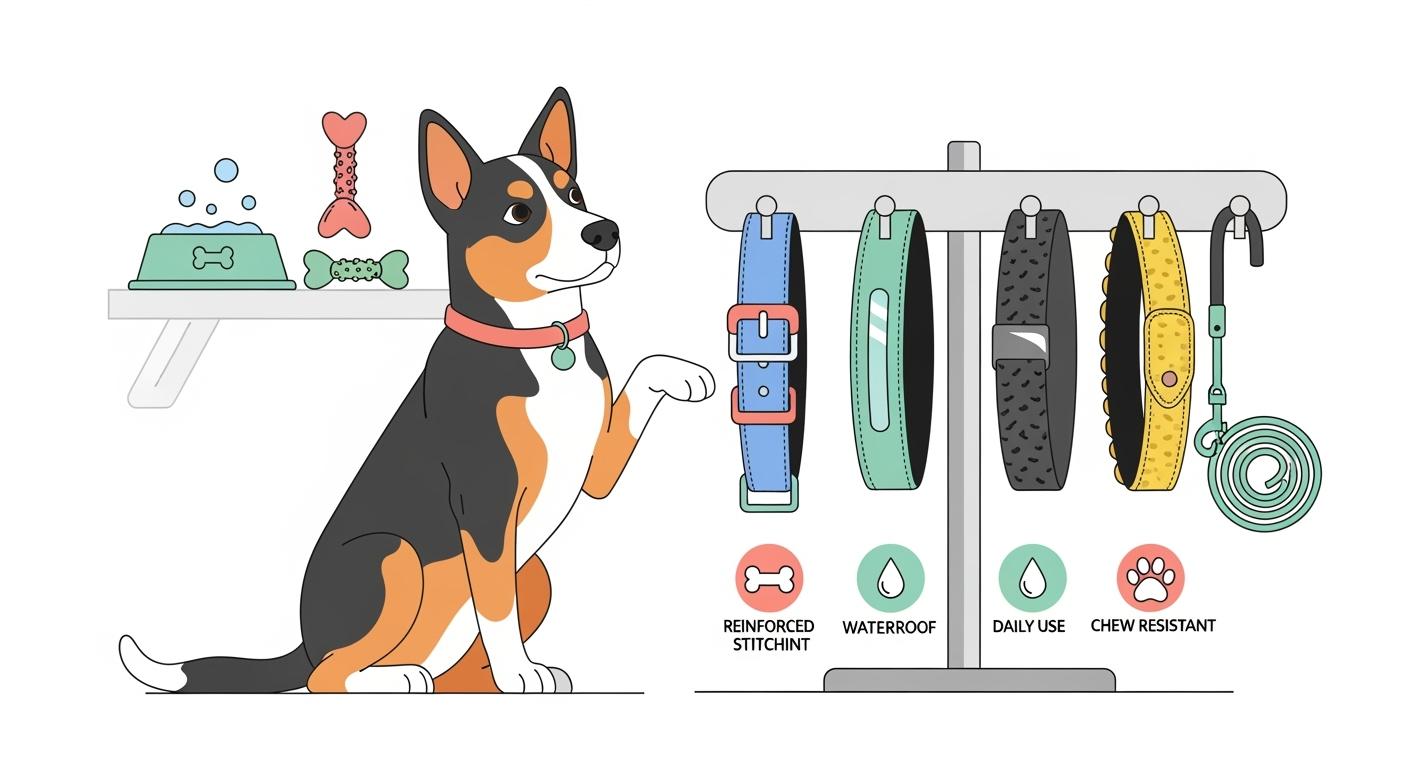
You want a collar that will last a long time. Material, how it is made, and care all help make it strong. Some dogs chew on collars or swim every day. You need a collar that does not break or fall apart. Check your dog’s habits and where they spend time before you choose. Durable dog collars can handle wear, but they do not keep your dog safe in every case. If your dog pulls hard, use a harness that fits well. If you notice rubbing or pain, ask your veterinarian or a trainer for help.

Key Takeaways

  • Durability means more than just the material. Look at the stitching and hardware. Check how the collar is made. Make sure it can handle daily use.

  • Pick a collar that fits your dog’s habits. If your dog swims, get quick-drying materials. If your dog chews, choose collars with strong stitching.

  • Check your dog’s collar often for damage. If you see fraying or loose stitches, replace it right away. Bent hardware means you need a new collar.

  • Clean the collar based on its material. Use mild soap for nylon collars. Use leather cleaner for leather collars. This helps the collar last longer.

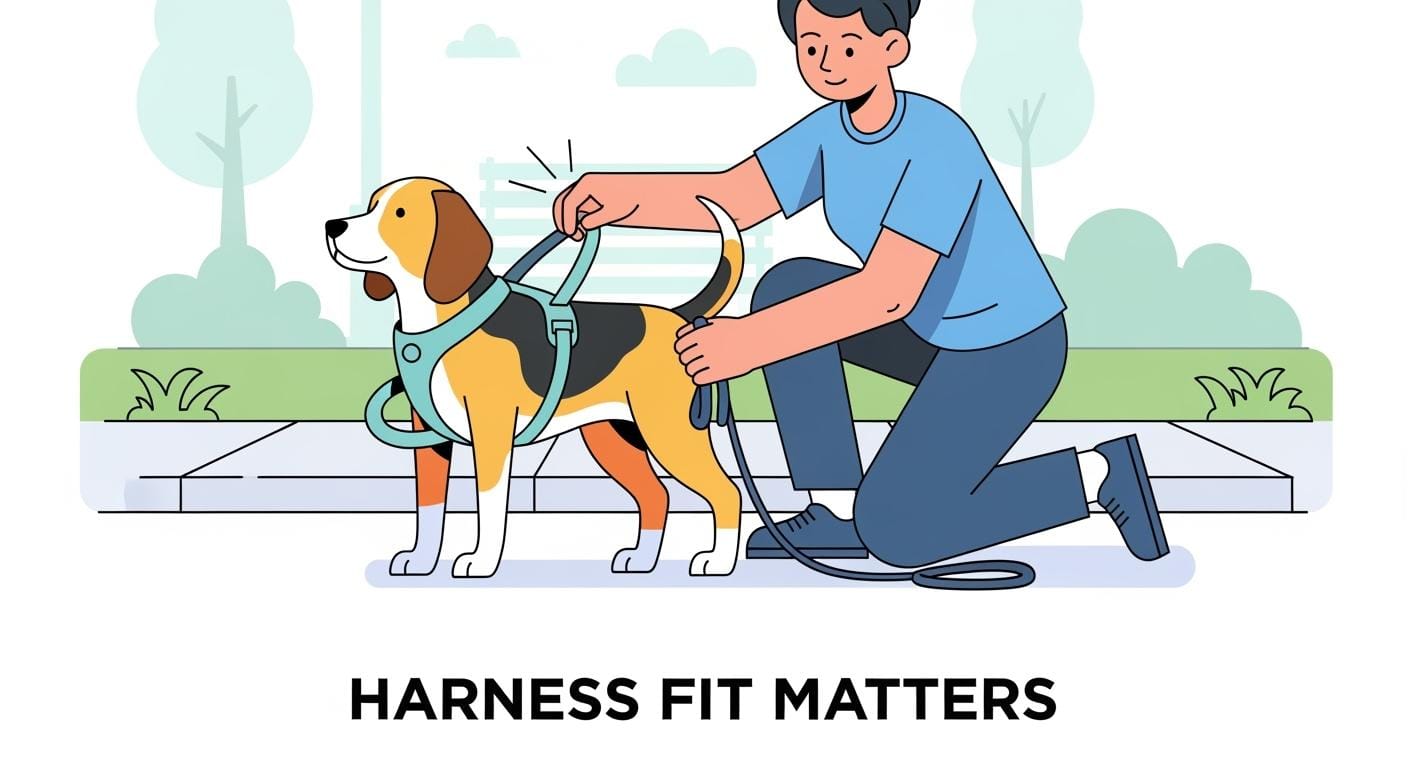
  • If your dog pulls hard, try a harness instead. A harness gives you better control. It also lowers the chance of injury.

Key Takeaways for Durable Dog Collars

Durability is a system, not a single feature

You need to look at more than just the material when you choose durable dog collars. Durability means the collar resists fraying, cracking, tearing, and hardware failure during normal use. You also want a collar that recovers after cleaning and drying. The way the collar is stitched, the strength of the buckle, and the quality of the D-ring all matter. If you focus only on one part, you may miss weak spots.

Tip: Always check the stitching zones and hardware before you buy or use a collar. These areas often show wear first.

Match collar to dog’s habits for best results

Every dog has different habits. Some dogs chew, some swim, and some pull hard. You need to match the collar to your dog’s daily routine. For example, if your dog swims often, choose a collar that dries quickly and resists odor. If your dog chews, look for reinforced stitching and strong webbing. If your dog pulls, use a harness for control and safety. Durable dog collars work best when you pick the right type for your dog’s needs.

Step-by-step process for choosing and maintaining a durable dog collar:

  1. Measure your dog’s neck at the base using inches and centimeters.

  2. Check your dog’s habits: chewing, swimming, pulling, or sensitive skin.

  3. Pick a collar material that fits your dog’s routine.

  4. Inspect the hardware and stitching for strength.

  5. Use the two-finger starting check for fit.

  6. Wash and air dry the collar regularly.

  7. Inspect for fraying, loose stitches, or bent hardware.

  8. Replace the collar if you see damage.

Material, construction, and care impact lifespan

The material you choose affects how long the collar lasts. Nylon and polyester dry fast and resist abrasion. Leather feels soft but needs conditioning and can wear faster with water. Coated webbing wipes clean and handles water well but may feel stiff. Construction matters too. Reinforced stitching and strong hardware help the collar last longer. Regular care, like washing and drying, keeps the collar in good shape. If you want the best overall dog collar, you must balance material, design, and care.

Safety Note: Collar durability does not guarantee safety in every situation. Strong pullers should use a properly fitted harness for control. If you notice rubbing, sores, or pain, consult your veterinarian. For pulling or reactivity, ask a qualified trainer for advice.

What Durability Means for Dog Collars

Common Wear Points and Failure Modes

You want a collar that lasts through daily use. Durability means the collar does not fray, crack, tear, or break easily. It should look good after you clean and dry it. Failure modes show where collars break first. These spots are often at the stitching, webbing edges, buckle, or D-ring.

Here is a table with the most common places collars fail:

Failure Point

Description

Fit

If a collar is too loose, it can fall off. If it is too tight, it can make breathing hard and hurt the neck. You should check the fit often, especially for puppies.

Material Durability

Leather collars need to be checked every month for cracks. Stainless steel hardware lasts longer than other types.

Product Failures

If equipment breaks during training, it can be dangerous. Replace collars that are frayed or damaged right away.

Other problems can happen too:

  • The battery in a smart collar can come out if glue fails.

  • Some collars are hard to fix, so you may need to buy new ones more often.

Daily use, chewing, and water can change how long a collar lasts. Chewing can make stitching and webbing weak. Water can crack leather or make webbing smell bad. Check and clean collars often to find problems early.

Comfort vs Durability Tradeoffs

You need to choose between comfort and strength. Strong collars may use thick webbing or extra stitching. This can feel stiff or heavy for some dogs. Softer collars feel nicer but may not last as long, especially if your dog swims or chews. Look for soft edges and padding to stop rubbing. If your dog has long hair or sensitive skin, pick a collar with smooth edges and no rough seams.

Tip: Use the two-finger check to see if the collar fits. Adjust for slipping and coat thickness. If the collar slides off, make it tighter or try another style.

When Collars Are Not the Best Tool

Sometimes, a collar is not the safest choice. Dogs that pull hard can break even strong collars. If you see fraying near the D-ring or the collar twists, check the fit and stitching. Pulling can damage these spots. Try a collar with a centered D-ring and strong stitching. If problems keep happening, use a harness for better control and safety.

Safety Note: A strong collar does not always mean your dog is safe. Use a harness for dogs that pull hard. If you see rubbing, sores, or pain, ask your veterinarian. For pulling or behavior problems, talk to a trainer.

Durable Dog Collar Materials Compared

Durable Dog Collar Materials Compared

Choosing the right collar material helps you avoid common problems and keeps your dog comfortable. You want durable dog collars that stand up to chewing, water, and daily wear. Each material has strengths and weaknesses. You need to know how they react to your dog’s habits and environment.

Nylon and Polyester: Abrasion and Drying

Nylon and polyester collars are popular for their toughness. Ballistic nylon stands out because it resists abrasion and fraying better than regular nylon. You can use these collars for active dogs that run, play, and swim. Nylon dries faster than leather, but it can hold odor if you do not wash it often. Polyester also dries quickly and feels light. Both materials work well for dogs that spend time outdoors. Ballistic nylon collars last longer when you clean and air dry them after wet walks.

Tip: Wash nylon and polyester collars with mild soap. Air dry them fully before storage to prevent odor and hardware rust.

Leather: Water Limits and Edge Wear

Genuine leather collars offer a classic look and soft feel. Many owners like how leather breaks in over time. You need to condition genuine leather to keep it flexible. Leather can stiffen or crack if it gets wet often and does not dry properly. Edge wear is common, especially if your dog scratches or chews. Leather works best for dogs that do not swim every day. If you want a collar that feels comfortable and looks stylish, genuine leather is a good choice. Remember to check for cracks and soften the edges to prevent rubbing.

Note: Leather collars need regular care. Use leather conditioner and let them air dry after cleaning. Replace if you see cracks or stiff spots.

Coated Webbing: Water Resistance and Odor

Coated webbing collars use a synthetic base with a smooth protective layer. These collars excel in water resistance and odor control. You can wipe them clean easily. The coating keeps water out, so the collar dries fast and does not absorb moisture. After outdoor activities, coated webbing collars stay fresh and do not smell. They feel stiffer than nylon or leather, but they work well for dogs that swim or play in mud. If you notice heat buildup, check the fit and choose a design with softened edges.

Callout: If your dog swims often or you walk in wet areas, coated webbing collars help prevent rust and odor. Dry the collar fully after each use.

Metal Chain: Durability Case Study

Metal chain collars offer strength for training and control. You see these used for strong pullers or large breeds. Metal does not fray or tear, but it can rust if you do not dry it after wet walks. Some chains feel heavy and may rub the neck. You need to check the hardware for corrosion and make sure the links move smoothly. Metal chain collars work best for short training sessions, not for all-day wear.

Safety Disclaimer: Collar durability does not guarantee safety in all situations. Use a harness for strong pullers. If you see rubbing, sores, or pain, consult your veterinarian. For pulling or reactivity, ask a qualified trainer.

Materials Comparison Table

Here is a table to help you compare collar materials. Use this guide to match your dog’s habits and environment.

Material

Durability Strengths

Common Failure Modes

Best For

Care Notes

Ballistic nylon

High abrasion resistance, dries fast

Fraying at edges, odor

Active, outdoor dogs

Wash, air dry, inspect hardware

Polyester

Light, dries quickly

Stitching loosens, odor

Daily wear, light activity

Wash, air dry, check stitching

Genuine leather

Soft feel, classic look

Cracking, edge wear

Style, comfort, low water

Condition, air dry, check for cracks

Coated webbing

Water and odor resistance

Stiffness, heat buildup

Swimming, mud, wet walks

Wipe clean, air dry, check fit

Metal chain

No fray or tear, strong hardware

Rust, heavy, neck rubbing

Training, strong pullers

Dry after use, inspect for rust

Scenario A: Diagnosing Rust and Odor After Wet Walks

You notice your dog’s collar looks fine, but the hardware starts to rust and smell after wet walks. This problem often happens with nylon or leather collars if you do not dry them fully. Metal hardware can corrode when moisture stays trapped. You can solve this by switching to coated webbing collars. These collars keep water out and dry quickly. You should always air dry the collar after each walk. Inspect the hardware for rust and replace if needed. This routine helps prevent odor and keeps the collar working longer.

Tip: Choose high-quality materials and match your care routine to your dog’s activities. Regular cleaning and drying extend the life of your collar.

Design and Construction for Durability

Reinforced Stitching and Stress Points

You want a collar that stays strong in important spots. Extra stitching at stress points helps stop breakage. Look for collars with double or triple stitching in places that get pulled a lot. Some collars have extra seams just for style, but you need real strength. Check the stitching near the buckle, D-ring, and adjustment holes. These areas get the most force when your dog pulls or moves fast.

  • Double or triple stitching at buckle and D-ring spots

  • Real strength at high-tension areas, not just fancy seams

Tip: Check the seams often. If you see loose or frayed stitching, it is time to get a new collar.

Edge Finishing and Padding

Smooth edges and padding help protect your dog’s neck. Soft edges lower the chance of fraying and make the collar feel better. Padding gives extra comfort, especially for dogs with sensitive skin or long hair. Stay away from collars with rough seams or sharp edges. These can hurt your dog and wear out faster.

Note: If you see redness or hair loss on the neck, look at the collar’s edge finishing and padding.

Hardware: Buckle and D-Ring Quality

Strong hardware keeps the collar safe. Buckles and D-rings made from brass or stainless steel do not rust and last longer. These materials work well for daily use and all weather. You want hardware that keeps its shape and does not bend. Do not buy collars with thin plastic buckles or weak metal parts.

  • Brass or stainless steel hardware that does not rust

  • Hardware made for daily use and built to last

Safety Disclaimer: A tough collar does not always keep your dog safe. Use a harness for dogs that pull hard. If you see rubbing, sores, or pain, ask your veterinarian. For pulling or behavior problems, talk to a trainer.

Design Checklist Table

Use this table to help pick a strong dog collar. Compare features and avoid common problems.

Feature

Why it matters

What to look for

What to avoid

Material Quality

Stops tearing and fraying

Ripstop nylon, tough polyester, genuine leather

Weak fabrics, thin webbing

Adjustability

Makes sure the collar fits well

Many adjustment spots, two-finger test

Fixed size, bad adjustment options

Buckle Type

Keeps collar closed

Metal or strong plastic, quick-detach for safety

Weak plastic, loose closure

Hardware Finish

Stops rust and sharp edges

Brass, stainless steel, nickel-plated metal

Unfinished metal, sharp edges

Weight

Stops strain on small dogs

Light design, few decorations

Heavy decorations, big hardware

Reflective Elements

Helps you see your dog at night

Built-in reflective threading

No reflective features

Closure Security

Stops the collar from opening by accident

Firm click, tested for play and movement

Loose or weak closure

Stitching and Seams

Makes the collar last longer

Double or triple stitching at stress points

Single stitching, fancy seams

Tip: Use this checklist when you shop for a collar. Checking and caring for your collar helps it last longer.

Fit, Sizing, and Personalized Dog Collar Choices

Measuring the Neck: Dual Units

You need a collar that fits your dog well. First, measure your dog’s neck at the base. This is where the collar will sit. Use a soft tape measure for this step. Wrap the tape around the base of the neck. Do not put it too close to the ears or shoulders. Make sure the tape is flat against the skin. It should not press down on the fur. Slide two fingers between the tape and your dog’s neck. This makes sure the collar will be comfortable. Write down the measurement in inches and centimeters. For example, you might get 14 in (36 cm). This way, you avoid collars that are too tight or too loose. Always use the same units when you measure.

Collar Width and Comfort

Collar width helps with comfort and safety. Most flat collars are 0.5-2 in (1.3-5.1 cm) wide. Wider collars spread pressure and stop rubbing. Narrow collars work for small dogs or dogs with short hair. If your dog has long hair or sensitive skin, pick a collar with soft edges. Change the width based on your dog’s size and how active they are.

Tag and Accessory Placement

Putting tags in the right spot keeps your dog safe. Attach ID tags right to the collar. This way, the tags stay with your dog. Collar-mounted tags are better than keychain tags. They do not fall off easily. Pick tags made from strong materials. These can handle outdoor weather. Tags that make noise help you find your dog fast. Put buckles and tags away from the main pressure area. This lowers hotspots and wear.

Fit Table and Parameter/Value Table

Use these tables to check the fit and make your personalized dog collar comfortable and safe.

Fit Table

Fit Check

Pass Sign

What to Adjust

Two-finger under collar

Yes

If no, loosen collar

Gentle slip test

No

If yes, tighten or change style

Collar rotates easily

No

If yes, check width or fit

Redness or hair loss

No

If yes, soften edges or pad

Parameter and Value Table

Parameter

Target range or option

Why it matters

Routine risk

pulling, water, chewing, long coat

Shows what can go wrong

Material type

webbing, leather, coated webbing

Affects care and how long it lasts

Hardware type

metal buckle, plastic buckle, ring style

Shows weak spots

D-ring placement

centered if possible

Stops twist and uneven wear

Fit rule

two-finger starting check

Keeps comfort and stops slipping

Collar width

0.5-2 in (1.3-5.1 cm)

Spreads pressure and adds comfort

Edge finishing

softened edges preferred

Stops rubbing and fraying

Care routine

wash, dry, inspect

Makes the collar last longer

Replacement triggers

fray, loose stitches, bent hardware

Stops breakage

A personalized dog collar should match your dog’s size, coat, and daily habits. Change the fit as your dog grows or gets more active. Always check for signs of damage. Collar durability does not mean safety every time. Use a harness for dogs that pull hard. If you see rubbing, sores, or pain, ask your veterinarian. For pulling or behavior problems, talk to a trainer.

Best Dog Collar for Your Dog’s Routine

Best Dog Collar for Your Dog’s Routine

Picking the best dog collar depends on what your dog does every day. You want a collar that fits your dog’s habits. Some dogs pull, swim, chew, or have sensitive skin. This section helps you find the best collar for your dog.

Strong Pullers: Control and Safety

If your dog pulls hard, a strong collar is not enough. Trainers and vets say harnesses are safer for control. A front-clip no-pull harness gives you good control. It also helps stop neck injuries. They help lower pulling without hurting your dog. These tools work better than collars for strong pullers.

Collar Type

Features and Benefits

Front-clip no-pull harness

Gives you control and helps protect your dog’s neck.

Head halter

Lets you guide your dog’s head and train kindly. It can also help with anxiety.

Safety Note: A tough collar does not always keep your dog safe. For strong pullers, use a harness that fits well. If you see pain or rubbing, ask your vet or a trainer for help.

Water and Mud: Drying and Odor

Dogs that love water and mud need special collars. Nylon collars dry fast and do not soak up water. They stay strong when wet and do not get moldy. Leather collars feel soft and shape to your dog’s neck. But leather needs more care. Leather soaks up water and mud. This can make it smell bad or get ruined if you do not clean and dry it.

Material

Advantages

Disadvantages

Nylon

Dries fast, does not soak up water, stays strong, resists mold

May bother dogs with sensitive skin

Leather

Feels soft, good for sensitive skin, shapes to neck

Needs more care, soaks up water

Tip: After wet or muddy walks, wash and air dry the collar. This stops bad smells and keeps the hardware from rusting.

Heavy Chewers: Limits of Durability

Some dogs chew through almost any collar. You need to know how strong a collar is. Ballistic nylon with 1000D grade is tougher than regular nylon. Silicone collars made from food-grade or medical-grade material also work well. They resist chewing, sunlight, and water. Do not use collars with thin plastic clips or weak stitching. These break easily.

Material

Durability Specification

Ballistic Nylon

1000D grade or higher

Silicone

Food-grade or medical-grade

Resistance

Sunlight, chewing, water

Avoid

Thin plastic clips, weak stitching

Note: Even the strongest collar can break. If your dog chews collars, watch them and check the collar often. Get a new collar if you see damage.

Long Coat and Sensitive Skin

Dogs with long hair or sensitive skin need gentle collars. Rough nylon can rub, tangle hair, and cause sore spots. Pick soft materials like faux leather or padded neoprene. Wide, flat collars spread out pressure and stop pinching. Make sure the collar fits well but is not too tight. This lets air in and stops tangles.

  • Soft, padded collars help stop rubbing on sensitive skin.

  • Wide, flat collars spread pressure and feel better.

  • Adjustable collars keep the fit snug but not tight.

For dogs with long or thick hair, a good fit and soft collar stop mats and sore spots. Always check for redness or hair loss under the collar.

Tip: If you see tangles or sore spots, try a padded or neoprene collar. Adjust the fit if needed.

Decision Table: Routine, Material, Hardware

Use this table to match your dog’s habits to the best collar and hardware. This helps you avoid problems and makes the collar last longer.

Routine or Profile

Material Choice Cue

Hardware Cue

What to Avoid

Strong puller, busy area

Ballistic nylon, coated webbing

Metal buckle, strong D-ring

Thin straps, plastic buckles

Water and mud lover

Nylon, coated webbing

Stainless steel or brass hardware

Leather, unfinished metal

Heavy chewer

1000D ballistic nylon, silicone

Strong metal, double stitching

Thin plastic clips, weak seams

Sensitive skin, long coat

Padded neoprene, faux leather

Smooth, rounded edges

Rough webbing, sharp seams

Calm walker, open space

Soft nylon, genuine leather

Regular buckle, light ring

Heavy hardware, stiff collars

Safety Reminder: Always check your dog’s collar for damage. Replace it if you see fraying, loose stitches, or bent parts. For strong pullers, use a harness. If you see pain or rubbing, ask your vet. For pulling or behavior issues, talk to a trainer.

You can find the best collar by matching your dog’s habits to the right material and hardware. Durable collars last longer if you pick the right kind and take care of them.

Maintenance for Long-Lasting Collars

Cleaning by Material

You have to clean your dog’s collar to keep it strong. Each material needs its own cleaning method. Nylon and polyester collars clean up with mild dish soap and warm water. Scrub them gently with your hands, then let them air dry. Leather collars need a damp cloth and a cleaner made for leather. Condition leather once a month so it stays soft. For coated webbing, use soap and water. You can also disinfect with vinegar mixed with water. Use one part vinegar and three parts water. Do not use harsh chemicals, bleach, or rough pads. These things can hurt the collar and make it wear out faster.

Tip: Wipe the collar after walks to get rid of mud, pollen, or rainwater. This stops bad smells and keeps the hardware working well.

Material

Recommended Cleaning Method

Avoid

Nylon/Polyester

Mild dish soap and warm water; scrub by hand; air dry

Bleach, hot water, dryer

Leather

Damp cloth with leather cleaner; condition every month

Soaking, alcohol wipes, silicone sprays

Coated Webbing

Soap and water; disinfect with vinegar and water (1:3)

Strong cleaners, rough pads

Drying and Storage

Always dry collars all the way before using or storing them. Air drying stops smells and rust from forming. Switch between two collars so one can dry while your dog wears the other. Keep extra collars in a dry drawer with air flow. Do not use a dryer or leave collars in wet places. Check the fit often so water does not get stuck under the collar.

Note: Air drying helps stop rust on the hardware and keeps the collar fresh.

Inspection and Replacement

Check your dog’s collar every week. Look for fraying, loose stitches, bent parts, or cracks. If you see damage, get a new collar right away. Make sure the collar is not too tight or too loose. Switch collars so each one gets time to air out. Condition leather collars once a month. Durable collars last longer if you care for them often.

Safety Disclaimer: Even a strong collar does not keep your dog safe every time. Use a harness for dogs that pull hard. If you see rubbing, sores, or pain, ask your veterinarian. For pulling or behavior problems, talk to a trainer.

Maintenance Schedule Table

Frequency

What to Inspect

What to Clean

What to Replace

Weekly

Fraying, loose stitches, bent hardware, fit

Wipe dirt, mud, pollen

Damaged collars, bent buckles

Every 3-4 days

Surface dirt, moisture traps

Dry brush, quick wipe

N/A

Every 2-4 weeks

Deep wear, odor, edge wear

Full wash, disinfect, condition leather

N/A

Monthly

Leather cracks, stiffness

Condition leather

Cracked leather

Common Mistakes Table

Mistake

What It Leads To

What to Do Next

Using harsh cleaners

Weakens material, causes fray

Use mild soap or leather-safe cleaner

Not drying fully

Odor, rust, mold

Air dry before reuse

Ignoring fit changes

Rubbing, sores, slipping

Check and adjust fit regularly

Delaying replacement

Breakage, safety risk

Replace at first sign of damage

🐾 Cleaning, drying, and checking the collar often helps it last longer and keeps your dog safe.

Retail, OEM, and ODM Notes for Durable Collars

Product Copy: Explaining Tradeoffs

You need to help buyers see the differences between comfort, safety, and durability. Good product descriptions make choosing easier for customers. Ballistic nylon and genuine leather are strong materials. Extra stitching and tough hardware make collars safer and last longer. Adding style is nice, but do not let it make the collar weaker. Always tell buyers how each part affects comfort and safety.

Feature

Standard Collar

Bow Tie Collar

Comfort

High; made for daily use

Changes; bow can rub the neck

Durability

High; works well outside

Medium; decorations might come loose

Safety

Safe; strong fasteners

Risk if bow falls off or gets stuck

Tip: Use easy words to show what the collar does well and what it does not. Help buyers pick a collar that fits their dog’s habits.

Spec Checklist: Webbing, Stitching, Hardware

You need a simple list to show what makes a collar strong. Pick thick webbing, tight stitching, and sturdy hardware. This helps buyers and stores find good collars.

Component

Recommended Material

Avoid

Webbing

1-inch wide, Type VI nylon (4,000+ lb test)

Thin or stretchy webbing

Buckle

UV-resistant plastic or stainless steel

Weak plastic

D-Ring

Welded steel or marine-grade aluminum

Rings joined by solder

Thread

UV-resistant bonded nylon (size 69 or 92)

Cotton or regular thread

  • Use box-and-X stitching with at least 10 stitches per inch for strength.

  • Line up buckles so they adjust easily.

  • Do not overheat webbing when sealing the ends.

Note: Strong hardware and stitching help collars last longer. Always check for damage before using.

Returns Reduction: Fit and Care Script

You can get fewer returns if you teach buyers how to fit and care for collars. Give easy steps:

  • Measure the neck at the base in inches and centimeters.

  • Use two fingers under the collar to check comfort.

  • Wash and air dry the collar often.

  • Look for fraying, loose stitches, or bent hardware.

  • Get a new collar if you see any damage.

Safety Disclaimer: Even tough collars do not keep dogs safe every time. Use a harness for dogs that pull hard. Ask your vet if you see rubbing or pain. Talk to a trainer for pulling or behavior problems.

OEM and ODM Explainer

You might see OEM and ODM when buying collars. OEM means Original Equipment Manufacturer. ODM stands for Original Design Manufacturer. OEM companies make collars just how you want. ODM companies design new collars and change features for you. Stores and sellers use these choices to get strong collars with good materials and stitching. Always look at samples and details before you buy.

You want a collar that fits your dog’s daily life. Pick the right material and design for your dog’s habits. Think about where your dog spends time. Strong collars last longer if you care for them. Make sure the collar fits well and is built strong. Use tables and checklists to help you choose. Check your dog’s collar often for damage. Look for fraying, loose stitches, or bent parts. Replace the collar if you see any problems. A tough collar does not always keep your dog safe. Use a harness if your dog pulls hard. If you see rubbing or pain, ask your vet or trainer for help.

FAQ

How do you know when to replace your dog’s collar?

Check for fraying, loose stitches, or bent hardware every week. If you see any damage, replace the collar right away. A damaged collar can break during use.

What is the best way to clean a dog collar?

Use mild soap and warm water for nylon or polyester. Wipe leather with a damp cloth and condition it monthly. Always air dry collars before putting them back on your dog.

Can a durable collar stop my dog from pulling?

A durable collar does not stop pulling. For strong pullers, use a properly fitted harness for control and safety. Ask a trainer for advice if pulling continues.

How tight should a dog collar fit?

You should fit two fingers under the collar. The collar should not slip over your dog’s head or cause rubbing. Adjust the fit as your dog grows or changes weight.

Are all materials safe for dogs with sensitive skin?

Some dogs react to rough webbing or stiff coatings. Choose collars with soft edges or padding for sensitive skin. If you see redness or sores, consult your veterinarian.

Get A Free Quote Now !

Table of Contents

Blog

Canine Pulling Harness How to Spot Wear Before a Hard Pull Turns Risky

Spot wear on your canine pulling harness by checking stitching and hardware before each hard pull to ensure durability and keep your dog safe.

Puppy Collars Custom: How to Check Tightness and Prevent Slipping Safely

Puppy collars custom should fit snugly with two fingers under the collar. Use the slip test to prevent loss and keep your puppy safe and comfortable.

Dog Running Leash: How to Select Hands-free or Standard Based on Real Pulling Patterns

Choose the right dog running leash by matching hands-free or standard setups to your dog's pulling and walking style for safety and control.

Dog Carry Bike Risk Checklist: Body Language Warnings and When to Stop Immediately

Spot stress or danger in your dog during dog carry bike rides. Learn body language warnings and when to stop for your dog's safety on hikes or rainy walks.

Which Waterproof Dog Bed Stays Dry on Wet Ground?

A waterproof dog bed with sealed seams, strong base, and high hydrostatic head value keeps your dog dry on wet ground during outdoor use.

Dog Leashes: How to Spot Wear Before a Leash Fails on a Walk

Check dog leashes for fraying, weak stitching, and hardware issues before walks. Spot stress points early to prevent leash failure and keep your dog safe.
Scroll to Top

If You Have Any Questions, Please Do Not Hesitate To Contatct With Us.

Get A Free Quote Now !

Welsh corgi wearing a dog harness on a walk outdoors