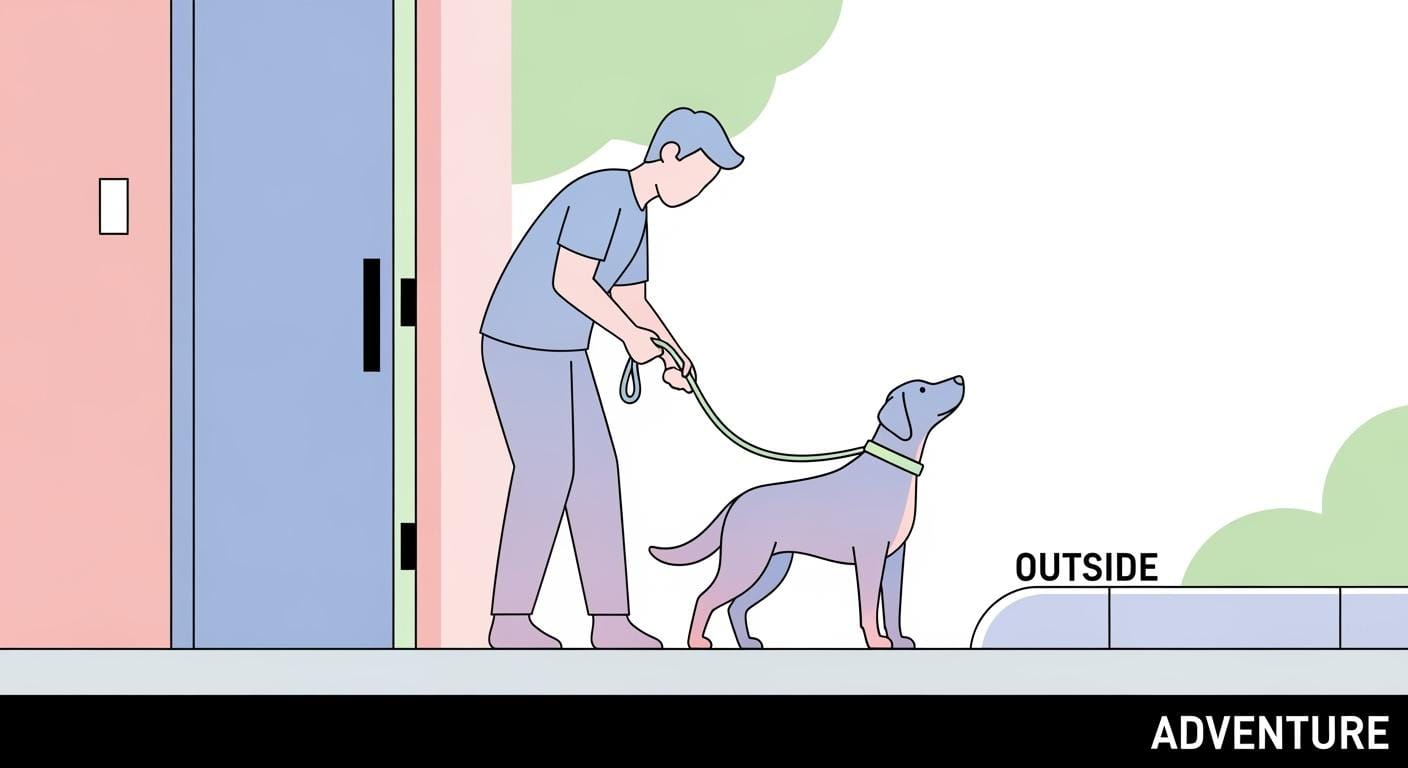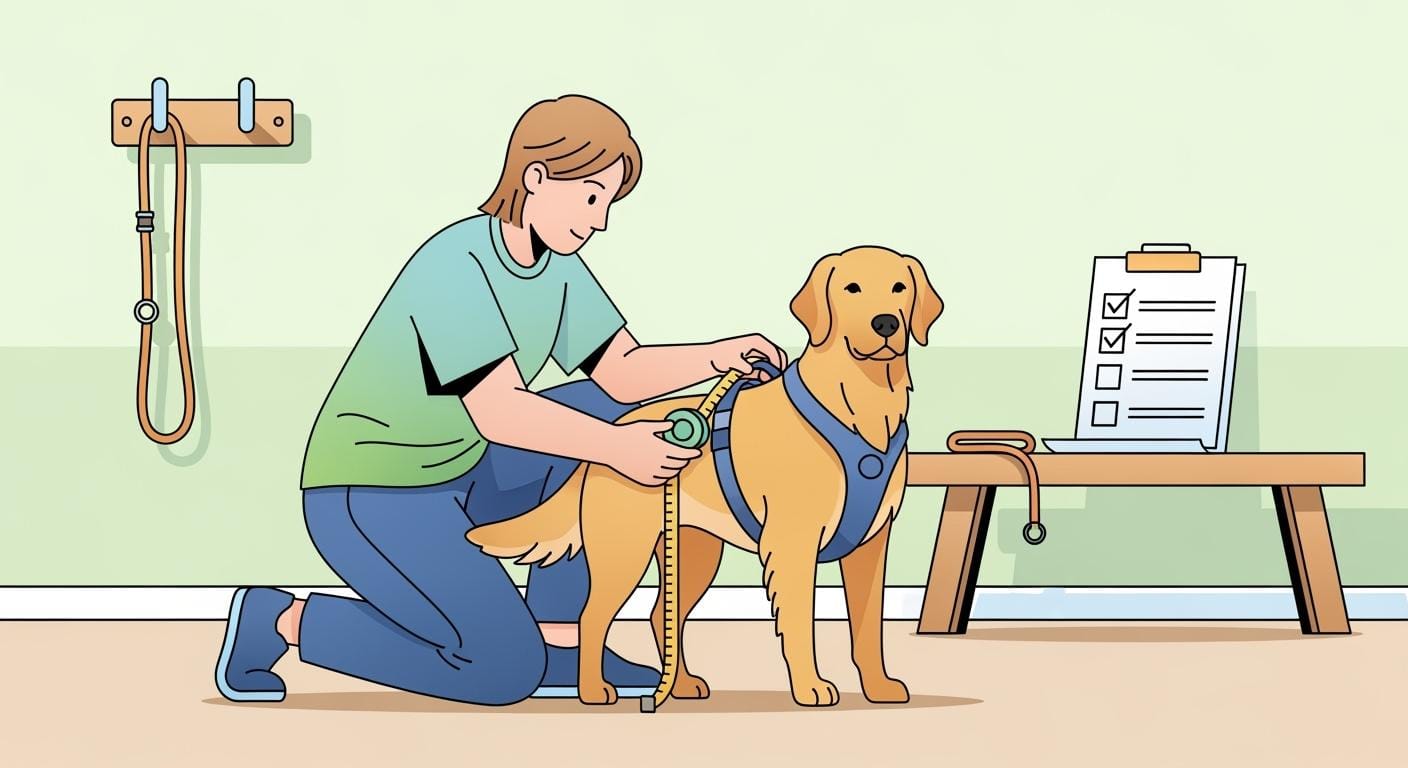
Many dogs struggle with discomfort or risk during walking because their dog walking harness does not fit well. You can prevent rubbing, slipping, or escape by checking the harness before each walk. Always measure your dog and adjust the straps for a secure fit. A simple checklist helps you keep your dog safe and comfortable.
Tip: Test the fit of the dog walking harness with your fingers at key contact points to avoid pressure or pinching.
Key Takeaways
Always measure your dog’s chest and neck first. This helps you pick the right harness size. Good measurements make sure the harness fits well and feels safe.
Adjust the harness straps so they are snug but not tight. You should be able to fit two fingers under the harness. This stops pinching and keeps your dog comfy.
Test the fit before every walk. Look for any slipping or movement. Make sure your dog feels good and safe.
Pick the best harness style for your dog. Think about your dog’s size and how active they are. Also, check if your dog has any special needs.
Check the harness fit often. Doing this helps you find problems early. It makes walks better for you and your dog.
Key Takeaways for Dog Walking Harness Fit
Why fit and adjustment matter most
You want every walk with your dog to be safe and comfortable. The way you fit and adjust a dog walking harness makes a big difference. When you use a harness that fits well, you help prevent slipping and chafing. Your dog feels more secure and less likely to escape. Adjustable straps let you fine-tune the fit, so the harness matches your dog’s body shape. This helps your dog move freely and enjoy the walk. If the harness is too tight, it can cause breathing problems, skin irritation, or even nerve issues. A loose harness can let your dog back out and run away. You need to check the fit before each walk to keep your dog safe.
Note: A snug harness helps stop escapes and keeps your dog safe. If you notice rubbing or restricted movement, adjust the straps or try a different style.
A well-fitted harness prevents slipping and chafing, enhancing safety.
Adjustable features allow for a snug fit, accommodating the dog’s body shape for comfort.
Proper fit reduces the risk of escape and discomfort, leading to a more enjoyable walking experience.
If the harness is too tight, it can cause respiratory distress, skin lesions, and even neurological damage.
A harness that does not fit properly can restrict movement, affecting how the dog moves and feels.
The three-step checklist: measure, adjust, test
You can follow a simple checklist to make sure your dog’s harness fits every time:
Loosen all straps before placing the harness on your dog.
Position the harness correctly. The label should sit on the left shoulder. The ring for the leash should be on the back or front, depending on the design.
Guide the front legs through the loops gently. Avoid tugging near the ears or eyes.
After you finish these steps, check the fit with your fingers at key contact points. You should be able to fit two fingers between the harness and your dog. This routine helps you catch problems early and keeps every walk safe.
What a Dog Walking Harness Can and Cannot Do
Comfort and control vs training progress
A dog walking harness helps you control your dog better. It also helps your dog feel safe. You can guide your dog in busy places like sidewalks or parks. Some people think a harness will stop all pulling. But a harness does not fix everything. You still need to train your dog to walk on a loose leash. Training teaches your dog what you want. A harness can make training easier for young or strong dogs. Some harnesses are good for teaching leash manners. You must practice often for training to work. Training works best when you are patient and do it the same way each time. A harness cannot teach your dog to walk calmly by itself.
Note: Training is still needed with a harness. If the harness fits badly, it can rub or let your dog escape.
Why fit matters more than padding
Some harnesses have extra padding. Padding spreads out pressure and can feel better. But how the harness fits is more important. If the harness goes around the thighs and stays away from the groin, it helps protect sensitive spots. Padding spreads pressure and lowers the chance of skin problems. A side-release buckle helps you put the harness on right without making it too tight. Always check the fit before you walk your dog. A harness that fits well stops rubbing and slipping better than just having padding.
Harness Feature | Reason for Effectiveness |
|---|---|
Wraps around thighs, avoids groin area | Less pressure on sensitive spots, less discomfort |
Padded design | Spreads out pressure, lowers chance of skin problems |
Side-release buckle | Lets you put harness on safely and comfortably |
When a harness is not the right tool
A harness does not fix every problem. If your dog has pain, limps, gets hurt skin, feels upset, or tries to escape a lot, stop using the harness. Ask a veterinarian for help with pain or skin trouble. For fear or safety problems, get help from a trainer. Training works better when you use the right tools and ways. A harness helps with training, but it cannot fix behavior problems alone.
Safety tip: Always look for signs your dog is not comfortable. Change or adjust the harness if you need to.
Dog Walking Harness Types and Fit Differences
Overhead vs step-in styles
It is important to know harness styles before you buy one. Overhead harnesses go over your dog’s head and buckle at the chest. Step-in harnesses let your dog put both front legs into the straps. You pull the step-in harness up and clip it on the back. Step-in harnesses are good for small breeds because they do not press on the neck. They also help dogs who do not like things over their heads. Small dogs often like step-in harnesses because they are easy and comfy. Step-in harnesses work well for dogs with short hair and sensitive skin. They use soft materials and light buckles. Step-in harnesses can be adjusted and help stop rubbing. They are best for small breeds, puppies, and dogs with thin coats. Step-in harnesses use gentle materials that lower chafing. They also help you avoid twisted straps.
Step 1: Pick the harness type and make sure straps are straight before you put it on your dog.
Y front, straight chest, and shoulder freedom
Dogs need to move easily when they walk. Y front harnesses have straps that make a Y shape on the chest. This style lets the shoulders move and helps big dogs walk better. Straight chest harnesses have a strap that goes across the chest. You should check that this strap does not press on the throat. Y front harnesses use flexible materials that move with your dog. Straight chest harnesses use strong materials that last longer. Both styles can be adjusted, but Y front harnesses are better for active and large dogs.
Front clip, back clip, and dual clip options
You can pick front clip, back clip, or dual clip harnesses. Front clip harnesses help stop pulling and are good for training. Back clip harnesses are comfy and work for calm dogs. Dual clip harnesses give you both choices for more use. You should check if the harness is strong and comfortable. Dual clip harnesses use tough materials and extra stitching.
Harness Type | Advantages | Disadvantages | Best For |
|---|---|---|---|
Front-Clip | Stops pulling, helps training | Can twist, may change walk | Dogs who pull, training, busy places |
Back-Clip | Easy to use, comfortable | Less control, may cause pulling | Calm dogs, older dogs, service dogs |
Dual-Clip | Flexible, helps with training | Bulkier, takes practice | Owners who want comfort and control |
No-pull dog harness features
No-pull harnesses use special materials to spread pressure. This helps stop choking and pain. No-pull harnesses help you train your dog more easily. You want a no-pull harness that can be adjusted and feels soft. Breathable materials help keep your dog cool. No-pull harnesses use strong materials and sturdy buckles. They are best for dogs who pull or need more control. No-pull harnesses make walks safer and more fun. They use materials that last longer and do not wear out fast. No-pull harnesses help you train your dog without hurting them. They work for both small and big dogs.
Tip: The harness material is important. Always look for soft linings, strong buckles, and extra stitching for comfort and strength.
Comparison table: types, pros, cons, best for
Option | Pros | Cons | Best For |
|---|---|---|---|
Overhead | Easy to adjust, fits most dogs | May bother sensitive dogs | Medium and large dogs, active dogs |
Step-in | Gentle, easy for small dogs | May slip if loose | Small dogs, puppies, sensitive skin |
Y Front | Lets shoulders move, helps walking | Needs correct fit | Big dogs, active walkers |
Straight Chest | Simple, strong materials | May press on throat | Calm dogs, short walks |
Dual Clip | Flexible, helps with training | Bulkier, takes practice | Owners who want choices |
You should compare harness types by your dog’s size, how active they are, and what they need. Check the harness materials for comfort and strength. Small dogs need light step-in harnesses with soft materials. Big dogs do better with Y front harnesses made from strong materials. Harness materials matter for comfort and how long they last. Always test the fit and watch for rubbing or tight spots.
How to Measure and Size a Dog Harness
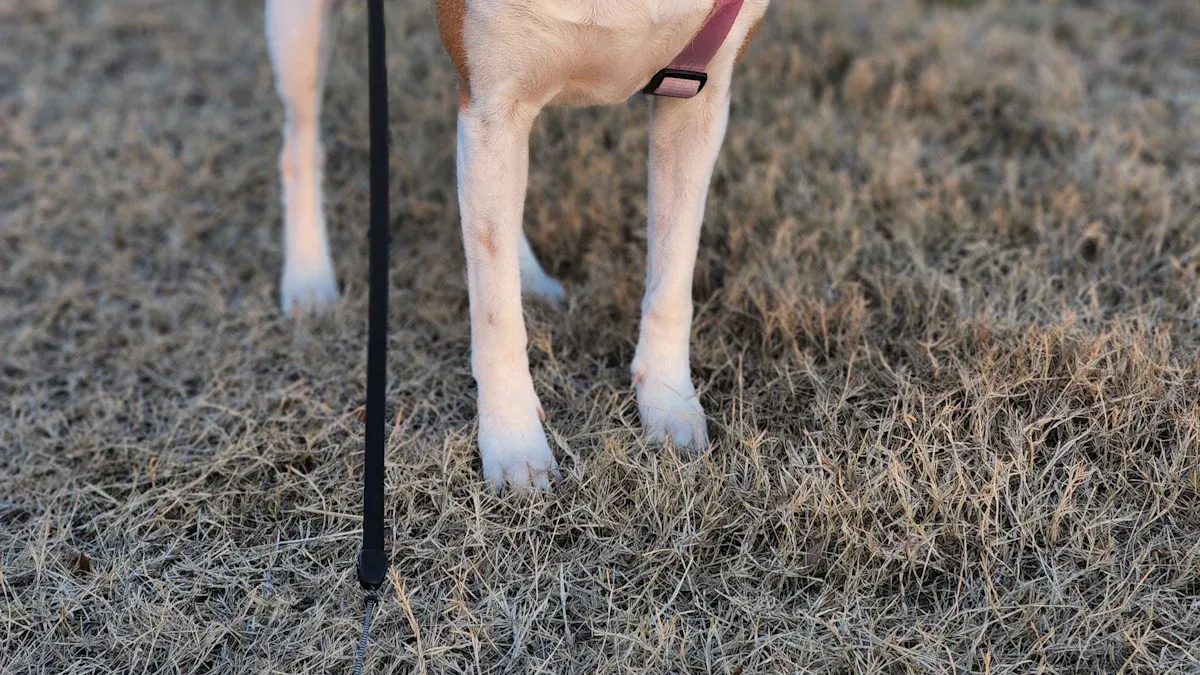
Choosing the right dog walking harness starts with accurate measurements. You want your dog to feel comfortable and secure every time you walk together. A good fit prevents rubbing, slipping, and escape. Follow these steps to measure and size a harness with confidence.
Chest and neck measurement points
You need to measure two main areas on your dog: the chest and the neck. Use a soft measuring tape for best results.
Measure the chest girth by wrapping the tape around the widest part of the chest, just behind the front legs. This spot helps the harness distribute pressure evenly and keeps it stable.
Measure the neck girth where a collar would normally sit. This area should feel comfortable and not press on the throat.
Tip: Always check that the harness sits behind the front legs and does not cut into the soft armpit area. This helps prevent chafing and keeps your dog happy.
After measuring, write down both numbers. These measurements help you pick the right harness size and avoid problems with fit.
Between sizes rule and avoiding overtightening
Sometimes your dog’s measurements fall between two harness sizes. You want to make the best choice for safety and comfort.
Choose the smaller size if your dog is between two options. This helps you get a snug fit and prevents slipping.
Adjust the straps so you can fit two fingers between the harness and your dog at key contact points. This check reduces the risk of pinching or rubbing.
Avoid overtightening. Tight straps can cause discomfort and restrict movement. Your dog should move freely without the harness digging in.
A harness that fits well will distribute pressure across the chest and shoulders. This design minimizes strain on the neck and spine. Proper adjustments also help with no-pull training and keep the harness from shifting or rubbing.
Strap width cues by dog size
Strap width affects comfort and durability. You want to match the strap width to your dog’s size.
Small dogs often need straps that are 0.6-0.8 in (1.5-2.0 cm) wide.
Medium dogs do best with straps that are 0.8-1.0 in (2.0-2.5 cm) wide.
Large dogs need wider straps, usually 1.0-1.5 in (2.5-3.8 cm).
Wider straps help spread out pressure and make the harness last longer. Straps should not interfere with your dog’s shoulder movement.
Measurement table: what, how, why
Use this table to guide your measurements and understand why each step matters.
What to Measure | How to Measure | Why It Matters |
|---|---|---|
Chest girth | Wrap tape around widest chest, behind front legs | Ensures sizing accuracy and harness stability |
Neck girth | Measure where collar sits | Improves comfort and reduces throat pressure |
Two finger fit check | Slide two fingers under harness at contact points | Prevents pinching and rubbing |
Strap width | Match width to dog’s size (see above) | Balances comfort and durability |
Armpit clearance | Check straps sit behind front legs | Helps prevent chafing and discomfort |
Step 2: Put on and buckle the harness. Adjust in this order:
Chest area
Side straps
Belly strap
Symmetry check (make sure harness sits evenly and does not rotate)
A well-fitted harness is more durable and resists wear and tear. You want to re-check the fit after a few wears and after grooming or coat changes. This routine helps you catch problems early and keeps your dog safe.
Fit Points to Prevent Rubbing and Slipping
Armpit clearance and chafing
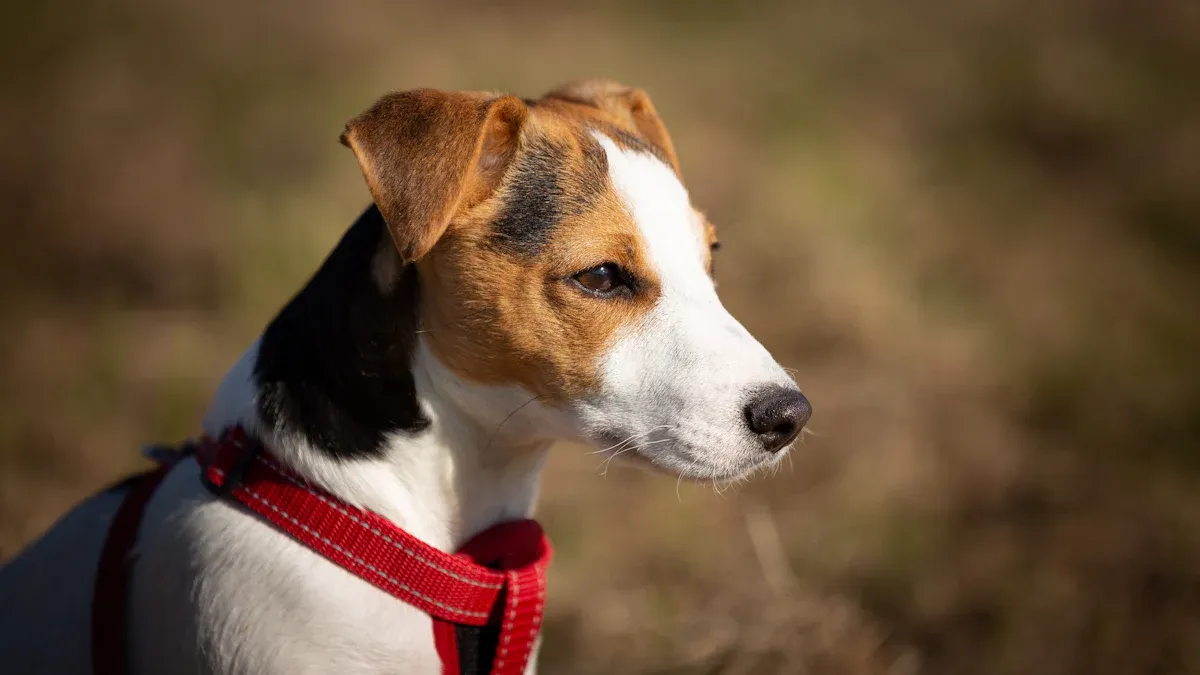
You want your dog to walk comfortably without irritation. Armpit clearance in a harness design keeps straps away from sensitive areas. This feature helps minimize rubbing and irritation during movement. When straps sit behind the front legs, your dog can move freely and avoid chafing. Always check that the harness does not cut into the soft skin near the armpits.
Chest strap height and throat comfort
Chest strap height plays a big role in your dog’s comfort. The strap should rest across the chest, not press into the throat. If the harness presses on the throat, your dog may cough or pull back. Adjust the chest strap so it sits low enough to avoid the throat but high enough to stay secure. This placement helps your dog breathe easily and keeps walks safe.
Shoulder freedom and restriction signs
Shoulder freedom lets your dog walk with a natural stride. You can spot restriction by watching for a stiff gait, reluctance to walk, or head tucking. A harness that is too tight can limit movement and cause discomfort. Veterinary studies show that poor fit can lead to hair loss or nerve damage. Make sure straps do not cross the point where the front leg swings forward.
Fit point table: good fit, warning signs, adjustments
Fit Point | What Good Looks Like | Warning Signs | What to Adjust |
|---|---|---|---|
Armpit Clearance | Straps behind front legs, no rubbing | Red skin, licking, chafing | Loosen or reposition straps |
Chest Strap Height | Strap sits on chest, not throat | Coughing, gagging, pulling | Lower strap, check placement |
Shoulder Freedom | Free leg movement, natural stride | Stiff gait, head tucking | Loosen straps, switch style |
Centering | Harness stays centered | Slides to one side | Adjust symmetry, tighten |
Rotation Cue | Leash point stays in place | Drifts off center quickly | Recheck fit, adjust layout |
Step 3: Run fit tests to check comfort and safety:
Use the two finger check at contact points.
Watch your dog walk to test movement and slip risk.
Apply gentle backward pressure to check for escape risk.
A good fit keeps your dog safe and comfortable. You can prevent rubbing and slipping by checking these points before every walk.
Fit Tests for Every Dog Walk
You want every walk to be safe and comfortable. Before you step outside, run a few simple fit tests to check your harness. These checks help you spot problems early and keep your dog secure.
Two finger check at contact points
Start with the two finger check. Slide two fingers between the harness and your dog at the chest, neck, and belly. You should feel a snug space, but not tightness. If you cannot fit two fingers, loosen the straps. If you can fit more than two fingers, tighten them slightly. This check helps prevent pinching and rubbing.
Tip: Use the two finger check every time you adjust the harness. This habit keeps your dog comfortable and lowers the risk of skin problems.
Movement and slip risk tests
Next, test for movement and slip risk. Watch your dog walk around the room. Look for signs that the harness shifts or rotates. If the leash attachment point drifts off center, the fit may be wrong. Try these steps:
Loosen all straps before placing the harness on your dog.
Position the harness and buckle it securely.
Slide your flat hand between the harness and your dog’s body. Your hand should fit snugly, but you should not be able to make a fist.
Gently push down on the harness. If it slides over the chest or shoulders, the fit is not secure.
Check that at least 3 inches (about 7.5 cm) of webbing extend past the buckle for safety.
If the harness slips or rotates, adjust the straps or try a different style. Movement tests help you catch problems before your dog pulls or backs up.
Backward pressure test for escape risk
Some dogs back up when startled. You need to check for escape risk. Stand behind your dog and apply gentle backward pressure to the leash. Watch if the harness shifts or if your dog’s shoulders start to slip through. If the harness moves too much, loosen the straps and try again. If slip risk remains, switch to a harness style with a higher chest panel or a Y front design. Practice calm leash handling to help your dog feel secure.
Scenario: Your dog backs up quickly when startled. The harness shifts and the leash point drifts off center. You run the two finger check and find the straps are not tight enough. You adjust the harness, making sure the chest panel sits behind the front legs and the leash point stays centered. You choose a harness style with a Y front for better security. You practice calm leash handling indoors before heading outside. This routine helps reduce slip risk without overtightening.
Parameter and value table for fit tests
Use this table to guide your fit checks before every walk.
Parameter | Target range or option | Why it matters |
|---|---|---|
Chest measurement | widest chest, behind front legs | Sizing accuracy and stability |
Neck measurement | where collar sits | Comfort and reduced throat pressure |
Fit check | two finger rule | Reduces pinch and rub risk |
Armpit clearance | straps behind front leg | Helps prevent chafing |
Chest strap height | avoid throat pressure | Comfort and safer posture |
Shoulder freedom | avoid crossing shoulder point | Reduces restriction risk |
Centering rule | chest stays centered | Flags poor adjustment |
Rotation cue | leash point drifts off center | Flags layout or fit issue |
Backward pressure test | light test for slip risk | Identifies backing-out issues |
Strap width cue | 0.6-1.5 in (1.5-3.8 cm) | Comfort and durability cue |
Adjustability buffer | 2-4 in (5-10 cm) on chest | Fine tuning and coat changes |
Re-check routine | after a few wears and coat changes | Prevents gradual misfit |
Note: Run these fit tests before every walk. You help your dog stay safe and comfortable by making fit checks a habit.
Choose the Right Dog Harness for Your Dog
Strong pullers and busy walks
You need control when walking strong pullers or active dogs. Pick the right dog harness with features for your dog’s energy. Heavy-duty webbing and double-handled leashes give you a better grip. These choices help you manage big breeds and energetic dogs. Double-handled leashes help you control your dog in crowds. Bungee leashes stretch to soften sudden pulls. This makes walks smoother for you and your dog. For strong pullers, choose harnesses with reinforced stitching and dual clip options.
Nervous dogs and escape risk
Nervous dogs may try to slip out of their harness. You need a harness that fits snug and stays secure. Y front designs and high chest panels help stop escapes. Adjustable straps let you change the fit for active dogs. Do not use harnesses with loose side straps or thin webbing. Always check armpit clearance and make sure the harness does not twist or move during walks.
Long walks and comfort concerns
Active dogs like long walks, but comfort is important. Pick the right dog harness with padded straps and breathable materials. Wide straps spread out pressure and lower rubbing. For active or trained dogs, find harnesses that let shoulders move freely. Do not use harnesses that press on the throat or limit stride. Check the fit after grooming or coat changes to keep your dog comfy.
Step 4: Pick your clip style. Use front clips for training and control. Use back clips for comfort. Dual clips give you more choices. Match your clip to your walk and your dog’s needs.
Dog Profile or Context | Best Harness Features | What to Avoid |
|---|---|---|
Strong pullers, busy walks | Heavy-duty webbing, double handles, dual clips | Thin straps, weak buckles |
Nervous dogs, escape risk | Y front, high chest panel, snug fit | Loose side straps, thin webbing |
Long walks, comfort | Padded straps, wide webbing, breathable material | Throat pressure, stiff design |
Active dogs | Adjustable straps, shoulder freedom | Restrictive chest straps |
Active or well-trained dogs | Dual clip, flexible fit | Bulky or poorly centered harness |
Dog harness recommendations table
Use this dog harness recommendations table to match your dog’s needs with the best features.
Dog Type or Activity | Recommended Harness Features | Clip Strategy |
|---|---|---|
Strong pullers | Reinforced stitching, dual clip, heavy-duty webbing | Front or dual |
Nervous dogs | Y front, snug fit, high chest panel | Back or dual |
Long walks | Padded, wide straps, breathable fabric | Back or dual |
Active dogs | Adjustable, shoulder freedom, centered chest | Dual |
Step 5: Try a short practice walk. Check for rubbing, twisting, and comfort. Watch for armpit rubbing or shifting. Adjust straps if you need to.
Scenario A: The harness looks good at home, but after a long walk, you see armpit rubbing. Move the side straps behind the front legs. Adjust the chest first, then the side and belly straps. Test the fix with a short walk and check comfort.
Dog harness recommendations help you pick the right dog harness for every walk. You keep your dog safe and comfy by matching harness features to your dog’s needs and activity.
Retail Tips for Dog Harness Selection
Reduce returns with fit checklists
You can help customers pick the right harness for their dog. This lowers returns and makes everyone happier. Use a simple fit checklist in your store or on your website. Show people how to measure their dog’s chest and neck. Remind them to choose a harness size that matches their dog’s weight. If a dog is between two sizes, tell them to pick the smaller one for a snug fit. Give a fitting guide with breed tips and measuring advice. This helps shoppers feel sure about their choice and makes fewer mistakes.
Put up harnesses with easy-to-read size charts.
Give out sample measuring tapes for customers to use.
Add signs that explain the two finger fit check.
Ask staff to help with measuring and fitting.
Tip: A simple checklist and hands-on help make buying easier and make customers happier.
Product page copy for fit and safety
Write product page descriptions that talk about fit and safety. Use clear words to show how each harness style works. List where to measure and explain how adjustability helps comfort. Add photos or diagrams to show strap placement and how to adjust. Talk about the adjustability buffer, which lets you change the chest by 2-4 in (5-10 cm). Point out smooth edges and strong stitching for extra safety. Customers want to know how a harness keeps their dog safe and comfy on walks.
Feature | Why It Matters |
|---|---|
Adjustability buffer | Fine-tunes fit for growth |
Smooth edges | Prevents rubbing |
Reinforced stitching | Improves durability |
Hardware finish | Adds comfort and safety |
Supplier spec checklist: adjustability, strap width, stitching
When you pick harnesses for your store, check the supplier’s details. Look for harnesses with adjustable chest and belly straps. Make sure strap width matches the dog’s size. Bigger dogs need wider straps. Check for strong stitching at stress points. Pick harnesses with smooth edges and good hardware. These things help you sell harnesses that fit well and last longer.
Ask suppliers for clear adjustability ranges.
Request samples to test strap width and comfort.
Check for strong stitching and smooth hardware.
Review product details for safety features.
Note: Picking harnesses carefully and giving clear info helps you earn trust and keep dogs safe and comfortable on walks.
You keep your dog safe and comfortable when you measure, adjust, and test the harness before every walk.
The checklist helps you avoid common problems and makes walks more enjoyable.
Regular fit checks let you catch changes as your dog grows or its coat changes.
Make harness fit a habit. You give your dog the best chance for safe and happy walks.
FAQ
How often should you check your dog’s harness fit?
You should check the harness fit before every walk. Dogs can change shape with grooming, growth, or weight changes. Regular checks help you spot problems early and keep your dog safe.
What if your dog measures between two harness sizes?
Pick the larger size and adjust the straps for a snug fit. This method helps you avoid pinching and gives your dog more comfort. Always use the two finger check at contact points.
Can a harness stop all pulling?
A harness can help you control pulling, but it does not replace training. You need to teach your dog leash manners for the best results. Use the harness as a tool during training sessions.
Why does the harness slip to one side?
A harness may slip if the straps are uneven or too loose. Adjust the straps for symmetry and check that the chest area stays centered. If slipping continues, try a different harness style.
How do you clean a dog walking harness?
Most harnesses clean well with mild soap and warm water. Remove dirt and rinse thoroughly. Let the harness air dry before using it again. Always check the label for special care instructions.