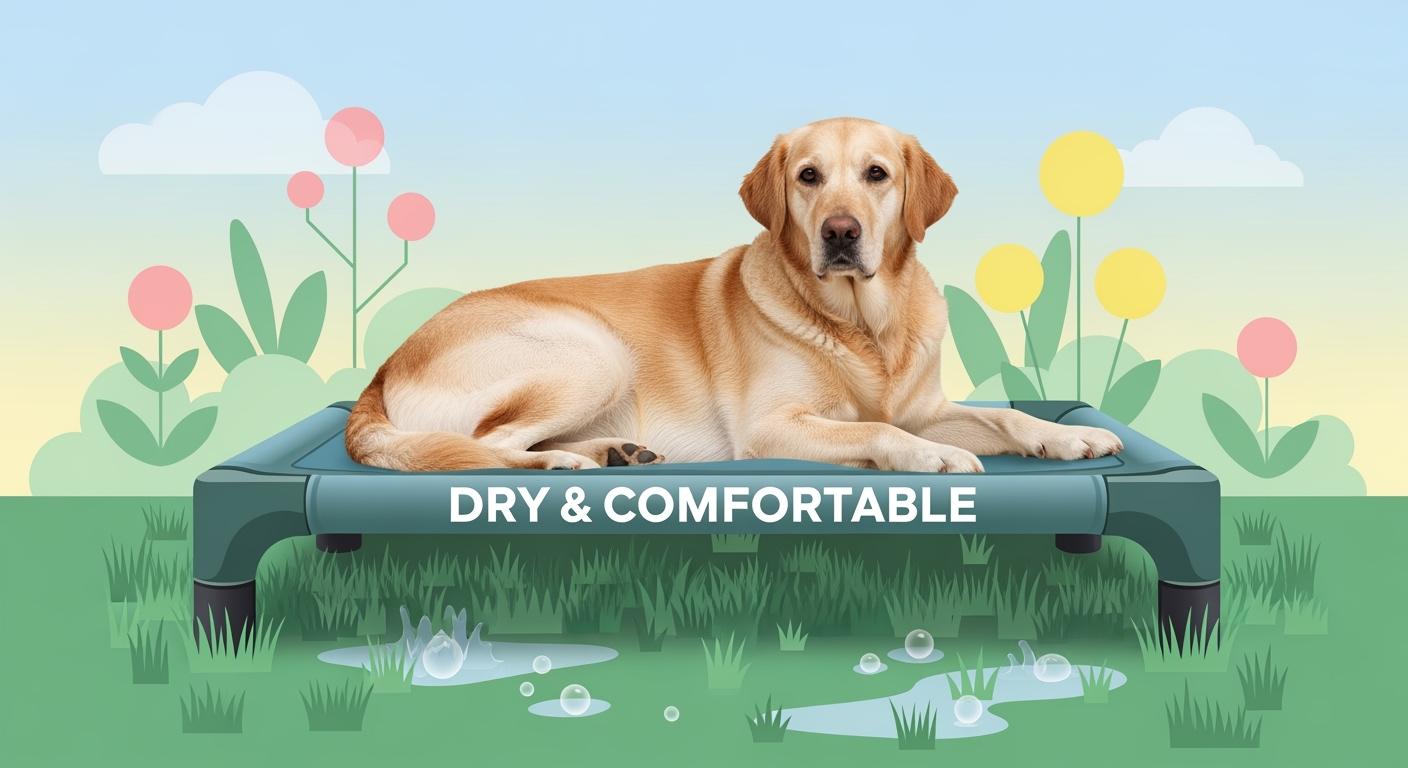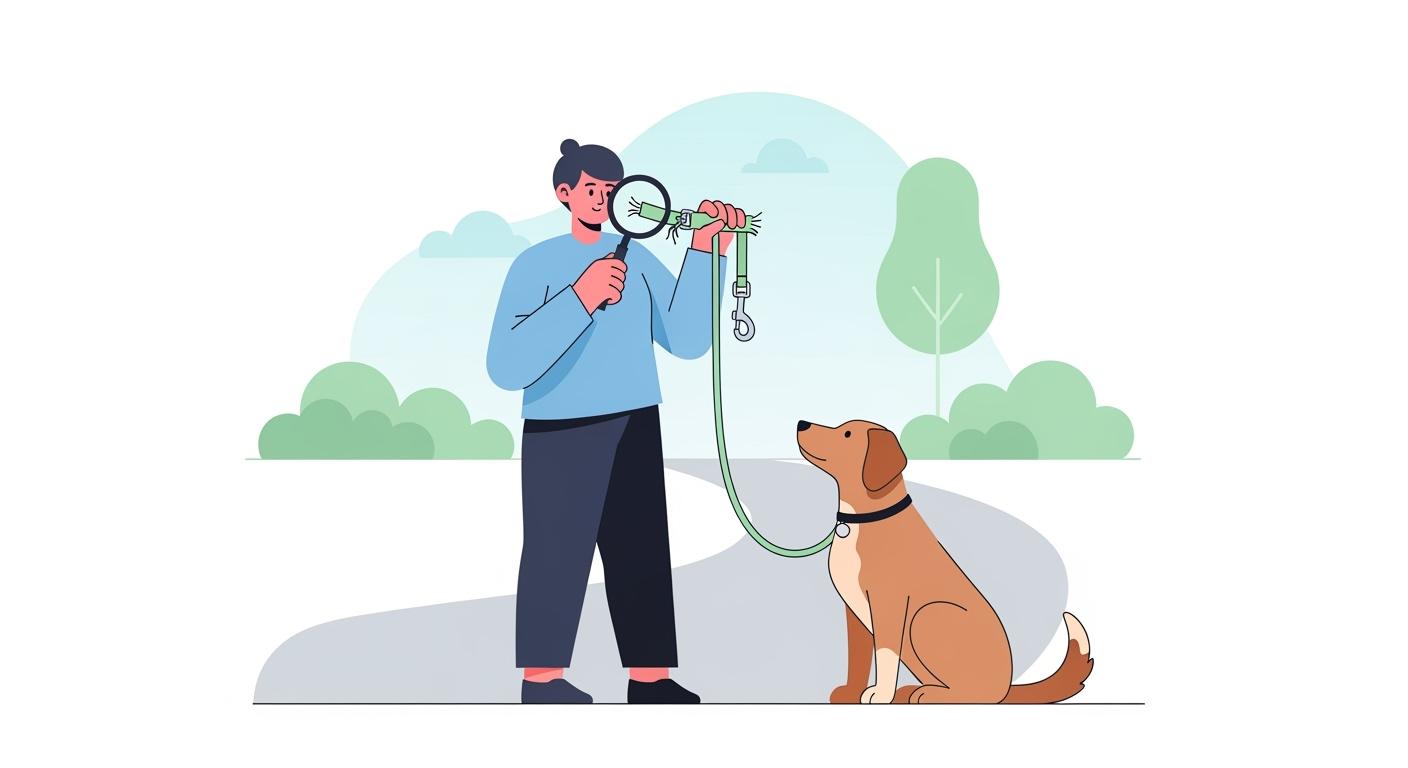
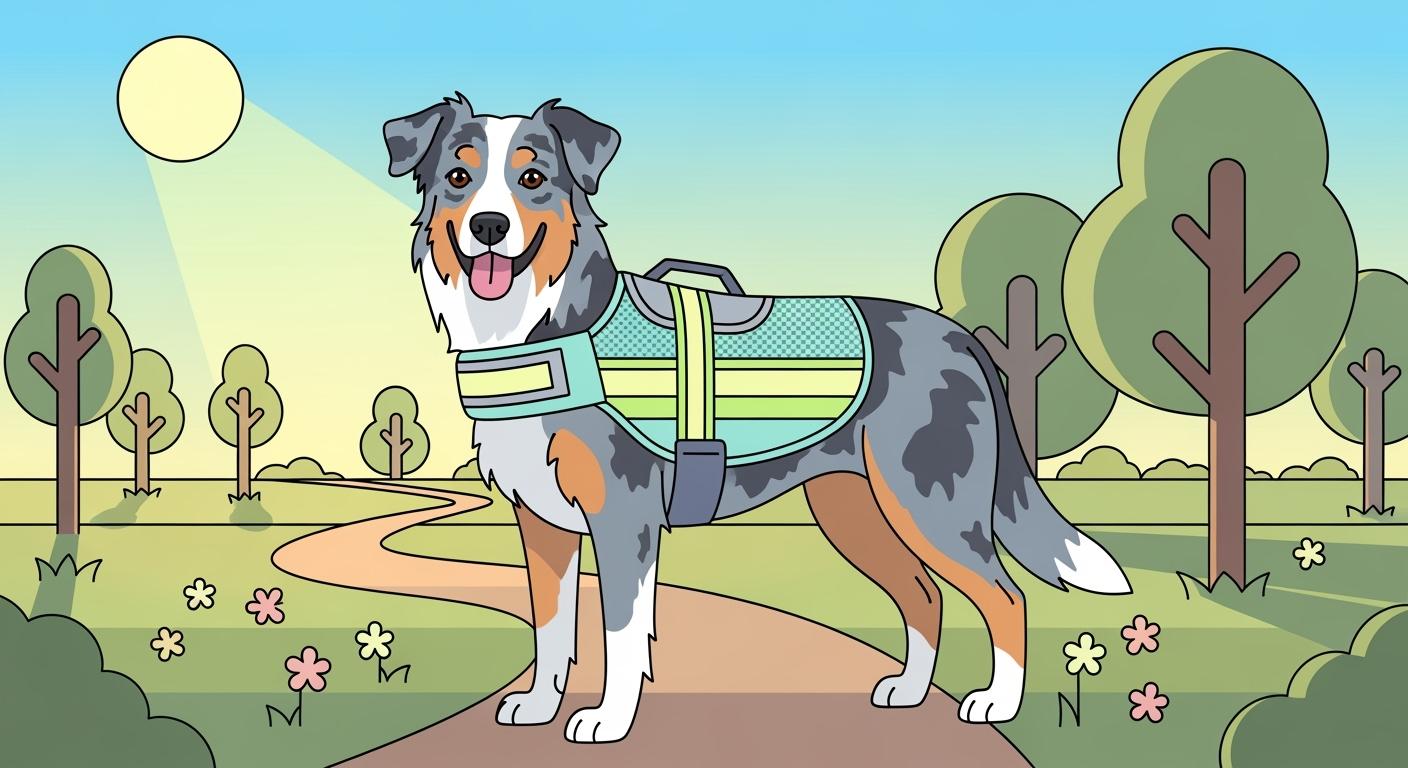
Imagine you walk your dog when it gets dark. You hike on sunny paths or go through thick bushes. You want your dogs to be safe and feel good outside. A dog vest is a tool that helps with outdoor risks. You can use a vest for visibility, cooling, or protection. Think about how your dog exercises. Pick gear that matches what you do and where you go.
Key Takeaways
Choose a dog vest based on your outdoor activity. Consider visibility, cooling, or protection needs.
Look for vests with reflective strips for night walks. Bright colors help during the day.
Use cooling vests in hot weather. Soak them in water to help keep your dog cool.
Check the fit of the vest at home. Adjust straps to prevent rubbing or twisting during walks.
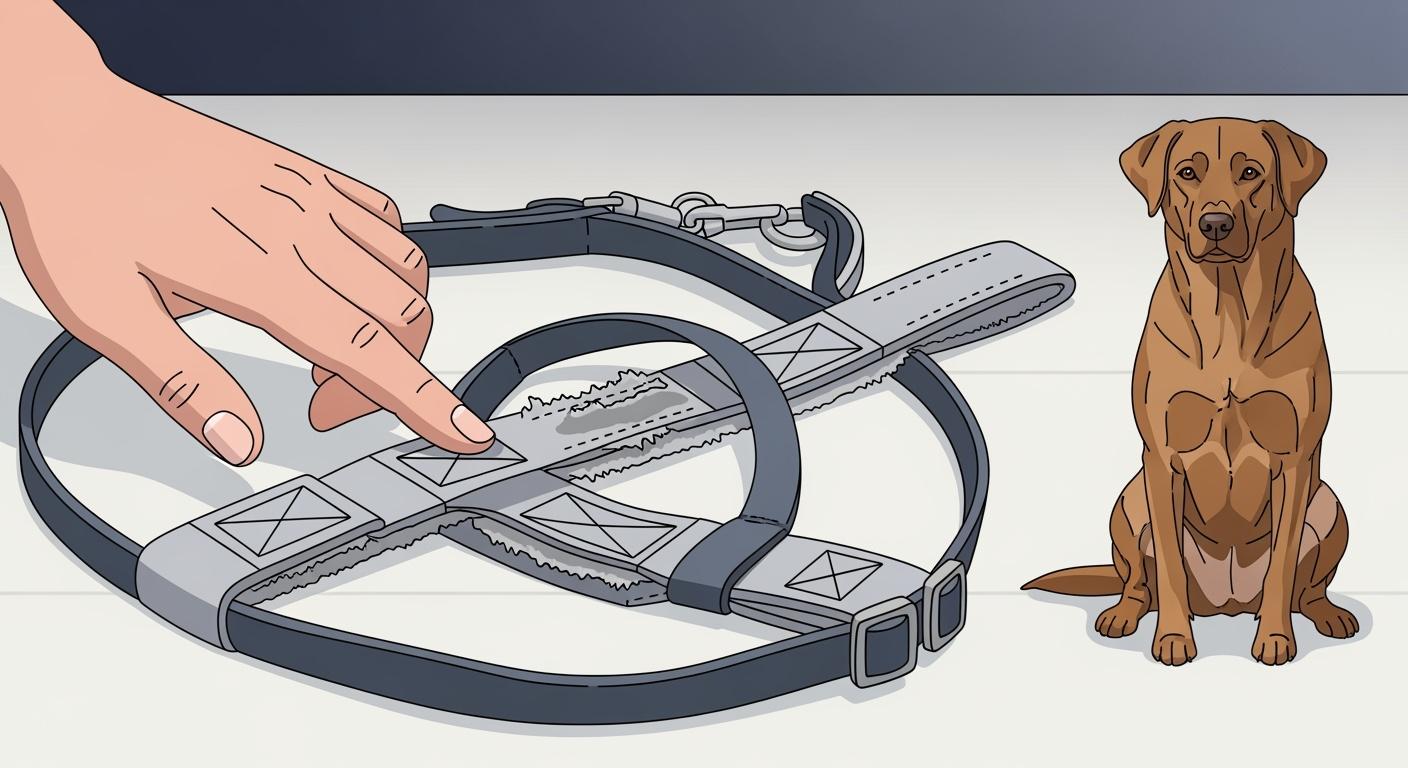
Inspect the vest regularly for damage. Retire any gear that shows wear or causes discomfort.
What is a dog vest and why use it outdoors
A dog vest helps keep your dog safe outside. It can make your dog easier to see. It can help your dog stay cool. It can protect your dog from small cuts. You pick the vest for what your dog needs.
Main goals: visibility, cooling, protection
You want people and cars to see your dog early. This is important when it is dark. You want your dog to stay cool when it is hot. Airflow and water can help with cooling. You want to stop small cuts from bushes or rough ground. A vest cannot stop all injuries. Some vests help keep your dog warm. Some vests help your dog move better. Here is a table with the main uses:
Function | Description |
|---|---|
Warmth | Keeps dogs warm in cold weather or outside. |
Mobility Support | Helps dogs move easier if they are active or need help. |
Safety Features | Has shiny parts for seeing and strong parts for support. |
Some vests have bright shiny parts. These help your dog stand out when it is dark. Some vests use waterproof cloth to keep your dog dry. Strong seams make vests last longer. Light vests let your dog move easily.
When a dog vest is not the answer
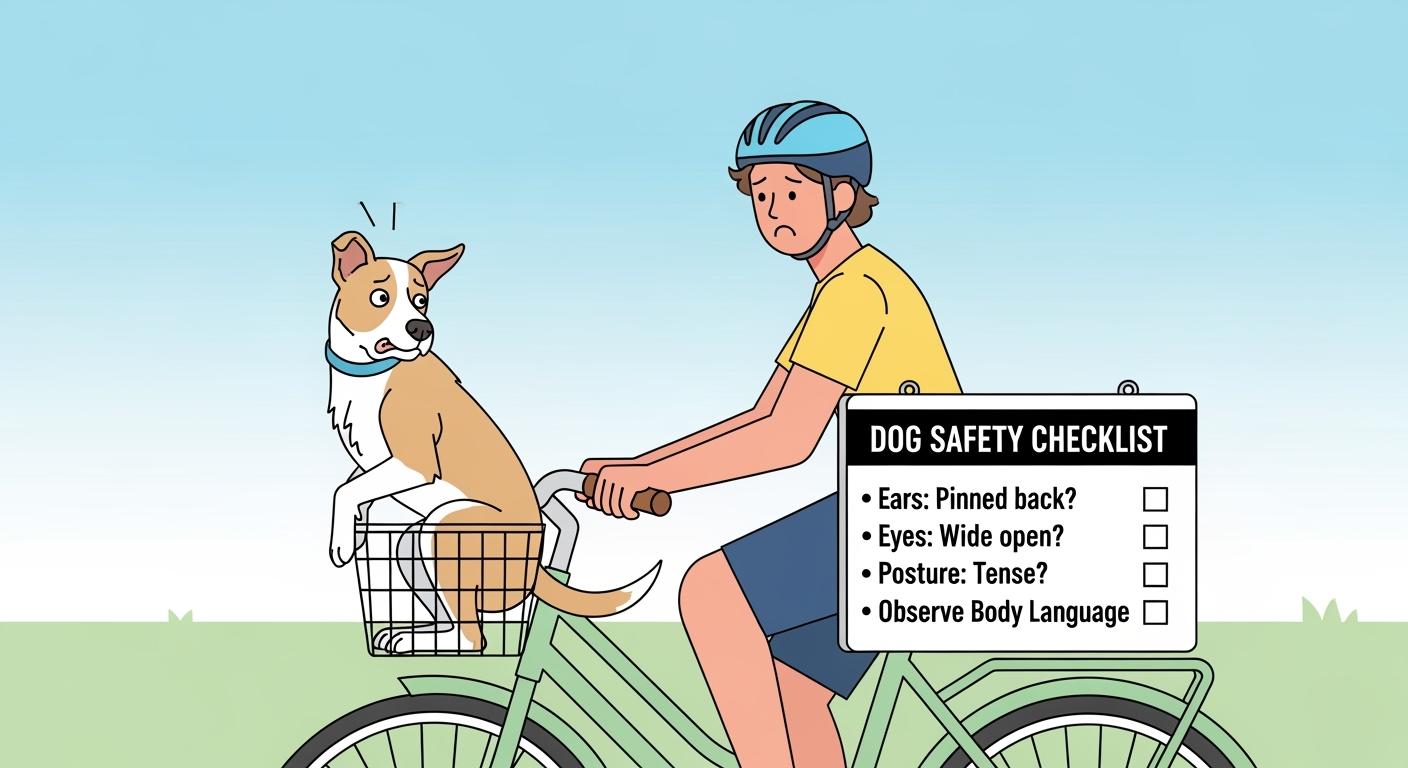
Do not use a vest if it makes your dog too hot. Heavy vests with little air can cause heat problems. Watch for signs like limping, red skin, panic, or hard breathing. If you see these, stop and call your vet. Gear does not replace watching your dog. Throw away broken gear.
Minimal solution: match vest to risk
Pick the lightest vest that fixes the biggest problem. First, find the outdoor risk. Next, choose if you need visibility, cooling, or protection. Look at the vest’s cloth and how it is made. Try the vest at home first. Take a short walk outside. Change the straps by 1-2 in (3-5 cm) if needed. Check for rubbing or turning after use. Clean off dirt and dry the vest. Stop using the vest if it hurts your dog or breaks.
Tip: Always look for signs your dog is uncomfortable after each use. Safety is most important.
Dog vest visibility: what really works
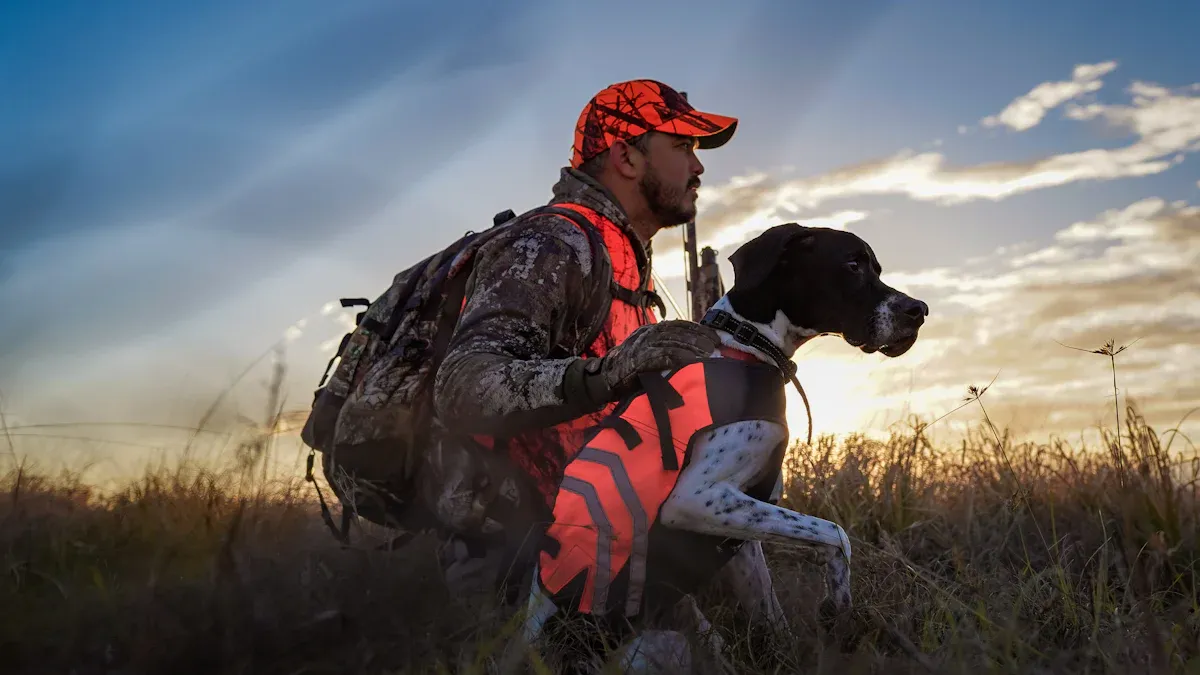
You want your dog to be safe on walks at night. It is hard to see dogs when it is dark. A dog vest helps people and cars see your dog sooner. This is important when there is not much light. Pick the right vest material, size, and fit to help your dog stand out.
Reflective vs high visibility surfaces
Reflective strips and bright colors help in different ways. Reflective strips shine light back to where it came from. This makes your dog easy to spot with headlights or flashlights. The strips have tiny glass beads or small prisms to help reflect light. Neon yellow-green is a high-visibility color. It helps people see your dog at dusk or on cloudy days. Bright colors help people see your dog from far away. They can make your dog up to 60 percent easier to spot. People can see your dog from over 500 feet (152 meters) away. At night, reflective strips work better than color.
Note: Bright colors help when it is not fully dark, but only reflective strips work well at night.
Key coverage zones for safety
The vest should cover the chest, sides, and shoulders. These parts face cars and people from many directions. Wide reflective panels on the body help stop blind spots. Full coverage keeps your dog visible if they turn or move fast. Vests with reflective tape across the body work best during busy times, like 5 PM to 9 PM.
Reflective vests help stop blind spots.
Good coverage means your dog is seen from all sides.
Wide panels and bright colors make your dog safer.
Fit issues that reduce visibility
A vest that does not fit right can twist or move. If the vest turns, the reflective strips may not face the lights. Loose straps can let the vest slip and leave parts uncovered. Always check the fit at home first. Change the straps by 1-2 inches (3-5 cm) if needed. Watch for twisting or rubbing after a short walk. Fix any problems before you go out again.
Safety tip: If your dog gets too hot, limps, or has red skin, stop using the vest and call your vet. Always watch your dog. Do not use broken gear.
Table: visibility feature, what it does, best use, mistake, fix
Feature | What it does | Best use case | Common mistake | Fix |
|---|---|---|---|---|
Reflective strips | Shine light back to where it came from | Night walks, roads | Strips not facing headlights | Adjust vest, check fit again |
Neon yellow-green | Makes dog easier to see in daylight or dusk | Evening trails | Only using color at night | Add reflective strips |
Wide torso panels | Cover main body for safety from all sides | Busy paths, crossings | Panels are too small | Pick a vest with bigger panels |
Adjustable straps | Keep vest in place and cover the right spots | All activities | Straps too loose or too tight | Change by 1-2 in (3-5 cm), check fit |
Full shoulder coverage | Stops blind spots from the side | Open areas, parks | Gaps at shoulders | Pick a better fit, check movement |
You can follow these steps for best results: find the outdoor risk, pick the vest goal, check the vest’s material and how it is made, test the fit at home, take a short walk, adjust if needed, check again after use, and fix or stop using the vest if needed.
Dog cooling vest and dog cooling coat: how they work
Evaporative cooling basics
You want your dog to stay cool during a warm weather hike. A dog cooling vest and dog cooling coat use evaporative cooling to support heat management when evaporation and airflow can work. You soak the vest in cool water, wring out the extra, and put it on your dog. As your dog moves, water in the vest evaporates and absorbs heat from your dog’s body. This process lowers your dog’s surface temperature. Studies show that dogs wearing a dog cooling vest after exercise had a mean temperature 0.62 C lower than those without one. This cooling performance helps prevent heat exhaustion and other heat-related illnesses.
How to use a dog cooling vest:
Soak the vest in cool water.
Wring out excess water so it does not soak your dog’s coat.
Put the vest on your dog before exercise.
Check the vest often and re-wet if it dries out.
Breathability and airflow
Breathability and airflow are key for cooling performance. Materials like 100 percent polyester mesh, such as Oasis fabric, feel cool and dry quickly. They let air move through, which helps water evaporate. Woven synthetics with aluminized finishes can block airflow and slow evaporation. If the vest covers too much or uses thick layers, it can trap heat. Always check what to look for in a dog cooling vest: light, breathable fabric and a fit that allows air to reach your dog’s skin.
Warning signs of overheating
You must watch for signs of overheating when using dog cooling gear. If you see any of these, stop and help your dog right away:
Sign of Overheating | Description |
|---|---|
Excessive Panting and Drooling | Heavy panting, thick saliva |
Increased Heart Rate | Heart beats faster |
Bright Red or Pale Gums and Tongue | Gums change color from red to pale |
Lethargy and Weakness | Dog seems tired or weak |
Vomiting and Diarrhea | Upset stomach or loose stool |
Confusion or Disorientation | Trouble walking or seems confused |
Collapse or Seizures | Falls down or has seizures |
If you notice any of these, remove the dog cooling vest or dog cooling coat and seek help.
Table: cooling approach, what to look for, when it helps, when to avoid, care notes
Approach | What to look for in a dog cooling vest | When it helps | When to avoid | Care notes |
|---|---|---|---|---|
Evaporative cooling | Light mesh, good airflow, easy fit | Warm, dry, breezy days | Humid or muggy weather | Rinse grit, dry fully after use |
Partial water immersion | Cool water, shallow tub | Post-exercise recovery | Cold, windy, or wet days | Dry dog after, monitor closely |
Dog cooling coat | Breathable, covers chest and back | Long walks, hikes | If dog shivers or resists | Wash gently, check for damage |
Tip: Always test the dog cooling vest or dog cooling coat at home before a hike. Watch for rubbing or heat trap. Adjust straps by 1-2 in (3-5 cm) if needed. If you see limping, skin irritation, or panic, stop and consult your vet. Gear cannot replace supervision. Retire damaged dog cooling gear.
Dog vest protection: brush and abrasion
What protection vests can and cannot do
You want your dog to stay safe when exploring thick brush or rough ground. A protection vest reduces minor scrapes from brush and rough surfaces, not a guarantee against injury. Many owners see fewer cuts and punctures after using a vest. One owner shared that their dog, Pumpkin, stopped getting scrapes from barbed wire after wearing a vest. Another user found the vest helpful during hunting in rough terrain. The vest acts as a barrier, blocking sharp sticks and thorns. You must remember that no vest can stop all injuries. Always watch your dog and retire damaged gear.
Material and construction cues
You need strong materials for outdoor protection. Look for rip-resistant fabrics and reinforced seams. These features help the vest last longer and resist snags. The table below shows common materials and their properties:
Material | Properties |
|---|---|
300D Oxford | Rip-resistant, tightly woven, resists snags, tears, and abrasions |
Reinforced seams | Strong edging, prevents loose threads and maintains shape |
Heavy-duty Velcro | Stays secure, withstands mud and dirt, prevents slipping during activity |
Water-repellent | Dries quickly, prevents soggy messes during wet conditions |
Choose a vest with these features for better protection. Always check the vest for loose threads or worn spots before each trip.
Mobility and fit risks
A good vest protects your dog but should not limit movement. Support vests reduce joint strain and improve comfort, especially for dogs with mobility issues. Padding and adjustability help the vest fit well and avoid restricting motion. If the vest twists or rubs, coverage and comfort drop. Always test the fit at home. Adjust straps by 1-2 in (3-5 cm) and watch your dog walk. If you see limping or skin irritation, stop and try a different fit.
Safety tip: If your dog shows signs of heat stress, limping, or panic, remove the vest and consult your veterinarian.
Table: protection zone, good design, red flag, what it leads to, alternative
Zone | Good sign | Red flag | What it leads to | Alternative |
|---|---|---|---|---|
Chest | Full coverage, no gaps | Exposed skin, loose fit | Scrapes, punctures | Adjust straps, test fit |
Shoulders | Reinforced panels | Thin fabric, worn spots | Abrasions, discomfort | Replace vest, check seams |
Belly | Water-repellent, padded | Wet, heavy, poor airflow | Heat trap, skin issues | Use lighter vest, recheck |
Sides | Snag-resistant material | Torn or snagged areas | Reduced protection | Repair or retire vest |
Follow these steps for best results:
Identify outdoor risk.
Choose vest goal.
Check materials and construction.
Fit test at home.
Take a short trial outside.
Adjust straps by 1-2 in (3-5 cm) if needed.
Recheck after use.
Maintain and retire gear when needed.
A dog vest with the right design can help your dog explore safely. Always supervise and check for signs of discomfort.
Choosing the right dog vest: step by step guide
You want your dog to stay safe and comfortable outdoors. You can follow a simple step-by-step process to pick the best vest for your dog. Each step helps you match the vest to your dog’s needs and the outdoor risks you face.
Assess the environment and activity
Start by thinking about where you and your dog go. Do you walk at dusk, hike in hot weather, or explore thick brush? Each place has its own risks. For example, low light means you need more visibility. Hot weather means you need cooling. Thick brush means you need protection from scrapes.
Different types of vests solve different problems. Upland vests use bright colors like blaze orange or day-glow green. These colors help people see your dog and prevent accidents. The ripstop nylon material protects against thorns and scrapes but stays light so your dog does not overheat. Waterfowl vests use neoprene. This material keeps your dog warm and helps them float in cold water. It also protects against cuts. You should always match the vest to your main outdoor risk.
Match vest type to main risk
You need to choose the lightest option that solves the biggest risk. This is the minimal solution cue. If your main risk is low light, pick a vest with reflective strips and bright colors. If your main risk is heat, pick a cooling vest with breathable mesh. If your main risk is brush or rough ground, pick a vest with tough, rip-resistant fabric.
Here is a decision table to help you match the vest to your needs:
Environment | Primary risk | Vest type direction | Key features | Avoid list |
|---|---|---|---|---|
Low light | Visibility | High-visibility vest | Reflective strips, neon color | Dark colors, no reflectors |
Hot, sunny | Heat stress | Cooling vest | Breathable mesh, light coverage | Thick, heavy, non-breathable |
Thick brush | Abrasion | Protection vest | Ripstop nylon, reinforced seams | Thin fabric, loose fit |
Wet, muddy | Grime, cold | Water-resistant vest | Quick-dry, water-repellent surface | Cotton, slow-drying materials |
Cold water | Hypothermia | Neoprene vest | Insulation, buoyancy panels | No insulation, poor fit |
Tip: Always pick the vest that covers the main risk. Do not add extra layers unless needed. Too many layers can cause heat trap or rubbing.
Avoid stacking problems
You want your dog to stay safe, but too many features can cause new problems. Heavy vests or too much coverage can trap heat. Poor fit can cause rubbing or twisting. If you use a harness, make sure the vest does not press buckles against your dog’s skin. Always test the vest at home first. Watch for signs of discomfort, like limping, red skin, or panic. If you see these, stop and adjust the fit by 1-2 in (3-5 cm). If problems continue, try a different vest.
Here are common mistakes owners make when picking a vest:
Mistake | Description |
|---|---|
Fit Issues | Many vests fit broad-chested dogs but not slender breeds, causing chafing. |
Difficulty of Use | Some vests are hard to put on, especially in low light, making them impractical. |
Visibility | Not using bright colors like blaze orange can lead to safety issues, especially during hunting seasons. |
You can avoid these mistakes by measuring your dog and picking an easy on and off design. Make sure the vest fits well and is simple to use, even in poor light.
Table: Parameter and Value (Unified Data Pool)
You should check these parameters before you buy or use a vest. This table shows what to look for and why it matters.
Parameter | Target option or rule | Why it matters |
|---|---|---|
Outdoor activity | daily walk, hike, road trip stops | Predicts risk and wear |
Primary goal | visibility, cooling, protection | Defines vest type |
Environment | low light, heat, brush, wet grime | Drives feature needs |
Coverage map | cover only needed zones | Reduces heat trap and rub |
Material direction | breathable for heat, tough for brush | Balances comfort and durability |
Construction | protected seams, bound edges | Reduces early failure |
Fit test | full shoulder motion, no armpit rub, low rotation | Prevents hotspots |
Layering | avoid buckle on buckle pressure | Prevents discomfort |
Care | rinse grit, dry fully | Preserves function |
Stop criteria | heat stress or skin irritation means stop | Prevents escalation |
You should also measure your dog for the best fit. Here are the key sizing and fit parameters:
Parameter | Target range or option | Why it matters |
|---|---|---|
Chest measurement | widest chest, behind front legs | Sizing accuracy and comfort |
Neck measurement | where collar sits | Escape risk and comfort |
Fit check | two fingers at contact points | Prevents tight spots and rubbing |
Adjustment buffer | 1-3 in (2.5-7.5 cm) | Micro sizing flexibility |
Strap width | 0.3-0.6 in (0.8-1.5 cm) | Comfort for petite bodies |
Style | step in, over head, vest, strap | Ease of use and pressure points |
Escape control | second belly strap optional | Reduces backing out risk |
Hardware size | lightweight buckles and clips | Less rotation and better balance |
Edge finishing | soft edges or padded zones | Reduces rubbing |
For dogs that pull, use a no-pull or front-clip harness.
For small or anxious dogs, use a step-in harness.
For large, strong dogs, use a dual-clip or heavy-duty back-clip design.
For night walks, use a harness with reflective webbing or LED piping.
For outdoor adventures, use a tactical harness with handles and water-resistant fabric.
Safety note: Always supervise your dog when using a vest. If you see heat stress, limping, skin irritation, panic, or breathing problems, stop and consult your veterinarian. Retire damaged gear right away.
You can follow this stepwise sequence for best results:
Identify your main outdoor risk.
Choose the vest goal: visibility, cooling, or protection.
Check the vest’s materials and construction.
Fit test at home. Look for full shoulder motion, no armpit rub, and low rotation.
Take a short trial outside.
Adjust straps by 1-2 in (3-5 cm) if needed.
Recheck after use for rubbing, twisting, or heat trap.
Maintain the vest by rinsing grit and drying fully.
Retire the vest if you see damage or your dog shows discomfort.
A dog vest can help your dog stay safe and comfortable outdoors. You can make the best choice by following these steps and always putting your dog’s safety first.
Fit and comfort: checks before every trip
Strap angles and pressure points
You want your dog to feel comfortable every time you use a vest. Strap angles and pressure points matter for safety. When you adjust the straps, check that they sit flat and do not dig into your dog’s skin. A back D-ring placed over the shoulder blades helps spread force evenly. This design lines up with your dog’s spine and reduces pressure points. If straps press into the chest or armpits, your dog may get red marks or start limping. Always look for smooth edges and soft padding at contact spots.
Tip: Rubbing often starts at the armpits, chest edges, and where straps touch. These are hotspot areas. If you see red skin or your dog stops moving, check the vest fit right away.
Rotation and slip tests
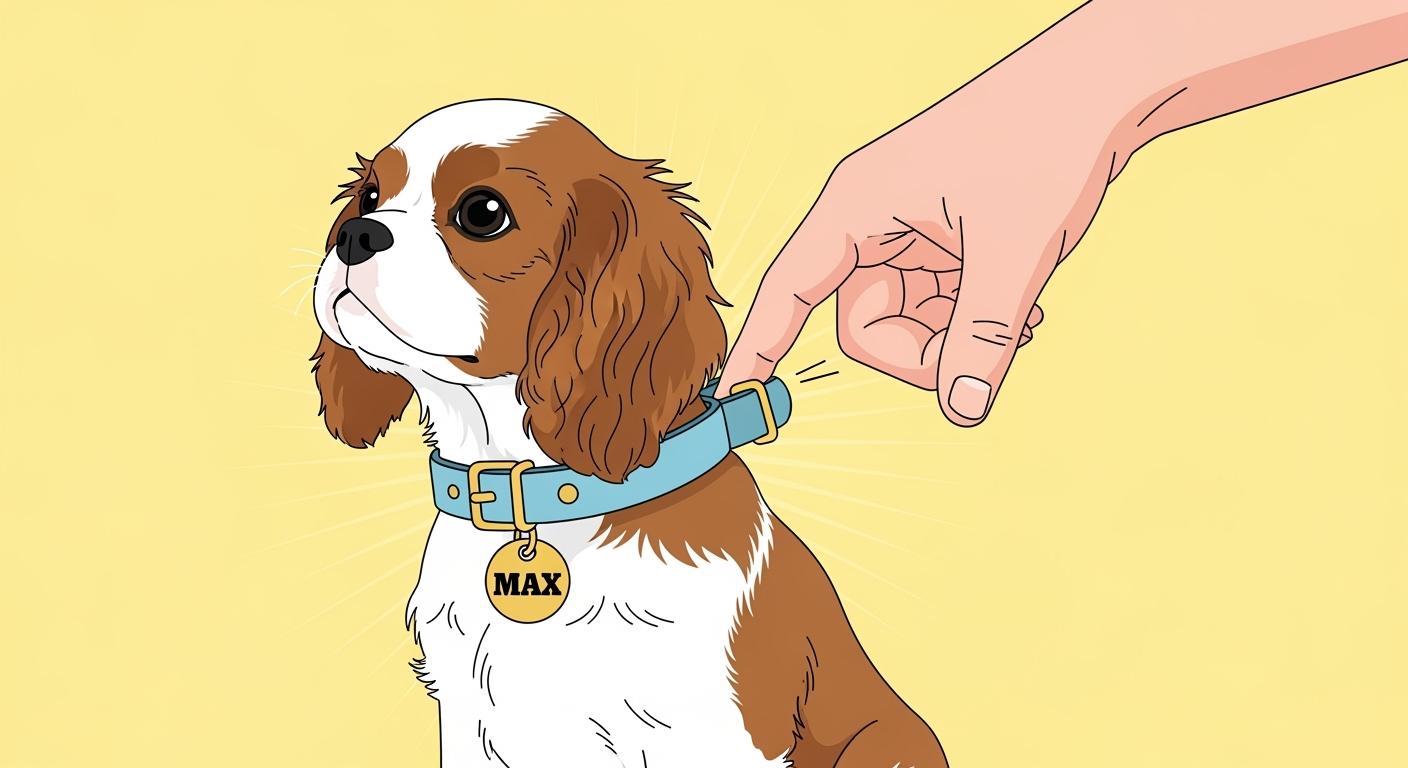
A vest that twists or slips can lower comfort and safety. If the vest rotates, coverage drops and your dog may get sore spots. You should test for rotation by letting your dog walk and run. Watch if the vest stays in place. If it moves, adjust the straps by 1-2 in (3-5 cm) and test again. Slip tests help you spot escape risks. Use the two-finger fit check: buckle the vest, then slide two fingers between the vest and your dog’s body at the chest and neck. If you cannot fit two fingers, loosen the straps. If you can fit more than two fingers, tighten them.
Measure your dog’s chest and neck before each trip.
Use the two-finger fit check at the chest and neck.
Adjust straps in small steps: 1-2 in (3-5 cm).
Watch for twisting, slipping, or rubbing after a short walk.
Layering with harnesses and leashes
Layering gear can cause pressure points or heat trap. If you use a harness under the vest, make sure buckles do not stack on top of each other. This can lead to discomfort or skin irritation. Always check that each layer sits flat and does not rub. If you see signs of heat stress or skin problems, remove extra layers and try a lighter setup.
Safety note: Heavy coverage and low airflow can increase heat stress risk. If your dog pants hard, limps, or shows red skin, stop and check the vest fit.
Table: fit test, pass sign, fail sign, what to change
Fit Test | Pass Sign | Fail Sign | What to Change |
|---|---|---|---|
Two-finger check | Two fingers fit at chest/neck | Too tight or too loose | Adjust straps by 1-2 in (3-5 cm) |
Rotation test | Vest stays in place when moving | Vest twists or shifts | Re-adjust straps, check sizing |
Hotspot check | No red marks or rubbing | Red skin, limping, licking | Loosen straps, add padding, recheck |
Slip test | Dog cannot back out or slip out | Dog escapes or slips forward | Tighten chest/neck, try smaller size |
Layering check | No stacked buckles, flat layers | Buckles press into skin, heat trap | Change gear order, remove extra layer |
You can follow these steps before every trip. Check the vest fit, watch for rotation, test for hotspots, and adjust as needed. If you see any signs of discomfort or heat stress, stop and consult your veterinarian. Always retire damaged gear. Your dog’s comfort and safety come first.
Care, maintenance, and OEM/ODM explained
Cleaning and drying habits
You want your dog vest to last a long time. Cleaning and drying it well helps keep it safe. Always rinse off dirt after each use. Make sure the vest is dry before you put it away. Use detergent made for pets and skip strong chemicals. Switch between two vests so they wear out slower. Clean spots that get dirty after hard play. Check for damage often and fix small problems. Use vinegar to remove smells before washing.
Here is a simple cleaning and drying guide:
Do’s | Don’ts |
|---|---|
Use cold or lukewarm water | Use hot water (can shrink cotton) |
Wash after every 3–5 uses or when dirty | Leave muddy or wet vests uncleaned for days |
Use pet-safe, hypoallergenic detergent | Use bleach or fabric softeners |
Air-dry in a well-ventilated area | Tumble dry on high heat |
Store in a dry, cool place | Store when damp (invites mold) |
Tip: Rinse off dirt, dry the vest, and check for damage every time. This helps keep your dog safe and happy.
Signs of wear and when to retire
Look at your dog vest before each trip. Search for straps that are frayed or buckles that are broken. See if the fabric has holes or tears. Check for loose threads or places where the vest is coming apart. Watch for mold or bad smells. If you find any of these, the vest may not protect your dog. Stop using the vest if it is damaged and not safe.
Common things to look for:
Straps that are frayed or buckles that are broken
Holes or tears in the fabric
Loose threads or seams
Mold, mildew, or strong smells
Here is a table to help you fix problems:
Problem | Likely Cause | Quick Fix | Next Step |
|---|---|---|---|
Strap fraying | Repeated rubbing | Cut loose threads | Replace strap if needed |
Buckle not closing | Dirt or damage | Clean buckle | Replace if still broken |
Fabric tear | Snag on brush | Patch small holes | Stop using if too big |
Moldy smell | Stored damp | Wash and air-dry | Only store when dry |
Loose stitching | Wear and tear | Sew or patch | Stop using if not fixed |
Safety note: If your dog has heat stress, limps, has red skin, panics, or breathes hard, stop using the vest and call your vet. Throw away broken gear right away.
What is OEM and ODM for dog vests
You might see OEM and ODM when you shop for dog vests. OEM means one company designs a vest and another company makes it. The vest is special for that brand. ODM means a company picks a design, changes small things like color or logo, and sells it as their own.
OEM and ODM let you pick many options:
Add things like reflective strips or logos with embroidery or heat transfer.
Choose colors and patterns, even camouflage or Pantone matching.
Pick buckles, D-rings, or handles.
Change panel and strap shapes for different dogs.
Manufacturers make a sample vest, test how it fits, and check quality at each step. This helps make sure the vest is safe and comfortable.
Note: Good quality and custom choices can make your dog vest fit better and work well. Always check for strong seams, safe materials, and a good fit before you use it.
You want your dog to be safe and feel good outside. A dog vest helps with visibility, cooling, and protection. Picking the right material matters a lot:
Material | Benefits |
|---|---|
Polyester | Tough, dries fast, light, keeps color bright, easy to see. |
Nylon | Strong, does not wear out fast, keeps water off, slides easily, stays bright for a long time. |
Many people now hike, run, and camp with their dogs. Cooling vests with shiny strips help dogs stay cool and easy to spot. Always check what could be risky for your dog outside. Pick gear that fits those needs. Watch your dog for any signs of trouble. The right vest makes every trip safer and more fun.
Safety note: If your dog gets too hot, limps, has red skin, panics, or breathes hard, stop and call your vet. Always watch your dog and stop using broken gear.
FAQ
How do I know if my dog vest fits right?
Check the fit at home. Make sure you can slide two fingers under the straps at the chest and neck. Watch for twisting or rubbing after a short walk. Adjust straps by 1-2 in (3-5 cm) if needed.
Safety note: If you see red skin or limping, stop and try a different fit.
Can my dog wear a vest with a harness or leash?
Yes, you can layer a vest with a harness or leash. Make sure buckles do not stack on top of each other. Check that all straps sit flat. Remove extra layers if you see rubbing or heat stress.
What should I do if my dog gets too hot in a vest?
Take off the vest right away. Move your dog to a cool place. Offer water. Watch for heavy panting, red skin, or weakness. If these signs appear, call your veterinarian.
Tip: Always test new gear at home before long walks.
How often should I clean my dog vest?
Rinse off dirt after each use. Wash the vest every 3-5 uses or when it smells. Dry it fully before storing. Check for damage each time.
What is the best way to pick a vest for my dog?
Follow these steps: identify your outdoor risk, choose the main vest goal, check materials and construction, fit test at home, take a short trial outside, adjust as needed, recheck after use, maintain, and retire if damaged.
Safety note: Supervise your dog. Retire any gear that causes problems.