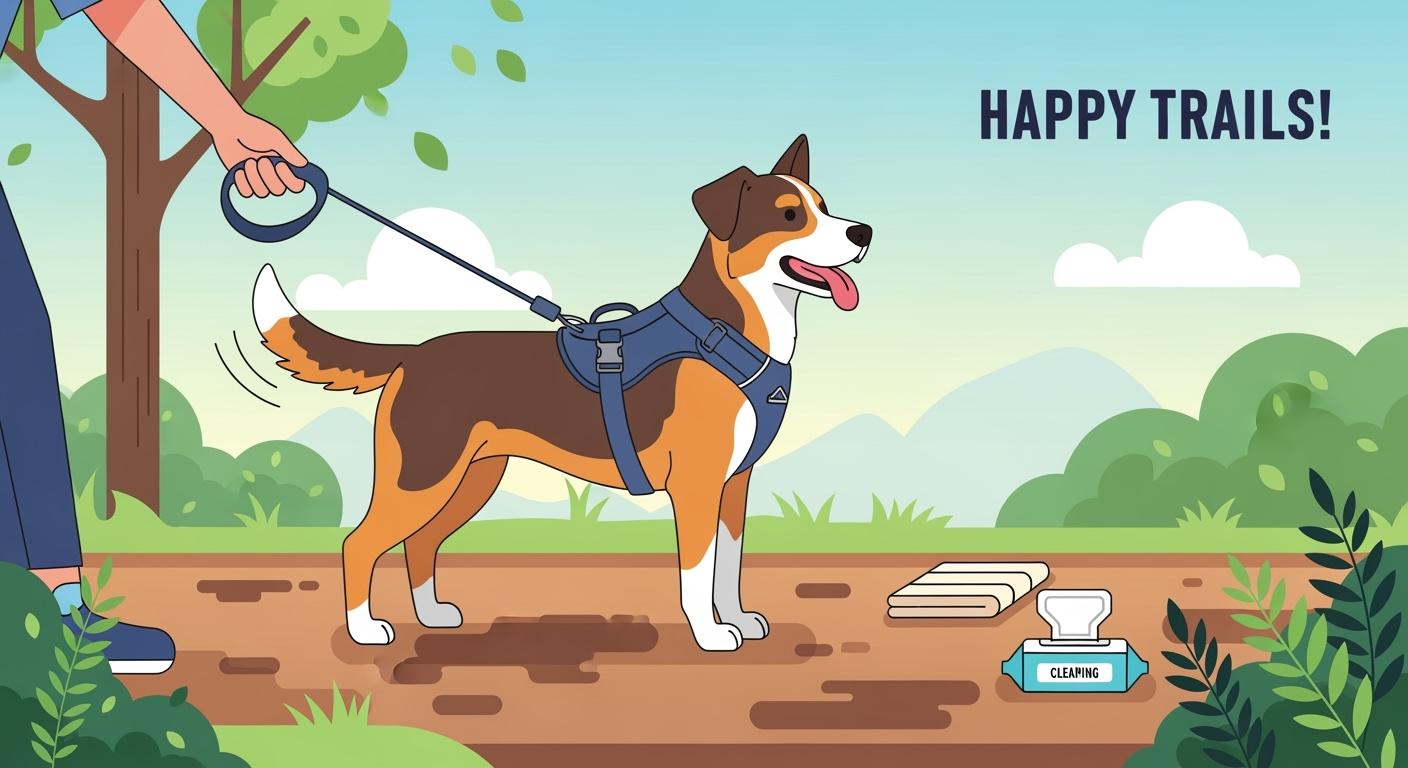
After rain, snowmelt, or a quick detour onto muddy trails, a dog vest harness can give you comfortable control without turning cleanup into a chore. This guide covers what a vest style harness is, how it compares with strap designs, which features help with fast drying and easy rinsing, and how to confirm fit with simple checks before you head out.
Key Takeaways
- A dog vest harness helps you control your dog better. It also makes your dog feel more comfortable on walks. This makes outdoor trips more fun for both of you.
- Pick a harness that fits your dog well. Measure your dog’s chest and neck before you buy one. This helps keep your dog safe and comfortable.
- Find a harness made with breathable materials. This keeps your dog cool and dry. It is important after your dog gets muddy outside.
- Check the harness often to make sure it fits right. Look at the harness to see if it is in good shape. This stops your dog from getting hurt or uncomfortable.
- Get a harness with reflective parts for safety at night. This helps people see your dog when it is dark outside.
What Is a Dog Vest Harness?
A dog vest harness covers more of your dog’s body than a strap harness. You put it on by sliding it over your dog’s head or having your dog step into it. The vest spreads out pressure, so your dog feels better on walks. You can use this harness every day or when you travel. It works well for outdoor adventures.
Vest Harness vs. Strap Harness
You may wonder how a vest harness is different from a strap harness. Here are some main differences:
| Feature | Dog Vest Harness | Strap Harness |
|---|---|---|
| Control | Stays steady and is easy to hold | Gives your dog more room to move |
| Comfort | Covers more and can keep your dog warm | Spreads pressure across the body |
| Safety | Helps stop neck strain | Stops pulling if it fits right |
| Motion Freedom | Can twist if not fitted well | Usually does not twist |
Front-clip attachments can help some dogs pull less by redirecting their body when they surge forward. Back-clip attachments often feel smoother for steady walkers. Choose the clip position based on your dog’s behavior and test it during a short walk before longer outings.
Why Choose for Walks and Outdoor Use
People pick a dog vest harness for walks because it helps control body heat and keeps your dog easy to see. Many vests have shiny stitching or lights for safety. Some have pockets for treats or other things, which is good for long walks. Service dogs wear vest harnesses to show their job and carry tools.
- Temperature control: Helps your dog stay warm or cool.
- Visibility: Makes your dog easier to spot in the dark.
- Carrying capacity: Lets you bring treats or small stuff.
- Protection: Gives some safety from rough ground.
When Not to Use a Vest Harness
Avoid using any harness for long periods in extreme heat. Take breaks, offer water, and watch for overheating. If your dog has a medical condition that affects breathing, mobility, or skin sensitivity, ask a veterinarian which style and fit are appropriate. Before you go, check local trail or venue rules for leash requirements and permitted gear.
Safety tip: This is not medical advice. Watch your dog for signs of discomfort. Stop using the harness if you see any irritation and talk to a vet.
Comfort and Dog Safety
Even Pressure and Reduced Pulling
A dog vest harness helps you control your dog during outdoor walks by spreading pressure across the chest and back. This design keeps your dog safer than a collar, which can put strain on the neck. When you use a harness, you reduce the risk of injuries to the neck and trachea. You also help your dog feel more secure and less likely to pull hard on the leash.
Here is a table that shows how pressure and neck protection compare:
| Feature | Dog Harness (Vest Style) | Collar or Strap Harness |
|---|---|---|
| Pressure Distribution | Evenly spread across chest/back | Often uneven; padding may shift |
| Neck Protection | High – helps reduce neck pressure when fitted correctly | Variable – depends on design |
| Mobility & Gait Freedom | Excellent – supports full stride when fitted correctly | Fair to poor – bulkier models may restrict motion |
A well-fitted harness can shift pressure away from the throat area compared with many collar setups, but comfort still depends on fit. A vest style should allow full shoulder movement and a normal stride. After you adjust straps, check for rubbing, pinching, or restricted motion.
Tip: Always check that the harness sits flat and does not twist. A good fit means your dog can walk, run, and play without feeling restricted.
Breathable Materials for Dog Comfort
Comfort matters for every dog, especially during long walks or play. The materials in a dog vest harness make a big difference. Breathable fabrics like open-cell mesh, perforated neoprene, and ripstop nylon with vent panels let air flow over your dog’s body. These materials wick away moisture and help prevent overheating. They also reduce friction, which keeps your dog’s skin healthy.
Here is a table of common harness materials and their benefits:
| Material | Ventilation Level | Durability | Best For |
|---|---|---|---|
| Open-Cell Mesh | High | Moderate | Hot climates, short-nosed breeds, daily walks |
| Perforated Neoprene | Medium-High | High | Dogs needing joint support with cooling needs |
| Ripstop Nylon with Vents | Medium | Very High | Active dogs, hiking, training sessions |
| Cotton Blend | Low-Medium | Low | Casual use; not for long summer activity |
The right material keeps your dog cool and dry. It also helps you clean the harness quickly after muddy walks. Always choose a harness that matches your dog’s activity level and the weather.
Preventing Chafing and Escape
A comfortable fit is key for dog safety. If the harness rubs or twists, your dog may get sore spots or try to escape. You can prevent these problems by measuring your dog’s chest girth just behind the front legs and the neck at the base. Use the two-finger check at all contact points. You should be able to slide two fingers between the harness and your dog without forcing.
Let us look at two real-life scenarios:
- Scenario A: You have a small dog (20 lb or 9.1 kg or less) who enjoys short daily walks, even in wet conditions. You want a harness that goes on and off quickly and is easy to rinse after muddy outings. Choose a vest harness with open-cell mesh or ripstop nylon. This keeps your dog comfortable and makes cleanup simple.
- Scenario B: You have a medium dog (20-50 lb or 9.1-22.7 kg) who loves trail outings. Your dog sometimes tries to back out of gear. You need a harness that gives you more control and does not twist. Pick a vest harness with a snug chest panel and adjustable straps. Always check the fit before each walk and do a short movement test.
Note: Requirements vary; always check the latest venue rules before your outing. This is not medical advice. Watch your dog for signs of discomfort. Pause use if irritation appears and consult a veterinary professional.
A well-fitted dog vest harness supports dog safety and comfort. It helps you enjoy outdoor adventures together while keeping your dog happy and secure.
Control and Handling with a Dog Harness
Secure Fit for Busy Environments
A dog vest harness that fits well gives you more control. This is important in busy or distracting places. When your dog feels good in the harness, you can guide them easily. Max is a Border Collie who is three years old. He behaved better after using a front-clip harness. His owner found it easier to control him in crowded parks.
Many owners choose vest harnesses because they can feel more secure and easier to handle in crowded or high-distraction settings. Start with short sessions, reward calm walking, and adjust the harness so your dog can breathe freely and move naturally.
You want your dog to stay close and safe when you travel or go outside. A snug harness stops your dog from escaping or twisting. This lets you enjoy your walk more.
- Harnesses spread pressure across the chest and shoulders.
- They make it easier to handle your dog and lower injury risk.
- Front-clip harnesses help stop pulling and improve leash skills.
Reflective Features for Night Safety
Walking at night or early in the morning needs extra care. Reflective parts on a dog harness help others see your dog in the dark. Drivers, bikers, and walkers can spot your dog from far away. This keeps both you and your dog safer.
- Reflective harnesses with bright stitching or panels make your dog easier to see at night.
You can feel safer when you and your dog go out after dark.
Handling Pullers and Active Dogs
Some dogs pull hard or get very active on walks. A dog vest harness with two leash clips can help you manage this. You can use the front and back clips to guide your dog. The right fit keeps the harness snug and stops escapes, even if your dog is excited.
- No pull harnesses with two leash points help you guide your dog.
- Padded chest panels make the harness more comfortable and help with training.
- Breathable materials keep your dog cool during walks.
- Adjustable straps keep the harness secure as your dog moves.
A harness that fits well helps your dog behave better. It also makes outdoor trips safer and more fun for both of you. Always check if your dog is comfortable and watch for any irritation. This is not medical advice. Stop using the harness if your dog seems uncomfortable and ask a vet for help.
Cleanup After Walks

Easy-to-Clean Materials
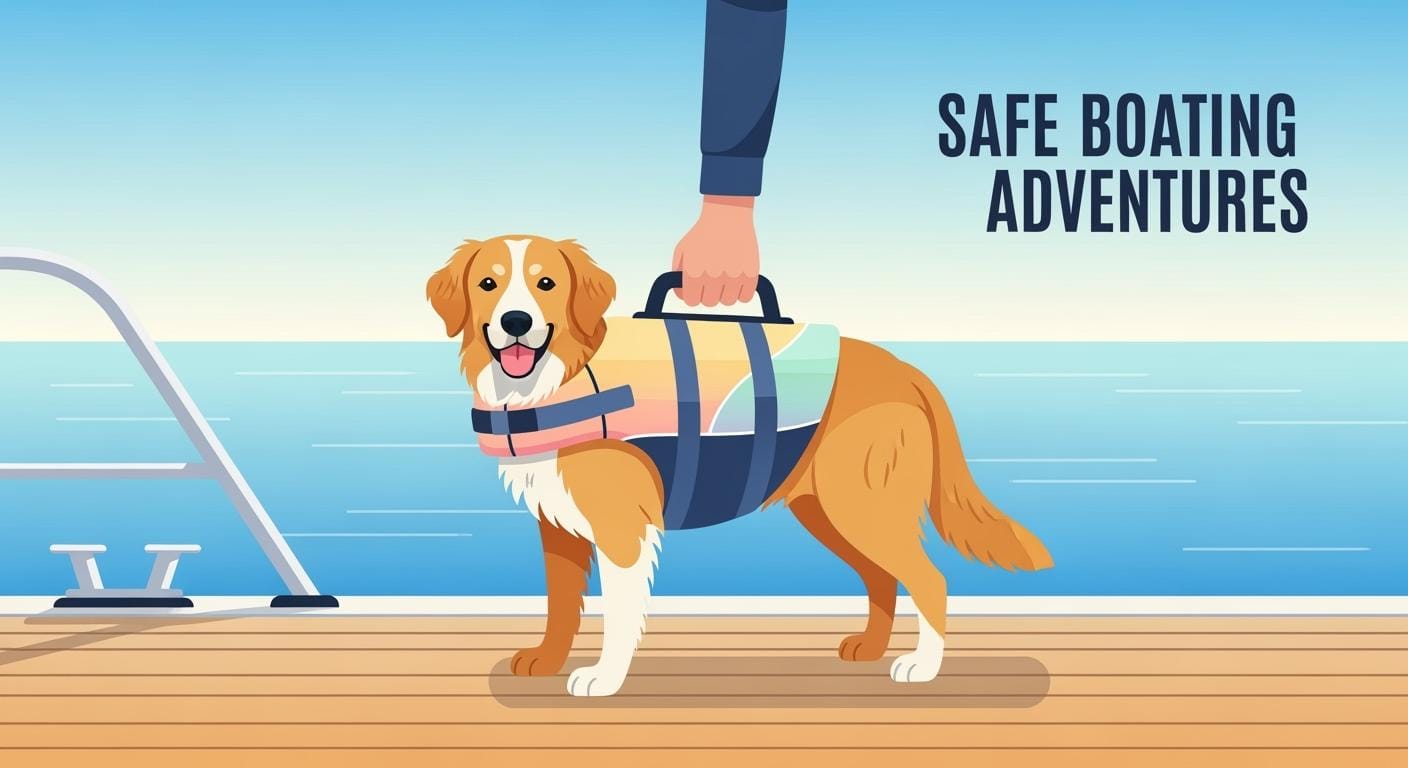
For muddy outings, prioritize materials and hardware that do not trap grit. Look for smooth outer fabric you can wipe down, mesh sections that dry quickly, and sturdy buckles that rinse clean. A heavy-duty long-coverage working vest harness is a practical option when you want more coverage, a secure fit, and a top handle for quick control in busy outdoor areas.
Here is a table showing which features help with quick drying and odor control:
| Feature | Benefit | What to Avoid |
|---|---|---|
| Mesh ventilation panels | Speeds up drying, reduces odor | Thick, closed fabric zones |
| Drainage padding | Lets water escape, stays light | Dense foam without holes |
| Coated webbing | Repels water, dries fast | Absorbent, untreated webbing |
| Smart strap routing | Prevents damp traps, improves fit | Straps crossing armpits |
| Lightweight build | Increases comfort, dries quickly | Heavy, bulky harnesses |
Quick-Drying and Odor Control
After a muddy walk, you want your dog harness to dry fast and stay fresh. Mesh panels and drainage padding let air flow and water escape. Coated webbing does not soak up water, so it dries quickly. These features help prevent odors and keep your dog comfortable. A lightweight harness also means your dog feels less weighed down after outdoor play. You support good behavior by keeping your dog clean and happy during activities.
Cleaning Tips for Muddy Outings
Cleaning your dog vest harness after outdoor outings keeps your dog safe and comfortable. Follow these steps for best results:
- Inspect for damage. Check for frayed straps or loose stitching.
- Remove loose debris. Use a soft brush or cloth to wipe off dirt and hair.
- Pre-treat stains. Apply a pet-safe stain remover to visible spots.
- Hand wash. Use lukewarm water and mild detergent to clean the harness.
- Rinse thoroughly. Make sure all soap is gone to avoid skin irritation.
- Air dry completely. Lay the harness flat away from direct sunlight.
Tip: Always check the harness for fit and comfort after cleaning. This is not medical advice. Watch your dog for any irritation. Pause use if you see redness or discomfort and consult a veterinary professional.
Dog Vest Harness Fit and Sizing
Choosing the right dog vest harness for your outdoor adventures starts with understanding how to measure and check for a proper fit. You want your dog to feel comfortable and safe, so you need to follow a few simple steps.
Measuring Chest and Neck
Accurate measurements help you select the best harness size. Use a soft measuring tape and follow these steps:
- Place the tape around your dog’s neck where a collar usually sits. Make sure you can fit two fingers between the tape and your dog’s skin.
- Wrap the tape around the widest part of your dog’s chest, just behind the front legs. This is the most important measurement for sizing.
- Keep the tape snug against the fur, but do not compress it.
Tip: Measure your dog when they are calm and standing naturally. Avoid measuring over bulky clothing or winter coats.
Sizing Rules and Fit Checks
You want a harness that fits well and keeps your dog comfortable during outdoor outings. Here are the main rules to follow:
- Always use the chest girth as your primary measurement. The neck measurement is secondary.
- If your dog falls between sizes, choose the larger size and adjust down for a proper fit.
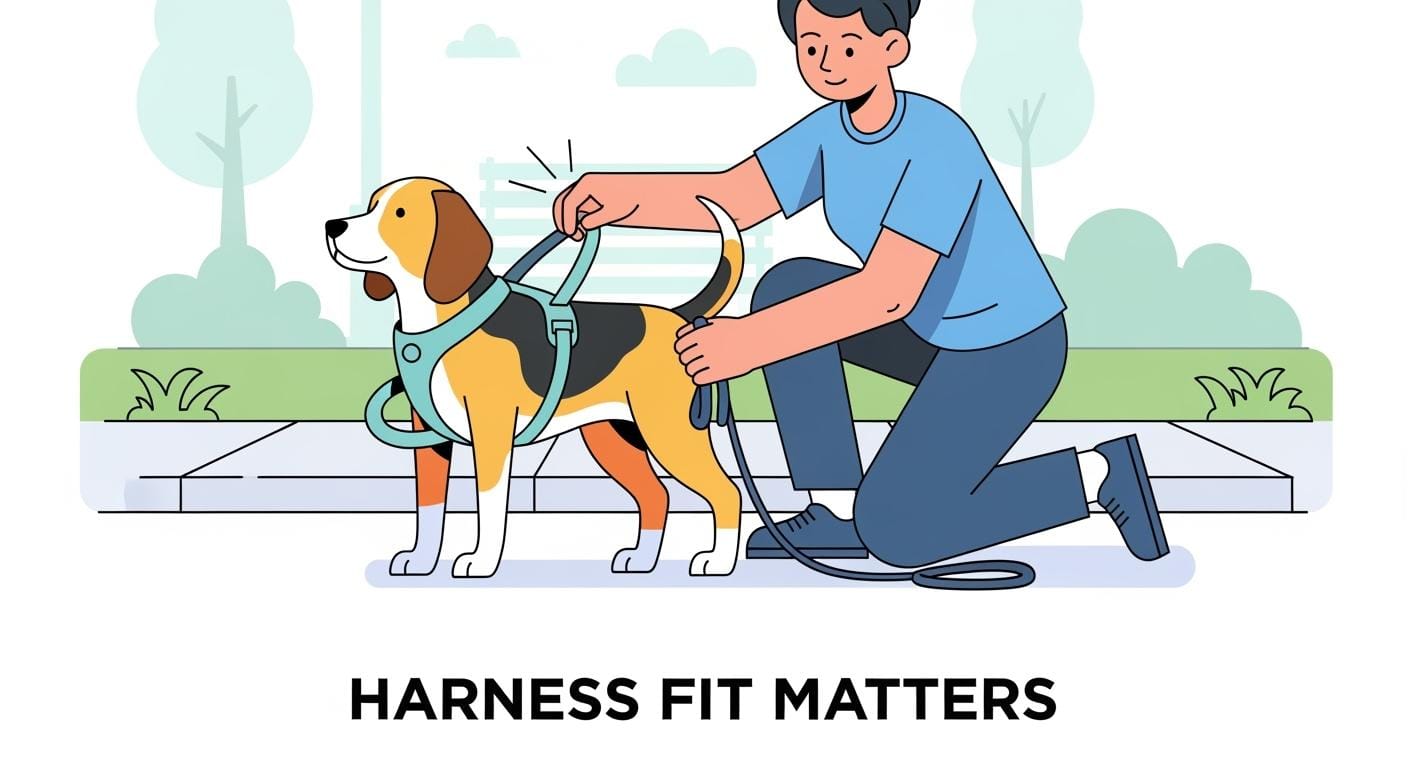
- Use the two-finger check at all contact points. You should be able to slide two fingers between the harness and your dog without forcing.
- Run a short movement test after fitting the harness. Watch for twisting, rubbing, or escape attempts.
Common mistakes can lead to discomfort or returns. Avoid these errors:
- Measuring over thick coats or clothing.
- Using a stiff ruler instead of a flexible tape.
- Measuring a wriggling or excited dog.
- Buying by weight only. Chest depth and shape matter more than weight.
- Ignoring growth in puppies. Re-measure every 4-6 weeks until your dog reaches adulthood.
Safety reminder: Always re-check the harness fit after grooming, growth, or weight changes. A good routine keeps your dog safe and happy.
Adjusting for Growth or Coat Changes
Dogs change over time. Puppies grow quickly, and some breeds have seasonal coat changes. You need to adjust the harness for a proper fit as your dog grows or after grooming.
- Recheck the fit every 7 days for growing dogs or after noticeable weight or coat changes.
- Use the boundary rule: If your dog is between sizes, pick the larger size and adjust straps for a snug fit.
- After a muddy outdoor walk, always rinse and dry the harness before putting it back on your dog. Leaving a wet harness on can cause irritation.
Here is a table to help you remember the key parameters for sizing and fit:
| Parameter | Value |
|---|---|
| Primary measurement for many harness charts | Chest girth just behind front legs |
| Secondary measurement often used | Neck at base where a collar sits |
| Boundary rule for size selection | If between sizes, choose the larger size and adjust down |
| Fit check | Two-finger check at contact points |
| Recheck cadence for growth or body change | Every 7 days until stable |
| Small dog band for discussion | <=20 lb (<=9.1 kg) |
| Medium dog band for discussion | 20-50 lb (9.1-22.7 kg) |
| Large dog band for discussion | >50 lb (>22.7 kg) |
Note: Requirements vary; verify the latest venue rules before your outing. This is not medical advice. Monitor your dog’s comfort, pause use if irritation appears, and consult a veterinary professional.
By following these steps, you help your dog enjoy every outdoor adventure with a dog vest harness that provides a proper fit and lasting comfort.
Dog Vest Harness Parameter / Value Table
Picking the right dog vest harness means knowing the right measurements. You want your dog to be safe and feel good on every walk. Use this table to help you choose and fit the harness:
| Parameter | Value |
|---|---|
| Primary measurement for many harness charts | Chest girth just behind front legs |
| Secondary measurement often used | Neck at base where a collar sits |
| Boundary rule for size selection | If between sizes, choose the larger size and adjust down |
| Fit check | Two-finger check at contact points |
| Recheck cadence for growth or body change | Every 7 days until stable |
| Small dog band for discussion | <=20 lb (<=9.1 kg) |
| Medium dog band for discussion | 20-50 lb (9.1-22.7 kg) |
| Large dog band for discussion | >50 lb (>22.7 kg) |
Always measure your dog’s chest girth at the widest spot behind the front legs. The neck size at the base helps make sure the harness fits well. If your dog is between sizes, pick the bigger one and tighten the straps. This rule helps stop rubbing and keeps your dog from slipping out.
When you put on the harness, use the two-finger check at each spot:
- Put two fingers flat between the harness and your dog.
- If your fingers fit without squeezing, the harness fits right.
- This check helps stop choking, rubbing, and escapes.
Check the harness often to keep your dog safe and happy. You should:
- Look at the fit before every walk.
- Check again every 7 days for puppies or after grooming, weight, or coat changes.
- Watch for any signs that your dog feels sore or itchy.
Here is a quick guide to help you estimate a starting size by chest girth and typical body shape. Always confirm with your own measurements and a fit check.
| Chest Girth (inches/cm) | Back Length (inches/cm) | Typical Breed Fit | Common Label |
|---|---|---|---|
| 28-32 (71-81) | 16-18 (41-46) | Standard Poodle, Border Collie | L |
| 33-38 (84-97) | 19-22 (48-56) | Labrador, German Shepherd | XL |
| 39-44 (99-112) | 23-26 (58-66) | Golden Retriever, Rottweiler | XXL |
| 45+ (114+) | 27+ (69+) | Great Dane, Newfoundland | XXXL / Custom |
If your dog shows soreness, stops moving normally, or develops red marks, stop using the harness and seek veterinary advice.
You want your dog to be comfy and safe outside. Cleaning up after walks should be easy too. Many people say a dog vest harness is simple to use. It fits well because you can adjust it. You also get more control over your dog. Here is a table with the main benefits:
| Benefit Description |
|---|
| Simple to put on |
| Adjusts at neck and chest |
| Helps stop choking |
| Lets air in and has padding |
| Has a handle on top |
A front-clip harness lets you guide strong dogs. Owners notice their dogs walk calmer and pull less. Try a harness on your next walk and tell others what you think. Rules are different in some places. Always check if your dog feels good. Ask a vet for help if your dog seems upset.
FAQ
How do I know if the harness fits my dog correctly?
You should use the two-finger check. Slide two fingers between the harness and your dog’s body at all contact points. The harness should feel snug but not tight. Always check fit before each walk.
Can I leave the vest harness on my dog all day?
You should not leave the harness on all day. Remove it after walks or play. This helps prevent rubbing and skin irritation. Always check your dog’s skin for redness or discomfort.
How often should I clean the harness after muddy walks?
Rinse and dry the harness after every muddy walk. For growing dogs or after coat changes, check the fit every 7 days. Clean harnesses help prevent odor and skin problems.
What should I do if my dog tries to escape the harness?
Check the chest girth and neck measurements. Use the two-finger check and run a short movement test. If your dog still escapes, adjust the straps or try a larger size. Monitor your dog for comfort.
Is a vest harness safe for puppies and small dogs?
Yes, a vest harness works well for puppies and small dogs (up to 20 lb or 9.1 kg). Always measure chest girth and neck, and check the fit often as your puppy grows. Requirements vary; monitor comfort and consult a veterinary professional if needed.